
If you think nature is gentle, predictable, and neatly organized, you’re in for a shock. The wild world is full of creatures that have bent the rules of biology in ways that feel almost unreal, like something a sci‑fi writer would have sketched on a napkin. These animals don’t just survive; they twist the game in their favor with tricks that can seem brutal, bizarre, or weirdly beautiful.
Some of these adaptations are so extreme that the first people who documented them were accused of exaggerating. Others sat unnoticed for decades, hiding in plain sight until better cameras, slow‑motion footage, and genetic tools revealed what was actually going on. Once you see how far evolution can go when the stakes are life or death, it gets really hard to call any creature “ordinary” again.
The Immortal Jellyfish That Rewinds Its Own Life
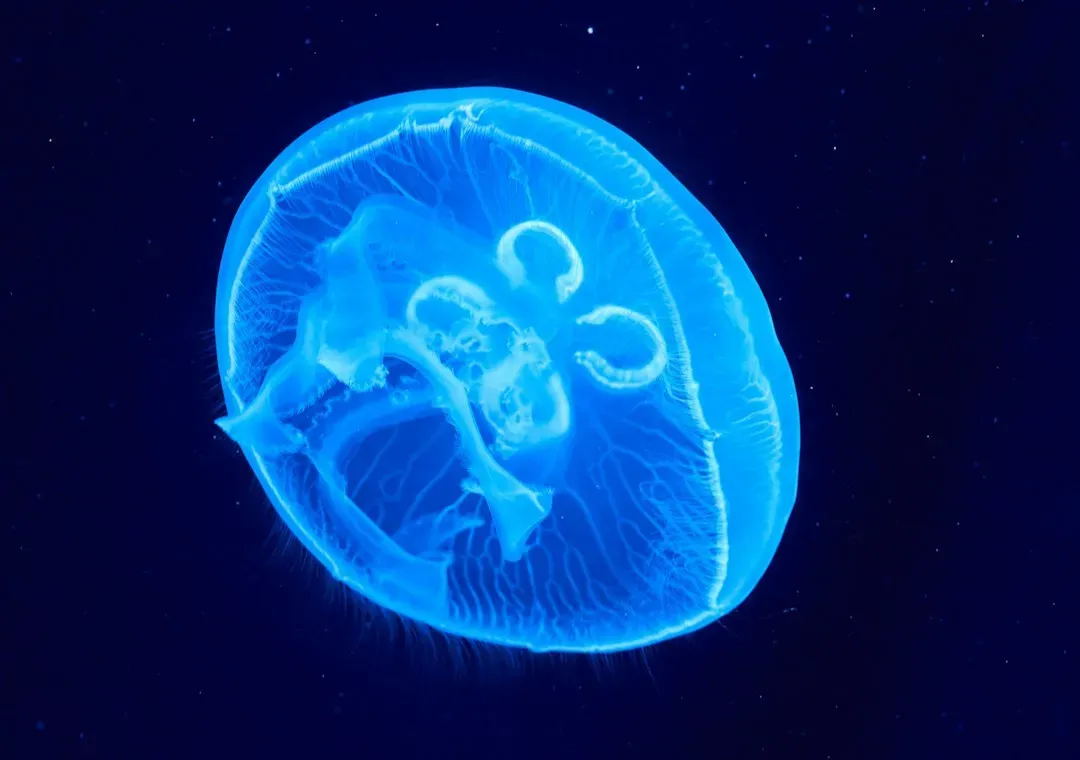
Imagine hitting a reset button on your life whenever things go wrong – losing your job, getting injured, or just getting old – and starting over as a child, with your memories wiped clean. The tiny jellyfish Turritopsis dohrnii comes disturbingly close to that fantasy. When it’s stressed by injury, starvation, or changes in the environment, it can reverse its own development and transform back into a juvenile stage, like a butterfly turning back into a caterpillar.
This process, called transdifferentiation, lets its adult cells morph into different types of cells, rebuilding its body instead of letting it decay. It doesn’t mean the jellyfish is truly immortal in the sense that it can’t die – predators, pollution, and disease still kill many of them – but it sidesteps the usual one‑way road of aging. In a world where humans pour billions into anti‑aging research, a transparent blob the size of your fingernail quietly breaks the rules of time at the bottom of the sea.
The Pistol Shrimp With a Sonic “Gun” for an Arm
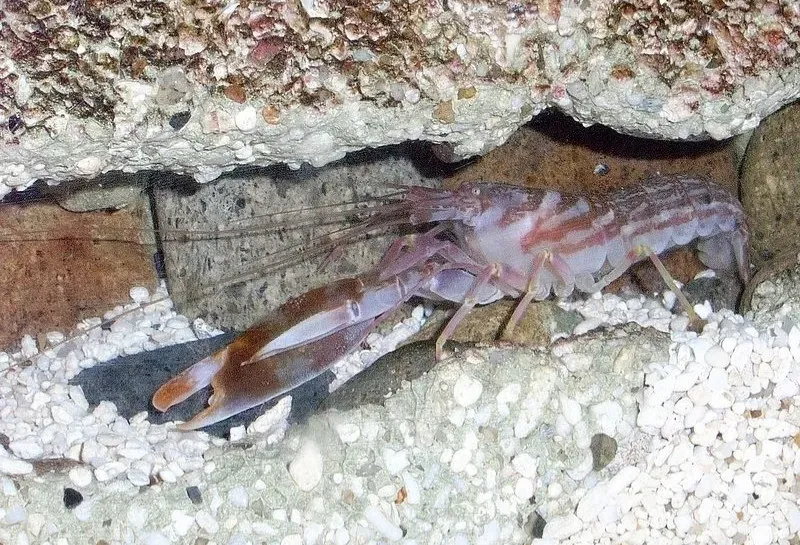
Some of the loudest weapons in the ocean are fired by a creature only a few centimeters long. The pistol shrimp, also known as the snapping shrimp, has one oversized claw that works like a biological cannon. When it snaps the claw shut at high speed, it shoots out a tiny bubble that collapses so violently it creates a shockwave, a flash of light, and temperatures briefly hotter than the surface of the sun in a microscopic space.
That collapsing bubble is powerful enough to stun or even kill small fish, making the shrimp’s prey basically drop out of the water column as if someone hit an invisible off switch. Divers sometimes hear entire reefs crackling and popping from thousands of these shrimps snapping at once, a kind of underwater static. Considering its size, the pistol shrimp is like a house cat wielding the firepower of a rocket launcher, and somehow that still feels like an understatement.
The Mantis Shrimp’s Punch That Breaks Glass
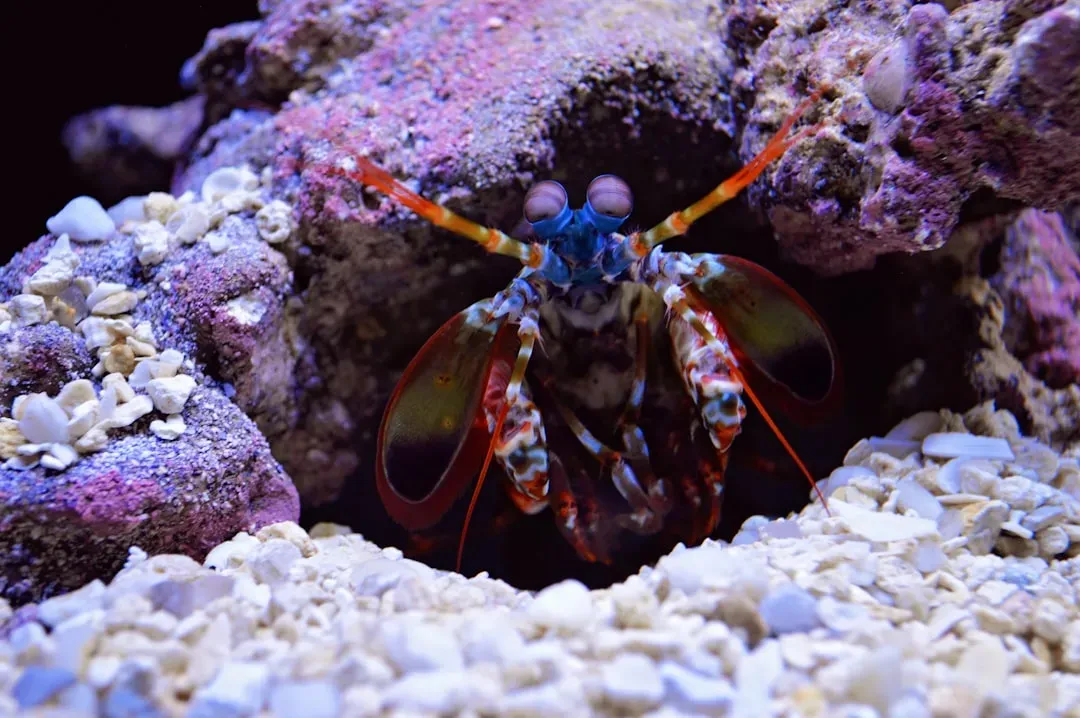
If superheroes were real animals, mantis shrimps would probably be on their recruitment list. These colorful, alien‑looking crustaceans pack one of the fastest and most powerful punches in the animal kingdom. Their club‑like limbs accelerate at speeds comparable to a bullet leaving a handgun, striking with so much force they can crack aquarium glass and smash open hard‑shelled prey like crabs and snails.
Their punch is so fast that it also creates cavitation bubbles in the water, which collapse and deliver a second impact, like hitting the same target twice in an instant. On top of that, many mantis shrimp species have insanely complex eyes, able to detect types of light humans can’t even see, including ultraviolet. Between the high‑speed attack and the high‑definition vision, they’re less like simple sea creatures and more like tiny, heavily armed martial artists stalking the reef.
The Desert Fog-Basking Beetle That Drinks the Air
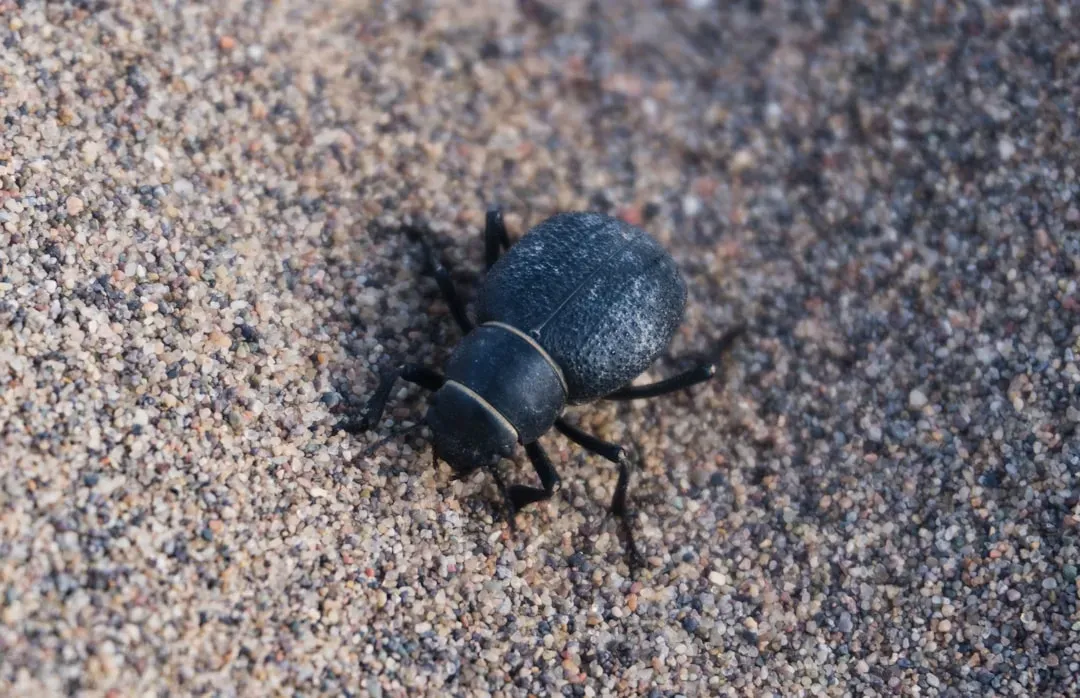
In some of the harshest deserts on Earth, where rain is rare and the ground is basically powdered bone and stone, a little black beetle has figured out how to drink from the sky. The Namib Desert beetle climbs to the top of sand dunes and tilts its body into the wind during foggy mornings. Its back is covered in a pattern of bumps and grooves that help capture microscopic droplets of water from the air.
The droplets gather on tiny hydrophilic spots – areas that attract water – while nearby hydrophobic channels repel water and guide it downward. Eventually, enough moisture builds up that it runs like a tiny stream straight into the beetle’s mouth. It’s a trick so clever that engineers have tried to copy it in water‑harvesting technologies for dry regions, which feels humbling: humans with labs and supercomputers borrowing design ideas from an insect the size of a fingernail.
The Arctic Fish With Antifreeze in Its Veins
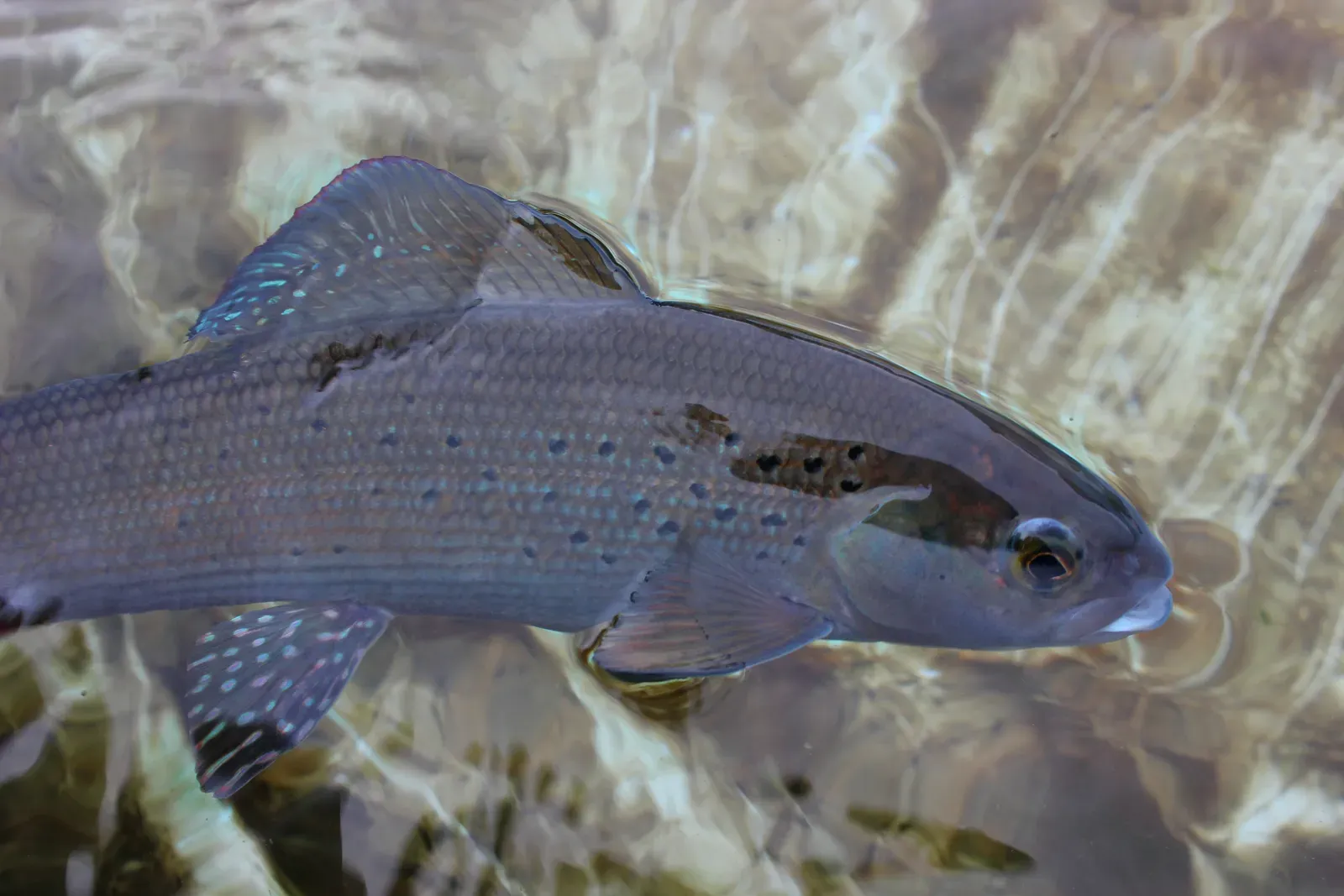
For most animals, swimming in subzero seawater would be a death sentence, as ice crystals start forming inside their blood and cells like tiny knives. Arctic and Antarctic fish known as notothenioids have hacked this problem by evolving natural antifreeze proteins in their blood. These proteins stick to forming ice crystals and stop them from growing, keeping the fish’s fluids liquid even when the surrounding water is colder than the usual freezing point.
This adaptation lets them thrive in waters that would turn most other fish into floating ice sculptures, opening up a whole frozen world with less competition and fewer predators. It’s such a specific, extreme solution that scientists study these proteins for use in medicine, food preservation, and organ storage. Next time you picture a fish gliding through polar seas, it’s worth remembering that part of the reason it’s alive is because it’s quietly running a natural antifreeze system you’d expect to find in a high‑tech lab.
The Axolotl That Regrows Limbs, Organs, and Even Parts of Its Brain
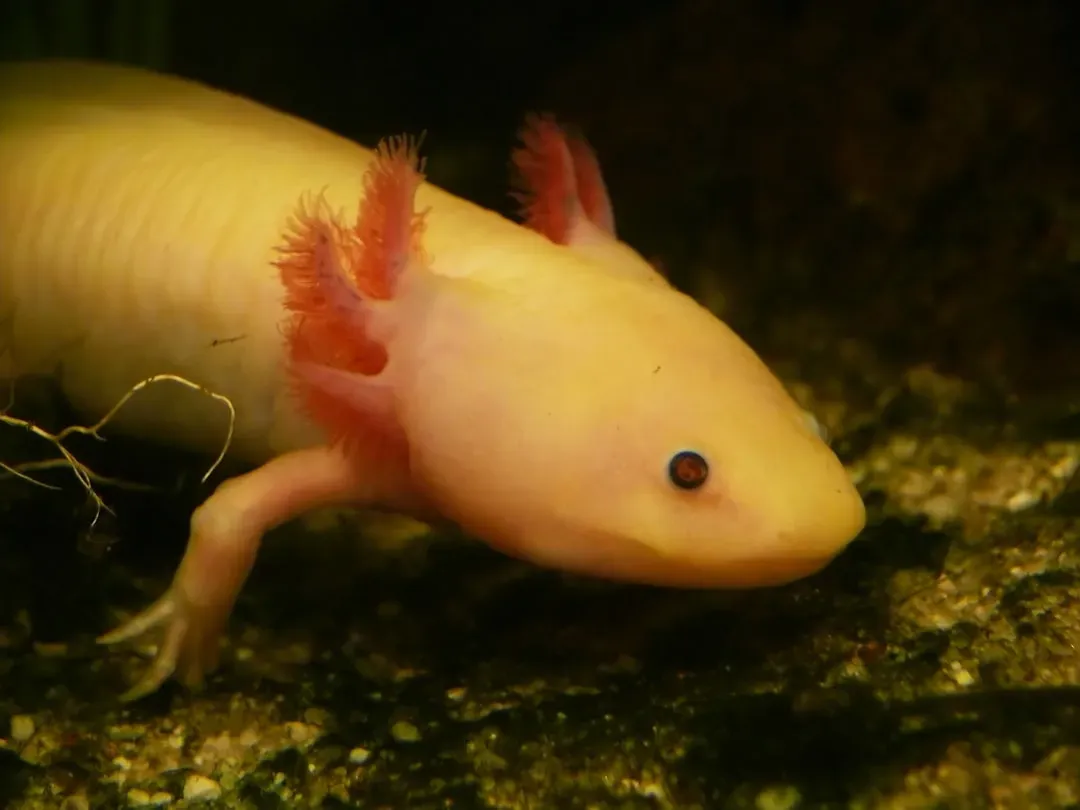
Most of us learn as kids that if a lizard loses its tail, it can grow a new one. That’s already impressive, but the axolotl, a salamander native to lakes in Mexico, takes regeneration to a completely different level. Axolotls can regrow entire limbs, including bones, muscles, blood vessels, and nerves, and they do it without leaving behind scars. If that wasn’t wild enough, they can also repair parts of their heart, spinal cord, and even parts of their brain.
Instead of patching up damaged areas with scar tissue like humans do, axolotls re‑activate developmental programs that rebuild the original structures, as if they were rewinding and replaying the instructions for building a body part. Scientists are obsessed with them because cracking their secrets might one day help humans heal spinal injuries or regenerate tissue after serious accidents. It’s surreal to look at a smiling, frilly‑gilled axolotl in a tank and realize it casually walks around with abilities that would feel like pure magic in a hospital ward.
The Leaf-Tailed Gecko That Vanishes Into the Forest
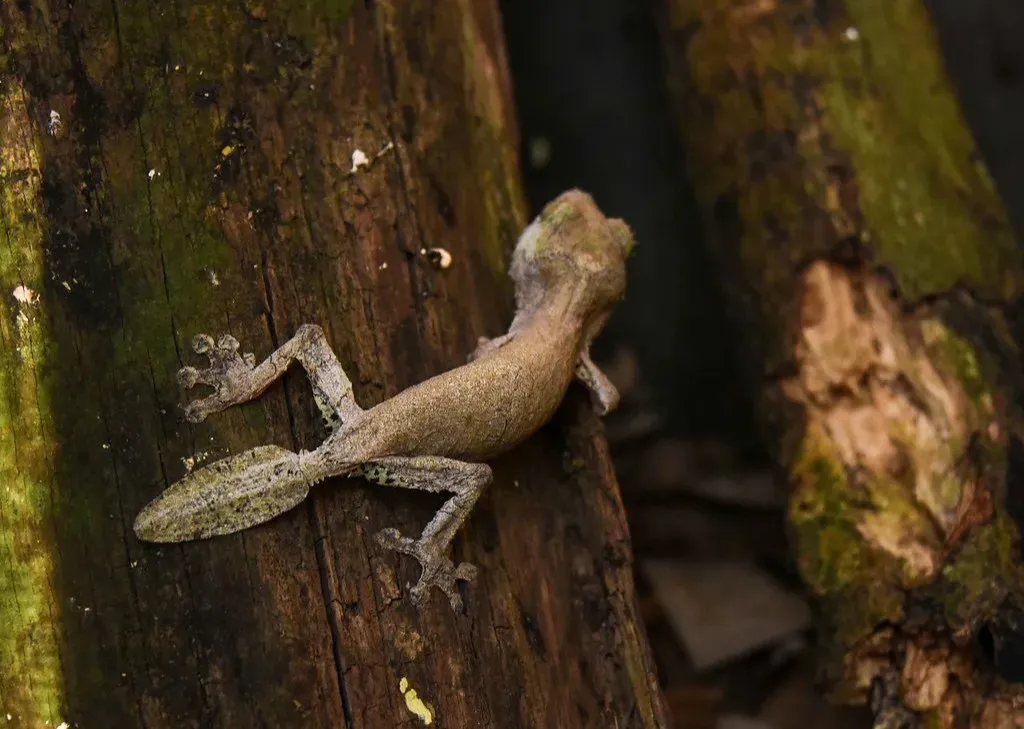
Some animals defend themselves with speed or armor; others essentially vanish. Leaf‑tailed geckos from Madagascar have bodies shaped and patterned so perfectly like dried leaves and tree bark that you can stare right at them and still not see them. Their skin is mottled with streaks, spots, and edges that mimic lichen, moss, and even bite marks on leaves, turning them into living illusions pressed against a branch.
Many species also flatten their bodies and press their limbs tight to surfaces, erasing shadows that might give them away. Some even have skin fringes that blur the boundary between their body and the background, like a painting that slowly fades into the canvas. In forests filled with hungry birds and mammals, this level of camouflage is not a luxury; it’s life insurance. It’s also a reminder that sometimes the most extreme adaptation isn’t a weapon at all – it’s the art of not being noticed.
The Tardigrade That Survives Space, Radiation, and Extreme Destruction
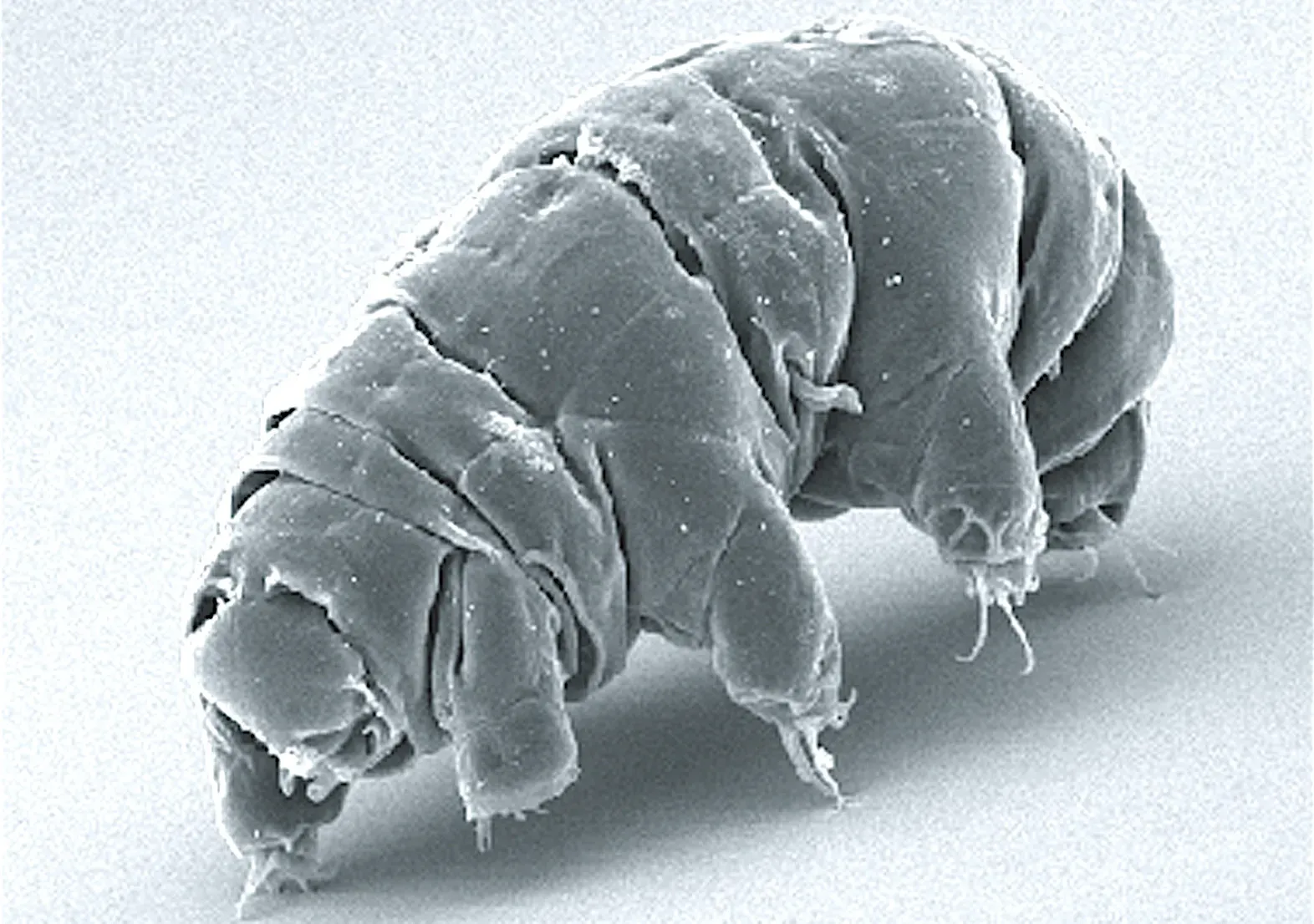
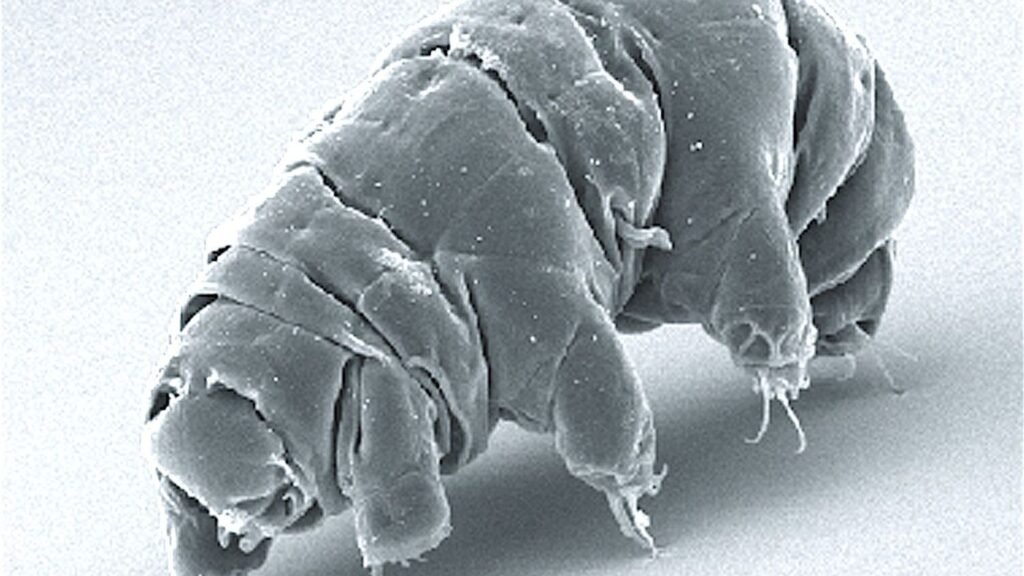
Tardigrades, often called water bears, look a bit like tiny vacuum‑sealed bears with too many legs, and their secret is simple: when things get bad, they basically stop being fully alive for a while. Faced with dryness, intense cold, or lack of food, they curl up into a state called a tun, shutting down their metabolism to nearly zero. In this form, they can withstand crushing pressure, brutal radiation, extreme temperatures, and even the vacuum of space for limited periods.
Scientists have revived tardigrades after years in this suspended state, watching them rehydrate and wobble back to life like nothing happened. They are not indestructible, and they do have limits, but compared with most life on Earth, they might as well be superheroes in hibernation. The fact that such a tough, reality‑defying organism looks like something drawn by a bored child only makes it stranger. Nature seems to enjoy hiding its most outrageous tricks in the smallest, least intimidating packages.
Conclusion: Nature Is Stranger Than Fiction
From jellyfish that rewind their lives to shrimp that fire sonic weapons, these creatures make it clear that evolution is less like a slow, tidy process and more like a wild, relentless experiment. Every strange adaptation you’ve just met is a direct response to pressure, danger, scarcity, or competition, hammered into shape over millions of years. What feels shocking or bizarre to us is, for them, just the minimum toolkit for staying alive one more day.
Once you realize that reality already contains weapons, tricks, and abilities far beyond what most people imagine, fiction suddenly has a lot of catching up to do. The real question is not whether there are more unbelievable adaptations out there, but how many we’ve completely missed because we weren’t looking closely enough. Which of these creatures changed the way you see the natural world?