
Every time we think we’ve got the universe more or less figured out, space throws us something utterly baffling. Strange signals, impossible stars, cosmic flashes that appear and vanish in a heartbeat – it’s like the cosmos is leaving us clues in a language we’re only just learning to read. Some of these mysteries are so wild that, if we ever crack them, they could flip entire physics textbooks upside down.
What follows isn’t science fiction; it’s the real list of puzzles that astronomers, physicists, and space agencies are wrestling with right now. From signals that repeat like a broken record across billions of light-years, to possible hints that our universe might be just one bubble in a vast cosmic foam, these unexplained phenomena are pushing our imagination to its limits. And the most unsettling part? We might still be missing the biggest mysteries of all.
Fast Radio Bursts: Millisecond Signals from the Deep
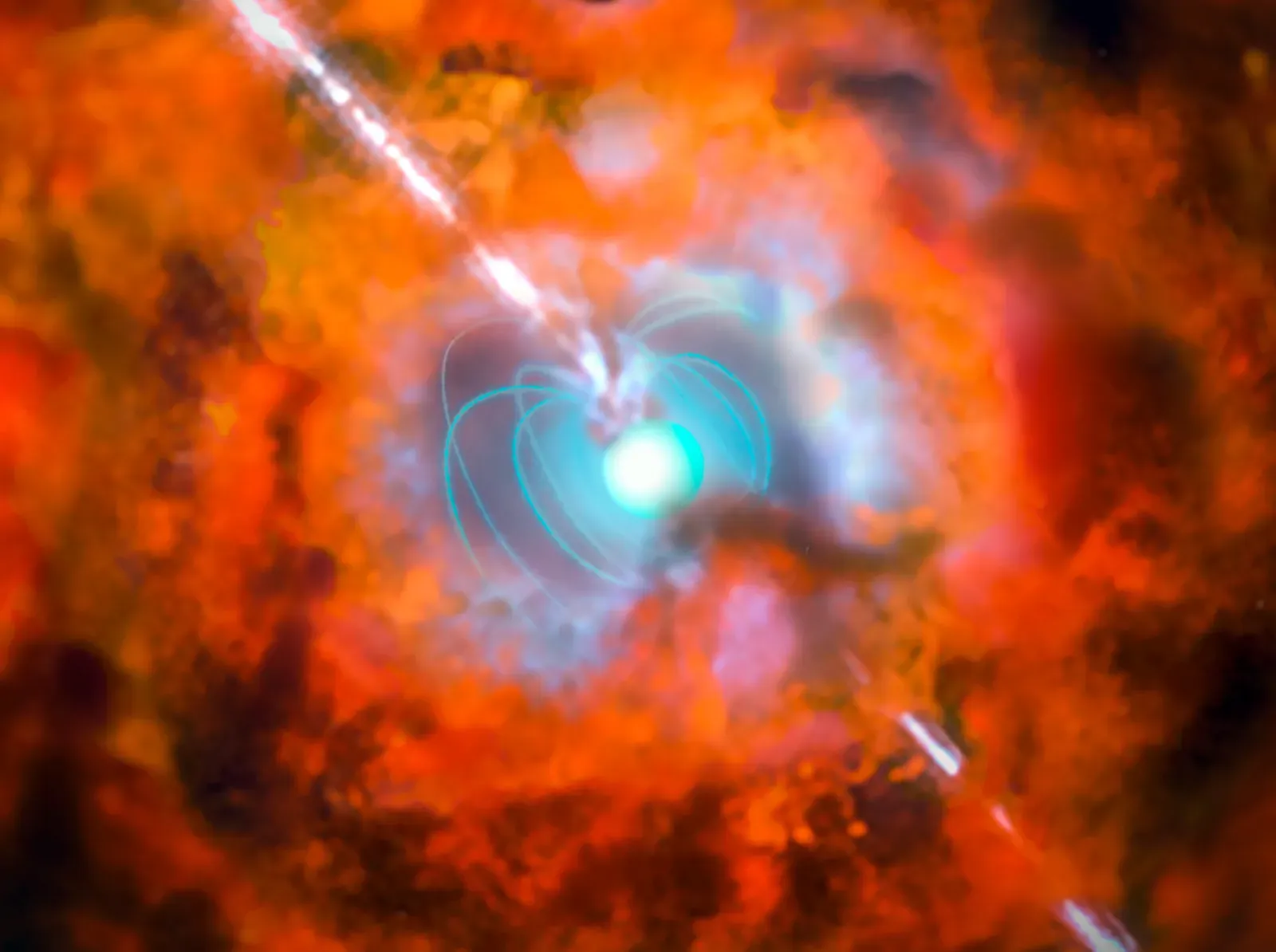
The first time astronomers spotted a fast radio burst (FRB), they honestly thought it might be some weird glitch in the data. Imagine getting a sudden radio flash from space that lasts less than the blink of an eye, yet releases as much energy as the Sun does in days. That’s what FRBs are: ultra-short, insanely powerful radio pulses coming from far beyond our galaxy. We’ve now detected hundreds of them, and some of them repeat, almost as if whatever is doing this is turning on and off like a cosmic lighthouse.
The problem is, we still don’t know what is causing them. Some theories point to highly magnetized neutron stars, others to colliding objects, or even exotic new types of stellar remnants we haven’t properly described yet. Because FRBs travel through vast amounts of intergalactic gas, they also carry information about the “stuff” between galaxies, so cracking them could give us a new tool to map the invisible matter in the universe. Every new FRB adds another piece to a puzzle that could reshape how we think about extreme physics, cosmic magnetism, and the structure of space itself.
Dark Matter: The Invisible Skeleton of the Universe
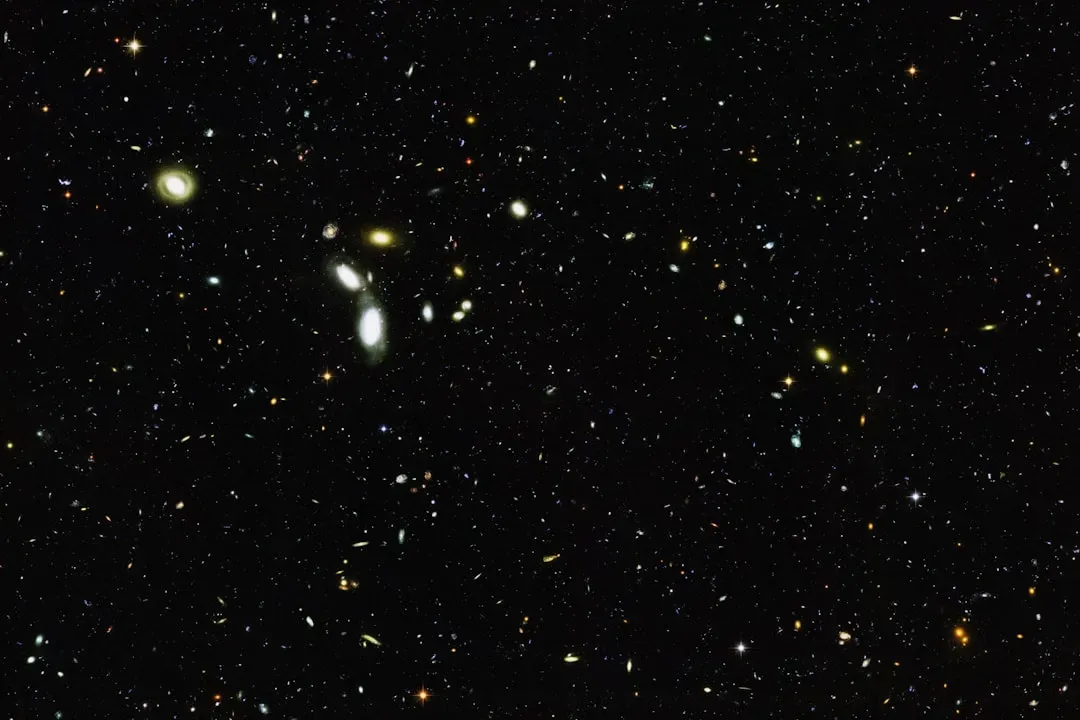
When astronomers measured how fast stars were orbiting in galaxies, something didn’t add up. The galaxies were spinning so quickly that, by normal physics, they should have flown apart long ago. The only way to make sense of it was to assume that there was extra mass holding everything together – mass we couldn’t see. That ghostly, unseen stuff is what we now call dark matter, and it makes up the majority of the matter in the universe, even though we’ve never directly detected a single dark matter particle in the lab.
There are a lot of candidates: weakly interacting massive particles, axions, sterile neutrinos, or something entirely different that hasn’t made it into our particle catalog yet. The really wild thing is that galaxies, galaxy clusters, and even the large-scale web of the cosmos all seem to be shaped and controlled by dark matter. It’s like the steel framework inside a skyscraper that’s hidden behind the glass; you don’t see it, but it’s doing all the heavy lifting. If we finally figure out what dark matter actually is, we’ll not only solve a huge cosmic mystery, we may also uncover new physics beyond our current best theories.
Dark Energy: The Force Pushing Space Apart
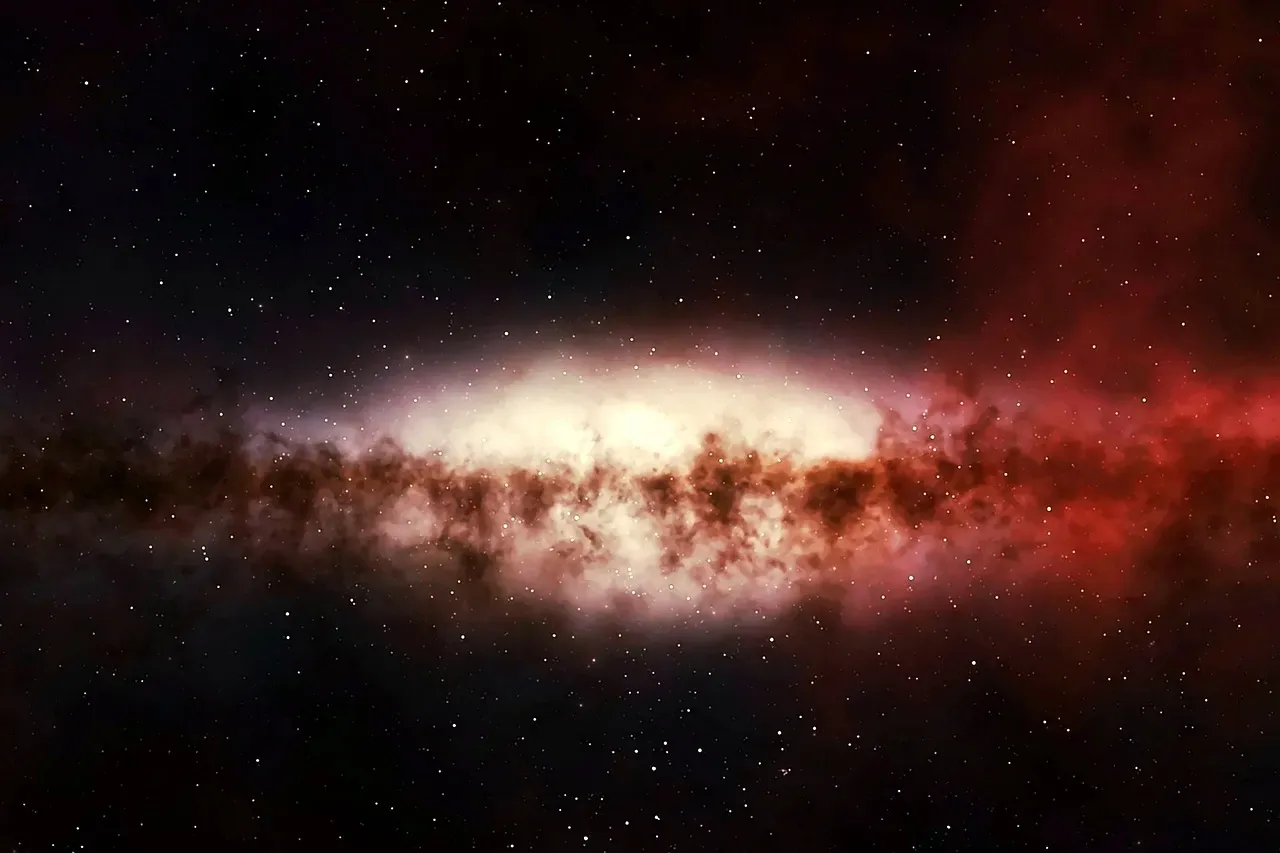
In the late twentieth century, astronomers expected to find that the expansion of the universe was slowing down. Gravity, after all, should be pulling everything back together, even if just a little. Instead, they found the cosmic equivalent of a plot twist: the expansion is speeding up. Something is acting like an invisible anti-gravity, pushing galaxies away from each other faster and faster as time goes on. That something is what we call dark energy, and it currently seems to dominate the energy budget of the entire universe.
We have decent measurements of the effect, but painfully little understanding of the cause. Is dark energy a property of empty space itself, a kind of built-in pressure of the vacuum? Is it a new field or force that changes over time? Or is our understanding of gravity on cosmic scales simply wrong? Any of those answers would be revolutionary. Solving the dark energy puzzle could force us to rewrite our understanding of spacetime, gravity, and the ultimate fate of the cosmos – whether it drifts into a cold, empty darkness or evolves in ways we can barely imagine.
Tabby’s Star and the Case of the Strange Dimming
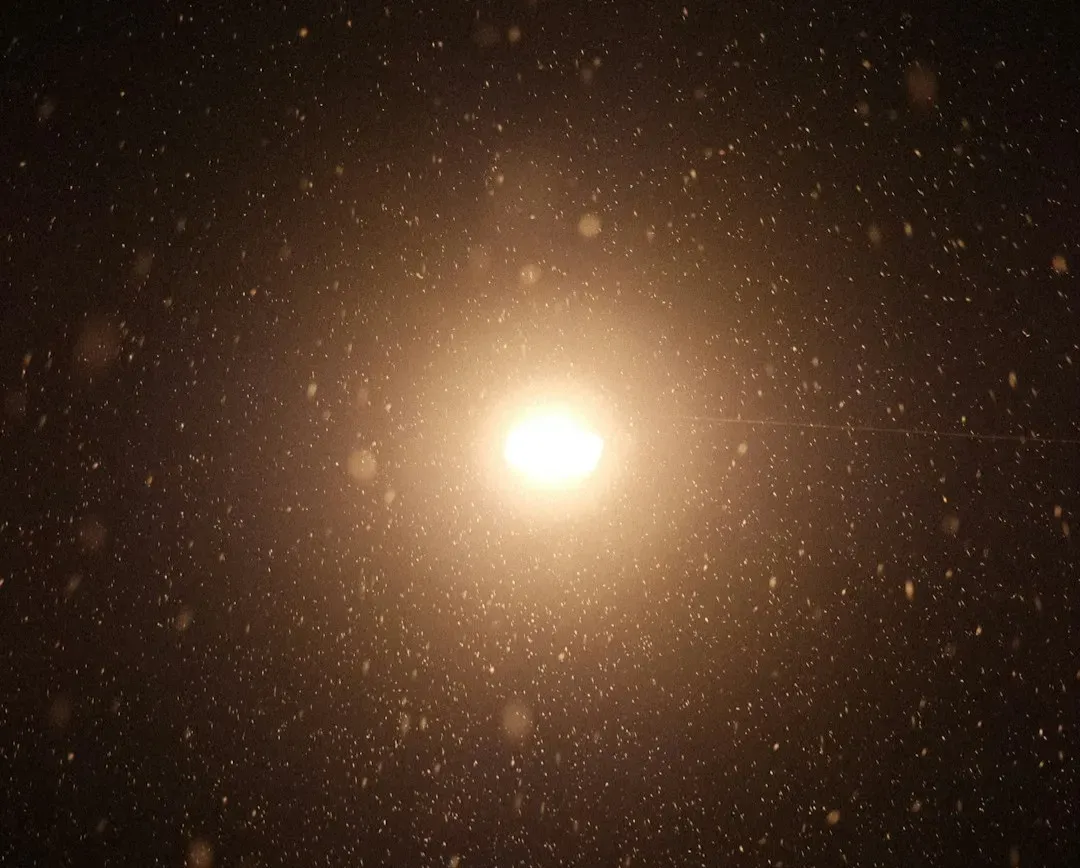
When astronomers first looked closely at a star known as KIC 8462852, often nicknamed Tabby’s Star, they noticed something deeply strange. Most stars that dim do so in predictable ways, usually because a planet passes in front of them, blocking a small, regular fraction of the light. But Tabby’s Star flickers in irregular, dramatic drops – sometimes losing a large chunk of its brightness for no obvious reason, then returning to normal. It’s like someone playing with a dimmer switch in a very unpredictable way.
People jumped to all sorts of ideas, from swarms of comets to clouds of dust to, inevitably, speculations about alien megastructures. The alien angle is far from proven and heavily doubted by most scientists, but the fact that it was even considered shows how weird this star’s behavior really is. Current evidence leans toward complex clouds of dust or debris, possibly from disrupted bodies or material orbiting the star, yet the details are still fuzzy. Understanding oddballs like Tabby’s Star matters because they test our assumptions about how stars, planets, and debris behave – and remind us that not everything in the galaxy fits neatly into our existing categories.
The Wow! Signal and the Search for Cosmic Company
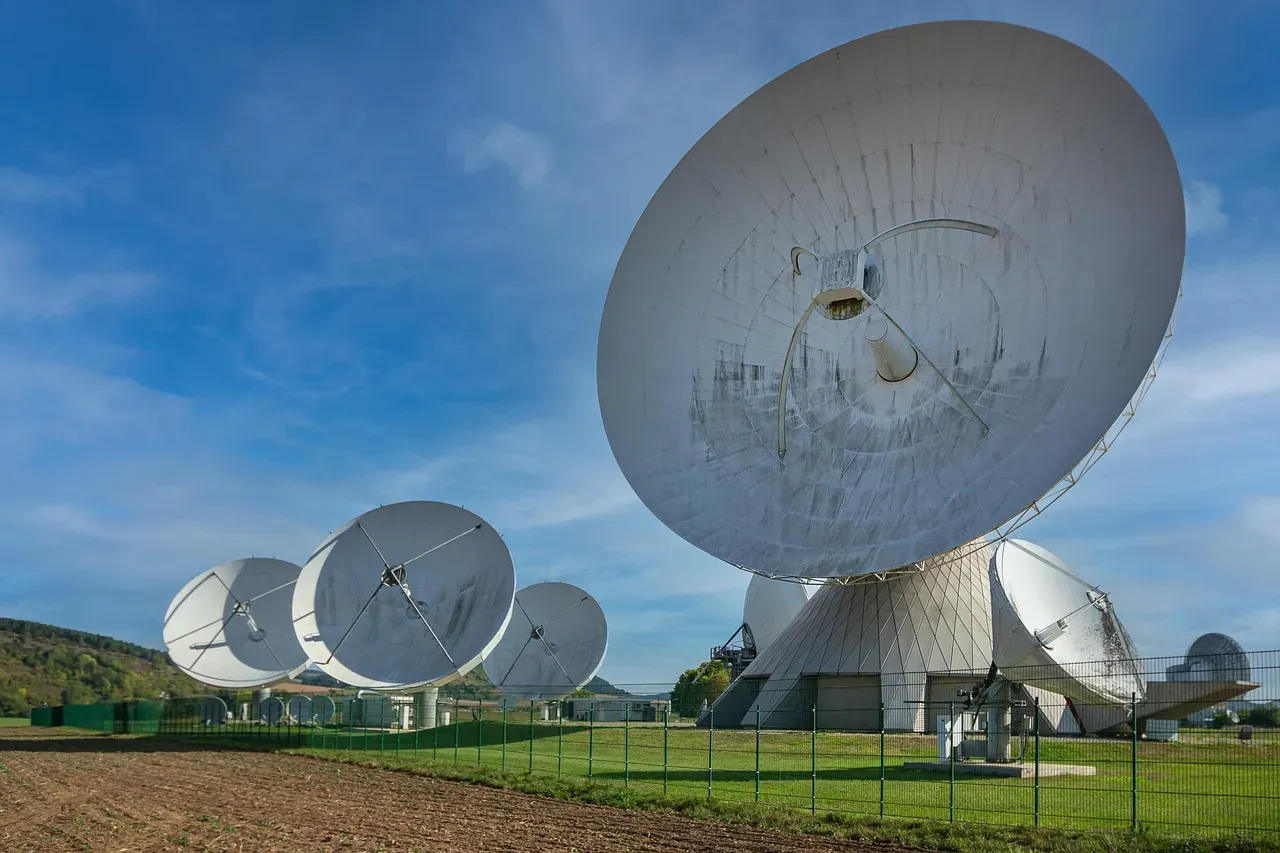
In the late twentieth century, a radio telescope picked up a narrow, strong signal from space that lasted just over a minute and then never came back. It looked exactly like the kind of thing you’d hope to see if someone, somewhere, was transmitting a focused radio beam across the stars. The observation became famous under a simple name: the Wow! signal. Since then, scientists have pointed radio telescopes back to that patch of sky again and again, but the signal has never repeated in the same way, leaving a giant question mark hanging over it.
No one has convincingly explained it as interference, a known satellite, or a natural phenomenon, though several ideas have been suggested, including unusual emissions from comets or other space objects. The mystery of the Wow! signal matters because it sits right in the middle of one of the biggest questions we can ask: are we alone? Even if it turns out to have a natural cause, figuring that out would help refine how we search for intelligent life and what kind of signals we should look for. Until we have a solid answer, that one-off cosmic whisper keeps the door wide open for speculation and cautious hope.
Ultra-High-Energy Cosmic Rays: Particles from the Edge of Physics
Cosmic rays are high-energy particles that constantly hit Earth from space, but a tiny fraction of them are so energetic they almost defy belief. These ultra-high-energy cosmic rays carry as much kinetic energy as a well-hit tennis ball, shoved into a single atomic particle. That might sound small, but on the particle scale it’s absurdly huge, far beyond what even our most powerful human-built accelerators can manage. The big question is: what in the universe is capable of hurling particles to such wild energies?
Some theories point to the environments around supermassive black holes, powerful jets from active galaxies, or vast shock waves from galaxy collisions. Others wonder if we’re seeing hints of physics beyond what we know, perhaps involving exotic objects or new forms of particles. Tracking where these cosmic rays come from is very hard, because magnetic fields twist their paths like tangled spaghetti on the journey to Earth. If we can finally pinpoint their sources and mechanism, we might discover new kinds of cosmic engines and gain insights into extreme conditions we can never recreate on Earth.
The Hubble Tension: A Cosmic Speed Disagreement
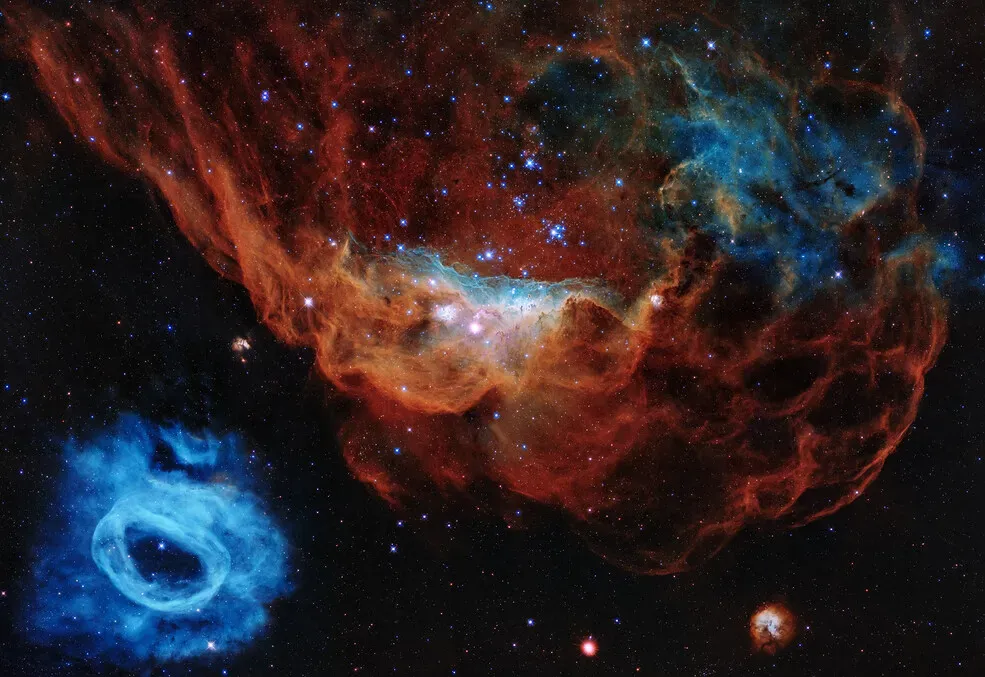
Measuring how fast the universe is expanding sounds like something we should have nailed by now, but it’s become one of the most troubling mysteries in modern cosmology. When scientists measure the expansion rate using the early universe – basically reading the faint afterglow of the Big Bang – they get one number. When they measure it using nearby stars and galaxies in the present-day universe, they get a slightly but stubbornly different number. This mismatch is called the Hubble tension, and it refuses to go away, even as measurements get more precise.
There are two uncomfortable possibilities. Either someone has made a subtle but important mistake in these incredibly careful observations, or our standard model of cosmology is incomplete. If it’s the second option, that could mean new types of dark energy, extra forms of radiation, or even previously unknown ingredients in the universe’s early recipe. In other words, a simple “speed disagreement” might be a sign that we’re missing a key chapter in the story of how the cosmos evolved from the Big Bang to now.
The Possibility of a Multiverse: Clues at the Edges of Space and Time
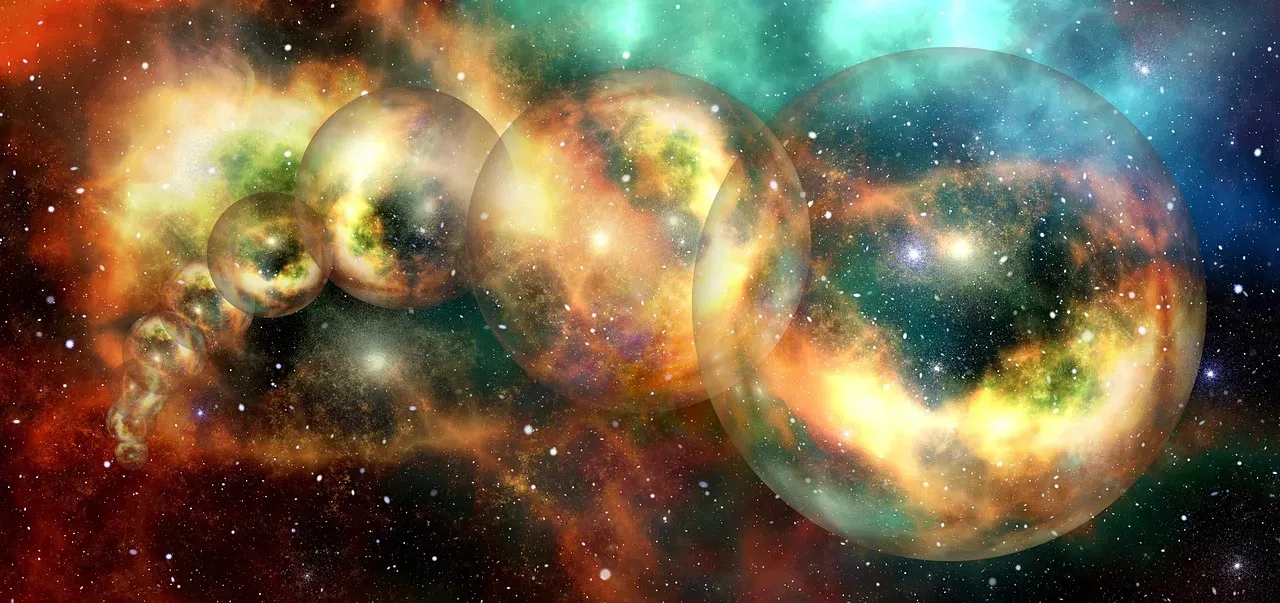
The idea of a multiverse sounds like something ripped from a science fiction movie, but some serious theories in physics and cosmology leave the door open to it. In certain models of cosmic inflation – the rapid expansion that may have happened just after the Big Bang – our universe is just one bubble in a vast frothing sea of other universes, each potentially with different physical constants or laws. We do not have direct evidence for those other bubbles, which makes the concept wildly speculative but still hard to completely ignore.
Some researchers have looked for subtle signs of collisions between our supposed bubble universe and others, such as unusual patterns in the cosmic microwave background sky. So far, nothing has been confirmed, but the search itself is pushing us to develop sharper tools and tests. If any convincing hint of a multiverse ever appears, it would radically change how we think about “reality” and our place in it. Instead of being the only universe, ours might be just one strange story in an infinite cosmic library.
A Universe That Refuses to Be Simple
These eight mysteries are like cracks in the surface of our understanding, letting us peek at something deeper and stranger underneath. Fast bursts from distant galaxies, invisible matter and energy, bizarre stars, and odd signals all point to a universe that still has secrets tucked away in every corner. As our telescopes, detectors, and theories get better, some of these puzzles will almost certainly fall into place, and a few may turn out to be less exotic than they seem right now.
But even then, each solved riddle will probably uncover new, sharper questions, because that’s how science works at the edge of the unknown. The cosmos is not a neat, finished puzzle; it’s more like an ever-expanding map where every new landmark reveals more blank space. Somewhere out there, answers to these phenomena are waiting in the data we have yet to collect or the ideas we have yet to imagine. Which of these mysteries do you think will crack first – and which one do you secretly hope never loses its sense of wonder?