
Space is supposed to follow rules. Equations, models, predictions – it all looks so clean on a chalkboard. And yet, the deeper we look into the universe, the more it behaves like a magician who keeps pulling new tricks from a hat we thought was empty. Some of these cosmic mysteries have teased scientists for decades; others showed up only once, like a strange knock on the door that never returns.
What makes these unexplained phenomena so gripping is that they’re not just random oddities – many of them hint that our understanding of physics might be incomplete. As telescopes improve and data piles up, astrophysicists keep hoping for that one observation that finally connects the dots. Until then, these are the cosmic puzzles that refuse to sit quietly in the back of the textbook.
Fast Radio Bursts: Millisecond Messages from the Deep
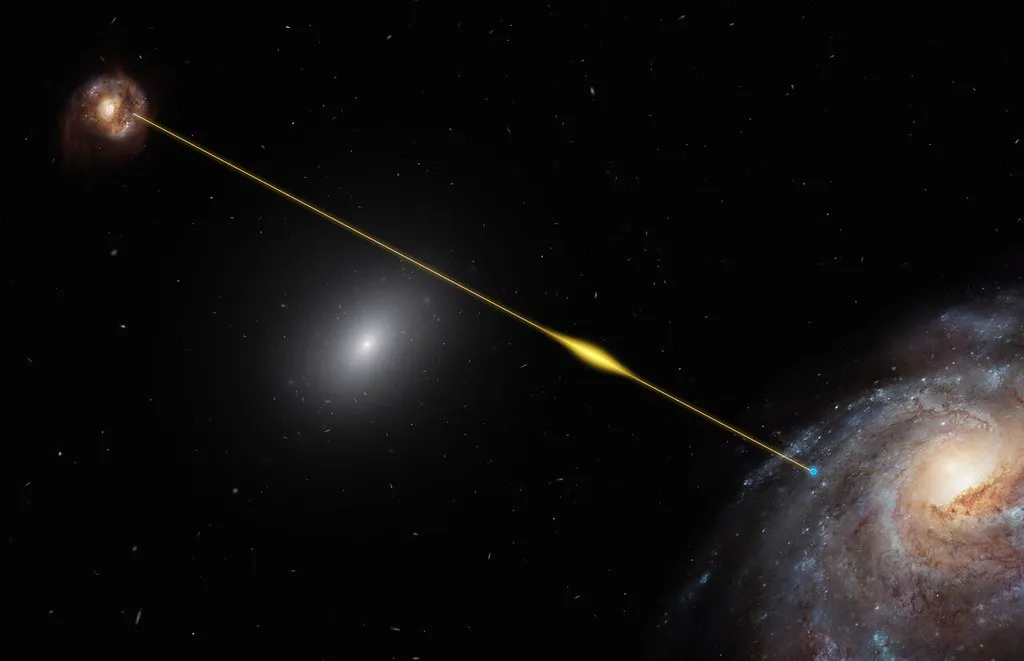
The first time astronomers spotted a fast radio burst, it looked like a mistake – a split-second spike of radio energy, there and gone in less than the blink of an eye. These fast radio bursts, or FRBs, are incredibly powerful: in a tiny fraction of a second, they can release as much energy as our Sun does in days. They’re also coming from way outside our galaxy, which only makes the mystery deeper. Imagine hearing a single, deafening clap of thunder and having no idea whether it came from a storm, a volcano, or something else entirely.
We now know there are repeating FRBs that flash again and again, and others that fire once and then go silent forever. Some seem connected to magnetars – ultra-magnetic neutron stars – but that doesn’t explain all of them or why their patterns vary so wildly. A few FRBs even seem to show strange periodic behavior, like they switch on and off in cycles. Astrophysicists are torn between known extreme objects, like collapsing stars, and more exotic possibilities that would stretch current models of plasma, magnetism, and gravity beyond familiar territory.
Dark Matter: The Invisible Scaffolding of the Universe
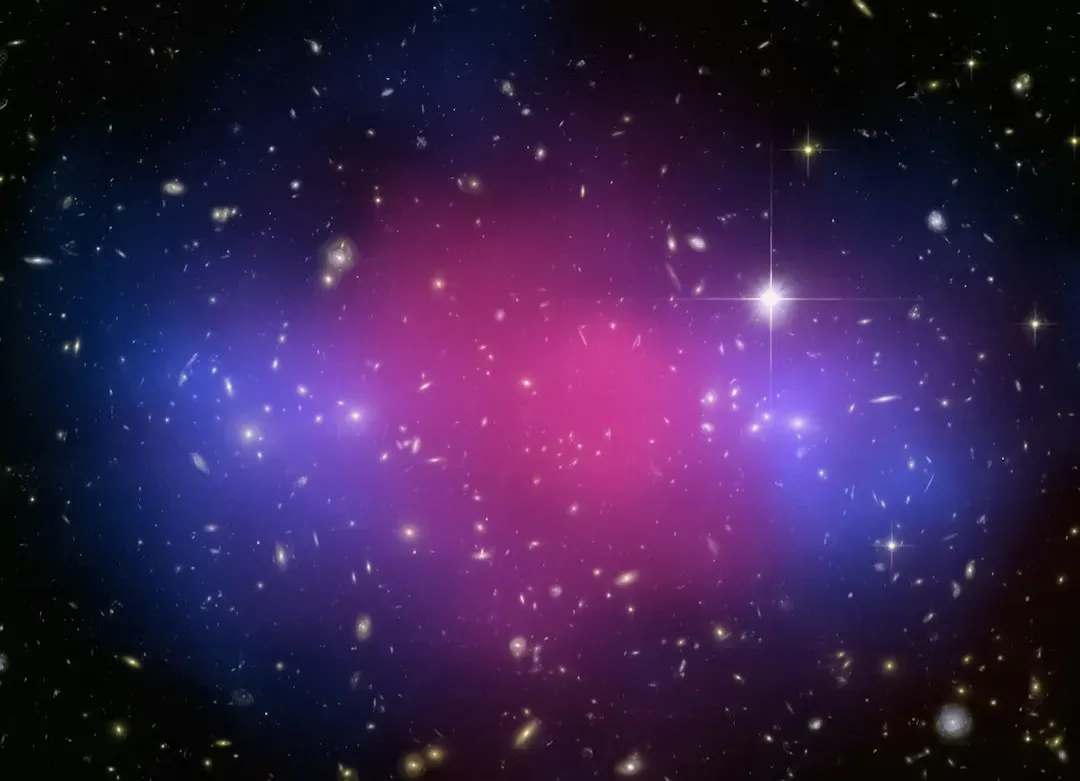
Dark matter is the thing that refuses to be seen but insists on being felt. Galaxies spin too fast to be held together by the matter we can actually observe; if only visible matter were there, they would fly apart. Something else, something invisible, must be providing the extra gravity that keeps them intact. This hidden mass is what scientists call dark matter, and it appears to make up the majority of matter in the universe, yet we’ve never detected a single particle of it directly.
For decades, labs buried deep underground have tried to catch a dark matter particle colliding with regular atoms, and so far, nothing has been definitively confirmed. Some researchers suspect that maybe we’re looking for the wrong kind of particle, or that gravity behaves differently on huge scales than we think. I find dark matter oddly humbling: it’s like realizing you’ve been describing a house by its furniture while ignoring the wooden beams that hold the whole thing up. We can see its effects everywhere, but the thing itself remains stubbornly out of reach.
Dark Energy: Why the Universe Is Speeding Up Instead of Slowing Down
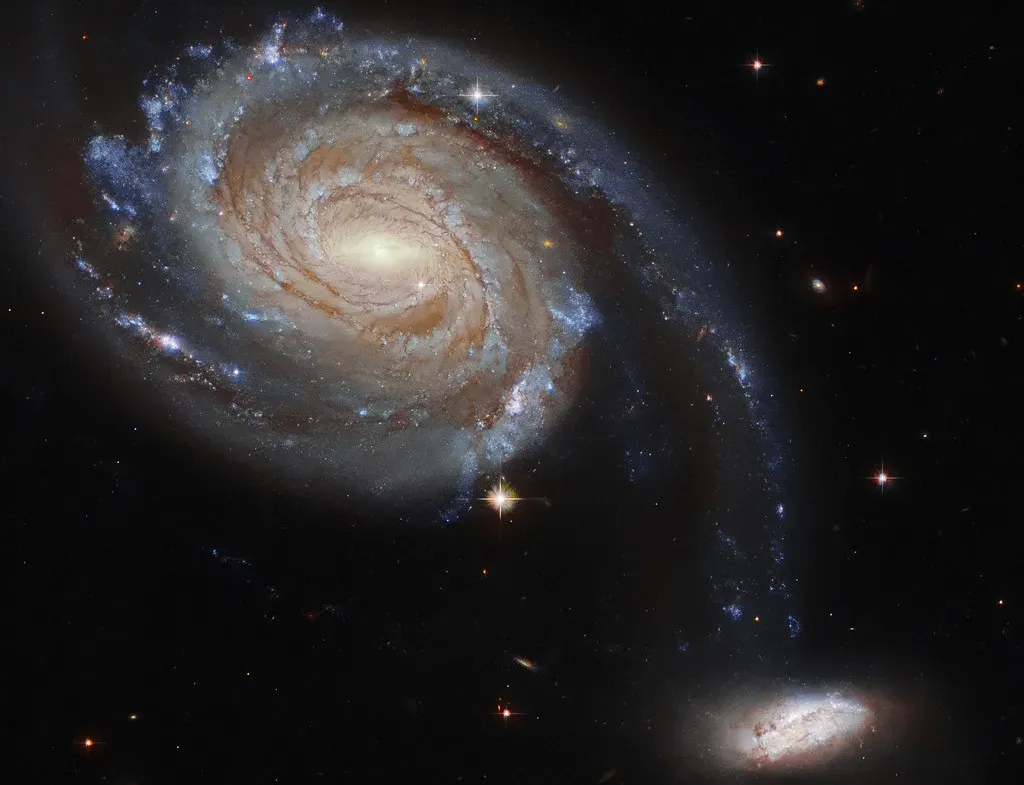
When astronomers measured distant exploding stars in the late twentieth century, they expected to find that the universe’s expansion was slowing down under the pull of gravity. Instead, they found the opposite: the expansion is speeding up, as if some bizarre anti-gravity force is pushing galaxies apart. This mysterious something was labeled dark energy, and it now appears to account for the vast majority of the total energy content of the universe. It’s like discovering the universe is mostly made of a kind of fuel you can’t see, touch, or properly define.
Several ideas have been thrown around, from a built-in property of space itself to new forms of energy fields we haven’t imagined yet. The trouble is, dark energy doesn’t clump, glow, or interact in any way we can easily probe; it just quietly stretches space. To me, dark energy feels like the universe’s way of reminding us that even our most confident theories can miss something huge. Astrophysicists keep mapping galaxies and measuring the cosmic microwave background, hoping tiny deviations in the data will point to what this invisible driver really is.
Tabby’s Star and the Case of the Strange Dimming
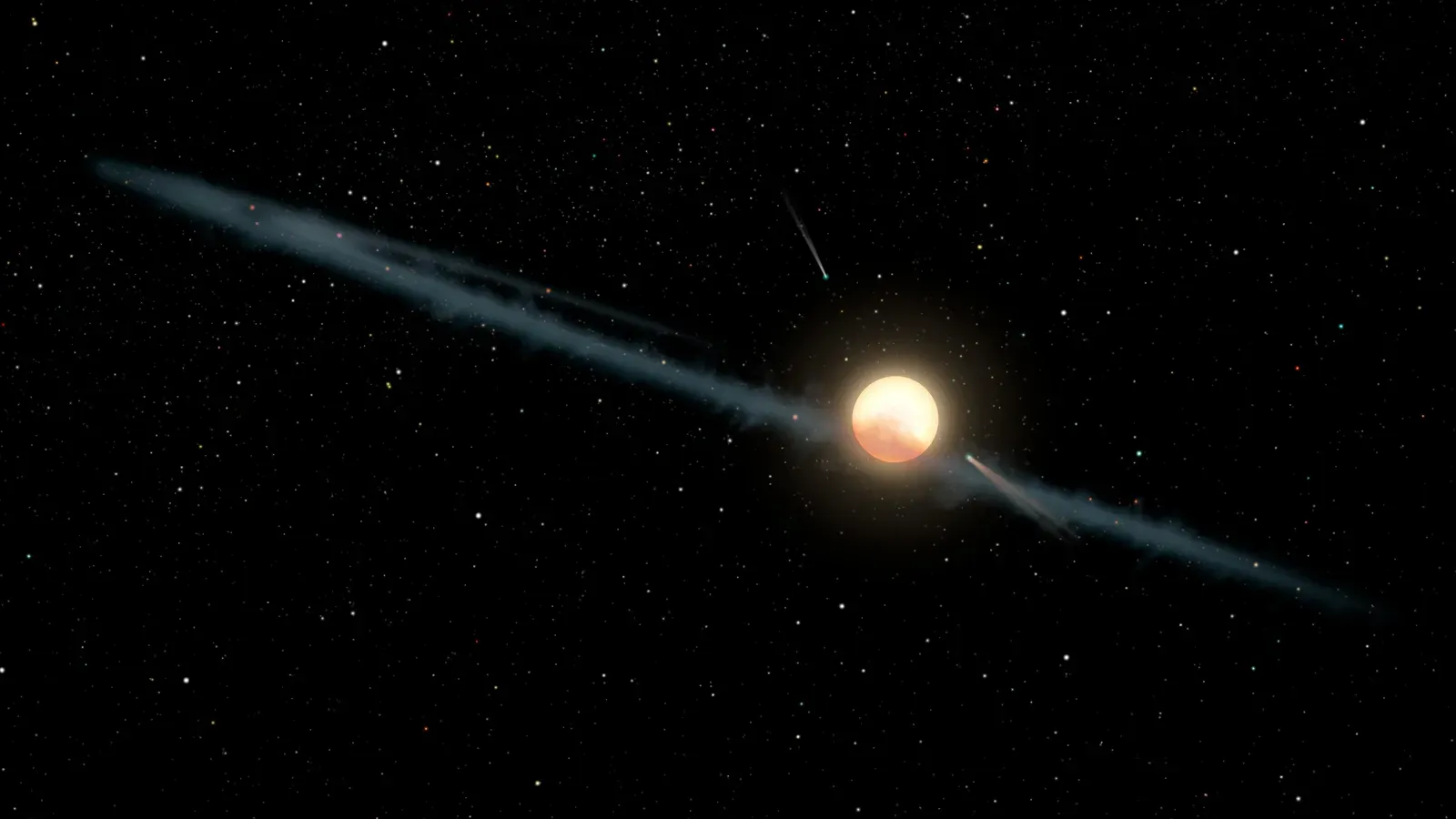
Tabby’s Star, officially known as KIC 8462852, became famous because it simply refused to behave like a normal star. Its brightness dipped in odd, irregular ways – sometimes only a little, sometimes by a huge amount – with no obvious rhythm. Stars can dim if a planet passes in front, but that produces tidy, repeated patterns. Tabby’s Star looked more like someone was randomly drawing curtains of different sizes across it, and not on any predictable schedule.
Scientists proposed all sorts of ideas: swarms of comets, clouds of dust, or shattered planetary debris. Observations suggest that very fine dust might explain part of the dimming, but not all the strange long-term fading and irregularity. The episode is a good reminder of how ready people are to jump to dramatic explanations, even when the more likely ones involve messy, natural processes we don’t fully understand yet. Still, the star’s behavior nags at astronomers, because it hints there may be stellar environments far more chaotic than our tidy diagrams suggest.
Ultra-High-Energy Cosmic Rays: Particles That Shouldn’t Be Possible
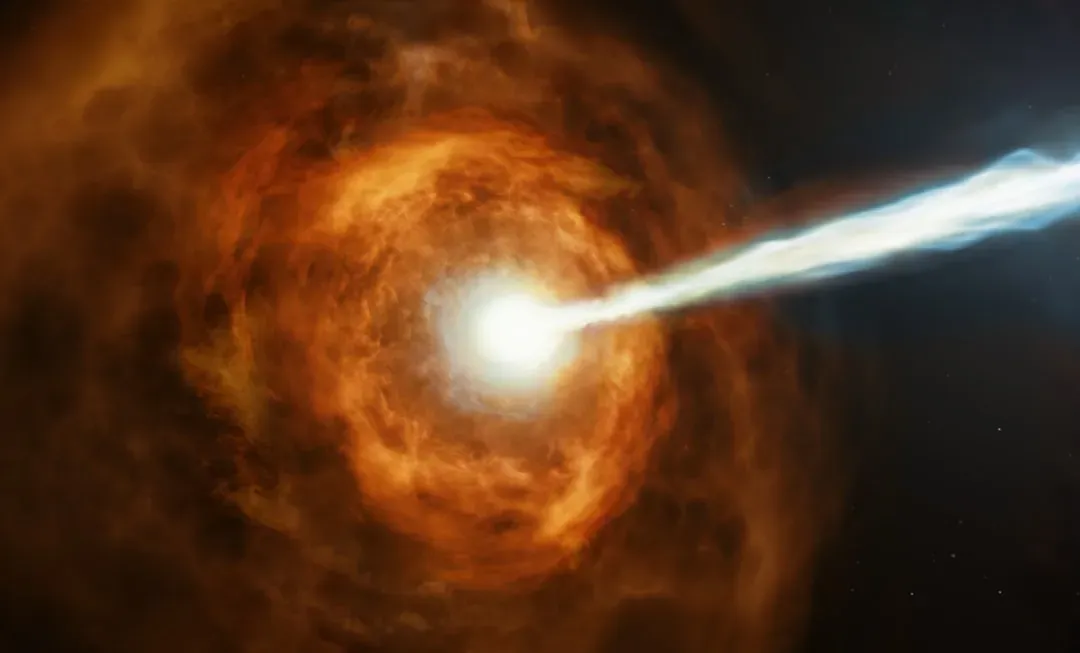
Every day, Earth is bombarded by cosmic rays – particles from space that slam into the atmosphere at high speeds. Most are fairly ordinary, but once in a while, a particle arrives with such immense energy that it makes no sense. These ultra-high-energy cosmic rays carry energies millions of times greater than anything our most powerful particle accelerators can produce. It’s as if nature built a collider somewhere out there that makes the Large Hadron Collider look like a toy.
The problem is, we don’t know where these particles are coming from or how they’re accelerated to such absurd energies. Nearby candidate sources like active galactic cores or gamma-ray bursts might fit, but the paths of charged particles get scrambled by magnetic fields, so by the time they reach us, their origin point is blurred. On top of that, theory suggests that extremely high-energy particles shouldn’t travel very far through the cosmic background radiation without losing energy. Yet, we detect them anyway, like bullets that should have been slowed by thick fog but somehow still hit with full force.
Odd Radio Circles: Giant Rings with No Clear Origin
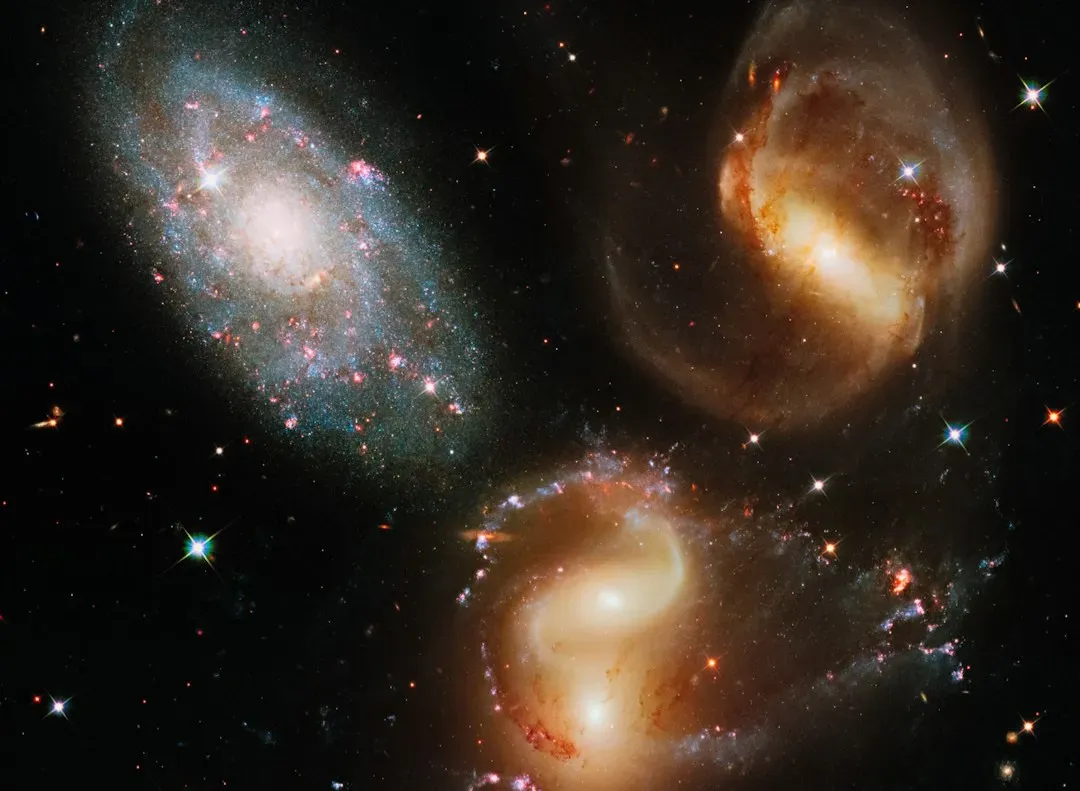
In recent years, radio astronomers stumbled on something new: giant, faint rings of radio emission hanging in space, now casually called odd radio circles, or ORCs. They are enormous, often larger than whole galaxies, yet they don’t show obvious counterparts in visible light. Their circular shapes suggest some kind of massive explosion or outflow, but the exact engines behind them are still under debate. It’s as if someone drew perfect smoke rings across the sky and then vanished.
Some ORCs seem to be associated with galaxies that may host active supermassive black holes, hinting that powerful jets or ancient outbursts could be involved. Others are less clear, and the small number we’ve found so far makes it hard to form a solid theory. For me, ORCs highlight how new technology – in this case, wide-field radio surveys – can suddenly reveal entire classes of objects we had no clue existed. The universe didn’t just become weird recently; we’re only now getting good enough at looking to see how weird it has always been.
The Hubble Tension: Two Ways to Measure a Universe That Don’t Match
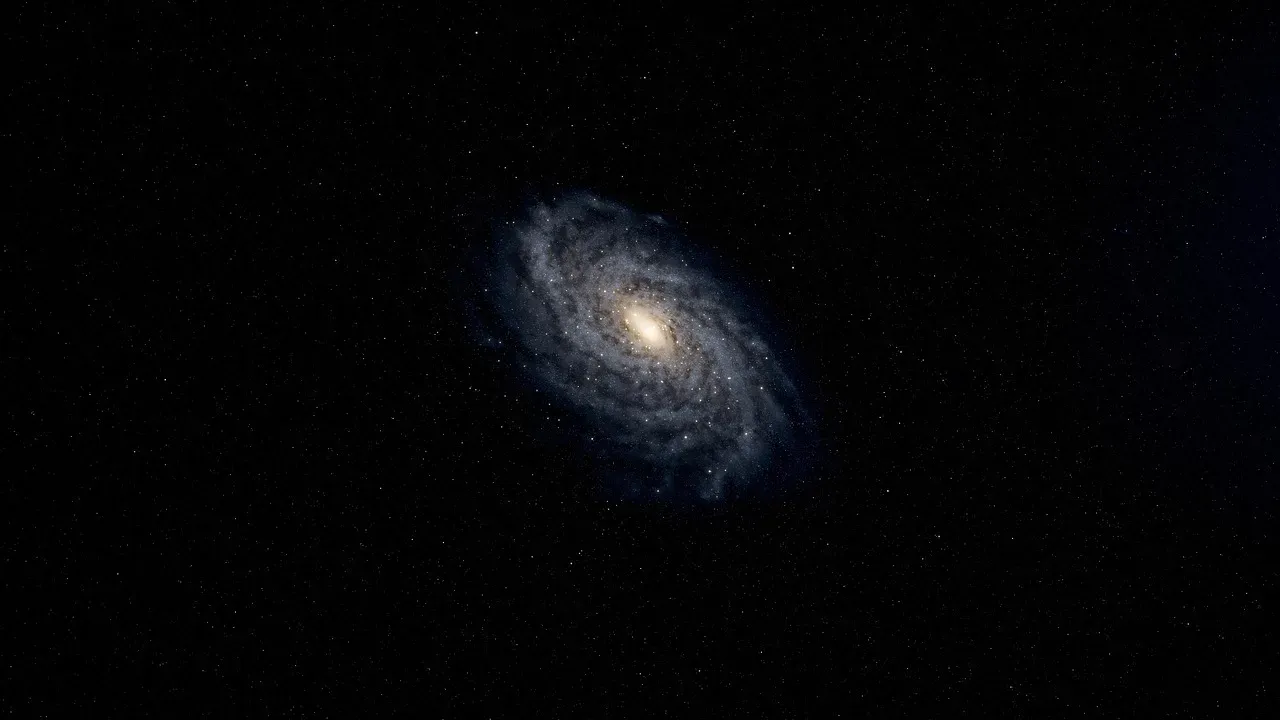
Measuring how fast the universe is expanding sounds like the kind of thing we should have nailed down by now. Yet when scientists measure the current expansion rate using nearby stars and galaxies, and then compare it with the rate inferred from the early universe’s leftover radiation, the two answers don’t agree. The difference is not tiny noise in the data; it’s big enough that many astrophysicists think something fundamental is off. This disagreement is known as the Hubble tension, and it has quietly become one of the most serious puzzles in cosmology.
One option is that there’s an unknown source of systematic error in one or both measurement methods, some subtle bias we haven’t fully accounted for. The more provocative possibility is that our standard model of cosmology – with its specific mix of dark matter, dark energy, and normal matter – is missing a crucial ingredient. Maybe the early universe behaved slightly differently than we thought, or perhaps there’s a new component that only mattered at certain times. I like this problem because it sits right at the edge between “we measured wrong” and “our whole picture of the cosmos needs an upgrade.”
Black Hole Information Paradox: Does the Universe Destroy Information?
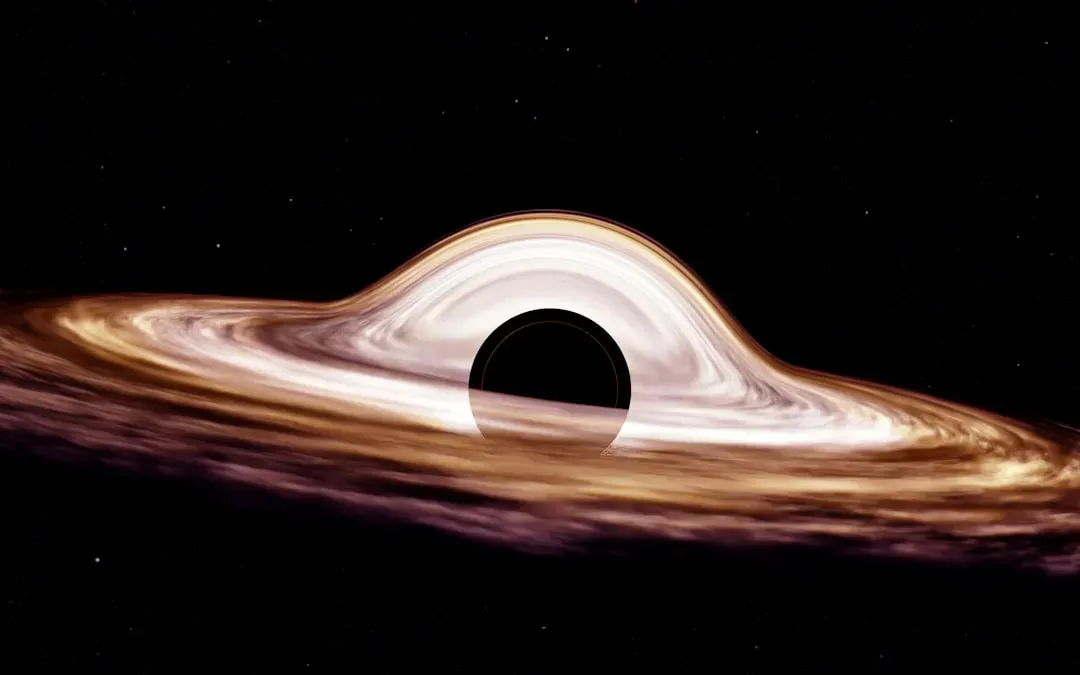
Black holes are extreme by definition, but the real headache they cause is not just their gravity – it’s what they do to information. According to general relativity, anything that falls into a black hole is lost behind the event horizon, never to escape. But quantum mechanics insists that information about a physical system can’t simply vanish. When you combine those two ideas, you get a serious conflict known as the black hole information paradox, and it has been bothering physicists for decades.
Some theories suggest that the information is somehow encoded in the Hawking radiation that black holes emit as they slowly evaporate, but precisely how remains murky and intensely debated. Others propose that the information is stored at the event horizon itself, turning it into a kind of holographic surface. Personally, I find this paradox fascinating because it sits at the intersection of two of our best theories and exposes their deep incompatibilities. Solving it might not only tell us what really happens in the heart of a black hole but also push us closer to a unified understanding of gravity and quantum physics.
A Universe Built on Questions
When you line up these mysteries side by side – invisible matter, runaway expansion, one-off signals, impossible particles, and paradoxical black holes – it’s hard not to feel that we’re still only scratching the surface. The universe is not politely handing over its secrets; it’s dangling them just out of reach, forcing us to invent new tools, new theories, and sometimes entirely new ways of thinking. In a strange way, that’s what makes modern astrophysics so alive: the best discoveries seem to raise more questions than they answer.
Looking at these unexplained phenomena, it’s tempting to wish for a single grand revelation that makes everything click. But science usually advances in smaller, messier steps, with false leads, partial explanations, and sudden turns. Somewhere in the data from a distant FRB, an odd radio circle, or a black hole’s flicker might be the clue that reshapes our understanding of reality. Until then, we live in a universe that is mostly unknown, and that’s not a flaw in our story – it’s the very thing that keeps it worth exploring.