
Every so often, biology throws us something so weird that even the best textbooks just shrug. For all our talk about sequencing genomes and editing DNA like software, there are living mysteries out there that refuse to fit neatly into our explanations. They sit at the edge of our understanding, taunting us, quietly reminding everyone in a lab coat that nature still has the upper hand.
What makes these mysteries especially haunting is that they’re not sci‑fi fantasy. They’re measurable, observable, and in some cases happening right inside our own bodies. Yet when researchers run the numbers and check the models, the answers keep slipping away. Let’s walk through eight real biological puzzles that, in 2026, are still very much unsolved – and honestly, a bit unsettling.
The Placebo Effect: How Belief Changes Biology
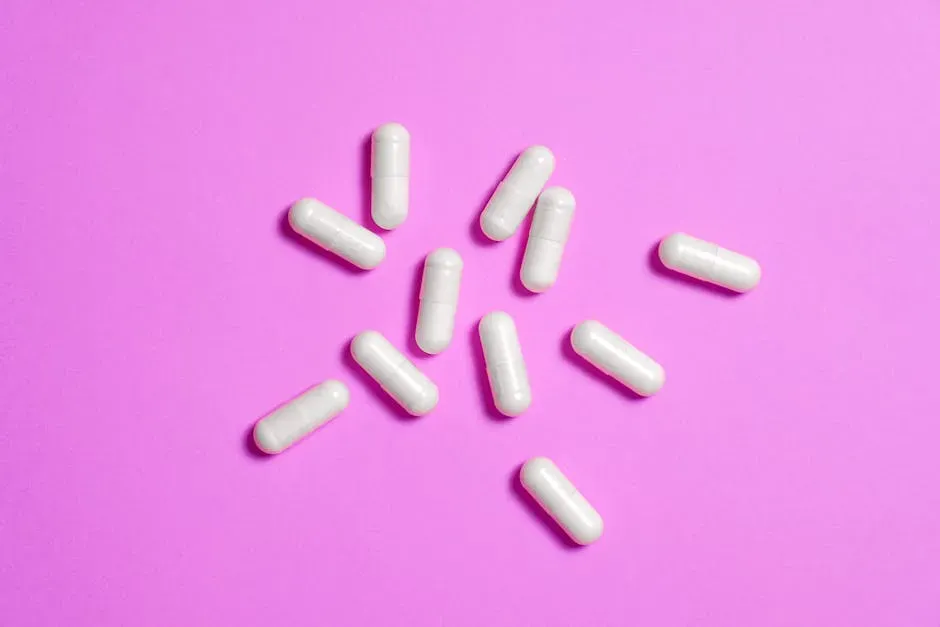
Imagine swallowing a sugar pill, being told it’s a powerful painkiller, and then feeling your pain genuinely fade. That’s not just “in your head” in the dismissive sense; brain scans show real changes in brain activity, and the body can release its own pain-relieving chemicals in response. The placebo effect has shown up in conditions ranging from chronic pain to depression, and even in measurable things like heart rate and blood pressure. Yet no one fully understands how a belief or expectation gets translated into a physical response so strong it can rival actual drugs.
Researchers know that brain regions involved in reward, attention, and emotion light up when someone anticipates improvement, and that neurotransmitters such as endorphins and dopamine often shift in response. But the details of who is susceptible, why some conditions respond more than others, and how to ethically harness this power in medicine are still wide open questions. Some trials even show “open-label” placebos – where patients are told it’s a placebo – still producing benefits, which feels almost like the brain playing a magic trick on itself.
Near‑Death Experiences: Consciousness on the Edge
Stories from people who were revived after cardiac arrest sound eerily similar: tunnels, lights, intense peace, vivid memories, a feeling of leaving the body. Near-death experiences, or NDEs, are reported across cultures and ages, and many describe them as more real than normal life. From a scientific standpoint, this is deeply awkward territory, because these experiences often occur when the brain should be severely oxygen-deprived or largely inactive, at least according to standard readings.
Some theories suggest NDEs might be hallucinations caused by a brain under extreme stress, shifts in brain chemistry, or a last surge of neural activity before shutdown. Others argue they may be a form of disordered time perception, where short bursts of brain activity feel extended and elaborate. But there are still unsettling reports of people recalling accurate details about events in the room while they were clinically unresponsive. Controlled studies are ongoing, but as of now, the line between brain mechanics and the subjective experience of “leaving the body” is very blurry.
The Hard Problem of Consciousness: How Matter Becomes Mind
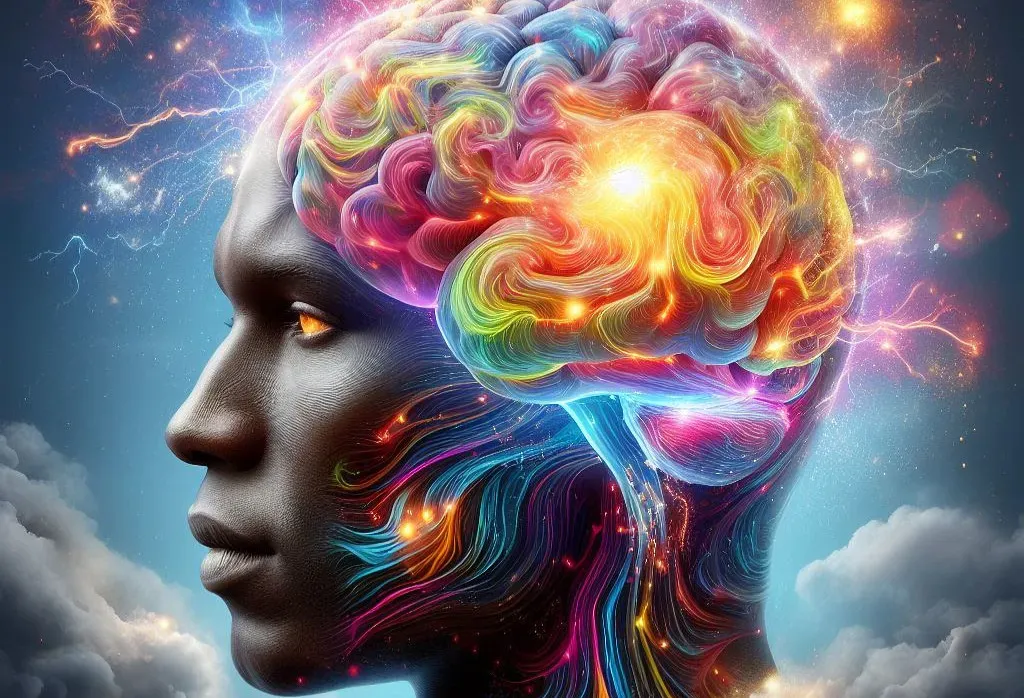
You can measure brain waves, track neurons firing, watch brain imaging in real time – and still have no idea how a bunch of cells produces the feeling of being you. The “easy problems” of consciousness, like how the brain processes sights or sounds, are being chipped away at. But the deep question of why any of that activity should feel like something from the inside remains one of the most stubborn puzzles in all of science. It’s like having the complete wiring diagram of a computer but still not understanding how a line of code becomes the experience of watching a movie.
Some neuroscientists argue that if we map enough circuits, the mystery will shrink; consciousness will just be another emergent property. Others think we’re missing a big conceptual piece, something as radical as the shift from classical mechanics to quantum physics. Competing theories propose that consciousness is tied to information integration, global broadcasting of signals in the brain, or even more speculative ideas. Yet none of these frameworks has provided a testable, universally accepted answer to why there is a subjective inner life instead of silent biological machinery.
The Epidemic of Long‑Term “Mystery Symptoms”

Over the past few years, millions of people worldwide have reported baffling constellations of symptoms that linger long after infections or other illnesses end: crushing fatigue, brain fog, heart palpitations, sleep disturbances, strange pain patterns. Conditions like long COVID, chronic fatigue–like syndromes, and some post-viral disorders have pushed modern medicine into unfamiliar territory. Blood tests and scans often look “normal,” yet people are clearly not okay and may be unable to work, study, or even walk up a flight of stairs.
Researchers suspect a messy mix of immune dysregulation, lingering viral fragments, autonomic nervous system dysfunction, and possibly hidden inflammation in tissues that are hard to sample. But there is no single accepted mechanism, and different patients may have entirely different underlying problems that produce a similar outward syndrome. Treatment is a patchwork of supportive care, lifestyle adjustments, and experimental approaches. The hard reality is that for all our tech, we still have huge blind spots in understanding how the immune system and nervous system interact over months and years.
Extreme Regeneration: Why Some Animals Rebuild Themselves
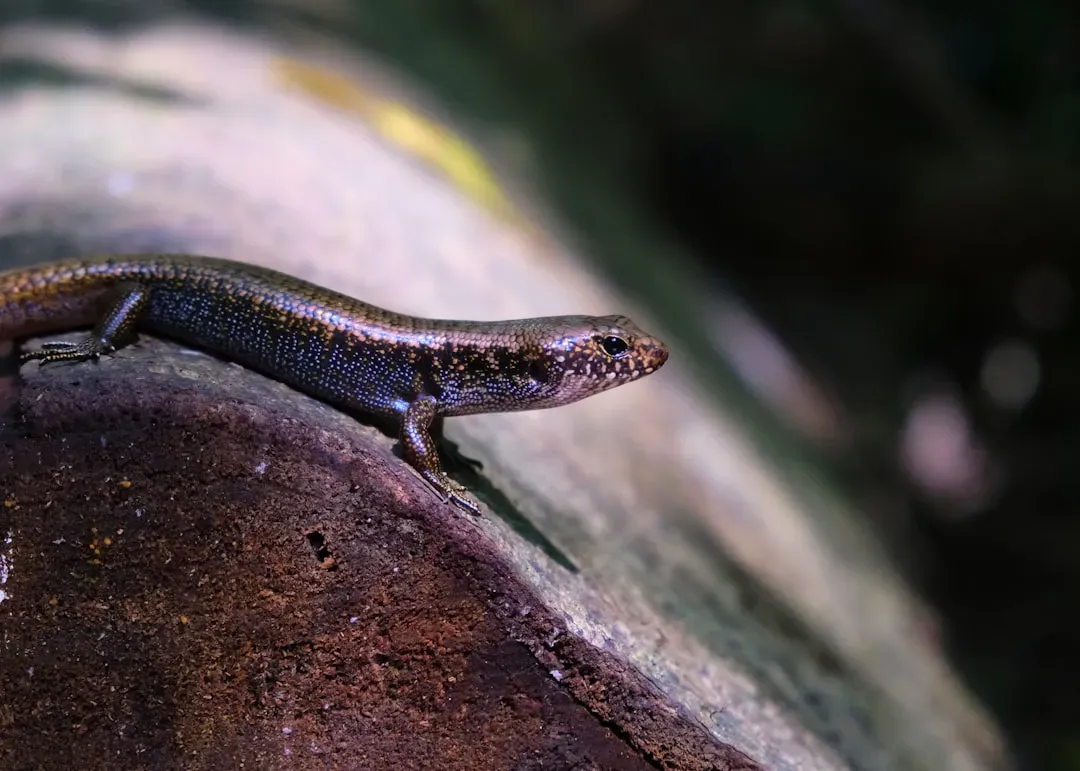
Slice off a salamander’s leg or part of a zebrafish’s heart, and you might expect permanent damage. Instead, these animals can regrow complex structures – bones, muscles, nerves, and blood vessels – into functional limbs and organs. Some flatworms can be cut into small fragments and each piece can regenerate an entire new worm. This isn’t just a cute trick; it’s proof that advanced vertebrates can, under the right circumstances, switch on powerful biological repair programs that mammals like us seem to have mostly lost.
Scientists can identify certain genes and molecular pathways involved in regeneration, and they’ve begun to map how cells in the wounded area revert to a more flexible state. But the burning question is why evolution allowed such abilities to fade or be constrained in humans and other mammals. Is there a trade‑off with cancer risk, energy cost, or immune defense that we don’t fully grasp? Researchers dream of one day unlocking safe, controlled regeneration in people, yet the gap between a salamander’s limb and a human spinal cord injury still feels enormous.
Bioluminescence: Nature’s Living Lights
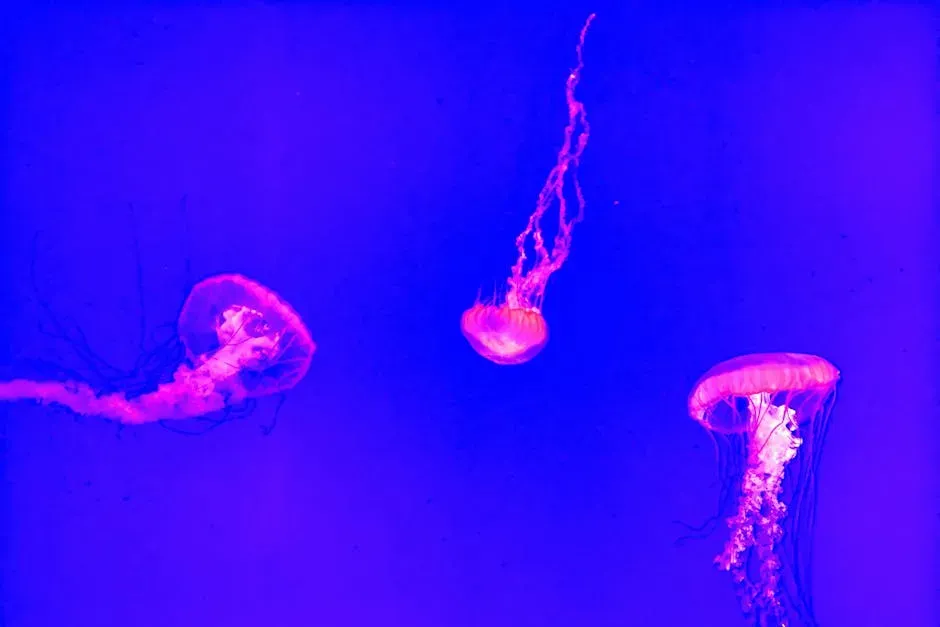
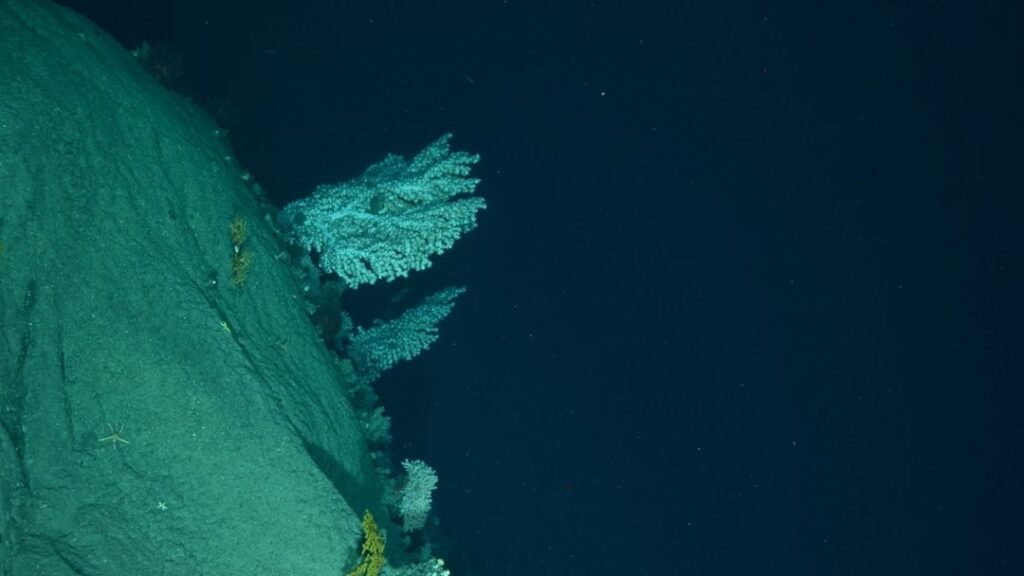
From glowing jellyfish drifting in the deep sea to mushrooms that shine softly in forests at night, bioluminescence looks like something out of a fantasy novel. In many organisms, enzymes react with light‑emitting molecules to produce a glow without generating much heat. In some cases, like deep‑sea fish hunting or fireflies attracting mates, the function is at least partially understood. But the sheer diversity of glowing life forms – including bacteria, fungi, insects, and ocean creatures – raises questions about how and why this trait evolved so many separate times.
In the deep ocean especially, where sunlight never reaches, bioluminescence is everywhere, almost like a hidden communication network. Some organisms use it as camouflage by matching faint downwelling light, while others might use it to startle predators or lure prey. But for a lot of species, the exact purpose of their glow remains unclear, and the evolutionary pressures that favored these systems can be hard to reconstruct. Even stranger, some animals do not produce light themselves but steal bioluminescent bacteria or chemicals from their diet, blurring the line between individual and ecosystem.
Longevity Outliers: Why Some Creatures Seem to Ignore Aging
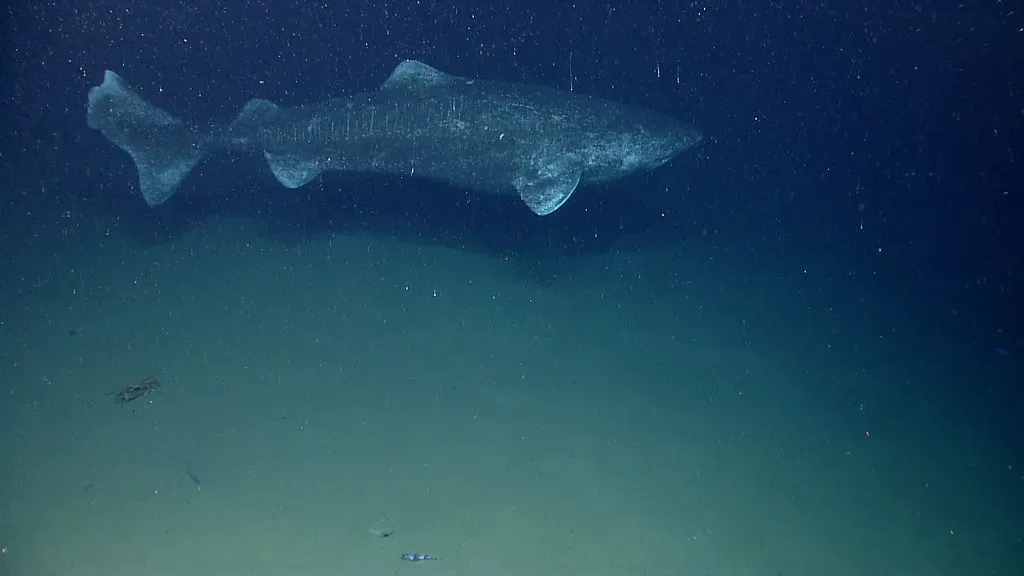
Most of us expect aging to follow a familiar arc: things work well for a while, slowly break down, and vulnerability to disease rises. Then you hear about naked mole‑rats that live far longer than similar-sized rodents, or certain species of rockfish and Greenland sharks that seem to age at a glacial pace. Some turtles and fish show what looks like negligible senescence, meaning their risk of death does not skyrocket with age in the way humans experience. It’s as if they’ve found a way to hit pause on at least part of the aging process.
Researchers are uncovering clues: unusually efficient DNA repair, altered metabolism, robust protein maintenance, and unusual immune or inflammatory profiles. Yet there is no single “longevity switch” that can simply be transplanted into humans. Even when genetic pathways tied to lifespan in worms or flies are manipulated, translating those results safely into people has proven incredibly difficult. The deeper mystery is why natural selection shaped wildly different aging patterns across species, and whether the human lifespan is a hard biological limit or a flexible side effect of evolution’s other priorities.
Human Microbiome Mysteries: The Invisible Organ We Barely Understand
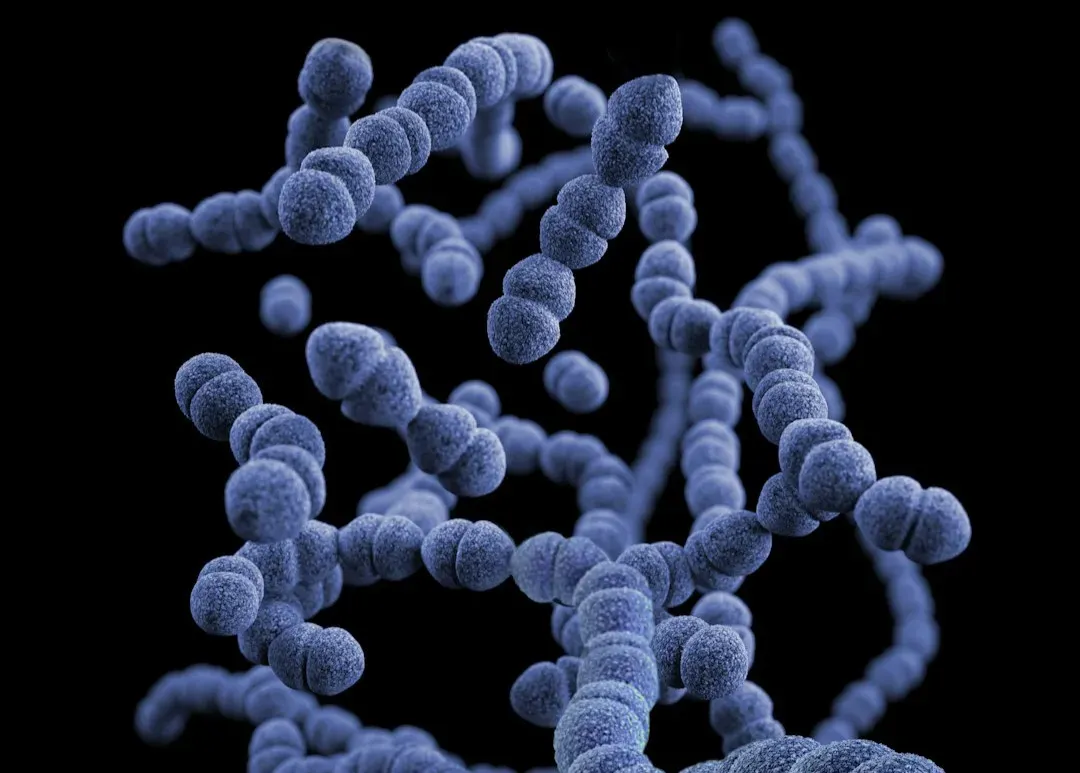
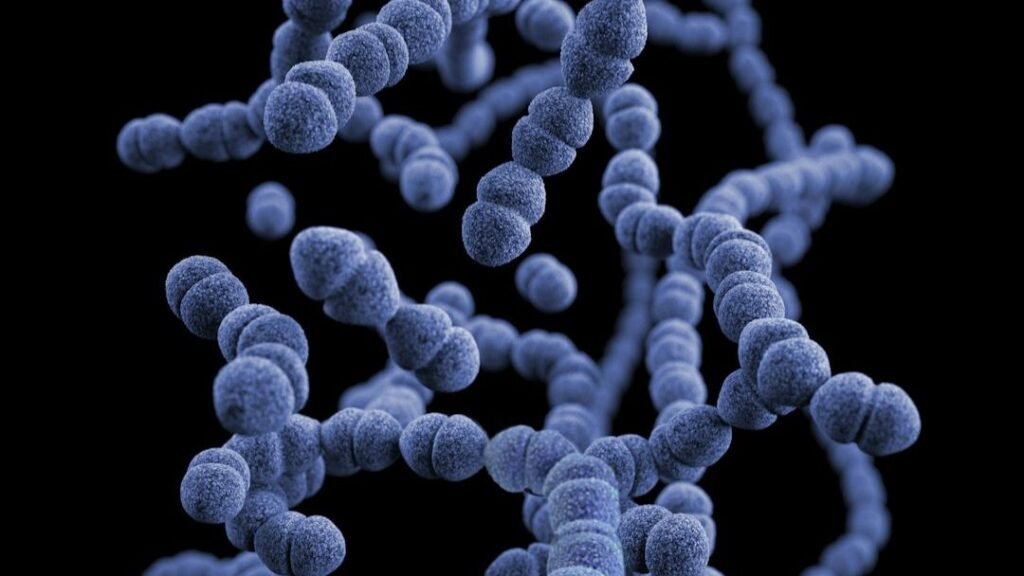
Your body is home to trillions of microbes – bacteria, fungi, viruses, and more – concentrated especially in your gut. Together, they weigh roughly as much as a human organ and influence digestion, immunity, and even mood and behavior. Studies have linked microbial imbalances to conditions ranging from inflammatory bowel disease and obesity to anxiety and neurodevelopmental disorders. Yet the microbiome is so complex and variable between individuals that we’re still at the stage of rough sketches, not blueprints.
Two people can eat the same food and have very different microbial responses, and “healthy” microbiomes come in surprisingly different configurations. Efforts to correct problems with simple probiotics or dietary tweaks often produce mixed and unpredictable results. It’s still unclear which changes in microbes actually cause disease and which are just side effects of other processes going wrong. The idea that this invisible ecosystem might subtly steer our cravings, stress responses, or even social behavior is both fascinating and a bit unsettling, and the full story is far from written.
Conclusion: Living With the Unknown in Our Own Bodies

When you put all these puzzles side by side, a pattern emerges: we understand pieces of the machinery, but not the full orchestra. We can measure genes, currents, molecules, and cell types, yet when they combine into things like belief‑driven healing, lights in the deep sea, or minds that don’t quite shut off at the edge of death, the explanations feel unfinished. The gap between what we can describe and what we can truly explain is where these mysteries live.
In a way, that’s both frustrating and reassuring. Frustrating, because people are suffering from conditions we can’t yet fix, and our theories still fall short. Reassuring, because it means biology is not a solved puzzle, and there is plenty of room for better ideas, braver experiments, and completely new ways of looking at life. As we keep peeling back the layers, which of these mysteries do you think will crack first – and which ones will still be haunting scientists decades from now?