
If you’ve ever stared at a map and thought the whole planet feels mapped, tracked, and online, uncontacted tribes almost sound like a myth. Yet, right now, as you read this on a screen, there are communities who have never used electricity, never seen a phone, and know the outside world only as a distant danger on the horizon. They live in forests, islands, and mountains where your GPS would show only empty green, but their lives are anything but empty.
These groups are not stuck in the past; they’re making active choices in the present. Many have survived massacres, epidemics, and invasions that would make anyone deeply cautious about strangers. Their isolation is not ignorance; it is strategy. As we look at eight of the most well-known uncontacted or extremely isolated tribes that still exist today, one thing becomes painfully clear: they remain isolated largely because contact, historically, has meant death.
1. The Sentinelese of North Sentinel Island
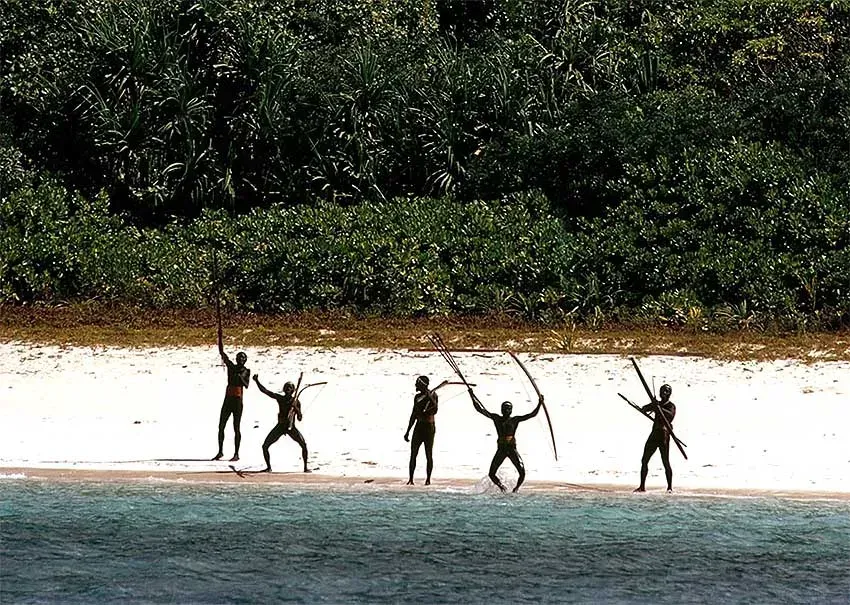
Imagine living on a small tropical island, aware that ships and planes exist, yet choosing to remain fiercely apart from it all. That’s the reality of the Sentinelese, who live on North Sentinel Island in the Bay of Bengal, part of India’s Andaman and Nicobar Islands. They are widely regarded as one of the most isolated groups on Earth, and they’re known for defending their shores with bows, arrows, and unambiguous hostility toward intruders.
The Sentinelese remain isolated because history has given them every reason to distrust outsiders. Neighboring Andaman tribes suffered brutal exploitation, kidnapping, and disease after contact with colonizers and settlers, and authorities believe the Sentinelese likely witnessed or heard of similar horrors. Today, the Indian government enforces a strict exclusion zone around the island, recognizing that any close encounter could trigger violence or deadly disease transmission to a people with no immunity to modern illnesses. Their isolation is not an accident; it’s a deliberate barrier, a line in the sand they refuse to let the world cross.
2. The Mashco Piro of Peru
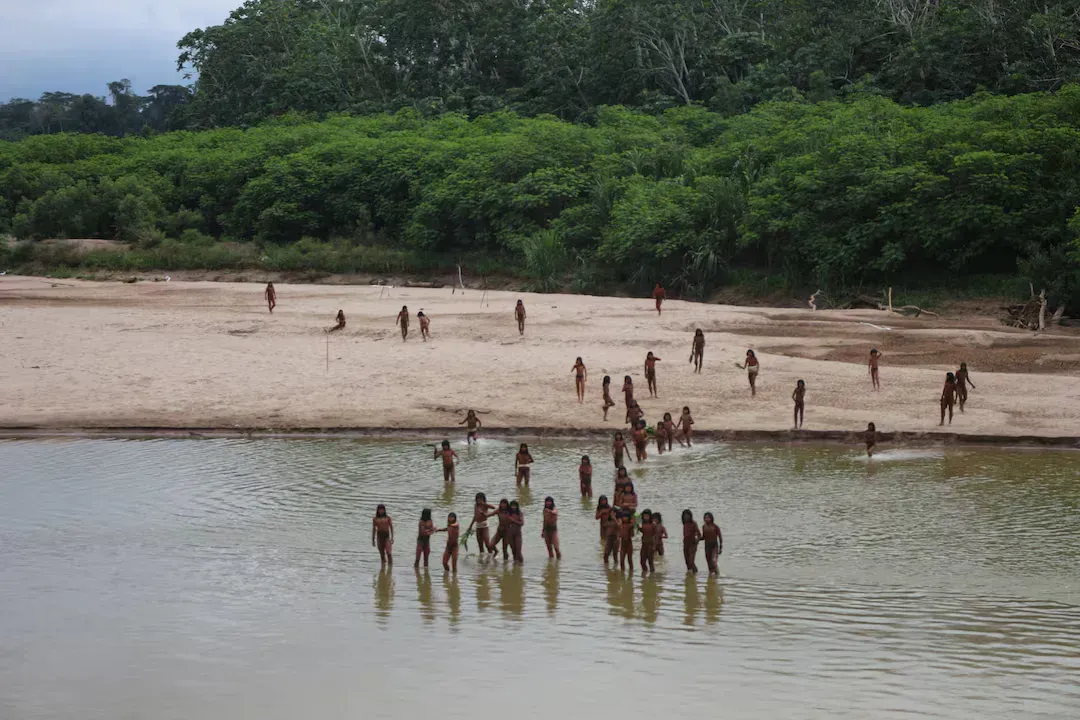
Deep in the Peruvian Amazon, the Mashco Piro move through the forest like shadows, often seen only from a distance along riverbanks or captured in grainy, zoomed-in photos. They are one of the largest known groups of isolated Indigenous people in Peru, regularly spotted but not truly contacted in any sustained, consensual way. Occasionally they approach other communities or tourist boats, usually looking for tools or metal, but they retreat quickly, wary and unpredictable.
Their isolation is rooted in violence and trauma: testimony from neighboring tribes and historical accounts suggest that the Mashco Piro fled deeper into the forest after rubber boom atrocities and other violent incursions in the past. Modern pressures have made things worse, with logging, drug trafficking routes, and illegal mining eating into their territory. Many experts argue that every step closer we take toward them is a step closer to repeating old disasters, from measles-like outbreaks to displacement. For the Mashco Piro, staying apart is an act of survival in a forest that’s quietly shrinking around them.
3. The Flecheiros (“Arrow People”) of Brazil
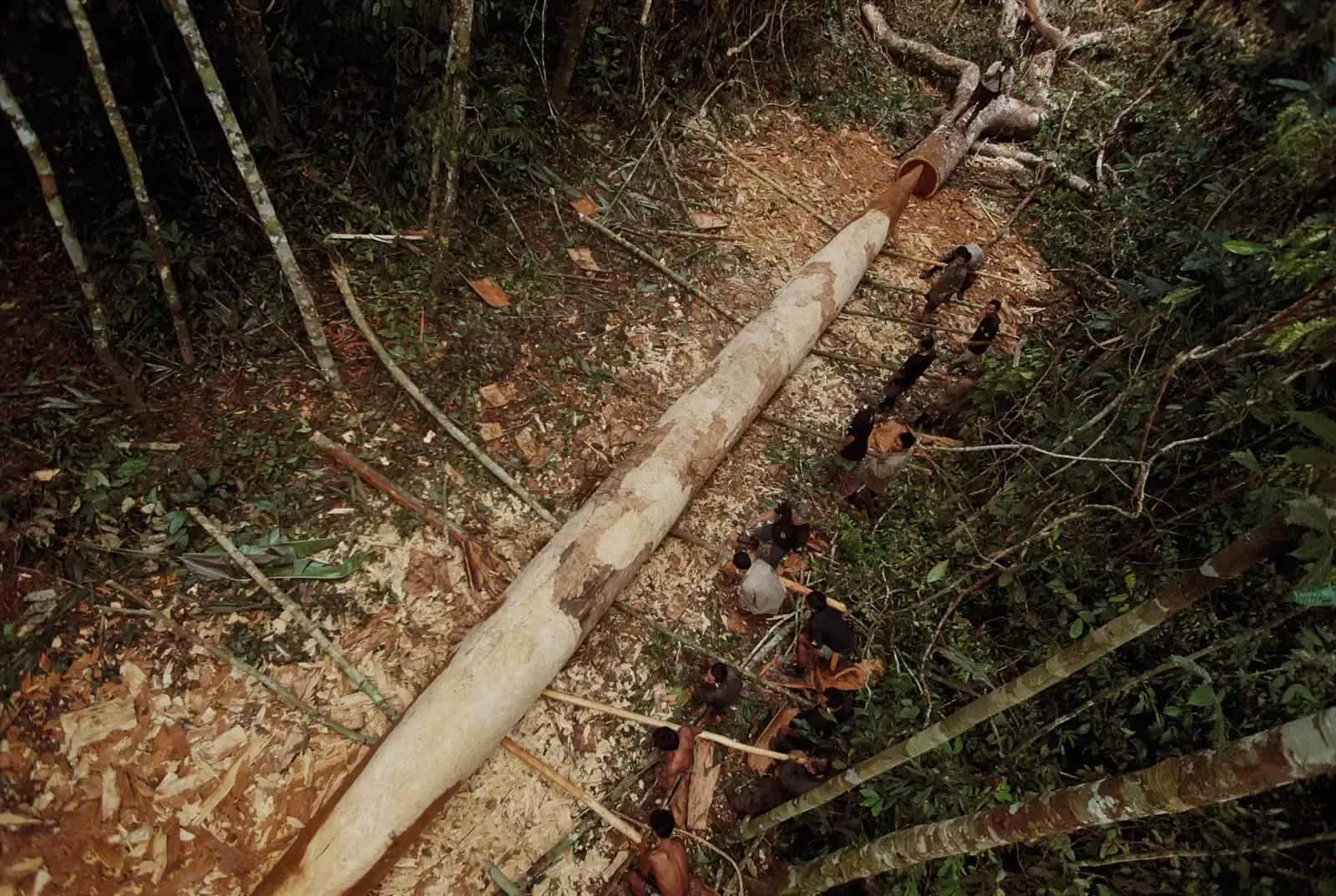
The Flecheiros, often called the “Arrow People,” live in the remote Javari Valley in western Brazil, one of the regions with the highest concentration of uncontacted groups in the world. Almost everything about them that’s known comes from distant sightings, satellite imagery, and clues they leave behind: longhouses, gardens, and of course, their remarkably accurate arrows. They are believed to be hunter-horticulturalists, cultivating small plots and hunting in the surrounding forest.
They remain isolated partly because the outside world around them is incredibly hostile, not just in a biological sense but in a political and economic one. The Javari Valley is under constant pressure from illegal loggers, miners, poachers, and drug traffickers, who often bring disease and violence. Some nearby contacted Indigenous communities have reported violent clashes with invaders, and there are serious concerns that any direct contact with the Flecheiros could follow the same pattern. For them, staying invisible is a shield; their anonymity is their armor against a world that often values profit over people.
4. The Korubo of the Javari Valley
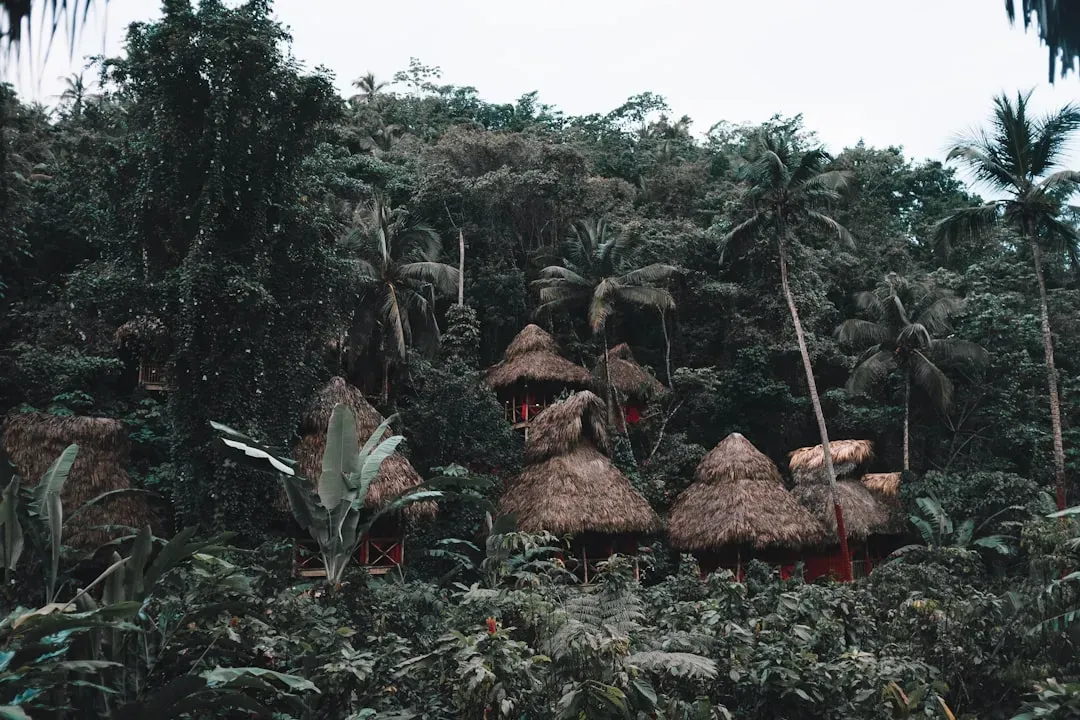
The Korubo, also in Brazil’s Javari Valley, are sometimes portrayed in the media as “club warriors” because some of their members use large wooden clubs in conflict. The reality is far more complex and human. While a few Korubo groups have undergone limited, fragile contact with Brazilian authorities and neighboring Indigenous peoples, others remain clearly isolated, choosing to avoid regular interaction. The line between contacted and uncontacted is messy here, but significant portions of the Korubo still live with very limited outside influence.
Their isolation is deeply tied to a history of violent encounters, including killings of Korubo by outsiders and retaliatory attacks. These clashes have made trust incredibly scarce and contact attempts fraught with danger for both sides. Brazilian Indigenous protection teams try to keep invaders out of Korubo territory and avoid forced contact, recognizing that diseases like influenza, respiratory infections, and even the common cold could spread rapidly. For Korubo groups that have not agreed to ongoing contact, distance is a boundary, and crossing it without consent can unravel their entire world in a matter of days.
5. The Hi-Merimã of Brazil
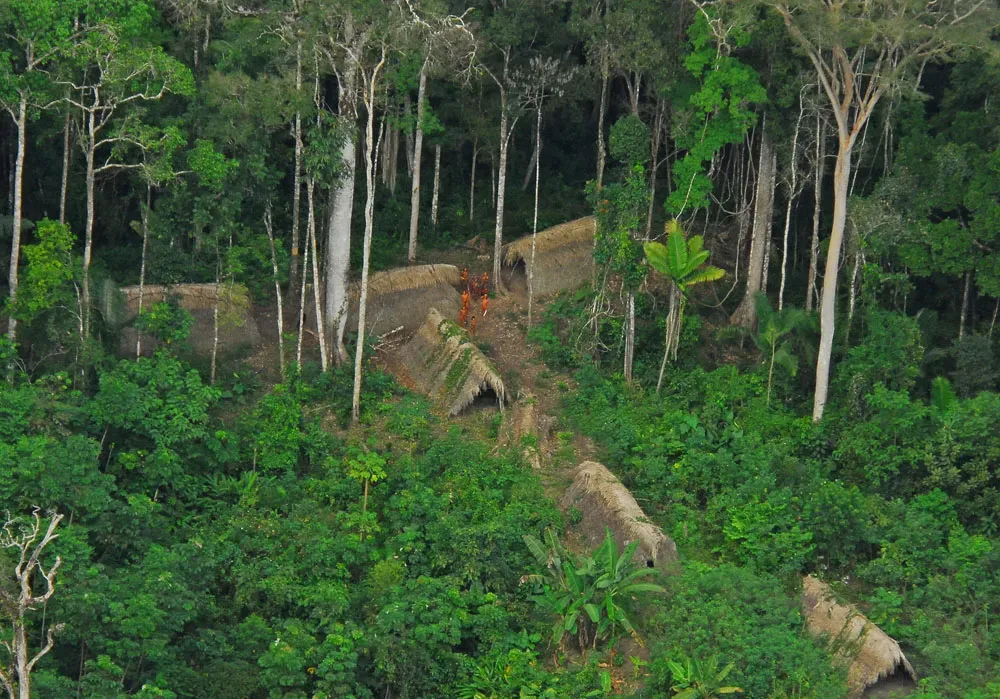
Hidden in the dense forests along the Piranhas River in Brazil, the Hi-Merimã are known mostly by what they leave behind: abandoned camps, footprints, and cultivated areas showing they farm as well as forage. There are no confirmed peaceful encounters with them, and all reliable details come from neighboring groups and remote observation. In a way, they are like a faint voice behind a wall: clearly there, clearly human, but largely unheard and uninterpreted.
The Hi-Merimã remain isolated because the forces pushing into the Amazon are the same ones that devastated other Indigenous communities in the past: ranching, logging, road building, and land grabbing. They are likely descendants of people who survived violent contact generations ago and chose the forest as their shield. Brazilian policy on paper recognizes their right to remain uncontacted, but enforcement on the ground is inconsistent, and their territory is still vulnerable. By refusing contact, the Hi-Merimã are betting that invisibility buys them more time than negotiation ever could.
6. Uncontacted Awa (Awá-Guajá) of Brazil
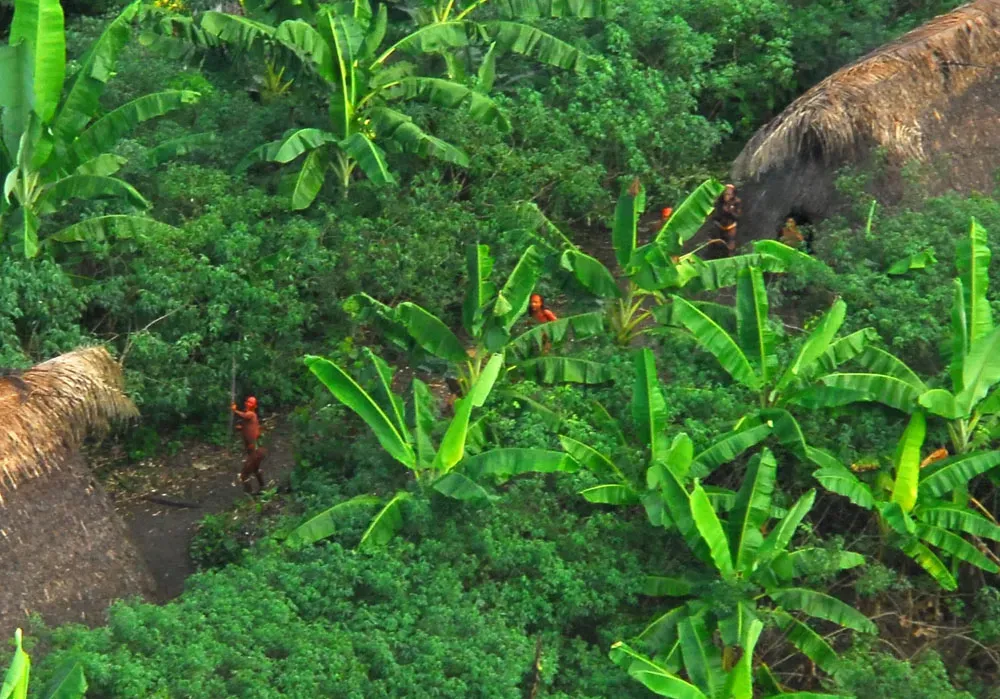
The Awá-Guajá, often simply called Awá, are sometimes described as one of the most threatened Indigenous groups on Earth. Some Awá communities have had contact and now interact regularly with Brazilian society, but others remain uncontacted or extremely isolated in the forest, avoiding roads and settlements. They are traditionally hunter-gatherers, moving lightly through the forest with an intimacy that would put most modern campers to shame.
The uncontacted Awá remain isolated primarily because every major wave of “development” in their region has come with violence, land theft, and disease. Illegal loggers and land grabbers have cut deep into their territory, and deforestation around them can be seen clearly from satellite images. For isolated Awá groups, contact is associated not with medicine, schools, or help, but with bulldozers, chainsaws, and armed men. Their survival strategy is heartbreaking in its simplicity: stay out of sight, keep moving, and hope that the forest remains thick enough to hide in for just a little longer.
7. Uncontacted Ayoreo in the Gran Chaco
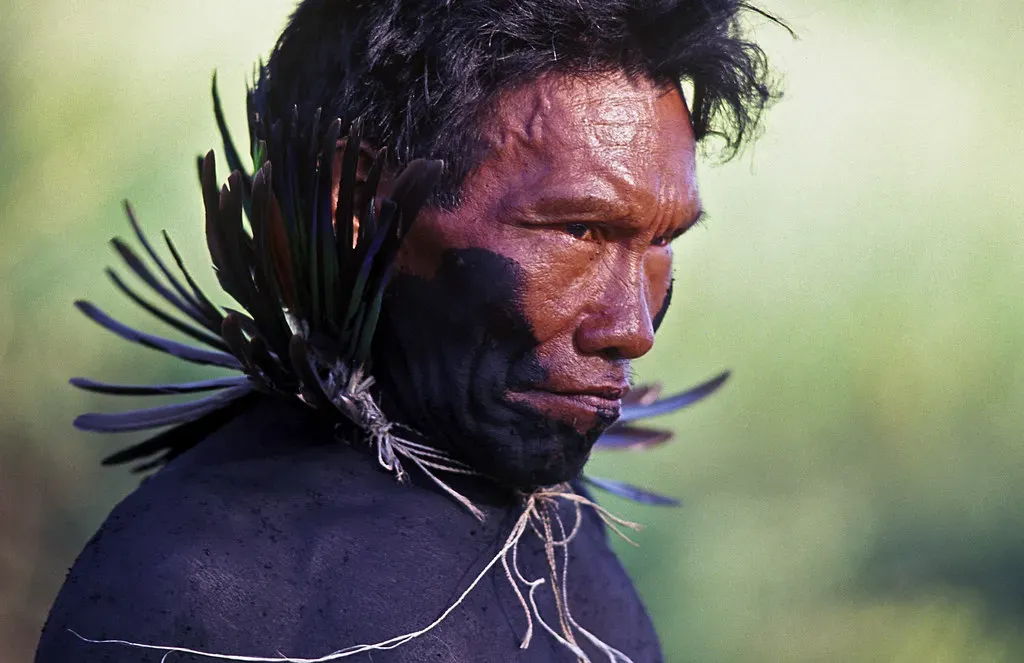
Far from the Amazon, in the hot, thorny scrublands of the Gran Chaco region spanning Paraguay and Bolivia, live uncontacted Ayoreo groups. Some Ayoreo communities have already been forced into contact over the decades, often through violent or coercive missions. Those who remain isolated move through one of the fastest-disappearing forest regions in the world, where cattle ranching and industrial agriculture advance like a slow, relentless fire.
The uncontacted Ayoreo stay away from outsiders because many of their relatives who accepted or were forced into contact faced hunger, disease, cultural breakdown, and heavy pressure to abandon their way of life. Forest clearing has not only destroyed their hunting grounds but also brought bulldozers terrifyingly close to their campsites, sometimes leading to hasty, panicked escapes. For them, isolation is a refusal to accept a future designed by someone else, a resistance to the idea that progress must always look like a cleared field and a barbed-wire fence. The tragedy is that their forest refuge is disappearing even as they cling to it.
8. Isolated Peoples in Papua and West Papua
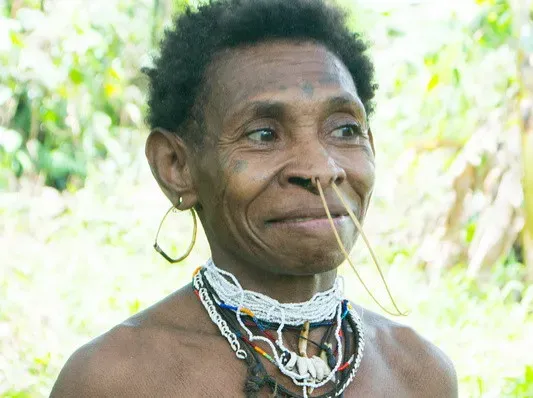
In the rugged highlands and dense lowland forests of the island of New Guinea, especially the Indonesian provinces of Papua and West Papua, there are believed to be small, highly isolated groups who have little or no regular contact with the outside world. Unlike some Amazonian groups, these peoples may be surrounded not by endless forest, but by a patchwork of contacted villages, mission stations, resource projects, and military presence. Still, they keep to the most inaccessible valleys and mountains, living in ways that outsiders rarely witness up close.
They remain isolated for a mix of reasons: past violence, fear of disease, political tensions in the region, and sheer geographic difficulty. Roads and airstrips have opened up parts of Papua, but they also bring outsiders whose interests may be mining, logging, or controlling land rather than protecting Indigenous rights. Some highland and lowland groups have seen what contact did to neighboring communities – alcohol abuse, loss of land, sudden dependence on cash – and chosen to hold the world at arm’s length. For them, isolation is not ignorance; it is a calculation that the known risks of contact outweigh the imagined benefits.
Why Their Isolation Matters in Our Hyper-Connected Age
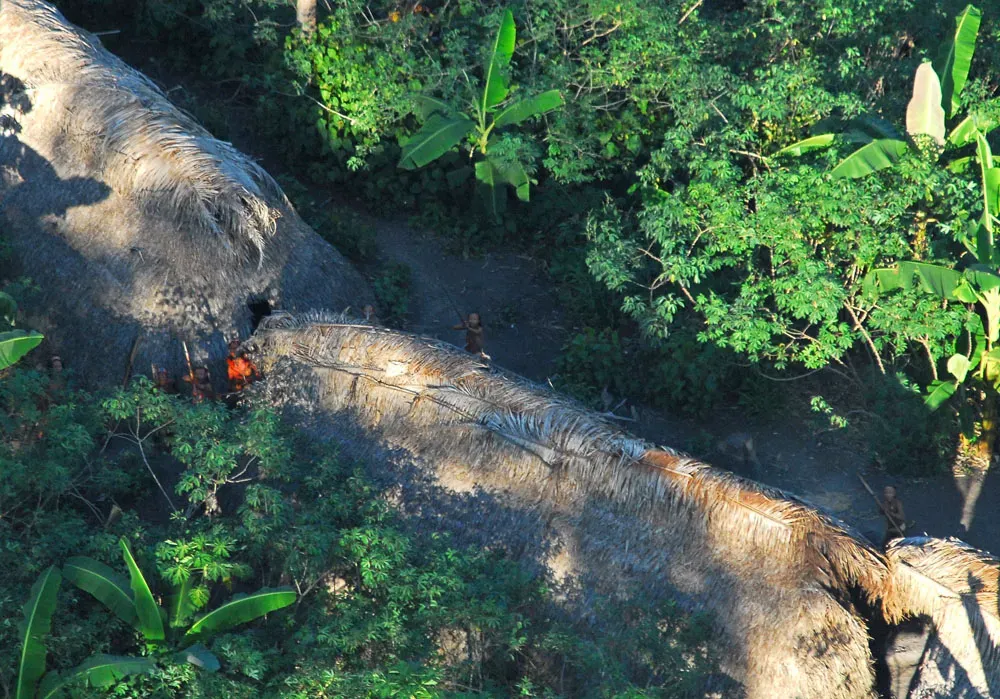
When you step back and look at these eight examples together, their isolation stops looking like a curious anomaly and starts to feel like a mirror held up to the rest of us. Again and again, these tribes are not hiding from technology or afraid of the modern world as an abstract concept; they are avoiding the very concrete threats of disease, land theft, violence, and cultural erasure that so often followed the first handshake. Their continued distance is a blunt verdict on how badly contact has gone in the past.
In a world obsessed with connection, where being offline for a day can feel strange, the decision of uncontacted tribes to remain separate is both unsettling and strangely powerful. It forces a hard question about what progress really means, and whether it must always travel in one direction. Respecting their choice to stay isolated – by enforcing protective zones, stopping invasions of their land, and rejecting the urge to treat them as curiosities – is one of the few tests of restraint our species faces that cannot be faked. If they are fighting to be left alone, the real question is whether we are brave enough to finally listen.