

You have a second brain living quietly in your belly, and for most of your life, you have probably been taught to ignore it. You feel the knots, the butterflies, the sudden urgency after a stressful meeting, but you are told it is all in your head or just anxiety. The truth is, your gut is sending you real, physical messages about your health, your habits, and even your emotional life, and traditional medical training often treats those signals as background noise instead of the main soundtrack.
When you start listening to your gut, patterns appear that are hard to unsee: flare‑ups after certain people, not just certain foods; sleep improving when your digestion calms; mood lifting when your bowel movements normalize. It is not magic and it is not vague wellness-speak. It is biology, wiring, and an incredibly dense network of nerves, microbes, and hormones trying to have a conversation with you. Let’s walk through eight of the most important things your gut is trying to tell you right now, and how you can finally start understanding the language.
Your Gut Is Your Real-Time Stress Barometer

Think about the last time you had to give a presentation, take an exam, or have a hard conversation: your mouth dried up, your stomach churned, maybe you ran to the bathroom. That was not your imagination; your gut is packed with nerves that respond instantly to your stress hormones. When your brain senses danger, your body diverts blood away from digestion toward your muscles and heart, slowing gut movement and changing how your intestines contract. That is why you might feel cramping, bloating, or an urgent need to go, sometimes within minutes of a stressful event.
Medical training absolutely acknowledges stress, but it often treats gut symptoms as separate issues to be medicated rather than messages to decode. You, on the other hand, can use those signals as a built-in stress meter. If you notice that your gut tightens every Sunday night, or you get diarrhea before specific meetings but not others, that is your body mapping your emotional landscape. Instead of only reaching for antacids or anti-diarrheals, you can ask: what is my gut telling me about how safe I feel, how overwhelmed I am, and what needs to change in my day-to-day life?
Your Poop Is Daily Feedback, Not Just “Gross Waste”

You are probably taught from childhood that poop is disgusting and should be flushed away as fast as possible, end of story. In reality, your stool is one of the clearest daily reports you will ever get on your digestion, hydration, fiber intake, and gut motility. The color, consistency, and frequency are all signals: very hard, pellet-like stools often reflect too little fiber or fluid, while loose, watery stools can suggest irritation, infection, or that food is moving too quickly through your system. When you pass a smooth, sausage-like stool with minimal straining and feel fully emptied, your gut is basically applauding you.
Most doctors get only a few hours of training in nutrition and very little instruction in helping you interpret your bowel habits beyond obvious red flags like blood or severe pain. You are left thinking that as long as you “go” at some point, you are fine. Instead, your gut wants you to notice patterns: do you swing between constipation and diarrhea during stressful weeks? Do certain foods reliably change your stool within a day or two? When you start tracking these things in a low-key way – mentally or in a simple note – you turn something you were taught to be embarrassed about into one of your best health tools.
Bloating Is Your Gut’s Way of Saying “Something About This Is Not Working”

Feeling like you swallowed a balloon by mid-afternoon is not just about vanity or tight jeans; it is your gut telling you that digestion, gas handling, or fluid balance is off. Bloating can be related to how fast you eat, how much air you swallow while talking or drinking carbonated beverages, how much fiber your microbes are fermenting, or how sluggish your gut movement is that day. Sometimes it is tied to your menstrual cycle or certain medications. The key is that the sensation of fullness or pressure is information, not just an annoyance to be ignored or hidden under loose clothing.
In many medical settings, if you say you are bloated but your scans and bloodwork are normal, you might be reassured and sent home with vague advice. Your body, though, is whispering more details if you choose to listen. Notice what type of bloating you get: is it high in your upper abdomen after big, rushed meals, or lower in the belly later in the day after lots of bread or beans? Does it show up when you are sitting at a desk for hours but ease when you walk? When you stop seeing bloating as random misfortune and start treating it like a coded message, you can experiment with meal size, chewing, food variety, movement, and stress reduction – and your gut will show you, quite literally, what works.
Food Cravings Often Come From Your Microbes, Not Just “Weak Willpower”

When you find yourself standing in front of the fridge at 10 p.m. hunting for something sweet or salty, it is easy to blame your lack of discipline. Under the surface, though, your gut microbes are very much involved. Different bacteria in your intestines thrive on different types of fuel – some love fiber, some love sugar and refined carbs. Over time, the mix of microbes living inside you can influence what you feel pulled toward eating, by changing hormone signals that affect hunger, satisfaction, and even mood.
Traditional medical training still tends to reduce cravings to simple calories in versus calories out, without diving deeply into the complex gut-brain loop driving those urges. You can take a more nuanced approach. If you notice that you crave ultra-processed snacks more after nights of poor sleep or higher stress, that is your gut and brain teaming up to push you toward quick energy hits. Instead of beating yourself up, you can respond strategically: add more protein and fiber earlier in the day, get even one more hour of sleep, or plan for a satisfying, nutrient-rich snack before your usual craving window hits. You are not weak; you are hosting a microbiome with preferences. Change the environment, and the signals start to shift.
Your Gut Is Flagging When You Have Been Sedentary for Too Long

On days when you barely move from your chair, your gut notices long before your fitness tracker does. The muscles in your intestines rely on subtle movement in your whole body – walking, stretching, standing up regularly – to help move food smoothly along. When you sit for hours, digestion can slow, gas can linger, and you may feel heavier, more constipated, or just “stuck.” That mid-afternoon sluggishness and fullness after a long desk session is your gut quietly raising a hand and asking for help.
In many clinics, constipation or slow digestion gets addressed with laxatives or fiber supplements without much emphasis on how your daily movement pattern shapes gut motility. You can listen more closely. Notice how your bowel habits change on days when you hit ten thousand steps versus days when you barely leave your house. Pay attention to whether a ten-minute walk after meals reduces that heavy, brick-in-the-belly feeling for you. Your gut is not scolding you; it is giving instant feedback that your body is designed to be in motion, even in small bursts, and that your intestines perform better when you treat movement like a basic daily nutrient.
Your Gut Feelings About People and Places Are Often Physical, Not Just “In Your Head”
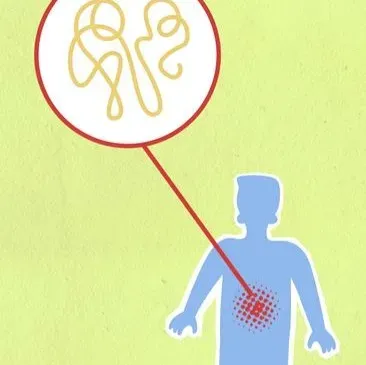
There are moments when you walk into a room, meet someone new, or sit down in a particular environment and your stomach drops, tightens, or flutters – sometimes before you have logical reasons to explain why. That experience of having a “gut feeling” is not just a poetic metaphor; your gut’s nervous system, often called the enteric nervous system, constantly talks to your brain through a two-way highway of signals. When your brain picks up on subtle cues of threat or discomfort, your gut can respond with changes in motility, blood flow, and sensation almost instantly.
Most medical training does not spend much time helping you link these body reactions to emotional safety or boundaries. You might be told it is anxiety and offered medication, which can be helpful, but you are rarely encouraged to treat your gut’s response as valid input on who or what is good for you. You can experiment with honoring it instead of overriding it. If your stomach consistently knots around a certain colleague, family member, or environment, ask yourself what your body has learned there. Sometimes your gut is doing pattern recognition faster than your thinking mind, nudging you toward people and places where you feel calm, and warning you away from those that leave you on edge.
Chronic Gut Discomfort Is Your Body Asking for a Lifestyle Audit, Not Just a Stronger Pill
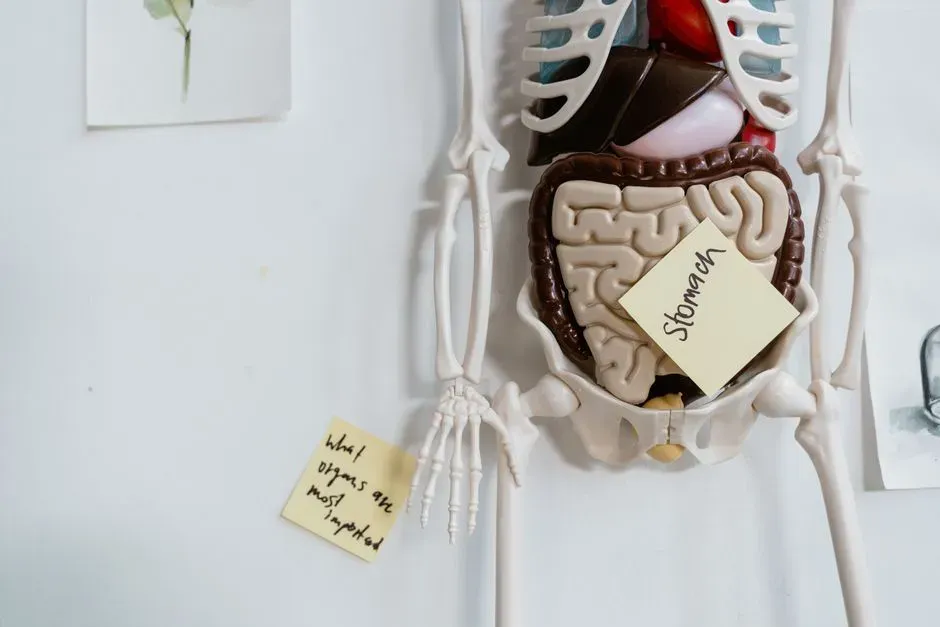
If you are living with regular heartburn, frequent loose stools, cramping, or constant “sensitive stomach,” it is easy to feel broken or defective. Many healthcare systems are geared toward quick fixes: acid-blocking medication, antispasmodics, anti-diarrheals. Those tools matter, especially to rule out serious disease, but they can drown out the deeper message your gut is sending. Ongoing discomfort usually means your body is asking for a broader look at your life: your sleep, your food patterns, your stress load, your alcohol intake, your medications, and even your pace of living.
Doctors often do not have enough time with you to unpack all these factors in detail, so it is not surprising that the conversation stalls at symptom control. You can go further, because you live in your body twenty-four hours a day. You can start to notice: do flare-ups follow nights of heavy drinking, weeks of poor sleep, or long periods without real downtime? Do things improve when you cook more at home, eat slower, or reduce highly processed foods? Your gut is not nagging you; it is trying, sometimes desperately, to signal that your current settings are not sustainable. When you treat symptoms as invitations to investigate rather than enemies to silence, you often find small, doable changes that lower the volume of your gut’s distress.
Your Gut Is Tightly Linked to Your Mood and Mental Health
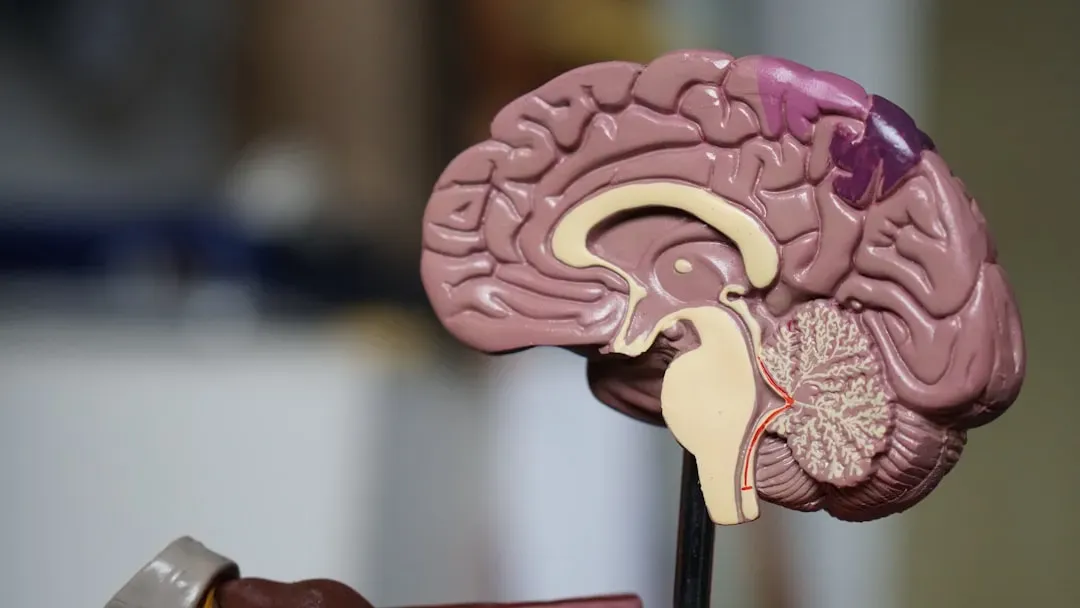
On days when your digestion is a mess, have you noticed your mood usually follows? You might feel more irritable, down, foggy, or anxious when your stomach is off. That is not a coincidence. Your gut microbes help produce and shape many of the same chemical messengers your brain uses to regulate mood, including serotonin and short-chain fatty acids that affect inflammation and brain function. Inflammation or imbalance in your gut can echo upward into your emotional state, even if your conscious mind cannot see an obvious trigger.
Traditional psychiatry is increasingly recognizing the gut-brain connection, but many frontline doctors still treat mood and digestion like separate systems living in different universes. You can give your gut a seat at the mental health table. If your anxiety spikes when your IBS flares, or your depression worsens when you are constipated for days, you are not imagining it. Supporting your gut – through sleep, diverse fiber-rich foods, stress management, gentle movement, and, when needed, professional care – can become part of your mental health toolkit. Your gut is not just a victim of your emotions; it is an active player in them, constantly giving you signals about what brings you closer to balance.
Your Gut Knows When You Are Ignoring Your Body’s Basic Rhythms

Finally, your gut speaks up loudly when you chronically override your basic needs. If you skip meals, eat at wildly inconsistent times, stay up late scrolling, or push through the urge to go to the bathroom day after day, your digestive system eventually pushes back. You might get sudden urgency, cramping, acid reflux at night, or a sense that your body is on a different schedule than your life. These are all ways your gut is telling you that your internal clock and your external routine are out of sync.
Medical training does acknowledge circadian rhythms and meal timing, but it often underestimates how much everyday habits like late-night snacking, irregular shifts, or constantly rushing meals can throw your gut off. You can notice where your routine fights your body instead of supporting it. Do you eat your largest meal right before collapsing into bed and then wake up with reflux? Do you ignore the urge to have a bowel movement because you are busy, only to struggle with constipation later? When you start respecting these basic rhythms – regular meals, consistent sleep-wake times, responding promptly to your body’s signals – your gut often settles in ways that seem almost magical, even though it is simply relieved you are finally listening.
Conclusion: Your Gut Has Been Speaking All Along – Are You Ready To Listen?
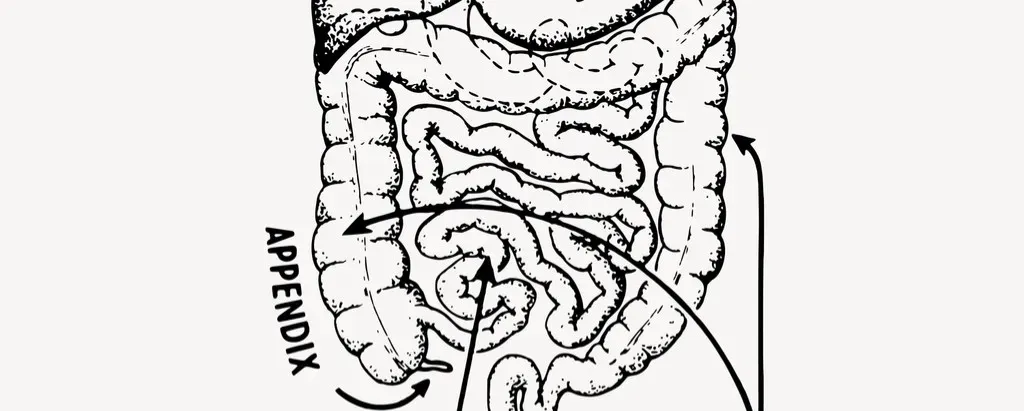
Your gut has never been just a passive tube processing food in the background; it has always been a sensitive, opinionated, highly wired part of you, constantly sending real-time updates about your stress, habits, relationships, and overall health. Most of us were trained, directly or indirectly, to mute those messages, to see symptoms as random or embarrassing rather than intelligent feedback. When you flip that script and treat your gut like a wise, slightly blunt friend, you gain a daily stream of data that no test or device can completely replace. You start seeing connections between your choices and your symptoms that make your health feel less mysterious and more manageable.
You do not need to become obsessive or anxious about every gurgle; you just need to become curious. When something feels off, you can ask: what is my gut trying to tell me right now about my stress, my sleep, my food, my movement, or my boundaries? You can absolutely still work with healthcare professionals, and you should if you have red flag symptoms like severe pain, blood, weight loss, or persistent changes. But you step into those appointments as an expert on your own body, not a passive passenger. In the end, your gut has been talking to you your whole life – maybe the real question is, what changes might you make once you truly start listening?