
If science had a sense of humor, it would be hidden in the tiny details most people never hear about. Some discoveries are so bizarre that when you first hear them, they sound more like a prank than serious research. Yet they sit in textbooks, lab reports, and peer‑reviewed journals, quietly defying common sense.
What makes these strange facts so gripping is how they mess with our gut feeling about how the world should work. We like neat rules and simple answers, but reality is often weirder, messier, and much more creative. As you read through these, you might catch yourself thinking, “There’s no way that’s true”… and then realizing that the universe just doesn’t care what feels believable.
Bananas Are Naturally Radioactive
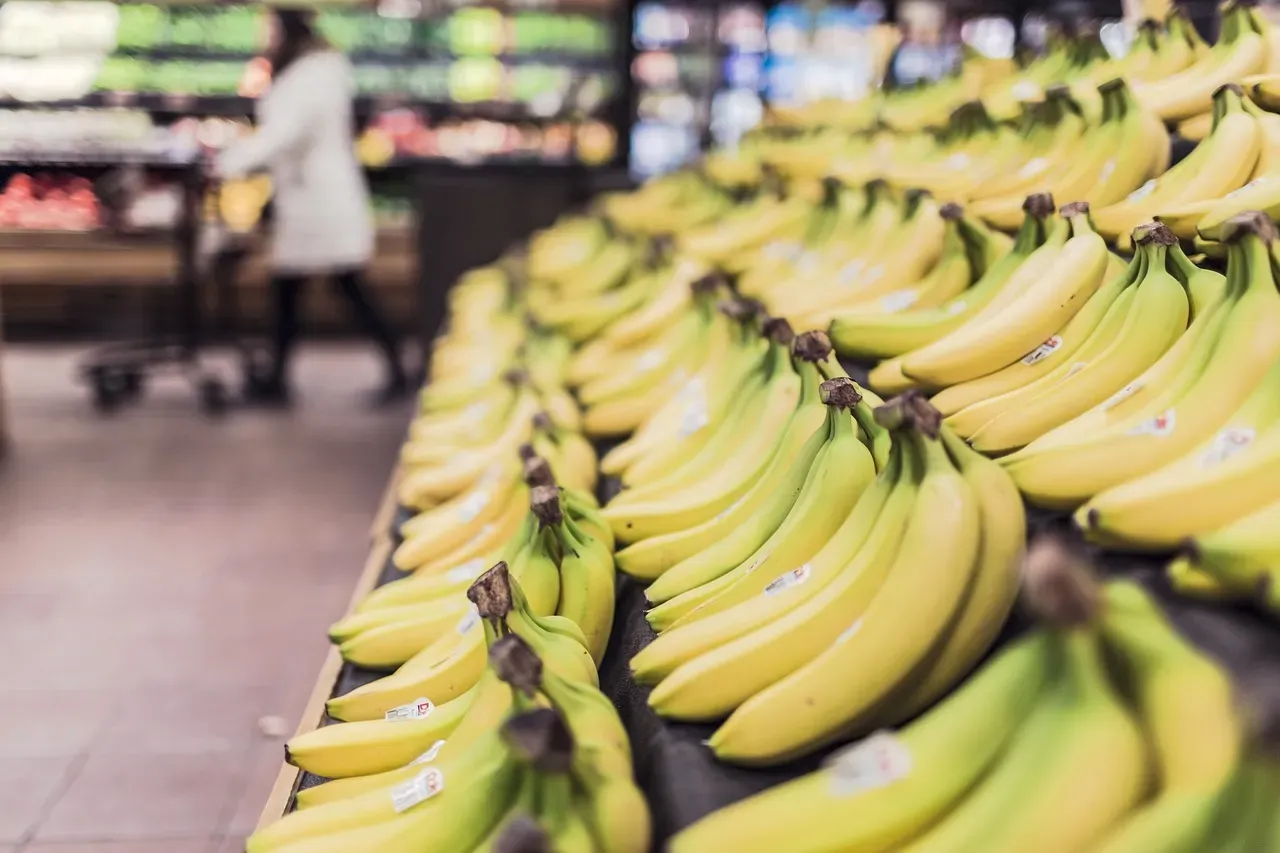
It sounds like a joke someone would tell at a bad science fair, but it’s completely true: bananas are slightly radioactive. The reason is that bananas are rich in potassium, and a tiny fraction of natural potassium is a radioactive form called potassium‑forty. This isotope decays very slowly, releasing a bit of radiation over time, even while you’re just holding the fruit in your hand.
The effect is incredibly small, so small that you’d need to eat an outrageous number of bananas in a single sitting before the radiation became remotely dangerous. In fact, radiation safety experts sometimes use a playful unit called the “banana equivalent dose” to help people visualize how tiny everyday exposures really are. It’s a great reminder that “radioactive” doesn’t always mean glowing green danger – it can also just mean your breakfast.
You Share Roughly Half Your DNA With Bananas
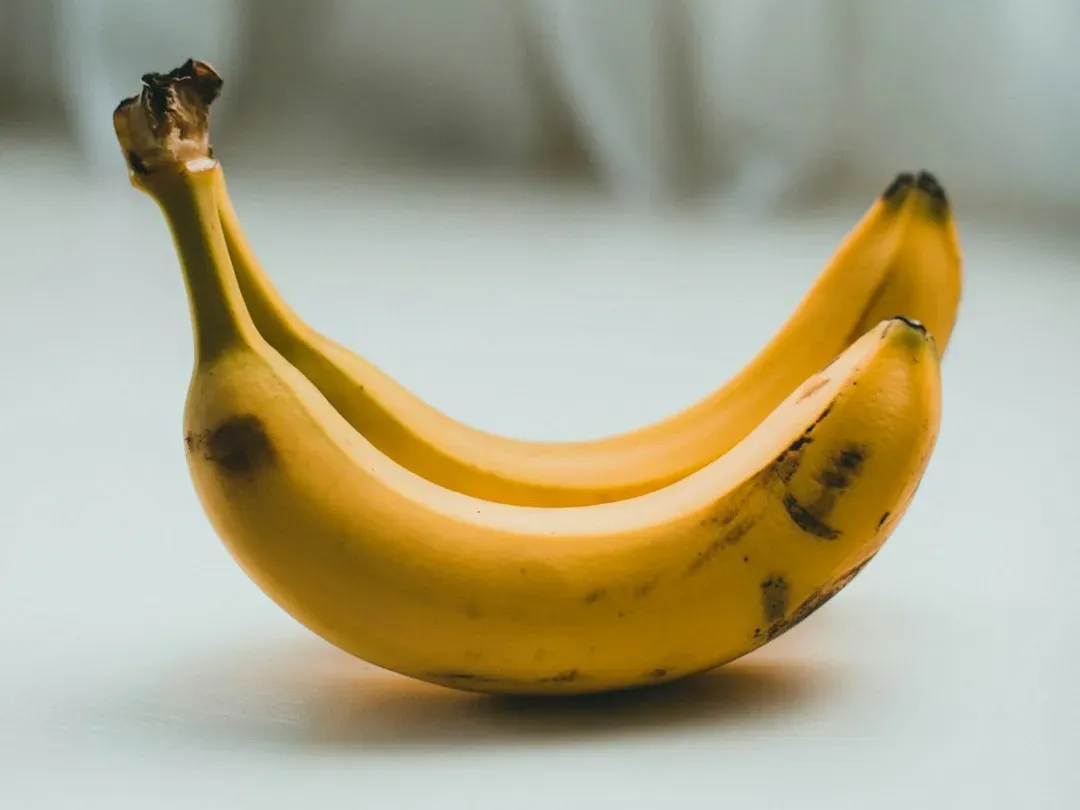
Sticking with bananas for a moment: you and a banana actually have a surprising amount in common at the genetic level. Humans share roughly about half of their genes with banana plants, which sounds like the setup for a stand‑up routine but is a solid reflection of evolutionary biology. This doesn’t mean you are half banana, of course; it means roughly half of the genes involved in basic cell processes are recognizably similar.
Life reuses good ideas, and the fundamental machinery of cells – how they copy DNA, make proteins, and generate energy – tends to be built from similar parts. Over billions of years, these basic gene toolkits were copied, tweaked, and repurposed across different branches of life, from plants to people. So when geneticists compare DNA and say we share a large chunk of our genes with bananas, they’re really saying we’re all running modified versions of the same ancient biological operating system.
There Are More Bacteria In Your Body Than Human Cells
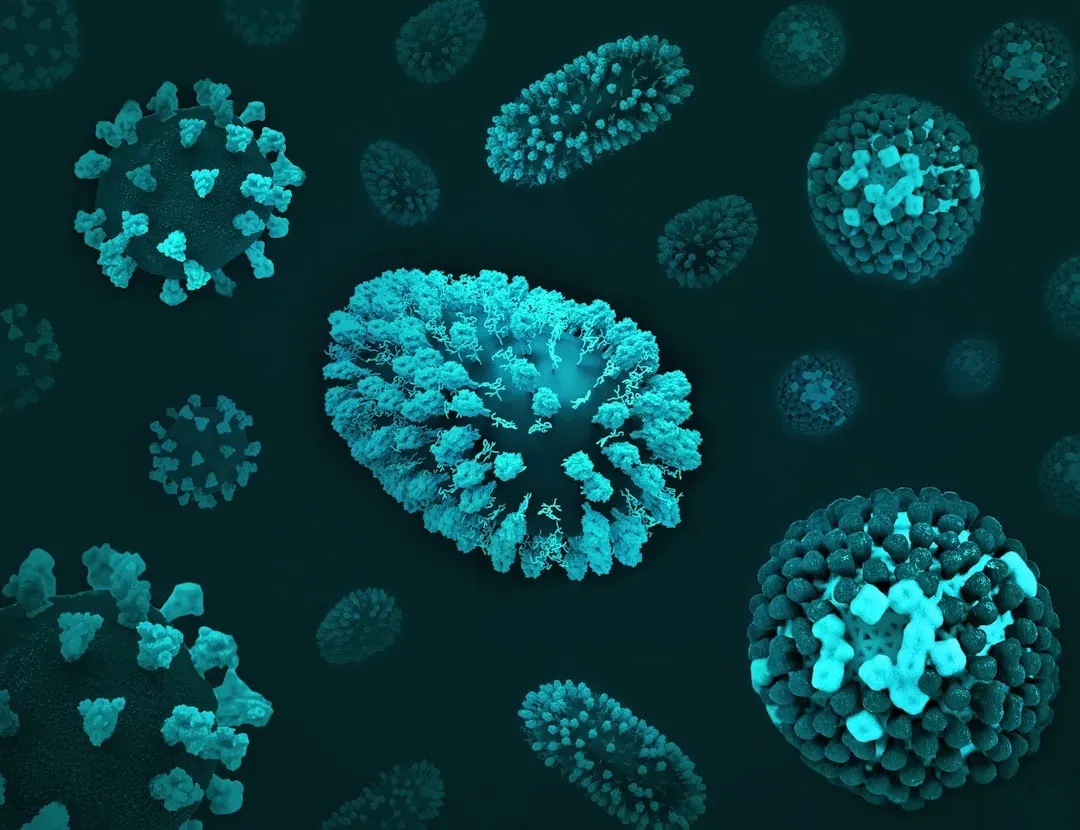
It feels a bit unsettling at first, but your body is basically a walking, breathing community of microbes. By cell count, you are at least as microbial as you are human, with bacteria living on your skin, in your mouth, and especially in your gut. Estimates have shifted over the years, but modern research suggests that bacterial cells in and on your body are roughly on the same order as your human cells, and may slightly outnumber them.
These microbes are not just passive hitchhikers; many of them are essential partners. Gut bacteria help you digest food, produce vitamins, train your immune system, and may even influence your mood and behavior through complex chemical signaling. When scientists talk about the “microbiome,” they’re pointing out that who you are, biologically, is not just a single organism but an entire ecosystem living in a fragile truce under your skin.
Time Actually Moves Faster On Your Head Than At Your Feet

This one sounds like philosophical nonsense until you dig into Einstein’s theory of general relativity. Gravity doesn’t just pull on objects; it also bends space and time. The stronger the gravitational pull you feel, the slower time passes for you compared to someone farther away from that gravity source. That means your feet, being closer to Earth’s center, experience time ever so slightly slower than your head does.
The difference is incredibly small in everyday life, but it’s not just theory – it’s been measured with ultra‑precise atomic clocks placed at different altitudes. Clocks at higher altitudes, like at the top of a mountain or in orbit, tick ever so slightly faster than those at sea level. Over a human lifetime, the effect on your body is tiny, but it’s real, and modern technologies like GPS actually have to correct for these time distortions to stay accurate.
There Are More Possible Games Of Chess Than Atoms In The Observable Universe
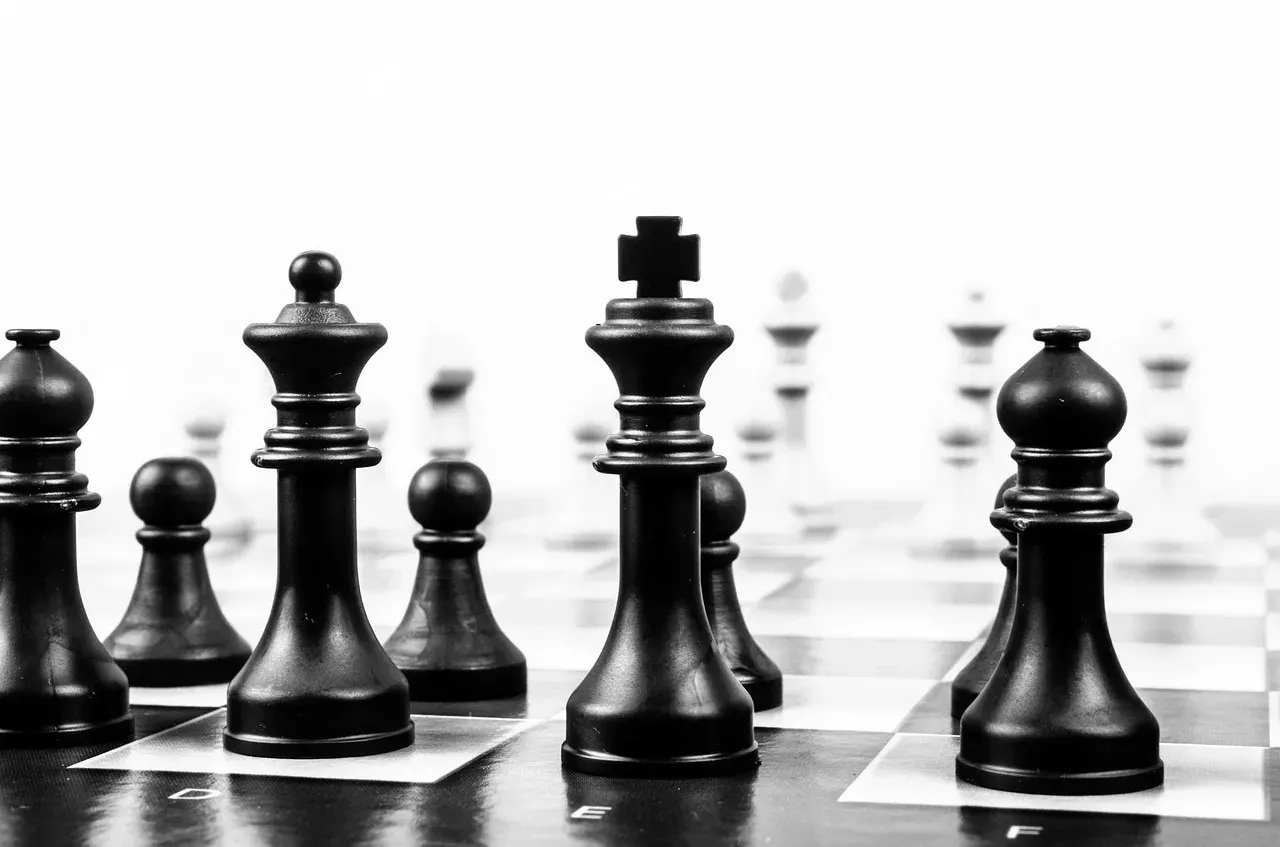
Claiming that a board game can outnumber the universe sounds like wild exaggeration, but in this case, the numbers really are that staggering. The observable universe is thought to contain on the order of roughly ten to the eightieth power atoms – an unimaginably large number. Yet when mathematicians estimate the number of possible unique chess games, the number comes out even higher, exploding into a mind‑bending range.
This happens because every move in chess creates a branching tree of new possibilities, and that branching grows faster than your intuition can track. After just a few moves, the number of potential game paths skyrockets into astronomical territory. To your brain, a chessboard looks small and manageable, but mathematically, it opens into a combinatorial wilderness much larger than the count of atoms in the parts of the universe we can see.
Hot Water Can Sometimes Freeze Faster Than Cold Water

If you grew up with the simple idea that “colder things freeze faster,” this one feels like pure nonsense. Under certain conditions, though, hot water can freeze faster than colder water, an effect known as the Mpemba effect. It’s named after a student who noticed his hot ice‑cream mixture froze quicker than a cooler one and kept insisting on it until scientists took a serious look.
Researchers are still debating all the reasons why this happens, and it might depend on several factors at once, like evaporation, the way water circulates as it cools, dissolved gases, and how ice crystals start to form. Not every experiment sees the effect, and it can be surprisingly hard to reproduce perfectly on demand. Still, multiple well‑designed studies have shown that under the right circumstances, the “obviously wrong” outcome actually wins: hotter water can freeze before cooler water.
You Were Once The Youngest Thing In The Known Universe

No matter how old you are now, there was a moment when you were literally the youngest object in the entire observable universe. When a new baby takes its first breath, there is a tiny instant when that newborn is the most recently formed person, more “new” than any star, planet, or organism around it. That fact follows directly from the simple idea that time has a direction and new things are constantly coming into existence.
It’s a strangely poetic collision of everyday life with cosmology. The universe is roughly about thirteen and a half billion years old, filled with galaxies and ancient light still traveling through space, and in the middle of that, a human birth is like a tiny spark of freshly minted existence. Thinking about yourself as once being the very newest thing in a universe this old has a way of shrinking your ego and enlarging your sense of wonder at the same time.
A Day On Venus Is Longer Than A Year On Venus
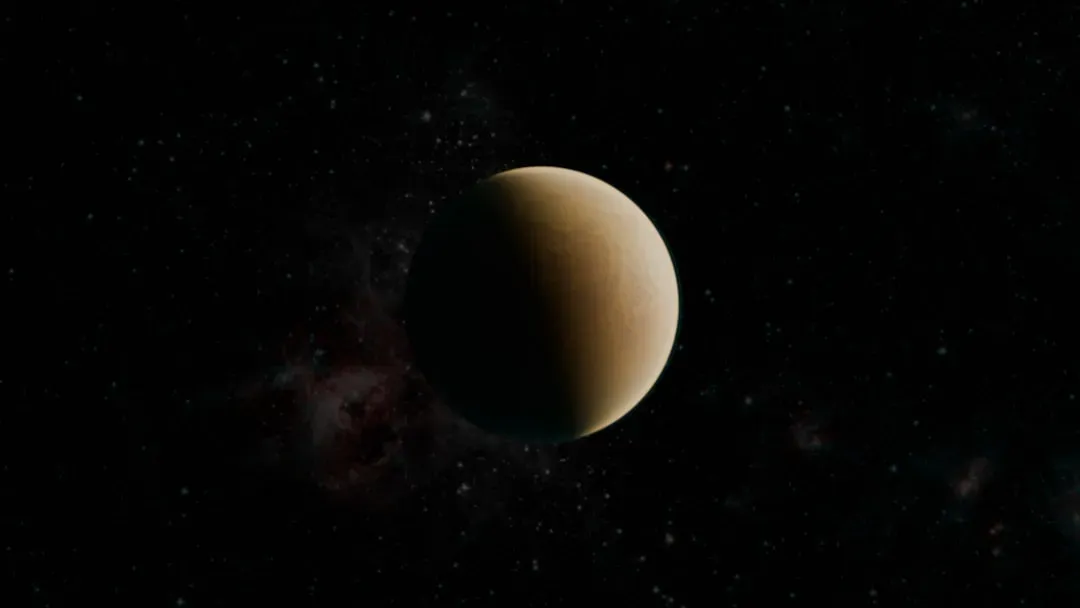
Our instincts about days and years are shaped by Earth, where a day is one spin on its axis and a year is one orbit around the sun, with the spin always much faster than the orbit. Venus completely breaks that pattern. Venus rotates so slowly on its axis that one full spin takes longer than the time it needs to complete an orbit around the sun, so a “day” on Venus is actually longer than a Venusian year.
To make things even stranger, Venus spins in the opposite direction compared to most planets in our solar system, including Earth. If you could stand on its surface – which you can’t, because it’s a hellish pressure‑cooker of heat and crushing atmosphere – the sun would appear to rise in the west and set in the east, and very, very slowly. Planetary scientists think this odd behavior is linked to complex gravitational interactions and possibly giant impacts in its early history, but from a human point of view, it just feels like the universe breaking its own rules.
Once you accept that the universe is under no obligation to feel intuitive, science starts to look less like a stack of dry formulas and more like a series of plot twists. The world around you becomes less obvious and more mysterious, even in familiar things like fruit, board games, and boiling water. Which of these strange truths surprised you the most?