Throughout human history, magnificent civilizations have risen from humble beginnings to achieve extraordinary heights of culture, art, and innovation. These societies built breathtaking monuments, developed complex systems of governance, and created legacies that should have lasted millennia. Yet some of the most remarkable cultures simply vanished, leaving behind only puzzling ruins and unanswered questions.
What happened to these lost worlds? Did natural disasters strike them down, or did they fall victim to warfare and conquest? Perhaps internal collapse brought about their end, or maybe environmental changes made their lands uninhabitable. The mysteries surrounding these vanished civilizations continue to captivate archaeologists, historians, and anyone fascinated by the rise and fall of human societies. So let’s dive into the enigmatic stories of eight ancient civilizations that disappeared without explanation.
The Indus Valley Civilization: A Sophisticated Society Lost to Time
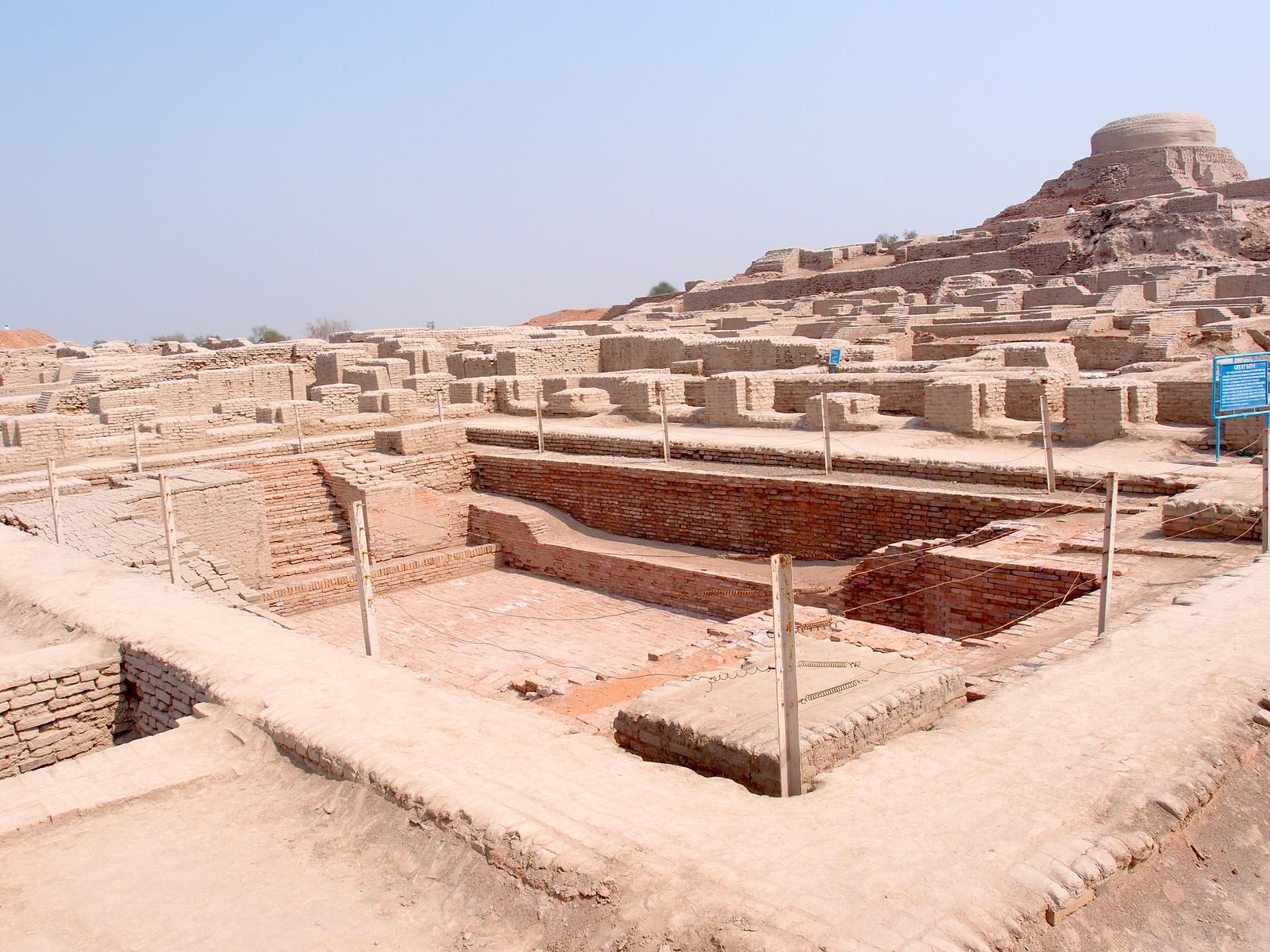
The Indus Valley Civilization, also known as the Harappan civilization, was one of the largest in ancient history, extending over parts of India, Pakistan, and Afghanistan and containing as many as five million people. By the third millennium B.C., they occupied over 386,000 square miles of territory – much more than their better-known contemporaries in Egypt and Mesopotamia – and accounted for an estimated 10 percent of the world’s population.
They also developed a writing script that’s still yet to be deciphered, and their cities contained sanitation systems that remained unequaled until Roman times. More than 4,000 years ago, the Indus people built clean streets, brick houses, and advanced drainage systems – things many modern cities still struggle with. Renowned for their meticulous urban planning, the Harappans constructed sophisticated cities like Mohenjo-daro and Harappa, characterized by advanced drainage systems, grid layouts, and uniform brick sizes.
It disappeared approximately 3,000 years ago for reasons unknown. One theory suggests that it fell victim to climate change that resulted in drought and famine. Experts generally agree that it was most likely a massive drought that caused the downfall of the Indus Valley Civilization. Mass starvation would have led to a sharp decline in population and could have resulted in urbanites fleeing into the countryside in desperate need of food.
The Minoan Civilization: Europe’s First Great Culture Vanishes
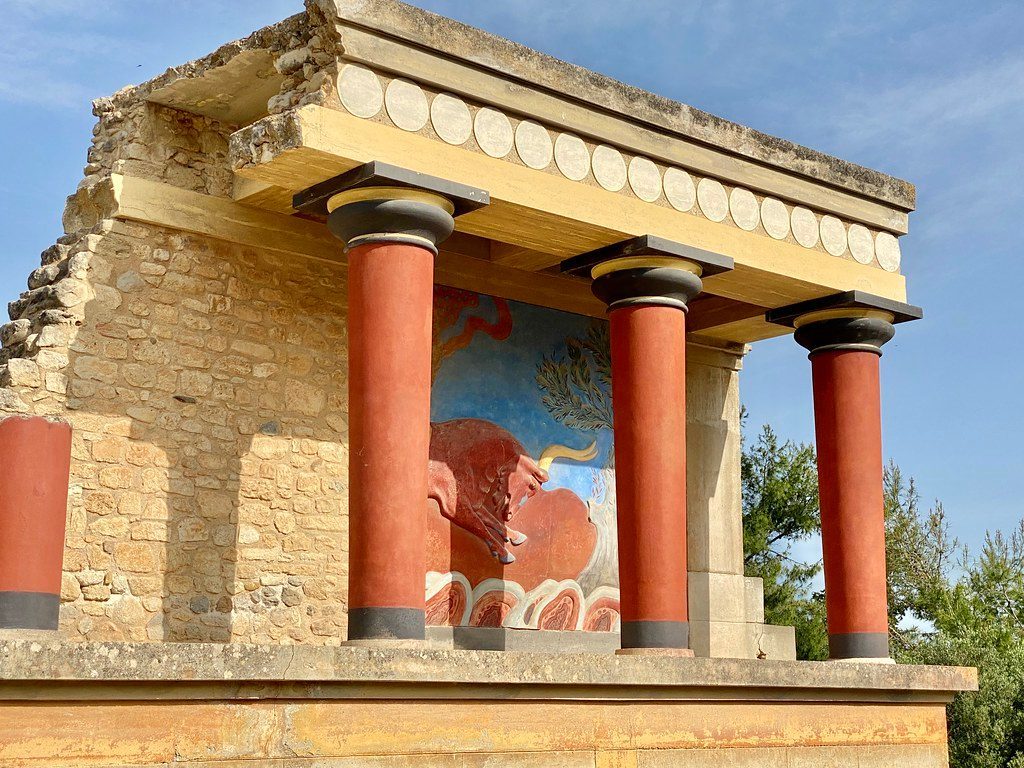
Around 4,000 years ago, the Minoans, Europe’s first great civilization, flourished on the island of Crete. The sophisticated inhabitants, named after the legendary King Minos, were the first Europeans to use a written language, known as Linear A, and the first to construct paved roads. They were an advanced society of highly-cultivated artisans and extremely skilled civic engineers. The Minoans were excellent ship builders and sailors, and their maritime empire was so vast, it rivaled that of the ancient Egyptians.
One of the most popular explanations is the idea that the Minoans were wiped out by a massive volcanic eruption. Archaeological evidence reveals that a large volcanic eruption occurred on the island of Santorini around 1500 BCE. When the second and incredibly violent eruption ripped Thera around 1470 B.C., however, it caused the central and western part of the little island to sink and generated tsunamis (seismic sea waves) between 100 and 165 feet high. “Within 20 minutes, these waves hit the Cretan coast with terrifying fury,” says Marinates, “destroying everything they could reach.”
However, despite popular ideas that the Bronze Age Minoan society was destroyed by the volcanic eruption of Thera, physical evidence indicates that the Minoans survived that crisis and only fell more than a century later to invading Mycenaeans. Though a tsunami definitely occurred, the damage caused was minimal and had no real physical impact on the island of Crete or the Minoan civilization.
The Olmec Civilization: Mesoamerica’s Mysterious Mother Culture
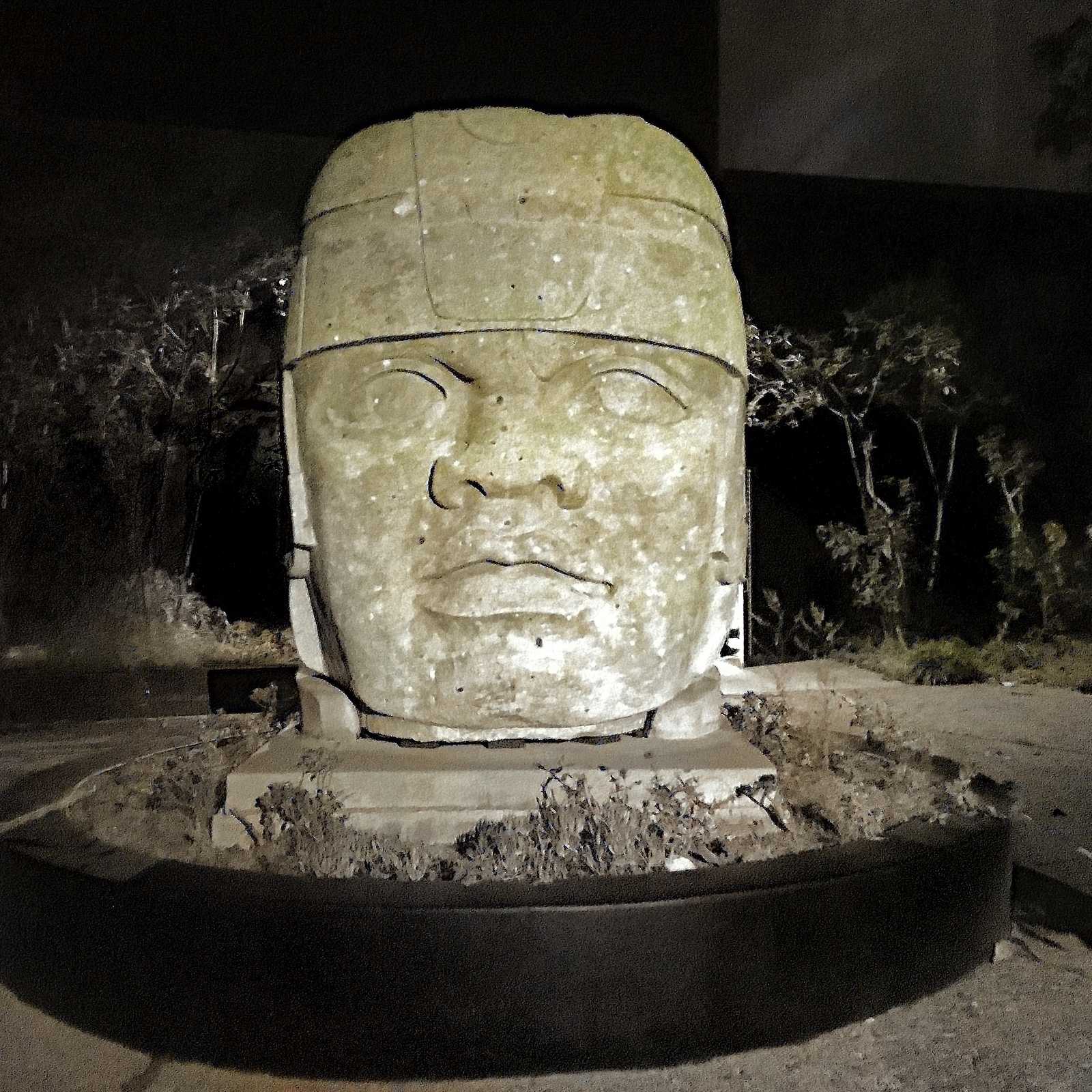
The Olmecs were among the earliest advanced civilizations of the Americas, flourishing between 1400 and 400 BCE in the fertile lowlands of present-day southern Mexico. Often called the “Mother Culture” of Mesoamerica, they laid the foundation for the sophisticated societies that followed, including the Maya and the Aztecs. Despite their profound influence, much about the Olmecs remains mysterious, as they left no comprehensive written records.
The most iconic legacy of the Olmecs is undoubtedly their colossal stone heads, some of which stand over 3 meters tall and weigh more than 50 tons. Seventeen colossal heads have been unearthed to date. The heads range in size from the Rancho La Cobata head, at 3.4 m (11 ft) high, to the pair at Tres Zapotes, at 1.47 m (4 ft 10 in). Scholars calculate that the largest heads weigh between 25 and 55 tonnes.
It is believed that the Olmecs evaporated sometime near 400 BC. Some scholars believe that the incredibly humid Mesoamerican climate would have eroded any existing bones away. But outside of the art and artifacts from this culture, we know virtually nothing about these people, and we certainly have no clue as to how they disappeared. Despite their achievements, the Olmec civilization mysteriously declined around 400 BC. The reasons behind their disappearance remain speculative, with theories ranging from environmental changes, such as river silting and volcanic activity, to internal strife and warfare.
The Nabataeans: Masters of the Desert Who Faded Away
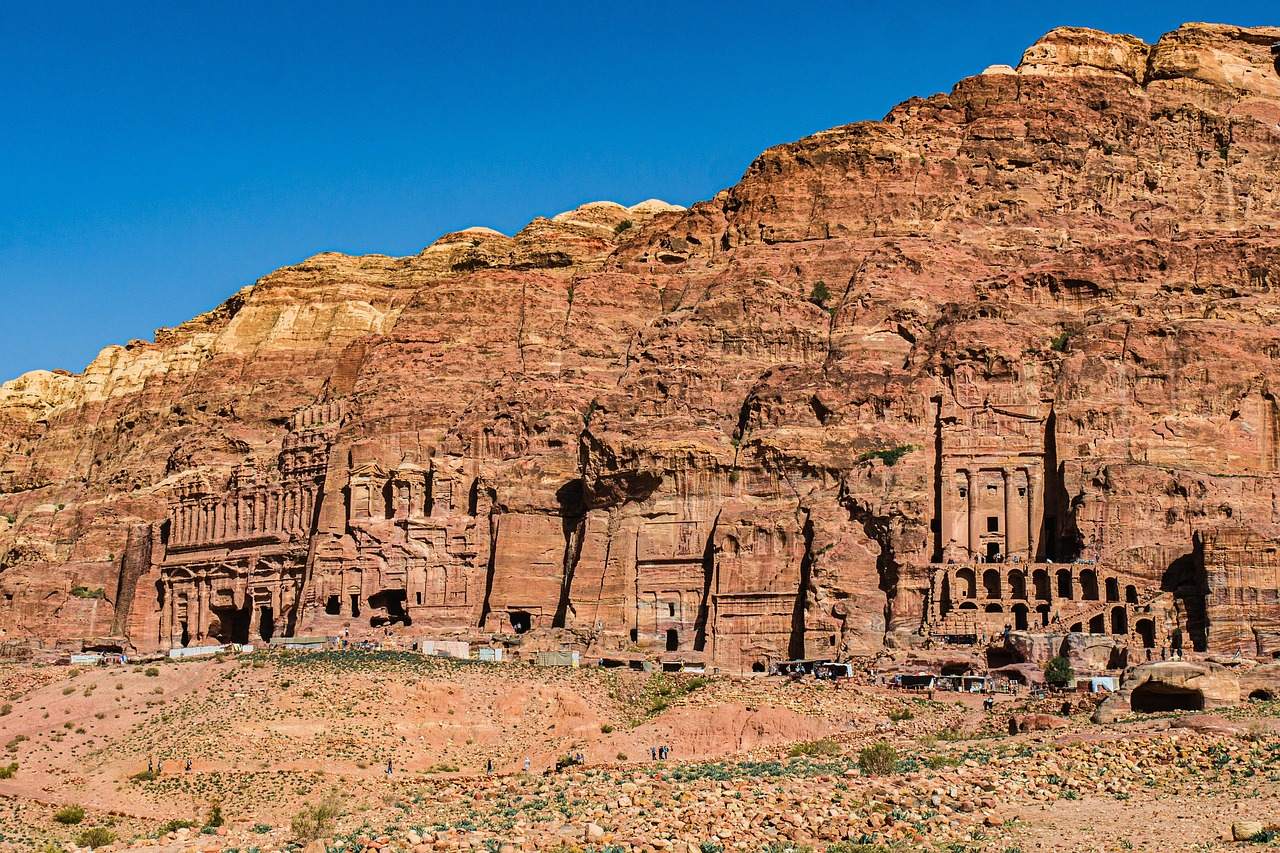
The Nabataeans were a wealthy and resourceful civilization that thrived between the 4th century BCE and the 2nd century CE. They are best remembered for Petra, their awe-inspiring rock-carved city located in the deserts of modern-day Jordan. However, their achievements go far beyond their architectural wonders, encompassing trade, engineering, and cultural ingenuity that made them a dominant force in the ancient Near East.
Trade was the cornerstone of the Nabataean economy. Their strategic location allowed them to control vital trade routes connecting Arabia, Egypt, and the Mediterranean. The Nabataeans were key players in the lucrative incense trade, dealing in commodities such as frankincense, myrrh, spices, and precious metals. Their wealth and influence grew as they facilitated the exchange of goods, ideas, and cultures between distant civilizations.
The decline of the Nabataean civilization began after the Roman Empire annexed their territory in 106 CE. However, by the 4th century AD, the Nabataeans had mysteriously vanished. Scholars speculate that their disappearance may have been due to a variety of factors, including changing trade routes, Roman annexation, or environmental challenges.
The Ancestral Puebloans: Vanishing from the American Southwest
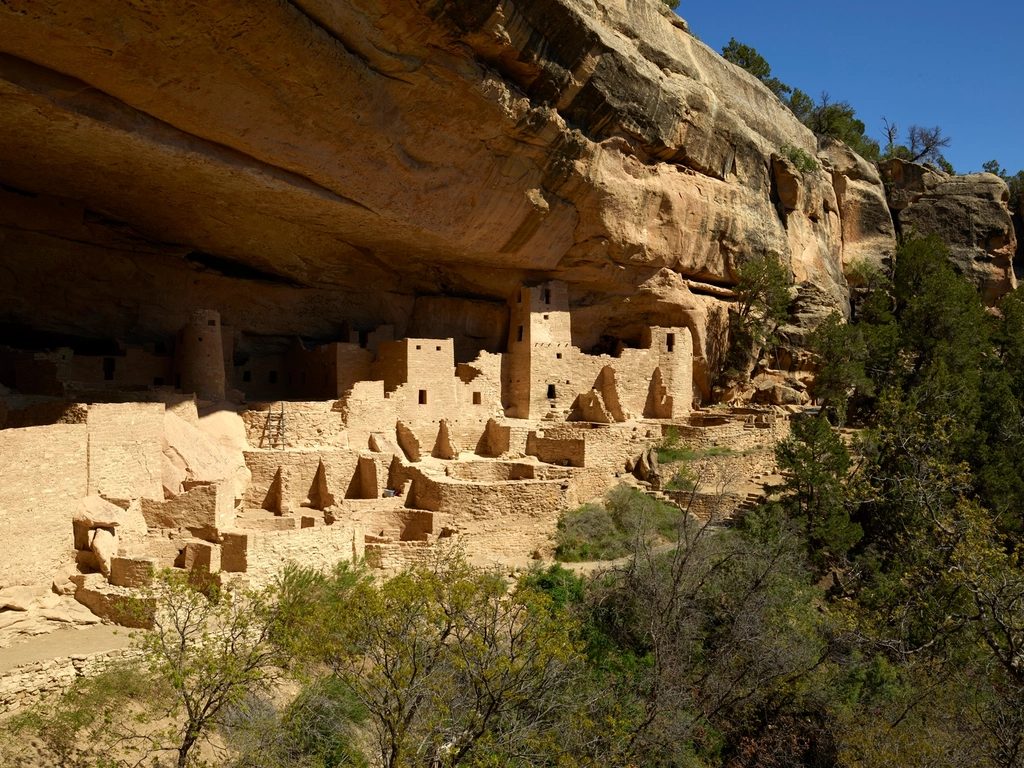
The Anasazi are thought to have first established themselves around Utah sometime around 1500 BC. They built astoundingly complex and impressive housing blocks into the sides of cliffs and mountains. Some of these structures could house hundreds, if not thousands of people at one time. Between 900 and 1300 CE, sites like Chaco Canyon bustled with life, trade, and ceremony. Then, quite suddenly, these settlements were abandoned.
Tree-ring data shows that the region suffered severe droughts during this time, likely making farming unsustainable. Archaeologists also find signs of social tension – burned buildings and defensive structures suggest conflict. In approximately 1300 AD, the Ancestral Puebloans left their cliff homes and began to scatter. There are some scholars who believe that after a population surge occurred, and regional drought and poor farming methods were present, there was no longer enough food for everyone. This lack of food resulted in the Anasazi moving to the Hopi mesas or the Rio Grande, which is why many of the modern Pueblo Indians believe they are actually ancestors of the Anasazi.
The Maya Classic Period: A Civilization’s Sudden Abandonment
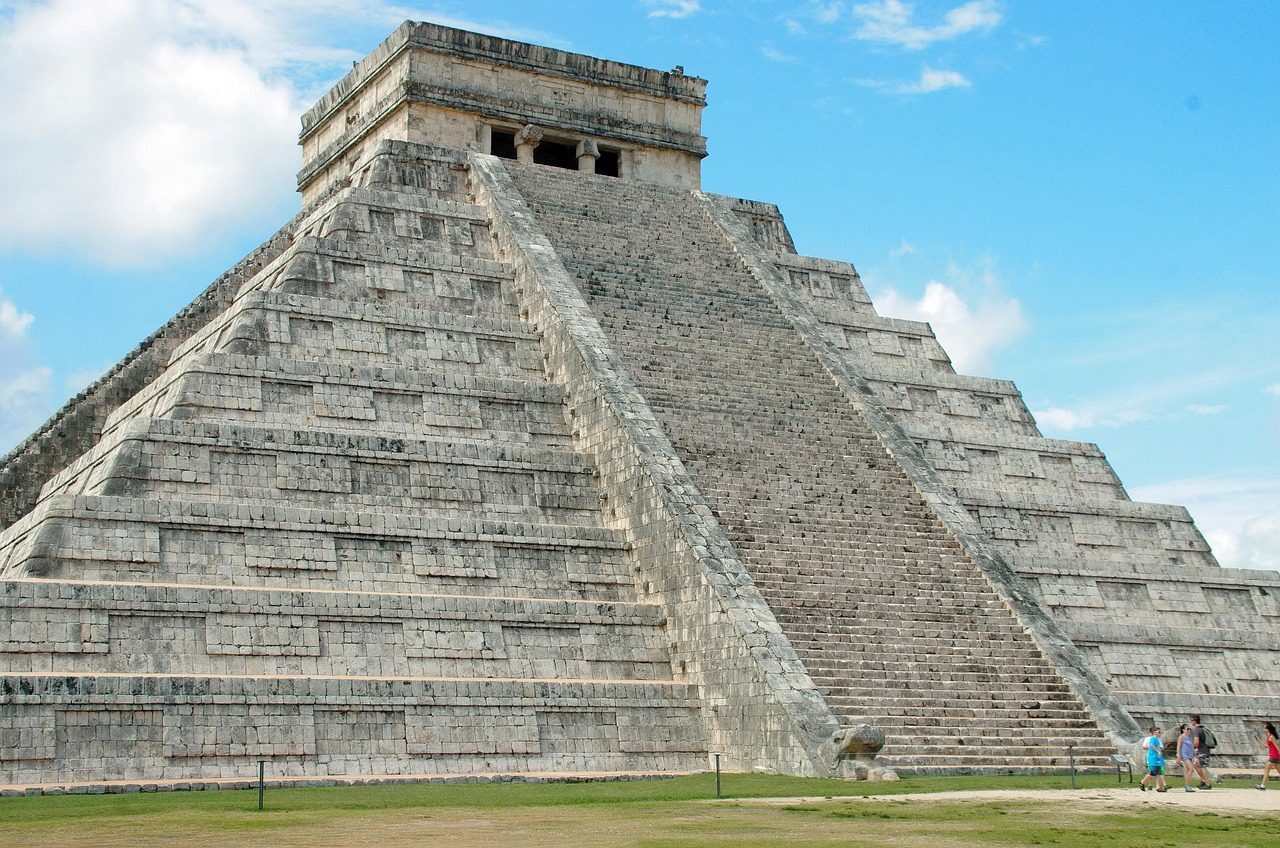
Arguably the New World’s most advanced pre-Columbian civilization, the Maya carved large stone cities into the jungles of southern Mexico and Central America, complete with elaborate plazas, palaces, pyramid-temples and ball courts. Known for their hieroglyphic writing, as well as their calendar-making, mathematics, astronomy and architecture skills, the Maya reached the peak of their influence during the so-called Classic Period, from around A.D. 250 to A.D. 900. But at the end of the Classic Period, in one of history’s great enigmas, the populace suddenly deposed its kings, abandoned the cities and ceased with technological innovation.
Dozens of theories have been put forth to explain what happened. Some historians, for instance, point to a major drought, exacerbated by deforestation and soil erosion, as the impetus for the societal collapse, while others put the blame on a disease. Though it’s often said that the Maya civilization began a mysterious decline in roughly the year 900, a great deal of evidence points to climate change in the Yucatán combined with internecine warfare, which resulted in famine and abandonment of the city centers.
Though dispersed, the Maya never disappeared. Millions of their Mayan-speaking descendants continue to inhabit the region to this day. Still, the sudden collapse of their greatest cities remains one of archaeology’s most puzzling mysteries.
Cahokia: North America’s Forgotten Metropolis
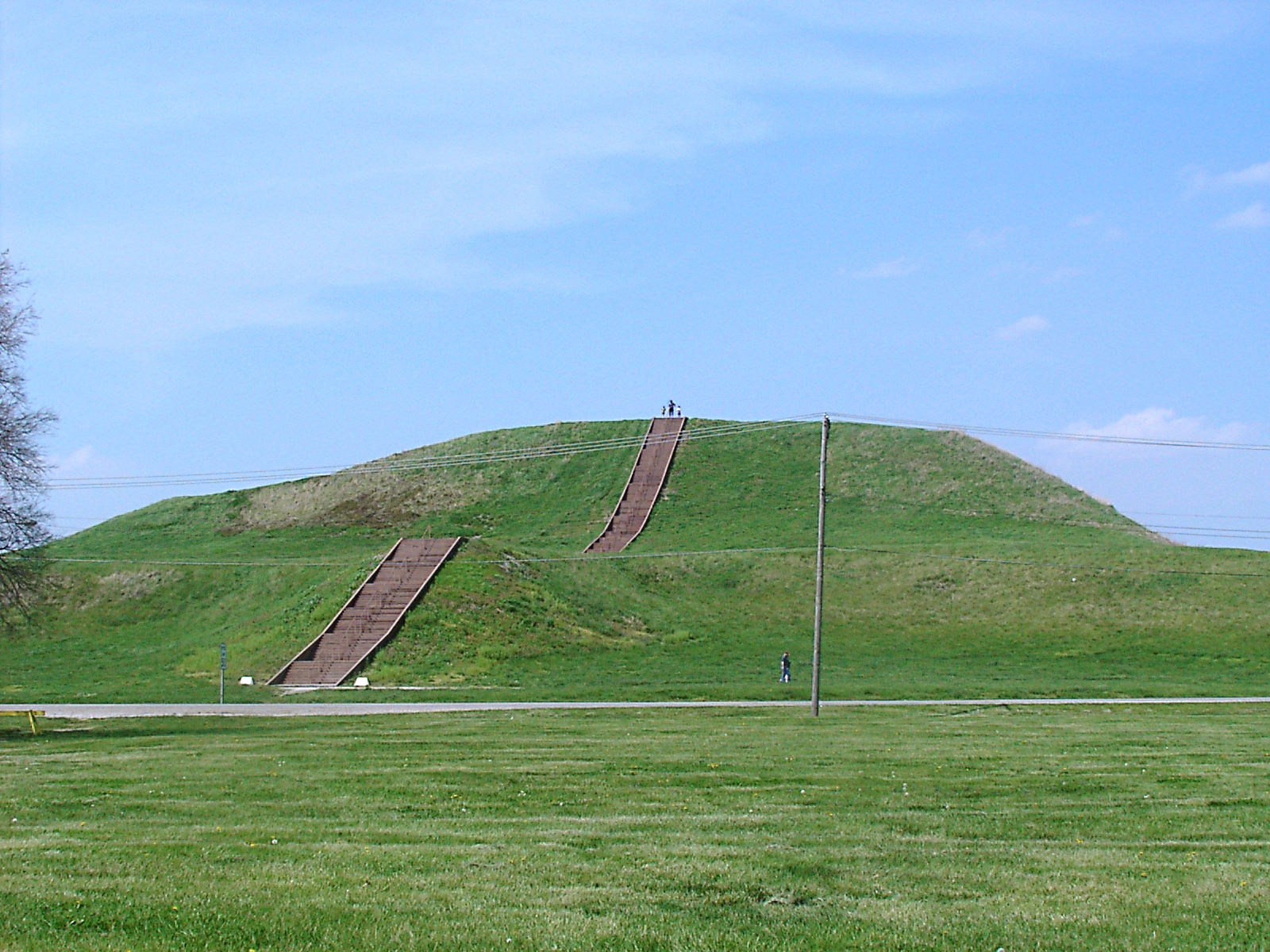
Thanks to the spread of corn cultivation from Mexico, indigenous villages began popping up around 1,200 years ago in the fertile river valleys of the American Southeast and Midwest. By far the largest of these was Cahokia, located a few miles from present-day St. Louis, Missouri, which at its peak hosted a population of up to 20,000 (similar to that of London’s at the time). Surrounded by a high wooden stockade, this inaugural U.S. city featured many plazas and at least 120 earthen mounds, the largest of which, known as Monks Mound, stood 100-feet tall and was built with some 14 million baskets of soil. Meanwhile, just outside the wall, a ring of red cedar posts, dubbed “Woodhenge,” likely served as a sort of solar calendar.
Because of its location near several rivers, Cahokia was used as a trade center within the American Midwest. According to experts, the population was washed out – literally – by a massive flood sometime around 1200 AD. As with other lost civilizations, experts don’t know with certainty what led to the gradual demise of the Mississippians. Popular theories suggest that the decline was the result of environmental degradation or of famine and disease resulting from poor sanitation.
Easter Island: The Rapa Nui’s Environmental Catastrophe
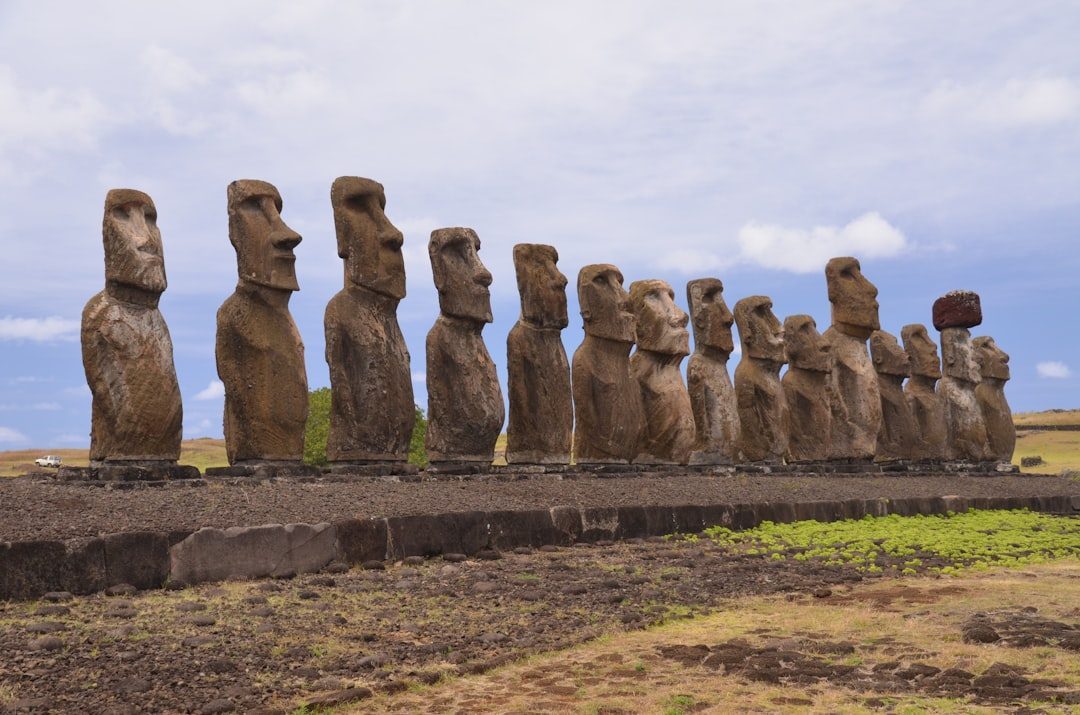
Famous for the massive stone heads that line its coast, Easter Island (Rapa Nui) was home to a thriving Polynesian civilization that first settled the island between 1000-1200 CE. Its residents were skilled navigators of the sea and demonstrated other advanced abilities. Settled by a small group of Polynesian sailors sometime between 1000-1200 CE, it is estimated that the island referred to as Rapa Nui by its native inhabitants had a population reaching 15,000. By the time of European arrival, the population had dwindled to a minuscule 2000-3000 people.
By analyzing charcoal fragments and the pollen in sediment cores, scientists have since discovered that Easter Islanders cut down almost every last tree, and that rats ate the trees’ seeds before the forest could re-germinate. This ecological catastrophe, which eliminated the ability to make rope or seagoing canoes and reduced the populace to burning grass for fuel, may have then ushered in a period of mass starvation and civil war.
Jared Diamond sums up what many scientists now believe in his book Collapse, which is that the Easter Islanders were incredibly sophisticated, but their methods weren’t sustainable. During the time they settled Easter Island, possibly between 700-1200 AD, they used up all the island’s trees and agricultural resources, and then had to move on.
These eight civilizations remind us of humanity’s incredible capacity for innovation and achievement, but also of our vulnerability to forces beyond our control. Whether brought low by natural disasters, environmental collapse, warfare, or internal strife, each of these societies offers valuable lessons about the delicate balance required to sustain complex civilizations. Their mysterious disappearances continue to challenge our understanding of the past and serve as cautionary tales for our own future.
What do you think caused these remarkable civilizations to vanish? Could we learn from their fate to protect our own society from similar collapse?