
Every now and then, an animal does something so unexpected that it forces us to question what we think we know about instinct, intelligence, and even consciousness. It’s not just about cute tricks or impressive strength; it’s about moments when a supposedly “simple” creature behaves in a way that feels unsettlingly familiar, almost human. Those moments stick with you, and once you’ve seen them, it’s hard to go back to thinking of animals as running on pure autopilot.
Scientists have been quietly collecting these surprises for decades, and in the last few years, better cameras, tracking devices, and long-term studies have revealed just how strange, creative, and flexible animal behavior can be. From crows saving tools for later, to fish building geometric “sand art,” these rare behaviors aren’t just fun curiosities. They might be hints that intelligence is far more widespread and diverse than we ever imagined, and that instincts are less like fixed programs and more like toolkits for improvisation.
1. New Caledonian Crows That Plan Ahead And Build Custom Tools
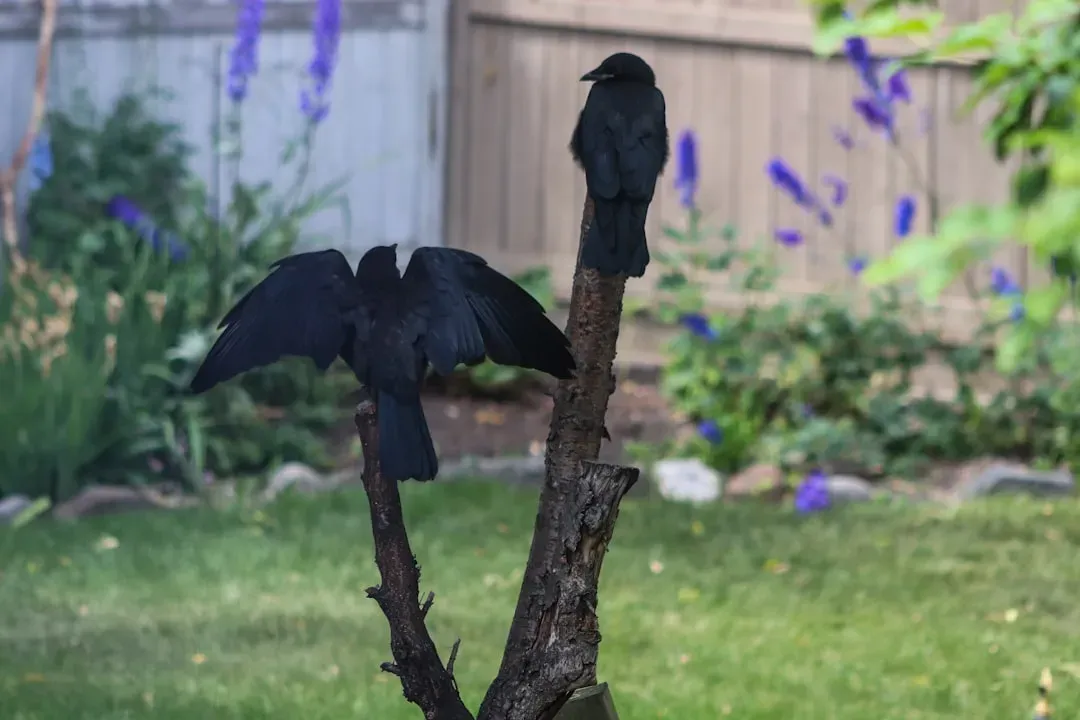
Imagine a crow picking up a stick, realizing it’s too short, then deliberately joining two pieces to make a longer tool so it can reach food. That’s not a thought experiment; it’s something New Caledonian crows have actually been observed doing under experimental conditions. They don’t just grab random objects either – they shape twigs, trim leaves, and even bend bits of wire into hooks when nothing else is available.
What makes this behavior so mind-bending is that it hints at planning, problem solving, and maybe even a sense of future needs, not just trial-and-error pecking. In the wild, these crows pass down tool-making techniques across generations, almost like a tiny culture of engineers living in the treetops. When you watch one pause, look at the problem, and then calmly select and modify a tool, it feels less like instinct and more like watching someone think through a DIY project in their head.
2. Octopus “Home Decorators” That Collect, Arrange, And Weaponize Objects
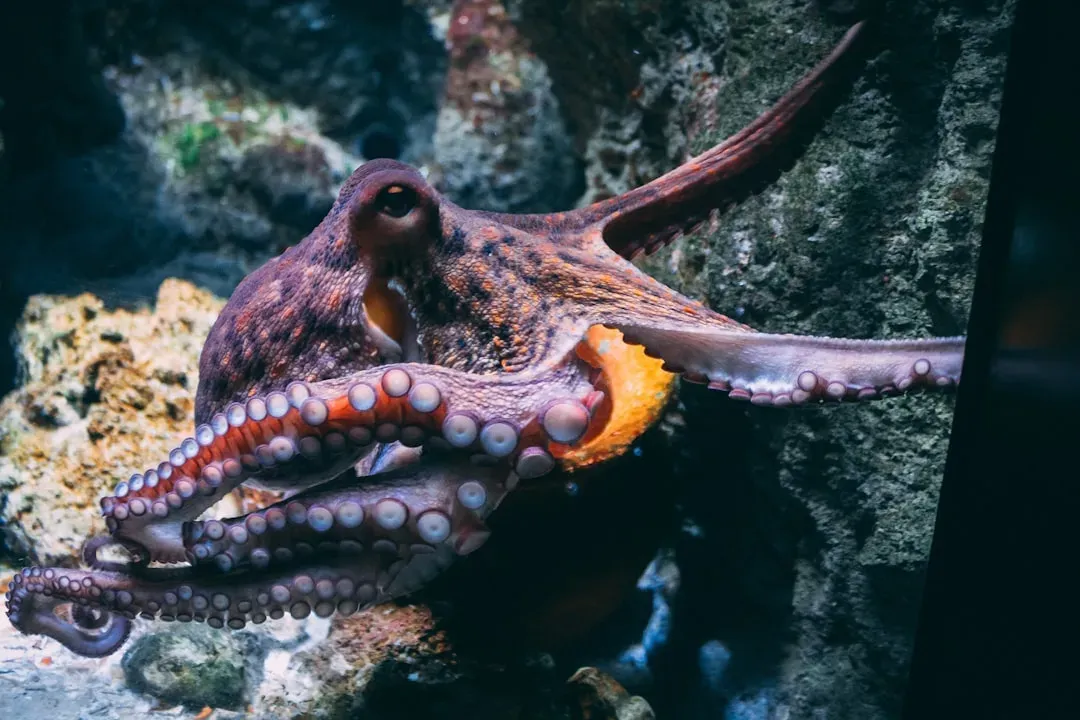
Octopuses already have a reputation as escape artists, but their use of objects can be oddly sophisticated and surprisingly fussy. Some species gather coconut shells or clam halves, haul them across the seafloor, and assemble them into shelters they can quickly close behind them. Others arrange rocks and shells around their dens, almost like a garden fence, sometimes even turning the area into a messy “midden” of discarded prey remains and chosen objects.
In a few cases, octopuses have been filmed hurling shells and silt at intruders, using their siphons to blast projectiles with pretty good aim. None of this looks like a rigid, pre-programmed routine; it looks like flexible problem solving with a dash of personality. When an octopus decides to carry half a coconut around like a collapsible shield, it’s hard not to see the glimmer of foresight there: this might be useful later, so I’m keeping it.
3. Cleaner Wrasse That Recognize Themselves In Mirrors
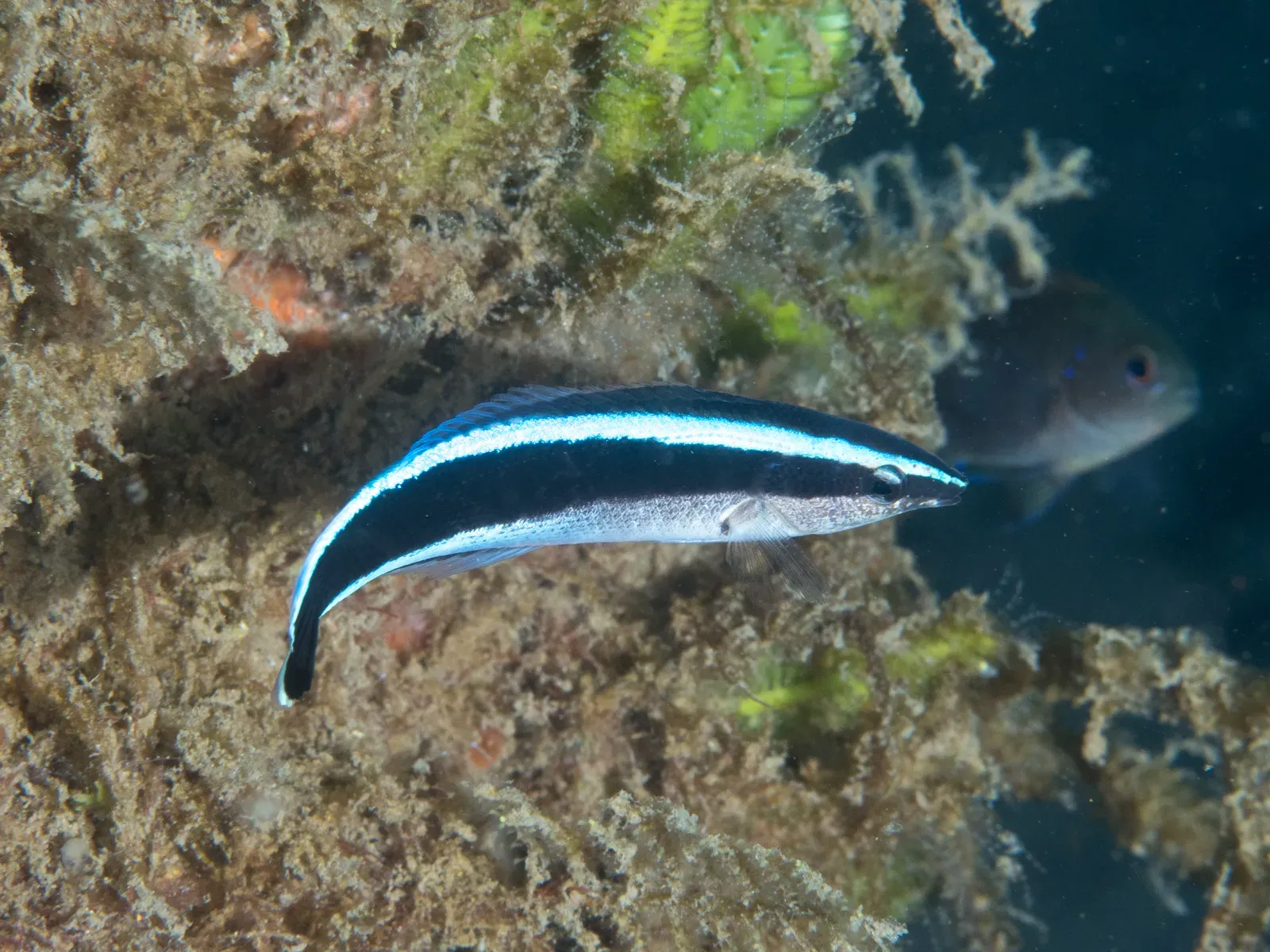
For a long time, only a small group of “big-brained” animals seemed to pass the mirror self-recognition test, including some great apes, dolphins, elephants, and certain corvids. Then tiny cleaner wrasse fish came along and scrambled the story. In carefully designed experiments, some of these fish behaved as if they understood that the fish in the mirror was themselves, not a rival. They even seemed to use the reflection to inspect and try to remove marks on their own bodies.
This is shocking partly because cleaner wrasse are small reef fish best known for picking parasites off larger clients at “cleaning stations,” not for passing psychological tests. Their apparent ability to use a mirror challenges the idea that self-awareness is tied to brain size or to mammals and birds. Maybe they’re not self-aware in the way we are, but the behavior is still deeply uncomfortable for anyone who wants a clean line between “instinct-driven fish” and “thinking animals.”
4. Dolphins That Use Sponges And Shells As Hunting Tools
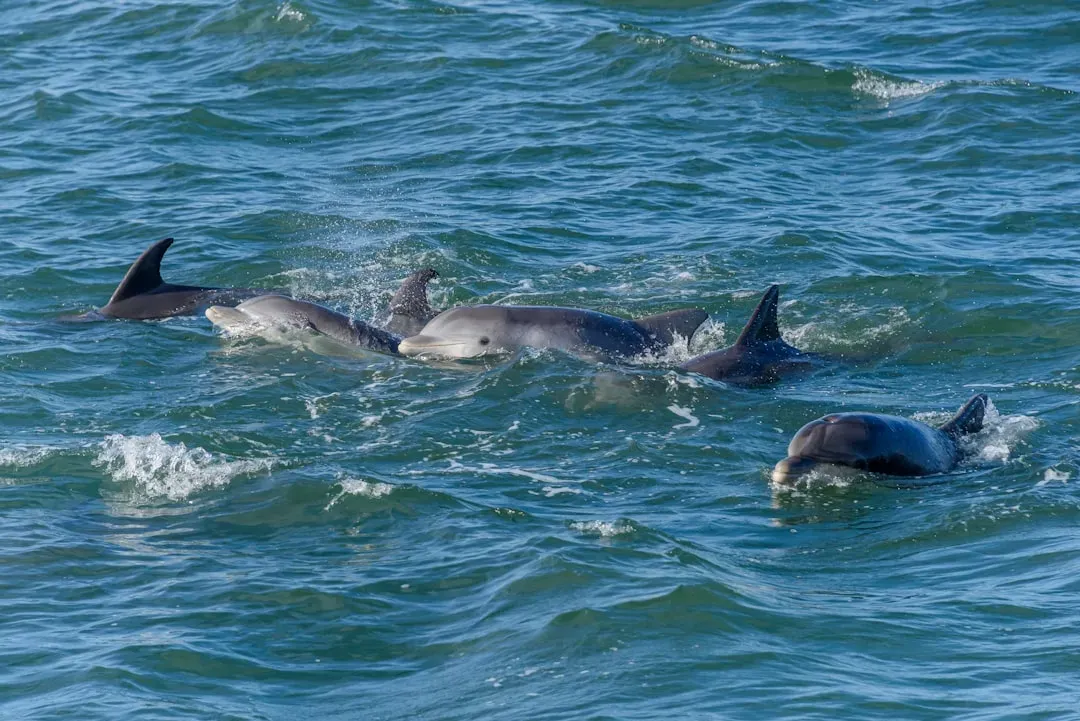
In some coastal areas, certain bottlenose dolphins have been documented swimming with sponges over their snouts while they forage along the seafloor. The sponge acts like a soft shield that protects them from sharp rocks and hidden creatures as they root around for prey. What’s remarkable is that this behavior is not universal; it’s learned, mostly by daughters from their mothers, and spreads through social networks like a local tradition.
Another clever trick involves dolphins chasing fish into empty shells, then lifting the shell to the surface and shaking it so the trapped fish slide into their mouths. This shell use is rare, but once again, it shows up in specific communities and seems to be socially transmitted. Instead of one fixed “dolphin way” of hunting, we’re seeing regional tool cultures, almost like different human communities inventing distinct ways of using everyday objects to solve the same problem.
5. Pufferfish That Create Massive Geometric “Sand Art” To Attract Mates
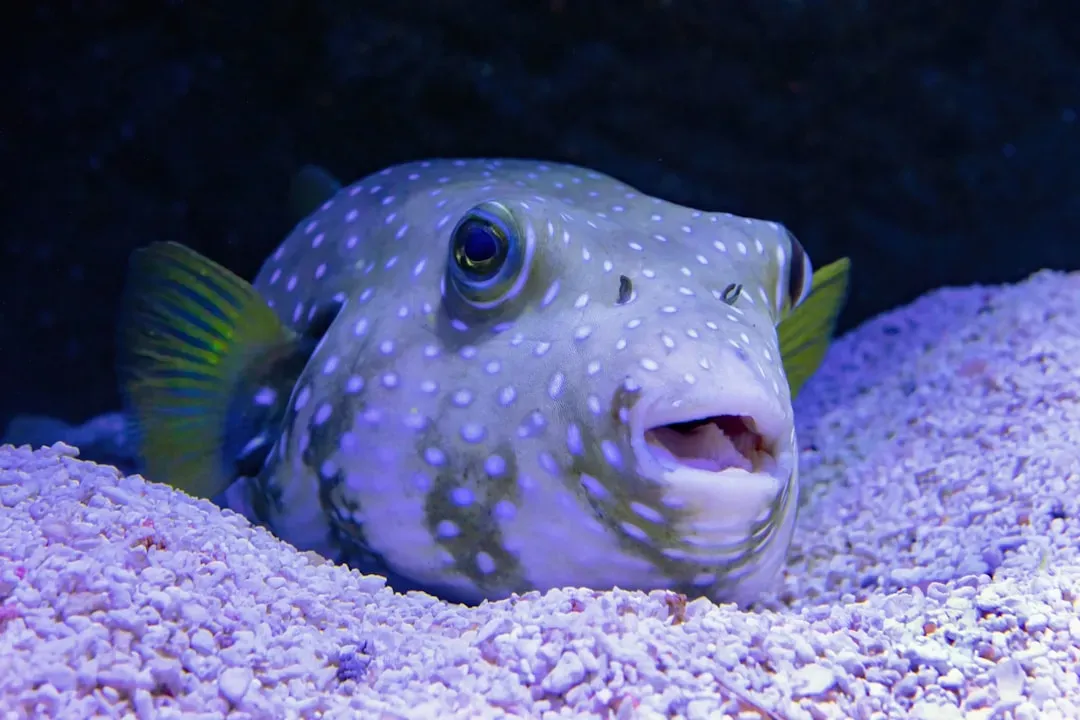
On the seafloor off Japan, male pufferfish construct elaborate, circular patterns in the sand that look like something an artist would design with a compass and a ruler. Using only their fins, they carve ridges, valleys, and a central, decorated area, constantly maintaining the structure against currents and shifting sediment. These circles can be many times larger than the fish themselves, and they’re built with a level of precision that, at first glance, seems almost impossible for such a small animal.
These sand sculptures are courtship displays, meant to attract females and showcase the male’s stamina and skill. But the complexity of the design and the persistence required to maintain it push this behavior far beyond a simple dance or color change. It blurs the line between instinctive mating behavior and something that looks eerily like creativity or architectural sense, as if the ocean floor were hosting an underwater version of land art.
6. Rats That Show Empathy And Free Trapped Companions
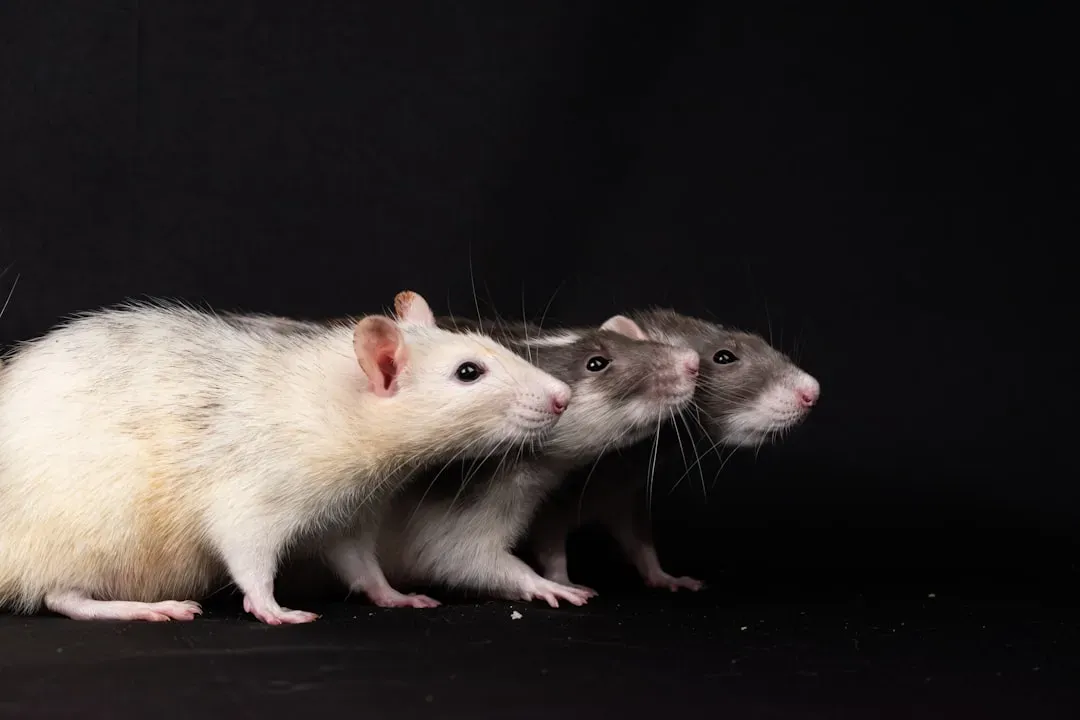
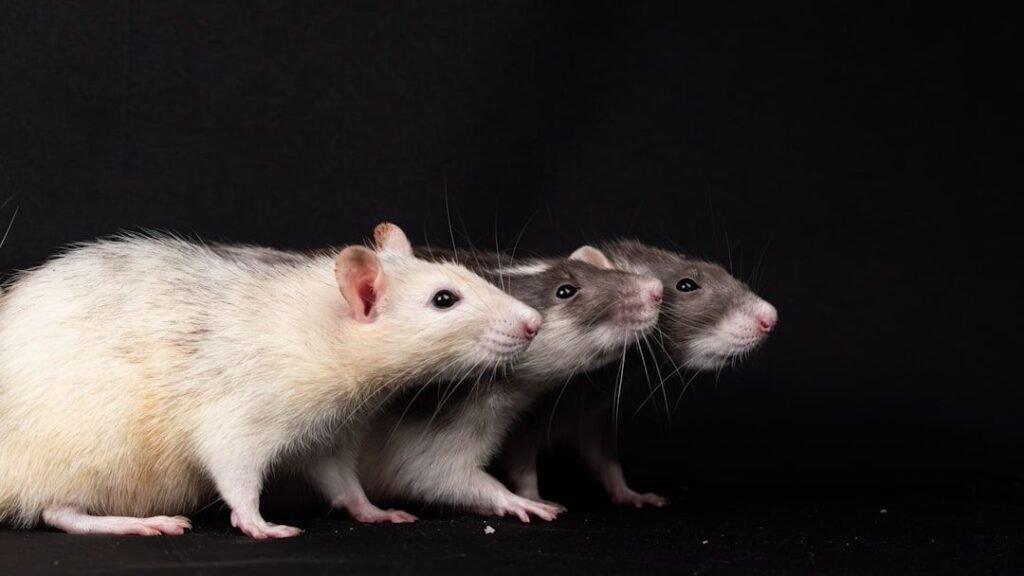
Rats have a terrible public image, but their social behavior can be surprisingly compassionate. In controlled lab tests, rats that discover a trapped companion in a small enclosure will often work to figure out how to open the door, even when there’s no obvious reward for doing so. In some setups, they’ll choose to free their fellow rat before accessing treats, as if the distress of the other animal genuinely matters to them.
When you watch a rat repeatedly return to a trapped cage-mate, sniffing and circling, then finally learning the mechanism to let them out, it’s hard not to read a kind of emotional urgency into the scene. Researchers argue about whether to call this empathy, pro-social behavior, or something else, but whatever label you choose, it doesn’t fit neatly into the idea of rats as cold, self-serving foragers. It suggests that caring about another’s suffering, at least in some situations, is not uniquely human at all.
7. Elephants That Seem To Mourn And Remember Their Dead
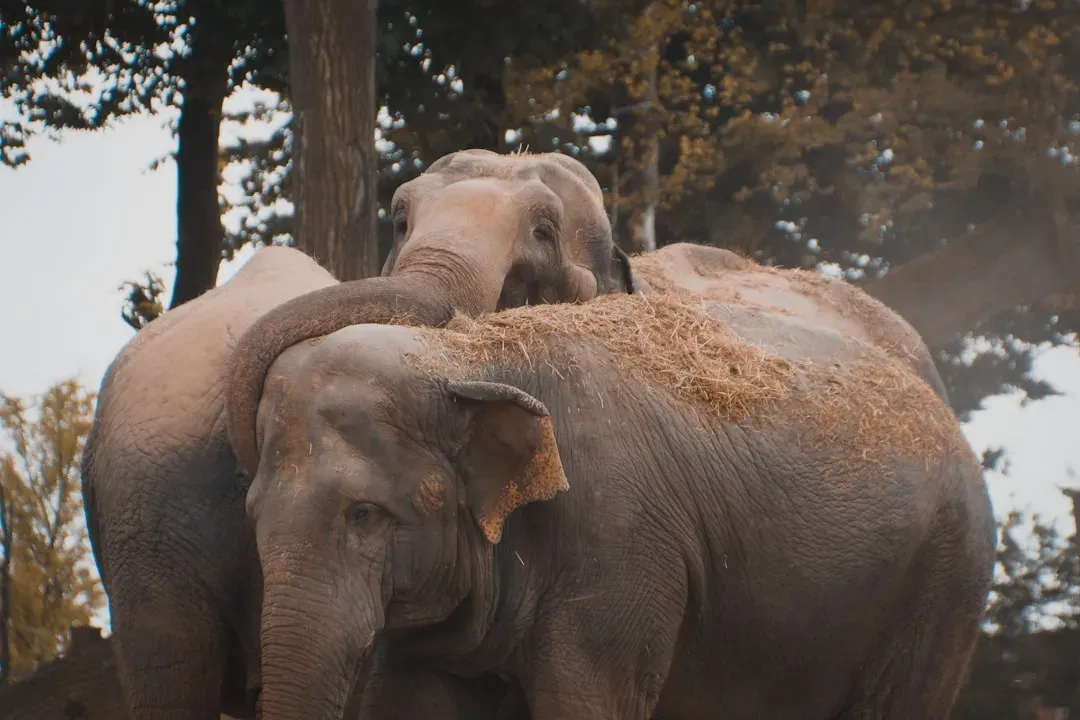
Elephants are often described as having incredible memories, but their reactions to death are what really shake people. When a herd encounters the bones or body of a dead elephant, individuals may pause, touch the skull or tusks gently with their trunks and feet, and linger in a kind of quiet inspection. They’ve been observed revisiting the remains of familiar individuals long after the death, paying particular attention to the head and tusks.
These behaviors aren’t simple avoidance or curiosity; they look like recognition and emotional engagement, even though we can’t step inside an elephant’s mind. There are accounts of elephants altering their routes, remaining near dying companions, and appearing subdued after a death in the group. Even if we stay cautious with words like grief, it’s clear that death is not just another neutral event to them, and that challenges any simplistic picture of animals as emotionally shallow.
8. Ant “Nurses” And “Farmers” That Show Flexible, Role-Based Cooperation
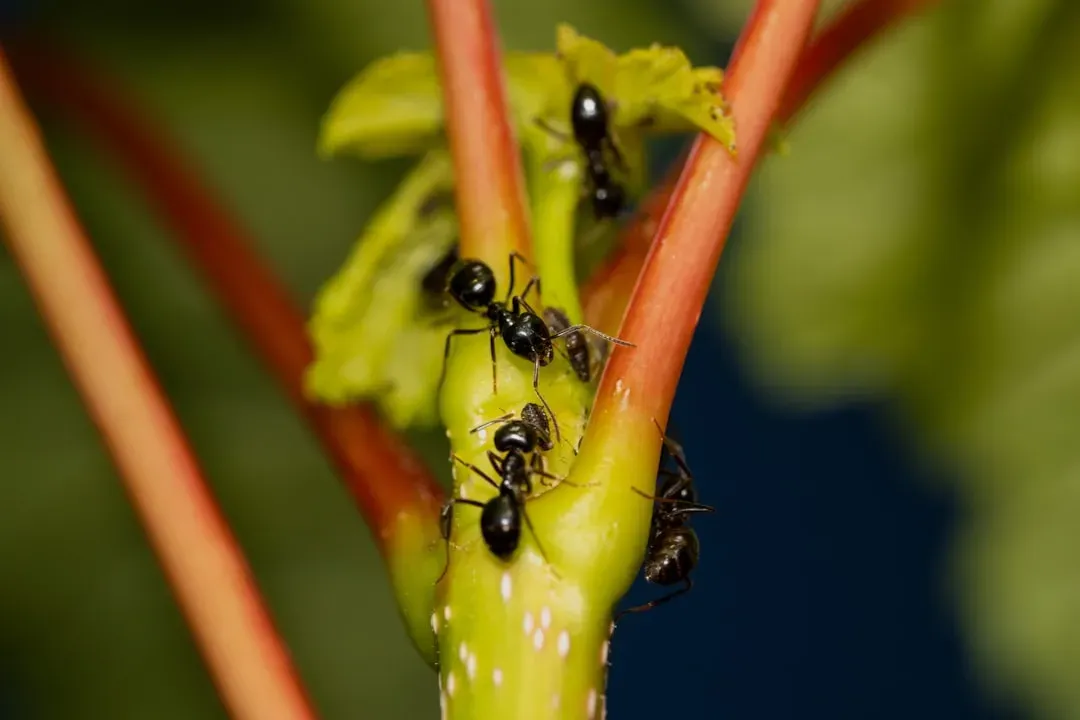
Ants are often held up as the classic example of rigid insect instinct, each individual following a genetic script. But long-term studies of certain species have revealed a more flexible, almost job-based system that shifts with age, colony needs, and individual experience. Some ants become dedicated nurses that tend to brood, others focus on foraging, and some act as living road markers or guards, with roles changing over time as if they were rotating through a career ladder.
Leafcutter ants go even further, growing fungus gardens underground and adjusting how they cut and process leaves depending on how the fungus responds. They remove contaminated pieces, alter humidity, and manage waste in specialized chambers away from their crops. None of this is overseen by a leader giving orders, yet the colony’s behavior adapts to new problems in ways that look, from a distance, eerily like organized agriculture and infrastructure management. It forces a tough question: if intelligence can emerge from thousands of tiny, rule-following bodies, how different is that from the way our own brains work?
When “Instinct” Starts To Look A Lot Like Thought
Looking across these rare behaviors, a pattern starts to emerge: animals are not just following one narrow script, but drawing from a flexible toolbox shaped by learning, culture, and individual experience. From crows crafting tools to dolphins inventing new hunting strategies, the line between instinctive routine and genuine problem solving is much blurrier than many of us were taught. Even small-brained creatures like fish and insects keep surprising researchers with what they can do when faced with new challenges.
Maybe the real mistake has been assuming that intelligence has to look like ours to count, or that emotions and planning only show up in species close to us on the family tree. These rare, unsettling behaviors suggest that there are many ways for a mind to be smart, social, or even self-aware, and that evolution has been quietly experimenting with them for millions of years. The next time you see an animal do something that makes you think, “Wait, how did it know to do that?”, it might be worth taking that feeling seriously – what else might be going on behind those eyes that we still haven’t noticed?