
Astrology gives Libras the scales, but psychology offers the mechanics behind why balance can feel so compelling. In interviews, lab studies, and everyday observations, patterns emerge that map cultural archetypes to measurable tendencies: empathy, fairness, and flexible thinking. None of this proves the stars are steering our minds, yet it does show how stories about Libra overlap with traits that social scientists actually track. That blend – myth meeting method – creates a surprisingly useful lens for understanding how some people navigate relationships and decisions with poise. Think of it as a field guide for spotting thoughtful behavior in the wild, anchored in evidence but told through a sign known for weighing every angle.
The Hidden Clues: Calibrated Empathy

Thoughtful Libras often read emotional rooms like seasoned researchers, noticing micro-shifts in tone and posture that many of us miss. In personality science, this looks a lot like higher empathic accuracy and perspective-taking, two skills linked to better conflict resolution and long-term relationship health. Rather than reacting fast, they pause, compare signals, and mentally test different interpretations, as if running a mini-experiment in their head.
I’ve sat in focus groups where a Libra friend quietly predicted who would speak next and how they would respond, and it was uncanny. That kind of calibrated empathy isn’t magic; it’s practice plus attention, a habit of collecting subtle data before speaking. The result is a sense of being seen without being judged, which makes conversations feel safer and more productive.
From Ancient Tools to Modern Science: Fair‑Minded Decision Architecture
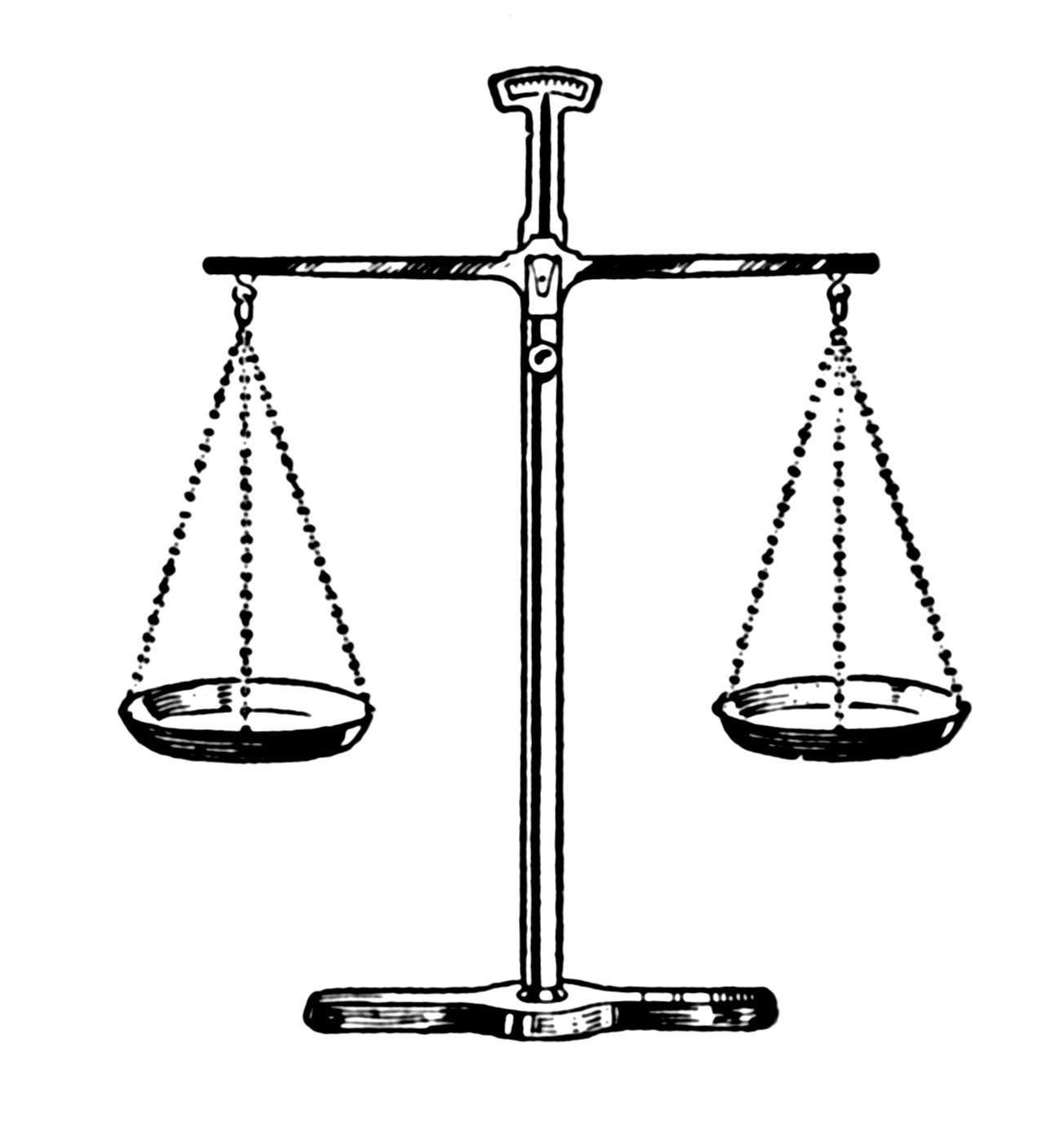
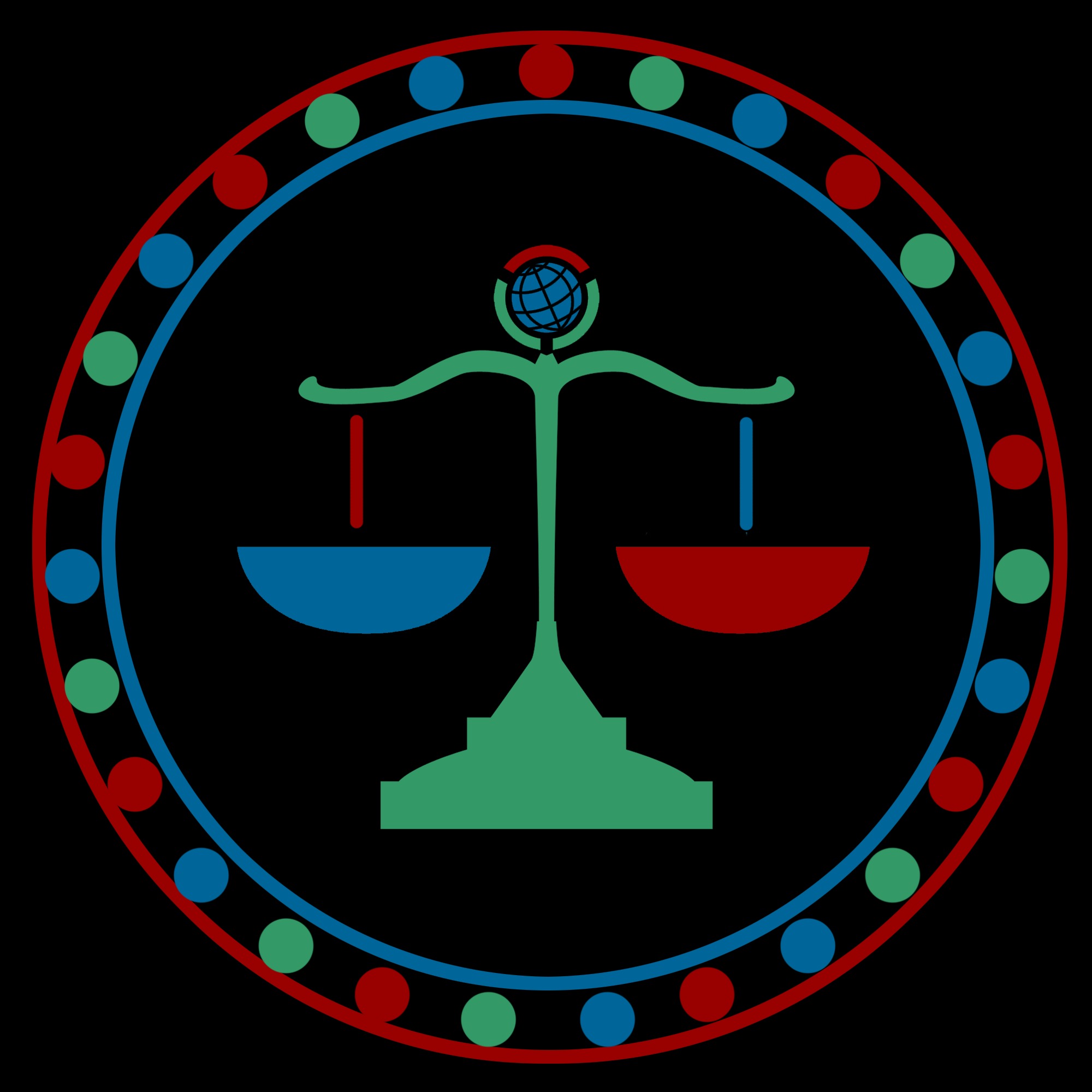
Historically, the scales symbol suggested justice; in modern terms, you might call it procedural fairness. Thoughtful Libras tend to prefer decision rules that feel transparent and consistent, a style that overlaps with what organizational psychologists label fair process. They define criteria first, weigh options against those criteria, and only then let preferences enter the equation.
This doesn’t mean they’re slow; it means they’re structured. In experiments on moral reasoning and distributive choices, people who value fairness aim to preserve relationships while still getting to yes. The Libra archetype aligns with that architecture: make the rules clear, apply them evenly, and keep everyone’s dignity intact.
Harmony as Strategy: Conflict Without Casualties

Peace isn’t passive here – it’s tactical. Thoughtful Libras often defuse conflict early, using reframing and shared-goal language that reduces the temperature without burying the problem. Researchers describe similar behavior as integrative negotiation: searching for trade-offs rather than winner-take-all outcomes.
When tension spikes, they shift the conversation toward interests instead of positions, which keeps people collaborating rather than entrenching. Over time, that strategy preserves trust, a resource as valuable as time or money in any team. The immediate payoff is fewer blowups; the longer arc is a culture where disagreement doesn’t equal disrespect.
Social Scales: Attunement to Norms and Micro‑signals

Another trait you’ll see is social calibration – the knack for aligning with group norms without losing one’s voice. In social psychology, this reflects sensitivity to descriptive norms, yet the thoughtful Libra twist is to ask whether those norms are actually helpful. They track what the group expects, then selectively mirror or nudge, depending on whether the norm supports the goal.
It’s like matching pitch in a choir: blend first, then guide the harmony. The practical effect is smoother collaboration when stakes are high, because people feel respected while still being invited to adjust. That dual move of attunement plus gentle steering keeps teams cohesive and creative.
Cognitive Balance: Ambidextrous Thinking Under Uncertainty
Call it mental ambidexterity – the ability to toggle between analytical and relational frames without getting stuck. Thoughtful Libras can break a problem into parts and, in the next breath, consider how each outcome affects real people. Cognitive scientists sometimes link this to executive function and cognitive flexibility, the brain’s control room for switching tasks and updating priorities.
In practice, it looks like building a spreadsheet and a story at the same time. Numbers inform the plan; narratives ensure the plan lands well. That balance keeps their decisions robust in both spreadsheets and meeting rooms, which is where most choices actually live or die.
Aesthetic Sensitivity: Order, Symmetry, and the Pleasure of Coherence
Many Libras care about how things look and feel, and psychology gives that aesthetic bent a practical edge. Preference for symmetry and order often correlates with a desire for coherence – systems that make sense at a glance. Thoughtful Libras bring that impulse to documents, meeting agendas, and even room layouts, reducing friction by making the path obvious.
It’s not decoration for decoration’s sake; it’s usability. When information is arranged clearly, people learn faster and decide sooner, a pattern repeatedly shown in human factors research. The beauty here is functional: design that lowers cognitive load and nudges groups toward shared understanding.
From Insight to Impact: Why It Matters

Traits only matter if they help real lives, and these do. Compared with ad‑hoc approaches, fairness-minded, empathic, and flexible strategies reduce misunderstandings and decision fatigue, especially under pressure. In workplaces, that means fewer escalations and more durable agreements; at home, it means arguments that end with repaired connection instead of lingering resentment.
Traditional zodiac profiles offer a story; psychology provides the mechanisms and boundaries. Evidence reminds us that people vary widely and that any sign can learn these skills. Still, the Libra template is a useful mnemonic for behaviors we can measure and practice: read the room, clarify the rules, and choose solutions that protect both outcomes and relationships.
The Hidden Trade‑Off: Overthinking, Delay, and How Libras Course‑Correct
There’s a shadow side to balance – a tendency to overweigh inputs and stall. Decision science calls it analysis paralysis, and it creeps in when options multiply or stakes feel ambiguous. Thoughtful Libras combat this by pre‑committing to timelines and tie‑break rules, turning endless weighing into structured momentum.
I’ve watched a Libra colleague set a two‑step policy for sticky choices: gather input by a firm date, then decide with a default if consensus lags. It’s a humane governor against perfectionism, preserving fairness without sacrificing speed. The win is decisiveness that still feels considerate.
The Future Landscape: Gracious Action You Can Practice Today
Looking ahead, social tech and AI will amplify both the benefits and risks of these traits. Tools that summarize group sentiment can help Libra‑like minds catch nuance at scale, but they also raise new fairness questions about bias and transparency. The next frontier is learning to pair empathic judgment with data literacy, so emotional intelligence and evidence travel together.
If you want to build these muscles – Libra or not – start small and consistent. Try a weekly fairness audit of your own choices, ask one more perspective before deciding, and set a clear sunset clause on big debates. Then translate insight into motion with one gracious action per day, like clarifying expectations or naming a shared goal to defuse friction. What would you test first?
Suhail Ahmed is a passionate digital professional and nature enthusiast with over 8 years of experience in content strategy, SEO, web development, and digital operations. Alongside his freelance journey, Suhail actively contributes to nature and wildlife platforms like Discover Wildlife, where he channels his curiosity for the planet into engaging, educational storytelling.
With a strong background in managing digital ecosystems — from ecommerce stores and WordPress websites to social media and automation — Suhail merges technical precision with creative insight. His content reflects a rare balance: SEO-friendly yet deeply human, data-informed yet emotionally resonant.
Driven by a love for discovery and storytelling, Suhail believes in using digital platforms to amplify causes that matter — especially those protecting Earth’s biodiversity and inspiring sustainable living. Whether he’s managing online projects or crafting wildlife content, his goal remains the same: to inform, inspire, and leave a positive digital footprint.