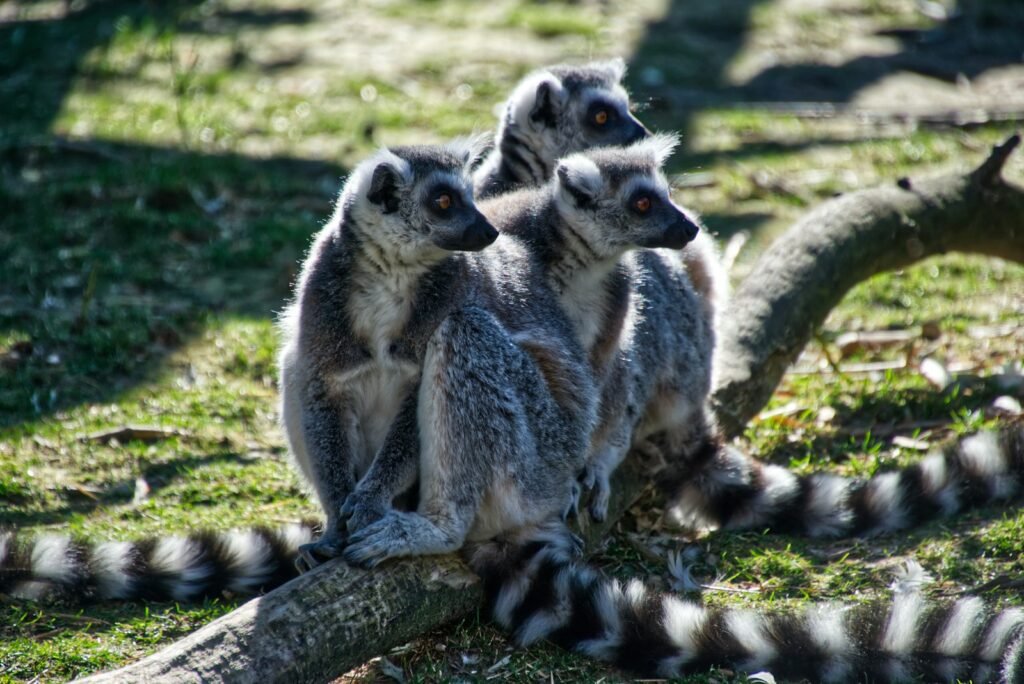
The animal kingdom is a vast and wondrous world filled with creatures that have developed some truly astonishing strategies to survive. Every day, animals are faced with the challenge of avoiding predators, and over the years, evolution has equipped them with a variety of bizarre yet effective survival tactics. From blending into their surroundings to producing foul smells, these creatures have mastered the art of evasion. As we delve into the peculiar survival methods of these animals, prepare to be amazed by nature’s ingenuity and the lengths to which creatures will go to avoid becoming someone’s next meal.
Camouflage: The Art of Blending In

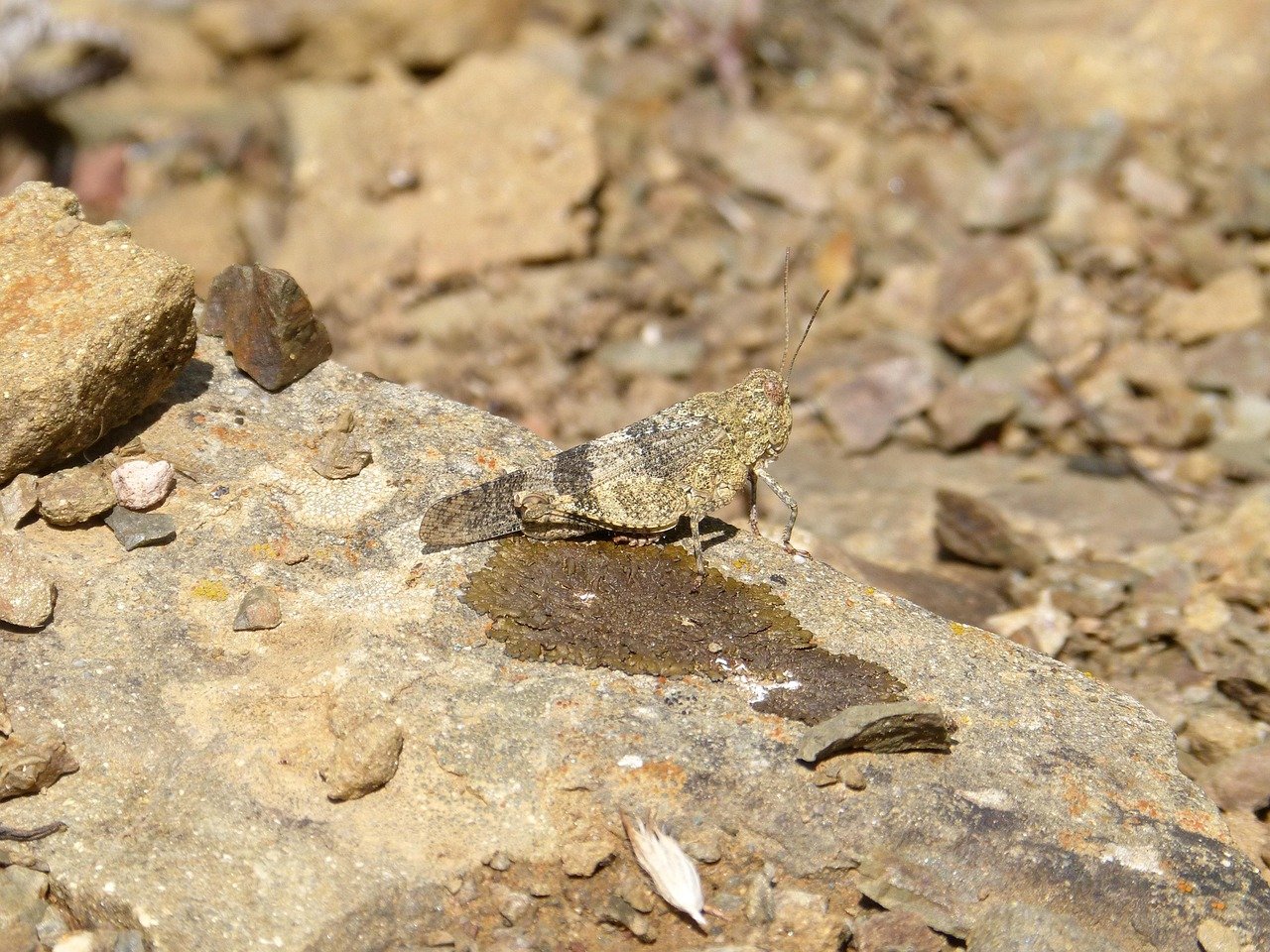
One of the most common survival tactics in the wild is camouflage, where animals blend into their surroundings to avoid detection. Chameleons are perhaps the most well-known masters of this art, changing their skin color to match their environment. This ability not only helps them hide from predators but also allows them to sneak up on prey. However, chameleons are not alone in this skill. The leafy sea dragon, a marine creature, has appendages that look just like seaweed, making it nearly invisible in its ocean habitat. In the dense forests, walking sticks and leaf insects mimic twigs and leaves, tricking predators into overlooking them. Camouflage is a testament to nature’s creativity, allowing animals to hide in plain sight.
Mimicry: The Power of Deception
Mimicry is another fascinating survival strategy where animals imitate other species to deceive predators. The harmless king snake, for instance, mimics the coloration of the venomous coral snake, deterring potential threats. Similarly, the Viceroy butterfly resembles the toxic Monarch butterfly, making predators think twice before taking a bite. This form of deception extends beyond appearance; some animals even mimic sounds. The lyrebird can imitate the calls of other animals, confusing predators and protecting itself. Mimicry showcases the remarkable adaptability of animals and their ability to use deception as a means of survival.
Feigning Death: Playing Possum
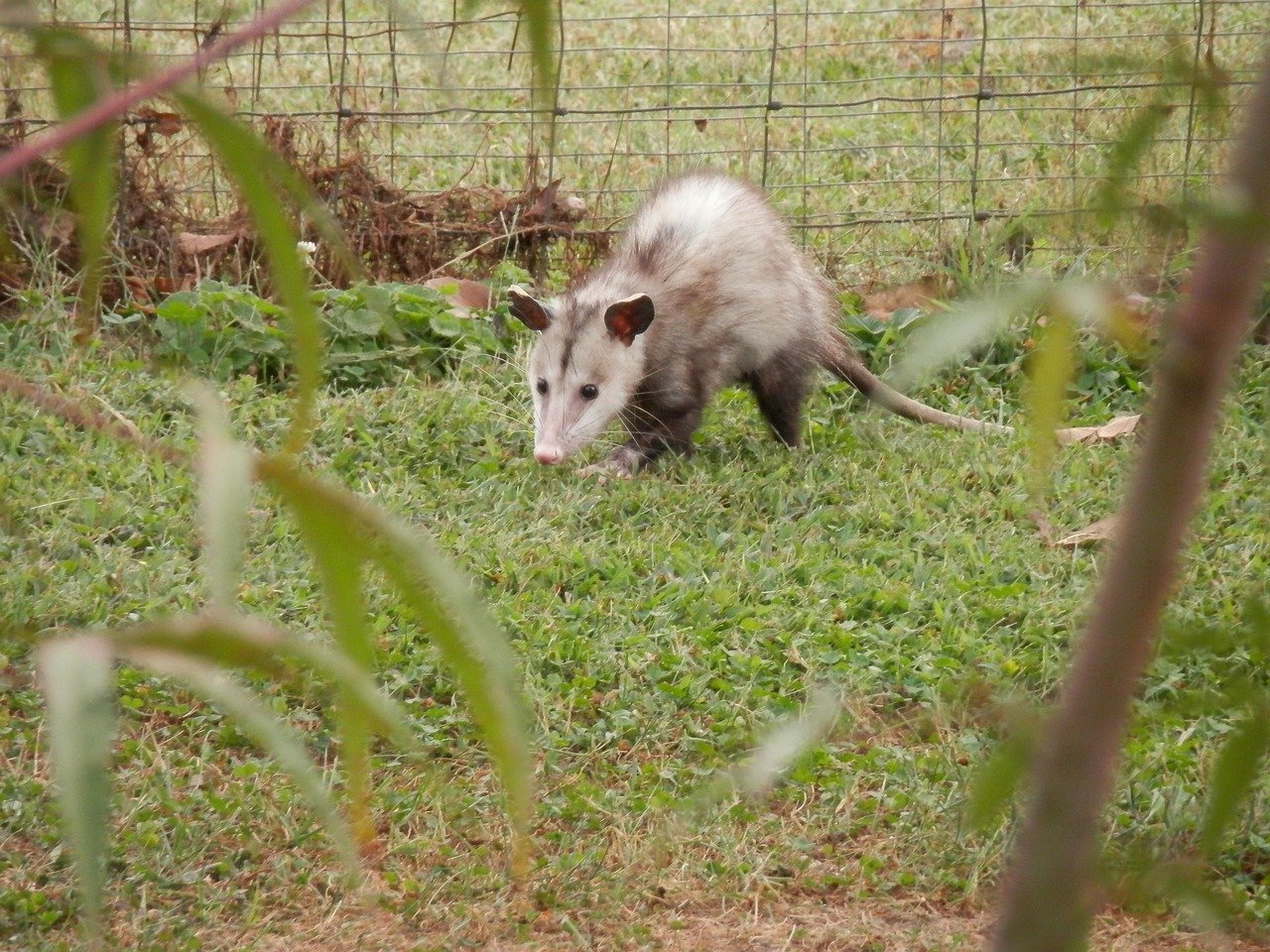
Playing dead is a tactic employed by many animals to escape predators. When threatened, the opossum collapses, releases a foul odor, and appears lifeless, convincing predators that it’s already dead and not worth eating. This behavior, known as thanatosis, is also seen in certain species of snakes, like the hognose snake, which flips onto its back and becomes motionless when threatened. Additionally, some insects, like the ladybug, will tuck in their legs and remain still until danger passes. By feigning death, these animals exploit a predator’s instinct to hunt live prey, effectively ensuring their survival.
Detaching Limbs: A Painful Escape
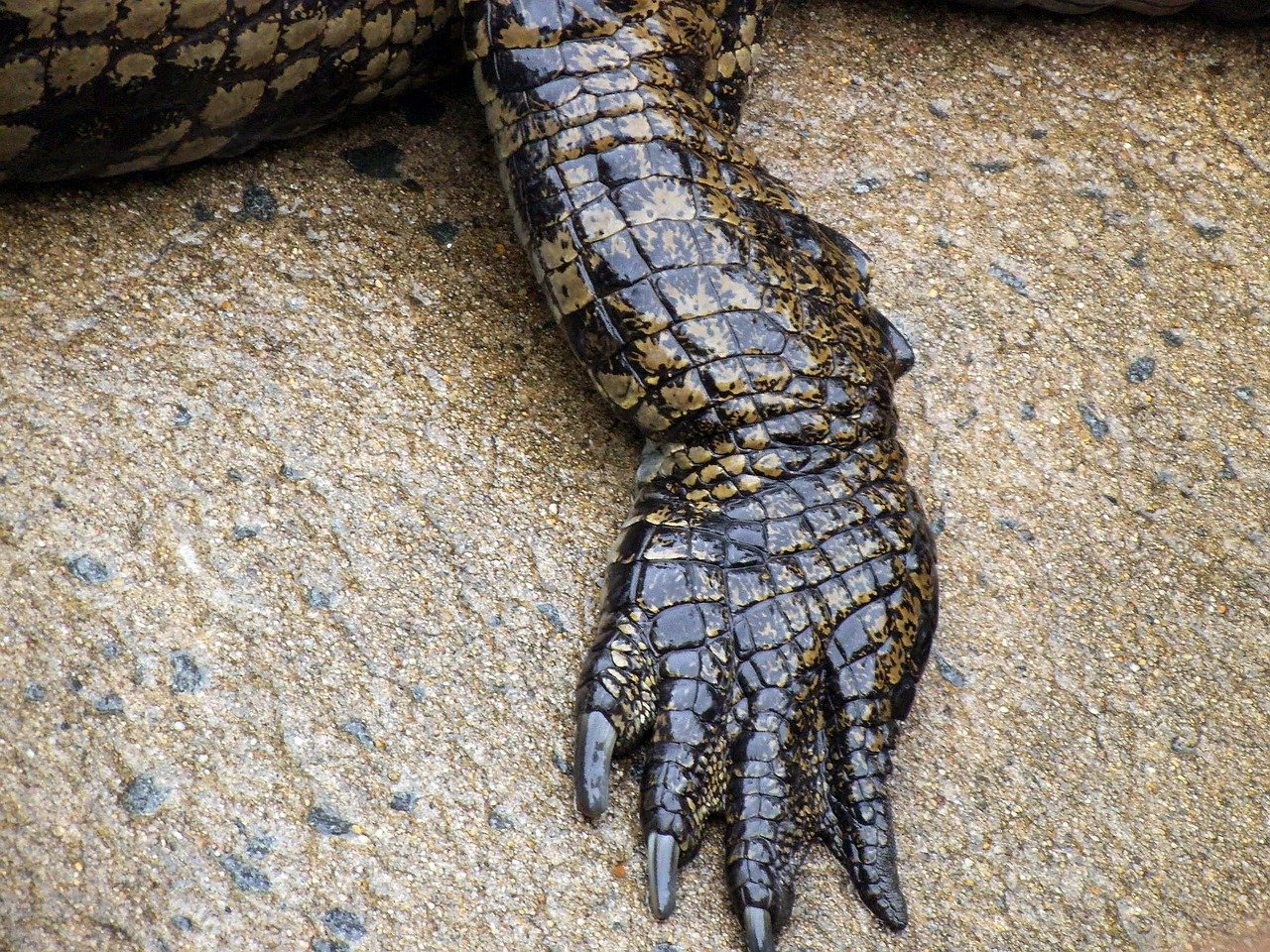
For some animals, losing a limb can mean the difference between life and death. Starfish are known for their ability to regenerate lost limbs, a skill they use to escape predators. When grabbed, they can detach an arm, leaving it behind as a distraction while they make their getaway. Similarly, lizards often shed their tails when caught, confusing predators and giving them a chance to flee. The ability to sacrifice a part of themselves for survival is a dramatic yet effective strategy that highlights the lengths animals will go to avoid being eaten.
Producing Noxious Chemicals: A Stinky Defense
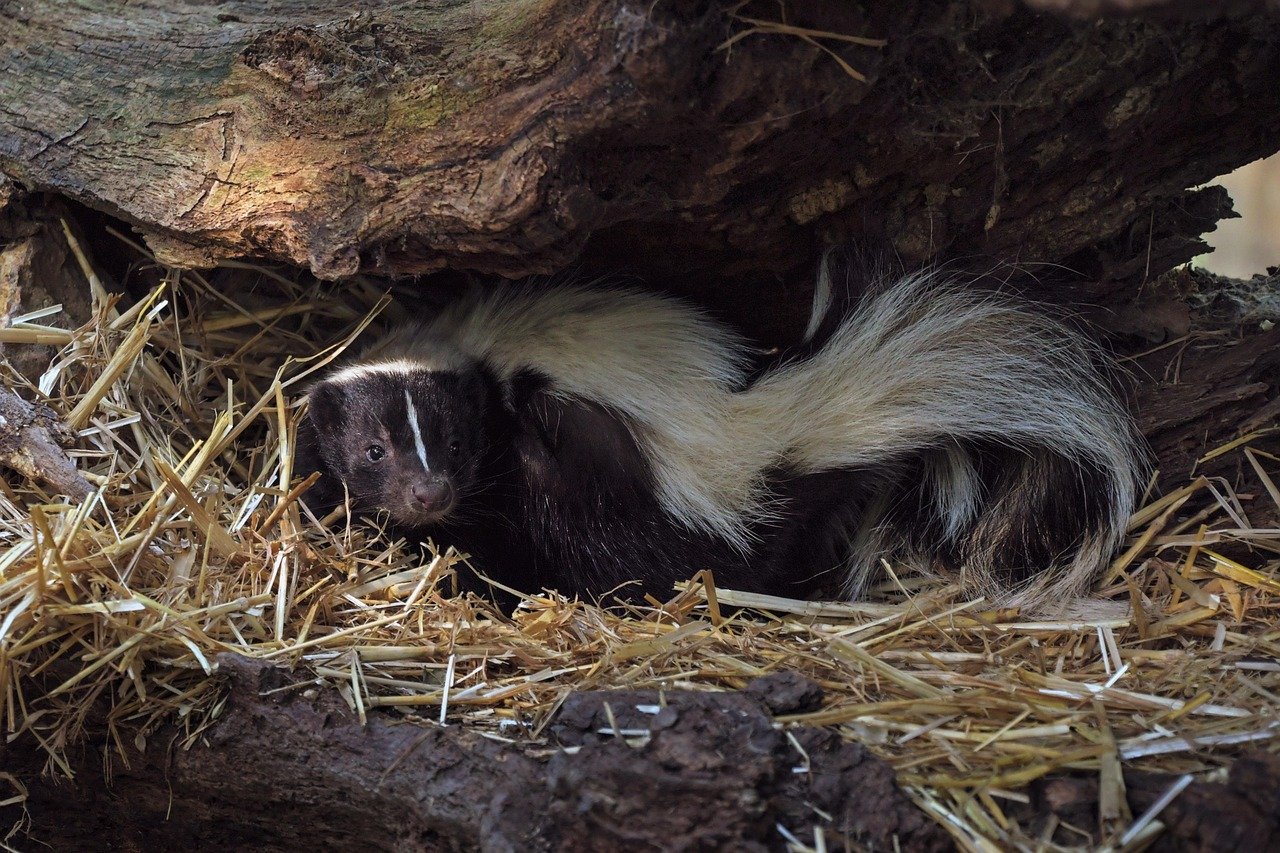
Some animals rely on chemical warfare to ward off predators. Skunks are famous for their pungent spray, which they release when threatened, deterring attackers with its unbearable stench. Bombardier beetles take this defense to another level by ejecting a boiling hot chemical spray from their abdomen, causing predators to retreat. Similarly, certain species of frogs secrete toxins through their skin, making them unpalatable to potential threats. These chemical defenses serve as a powerful deterrent, ensuring that predators think twice before considering these animals as a meal.
Inflating Body Size: Bigger is Better
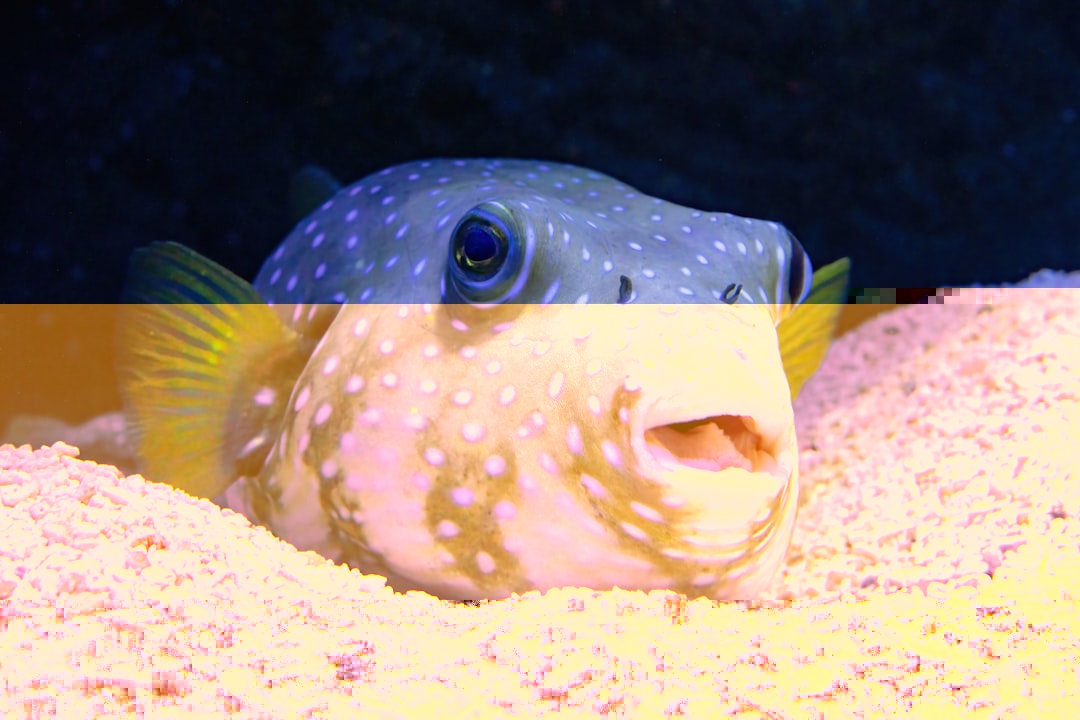
In the animal kingdom, size can be an intimidating factor. The pufferfish, when threatened, inflates its body to several times its normal size, deterring predators with its increased girth and sharp spines. Similarly, the frilled lizard displays a dramatic frill around its neck, making it appear larger and more formidable. By inflating their bodies, these animals not only appear more threatening but also become more challenging for predators to swallow. This tactic of illusion and intimidation is a clever way to discourage potential threats and ensure survival.
Building Decoy Nests: The Art of Misdirection
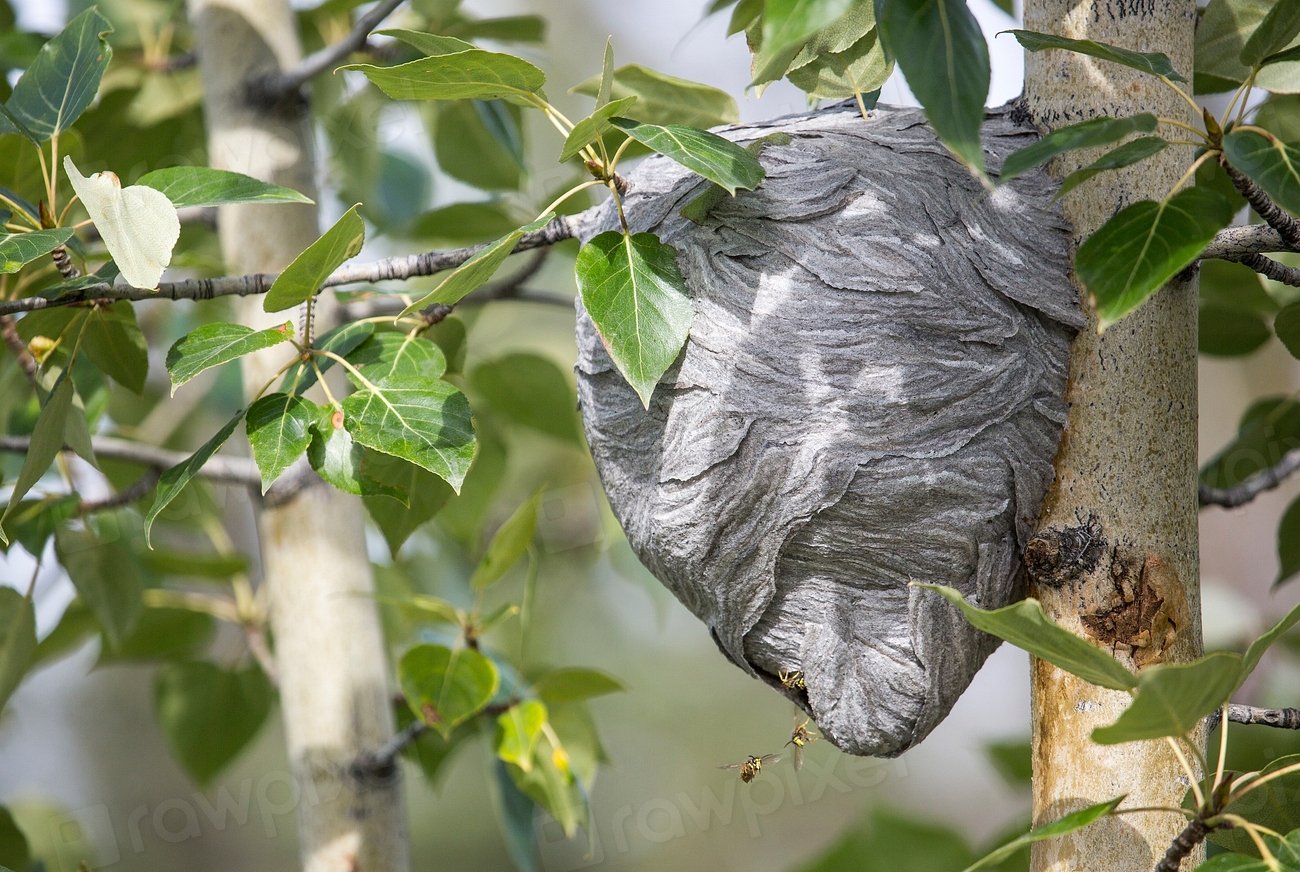
Some birds employ a strategy of deception by building decoy nests to mislead predators. The Australian mallee fowl constructs multiple nests, only using one for its eggs while the others serve as distractions. Similarly, the African weaver bird builds numerous nests, confusing predators and increasing the chances of its offspring’s survival. By investing time and effort into creating these decoys, these birds successfully protect their young from being discovered and eaten. This tactic of misdirection is a clever way to outsmart predators and ensure the continuation of their lineage.
Using Sound as a Weapon: Sonic Defense
In the world of animal survival, sound can be a powerful weapon. The tiger moth, when threatened by bats, emits ultrasonic clicks that interfere with the bat’s echolocation, effectively jamming its radar. Similarly, certain species of frogs produce loud, startling croaks to deter predators. The mantis shrimp, with its rapid claw movements, creates a loud popping noise that can disorient attackers. By using sound as a form of defense, these animals create confusion and chaos, allowing them to escape unharmed.
Creating Illusions: Optical Confusion
Optical illusions are a fascinating survival tactic used by some animals to confuse predators. The peacock butterfly displays eye-like patterns on its wings, startling and deterring birds from attacking. Similarly, the zebra’s stripes create a confusing visual pattern, making it difficult for predators to single out an individual. The cuttlefish can rapidly change its skin pattern, creating mesmerizing displays that baffle potential threats. By creating optical illusions, these animals exploit the limitations of their predators’ vision, ensuring their safety and survival.
Forming Defensive Groups: Safety in Numbers
Many animals rely on the power of numbers to protect themselves from predators. Fish often swim in schools, creating a confusing mass that makes it difficult for predators to target a single individual. Similarly, meerkats live in large groups, taking turns to stand guard and alert others of approaching danger. Birds, like starlings, perform mesmerizing aerial displays known as murmuration, confusing predators and reducing the likelihood of being caught. By forming defensive groups, these animals increase their chances of survival through cooperation and unity.
Detoxifying Diet: Becoming Unpalatable
Some animals have evolved to consume toxic substances, making themselves unpalatable to predators. The monarch butterfly feeds on milkweed, accumulating toxins in its body that deter birds from eating it. Similarly, the poison dart frog’s diet of toxic insects results in its poisonous skin, warning predators to stay away. By incorporating toxins into their diet, these animals become undesirable to predators, ensuring their survival through a chemical form of defense.
In conclusion, the animal kingdom is a world of wonder, where creatures have developed an array of bizarre yet effective survival tactics to avoid being eaten. From camouflage to chemical warfare, these strategies highlight the incredible adaptability and resourcefulness of animals. Nature’s ingenuity is truly astounding, offering us a glimpse into the lengths to which animals will go to ensure their survival in a world where danger lurks at every corner.