
You’ve probably seen your fair share of rainbows after a summer storm. Maybe you’ve even witnessed the northern lights if you’ve ventured far enough north. These are the moments we remember, the ones that make us pause and stare at the sky in wonder.
Yet there exists another category of natural spectacles entirely. These are events so uncommon, so fleeting, and so demanding of perfect conditions that the vast majority of people will never witness them in person. Some happen in remote polar regions where few dare to venture. Others require such a precise alignment of atmospheric elements that even scientists spend decades waiting for a glimpse.
Let’s dive into eight of nature’s most jealously guarded secrets.
Fire Rainbows That Paint the Sky
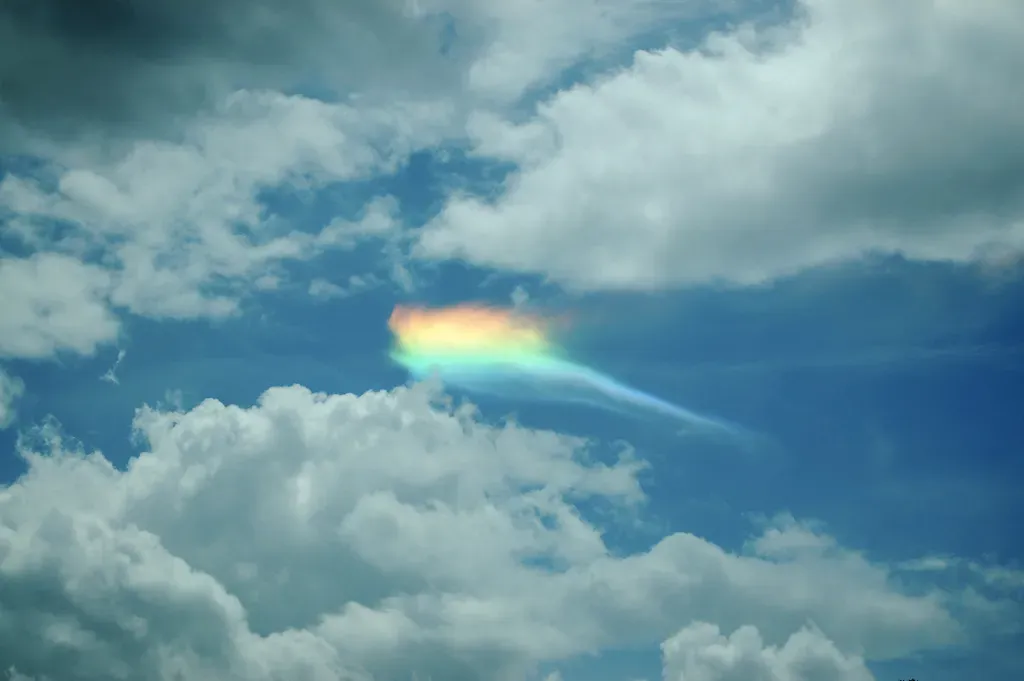
Fire rainbows aren’t actually rainbows at all, nor do they have anything to do with fire. The circumhorizontal arc is an optical phenomenon formed by the refraction of sunlight in plate-shaped ice crystals suspended in the atmosphere, typically in cirrus clouds. What makes this phenomenon exceptionally rare is the sheer number of conditions that must align perfectly.
You can only witness a fire rainbow when the sun sits at least 58 degrees above the horizon. In the United States it is a relatively common halo, seen several times each summer, but in contrast, it is a rare phenomenon in northern Europe for several reasons. In London, the sun is only high enough for a meager 140 hours between May to July, while in Los Angeles the sun is high enough for 670 hours between March to September. When you do see one, the spectacle is breathtaking – a horizontal band of vivid colors stretching across the sky, more vibrant than any typical rainbow.
Bioluminescent Blue Tears Along Dark Shores
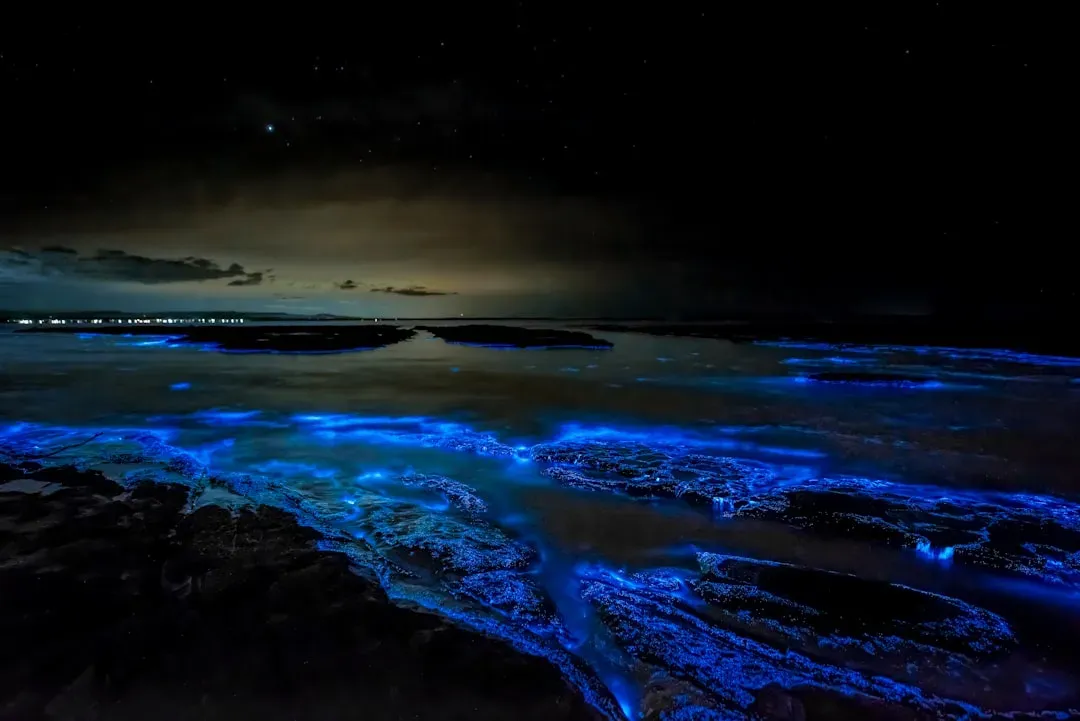
Imagine walking along a beach at midnight and watching the waves glow electric blue with every crash against the shore. The phenomenon, known as China’s “blue tears,” is actually caused by a bloom of tiny, bioluminescent creatures called dinoflagellates. It only takes the gentle brush of a hand or slow glide of a boat to trigger the sparkling blue-green light, as dinoflagellates emit a sparkling cold light when agitated as a protection mechanism.
On Taiwan’s Matsu Islands, the glowing microalgae are said to be spotted in higher concentrations during the short window from April to June. While the sight is enchanting, there’s a darker side. The blue tears phenomenon can poison sea life, from fish to sea turtles, and the bloom can even make humans sick. The phenomenon requires warm, calm and windless waters, as well as low-lit new moon nights, to ensure particularly memorable displays. It’s a reminder that nature’s most beautiful displays often come with hidden complications.
The Ice Finger of Death Beneath Antarctic Seas
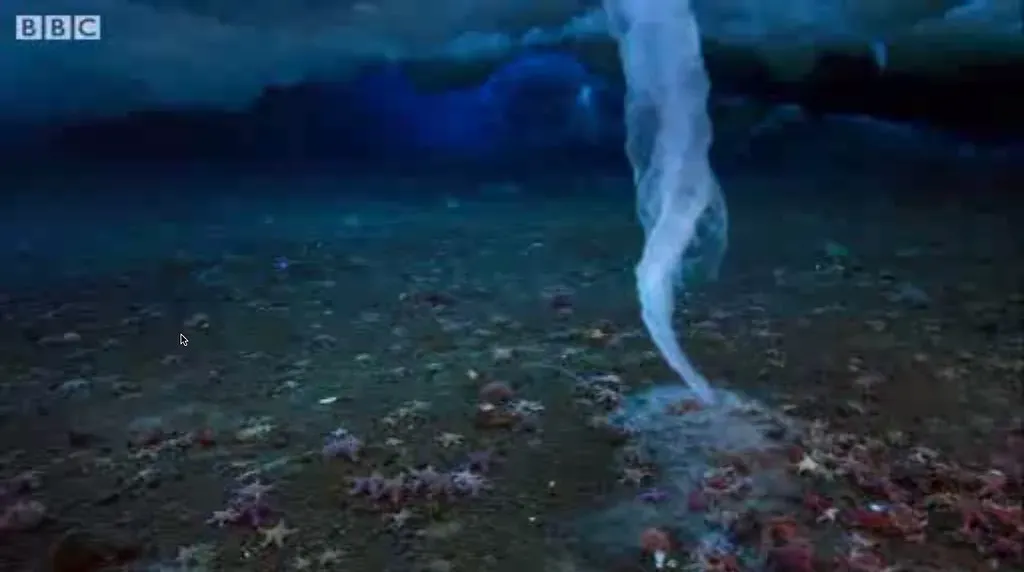
Brinicles (also known as ‘icy fingers of death’ or ‘ice stalactites’) are one of the rarest undersea phenomena in the world. A brinicle is formed when sea ice cracks and leaks out the saline water to the open oceans, and as the brine is heavier than the water around it, it sinks to the ocean floor while freezing the relatively fresh water it comes into contact with. The result is a hollow tube of ice that descends from the floating sea ice like a ghostly stalactite.
Brinicles were filmed for the first time in 2011, with the Frozen Planet filming team building a specialised timelapse kit to capture their astonishing power. A brinicle can reach the seafloor and as it grows from this point, it could potentially catch various creatures living at the bottom, such as sea urchins and starfish, freezing them too. The largest brinicle ever recorded was spotted in the Antarctic in 2011, measuring a staggering 30 feet in length. Scientists have nicknamed these formations appropriately, as anything caught in their path faces an icy death that arrives slowly but inevitably.
Volcanic Lightning’s Terrifying Display
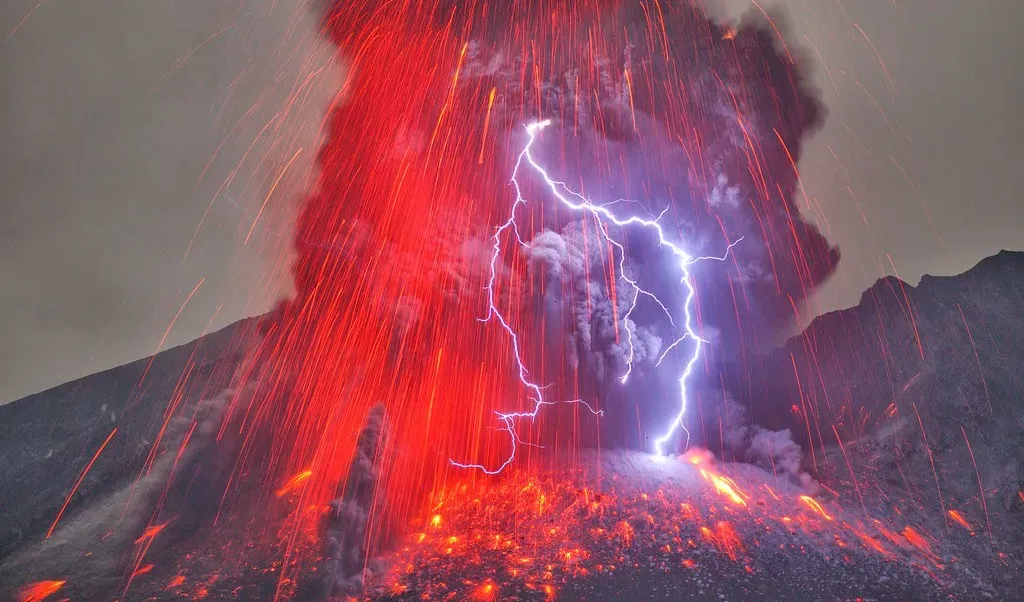
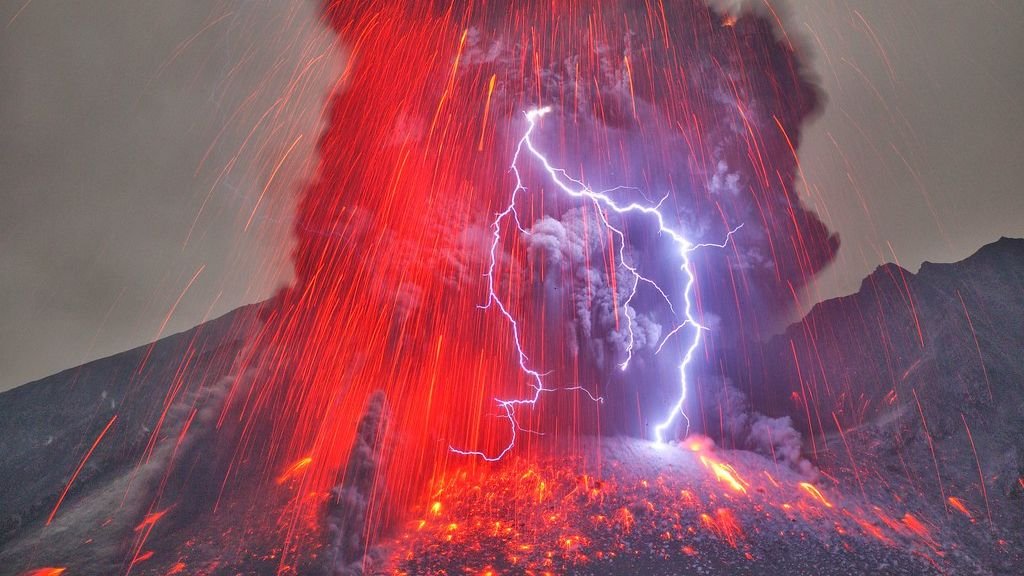
Volcanic lightning is an electrical discharge caused by a volcanic eruption, arising from colliding and fragmenting particles of volcanic ash which generate static electricity within the volcanic plume, leading to the name dirty thunderstorm. Picture a volcano spewing red-hot lava into the night sky while bolts of lightning crackle through the ash cloud above it. It’s the stuff of nightmares and dreams all at once.
The phenomenon arises when electrically charged ash particles collide and build up static electricity, and faster-rising ash clouds create more friction among ash grains, increasing the potential for electrification. When the underwater Hunga Tonga-Hunga Ha’apai volcano erupted on January 15, 2022, it produced 2,600 lightning strikes per minute at its peak and sent lightning as high as 12 to 19 miles above sea level. A study stated that 27-35% of eruptions are accompanied by lightning, assuming one eruption per year per volcano. Honestly, watching nature combine two of its most powerful forces into one spectacle must be absolutely humbling.
Morning Glory Clouds Rolling Across the Horizon
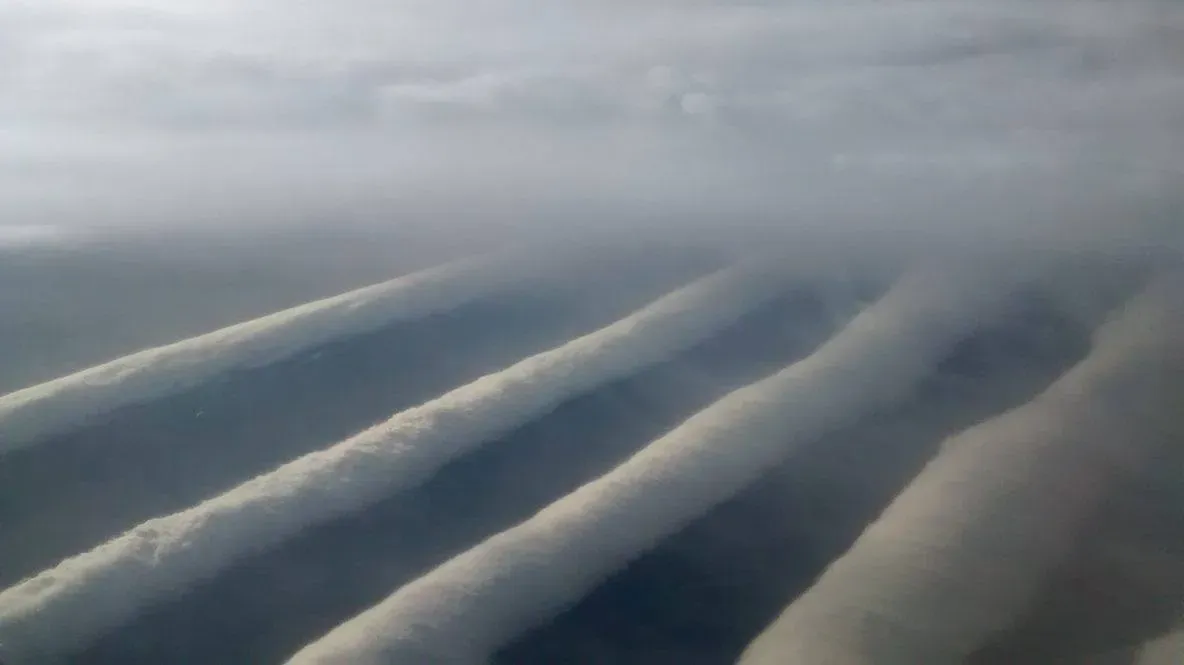
Morning glory clouds (also known as ‘arcus clouds’) are a rare meteorological event that consists of low-level solitary atmospheric waves. These aren’t your typical puffy cumulus clouds. They appear as long, tube-shaped formations that roll across the sky like enormous cylinders, sometimes stretching hundreds of miles.
Turbulent air in the middle and rear sections of the cloud sinks, providing it with a ‘rolling’ appearance. Morning glory clouds usually form at an altitude of two kilometres above the ground. The Australian town of Burketown in Queensland has become something of a pilgrimage site for cloud enthusiasts, as the phenomenon appears more frequently there than almost anywhere else on Earth. Still, catching one requires incredible timing and more than a little luck. Pilots who’ve flown through them describe the experience as riding an invisible wave in the sky.
Ball Lightning’s Mysterious Orbs
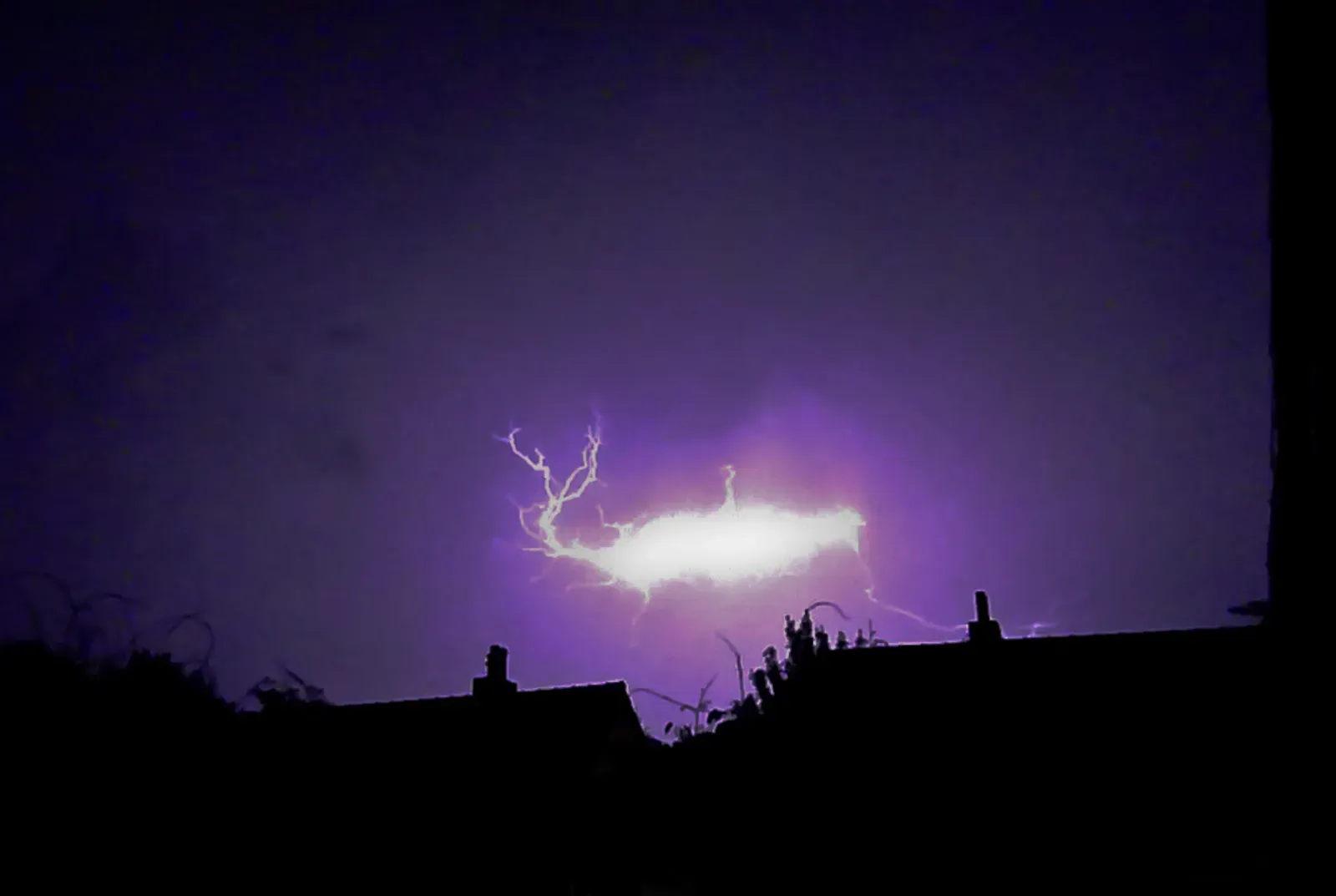
Ball lightning is among the rarest of weather-related events and also one of the least understood, commonly described as colorful glowing orbs ranging in size from a few inches to the size of a grapefruit, most commonly seen hovering over the ground during thunderstorms. Some reports describe these orbs passing through walls or floating through airplane cabins before vanishing without a trace.
Ball lightning occurs unexpectedly and usually lasts only a few seconds, which is why scientists know so little about it. Research took a big leap in 2012 when scientists in China who were monitoring a thunderstorm managed to record a brief ball lightning event on high-speed video and analyze the ground where the lightning occurred. The phenomenon remains largely mysterious despite centuries of reported sightings. It’s hard to say for sure, but these glowing spheres seem to defy our understanding of how electricity behaves in nature.
Blood Falls Staining Antarctica’s Ice
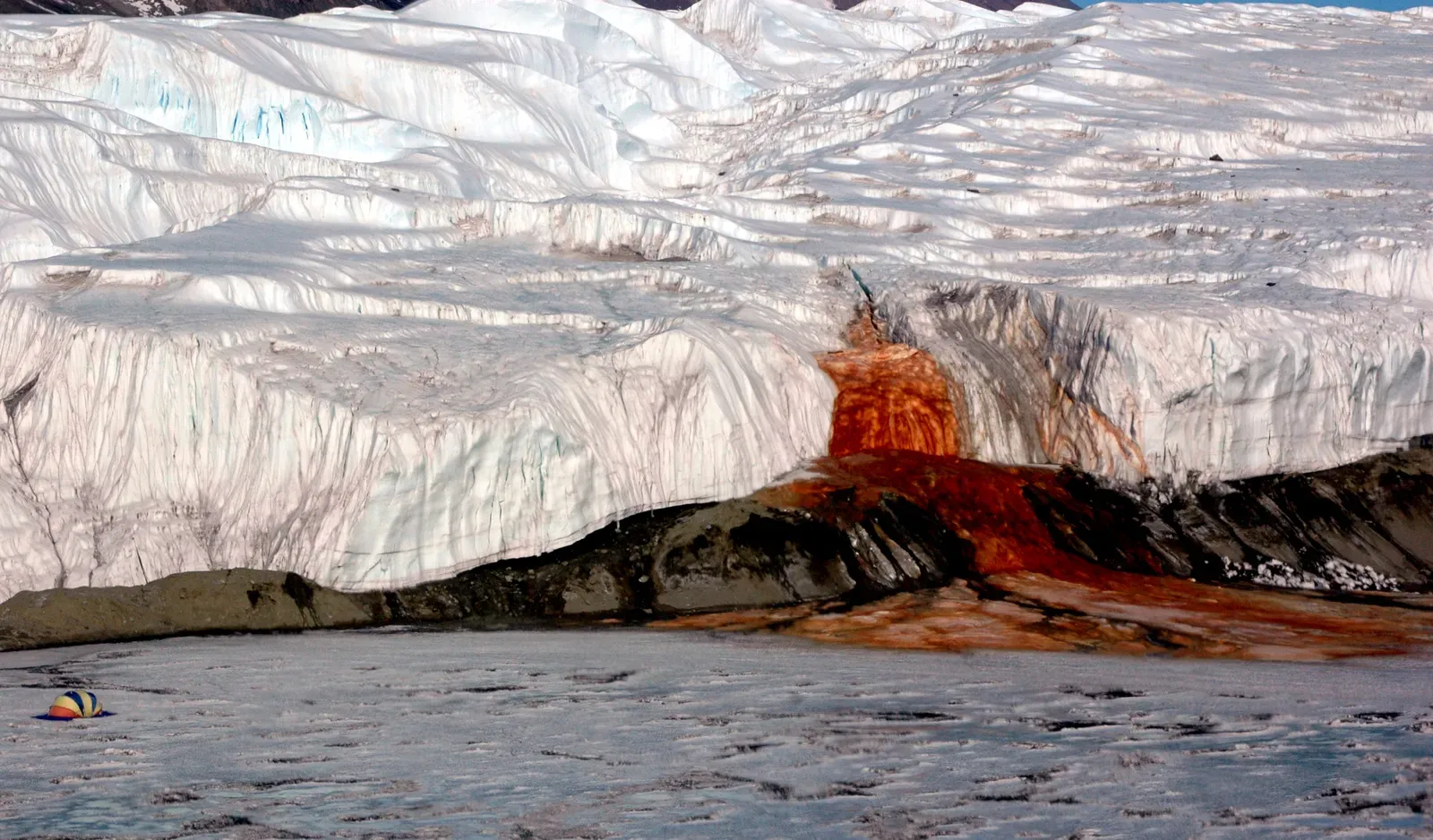
In Antarctica, there are the famous Blood Falls – a blood-red waterfall pouring out of the Taylor Glacier in the McMurdo Dry Valleys. At first glance, it looks like the glacier is bleeding. Research by the University of Alaska Fairbanks found the red color is thanks to oxidized iron in the brine saltwater.
The rare natural phenomenon is a result of a complex chemical reaction that has occurred over 1.5 million years. The sight is absolutely striking against the white ice, creating a vivid contrast that photographers dream about capturing. What makes it even more fascinating is that this isn’t just a geological oddity – scientists believe the isolated ecosystem trapped beneath the glacier might hold clues about how life could exist on other planets. The waterfall flows intermittently, so even making the arduous journey to Antarctica doesn’t guarantee you’ll witness it in action.
Frozen Methane Bubbles Trapped in Ice
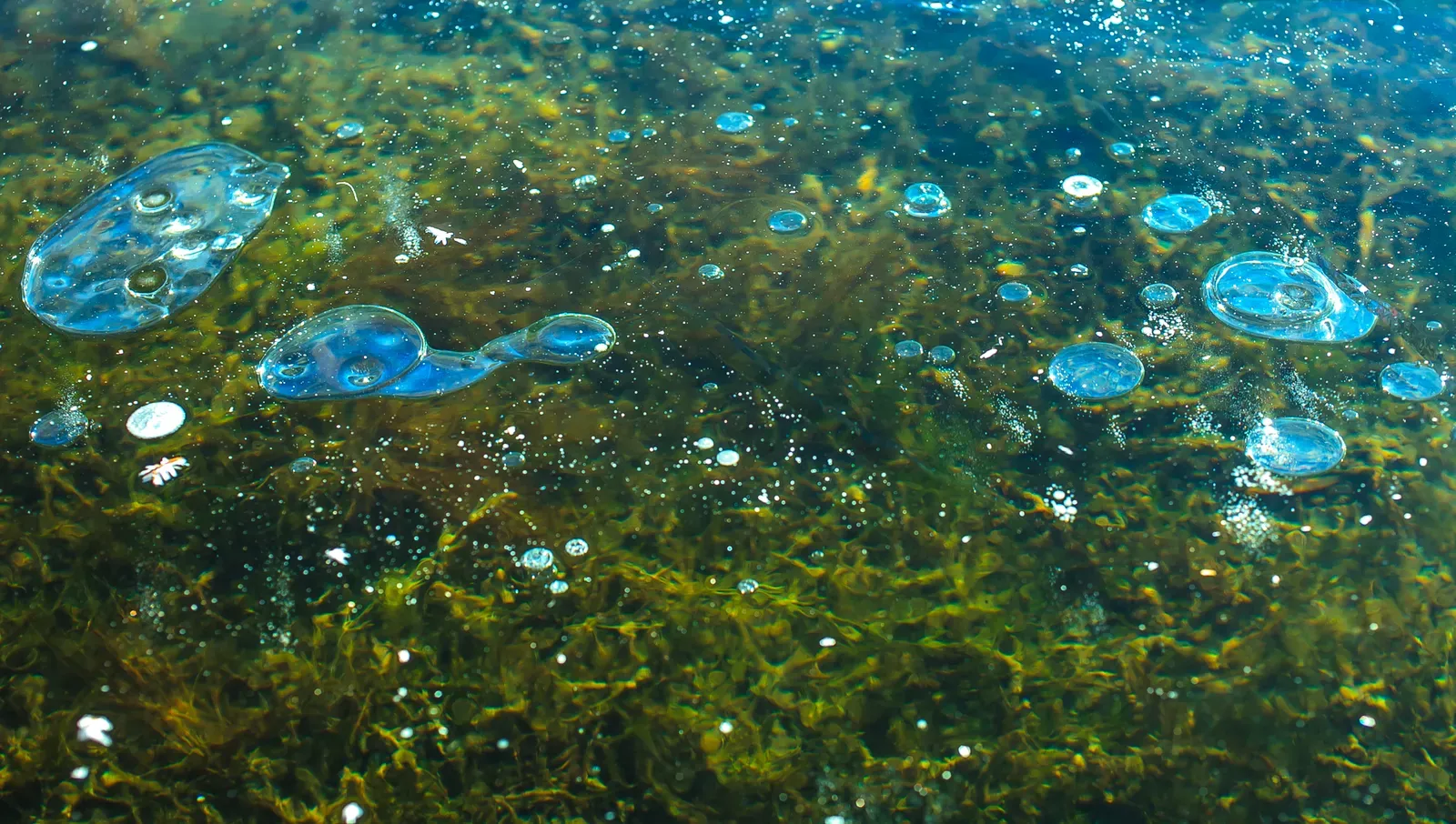
Alberta Canada’s Lake Abraham features beautiful frozen, trapped bubbles of methane, which form when bacteria feasts on leaves and animals in the water, eating the matter and producing methane, which turn into floating bubbles in frozen water. The result looks like thousands of white discs stacked beneath crystal-clear ice, creating an otherworldly underwater landscape.
These ethereal blue bubbles are an alluring sight, as microbes that feed on decomposing matter at the bottom of the lake release methane which floats to the surface in bubbles, and during winter when the water freezes the bubbles become trapped producing magical orbs. The phenomenon creates stunning photo opportunities, with layers upon layers of bubbles suspended at different depths. There’s an element of danger, though – if the ice melts and those bubbles escape, methane is highly flammable. Nature has a way of making even its most beautiful creations carry a hint of menace.
Conclusion
These eight phenomena represent nature’s most exclusive performances, available only to those fortunate enough to be in the right place at the perfect moment. From glowing seas to icy fingers of death, from fire rainbows to volcanic lightning, our planet continues to produce spectacles that challenge our expectations and expand our sense of wonder. What’s remarkable is that despite all our scientific advances and sophisticated equipment, some of these events remain partially mysterious.
Perhaps that’s exactly how it should be. Not everything needs to be perfectly understood or easily accessible. The rarity of these phenomena makes them precious, reminding us that the natural world still holds secrets worth protecting. Have you ever witnessed something in nature that left you absolutely speechless? What lengths would you go to in order to see one of these rare wonders for yourself?
Hi, I’m Andrew, and I come from India. Experienced content specialist with a passion for writing. My forte includes health and wellness, Travel, Animals, and Nature. A nature nomad, I am obsessed with mountains and love high-altitude trekking. I have been on several Himalayan treks in India including the Everest Base Camp in Nepal, a profound experience.