
You’ve probably heard that we know more about the surface of Mars than we do about our own oceans. Honestly, that’s not just a catchy phrase. The deep blue holds secrets that scientists are still struggling to explain.
What lies beneath the waves isn’t always what you’d expect. From structures that look suspiciously man-made to formations that challenge everything we understand about ancient history, the ocean floor continues to confound researchers. Some discoveries spark heated debates that have raged for decades, with experts on both sides absolutely convinced they’re right.
Let’s dive into eight underwater findings that continue to puzzle scientists and spark fierce debate across the archaeological community. These aren’t your typical shipwrecks or coral reefs. These are enigmas that make you wonder what else might be hidden down there.
The Yonaguni Monument: Japan’s Underwater Pyramid
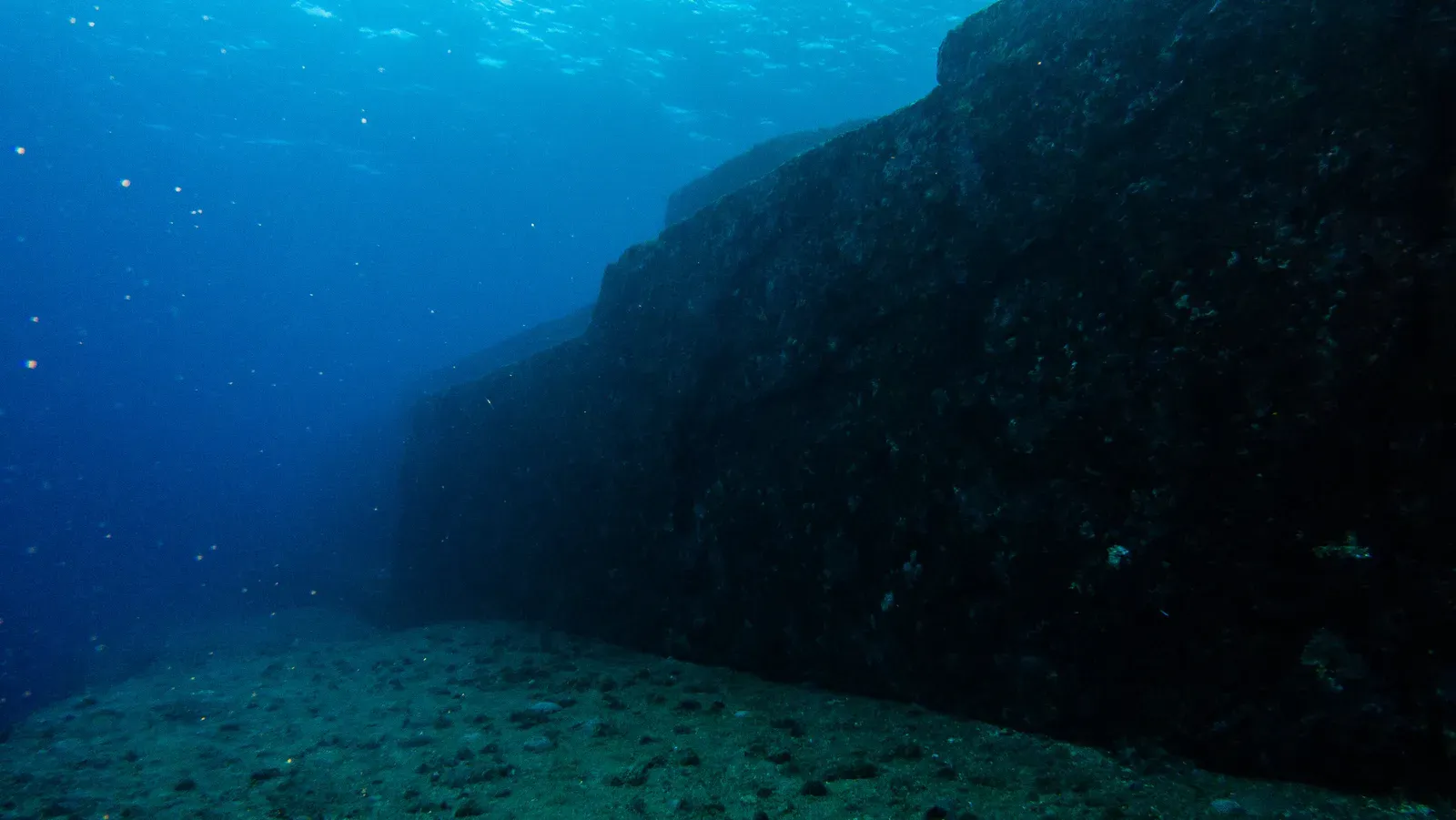
In 1986, a local diver near Yonaguni Island discovered massive underwater structures that have puzzled researchers ever since. The rectangular rock formation measures roughly 100 meters by 60 meters and stands about 25 meters tall. What makes this discovery so captivating is how unnaturally geometric everything looks.
You’ll see massive columns with perfectly square edges stretching toward the surface, large steps leading to what resembles terraces, and walls that rise multiple levels. The structure sits in shallow water, making it accessible to divers who continue to document its features. Marine geologist Masaaki Kimura claims the formations are man-made stepped monoliths, suggesting they could be remnants of an ancient civilization lost to time.
Yet, the scientific community remains deeply divided. Geologist Robert Schoch, after making numerous dives to study the site personally, concluded that it’s primarily a natural structure. He points out that the sandstones contain numerous parallel bedding planes and are crisscrossed by vertical joints, which earthquakes in this seismically active region naturally fracture into rectangular formations. It’s hard to say for sure, but the debate continues with both sides presenting compelling evidence.
The Baltic Sea Anomaly: An Underwater UFO?

Picture this: In 2011, the Ocean X Team captured a strange sonar image depicting some kind of circular structure on the seafloor at a depth of around 91 meters. The object is oval-shaped with a diameter of about 60 meters. What happened next sounds like something from a sci-fi thriller.
When the team returned to investigate, they claimed that all electronic equipment, including their satellite phone, stopped working when positioned above the object, but functioned normally once they moved about 200 meters away. The sonar images showed what appeared to be straight lines and angular formations, quite unusual for natural geology. Some enthusiasts immediately jumped to extraordinary conclusions about crashed spacecraft or ancient technology.
However, science had a more earthly explanation waiting. Samples analyzed by geology professor Volker Brüchert at Stockholm University revealed granites, gneisses, and sandstones typical of glacial basins, with any unusual findings likely formed through glacial and postglacial processes. Planetary geomorphologist Jarmo Korteniemi concluded it’s most likely a natural rock formation called a drumlin, formed by glacial action. Still, the mystery captured imaginations worldwide, and honestly, can you blame people for wanting it to be something more?
Bimini Road: Path to Atlantis or Nature’s Trick?
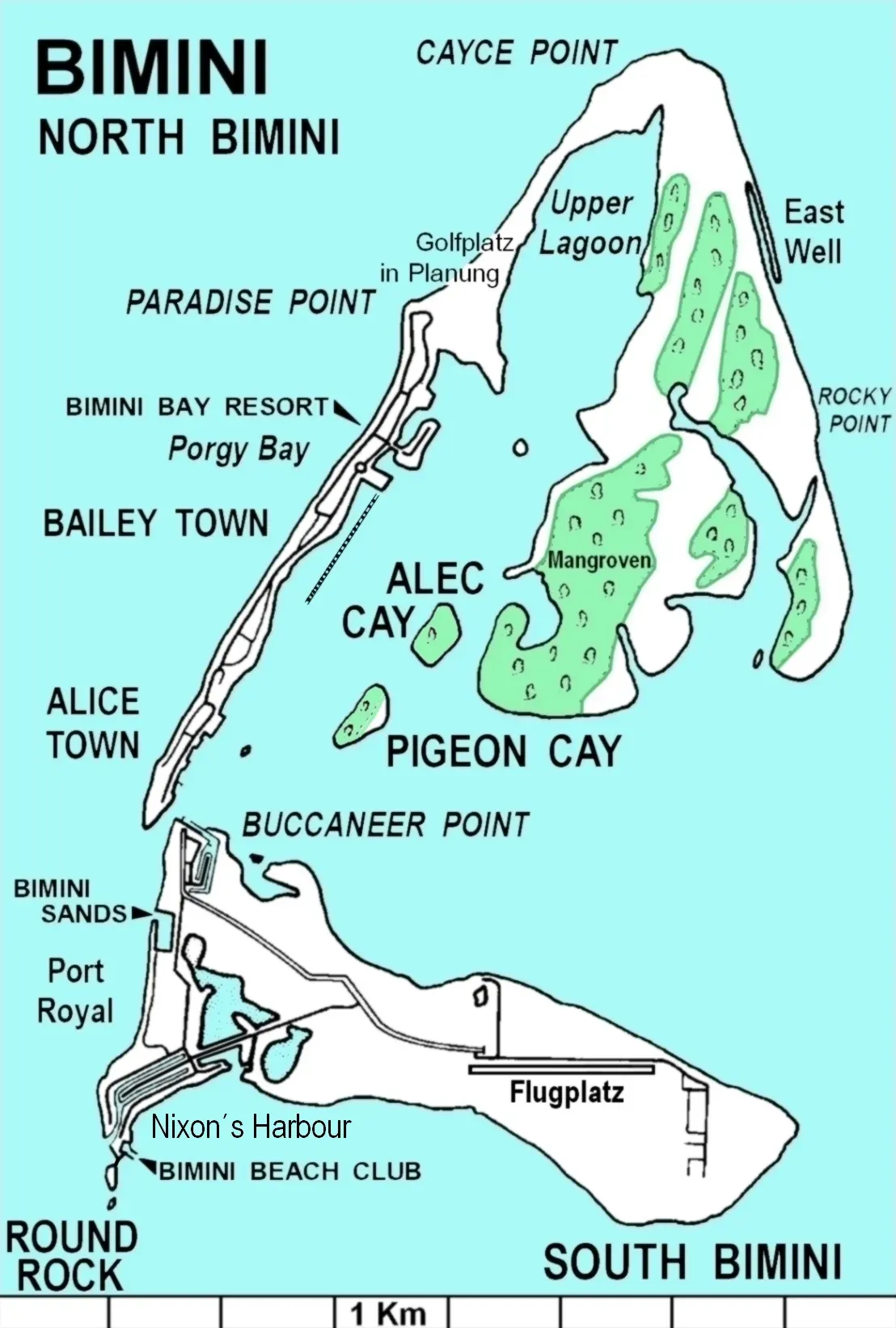
In 1968, a diver off the coast of North Bimini Island discovered a series of stones 18 feet below the surface that appeared manmade and were evenly spaced in a road-like line stretching half a mile. The timing couldn’t have been more dramatic. Psychic Edgar Cayce had predicted in 1938 that evidence of Atlantis would be discovered in the Bahamas off Bimini in 1968 or 1969, and sure enough, that’s exactly when the formation was spotted.
Lying in 18 feet of water and shaped like the letter J, the road consists of tightly spaced, evenly shaped large blocks varying from square to rectangular, some as large as 12 feet across, with edges that are nearly straight despite erosion. It looks like someone carefully laid down a cobblestone pathway centuries ago. The curved hook at one end particularly intrigues believers, since natural beach rock formations typically follow straight shorelines.
The scientific consensus leans heavily toward natural origins. Analysis revealed the stones are made of beachrock that forms rapidly beneath beach sand and breaks apart when ocean levels rise or beaches erode, giving it a cobblestone-like appearance. Studies showed no artifacts, wheel ruts, or evidence of ancient civilization, and radiocarbon dating placed the stones between 2,000 and 4,000 years old. Let’s be real, though. When you see those formations underwater, it’s incredibly tempting to believe they’re something more than geology playing tricks.
The Ancient City of Dwarka: Krishna’s Lost Kingdom
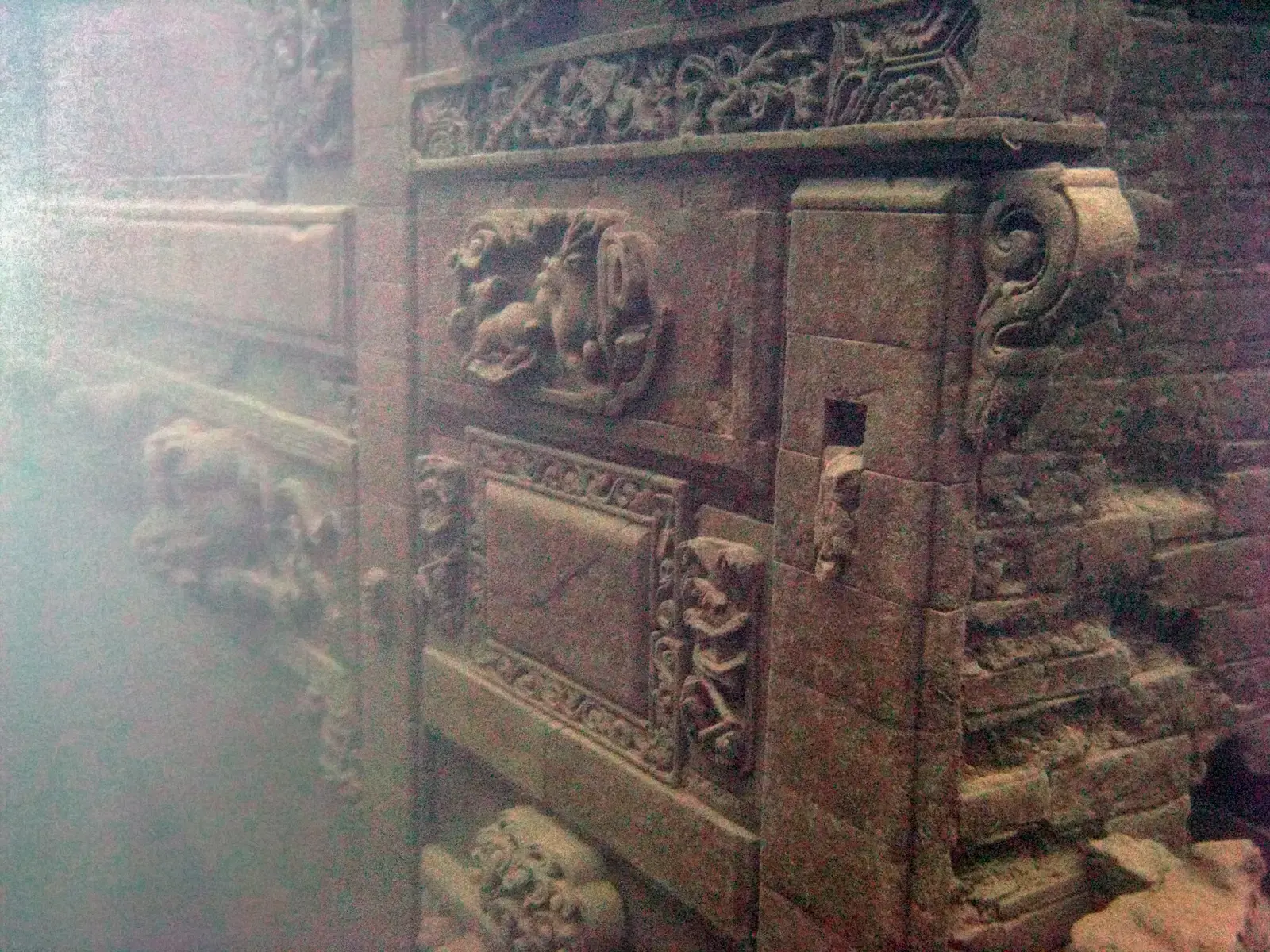
The ancient Indian city of Dwarka is known in Hindu culture as the great and beautiful city of Krishna, with Hindu writings stating that when Krishna left Earth, the city and its inhabitants were submerged by the sea. For centuries, this was considered pure mythology. Then archaeologists started finding things.
Excavations done at sites on the seaward side of Dwarka brought to light submerged settlements, a large stone-built jetty, and triangular stone anchors with three holes, in the form of exterior and interior walls and fort bastions. In 1979, excavators discovered pottery dating from the second millennium BC and a building that appeared to be a fortified foundation, suggesting ancient city walls were built along river banks, with over 500 artifacts unearthed from the site.
The controversy exploded when some researchers claimed the city could be roughly 9,000 years old, which would predate known ancient civilizations by thousands of years. From the anchors’ typological classification, researchers inferred that Dwarka flourished as a port during the period of India’s Middle kingdoms, with coastal erosion probably causing the destruction of what was an ancient port. Whether it’s truly Krishna’s legendary city or simply an ancient trading port lost to the sea remains hotly debated, leaving archaeologists and religious scholars in fascinating disagreement.
The Gulf of Cambay Structures: Civilization Before History?
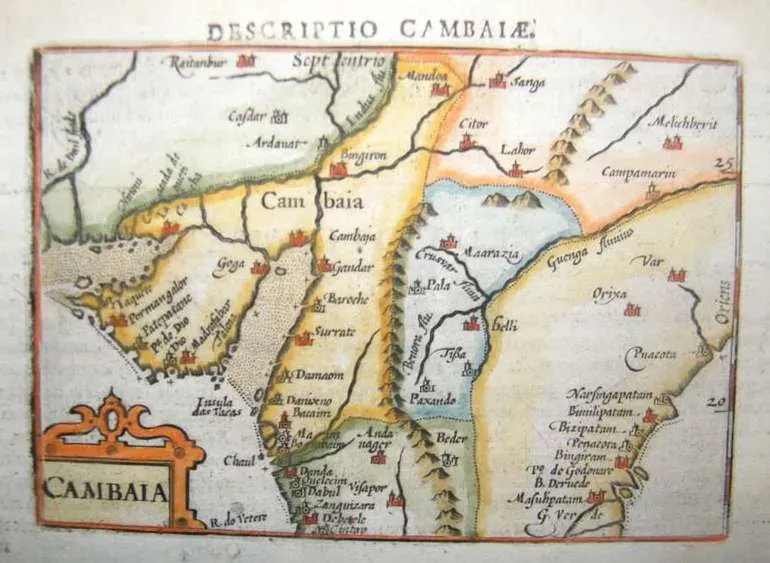
Marine scientists discovered archaeological remains 36 meters underwater in the Gulf of Cambay off India’s western coast that could be over 9,000 years old, believed to predate the oldest known remains in the subcontinent by more than 5,000 years. The implications are absolutely staggering. If verified, this would rewrite everything we understand about the timeline of human civilization.
Carbon dating on debris recovered from the site, including construction material, pottery, wall sections, beads, sculpture, and human bones and teeth, put it at nearly 9,500 years old, making it older than the Sumerian civilization by several thousand years and even older than the Egyptian and Chinese civilizations and the ancient Harappan Culture. A massive Cuban city was discovered in 2000 submerged 2,300 feet underwater, and when researchers returned with an explorative robot in 2001, it brought back images of massive, smooth blocks that appeared to be cut granite, some built in pyramid shapes and circular patterns, believed to be built more than 6,000 years ago.
Many archaeologists rejected these extraordinary age claims, questioning the dating methodology and suggesting contamination issues. The debate centers on a crucial question: Were these structures built when sea levels were much lower during the Ice Age, or are the dating methods fundamentally flawed? This remains one of the most contentious discoveries in underwater archaeology, with careers and reputations hanging in the balance on both sides.
The Underwater Sounds: The Upsweep Mystery

A sound named ‘the Upsweep’ was first recorded in 1991 by NOAA and continues to be detected today, sounding like a wail steadily rising in pitch, with each upsweep lasting only a few seconds and appearing to radiate from a point between New Zealand and South America, with activity peaking in spring and autumn, though scientists have not resolved what’s causing it. This isn’t about structures or artifacts. This is about something making noise in the depths that we simply cannot explain.
The unexplained sound has been recorded throughout the Pacific Ocean and appears to be seasonal, reaching peaks in spring and fall, usually recorded near areas of undersea volcanic activity, but experts still can’t locate its origin. The ocean is naturally noisy with animal calls, volcanic rumbles, and human activity, yet this particular sound pattern defies classification. Is it geological? Biological? Something else entirely?
Other mysterious sounds have been documented too. Another mystery sound called ‘the Ping’ emanates from the Fury and Hecla Strait in the Canadian Arctic, reported in 2016 when hunters claimed it was scaring animals away, leading the Canadian military to send an aircraft to investigate the sound’s origin, to no avail. These acoustic mysteries remind us that the ocean’s depths conceal phenomena we’re only beginning to recognize, let alone understand.
The Sea of Galilee Structure: Israel’s Underwater Enigma
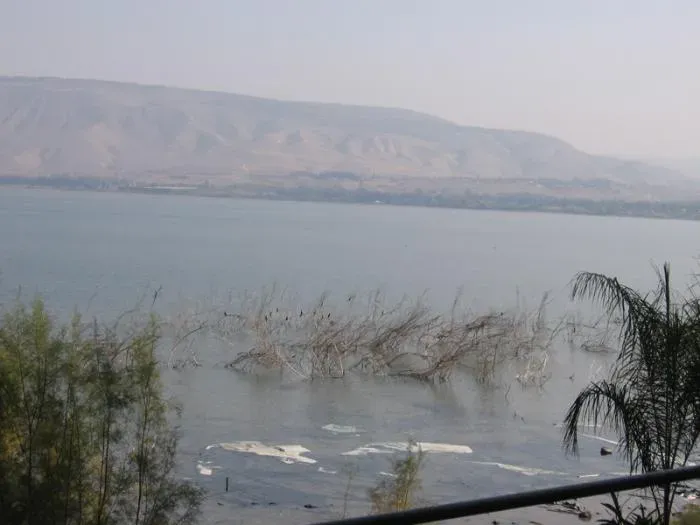
In 2003, scientists surveying the Sea of Galilee bottom in Israel accidentally stumbled upon a massive, mysterious circular structure submerged about 30 feet below the surface, cone-shaped and made of basalt rocks, with a diameter greater than the length of a commercial jet, weighing an estimated 60,000 tons and measuring 230 feet at the base and 32 feet tall, twice the size of Stonehenge. I think that scale alone should make your jaw drop.
It’s estimated to be anywhere between 2,000 and 12,000 years old, and its purpose is the biggest mystery, with archaeologists certain the monument was important to the people who built it, noting features similar to ancient communal burial grounds, but its sheer size and specific features are unlike anything they’ve ever seen, leaving experts admitting they simply don’t know what it is. The age range itself is frustratingly broad, making it nearly impossible to connect the structure to any known civilization.
The structure sits in a location that has seen countless cultures rise and fall over millennia. Yet none of the historical records or archaeological evidence from the region provides a clear explanation for why someone would build such a massive underwater monument. Was it originally constructed on land before water levels changed? Was it deliberately submerged? The questions multiply faster than the answers.
Ancient Alexandria: Cleopatra’s Sunken Palace
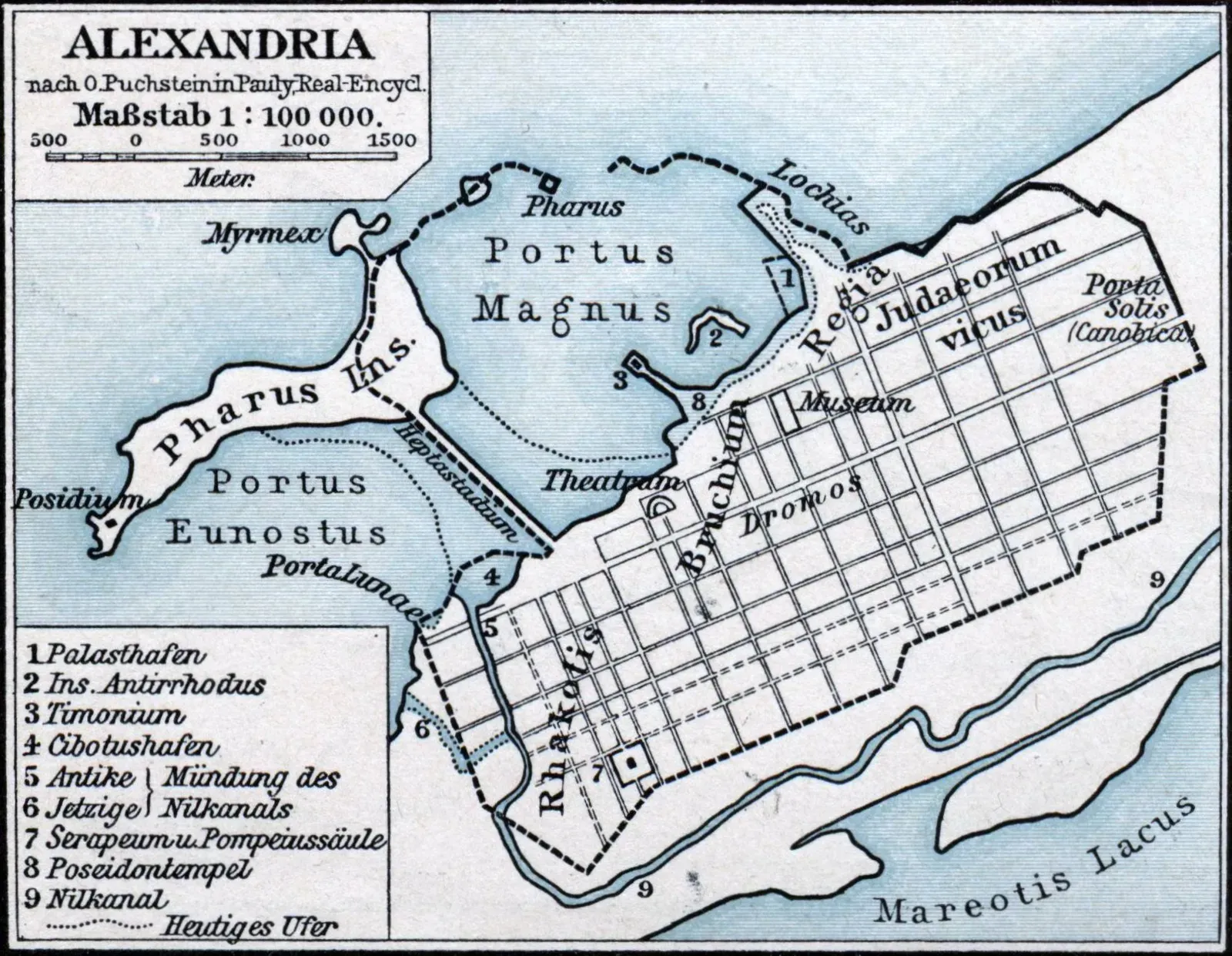
The Ancient City of Alexandria, ruled by Egypt’s last Pharaoh Cleopatra, is almost perfectly preserved under the sea, believed to have disappeared underwater due to a series of natural disasters including tidal waves and earthquakes, hidden for almost 1,600 years until it was rediscovered in 1998. Unlike some other entries on this list, there’s no debate about whether this city existed. The mystery is in what still lies undiscovered.
The ancient city of Heracleion was simply mentioned in passing on a few rare inscriptions and ancient texts until archaeologist Frank Goddio spent several years searching Abu Qir Bay, finding ruins submerged 6.5 km off Alexandria’s coast housing 64 ships, 700 anchors, 16-foot statues, a treasure trove of golden coins, and a massive temple. The preservation quality is remarkable, offering an intact snapshot of a moment in history frozen beneath the waves.
There have been plans to build underwater tunnels throughout the city, making it the world’s first underwater museum. Imagine walking through glass tunnels surrounded by Cleopatra’s palace ruins, temples, and statues exactly where they fell centuries ago. Here’s the thing: While we know Alexandria sank, the exact sequence of disasters and whether the city could have been saved remains unknown. What else lies buried in the silt and sand, waiting for future technology to reveal?
Conclusion
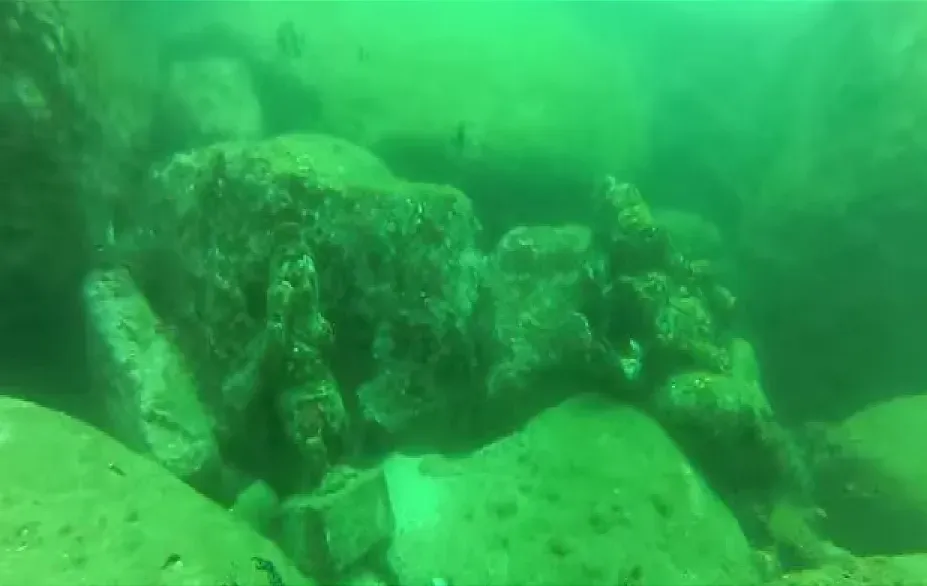
The ocean floor continues to challenge everything we think we know about human history and natural processes. These eight discoveries represent just a fraction of what might be hidden beneath the waves. Some will eventually be explained by natural geology and erosion. Others might genuinely rewrite our understanding of ancient civilizations.
What makes these mysteries so captivating isn’t just what we’ve found, but what we haven’t. Technology advances every year, giving us better tools to explore depths that were once completely inaccessible. Each expedition brings new questions alongside tentative answers.
The debate between natural formation and human construction will continue for decades, with scientists on both sides presenting evidence that seems utterly convincing. The truth probably lies somewhere in the murky middle, where nature and human ingenuity both played roles we’re still trying to understand. What do you think lies waiting to be discovered? Could there be ancient cities even older than those we’ve found, or are we seeing patterns in randomness?