
Across North America, the idea of “spirit animals” has been simplified into memes and merch, but within Native American cultures it remains something far deeper, older, and more precise. For many Indigenous nations, animal beings are not mascots or personality tests; they are teachers, kin, and powerful carriers of story. At the same time, biologists and cognitive scientists are discovering that the animals at the heart of these traditions have complex behaviors that uncannily echo the roles they hold in oral histories. When you put the cultural record next to what field ecologists are seeing today, a more layered picture emerges: these spirit animals are also ecological barometers, mirrors of changing land and climate. Looking closely at eight of the most significant animal figures reveals not only a cultural archive, but a living science of relationship between humans and the more-than-human world.
The Eagle: Messenger Between Worlds
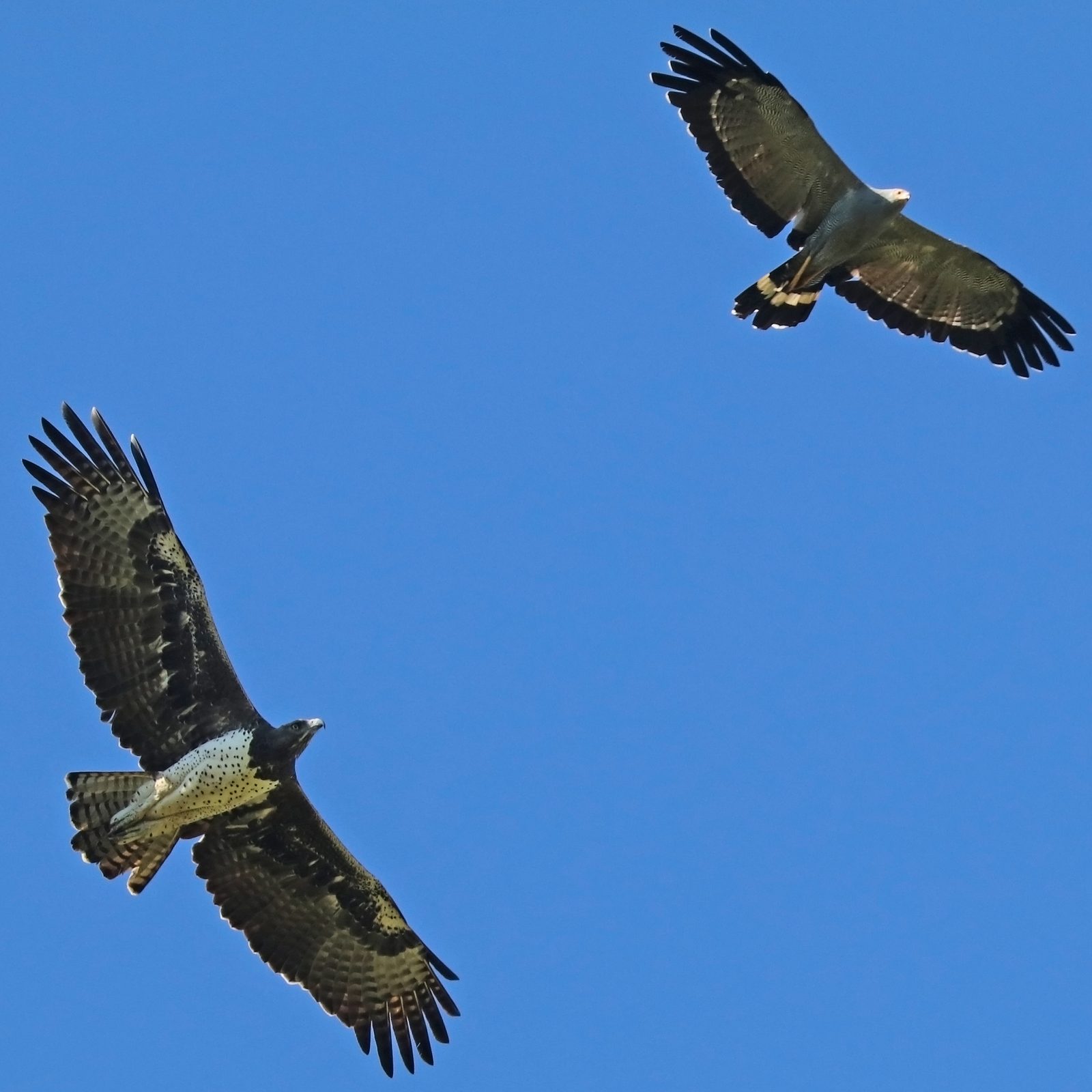
The eagle is probably the most widely recognized Native American spirit animal, yet its role is often flattened into a generic symbol of “freedom.” In many Plains and Plateau cultures, the bald and golden eagles occupy a much more specific space as messengers that carry prayers from the people to the sky world. That image aligns eerily well with what we know about eagles in ecology: they ride thermal updrafts to heights that would make most birds falter, scanning enormous territories with vision that can detect prey from hundreds of feet away. When you watch one spiral up until it is just a speck, it is not hard to see why ceremonies send songs and smoke in the same direction.
Modern conservation has layered a new dimension on this spiritual status. Bald eagles in the Lower 48 were once driven close to extinction by pesticide use and habitat loss, and many tribal nations witnessed the disappearance of a sacred relative within a few decades. Their dramatic recovery after environmental bans and legal protections means that, in some places, a bird once recalled only in story is again present over rivers and lakes. For many Native communities, each returning eagle is not simply a win for biodiversity but a sign that the covenant between people, animals, and land is being slowly repaired.
The Wolf: Teacher Of The Pack
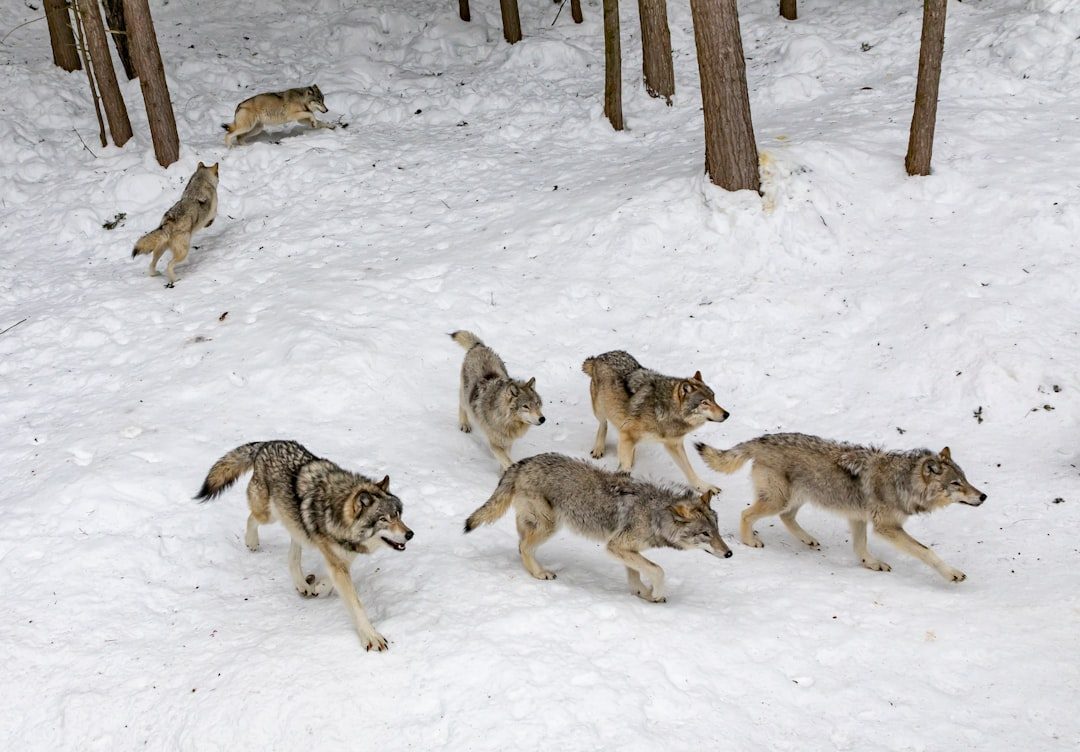
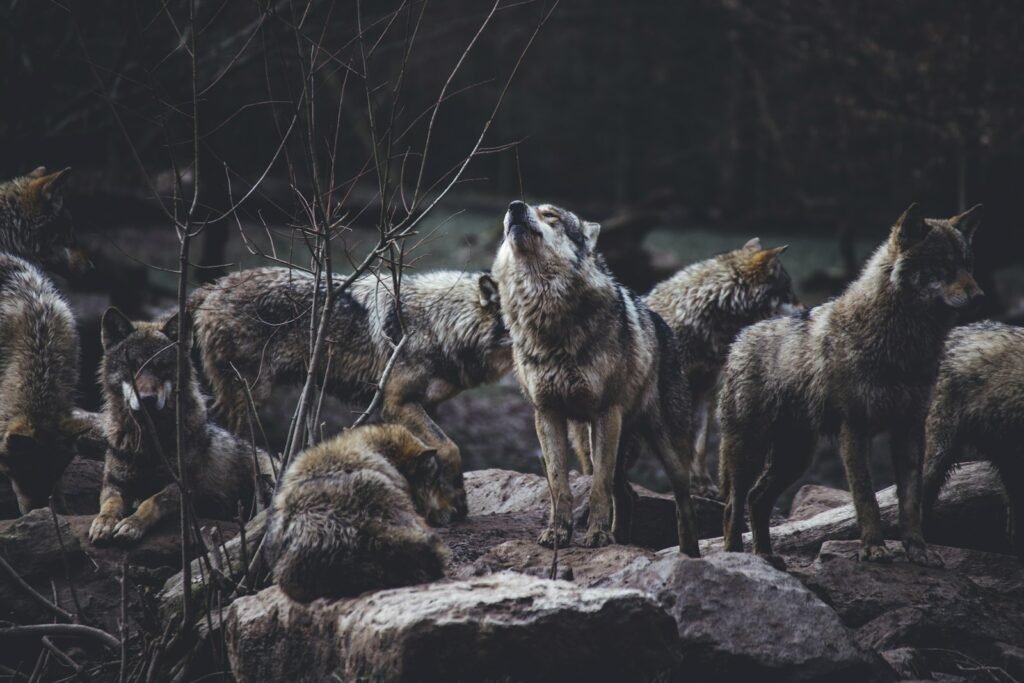
In many Native languages, words for wolf translate more closely to concepts like “elder brother” or “teacher” than to the villain of European fairy tales. That contrast matters, because it reveals a worldview that sees the wolf not as a monster lurking at the forest edge, but as a social strategist whose greatest strength is cooperation. Wolves live in tightly knit family groups, and field studies have confirmed that hunting success, pup survival, and territory defense all depend on precise coordination and learned roles. The idea of the wolf as a spirit animal of loyalty, discipline, and shared responsibility turns out to be strikingly consistent with ethological data.
Wolves are also flashpoints in contemporary policy debates, especially in the American West where reintroduction and control programs overlap with ancestral homelands. Some tribal nations support the wolf’s return as a restoration of balance; others emphasize that real coexistence requires listening to Indigenous land knowledge, not just tracking collar data. In both cases the wolf becomes a litmus test for how seriously modern societies take the idea that other species have their own societies, histories, and, in a cultural sense, spirits of their own.
The Bear: Healer At The Edge Of The Forest
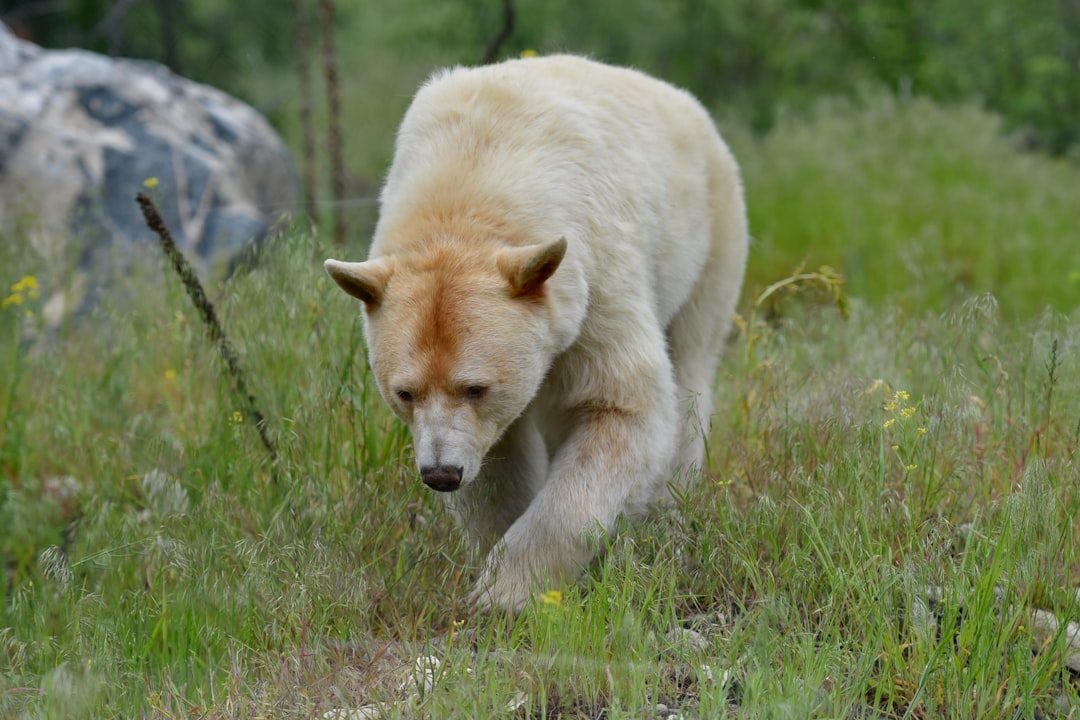
The bear appears across many Native American traditions as a powerful healer, a being that moves between the worlds of the living and the ancestors through the cycle of hibernation and emergence. From a biological perspective, this spiritual reading has an almost uncanny echo in bear physiology. During hibernation, bears dramatically slow their heart rate, recycle waste products that would poison other mammals, and preserve bone and muscle despite months of inactivity. Medical researchers now study these adaptations to explore potential treatments for kidney disease, osteoporosis, and muscle wasting in humans.
It is not that ancestral storytellers anticipated specific biochemical pathways, but that they paid attention to patterns and built spiritual meaning around them. For communities that share landscapes with black or grizzly bears, the animal’s seasonal vanishing and return mirror cycles of illness and recovery, loss and renewal. When a bear appears in ceremony as a spirit ally, it is often invoked during times of crisis or deep personal change. Modern science, in effect, is only just catching up to the idea that this animal carries knowledge of physical transformation that could improve human health.
The Buffalo (Bison): Provider Of Life On The Plains
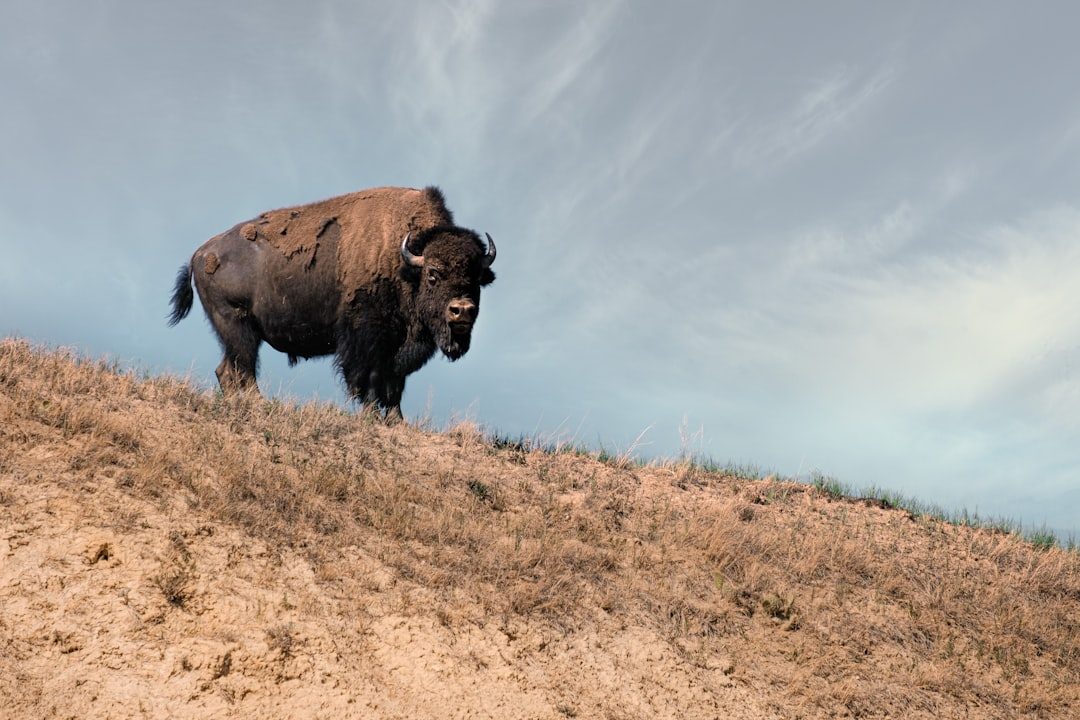
For many Plains nations, the buffalo is not simply a spirit animal but a complete economy and theology wrapped in one massive, shaggy body. Historically, a single bison could provide food, clothing, shelter coverings, tools, and ceremonial objects, and stories describe the animal as voluntarily offering itself so that people might live. Archaeology and historical ecology paint a picture of grassland systems where tens of millions of bison shaped soil, water flow, and plant communities. Their migrations acted like a living heartbeat across the prairie, pulsing nutrients and disturbance in ways that supported countless other species.
The near-eradication of bison in the nineteenth century was a cultural catastrophe as well as an ecological one, deliberately used by federal authorities to break Indigenous food systems. Today, tribally led bison restoration projects on reservations and ancestral lands are reframing the species once again as a spiritual and scientific ally. These herds help rebuild native grasses, store more carbon in soils, and revive ceremonies that had been maintained only in memory. In this context, the buffalo as spirit animal is also a forward-looking symbol of food sovereignty and climate resilience rooted in Indigenous science.
The Coyote: Trickster, Disruptor, And Survivor
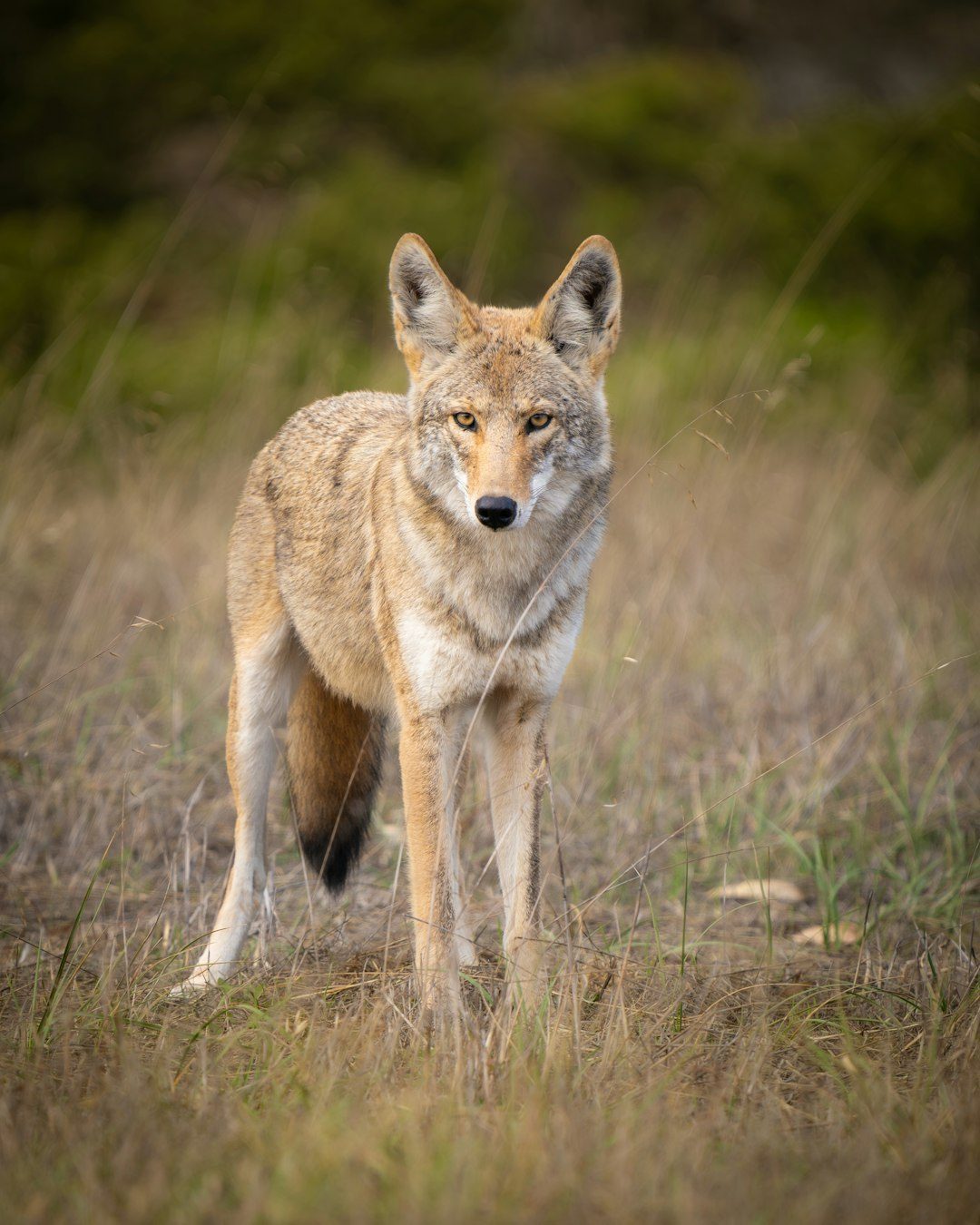
The coyote might be the most misunderstood of all Native American spirit animals, especially when it is collapsed into a one-dimensional “trickster” stereotype. In many tribal traditions, Coyote is a culture hero whose mistakes and mischief carve out features of the landscape, bring fire, or teach hard lessons about greed and carelessness. This figure is rarely purely comic; it is closer to a mirror that exposes the flaws and blind spots of humans. Interestingly, urban ecologists now see real coyotes playing a similarly disruptive role in modern cities.
Over the last century, coyotes have expanded from open prairies into suburbs and dense downtowns, using rail corridors, golf courses, and alleyways as improvised habitat. They exploit human waste streams, adapt to traffic patterns, and even shift their activity to more nocturnal hours to avoid conflict. For some Native observers, this remarkable flexibility reinforces the cultural image of Coyote as the one who survives by constantly rewriting the rules. The spirit animal of coyote, then, speaks to creativity in chaos, but also warns that actions taken without foresight can ripple across entire ecosystems and communities.
The Raven And Crow: Keepers Of Mystery And Memory
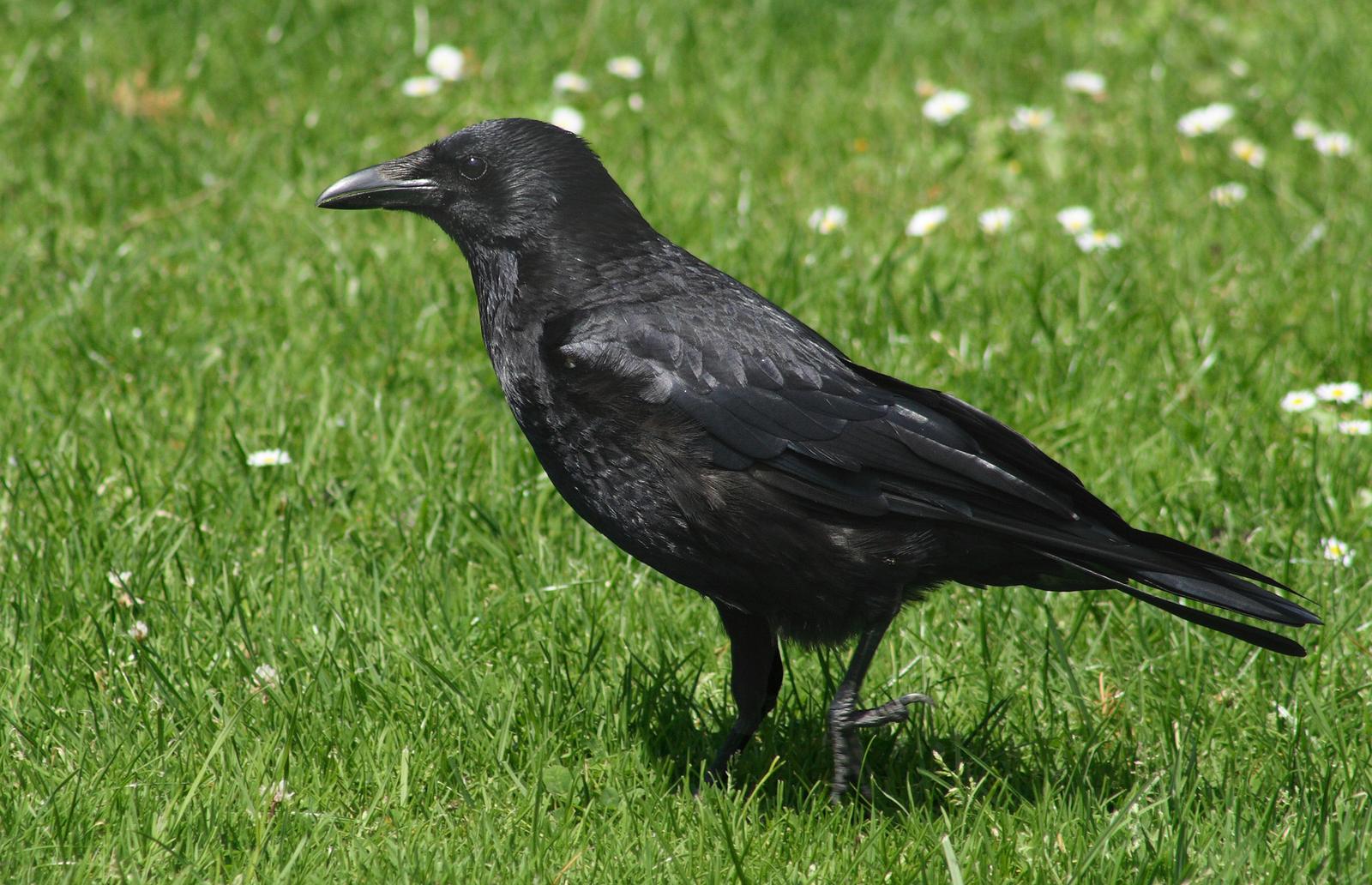
In many cultures of the Northwest Coast and interior regions, raven and crow occupy a central place as creators, thieves of light, or shapers of human destiny. Even where specific stories differ from nation to nation, these birds are consistently cast as intensely observant, clever, and morally complex. Cognitive research on corvids has exploded in the last few decades, revealing that ravens and crows can solve multi-step puzzles, use tools, recognize individual human faces, and remember social interactions for years. Some experiments suggest they may even plan for the future in ways once thought to be uniquely human.
When elders describe raven as a spirit animal that sees what others miss or carries messages between worlds, it lands differently in light of these findings. Corvids are also necrophilic in the scientific sense: they pay close attention to their dead, sometimes gathering around carcasses in what look like funerary vigils. For communities that associate these birds with the boundary between life and death, that behavior feels like empirical confirmation of spiritual insight. The intersection of myth and neuroscience here is especially rich, challenging older Western ideas that dismissed animal intelligence as a projection of human imagination.
The Turtle: Slow Time And Deep Continuity
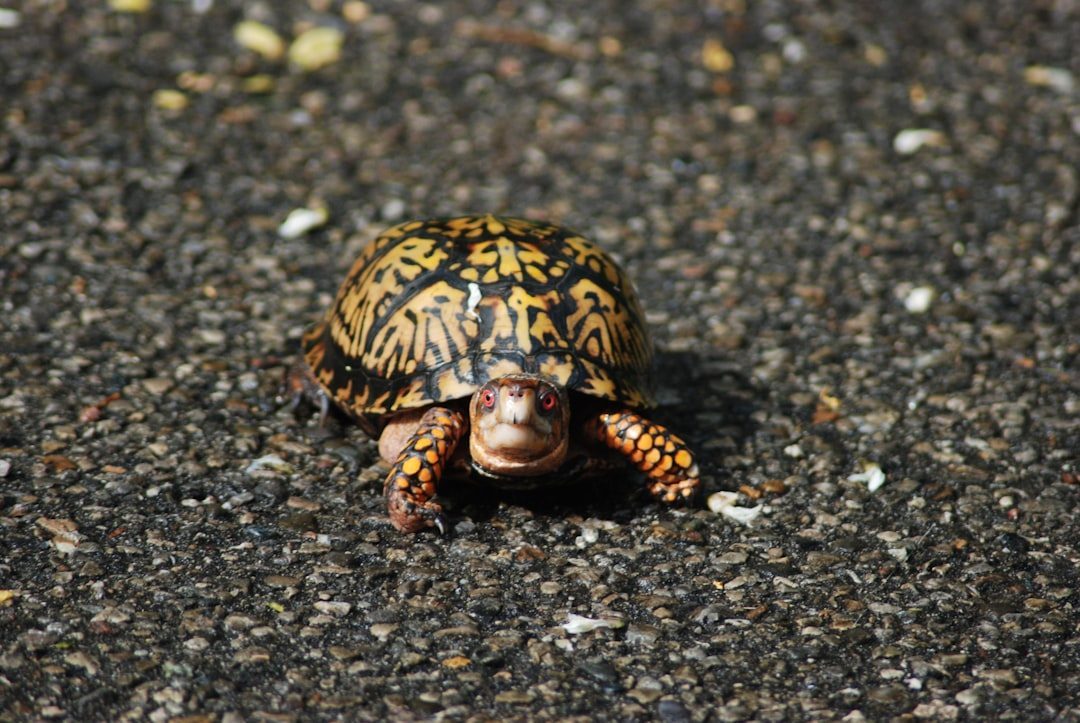
In several Eastern Woodlands traditions, the turtle is associated with the very ground beneath people’s feet; some creation stories describe North America as Turtle Island, resting on the back of a great turtle. From a scientific angle, turtles embody geological time in a way very few animals do. Many species can live for many human generations, carry environmental records in their shells, and depend on stable nesting beaches or wetlands that change slowly. Their presence in a landscape can be a sign that local hydrology and human land use have stayed within certain bounds for centuries.
Today, however, turtles are among the most threatened vertebrates on the planet, squeezed by road networks, pollution, and shifting climate patterns that skew sex ratios in temperature-dependent eggs. For Native communities that see turtle as a spirit animal of patience, endurance, and world-carrying responsibility, this is not an abstract biodiversity problem. It is a warning that the continuity the turtle represents is being fractured. Protecting turtle habitat, in this view, is also about honoring a being whose slow life has anchored human story and ceremony across deep time.
Why These Spirit Animals Matter In A Scientific Age
It might be tempting to relegate spirit animals to the realm of metaphor while reserving science for the “real” work of understanding animals and ecosystems. But that split turns out to be both historically inaccurate and scientifically limiting. For many Native nations, careful observation of animal behavior, migration, and population changes has always been woven into spiritual narratives. Those stories encode rules about hunting seasons, taboos against overharvest, and warnings about habitat disruption that, from a twenty-first century angle, look very much like adaptive management strategies. When elders talk about the eagle or buffalo as relatives, they are also summarizing a body of ecological data built up over centuries.
Comparing this Indigenous knowledge with Western wildlife biology does not mean flattening them into each other, but letting each highlight blind spots in the other. Scientific methods excel at measuring short-term changes, isolating variables, and predicting trends based on models. Traditional stories excel at conveying long-term patterns, ethical relationships, and the emotional stakes of environmental decisions. Together, they can generate richer conservation plans, mental health programs grounded in land-based practices, and educational curricula that move beyond mascot-level caricatures. The spirit animals at the heart of Native American cultures are therefore not quaint relics; they are active partners in rethinking how humans belong in a rapidly changing biosphere.
The Future Landscape: Technology, Climate, And Cultural Survival
Looking ahead, the fate of these eight spirit animals is tightly bound to larger forces reshaping North America. Climate change is altering migration routes for eagles, shifting prey availability for wolves and coyotes, and transforming the grasslands that bison need to thrive. Urban expansion and infrastructure continue to fragment habitats for turtles and bears, even as some species, like coyotes and crows, take advantage of new niches. At the same time, digital technologies are creating fresh ways for Native communities to document oral histories, map sacred sites tied to specific animals, and monitor ecological change on their own terms.
Collaborations between tribal wildlife departments, university researchers, and conservation groups are beginning to use tools like satellite telemetry, environmental DNA sampling, and community-based smartphone apps without sidelining Indigenous protocols. The challenge is not just technical; it is political and ethical. Will future policy treat spirit animals as mere charismatic fauna, or recognize that their well-being is intertwined with cultural rights and sovereignty. The answer will shape not only which species persist, but which stories can still be told in the places where they first arose.
How Readers Can Engage With Respect And Action
For non-Native readers, engaging with Native American spirit animals starts with humility and a willingness to unlearn casual clichés. That means resisting the urge to casually claim an “inner wolf” or “spirit eagle” based on an online quiz, and instead seeking out tribally produced resources, museum exhibits curated with Indigenous partners, and writings by Native scholars. Support can also be practical and local. Many reservations and Native-led organizations run bison restoration projects, wolf coexistence initiatives, or raptor rehabilitation centers that welcome donations and volunteers.
On a more everyday level, paying close attention to the animals in your own landscape – whether that is a crow on a power line or a turtle crossing a roadside ditch – can shift how you see your place in the world. Small choices such as reducing pesticide use, advocating for wildlife crossings, or backing habitat protection measures at the ballot box ripple outward. They embody a simple but profound lesson that runs through all these spirit animal traditions: what happens to the beings around us will, sooner or later, happen to us. The question each of us has to answer is how we want to show up in that shared story.
Suhail Ahmed is a passionate digital professional and nature enthusiast with over 8 years of experience in content strategy, SEO, web development, and digital operations. Alongside his freelance journey, Suhail actively contributes to nature and wildlife platforms like Discover Wildlife, where he channels his curiosity for the planet into engaging, educational storytelling.
With a strong background in managing digital ecosystems — from ecommerce stores and WordPress websites to social media and automation — Suhail merges technical precision with creative insight. His content reflects a rare balance: SEO-friendly yet deeply human, data-informed yet emotionally resonant.
Driven by a love for discovery and storytelling, Suhail believes in using digital platforms to amplify causes that matter — especially those protecting Earth’s biodiversity and inspiring sustainable living. Whether he’s managing online projects or crafting wildlife content, his goal remains the same: to inform, inspire, and leave a positive digital footprint.