
Stand on the edge of an ancient canyon, run your fingers over rock that formed before any plant ever grew on land, and suddenly time feels completely different. Our lives, our cities, even all of human history shrink to a tiny scratch on a planet that’s been busy changing, colliding, and rebuilding itself for billions of years.
Some places on Earth make that deep time almost tangible. They’re not just pretty landscapes; they’re chapters in the planet’s biography, written in stone. From continents that broke apart to oceans that vanished, these destinations let you trace the scars, folds, and layers that reveal how Earth became the world we know today.
1. Grand Canyon, USA – A Staircase Through Nearly Two Billion Years
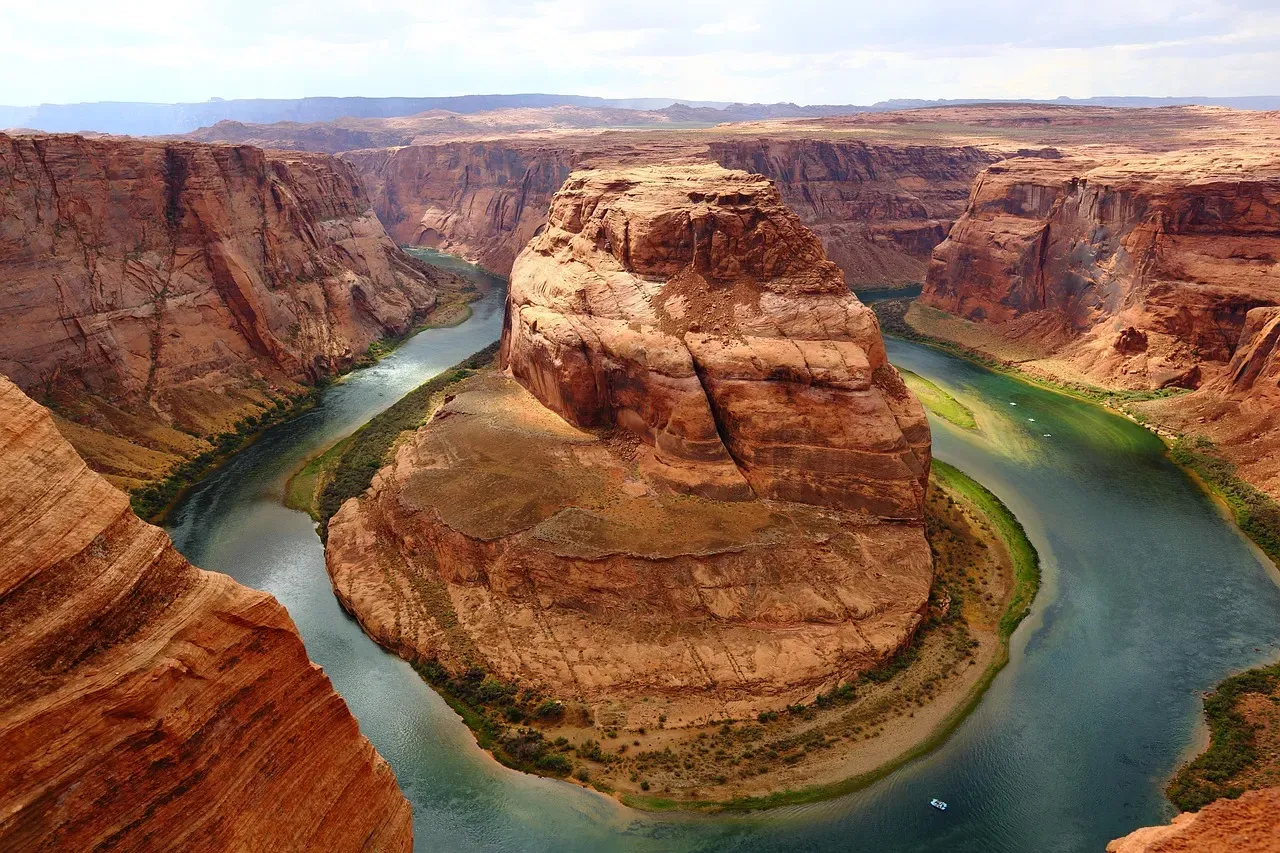
Imagine reading a history book where every page is a different era of Earth, stacked one on top of the other and carved open by a river. That’s what the Grand Canyon really is: a vertical timeline, with some of the exposed rocks at the bottom dating back close to two billion years. The layers, from the younger Kaibab Limestone at the rim down through sandstones, shales, and ancient metamorphic rocks, record rising seas, retreating shorelines, buried deserts, and long-lost mountain ranges.
When you stand at the edge and look down, you’re not just seeing a big hole in the ground; you’re seeing the story of continents colliding, seas flooding in and draining away, and the Colorado River slowly sawing its way through it all. What makes it so gripping is the contrast: a landscape that feels timeless, but shaped by constant change. It’s like watching the slowest, grandest movie ever made, frozen mid-frame for you to step into.
2. Iceland – A Living Laboratory on a Growing Ocean Floor
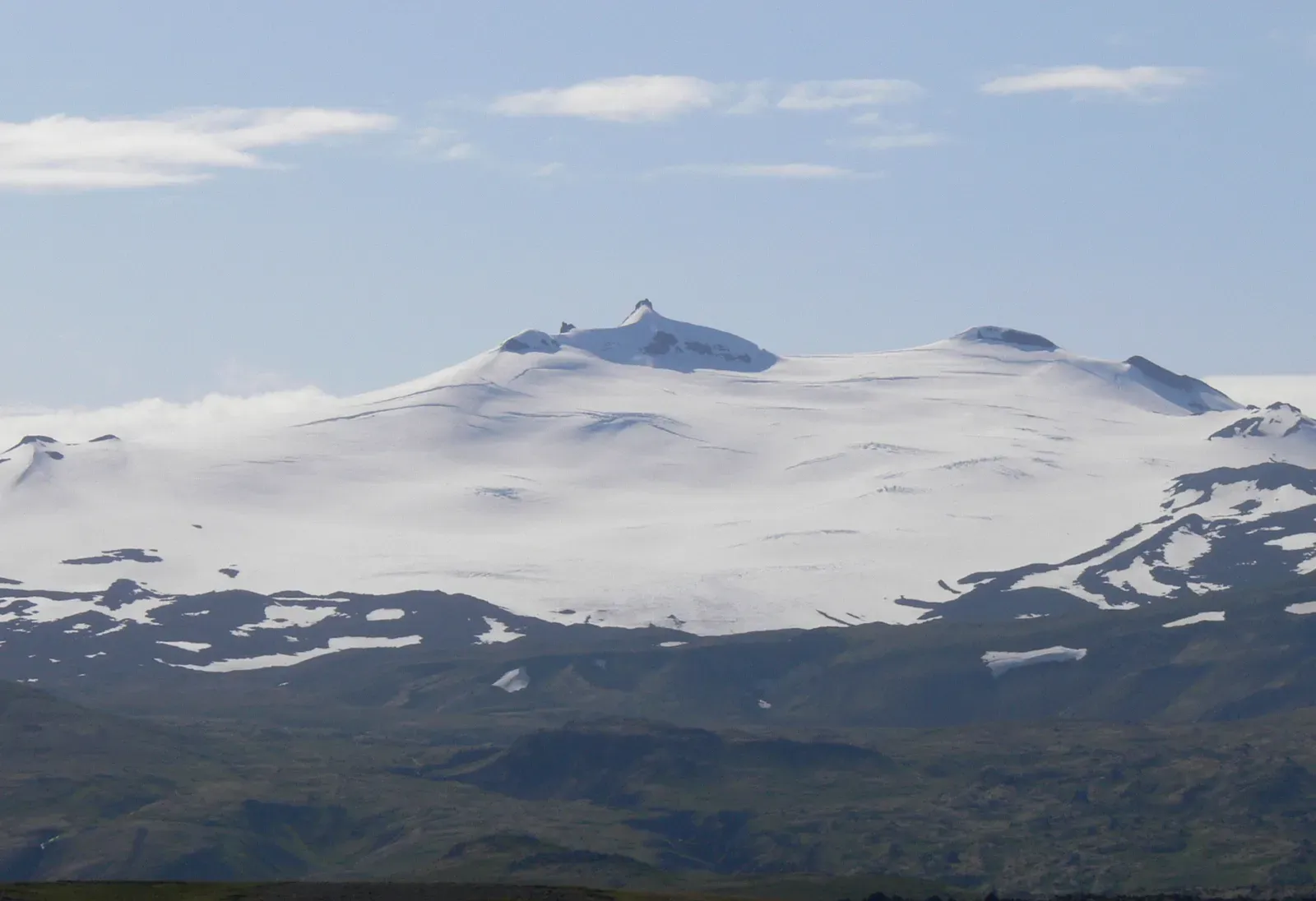
Iceland is one of the few places on Earth where you can literally walk along the seam where a planet is being pulled apart. This island straddles the Mid-Atlantic Ridge, where the North American and Eurasian plates move away from each other, creating new ocean crust as magma wells up from below. In some spots, like Thingvellir, you can stand in a rift valley and feel like the ground is quietly, patiently, stretching beneath your feet.
At the same time, Iceland sits over a volcanic hotspot, so fire and ice constantly wrestle for control of the landscape. You see fresh black lava fields next to ancient, eroded basalt plateaus, with glaciers grinding over everything like slow-motion bulldozers. In a single day, you can see newborn land, steaming vents, and ice carved valleys – proof that the present-day processes reshaping Iceland aren’t so different from what built much of Earth’s crust over hundreds of millions of years.
3. Great Barrier Reef, Australia – A Living Archive of Changing Seas
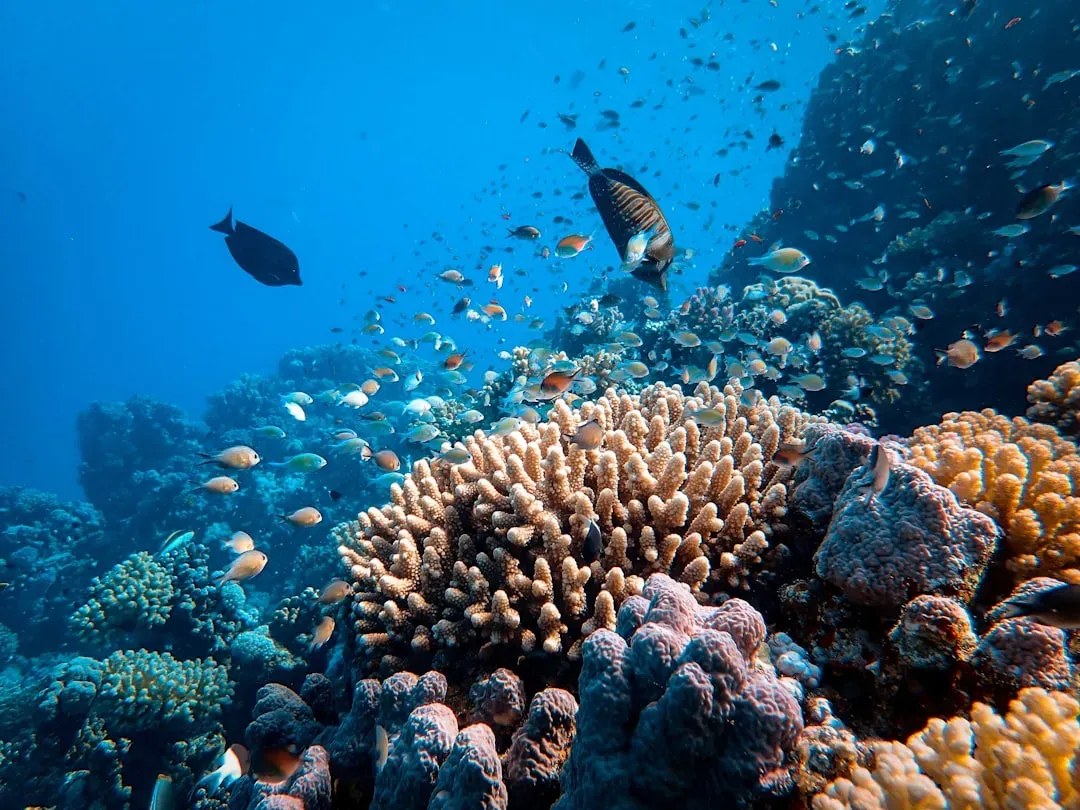
The Great Barrier Reef is usually described as a colorful underwater wonder, but it’s also a long-running geological experiment in how life builds rock. Layer upon layer of coral skeletons, shells, and marine sediments have accumulated over hundreds of thousands of years, forming thick carbonate platforms. Today’s vibrant reef sits atop older reef structures that grew during past warm periods, then drowned or exposed as sea levels rose and fell.
What’s striking is how sensitive this system is to small shifts in sea level and temperature, which have changed repeatedly through ice ages and interglacial periods. By drilling cores into the reef and studying ancient coral growth bands, scientists can reconstruct past ocean conditions and climates. In other words, this isn’t just a tourist paradise; it’s a natural archive that helps explain how oceans have responded to warming and cooling over vast stretches of time.
4. Namib Desert, Namibia – One of the Oldest Deserts on Earth
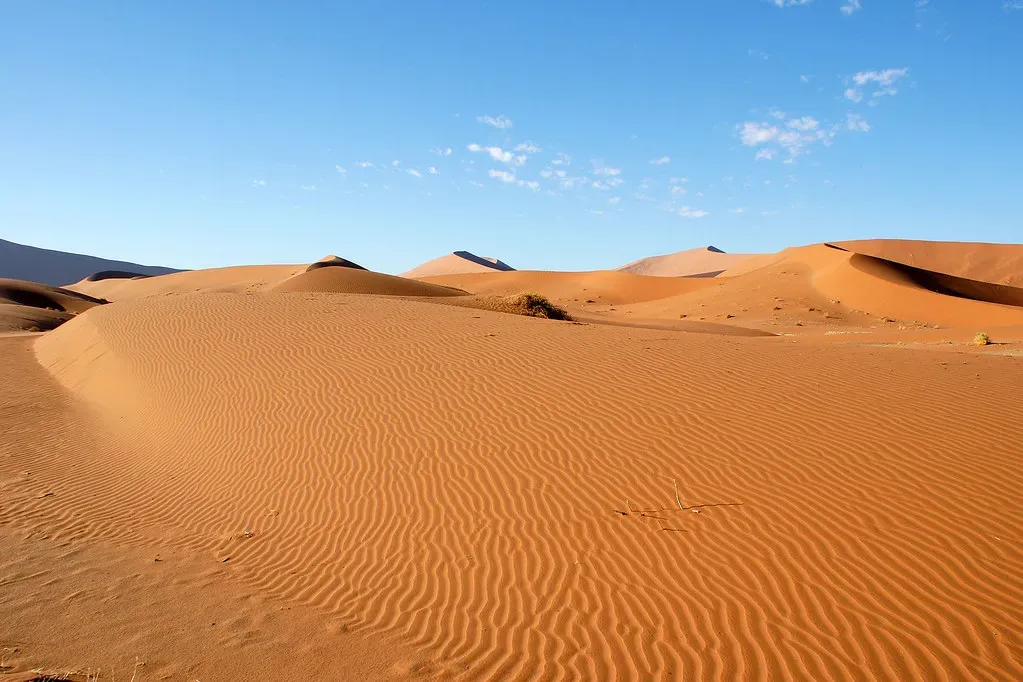
The Namib Desert looks like an ocean frozen in mid-wave, its towering dunes rolling for hundreds of kilometers along Africa’s southwest coast. Unlike many younger deserts shaped by recent climate swings, the Namib has existed in some form for tens of millions of years, influenced by the cold Benguela Current offshore and the high plateau inland. This exceptional age means the landscape preserves a long record of shifting winds, sand supply, and climate patterns.
Wind has sculpted and reshaped these dunes endlessly, but the underlying story is one of stability: a desert that has persisted while continents drifted, sea levels rose and fell, and ecosystems transformed elsewhere. Walking across those ridges, with their razor-sharp crests and steep slip faces, feels almost like stepping into a slow-motion time machine. The silence is intense, and you realize that these grains of sand have been on the move far longer than any human culture has existed.
5. Canadian Shield, Canada – Exposing Earth’s Ancient Crust
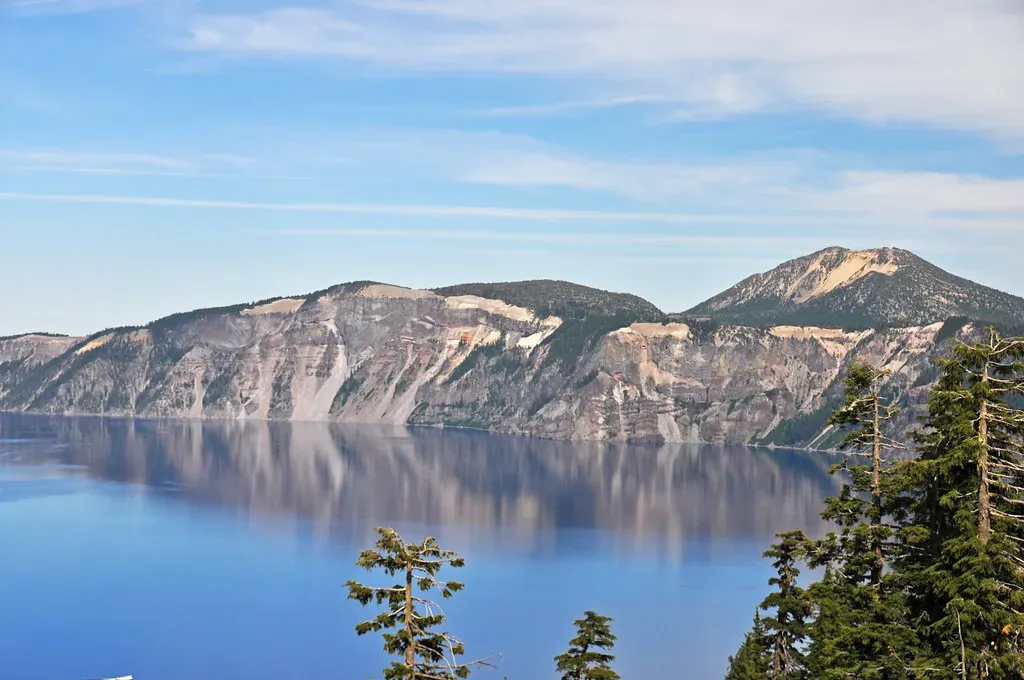
The Canadian Shield is not as dramatic to look at as a canyon or a volcano, but geologically it’s mind-blowing. Stretching over a huge part of northern Canada, it is composed of some of the oldest exposed rocks on the planet, with ages reaching more than three billion years. These ancient gneisses and granites are remnants of Earth’s first stable continental crust, forged in a world without trees, animals, or even complex plants.
Glaciers during the last ice ages scraped away younger layers, planing the land down to its hard, crystalline core. As a result, lakes fill bedrock depressions, and low, worn-down hills reveal the deep interior of vanished mountain chains. Standing on a polished rock outcrop beside a quiet northern lake, it’s hard not to feel small; you’re literally standing on the skeleton of an infant Earth, one that somehow survived countless collisions, eruptions, and erosions to become the foundation for everything that followed.
6. East African Rift Valley – A Continent in the Process of Splitting
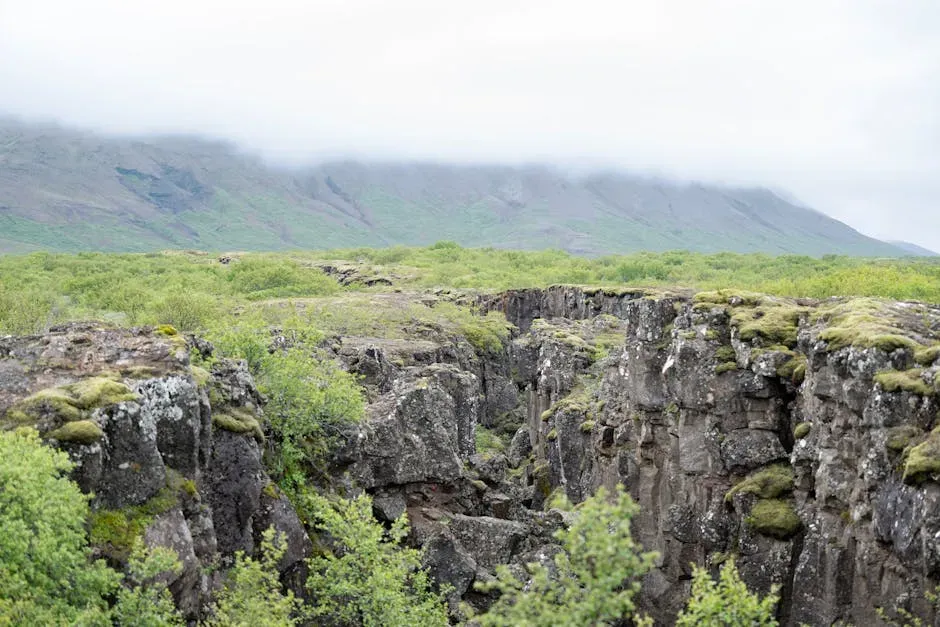
In the East African Rift, you can watch a continent begin to tear itself apart. From Ethiopia down through Kenya, Tanzania, and beyond, a great crack stretches thousands of kilometers through the landscape. Here, the African Plate is slowly splitting into two parts, creating deep valleys, long lakes, active volcanoes, and steaming hot springs. It is a modern-day version of what happened when other continents, like ancient Gondwana, broke apart long ago.
The rift valleys show fault scarps where the crust has dropped, volcanic cones that mark rising magma, and lakes that fill the youngest depressions. Over millions of years, if the process continues, a new ocean could eventually form where today you drive or walk. Visiting this region, you’re seeing plate tectonics not as a theory in a textbook, but as a work in progress – one that will reshape maps our distant descendants might take for granted.
7. Zhangjiajie Sandstone Pillars, China – Sculpted Monuments of Time
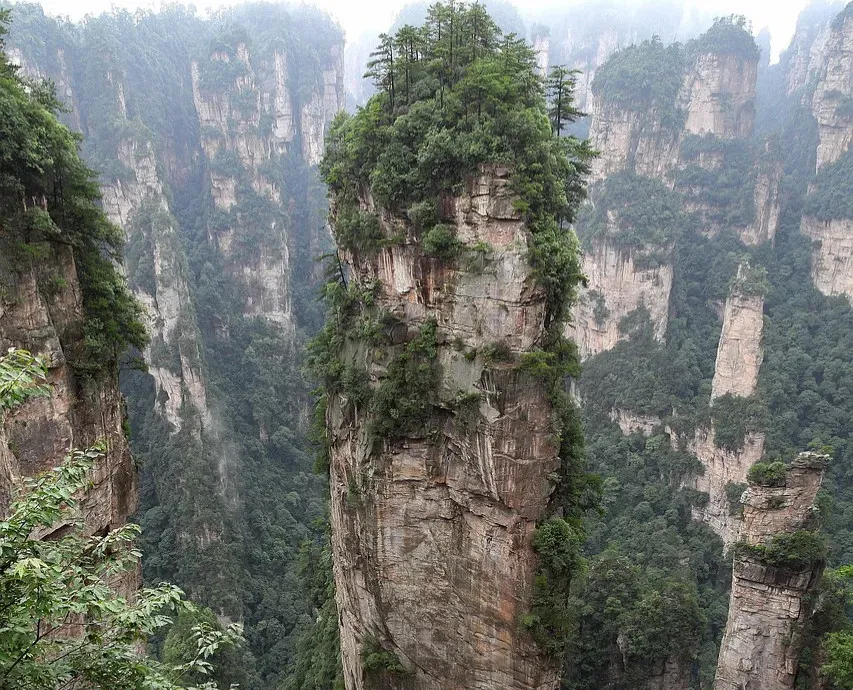
The sandstone pillars of Zhangjiajie in Hunan Province look almost unreal, like something pulled out of a fantasy painting. These tall, spindly towers were carved by a long, slow partnership between rock and water. Over millions of years, thick layers of quartz-rich sandstone uplifted and fractured, while rain, wind, and ice wedged into cracks and carried away weaker material, leaving behind hundreds of isolated stone columns.
What you see today is just a snapshot in a long erosion story. Given enough time, these pillars will crumble and vanish, replaced by new forms sculpted from whatever remains. The stacked and stratified rock layers in each tower tell you that this used to be a relatively continuous plateau, transformed into a forest of stone by patient weathering. Walking along the trails and looking down from glass viewpoints, it’s hard to resist the thought that even the most solid mountains are temporary sculptures in an ever-changing gallery.
8. Uluru and Kata Tjuta, Australia – Ancient Sand Turned Sacred Stone
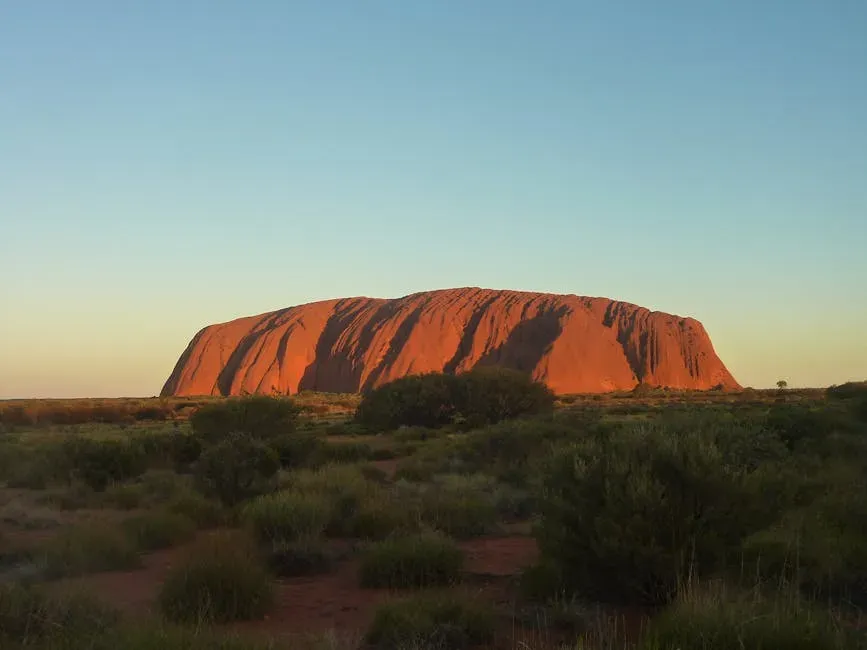
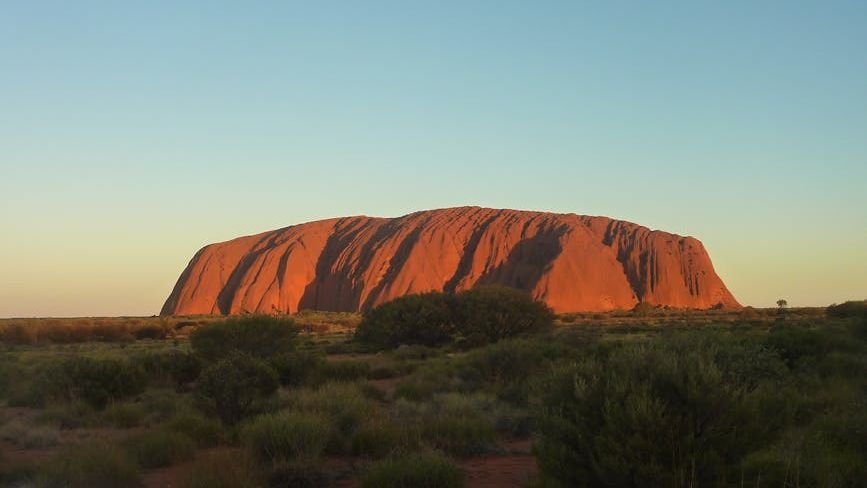
Uluru and the nearby domes of Kata Tjuta rise abruptly from the flat interior of Australia like islands in a red ocean. These formations are the hardened remains of enormous ancient sediment fans that once spread from towering mountain ranges long since eroded to nothing. Over hundreds of millions of years, the sand and gravel were buried, compressed, tilted, and then gradually exposed again as softer surrounding rocks wore away.
Their glowing color changes with the angle of the sun, but the deeper story lies in the textures and pebbles locked inside the rock, each one a tiny clue to ancient rivers and vanished landscapes. For First Nations communities, these places hold deep cultural and spiritual meaning that stretches far beyond geology. Standing there at sunrise or sunset, it’s easy to feel both truths at once: the scientific tale of deep time and the human sense that some places carry a weight and presence that goes far beyond what we can measure.
Reading Earth’s Past in the Present Landscape
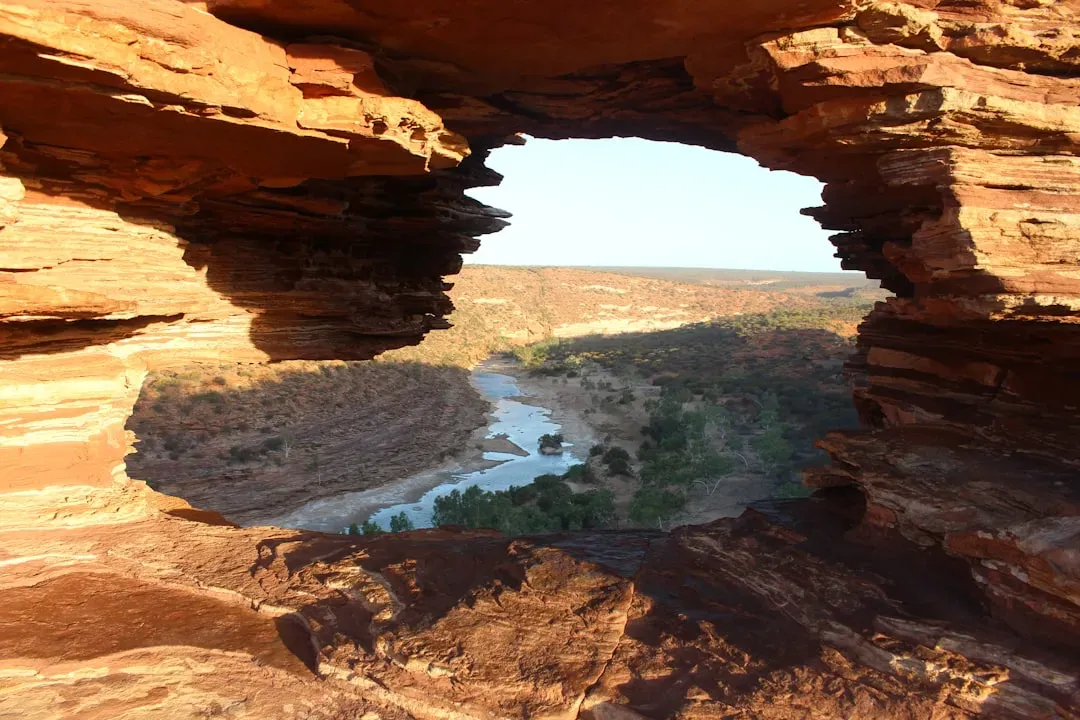
These eight destinations may look wildly different – a canyon, a reef, a desert, an icy island – but together they read like chapters from the same book. Each one captures a different process that has shaped Earth over billions of years: continents colliding and tearing apart, oceans advancing and retreating, deserts forming and persisting, and life itself building new kinds of rock. When you start to see them as parts of a single, ongoing story, even an ordinary rock at your feet feels less ordinary.
Traveling to places like these changes how you look at time, and honestly, how you look at your own life. You realize that the ground under you has survived cataclysms, slow drifts, and radical climate shifts, yet it still carries clear memories of what came before. In a world that feels rushed and fragile, there’s something strangely comforting in that kind of deep resilience. If you had to pick just one of these places to visit first, which chapter of Earth’s story would you want to stand inside?