
Some plants quietly survive where no sensible living thing should. Scalding deserts, salt-crusted coasts, frozen mountaintops, oxygen-starved bogs – places that seem completely hostile, yet somehow still green. When you start to look closely at how plants manage this, the story is honestly more gripping than most survival movies.
These adaptations aren’t just cute trivia from nature documentaries. They’re the result of millions of years of trial, error, and stubborn persistence, and they’re already inspiring new ideas in agriculture, climate resilience, and even engineering. Let’s walk through eight stunning ways plants rewrite the rules of survival when the world around them gets brutally tough.
1. Storing Water Like Living Reservoirs in the Desert
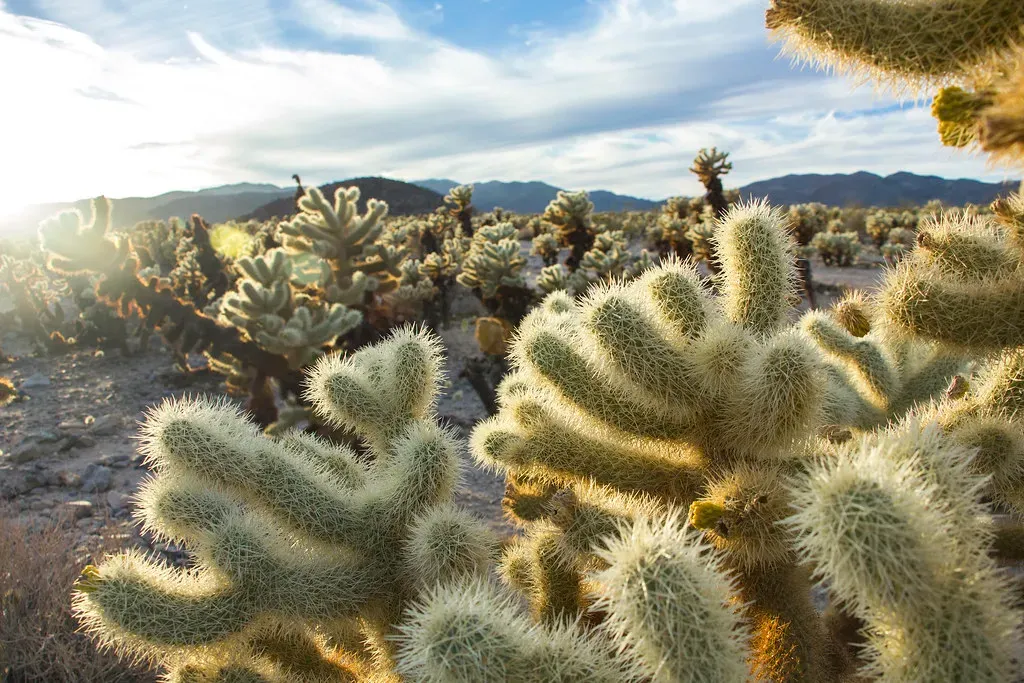
Picture a cactus in the middle of a sun-blasted desert: no clouds, no shade, barely any rain for months. What looks like a simple green column is actually a highly engineered water tank. Many desert plants, especially succulents, have thick, fleshy stems or leaves stuffed with water-storing tissues that can swell after rare storms and slowly shrink as the drought drags on.
On top of that, their outer skin is often coated in a waxy layer that acts like cling film, sealing in moisture against the dry air. Some species even shape their bodies into ribs or pleats, like an accordion, so they can expand when water is available and contract safely without tearing their skin. It’s the botanical equivalent of carrying your own personal, refillable canteen everywhere you go – only the canteen is your body.
2. Breathing at Night to Beat the Heat
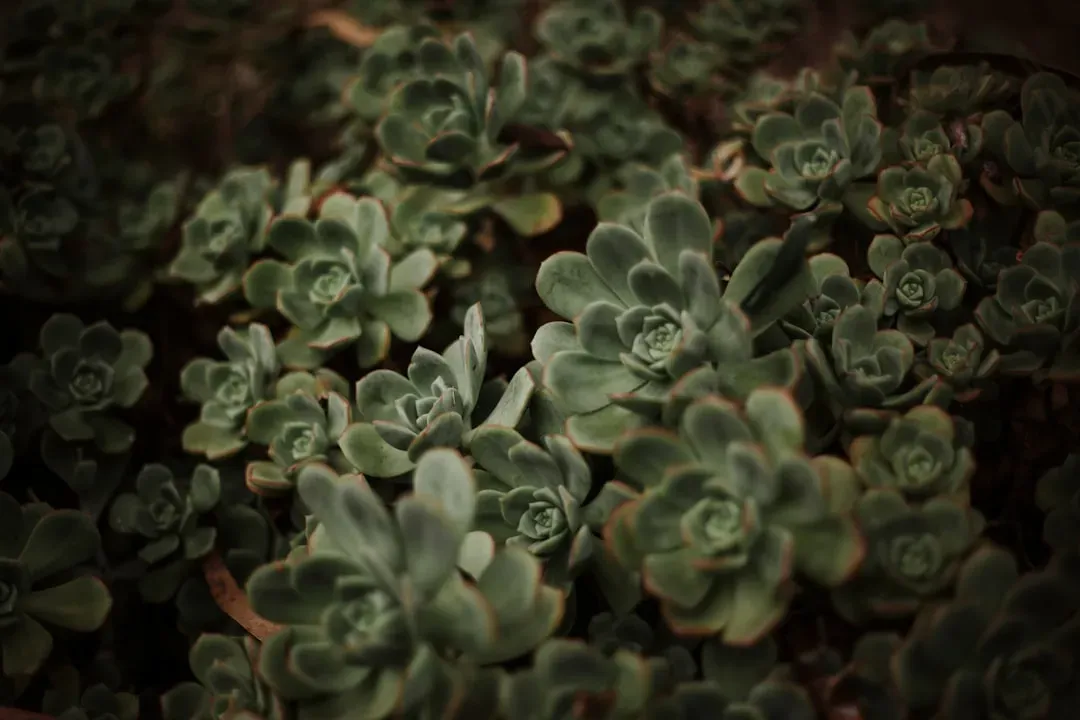
Most plants open tiny pores called stomata during the day to take in carbon dioxide for photosynthesis, but in extreme heat and dryness, that’s a terrible idea. Open pores under a blazing sun are like open windows in a heatwave; you just lose water fast. Some desert and semi-desert plants use a strategy called CAM photosynthesis, where they flip the schedule: they open stomata at night when it’s cooler, store the carbon dioxide, and use it during the day with the pores closed.
This night-breathing trick can reduce water loss dramatically, which is why it shows up in cacti, agaves, and many other tough survivors. The trade-off is that growth tends to be slower because the plant is timing everything so carefully. But in a world where the main threat is dehydration, “slow but alive” beats “fast and dead” every single time.
3. Turning Leaves into Armor Against Sun and Sand
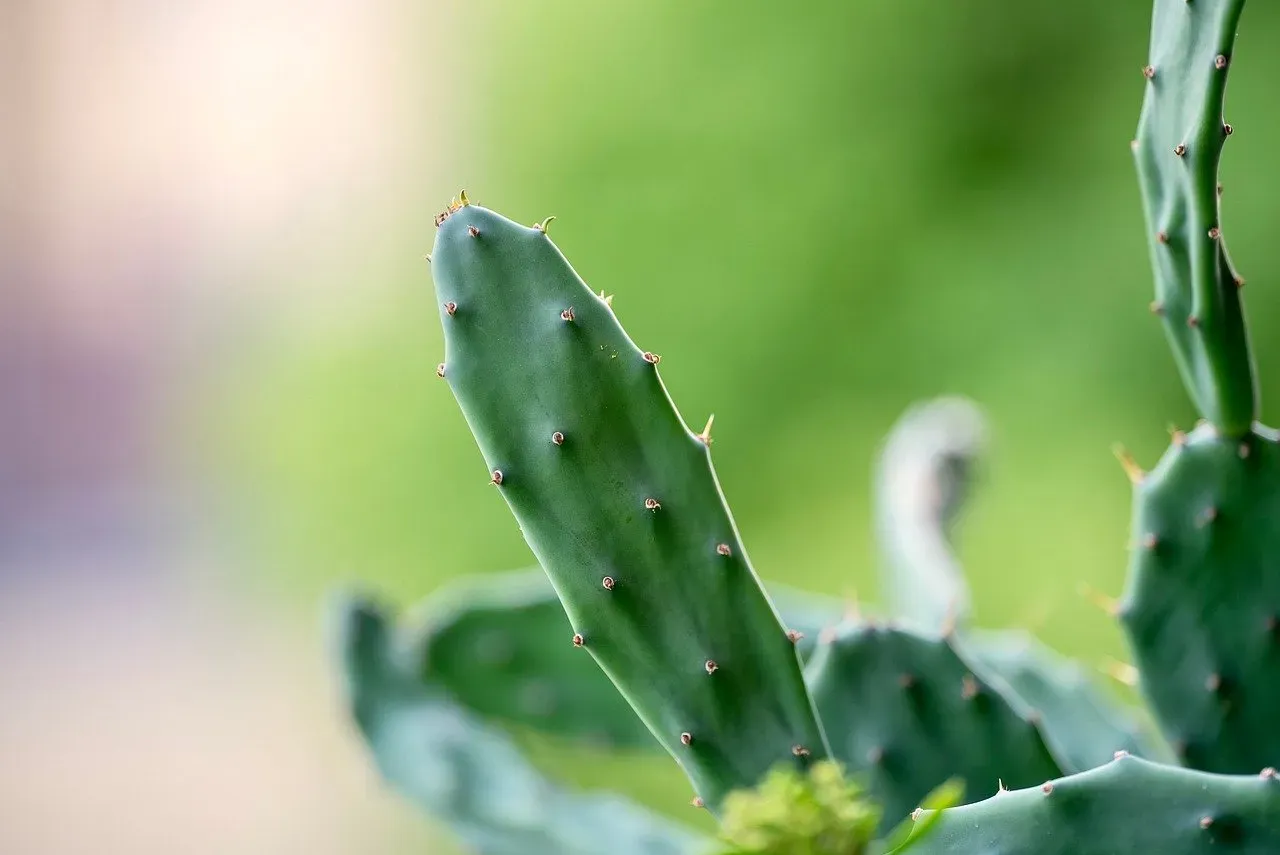
In extreme environments, leaves can’t just look pretty – they have to act like armor. Many plants in hot, sunny, or windy regions grow tiny, tough leaves or even needle-like structures instead of broad, tender ones. Smaller leaf surfaces lose less water, overheat less easily, and are harder for abrasive sand or ice crystals to shred. Think of it as trading a big parachute for a tight-fitting windbreaker.
Some plants also cover their leaves with hair-like structures, a kind of natural fuzz that reflects sunlight, traps a thin layer of humid air, and even deflects insects. Others develop a bluish or silvery sheen from waxes that bounce away harsh radiation. The first time I handled a desert plant with felt-like leaves, it felt like touching a piece of soft fabric designed for survival, not decoration.
4. Diving Deep and Wide with Extreme Root Systems
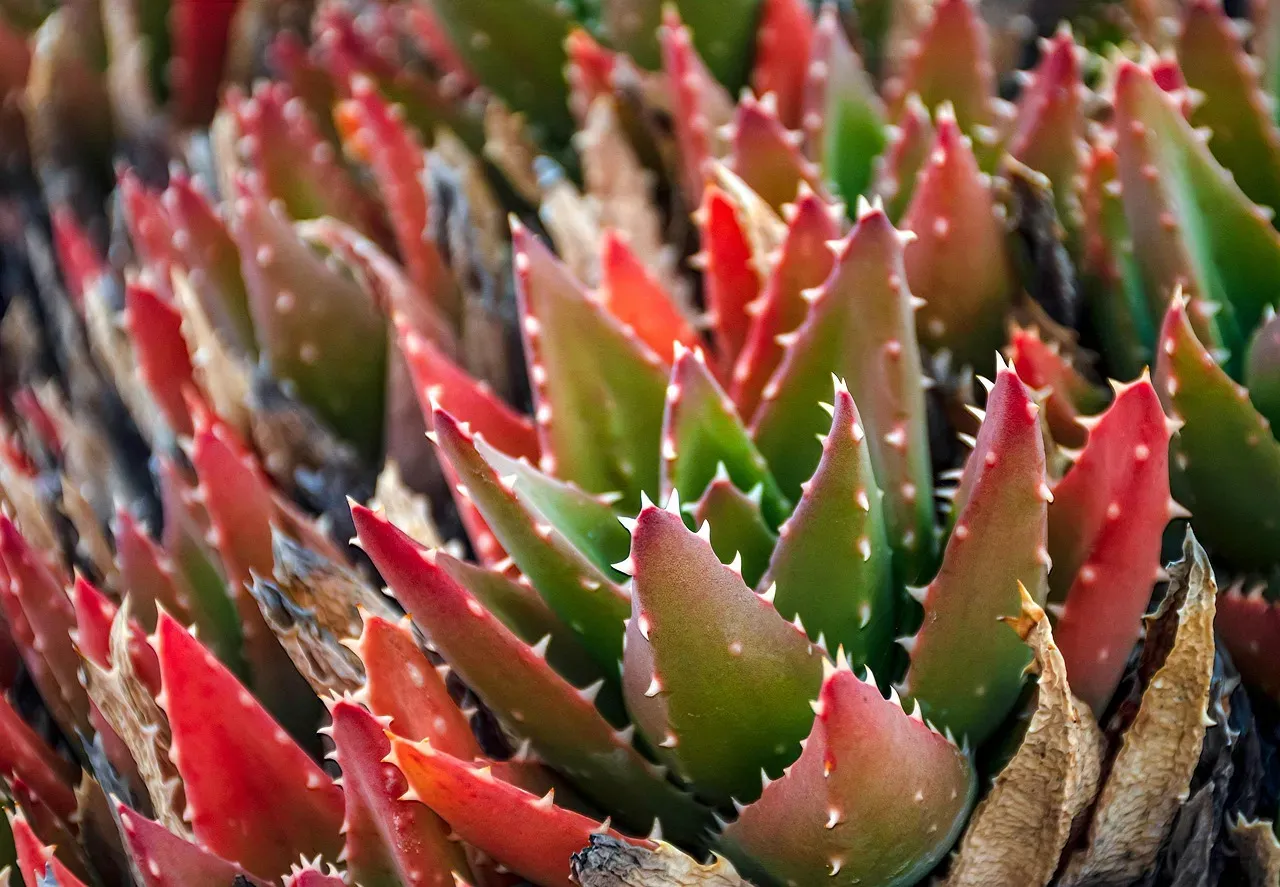
When life on the surface is harsh, plants go underground – literally. Some species grow taproots that plunge several meters deep, tapping hidden water far below the parched soil. Others spread out massive, shallow root systems that radiate in all directions, ready to grab every drop of rain the moment it hits the ground. It’s like choosing between a deep straw in a buried water tank and a huge sponge spread across the surface.
In deserts, a single tree can command an underground empire of roots that outcompete neighbors for scarce resources. In rocky slopes or alpine zones, roots might snake into tiny cracks, anchoring plants so firmly that even violent winds can’t rip them loose. These underground networks can also act as storage, holding reserves of carbohydrates and water to help the plant bounce back after fire, grazing, or drought.
5. Freezing Without Shattering in Icy Climates
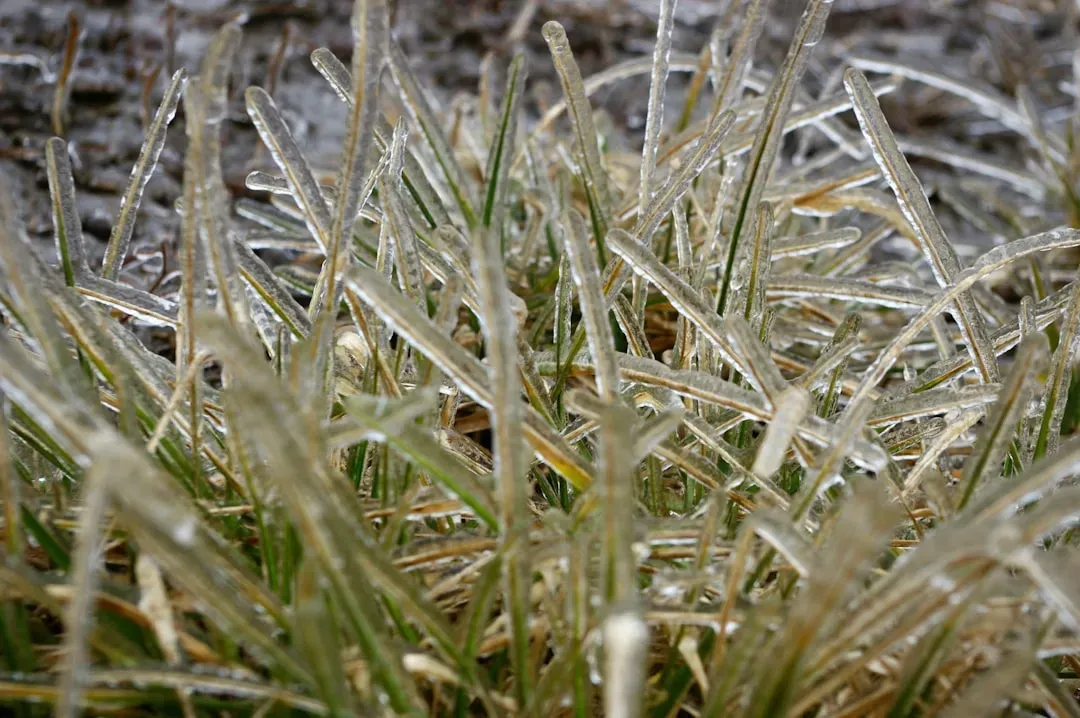
Cold can be just as deadly as heat, especially when ice forms inside plant cells and tears them apart. Plants in high mountains, tundra, or polar regions use a mix of clever tricks to avoid this microscopic wreckage. Some produce special molecules that act a bit like antifreeze, lowering the freezing point of the fluids inside their cells so ice forms more slowly or not at all.
Others encourage ice to form outside the cells instead, where it does less damage, while concentrating sugars and other solutes inside to protect delicate structures. Many cold-adapted plants also grow low to the ground, forming cushions or mats that trap warmer air and absorb any precious sunlight. If you’ve ever seen a tiny alpine plant blooming inches away from a patch of snow, that’s the result of a whole arsenal of cold-defense tactics working together.
6. Outwitting Salt in Coastal and Salty Soils
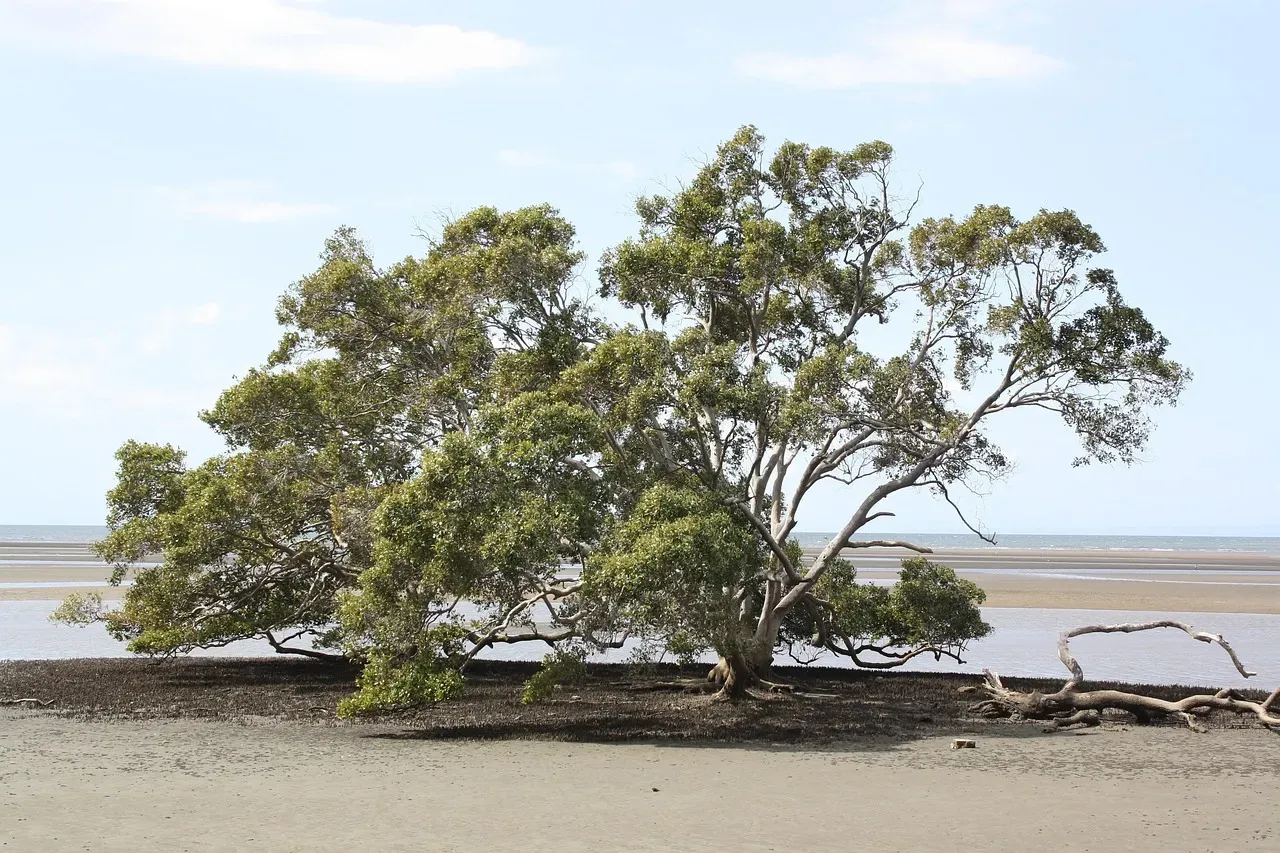
Salt is a quiet killer for most plants, messing with water balance and poisoning internal processes. Yet in salty marshes, mangrove forests, and coastal flats, you’ll find plants that don’t just tolerate salt – they manage it like a tricky roommate. Some exclude salt at the root level, acting like bouncers at a club door and letting water in while keeping excessive salt out as much as possible.
Others take in the salt but then move it to special storage compartments, or even excrete it through salt glands on their leaves where it crystallizes and can be washed away by rain. Mangroves often combine multiple strategies, including roots that act like filters and leaves that sacrifice themselves once they accumulate too much salt. It’s a constant balancing act, a bit like living in a house that’s slowly flooding and constantly pumping the water out just fast enough.
7. Shrinking, Hiding, and Waiting Out the Worst
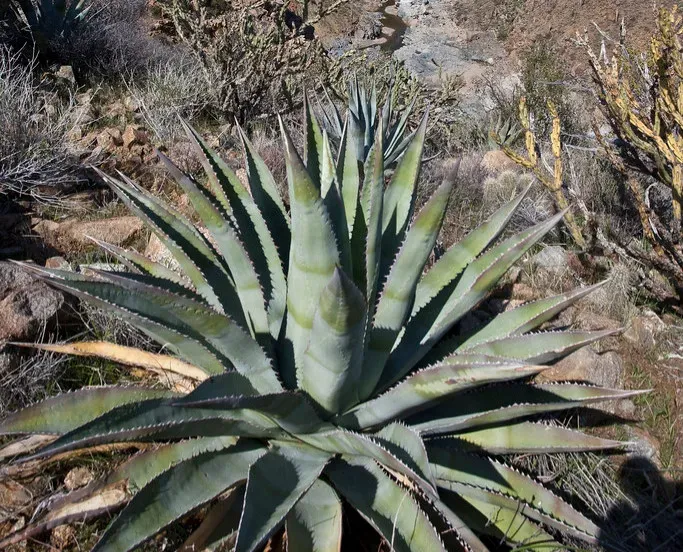
Some environments are so extreme that the smartest move is not fighting the conditions head-on, but avoiding them. Many plants in deserts, fire-prone areas, or strongly seasonal climates retreat into underground organs like bulbs, tubers, or rhizomes. Above ground, they may disappear completely during the harsh season, leaving nothing but dry soil or burnt stubble, while below ground they quietly wait it out with stored energy.
When conditions improve – a good rain, a milder temperature, a fire passing through – they spring back quickly, sending up new shoots and leaves. Annual plants in deserts take this to an extreme: they live fast, set seed, and die, leaving behind seeds that can lie dormant for years until just the right rain comes. It’s like hitting a pause button on life itself, then unpausing only when the odds finally tilt in your favor.
8. Teaming Up with Microbes for Survival Superpowers
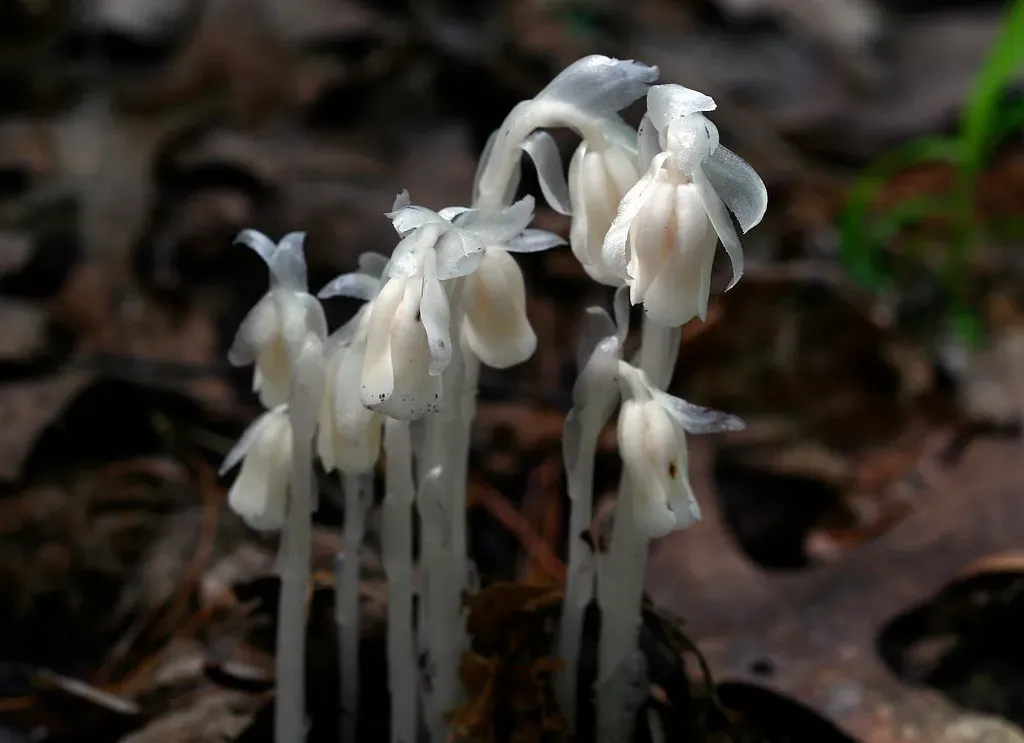
Plants in harsh environments are rarely alone, even if it looks that way. Many of them form close partnerships with fungi and bacteria that help them survive in poor soils, low nutrients, or stressful conditions. Fungal partners around the roots, often called mycorrhizae, extend the plant’s reach, drawing in water and nutrients the roots couldn’t access on their own, especially in dry or nutrient-starved ground.
Other bacteria living in or around roots can help plants handle toxins, boost growth hormones, or fix nitrogen from the air, making it available as fertilizer in places where the soil is basically empty calories. In salty, polluted, or degraded lands, these microscopic allies can be the difference between life and death for a seedling. It’s a reminder that even the toughest-looking lone plant is usually part of a hidden community, surviving together in ways we’re only beginning to fully understand.
What Extreme Plants Can Teach Us About Resilience
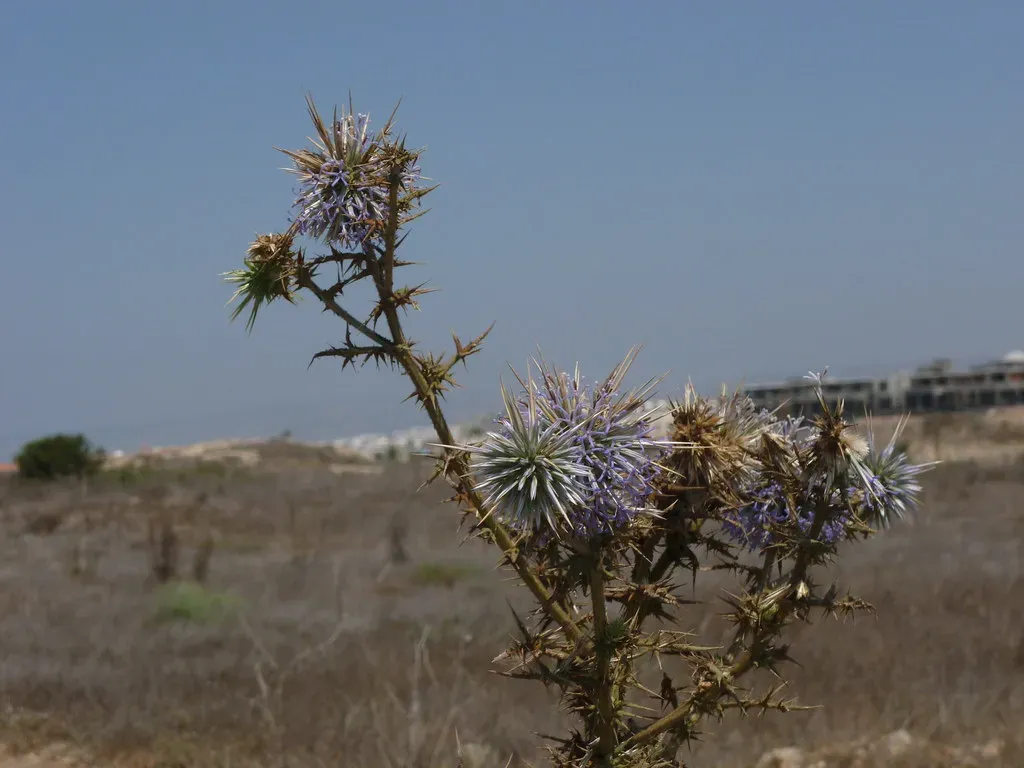
When you look at these eight strategies side by side – water hoarding, night breathing, leaf armor, extreme roots, anti-freeze chemistry, salt juggling, strategic hiding, and microbial teamwork – a pattern starts to emerge. Survival in brutal places isn’t about one magic trick; it’s about stacking many clever adaptations, each solving a small piece of a very big problem. The more complicated and unforgiving the environment, the more creative plants seem to get.
These same ideas are now guiding researchers searching for crops that can handle hotter, drier, saltier, and less predictable futures. In a way, we’re just students copying from plants’ homework, trying to learn how to bend without breaking. Next time you see a cactus, a mangrove, or a tiny plant clinging to a rocky ledge, it might be worth pausing for a moment and asking yourself: if that little patch of green can thrive there, what else might be possible?