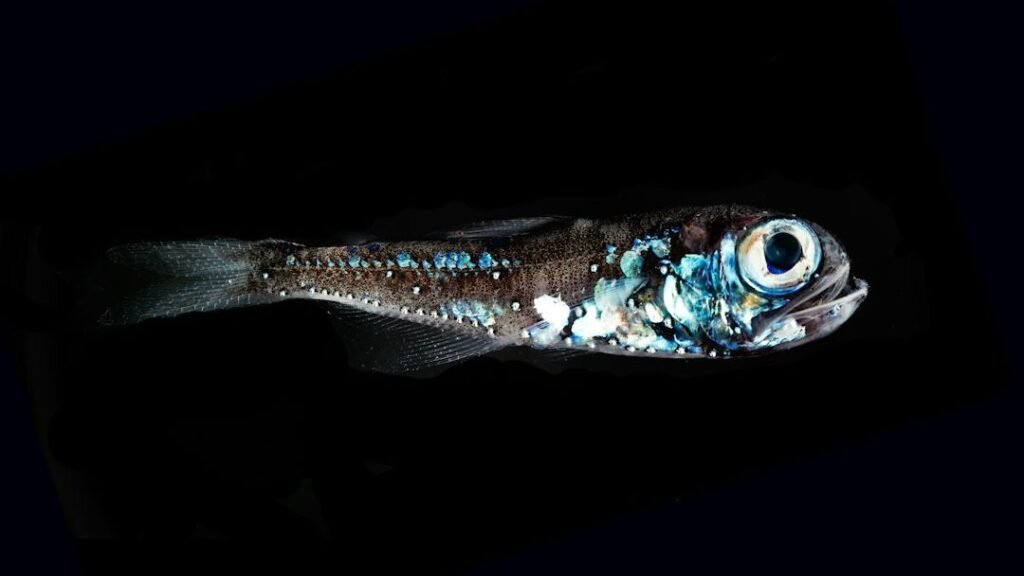

The natural world has been whispering its secrets for millions of years. You walk through a forest, a field, or the edge of an ocean and you see creatures going about their lives, and for a long time, humanity assumed those lives were simple. Basic. Instinct-driven. It turns out, we could not have been more wrong.
Science is now uncovering layer after layer of sophisticated, astonishing communication happening all around you, from the seismic rumbles beneath your feet to the clicking alphabets beneath the ocean’s surface. Some of what researchers are discovering genuinely challenges our entire understanding of what it means to have language and culture. So let’s dive in.
Sperm Whales Have Their Own Phonetic Alphabet
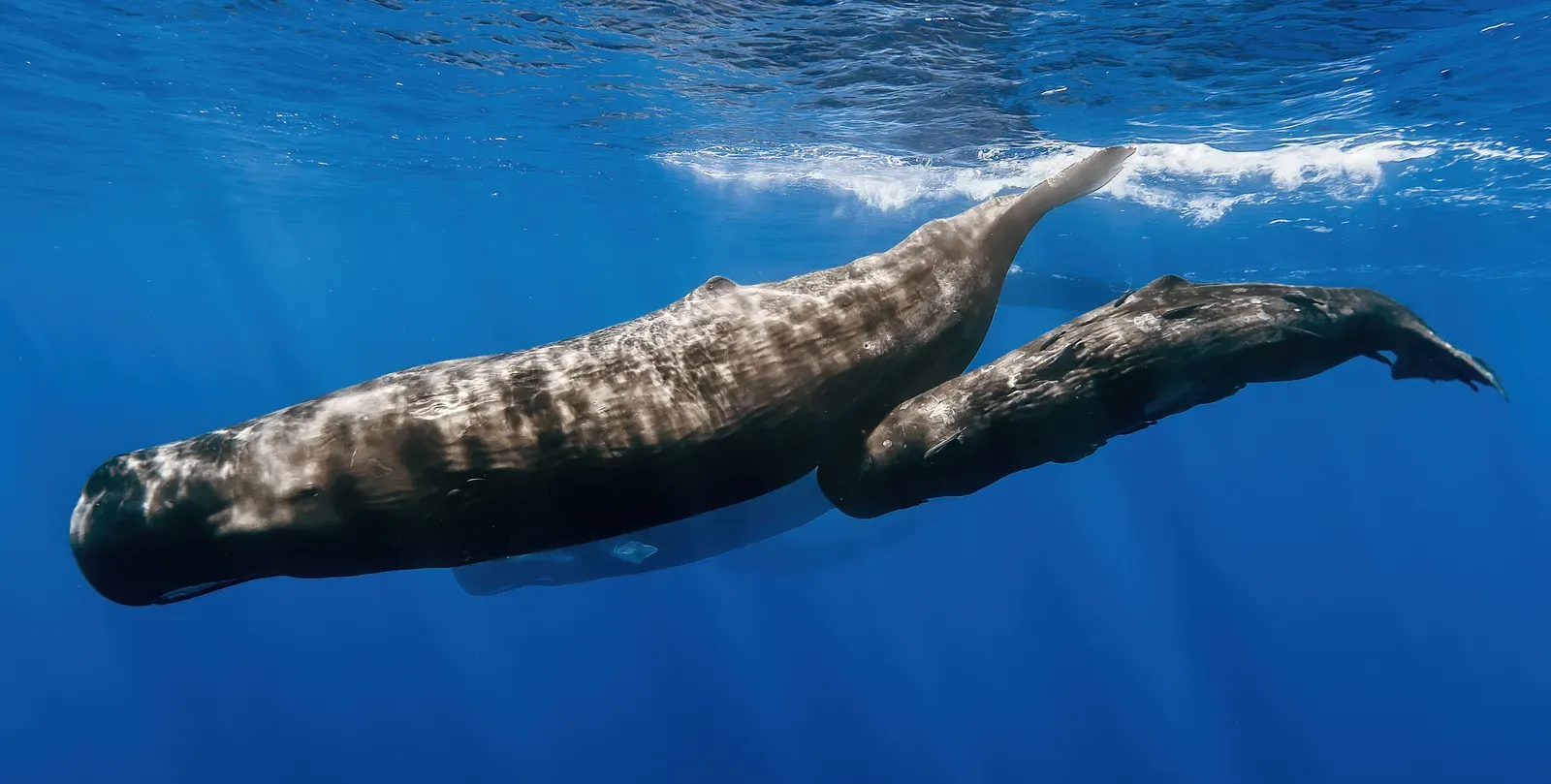
If you thought whale sounds were just random clicks echoing through dark water, prepare to have your mind completely rearranged. Research has shown that sperm whale vocalizations are significantly more complex than previously believed, revealing what scientists are now calling a “sperm whale phonetic alphabet” with both combinatorial structure and call modulation dependent on conversational context. That last part is what really gets you. Context. These whales are changing how they communicate based on what is being “said” around them.
Researchers identified 21 codas used by a Caribbean whale clan, then fed that same dataset to an AI model, which immediately spotted patterns humans had missed, including differences in intervals between certain clicks and the occasional extra click. Borrowing terms from music, they called these features “rubato” and “ornamentation,” ultimately identifying 156 distinct codas. Think about that for a second. Scientists with years of expertise missed things that a machine spotted almost instantly. The more you dig, the bigger this story gets.
Elephants Call Each Other by Name and Feel the Earth Speak
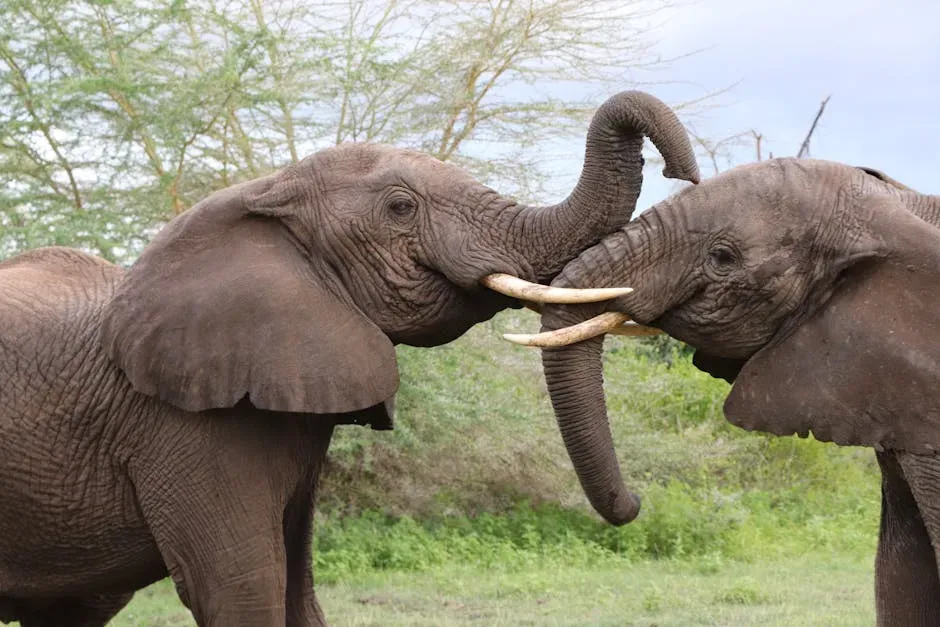
Here is something that honestly stopped me cold when I first came across it. A recently published study found that African elephants have names for each other and address one another by name. This is a significant finding because very few creatures possess this ability, and elephants appear to come up with names for other elephants independently, without imitating another’s call, an ability no animal other than humans was previously known to possess. You are essentially looking at creatures that invented language tools we thought only we could manage.
One of the most striking discoveries is elephants’ use of infrasound. These sounds, often below 20 Hz, are inaudible to humans but can travel up to 10 kilometers across the savanna. Field researchers have observed elephants reacting to distant calls, such as warning signals about predators or invitations to join a group, minutes before any human could detect the reason. This “whisper network” helps keep herds safe and connected over vast areas. They are essentially using a communication channel you cannot even hear, running across an invisible network beneath your feet.
Dolphins Speak in Alarm Calls and Ask Questions
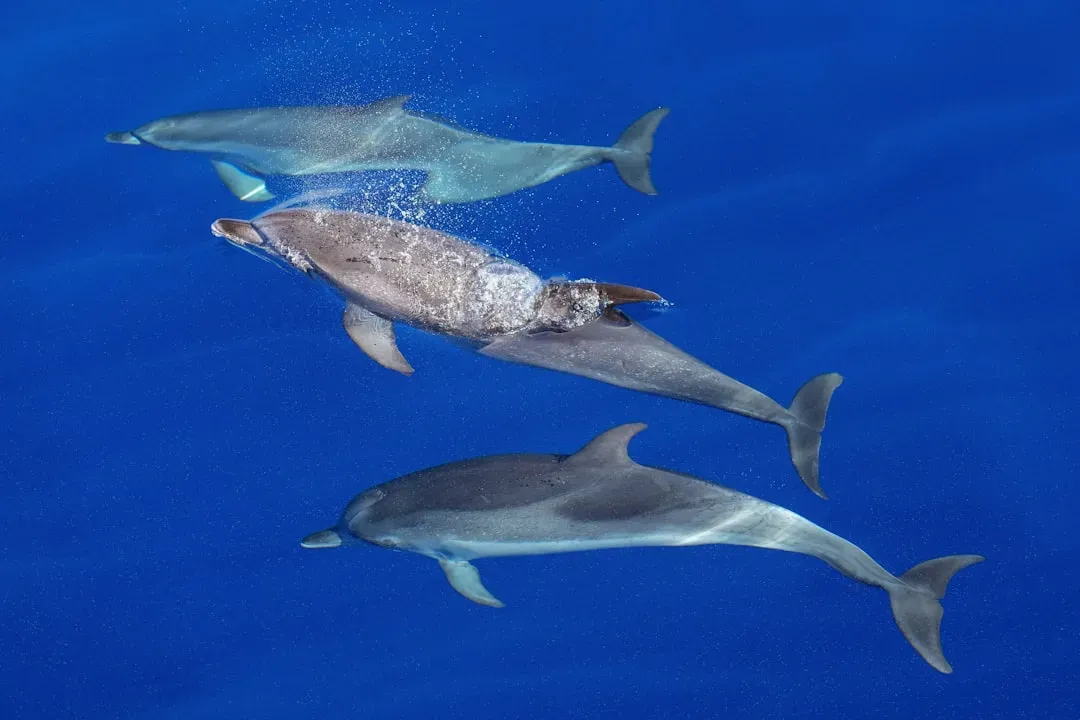
Dolphins have long had a reputation for being clever communicators, but what researchers are finding now goes well beyond what you might expect. Scientists have logged more than 250 distinct signature whistles among bottlenose dolphins, which they use to broadcast their identity and call to each other. When mother dolphins call to their calves, they modify their signature whistles, exaggerating the frequency range, with the highs getting higher and the lows getting lower. It is almost parental in its tenderness, which is an observation that quietly unsettles the old idea that animals do not feel things the way we do.
Scientists also identified 20 new whistles used by multiple dolphins, suggesting they were being used for communication. Researchers broadcast recorded sounds underwater while drones monitored the dolphins’ behavior from above. One whistle made the dolphins swim away, while another made them swim closer to investigate. The findings suggest that dolphin communication is much richer than previously thought. An alarm signal and something resembling a question. In dolphins. Let that sink in.
Naked Mole Rats Have Queen-Controlled Dialects
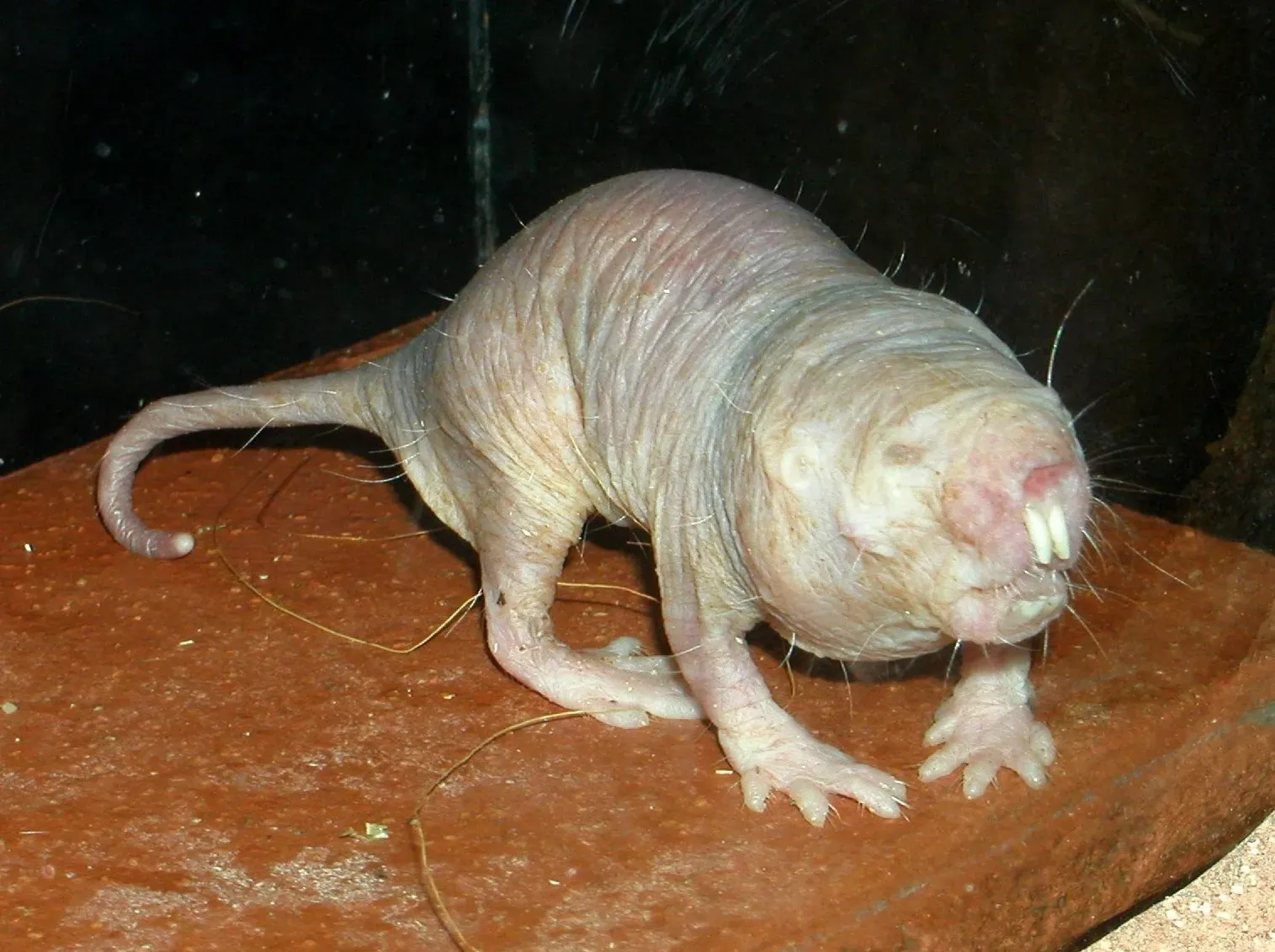
Let’s be real, naked mole rats are already bizarre enough without giving them a complex social language system. These hairless, mostly blind and deaf animals live in colonies of up to 300 individuals and communicate with high-pitched squeaks. Researchers have now discovered that, like humans and many birds, mole rat communities have their own dialect, which is kept alive by their queen. You read that correctly. The queen essentially controls the voice of the entire colony.
Calls emitted by individuals, particularly the common “chirp” call, convey information specific to the animal’s group, creating distinctive colony dialects. These group differences are cultural rather than genetic, and are related to the queen, as cross-fostered pups adopt their rearing colony’s dialects, and dialects change with queen replacement. In periods when a queen dies and is not yet replaced, dialects start to dissolve and become much more variable. Once a new queen emerges, the colony coheres again, suggesting that queens also somehow control the colony’s collective voice. A culture, enforced from the top down, through sound. Fascinating and just a little bit eerie.
Fruit Bats Argue, Flirt and Have Conversations With Context
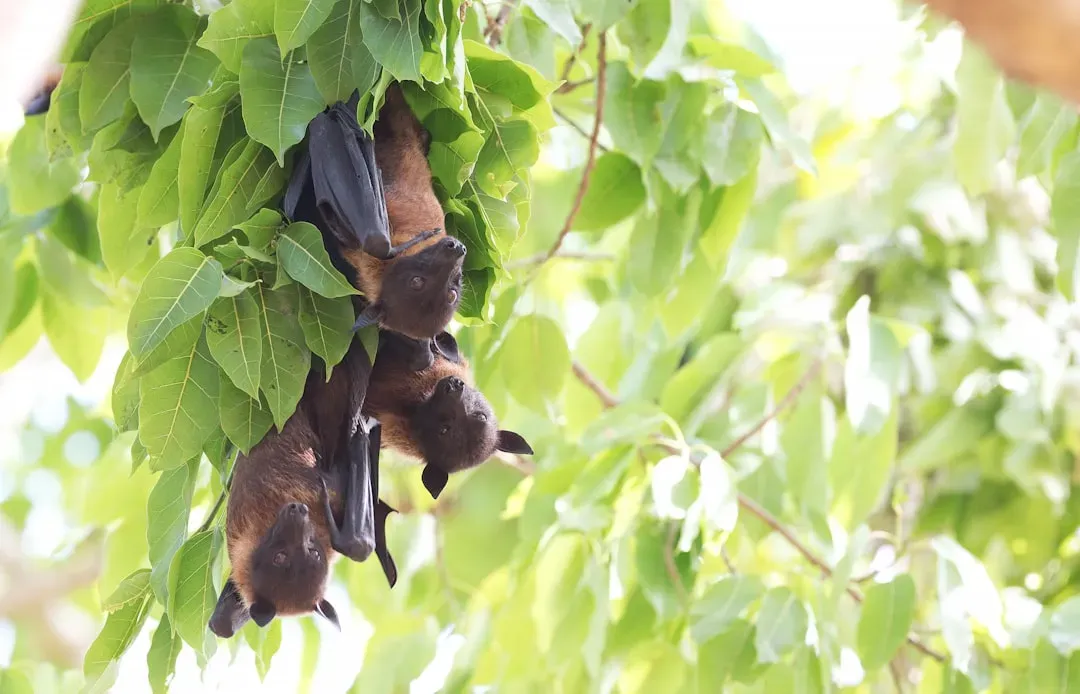
You might have assumed that bats just screech in the dark for navigation purposes. The reality is so much more layered. Fruit bats are highly social creatures who live in enormous colonies, and scientists have only recently begun to decode their vocalizations. After analyzing almost 15,000 distinct bat sounds, researchers found that a single vocalization can contain information about who the speaker bat is, the reason the vocalization is being made, the speaker bat’s current behavior, and the intended recipient of the call.
Rather than using “names” for each other as elephants do, the bats use different intonations of the same “words” to signal who they are talking to, sort of like using a different tone with your boss than with your parents. The study also found that when bats talk, they are usually arguing. Honestly, that last detail feels deeply relatable. The sheer richness of what those little sounds contain is something scientists are still working to fully decode, and this discovery is just the tip of an enormous iceberg.
Honeybees Pass Down Cultural Knowledge Through Dance
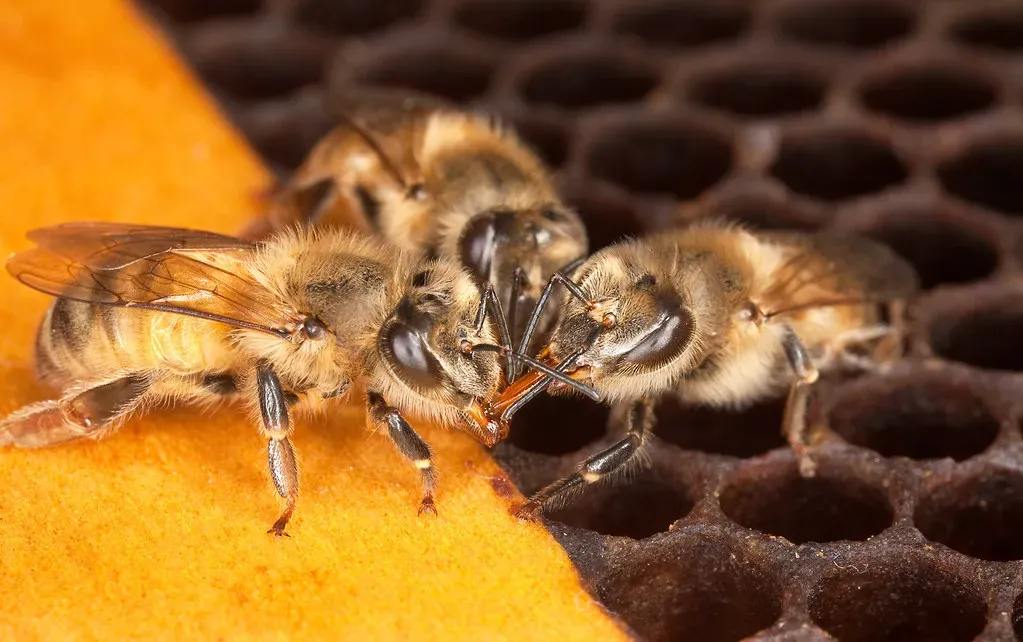
You have probably heard of the waggle dance, the famous way bees communicate the location of food. The waggle dance allows a bee to communicate the direction and distance of a food source relative to the sun, with the angle of the waggle corresponding to the direction and the duration reflecting the distance. This abstract representation of space, a symbolic communication, was once thought to be uniquely human. Think of it like a bee drawing you a map using only her body.
Here is where it gets even more interesting. Honeybees possess one of the most complex examples of nonhuman communication, and new research suggests that it is learned and culturally passed down from older to younger bees. Research has also shown that honeybees may even modify their dance in response to environmental factors like wind speed and obstructions between the food source and the hive. That is real-time adaptive communication. They are not running a simple program. They are updating their language based on conditions. That is a level of communicative flexibility that demands serious respect.
Cuttlefish Wave Their Arms in Expressive Patterns
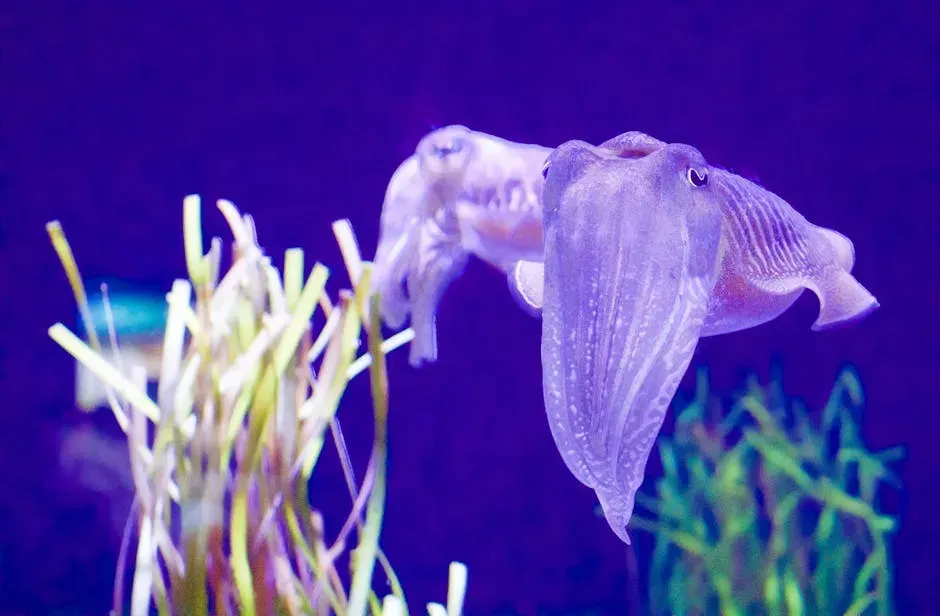
Now here is a creature most people have barely thought about in terms of communication. Researchers in Paris discovered that cuttlefish communicate by waving their arms in expressive patterns, a finding notable enough to earn them a runner-up position in the inaugural Coller-Dolittle Prize for accelerating progress towards interspecies two-way communication. Their arms, essentially acting as a visual language, are now being studied with serious scientific attention.
Cuttlefish are cephalopods, closely related to octopuses and squid, and their nervous systems are extraordinarily complex for invertebrates. What makes this discovery particularly mind-bending is the idea of a creature without a single centralized spine or vocal cord having something resembling a language built into its very limbs. I think this one gets underreported simply because cuttlefish are not as charismatic as whales or elephants. Still, the science is pointing squarely at them as one of the more surprising communicators in the animal kingdom, and researchers are only beginning to map what their gestures actually mean.
AI Is Now Decoding the Languages We Could Never Hear

Here is the thread that ties all of these discoveries together: technology. Machine learning could soon enable scientists to interpret patterns and meaning in animal communications and change our perception of life. That is not a small thing. When you consider how much of what is listed here was hidden in plain sight for centuries, unheard or misinterpreted, you start to understand how transformative AI-assisted decoding actually is.
Recent advancements in artificial intelligence might enable us for the first time to directly translate from animal communication to human language and back again. Scientists are actively developing two-way communication with other animals, which would have profound implications for animal rights, conservation, and our understanding of animal sentience. Knowledge of animal communication is growing by the year, and some researchers have suggested this knowledge might eventually lead to stronger animal welfare laws, with two professors in a 2024 paper arguing that animals capable of communicating complex emotions and ideas to humans should be granted additional legal protections. The conversation is no longer just scientific. It is becoming ethical, legal, and deeply philosophical.
Conclusion: The World Has Always Been Talking

What all of this really tells you is that the natural world was never silent. The languages were there all along, in the rumble of the earth, the click of a whale, the chirp of a tiny underground rodent, and the waving arms of a creature most people walk past in an aquarium without a second glance. You were just missing the tools to hear it.
The deeper science digs, the more it seems like the real discovery is not that animals communicate. It is that they have been doing it in ways far more sophisticated than humanity gave them credit for. Every time a claim of human uniqueness gets made, research has a way of quietly proving it wrong.
So here is the question worth sitting with: now that you know animals are calling each other by name, arguing in context-rich conversations, and passing down cultural knowledge through generations, does that change how you see the living world around you? What would you do differently if you could actually hear what they are saying?