
If you’ve ever looked at your pet and thought, “You’re clearly trying to tell me something,” you’re not imagining it. Across the animal world, from tiny insects to giant whales, communication is far richer and stranger than most of us were ever taught in school. And the wild part is: scientists are realizing we’ve only been hearing a small fraction of what’s really being “said.”
In the past few years, new technology – underwater microphones, AI pattern recognition, infrared cameras, even satellite tracking – has blown open our understanding of animal signals. Behaviors once dismissed as random noise or instinct now look a lot more like complex languages, full of nuance, emotion, and maybe even culture. Let’s dive into eight of the most surprising and mind-bending ways animals are “talking,” often right under our noses.
1. Whale Songs That Change Like Pop Music
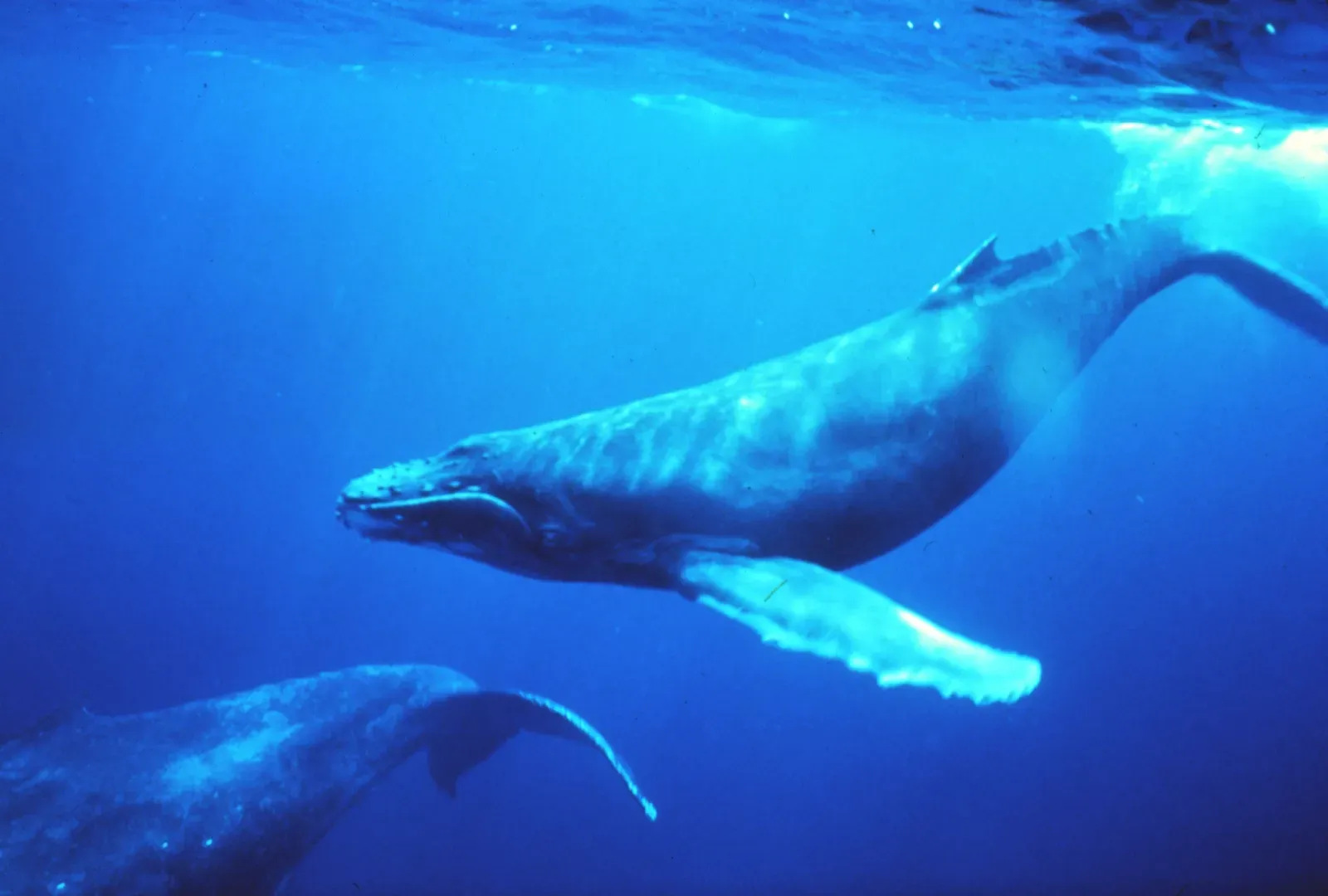
Imagine living in an ocean-sized concert hall where entire populations of whales slowly remix their own songs over time. That’s exactly what scientists have seen in humpback whales: their songs don’t just repeat; they evolve, spread, and sometimes get completely replaced, almost like musical trends sweeping through a region. Over several years, one style of song can move across entire ocean basins, as if it’s gone viral.
What’s shocking is how coordinated it all is. Male humpbacks in the same area often sing almost the exact same version of a song, then collectively shift to new themes and phrases as if following some unwritten creative rulebook. No one fully understands what every part of these songs means – whether it’s courtship, navigation, or social bonding – but the structure looks startlingly like a kind of culture. When you realize massive whales are basically updating their shared playlist, the ocean suddenly feels a lot less silent and a lot more alive.
2. Secret Ultrasonic Messages in the Forest

In many forests, a whole layer of communication happens at frequencies humans simply can’t hear. Rodents, bats, and even some frogs produce ultrasonic calls so high-pitched that, without special equipment, we’d never know they were chatting above our heads. Some mice switch to ultrasound specifically when they’re courting, sending rapid, complex songs that sound like harsh squeaks to us but look surprisingly melodic when visualized on a spectrogram.
Bats take this even further: they use ultrasonic sounds not just to locate prey but to coordinate with each other, defend territory, and possibly signal individual identity. For a long time, these calls were treated only as boring navigation tools, but newer research is finding patterns that look more like graded signals, not just on-or-off alarms. It’s like discovering that a language you assumed only had a few basic words actually has slang, accents, and maybe even arguments and flirting built into it.
3. Elephants Talking Through the Ground
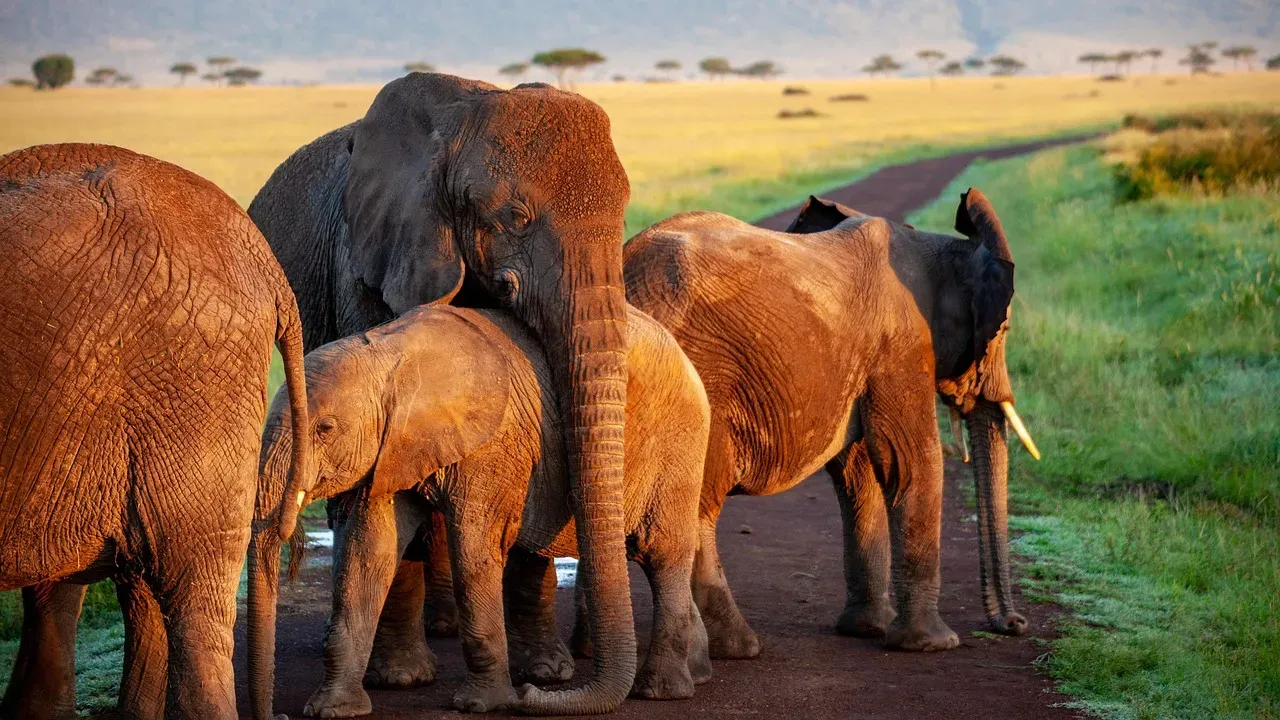
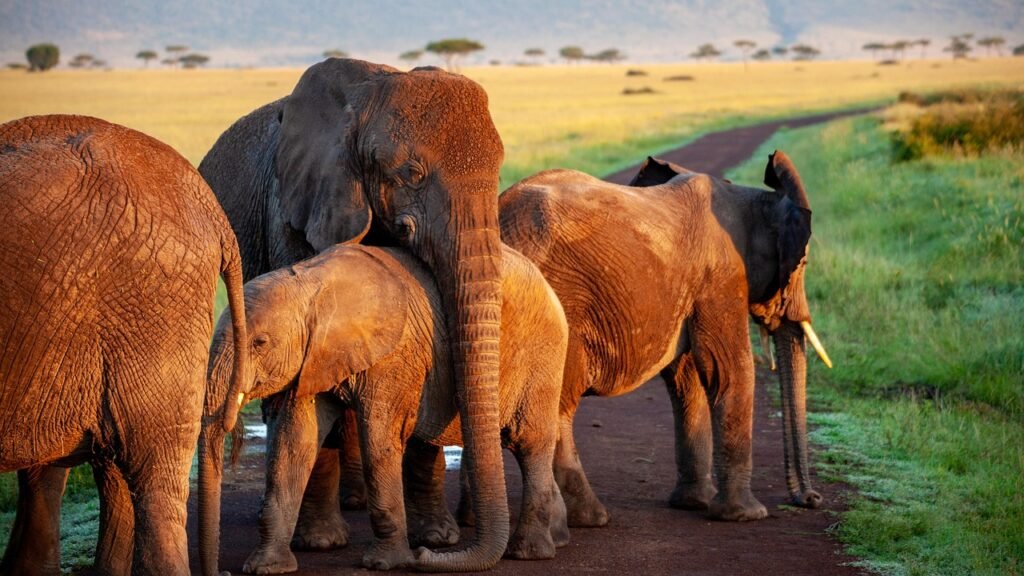
Elephants are famous for trumpeting, but some of their most important conversations happen in a way we don’t naturally notice: through the ground. They produce low-frequency rumbles that can travel long distances as vibrations in the soil, picked up through the sensitive pads on their feet and even bones in their legs. In open savannahs, these “seismic signals” can carry far beyond what sound in the air alone could manage.
Researchers have recorded elephants responding to distant rumbles that humans can barely detect, changing direction, bunching together, or moving faster as if reacting to specific instructions or warnings. Different patterns appear linked to different messages: a warning about predators, a call to move, or an invitation to a distant water source. Standing next to an elephant, it suddenly hits you that we’ve been deaf to half of their world, while they’ve been feeling the pulse of a conversation underfoot the whole time.
4. Color and Light Signals in the Ocean’s Dark
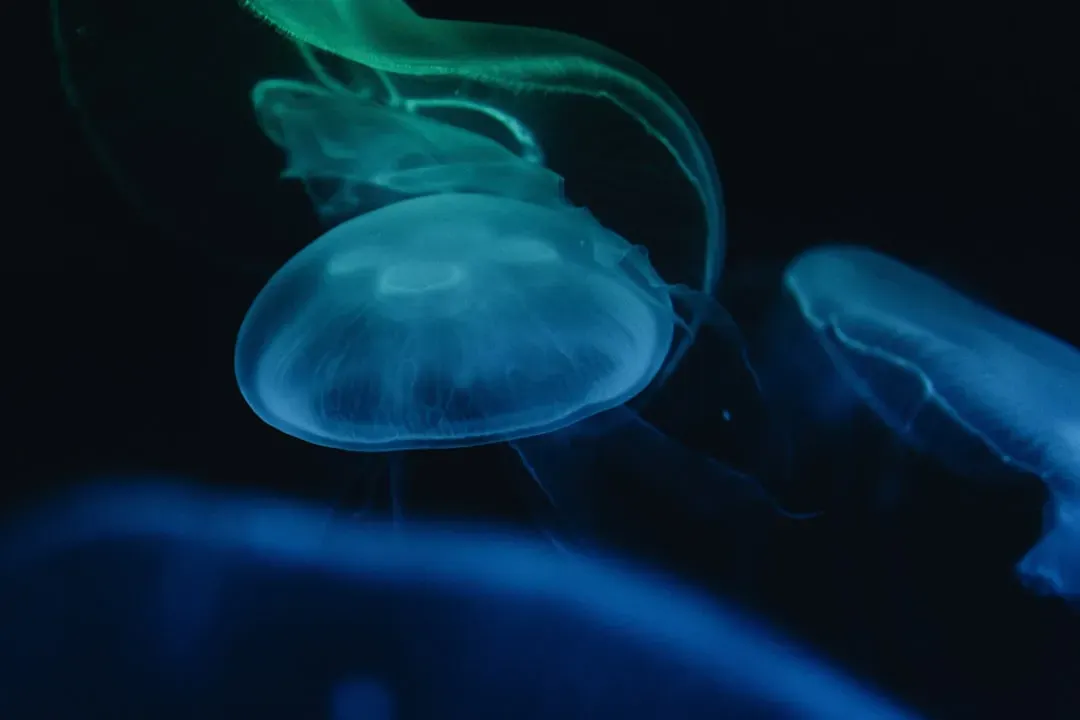
In the deep sea, where sunlight barely reaches or doesn’t reach at all, animals turn to light itself as language. Bioluminescent flashes, patterns, and glows help creatures recognize mates, lure prey, warn rivals, or blend into the soft shimmer of the surrounding water. Some squid and fish have light-producing organs they can control almost like living billboards, flicking signals on and off with remarkable precision.
Modern submersibles and cameras have revealed that what once looked like random twinkling is often tightly patterned, repeated, and clearly directed at nearby animals. Certain deep-sea squid, for example, create rippling waves of light along their bodies that seem like very intentional messages rather than simple camouflage. It’s like walking into a dark room, turning on a blacklight, and suddenly realizing there are glowing notes and signs everywhere that you just couldn’t see before.
5. Bees Dancing Detailed Directions
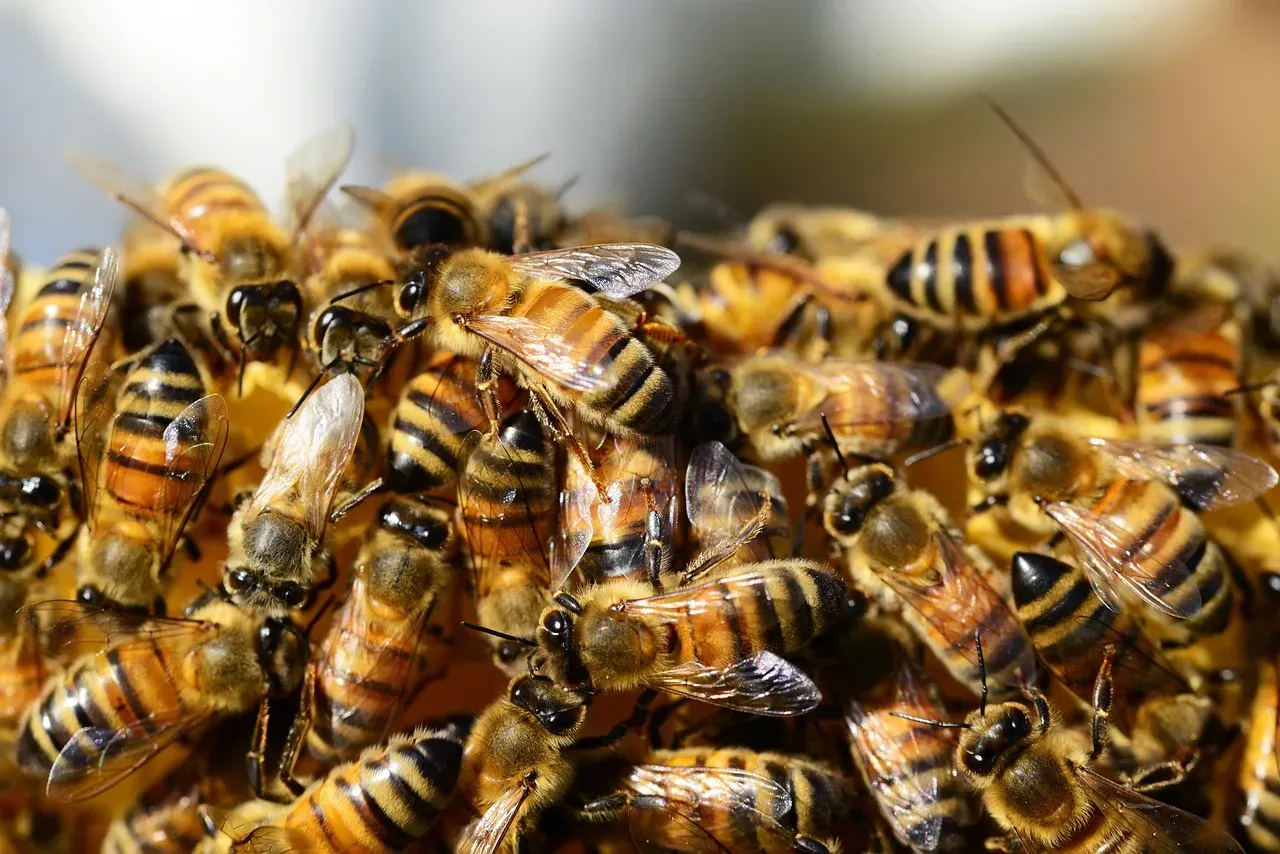
Bees don’t just buzz around aimlessly; they literally dance maps for each other. Inside a dark hive, a returning forager performs a “waggle dance,” running in figure-eight patterns whose angle and duration encode the direction and distance to flowers or water. To be blunt, this is a kind of GPS shared through body language, and it is detailed enough that other bees can fly straight to the same spot.
What’s especially wild is how nuanced these dances can be. Bees adjust their signals depending on the quality of the food source, the position of the sun, and even the landscape. Newer work suggests they may also incorporate a kind of “opinion” about how good a resource is, with longer or more enthusiastic dances recruiting more nestmates. When you watch a swarm of bees pouring out of a hive after a single bee’s performance, it feels less like insects acting on instinct and more like a tiny, democratic information system humming along.
6. Fish Using Sound, Not Just Silent Swimming

Most of us grow up thinking fish are silent, simple creatures gliding through the water. That image is increasingly outdated. Many fish species produce sounds by grinding teeth, vibrating swim bladders, or rubbing body parts together, creating grunts, pops, hums, and even rhythmic beats. These aren’t random: they line up with courtship, territory defense, group coordination, and alarm.
With underwater microphones, scientists have started mapping “soundscapes” of coral reefs, estuaries, and lakes, revealing that fish choruses swell and fade throughout the day and night. Some reefs even have characteristic acoustic “signatures,” built from the overlapping calls of many species. Noise pollution from boats and coastal development is now suspected of interrupting these conversations, making it harder for fish to find mates or stay with their groups. Once you hear a reef’s constant crackle and chatter, the idea of a quiet underwater world evaporates instantly.
7. Primates and the Building Blocks of a Proto-Language
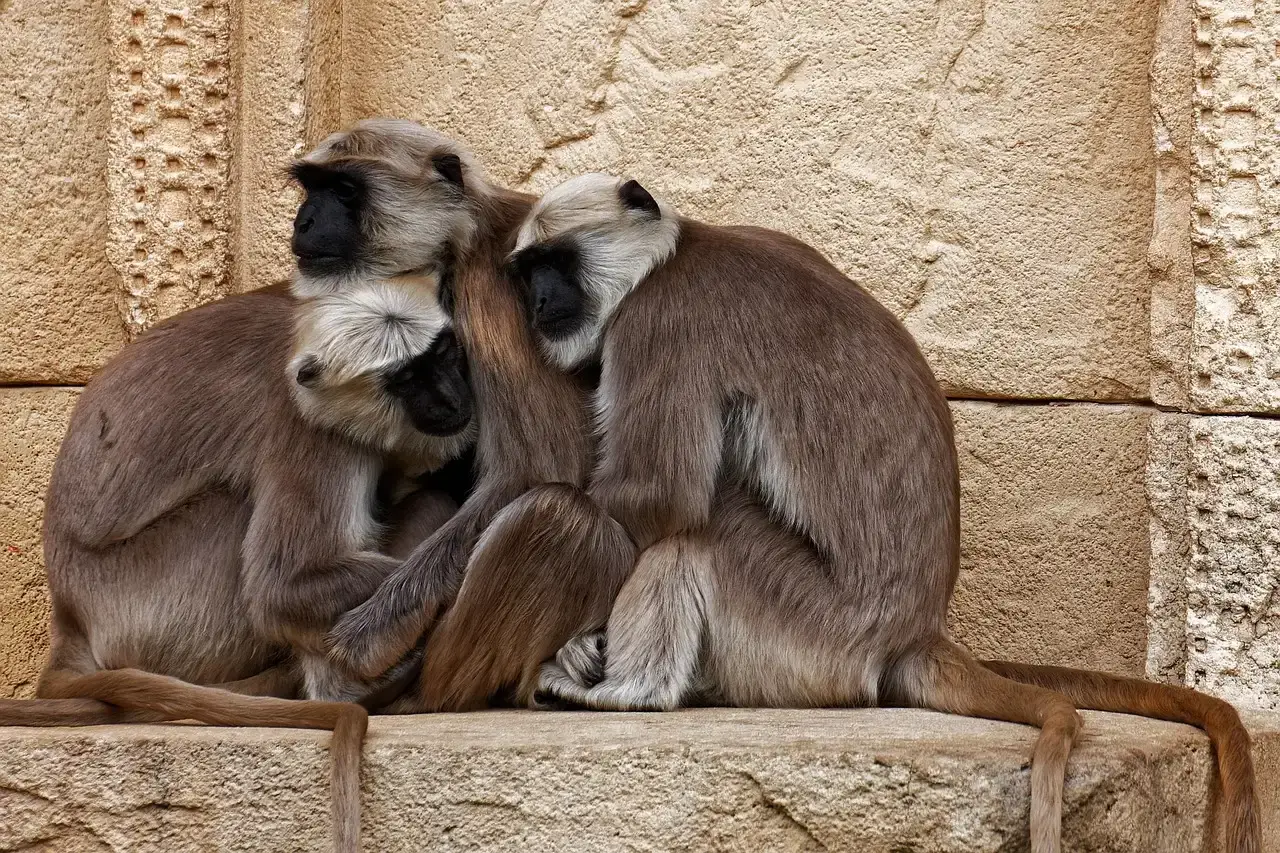
Monkeys and apes obviously vocalize, but the closer researchers look, the more structured some of those calls appear. Certain monkey species use combinations of simple sounds in different sequences to convey different meanings, almost like a very basic vocabulary. One type of call might generally mean “eagle,” another “leopard,” but put together or repeated in different ways, they seem to tweak the message: danger in the sky, danger on the ground, move now, or stay hidden.
Great apes also combine gestures, facial expressions, and vocalizations in rich ways that shift depending on who they’re “talking” to and what’s at stake. Some studies suggest there are shared gesture repertoires across different groups, as if there’s a kind of loose grammar or etiquette everyone is following. Watching a chimp calmly reach out, tap another’s arm, and then give a soft call feels almost uncomfortably familiar – like catching a glimpse of a cousin of human language that never quite became spoken words but still carries intent, emotion, and negotiation.
8. Corvids and Emotional, Memory-Rich Calls
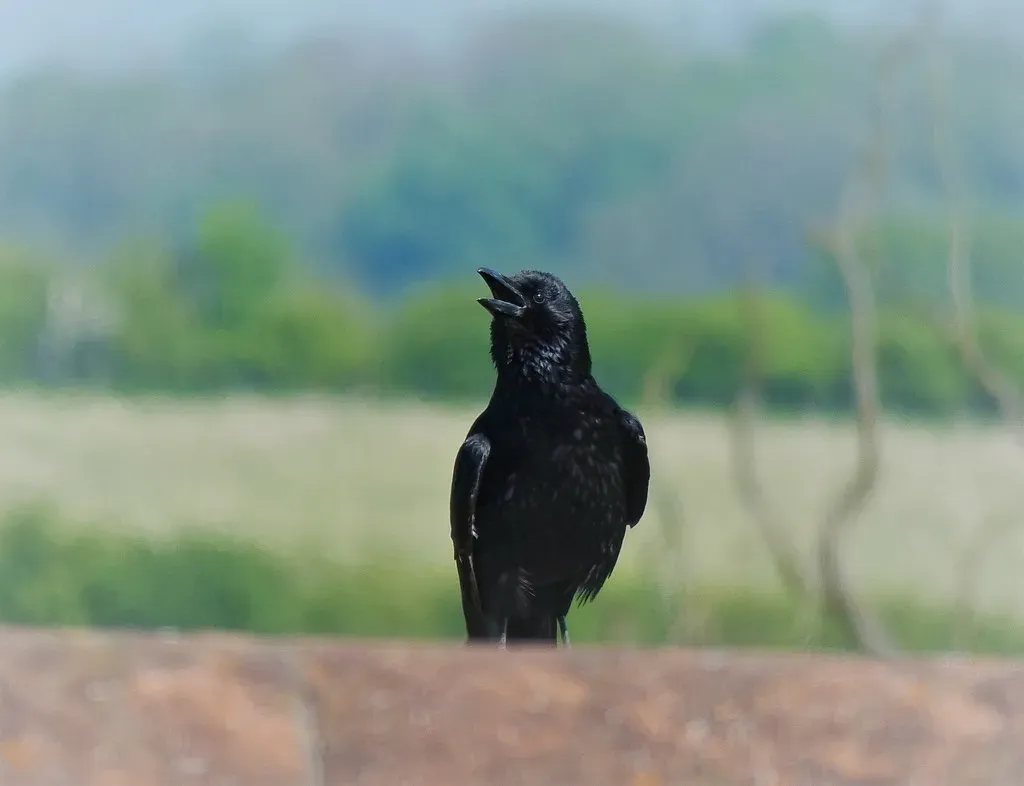
Crows, ravens, and their relatives – collectively called corvids – have a reputation for being clever, and their communication is just as impressive. They use a wide variety of calls that change depending on context: a predator overhead, food discovered, a rival nearby, or a trusted human approaching. Some alarms appear highly specific, signaling not just danger, but what kind and from where, allowing others to respond with tailored evasive moves.
What’s especially eerie is their long memory and apparent ability to share social information over time. Crows can remember human faces associated with threats and will scold those people years later, sometimes drawing in other crows that were not present at the original event. Their calls can rally groups to harass a predator or investigate something new together. It feels less like basic “squawking” and more like neighborhood gossip, passed along and updated, with all the emotion that kind of social world naturally carries.
Listening to a Noisy, Hidden Conversation
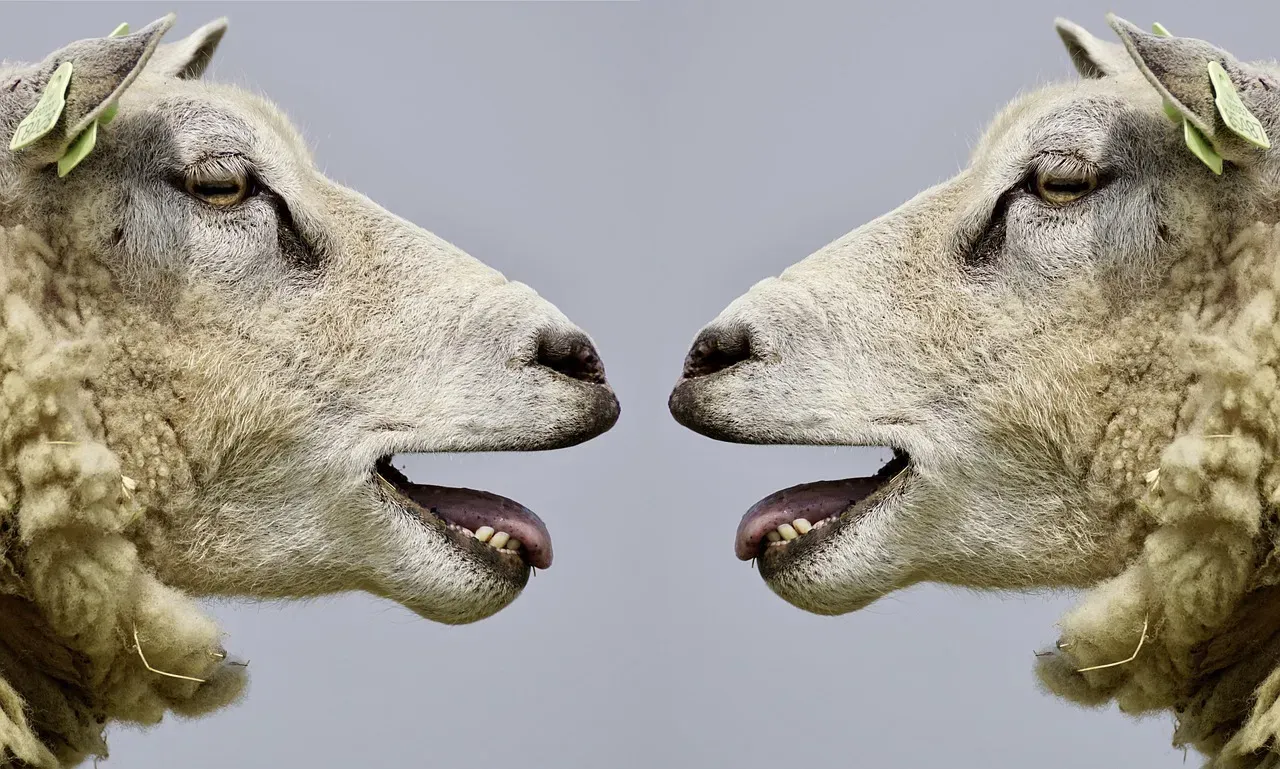
When you put all these pieces together – whale songs that spread like trends, elephants feeling messages through their feet, bees dancing directions, crows passing on reputations – the idea that humans sit alone on some “communicative throne” starts to crumble. Instead, Earth looks more like a crowded café where everyone’s been talking the whole time, and we’re just now taking out our earbuds and noticing. It’s humbling, and honestly a bit unsettling, to realize how much meaning has been swirling around us in frequencies, gestures, and vibrations we barely knew existed.
As technology sharpens our senses and AI tools help decode patterns too complex for the human eye, we’re likely to find even more surprising forms of animal communication. That raises hard questions about how we treat other species, but also exciting possibilities for learning from them – about cooperation, resilience, and maybe entirely new ways of thinking. If animals have been “speaking” all along, the real question might be: how much longer are we going to pretend we’re the only ones with something important to say?