

If you think plants just sit there looking pretty, get ready to have that idea completely shattered. Some plants can move fast enough to snap shut on prey, survive being frozen solid, or even help clean up nuclear disasters. They might not shoot lasers or talk like in the movies, but what they actually do in the real world is often stranger, and honestly, a bit more impressive.
In this article, we’ll explore eight real plants with abilities that sound almost unreal until you see the science behind them. From meat-eating leaves to “resurrection” shrubs that look dead and then suddenly spring back to life, these plants quietly break the rules we think we know about nature. By the time you reach the end, you may never look at that harmless-looking patch of green in the same way again.
Venus Flytrap – The Carnivore With A Lightning-Fast Snap
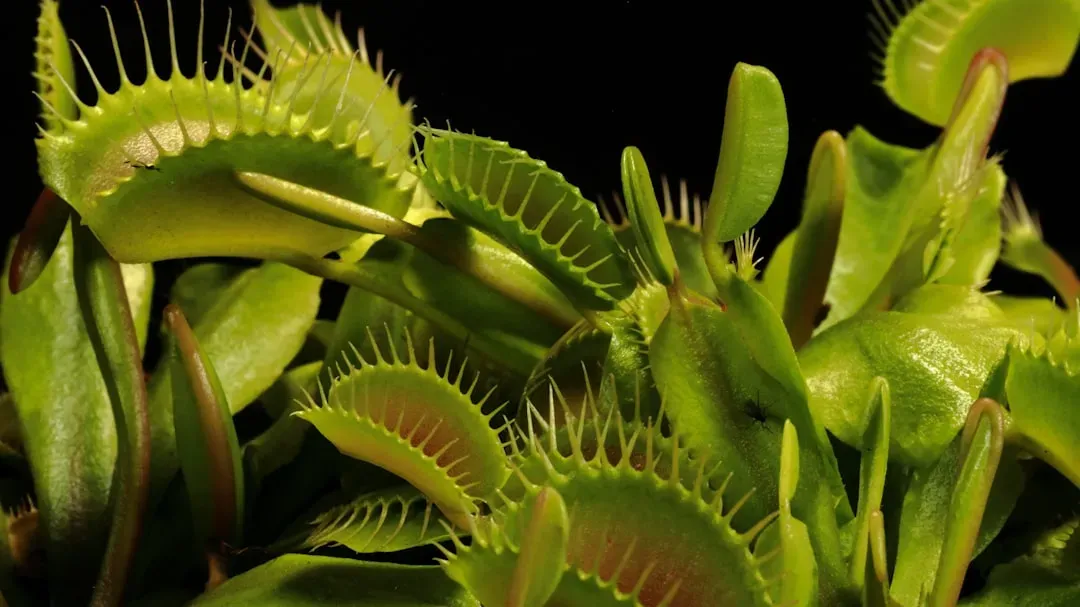
Imagine a plant that can count, set a trap, and then digest its victim. The Venus flytrap does exactly that, and it’s not science fiction at all. Native to the wetlands of North and South Carolina in the United States, this small plant has modified leaves that look like tiny green jaws lined with hair-trigger sensors. When an insect touches these hairs twice in a short window of time, the trap snaps shut in a fraction of a second, fast enough to imprison a fly before it can escape.
What’s wild is that the plant doesn’t close for just any random touch; those two quick trigger events help it avoid wasting energy on raindrops or debris. Once the trap closes, the edges seal and the plant releases digestive enzymes to break down soft tissues, absorbing nutrients like nitrogen that are scarce in its swampy home soil. It’s basically nature’s way of giving a plant a backup food source when the dirt around it has almost nothing to offer. Seeing one in action feels weirdly personal, like watching a green, silent hunter patiently doing math with touch signals.
Resurrection Plant – The “Dead” Shrub That Comes Back To Life
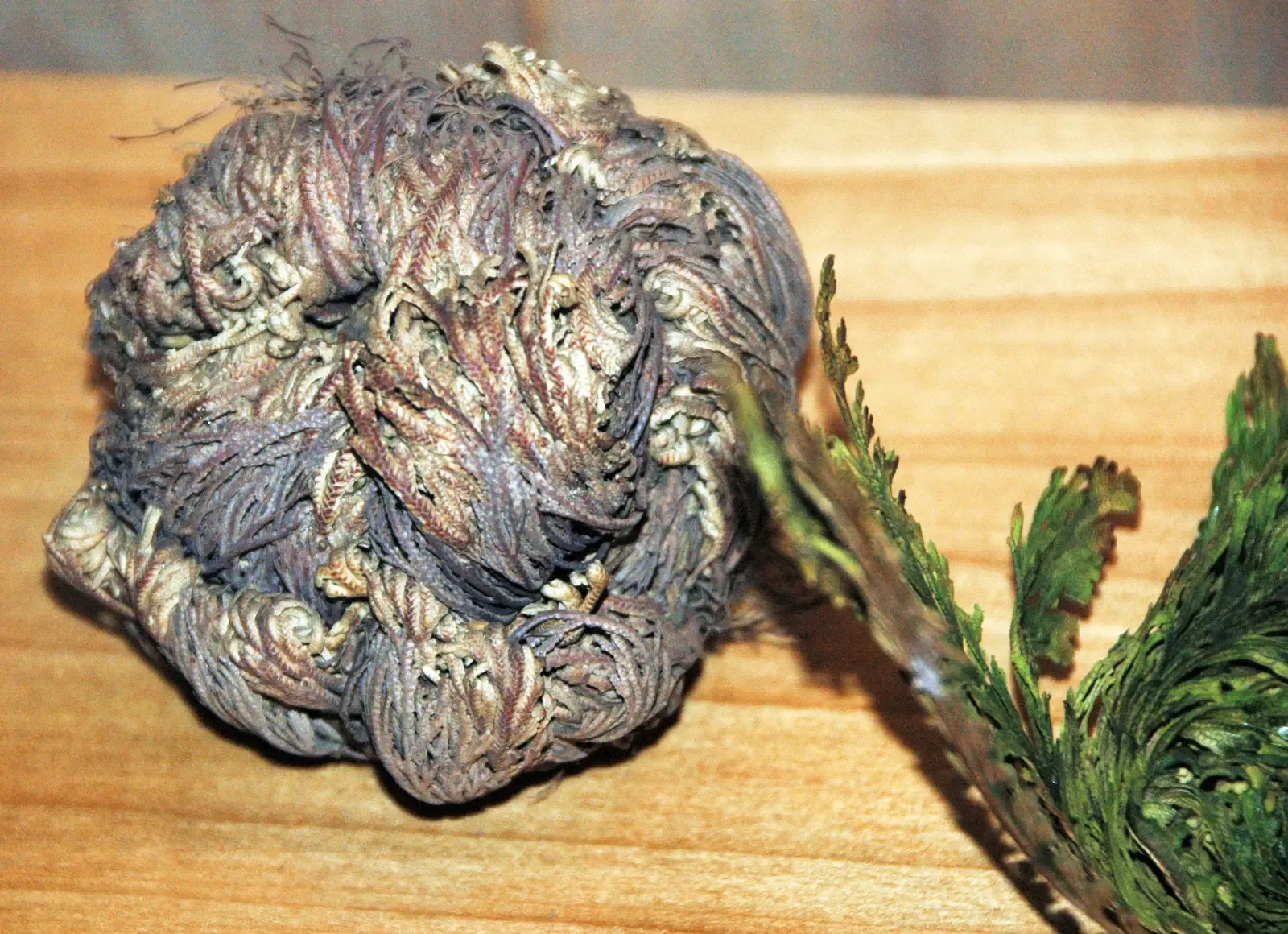
There’s a plant out there that can look completely dead for months or even years, then spring back to life when it finally gets water. Commonly called the resurrection plant, species like Selaginella lepidophylla from desert regions famously curl up into a tight, brown ball when dry. In that state, it looks more like a tumbleweed or a piece of dried moss than something alive, yet its cells are in a kind of extreme pause, not truly gone.
When rain finally falls, this ball slowly unfurls and turns green again, reactivating photosynthesis and normal metabolism. The secret is in special sugars and protective molecules that stabilize its cells while nearly all the water is gone, preventing the kind of damage that would kill most other plants. Scientists study resurrection plants because they hint at ways crops could better survive droughts and climate extremes. I still remember the first time I poured water over one in a lab setting and watched it open over a day – it felt less like botany and more like witnessing a magic trick in slow motion.
Mimosa Pudica – The Shy Plant That Flinches When You Touch It
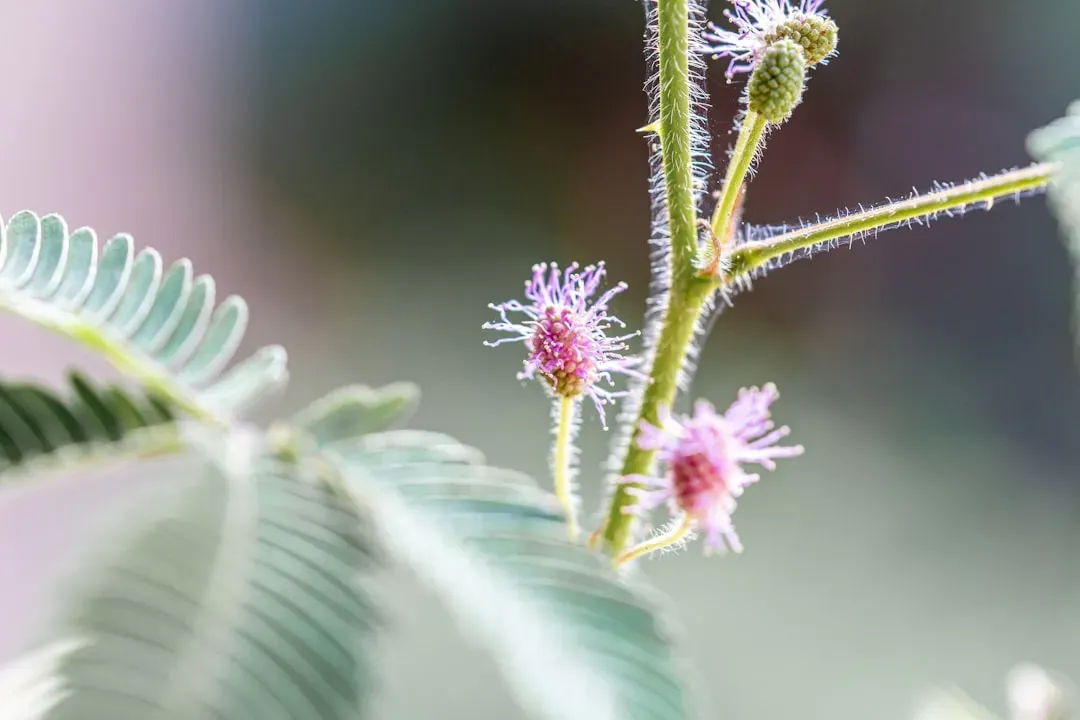
Mimosa pudica is often called the “sensitive plant” or “touch-me-not,” and once you see it react, you understand why. Brush your fingers along its feathery leaves, and within seconds they fold inward and droop, as if the plant is shy or startled. This rapid motion is driven not by muscles, of course, but by shifts in water pressure inside specialized cells at the base of each leaflet and leaf stalk, causing them to collapse temporarily.
In nature, this dramatic flinching may help protect the plant from herbivores by making it look wilted and unappetizing, or by startling insects that might otherwise chew on it. The movement is also triggered by vibration, heat, or strong airflow, not just direct touch, showing how sensitive the plant really is to changes in its environment. As kids, many people treat Mimosa like a live toy, poking and watching it “play dead,” but underneath that simple fun there’s some serious bioengineering at work. It’s like the plant world’s version of a nervous system, though built from fluid and cell walls instead of nerves and muscles.
Rafflesia Arnoldii – The Giant “Corpse Flower” That Smells Like Rotting Flesh
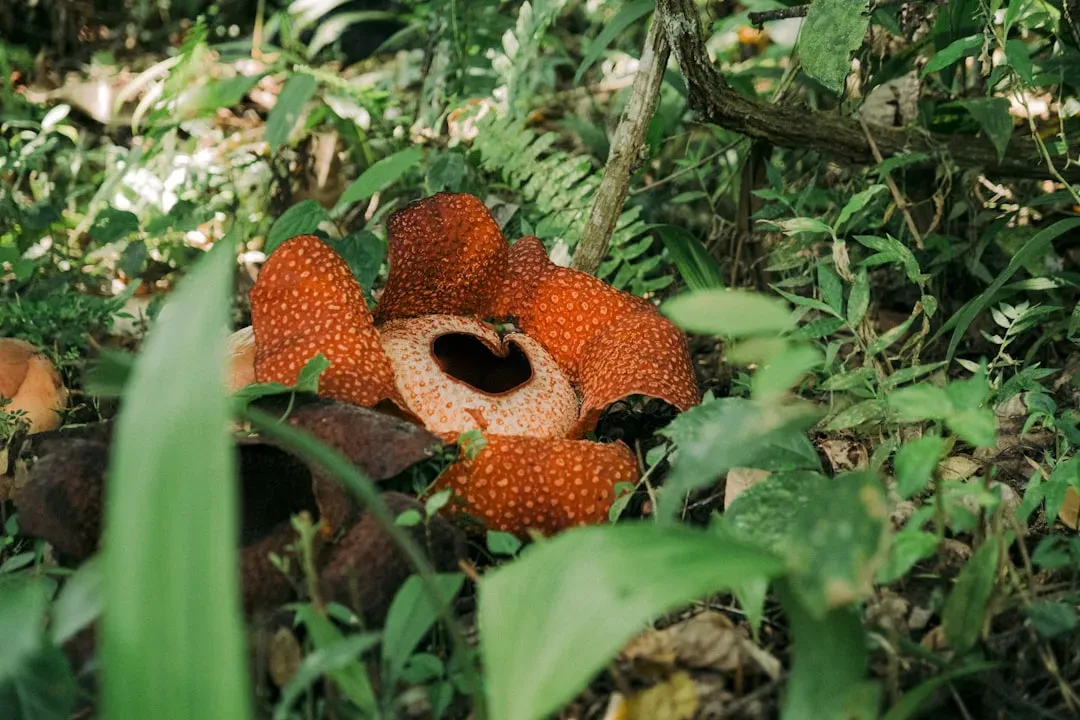
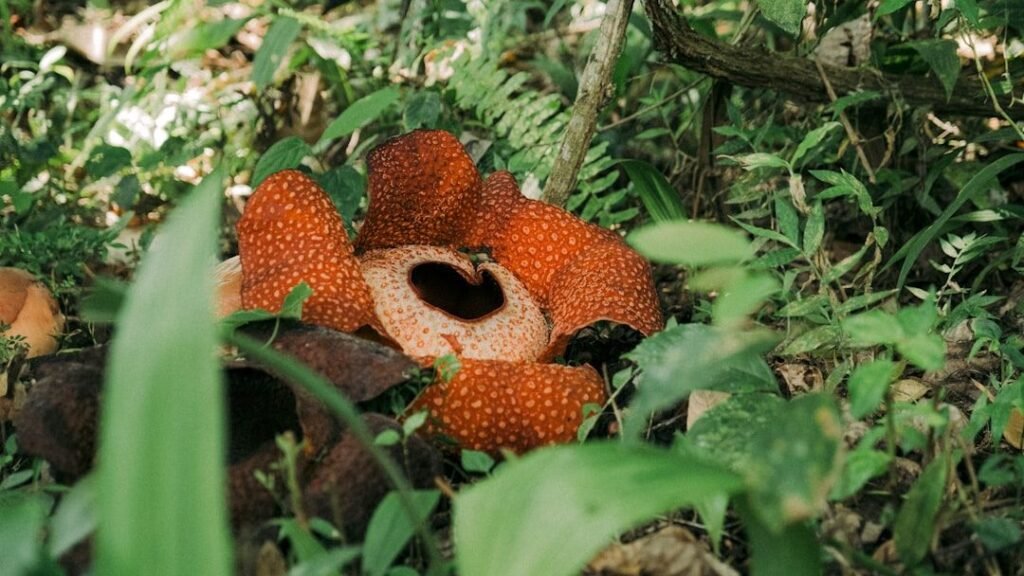
Rafflesia arnoldii might be the most dramatic flower on the planet, and not only because it can weigh as much as a small dog. Growing in the rainforests of Southeast Asia, this plant produces one of the largest individual flowers known, sometimes more than a meter across. But the real shock comes from the smell: it releases a strong, rotting-flesh odor that can make people recoil, especially if they’re not expecting it.
That horrific scent is not a mistake; it’s bait. Rafflesia has evolved to attract flies and other insects that normally feed on or lay eggs in decaying meat, tricking them into visiting the flower and carrying pollen between plants. Even stranger, Rafflesia has no stems, roots, or leaves in the usual sense and lives as a parasite inside certain vines, only revealing itself when the massive flower bursts out. It’s a reminder that in nature, beauty and disgust can be tightly connected, and what seems monstrous to us can be wonderfully efficient for survival.
Pitcher Plants – The Living Pitfall Traps That Digest Their Victims
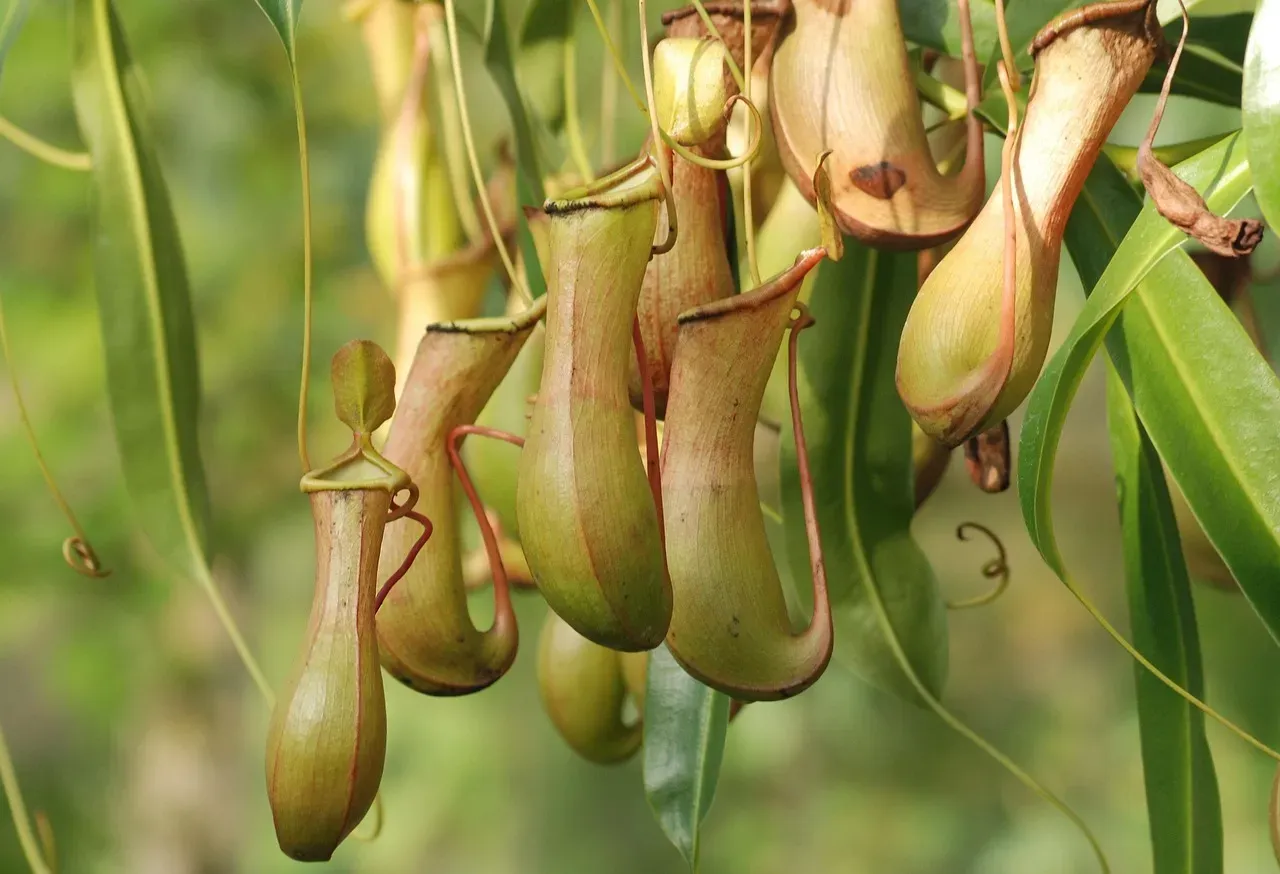
Pitcher plants look as if someone crossed a flower with a deep, elegant vase and then gave it a dark sense of humor. Their “pitchers” are modified leaves shaped like hollow tubes or cups that collect rainwater or digestive fluid. The rim is often slippery and sometimes lined with nectar that tempts insects to come closer, and once a bug loses its footing, it tumbles inside and struggles in vain to climb back out.
Many pitcher plants have downward-pointing hairs and slick, waxy surfaces that turn the inside of the pitcher into a one-way slide. Trapped insects eventually drown or exhaust themselves, and the plant then absorbs the nutrients as their bodies break down. Some species even host specialized insect larvae or microbes that help process the prey, almost like a tiny ecosystem inside a single leaf. What fascinates researchers is how different pitcher plants around the world have arrived at similar deadly designs, as if evolution kept reinventing natural cups of doom in different forests and bogs.
Welwitschia Mirabilis – The Two-Leaf Plant That Can Live For Centuries
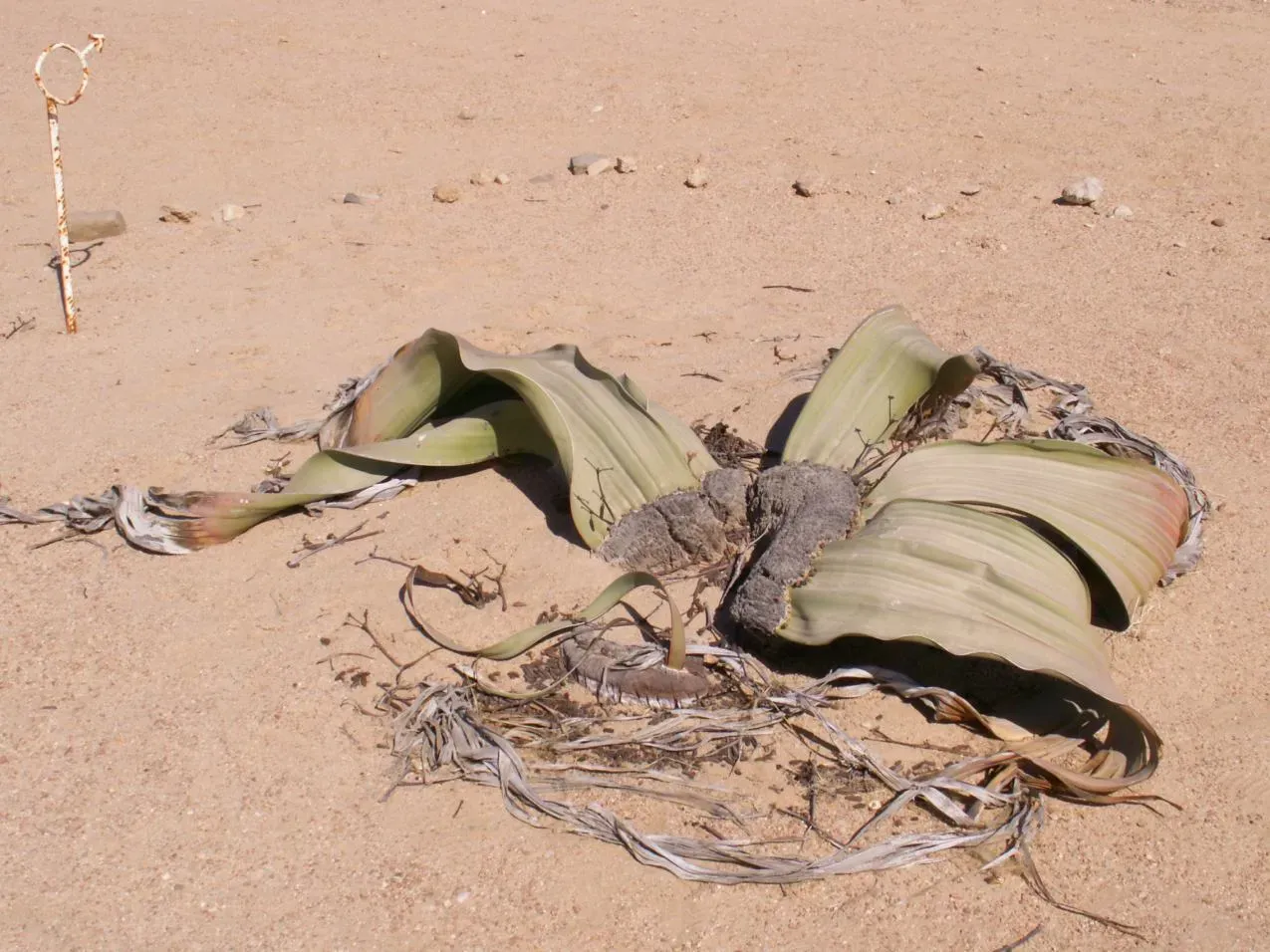
Welwitschia mirabilis looks so strange that, at first glance, it barely registers as a plant. Native to the Namib Desert in southern Africa, it spends its entire life with just two leaves that grow continuously from the base, slowly fraying, splitting, and curling into a tangled mess as the years go by. Some individuals are thought to be many centuries old, having endured intense sun, desert winds, and almost no rainfall for a lifespan that makes most trees seem short-lived.
This plant pulls moisture mostly from coastal fog and extremely sparse groundwater, making a living in one of the harshest climates on Earth. Its incredibly slow metabolism and tough, leathery leaves help it conserve resources in a place where almost nothing else survives for long. Seeing photos of Welwitschia, it looks like a heap of old straps or weathered ribbons lying on the sand, but hidden in that chaos is a finely tuned survival strategy. It’s a quiet argument against the idea that life needs lush conditions to be resilient and long-lasting.
Duckweed – The Tiny Plant That Could Help Clean Water And Feed The Future
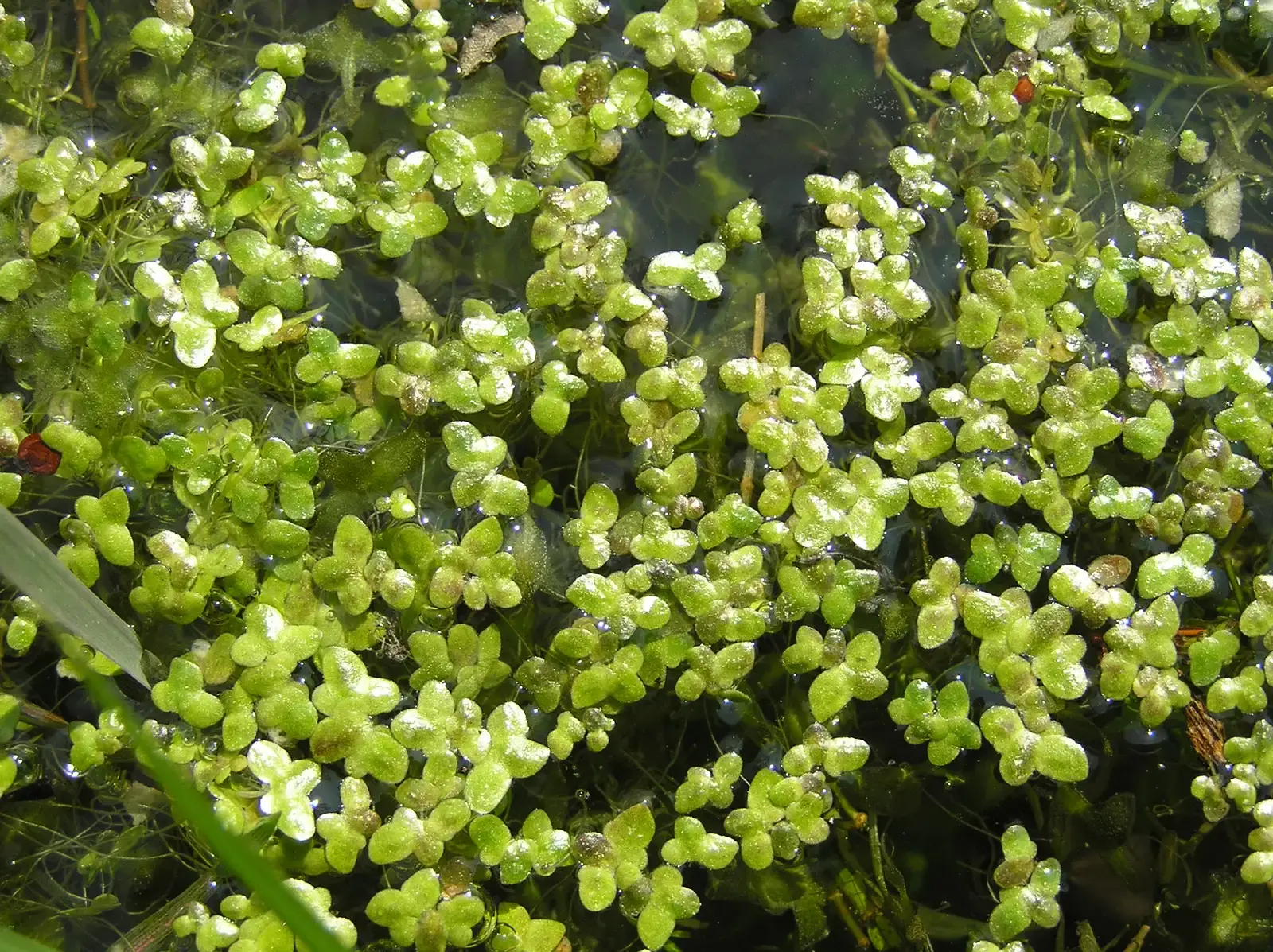
Duckweed is easy to overlook: it’s that thin, bright-green layer you sometimes see covering ponds and still water like a living carpet. Each plant is tiny, just a simple floating disk with delicate roots trailing underneath, but together they can spread rapidly across a surface. Some species of duckweed are among the fastest-growing plants known, doubling their biomass in a matter of days when conditions are good.
This rapid growth makes duckweed a promising tool for cleaning wastewater, because it can absorb nutrients like nitrogen and phosphorus that would otherwise cause harmful algal blooms. On top of that, duckweed is rich in protein and has been studied as a potential animal feed and even a human food supplement in certain regions. It’s like the plant world’s minimalist: almost no structure, no drama, just efficient growth and useful output. The idea that something so small and simple could help tackle pollution and food challenges feels both humble and revolutionary.
Sunflowers – The Natural Solar Trackers With Hidden Superpowers
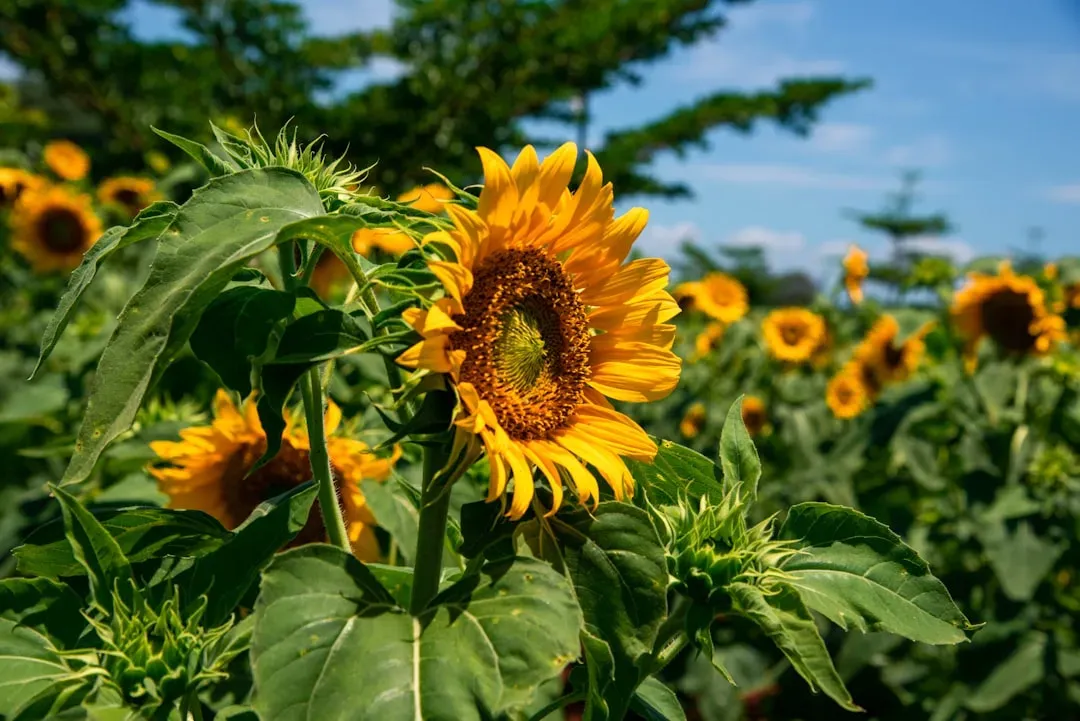
Sunflowers might seem too familiar to be on a list of unbelievable plant powers, but what they do as they grow is quietly astonishing. Young sunflower heads track the sun across the sky during the day, turning east to west, and then slowly reset overnight so they can face the sunrise again. This movement, called heliotropism, helps them capture more light, grow faster, and attract more pollinators once they open into full blooms.
Beyond their solar-tracking behavior, sunflowers also have a knack for pulling heavy metals and contaminants out of soil and water, a process known as phytoremediation. They’ve been planted in areas affected by industrial pollution and nuclear accidents to help reduce environmental toxins. On the surface, they’re just bright, cheerful flowers that people put in vases, but under the surface they’re doing complex physics and chemistry on a daily basis. It’s a good reminder that sometimes the most extraordinary abilities are hiding in plain sight, right in the plants we think we already understand.
These eight plants prove that the line between ordinary and extraordinary in nature is much thinner than it looks. From flesh-eating traps and shape-shifting leaves to desert survivors and pollution-cleaning powerhouses, each one bends the rules of what most of us assume plants can do. Once you learn how they move, feed, defend, and endure, it’s hard not to feel a new respect for the silent green world around you.
The next time you walk past a patch of plants, it might be worth pausing for a second and wondering what hidden tricks they’re using just to stay alive. If these are only a few of the wild abilities we already know about, how many more are still waiting quietly in a forest, swamp, or desert somewhere, doing the impossible without anyone watching?


