If you could hitch a ride with any animal on Earth, you’d have to make a tough choice. Do you follow a tiny bird that chases summer from pole to pole? A turtle that quietly crosses entire oceans? Or a cloud of butterflies that takes several generations just to finish one trip? You live on a planet where some of the wildest journeys ever attempted are happening over your head and beneath your feet, mostly unseen.
Even with satellites, GPS tags, drones, and underwater receivers, scientists are still baffled by big parts of these migrations. Devices fall off, batteries die, animals dive too deep or fly too high, and entire legs of their routes just vanish from the data. You get glimpses of their paths like pieces of a map torn in half. The eight migrations you’re about to explore are all incredible for their scale and their mystery – and you still can’t draw their routes as neat lines on a globe.
1. Arctic Terns: Chasing Summer From Pole to Pole
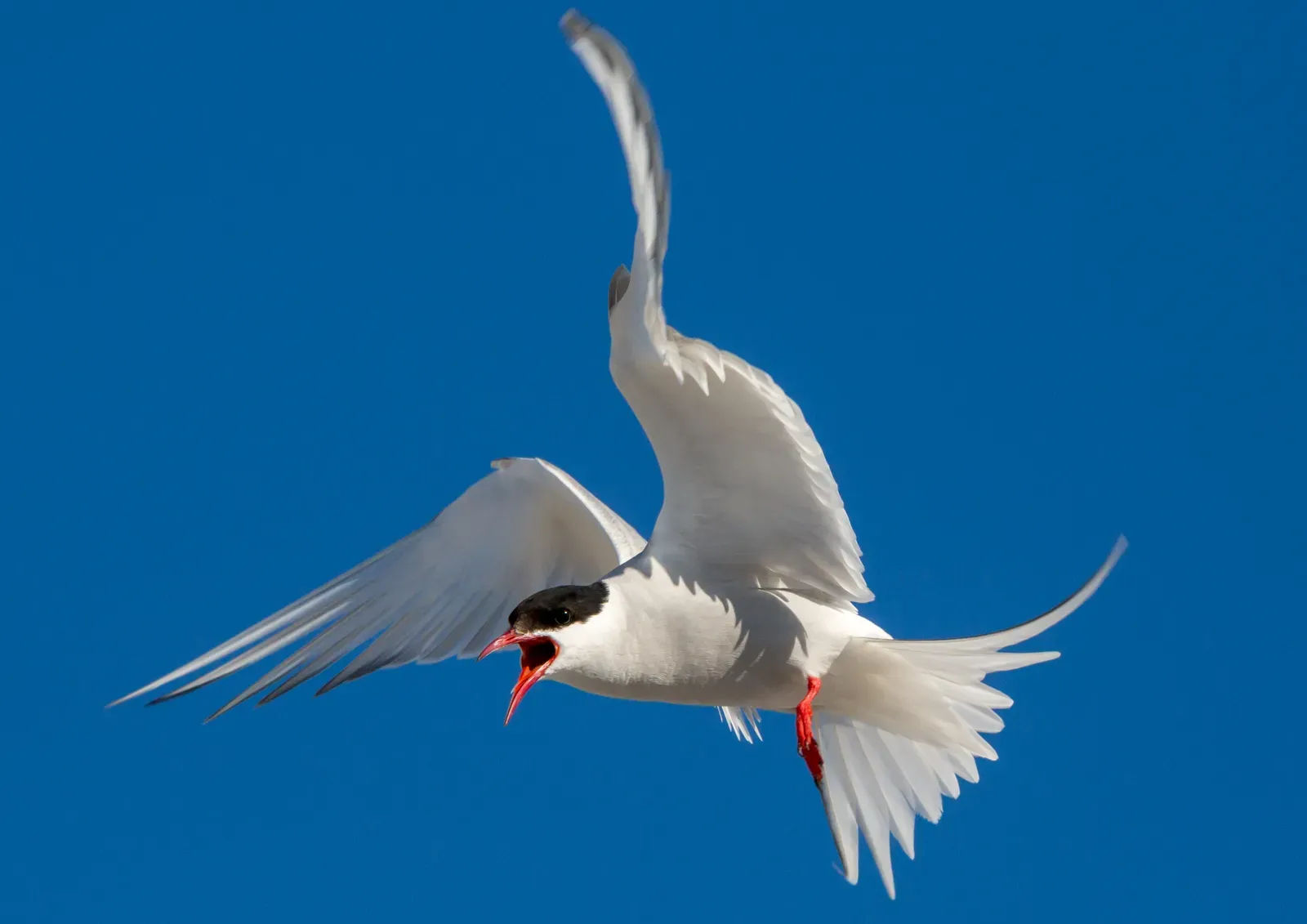
Imagine you decide you’re done with winter forever and simply follow the sun around the planet. That’s basically what Arctic terns do, and you still don’t know every twist and turn of their route. You know they breed in the far north, then head all the way to the Antarctic and back, covering distances that can add up to tens of thousands of kilometers in a single year. Tiny tracking devices have revealed looping, zigzagging paths that stretch across entire oceans rather than simple straight lines between poles.
But even those devices only tell part of the story. Not every tern gets tagged, and many tags are simple loggers that only give you data if the bird is recaptured, which almost never happens. You also have big gaps during storms, over pack ice, or when birds fly in ways that devices can’t record precisely. You can see broad patterns – like a preference for productive ocean fronts and prevailing wind routes – but individual choices remain a black box. From your perspective, whole chunks of their journey are still guesswork pieced together from scattered dots on a map.
2. Bar-Tailed Godwits: Nonstop Flights Over an Empty Ocean
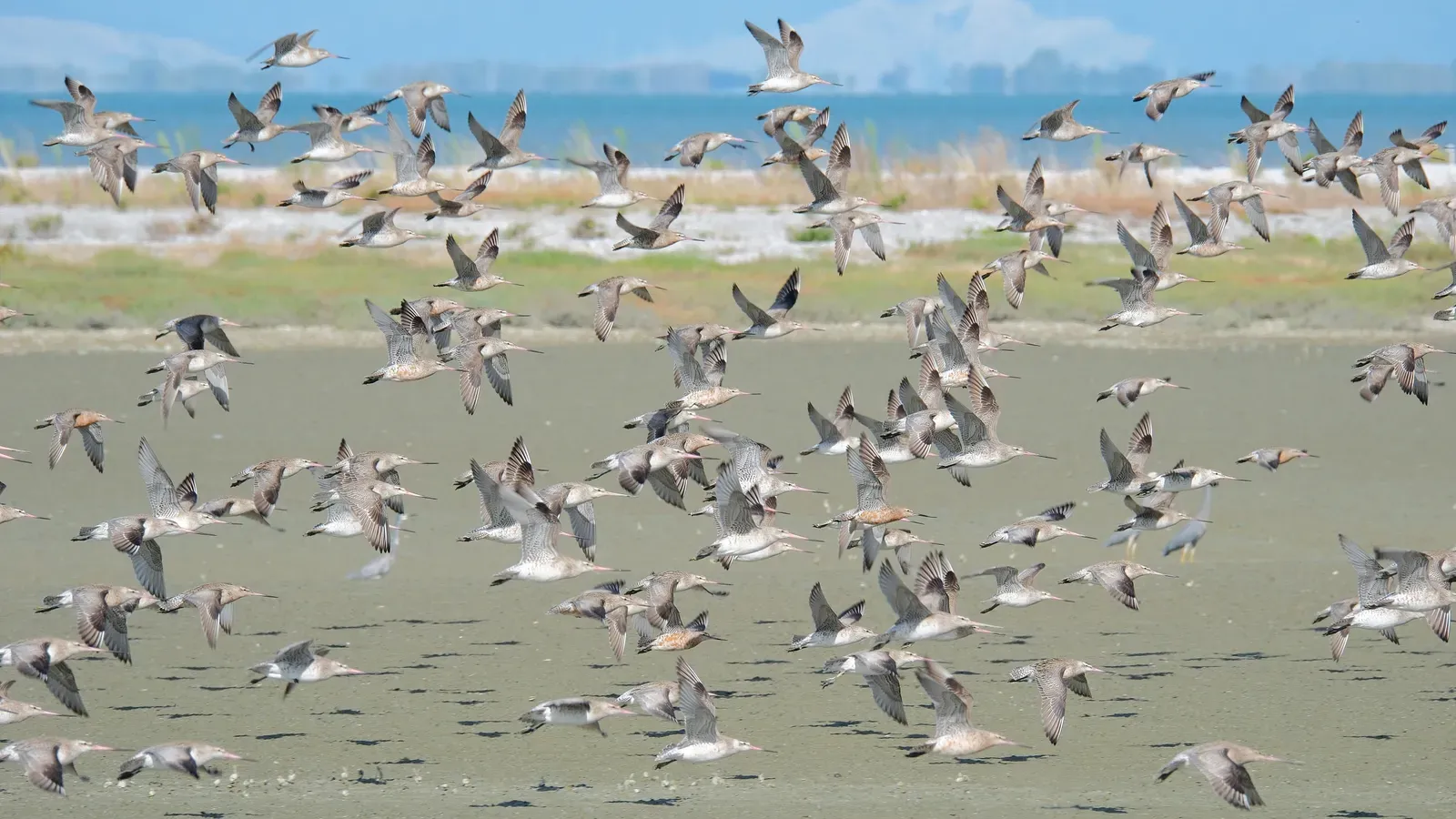
If you’ve ever dreaded a long-haul flight, picture a bar-tailed godwit leaving Alaska and flying to the southern hemisphere without stopping once to eat or rest. You’re talking about flights that can last more than a week over open Pacific, powered only by fat reserves stored in its body. Tracking data has confirmed record-breaking nonstop journeys spanning well over ten thousand kilometers. Yet you still don’t fully understand how each bird chooses its exact path across such a huge, empty seascape.
Satellite tags can show you broad routes, but they often update infrequently, leaving big gaps over the middle of the ocean. You know godwits ride helpful winds and avoid storms when they can, but you don’t know how they sense those systems far ahead or how flexible they are mid-journey. You also do not have reliable detail on what happens if headwinds hit them hard or if they run low on energy. There are no mid-ocean resting platforms for them, so any adjustment has to happen in the air, and your current data is too coarse to reveal those moment-by-moment decisions.
3. Monarch Butterflies: A Multi-Generational Road Trip
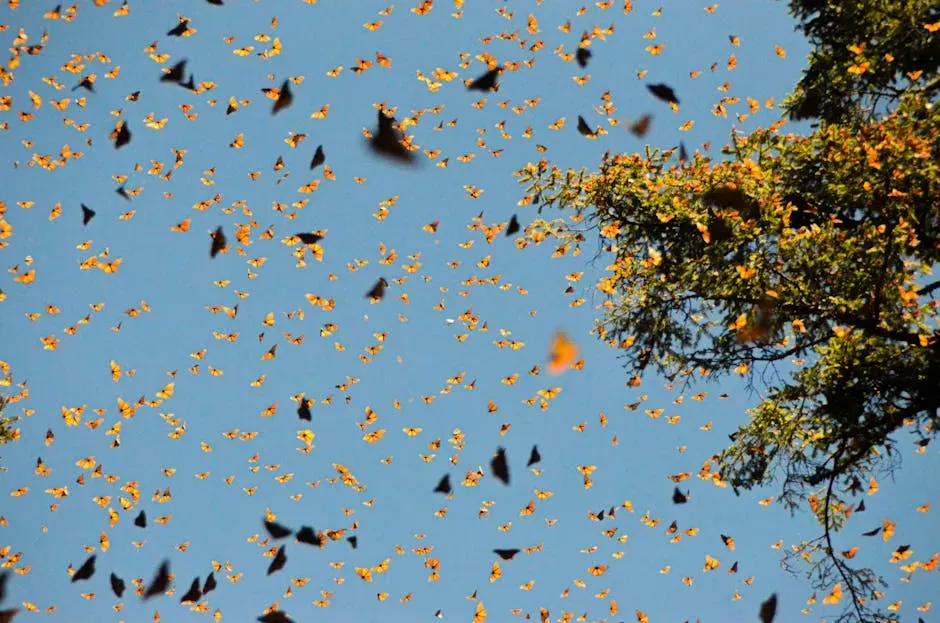
When you think “migration,” you probably imagine one animal going out and back. Monarch butterflies rewrite that idea completely. In North America, the journey from breeding grounds to overwintering forests and back again is split across several generations. One generation starts the trip, later generations continue it, and a special “super generation” flies an outsized share of the route. You’re not following a single butterfly, you’re following a chain of great-grandparents and great-grandchildren handing the journey off like a relay baton.
That makes tracking almost impossibly tricky. Tiny tags and citizen science sightings give you rough corridors, but individuals are too small and numerous for you to map their paths the way you do with larger animals. You know they use a mix of the Sun’s position, an internal clock, and the Earth’s magnetic field to navigate, but you still can’t fully explain how a butterfly that has never seen Mexico can find the very same mountain region its ancestors used. When climate, agriculture, or weather shifts, you watch the pattern blur and fragment, and you realize how much of their route you were only seeing in outline to begin with.
4. Leatherback Sea Turtles: Silent Voyagers of the Open Ocean
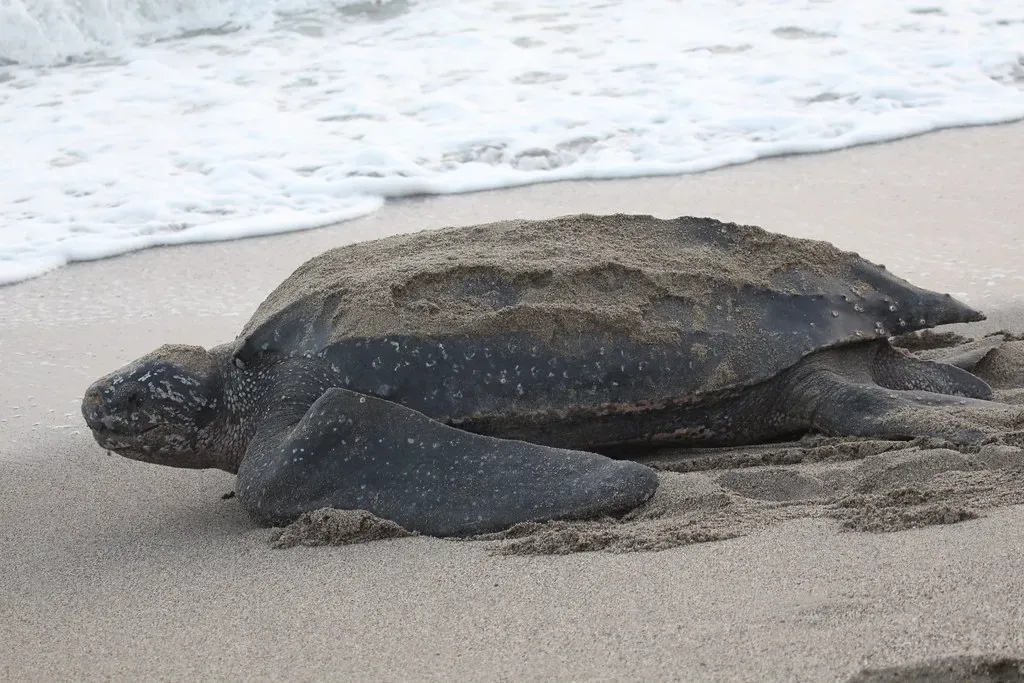
Picture a leatherback turtle leaving a nesting beach in the western Pacific and quietly pushing out into deep blue water until land disappears in every direction. Over the next few years, that same turtle may cross entire ocean basins, surfacing just briefly to breathe while following invisible highways of jellyfish and currents. Satellite tags have revealed some routes from tropical nesting beaches to colder feeding grounds thousands of kilometers away, but you still can’t draw complete, precise loops for most individuals.
Part of the problem is simply the ocean itself. Tags can fall off, signals cannot always reach satellites when turtles dive deep, and batteries die long before a turtle finishes a multi-year journey. You know leatherbacks use a magnetic “map sense” and probably water temperature and prey cues to decide where to go, but you still do not know how they home in on specific feeding hotspots in such a vast, seemingly featureless space. When a turtle disappears from your tracking data, you’re left with educated guesses about whether it changed feeding areas, switched basins, or simply slipped beyond your technological reach.
5. European Eels: From Secretive Rivers to a Hidden Sea
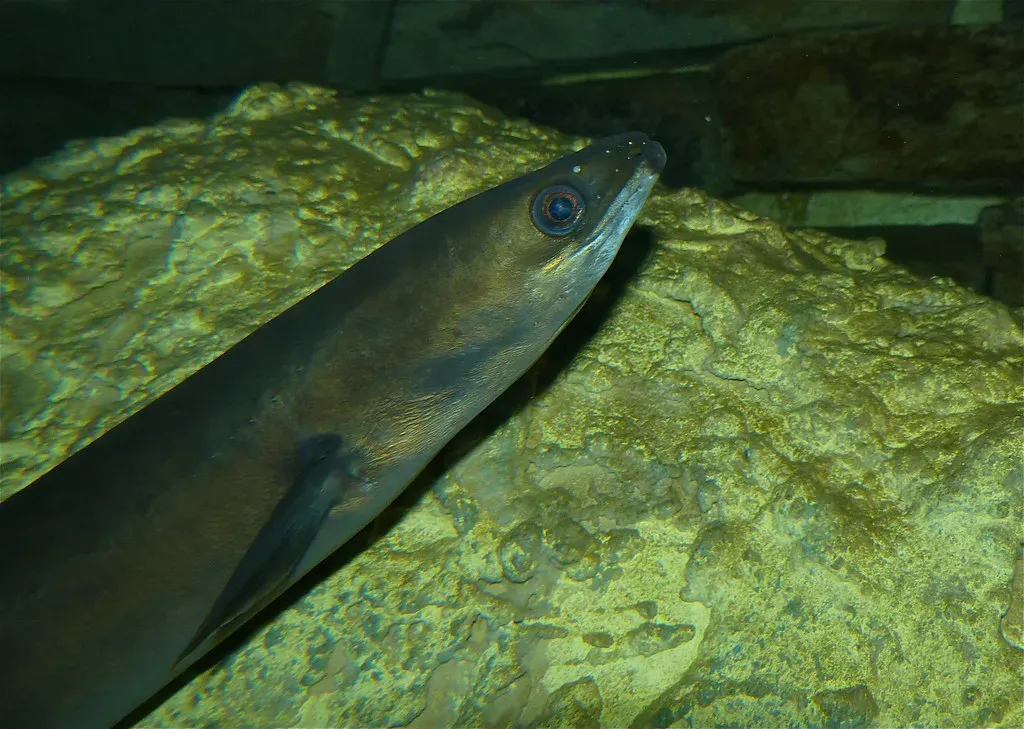
European eels might be the most mysterious migrants you ever hear about. As glassy, transparent youngsters, they drift on currents from the open Atlantic into European rivers, where they can spend many years growing. Then, at some almost mystical tipping point, they head back downstream and disappear into the ocean, bound for the Sargasso Sea in the North Atlantic. You know that’s where their larvae appear, but you still have not watched adults complete the full trip in real-time from river mouth to spawning grounds.
Various types of tags have recorded eels leaving continental shelves and heading out into deep water, only for the signals to stop far short of the suspected spawning area. Some tags are likely lost to predators; others fail under deep pressure or simply run out of power long before the journey ends. You can model plausible routes based on currents and larval distribution, but when you look at an individual eel, there are still huge blank spaces in its travel history. For now, much of their migration remains a story you have to infer from beginnings and endings, with the middle chapters missing.
6. Great White Sharks: Ghost Tracks Through the Blue
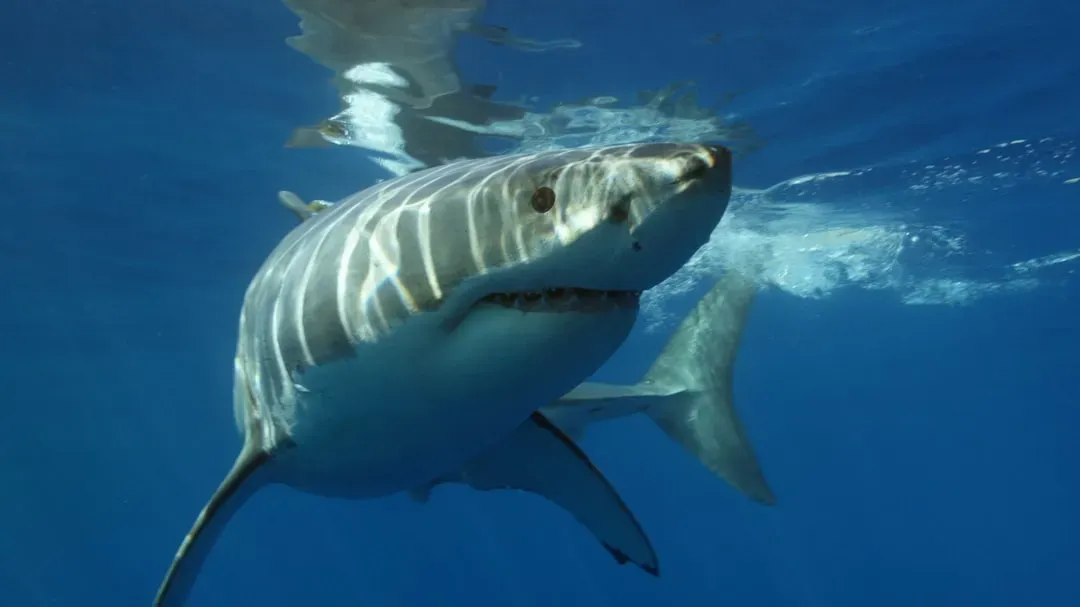
Great white sharks may look like blunt, straightforward predators, but their movements are anything but simple. You see some individuals vanish from coastal hotspots and then reappear thousands of kilometers away months later, with only a handful of satellite pings or depth readings in between. Some white sharks shuttle between feeding areas near seal colonies and mysterious offshore zones, others cross entire ocean basins. You can spot broad patterns – like seasonal returns to certain coasts – but no single, neat migration path that explains them all.
Part of what keeps you in the dark is the environment these sharks inhabit. White sharks routinely dive deep, where tags may not transmit reliably, and many spend months in the open ocean far from receiver arrays. You know they can sense electric fields and possibly use the Earth’s magnetic field, but you still do not know exactly how they choose routes or locate the same remote offshore areas year after year. Each time a tagged shark surprises you with a journey you did not predict, you’re reminded that most of their travel is still written in water you cannot see.
7. Sardine Run off South Africa: A Living, Moving Super-Storm
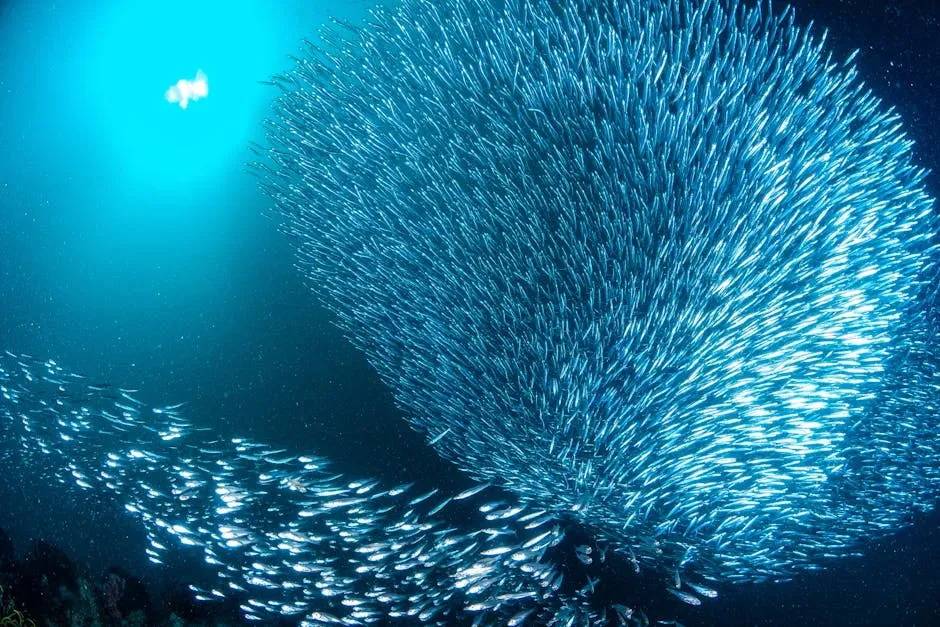
Every year, off South Africa’s east coast, billions of sardines suddenly appear and surge northward in a dense, shimmering river of fish. You can think of it like a living storm front: birds dive from above, dolphins herd the shoals, sharks slash through the mass, and whales lunge from below. You know this “sardine run” is tied to cold-water currents and spawning, and you can see it when it happens because it turns the sea into a boiling frenzy of life. But you still cannot predict it precisely or map each year’s route in detail.
Some years the run is spectacular and clear close to shore; other years it seems weak, delayed, or almost absent, and you don’t fully know why. Water temperature, currents, wind, and sardine population structure all play roles, but your data is patchy and often coastal. Once the sardines spread out or move offshore, they slip below the surface and out of view. You can tag a fraction of them, but schools change shape constantly, and predators make a mess of any attempt at clean tracking. To you, this migration looks less like a steady line and more like a chaotic, shifting wave you only partially glimpse as it crashes past.
8. Humpback Whales: Long-Distance Journeys With Hidden Detours
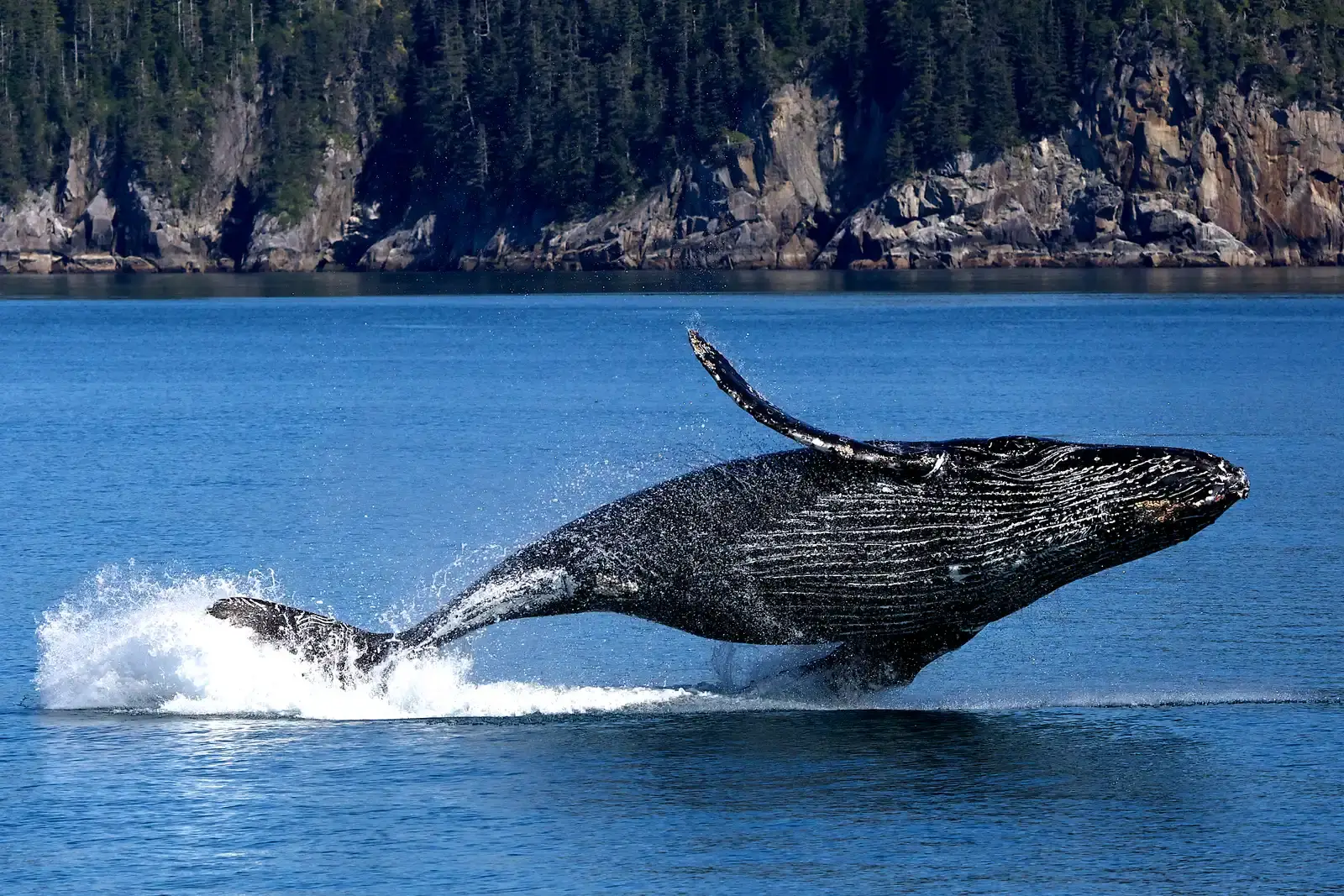
Humpback whales feel almost familiar to you: you know they sing, breach, and migrate between warm breeding grounds and cooler feeding areas. In broad strokes, their pattern seems straightforward – tropical waters for calving, polar or temperate waters for gorging on krill and small fish. But when you start putting tags on individual whales, you discover a level of complexity that makes “simple” migration look like an illusion. Some whales take coastal routes, others wander far offshore, and some make surprising detours to places you never expected to be important.
Satellite tags, photo-identification, and acoustic monitoring have exposed just how varied and flexible their journeys are, but they have not given you a full picture. Tags sometimes pop off early, acoustic detections depend on where you put your listening devices, and whales can cross entire ocean basins beneath the radar of both methods. You know they follow seasonal blooms of prey and respond to climate-driven shifts in ocean productivity, yet you still cannot reliably predict exactly which bays or banks they will use in a given year. Each humpback’s track ends up looking like a unique, looping signature you can’t fully decode.
Conclusion: The Wild Edges of What You Can Know
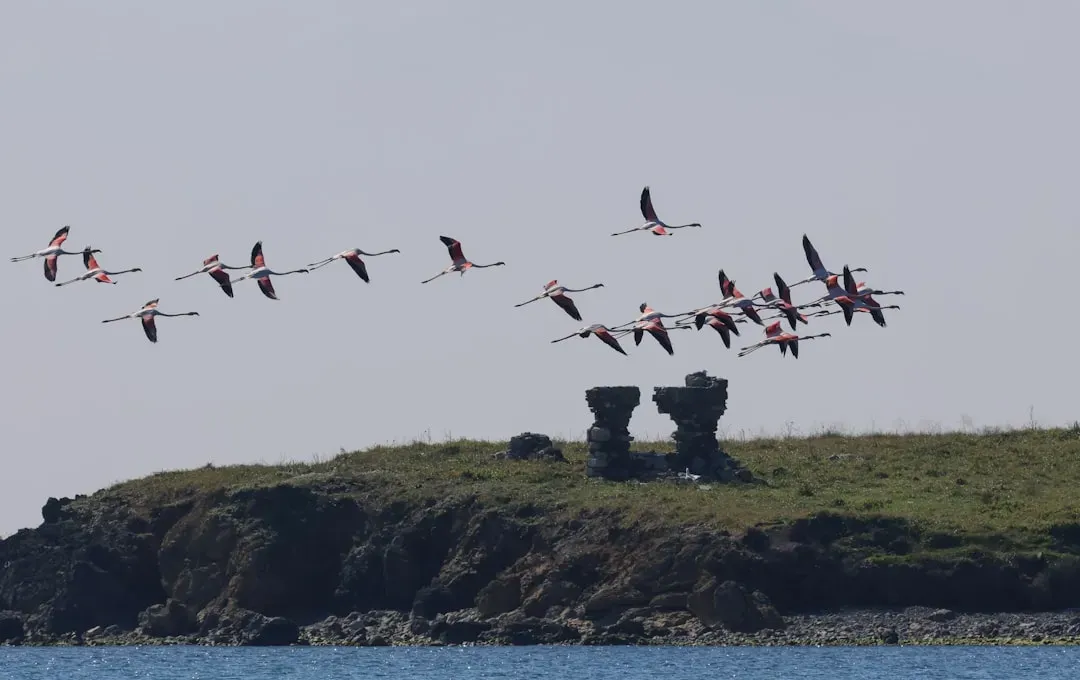
When you zoom out, these migrations remind you that even with all your tech and data, you’re still a beginner trying to read a book written in currents, winds, and magnetic fields. Arctic terns outrun your expectations, eels vanish into deep water, sharks ghost across basins, and monarchs complete a journey by passing it from one generation to the next. You can sketch the outlines, map the hotspots, and model the likely routes, but there are always gaps where the animals slip beyond your instruments and just move, unobserved, the way they have for thousands of years.
Instead of being frustrating, that mystery can actually be energizing. It means there’s still real discovery left for you, whether that’s through new tags, better ocean models, or even just watching butterflies in your own backyard and realizing they are part of something huge and half-hidden. These migrations are not just facts on a page; they’re living systems that keep oceans, rivers, and landscapes connected. As you learn more, the routes will get clearer – but do you really think you’ll ever be able to draw them as simple, tidy lines?