

Some of the smartest people alive today, with labs full of cutting‑edge tools, are still scratching their heads over inventions built by people who didn’t even have steel, electricity, or modern math. That gap between what we think “primitive” people could do and what they actually pulled off is where the real magic of history lives. The more we discover, the harder it gets to pretend our ancestors were clueless.
What fascinates me most is how many of these ancient technologies still outperform our modern attempts when you account for cost, durability, and elegance. It’s humbling. You look at a polished granite block fitted to another with hair‑thin precision, or a concrete pier still standing after two thousand years in salty surf, and you realize: we haven’t really “surpassed” the past – we’re just building on top of it, sometimes without fully understanding how it even worked.
The Antikythera Mechanism: An Ancient Greek “Computer” That Should Not Exist
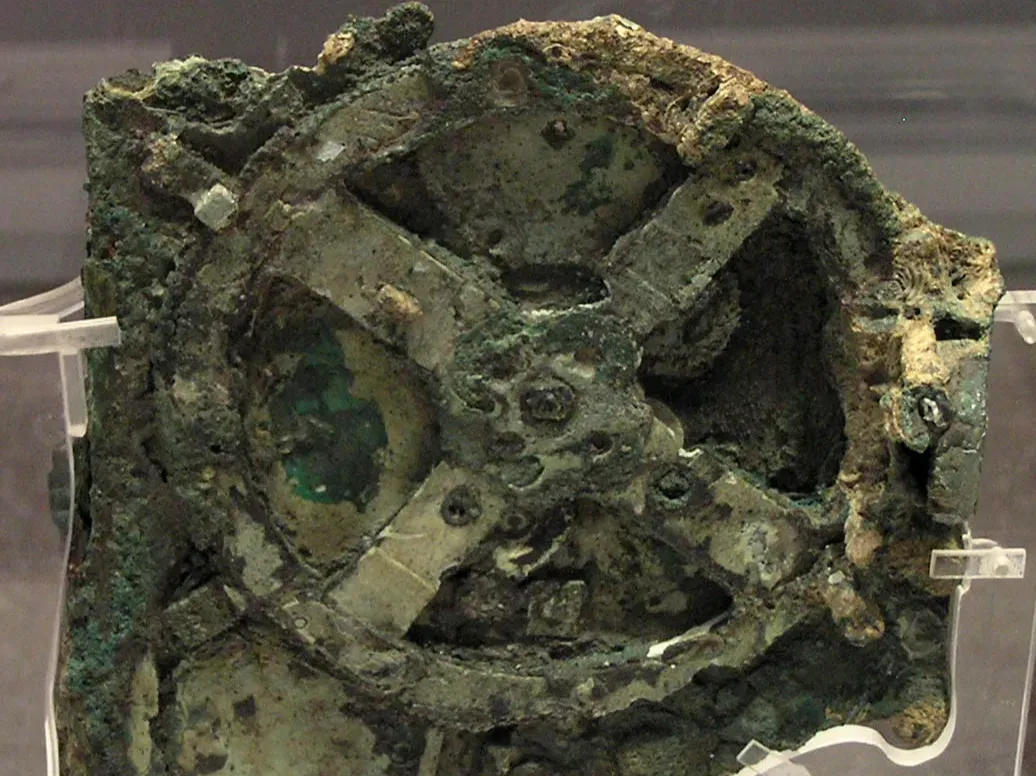
Imagine pulling a corroded lump of bronze from a Roman shipwreck and slowly realizing you’re holding a mechanical model of the cosmos, built over two thousand years ago. That’s the Antikythera mechanism in a nutshell, and it still makes professional engineers squint in disbelief. Using a system of interlocking bronze gears, it could predict eclipses, track the movements of the sun and moon, and possibly follow the paths of visible planets.
Modern X‑ray imaging and 3D reconstruction have revealed at least thirty intricate gears, some with ridiculously fine teeth, crammed into a box about the size of a thick book. The gear ratios encode surprisingly accurate astronomical cycles, including the well‑known Saros eclipse cycle. What unsettles historians is not just the device itself, but the implication that this level of mechanical and mathematical sophistication did not appear out of nowhere; it suggests an entire tradition of precision gear‑making that has mostly vanished from the record.
Roman Concrete: The Ancient Building Material That Gets Stronger With Age
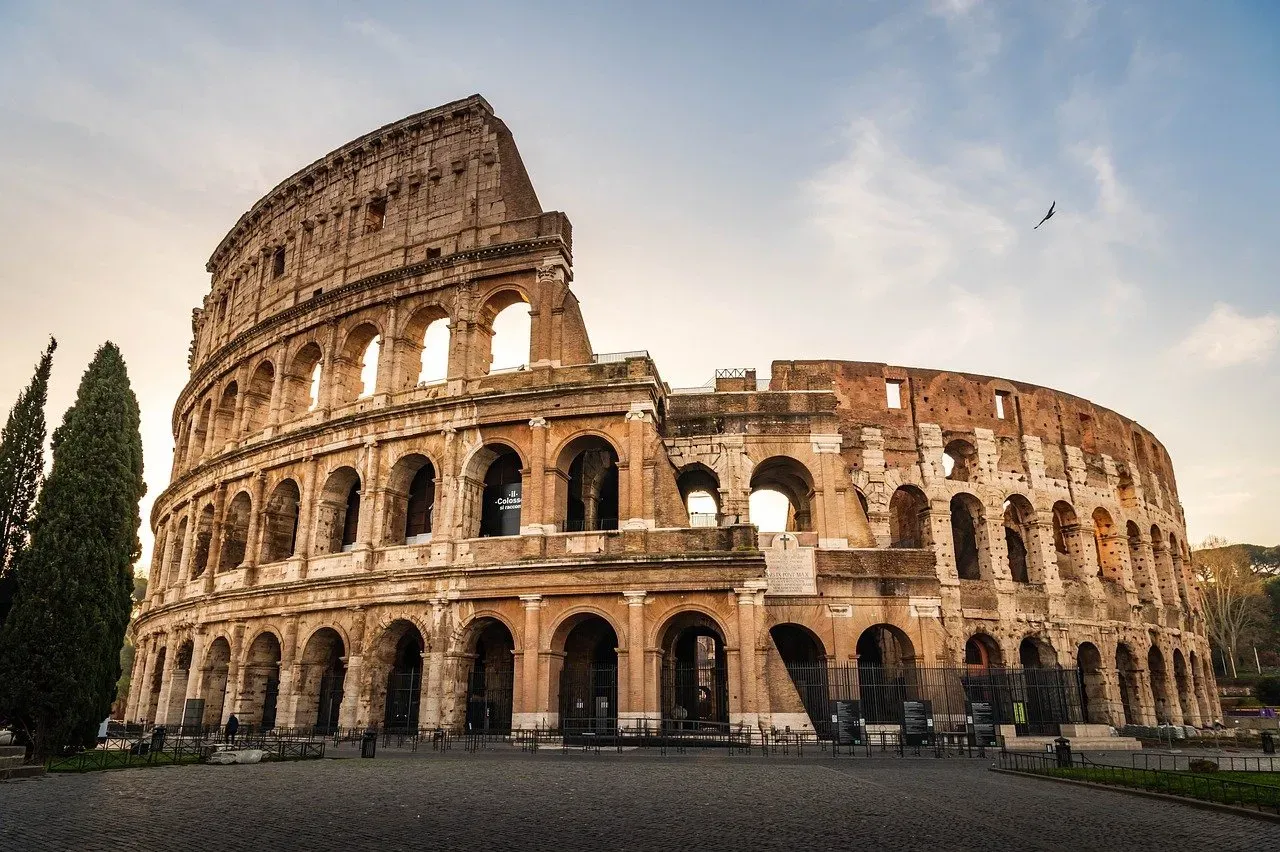
Walk along ancient harbors in Italy and you’ll see Roman concrete piers still standing in seawater that chews through modern reinforced concrete in a few decades. That alone feels almost insulting to our era of high‑tech materials. Roman builders mixed volcanic ash, lime, and aggregate into a blend that behaves very differently from modern Portland cement, and in some ways, it’s better.
Recent microscopic studies show that the volcanic ash and seawater react over time to form new, tough minerals inside the concrete, so the material slowly heals and reinforces itself instead of cracking and crumbling. There’s even evidence that the Romans sometimes mixed lime in a way that created reactive clumps, which act like tiny self‑repair capsules when cracks form. Engineers are now experimenting with Roman‑inspired recipes, trying to copy a formula that anonymous masons figured out with hand tools and instinct.
The Pyramids and Megalithic Stonework: Precision on a Mind‑Bending Scale

Stand in front of the Great Pyramid of Giza or the gigantic stone platforms at Baalbek, and you get that strange feeling of being very small in both size and time. These monuments aren’t just big; they’re absurdly precise. Many of the casing stones and internal blocks are fitted so tightly that a knife blade can barely slide between them, and the base of the Great Pyramid is aligned with the cardinal directions with a level of accuracy that would challenge modern surveyors without GPS.
The real mystery isn’t whether people could move big stones – of course they could, with enough labor and ingenuity – but how they achieved such consistent precision over huge distances and heights using only copper tools, ropes, sledges, and ramps. Experimental archaeologists have managed to replicate some techniques on a small scale, hauling multi‑ton blocks with teams of workers and sledges over dampened sand. But scaling that up to tens of thousands of blocks, carved and placed over decades, still leaves us with logistics, planning, and measurement systems that feel far ahead of their time.
Nazca Lines: Geoglyphs Drawn on a Scale Meant for the Sky
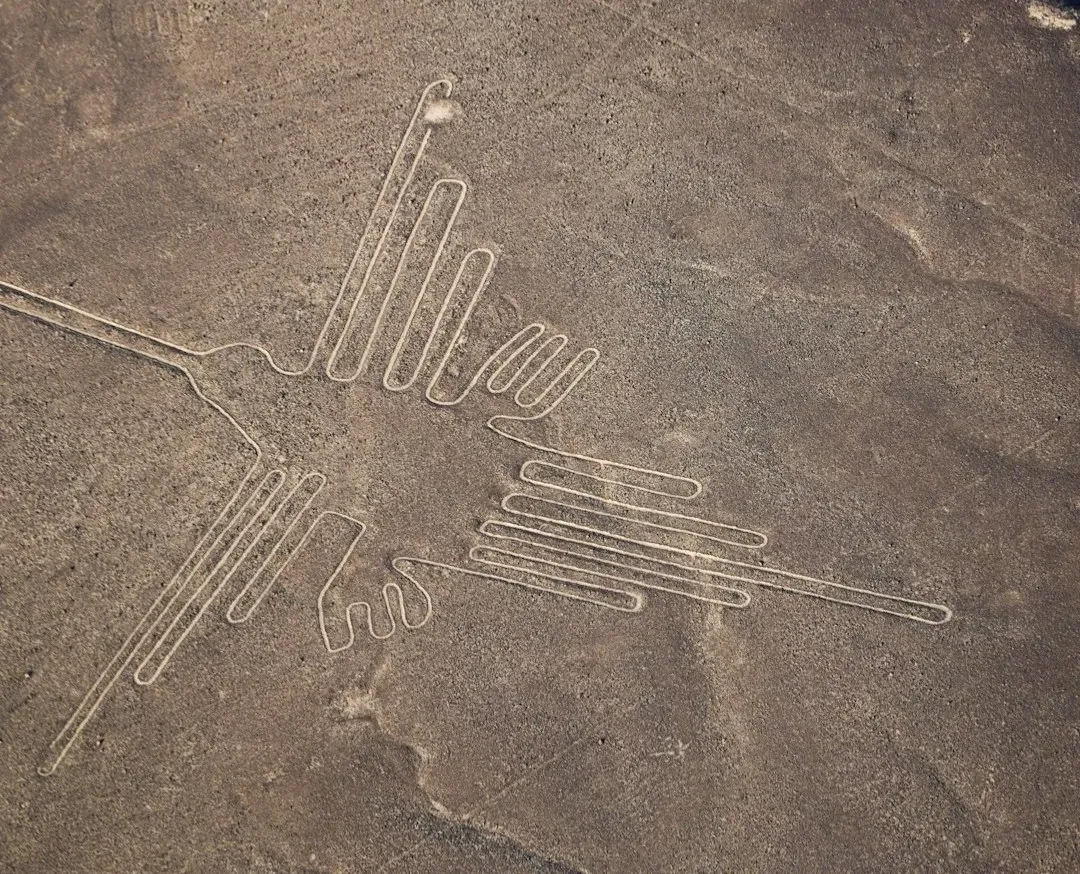
In the Nazca Desert of Peru, enormous lines, animals, and geometric shapes stretch across the ground, some longer than many city blocks. From eye level, they mostly look like shallow furrows in the dirt. From above, they suddenly snap into sharp, deliberate designs – a hummingbird, a spider, straight lines running arrow‑true over hills and valleys. The obvious question hits you: how did people without aircraft or satellites draw artwork that only makes full sense from the sky?
Researchers have shown that you can map large designs using simple tools like stakes, ropes, and basic surveying methods, and some modern experimenters have even recreated Nazca‑style figures with just those techniques. But the sheer number of lines, the scale of some of them, and the way they cross rough terrain with remarkable straightness still impresses seasoned surveyors. The purpose – ritual paths, astronomical markers, offerings to sky deities – remains debated, and that uncertainty keeps the Nazca lines hovering somewhere between engineering feat and spiritual mystery.
The Baghdad “Battery”: A Clay Jar That Might Not Be What It Seems
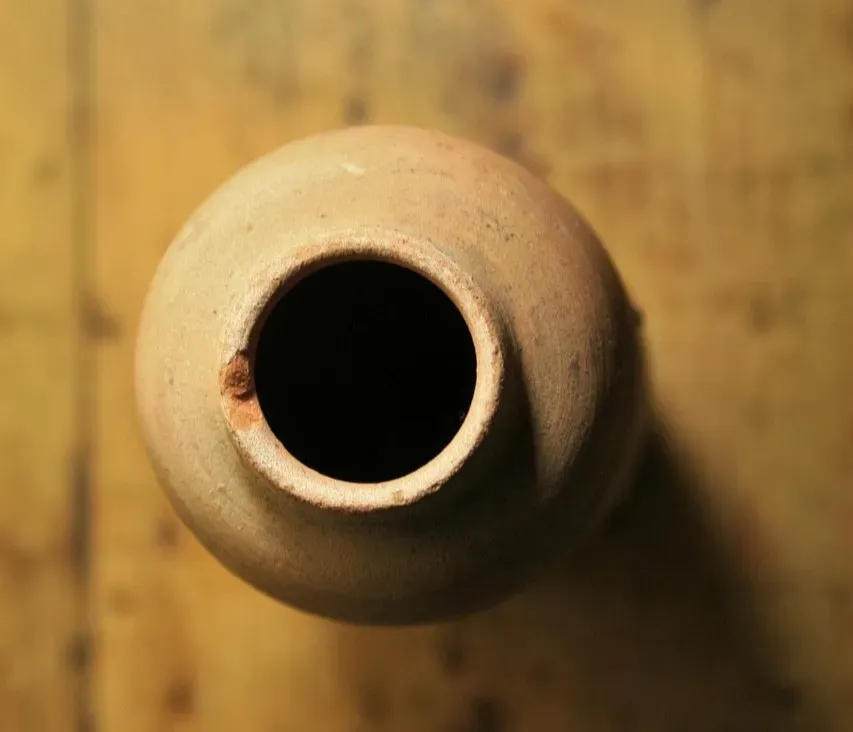
In a museum in Iraq, there are small clay jars from the ancient Parthian or Sasanian periods, each with a copper cylinder and an iron rod inside. When you first see diagrams of them, they look suspiciously like the guts of a simple battery. Some researchers noticed that if you filled a similar jar with an acidic liquid like vinegar or grape juice, you could generate a tiny electric current. That idea launched decades of speculation about ancient electricity.
The tricky part is that there’s no clear ancient description of these objects being used as power sources, and there’s a very real chance they were simply storage containers or ritual items. Still, the fact that they can work as primitive galvanic cells fascinates both historians and hobbyists. Experimental archaeologists have used replicas to lightly electroplate small objects, showing how an ancient artisan might have stumbled across the effect. Whether or not people two thousand years ago grasped the physics behind it, the “Baghdad battery” jars sit on that edge where coincidence and intention blur together.
Damascus Steel and Wootz: Blades With a Metallurgical Secret

Legends about swords that could slice other blades in half or bend like a bow without snapping often sound exaggerated, but they were rooted in something very real: advanced ancient metallurgy. So‑called Damascus steel, used in famous Islamic and Near Eastern blades, was likely made from high‑carbon crucible steel known as wootz, produced in South Asia. These steels had distinctive watered patterns and unusual combinations of hardness and toughness that gave them impressive cutting and resilience.
Modern metallurgical analysis has found complex microstructures inside some surviving blades, including patterns formed by carbides and trace elements. The puzzling part is that these properties depended on delicate control of smelting temperatures, impurities, and cooling rates without thermometers or modern chemistry. When traditional production declined in the nineteenth century, much of the tacit knowledge went with it. Even now, metallurgists can make excellent steels, but exactly reproducing the historical process – and the specific look and behavior of those legendary blades – remains surprisingly difficult.
Ancient Hydraulic Engineering: Aqueducts, Stepwells, and Underground Channels
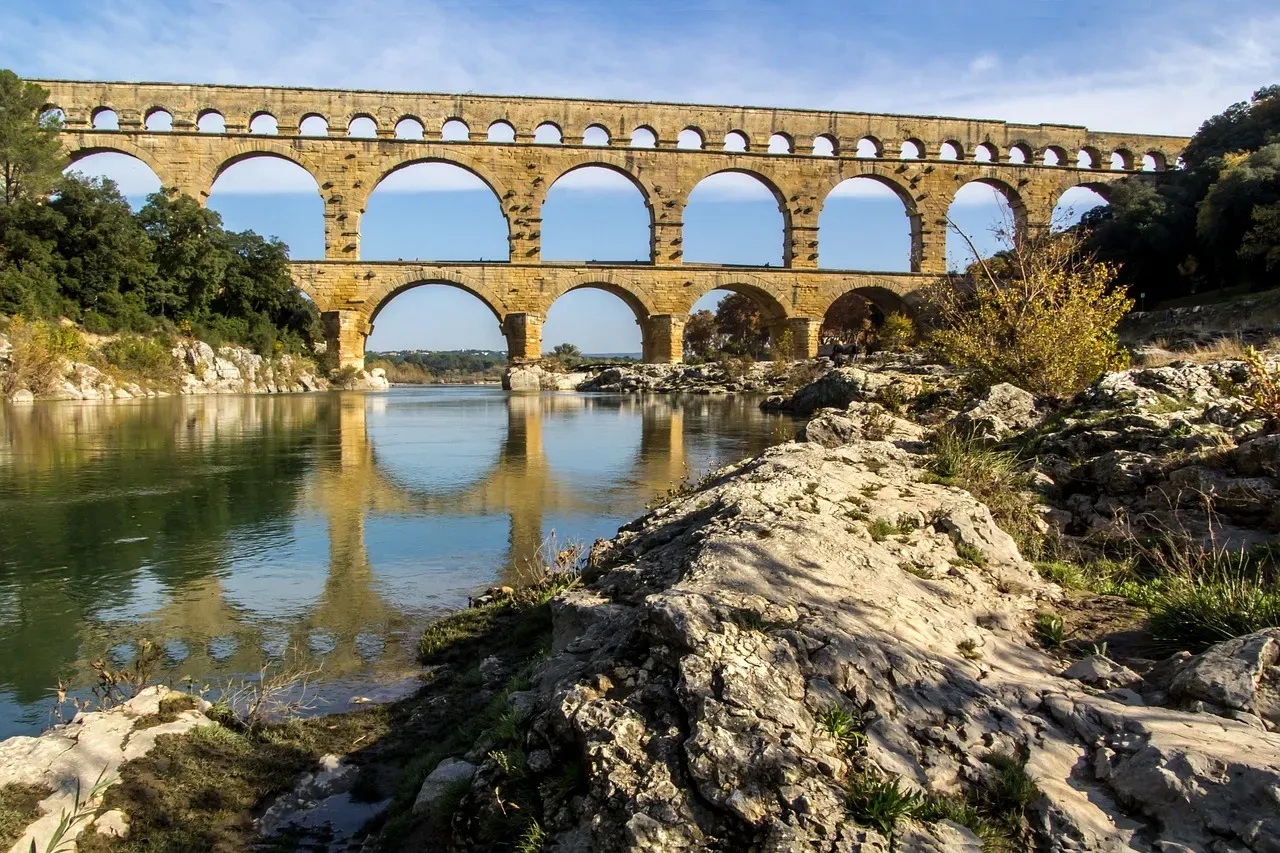
Humans have always chased water, but some ancient civilizations turned that basic survival need into an art form of engineering. Roman aqueducts carried water over tens of kilometers using nothing more than gravity, with slopes so gentle and consistent that small errors would have starved entire cities. In India, elaborately carved stepwells descended deep into the earth, acting as both reservoirs and cool communal spaces, with builders somehow balancing structural stability, aesthetics, and seasonal water levels.
In Iran and surrounding regions, qanats – gently sloping underground tunnels tapping distant aquifers – quietly fed fields and villages for centuries with almost no evaporation loss. Surveying and maintaining these systems required a detailed understanding of geology, slope, and soil, all without modern instruments or computational models. Today’s engineers can simulate fluid dynamics with software, but many of these low‑tech, low‑energy solutions are still being studied as models for sustainable water management in a warming, drying world.
Incan Roads and Masonry: Engineering Without the Wheel or Iron Tools
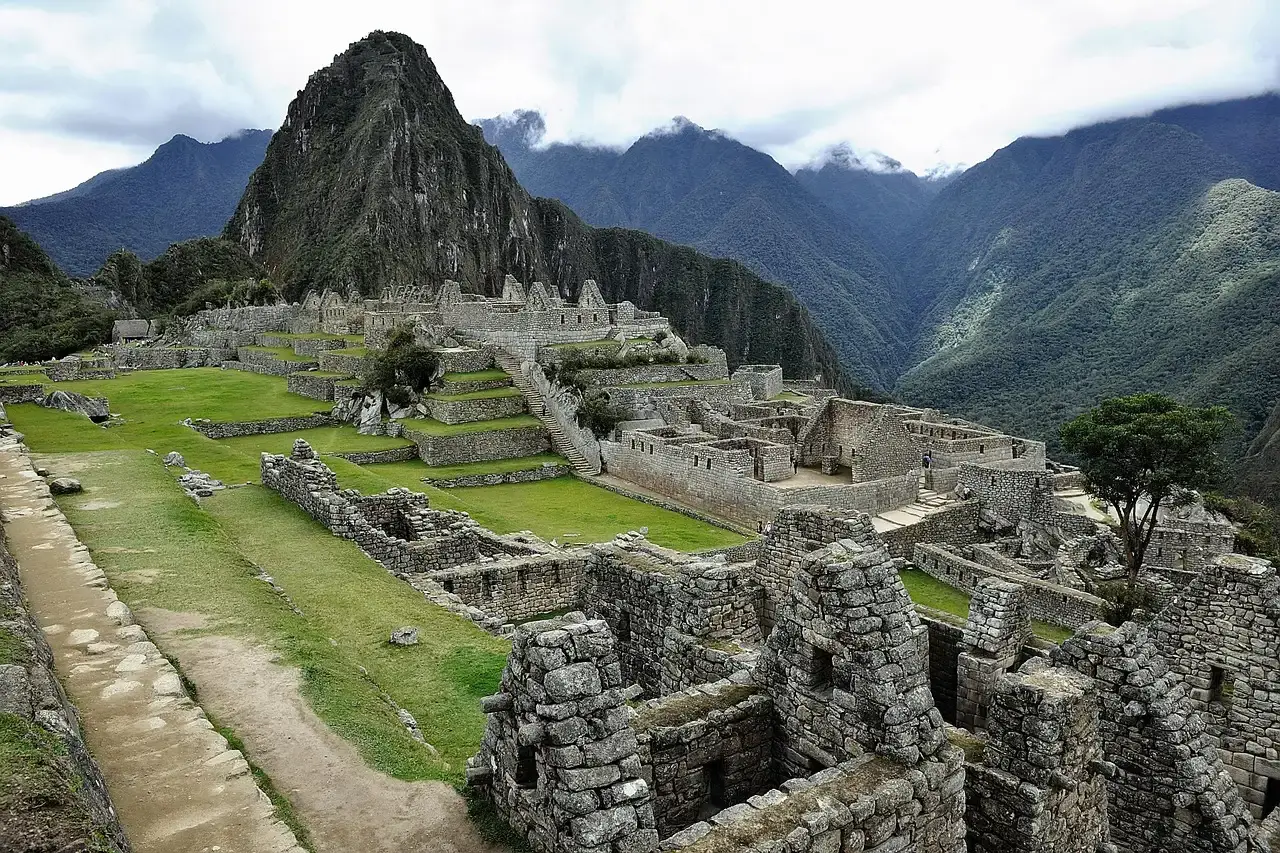
The Inca Empire managed to run a vast, mountainous territory using a road network that rivaled, and in some ways surpassed, Roman roads. These routes climbed steep slopes, crossed deep valleys, and traversed fragile terrain with stone steps, drainage systems, and suspension bridges made of braided plant fibers. What hits you is that they did this without horses, wheeled vehicles, or iron tools, relying instead on human porters, llamas, and incredibly disciplined communal labor.
Then there’s their stonework: walls in places like Cusco and Machu Picchu where multi‑sided stones interlock so perfectly that earthquakes rattle buildings but rarely bring them down. The lack of mortar, far from a weakness, lets the walls flex and settle like a puzzle under stress. Modern engineers can explain some of the principles – low center of gravity, interlocking joints, seismic flexibility – but the exact methods of lifting, shaping, and fitting those stones, often on unpleasantly steep slopes, still spark debate and a kind of grudging awe.
The Past Is Not Done Teaching Us
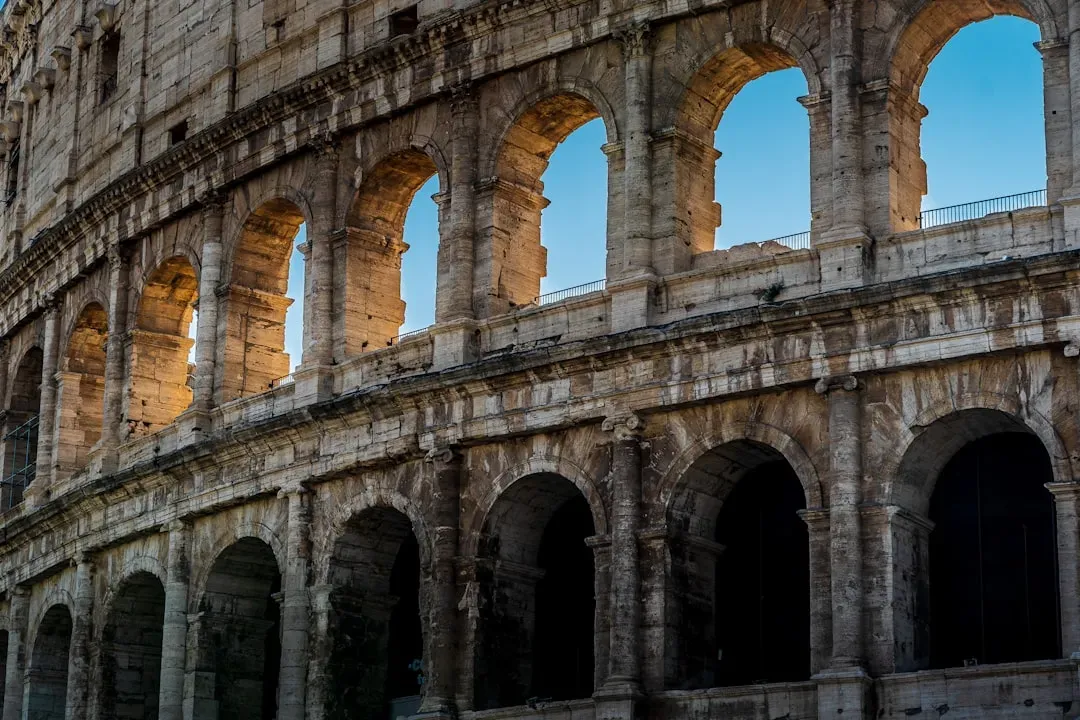
When you line up all these ancient technologies side by side, a pattern emerges: people with limited tools and no modern theory repeatedly solved problems in ways that still surprise us. They worked with the materials they had – stone, bronze, wood, water, ash – and somehow teased out performance that can rival our high‑tech solutions. Instead of treating these achievements as anomalies, it makes more sense to accept that our ancestors were just as intelligent and curious as we are, and sometimes, maybe a little more patient.
For me, the real mystery is not whether we can decode every trick and technique, but whether we’re willing to learn from them instead of assuming newer automatically means better. Some of the answers we need for durability, sustainability, and resilience might already be hiding in crumbling ruins and forgotten workshops. The past is still there, quietly waiting for us to listen more carefully – how many of its secrets do you think we’ve actually uncovered so far?