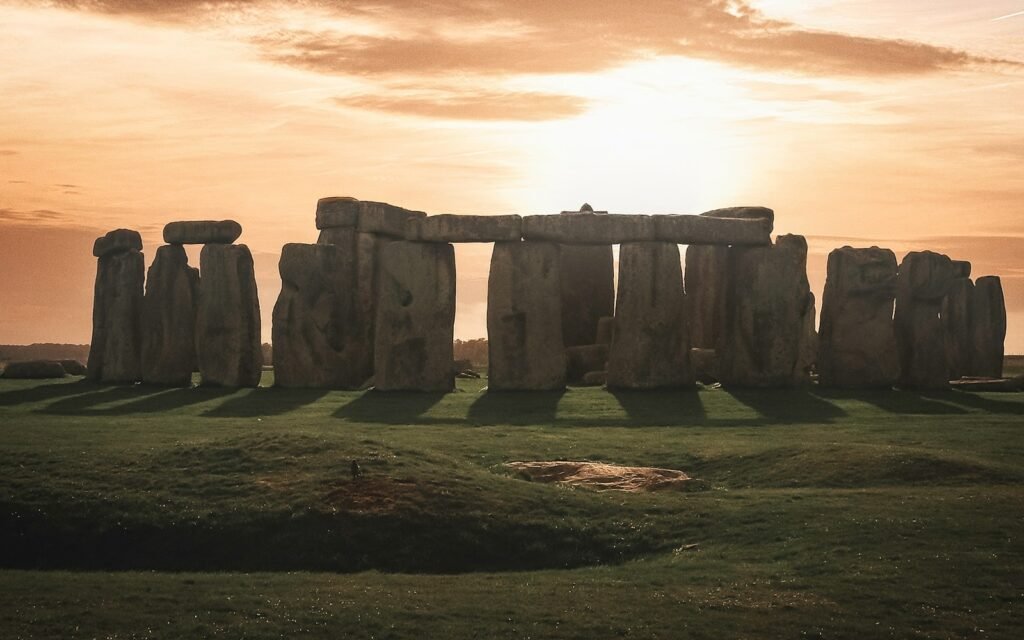

For all our satellites, particle accelerators, and gene sequencers, the past still refuses to give up some of its strangest secrets. Every few months, a new paper or discovery seems poised to finally crack an ancient enigma – only to deepen it instead. Archaeologists, geneticists, and physicists keep circling the same questions: Who built this? Why is this here? How on Earth did they do that with the tools they supposedly had? These mysteries are not just historical curiosities; they’re pressure tests on our models of human civilization and the natural world. When evidence does not fit the story we tell about ourselves, it forces science to do what it does best: ask better, sharper, more uncomfortable questions.
The Antikythera Mechanism: A Bronze Computer Out of Time
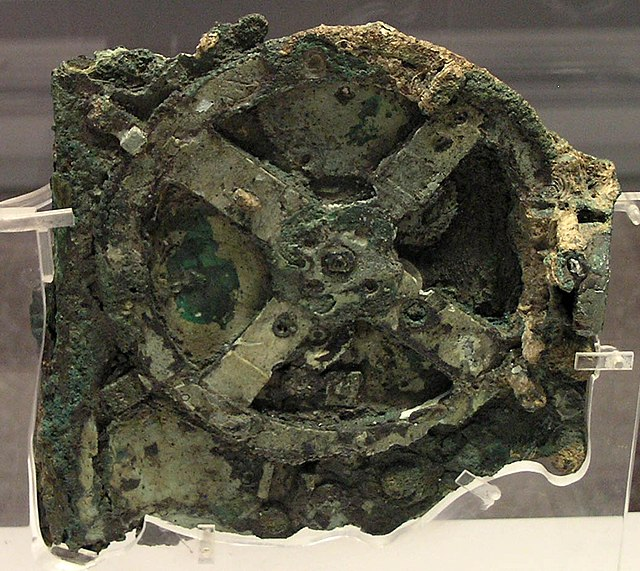
Picture a corroded lump of bronze hauled from a shipwreck off a Greek island in 1900, then imagine it turning out to be something like a mechanical pocket universe. That is the Antikythera mechanism, often described as the world’s first analog computer, built sometime in the second or first century BCE. X‑ray and CT scans have revealed at least 30 intricate bronze gears packed into a shoebox-sized frame, apparently designed to predict eclipses and track the movements of the Sun, Moon, and possibly planets. The level of craftsmanship is so advanced that it does not neatly match what historians thought Greek technology could achieve at that time. It is as if someone dropped a high-end Swiss watch into a medieval toolbox.
Researchers have reconstructed working models that roughly mimic its functions, yet fundamental questions remain open. We still do not know who commissioned it, whether it was a one-off device or part of a broader technological tradition now lost, or how such precise gearing techniques emerged and then vanished for centuries. Microscopic analyses hint at inscriptions that read more like an astronomical manual than a simple calendar, suggesting the mechanism was also an educational or demonstration tool. Some astronomers argue its predictive schemes align surprisingly well with Babylonian cycles, implying a cross-cultural fusion of math and engineering. Until another similar device is found, the Antikythera mechanism sits alone, a singular machine that stubbornly suggests an invisible technological lineage behind it.
Göbekli Tepe: The Temple That Shouldn’t Exist
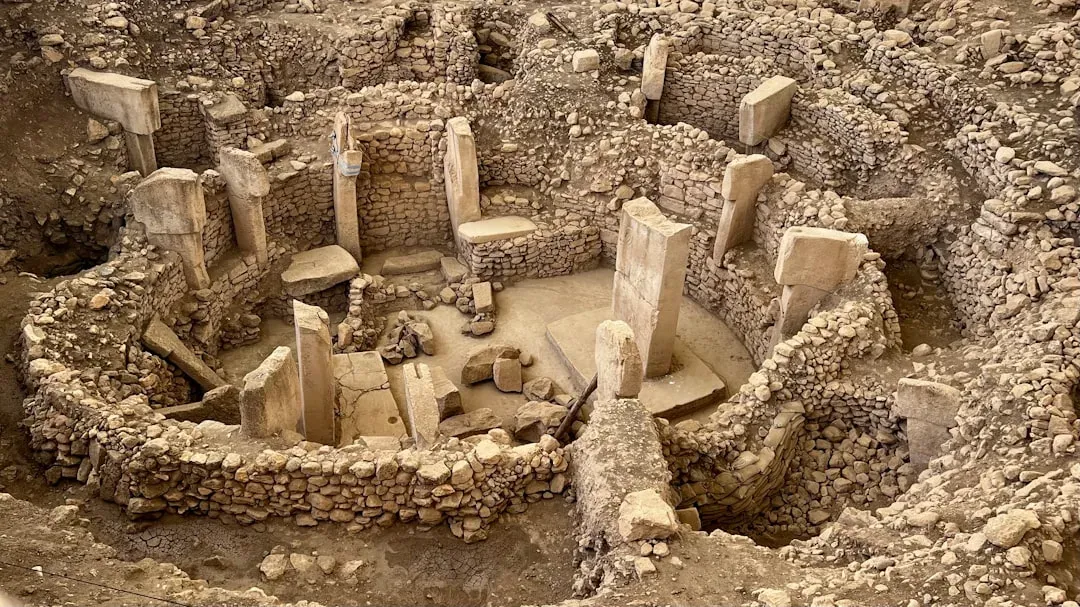
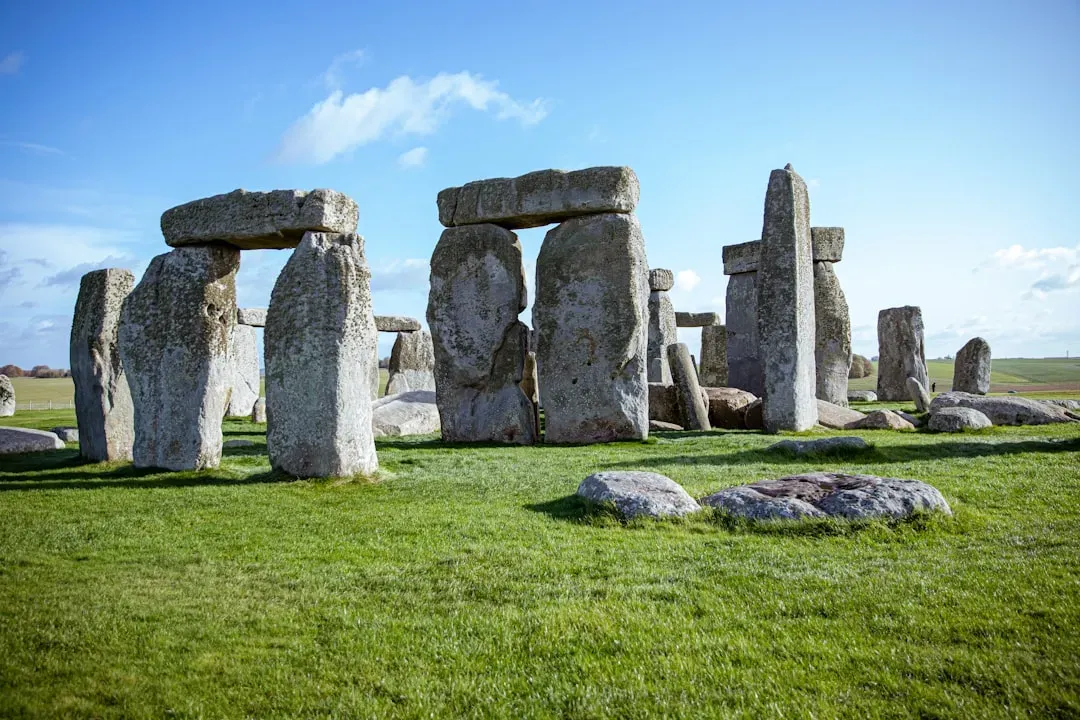
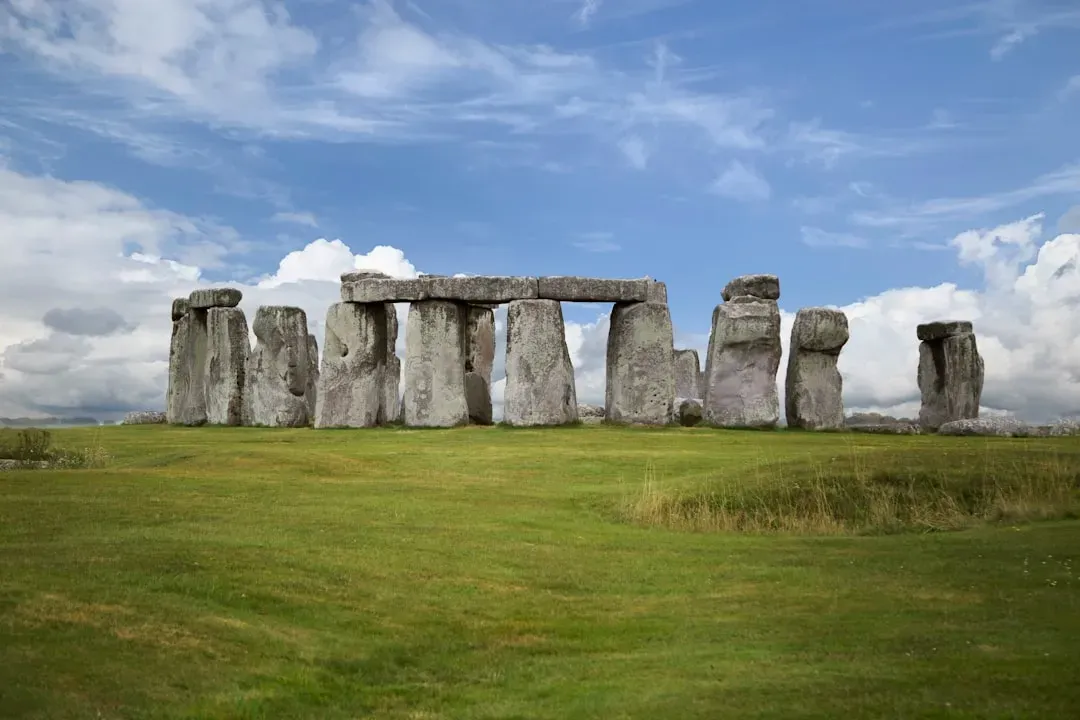
High on a dusty hill in southeastern Turkey, stone circles older than Stonehenge by several millennia have flipped the script on how civilization supposedly unfolded. Göbekli Tepe dates back to around 9600 BCE, built by hunter-gatherers long before agriculture, permanent villages, or pottery appear in the archaeological record of the region. Massive T-shaped pillars, some weighing more than ten tons, are carved with foxes, vultures, snakes, and other animals in high relief. For decades, the narrative was simple: first farming, then towns, then temples. Göbekli Tepe looks suspiciously like a temple built first, with organized ritual life coming before settled agriculture.
Excavations and soil analyses have revealed that the site was deliberately buried after centuries of use, for reasons no one can firmly pin down. Although nearby evidence of early domesticated plants suggests agriculture was emerging in the region, the social structure needed to quarry, transport, and carve such stones remains hard to reconcile with small, mobile bands of foragers. Some researchers argue that large-scale ritual gatherings at places like Göbekli Tepe may have been the spark that pushed groups toward farming, not the other way around. Others caution that we may be over-reading one site and projecting modern ideas about religion and power onto a radically different world. What is clear is that Göbekli Tepe refuses to sit quietly in the margins of a neat timeline of “progress.”
The Voynich Manuscript: The Book No One Can Read
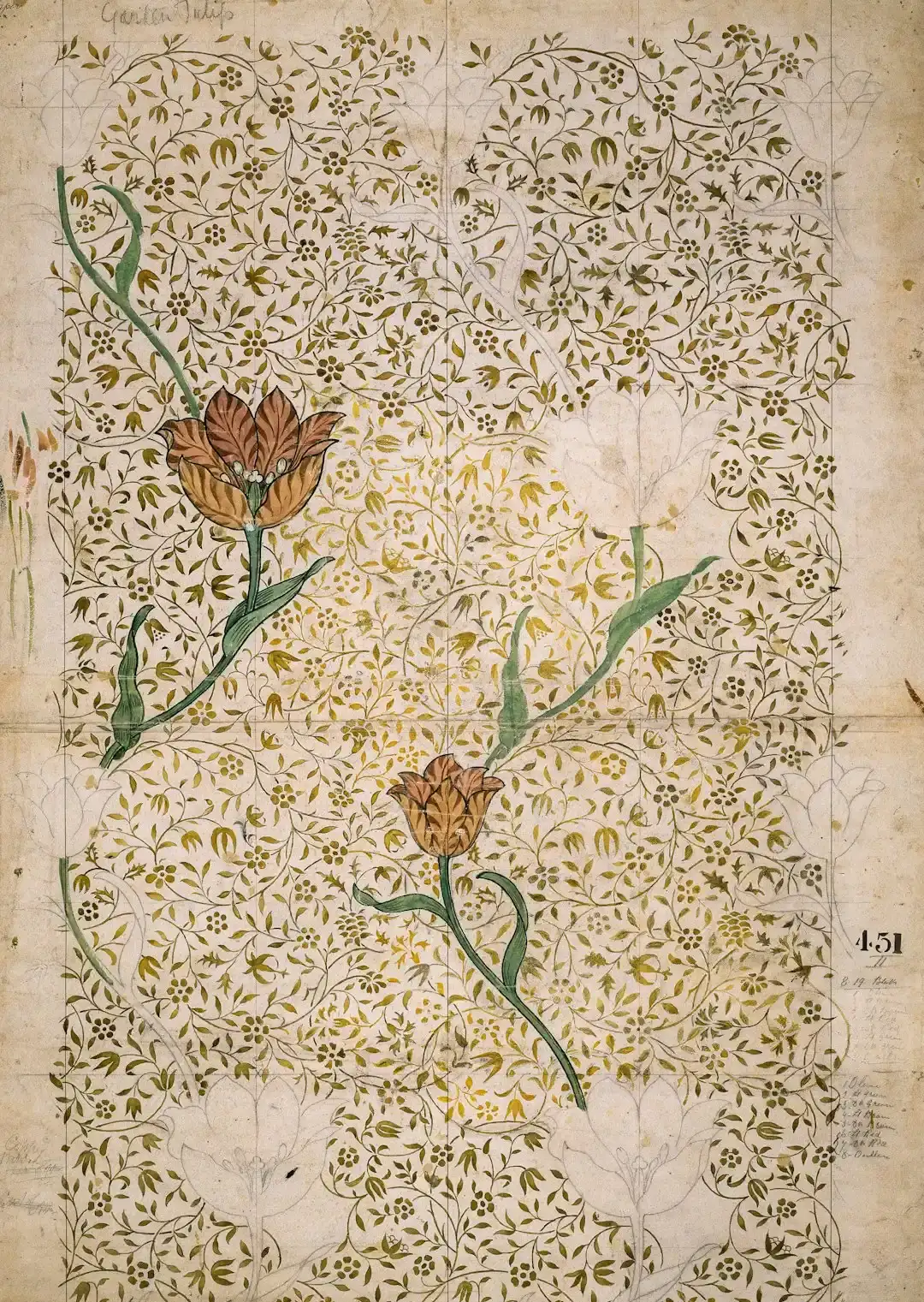
In an age where algorithms can translate between dozens of languages in seconds, a single handwritten book continues to stare back at every codebreaker and say, in effect, no. The Voynich manuscript, carbon-dated to the early 1400s, is packed with looping script in an unknown alphabet, alongside illustrations of strange plants, naked women in green pools, zodiac wheels, and elaborate diagrams. Cryptographers from the First World War era to modern computer scientists have thrown their best statistical tools at the text, and it consistently behaves like a real, structured language rather than random nonsense. Yet nobody has produced a translation that persuades experts across disciplines.
Recent artificial intelligence analyses have suggested various possibilities, from the text being an enciphered version of a real tongue to a form of constructed language, but each proposed solution falls apart under scrutiny. Linguists point out that natural languages show characteristic patterns of word repetition and variation, which the Voynich text mostly follows, but not quite in any known way. Botanists examining the illustrations cannot confidently match many plants to real species, further clouding interpretations that it is a simple herbal or medical guide. Skeptics argue it could still be an elaborate hoax, but forging such statistical linguistic properties centuries ago would itself be astonishing. For now, the manuscript functions as a kind of Rorschach test for our decoding tools, revealing more about the limits of modern cryptology than about its actual contents.
The Nazca Lines: Giant Designs for Unknown Eyes
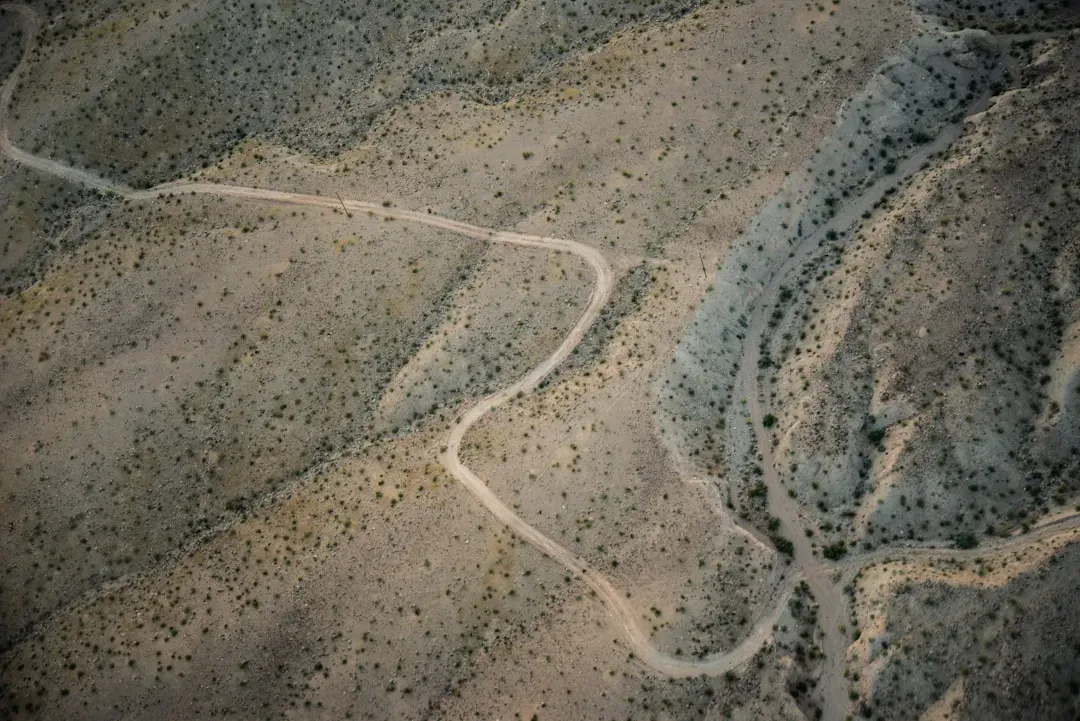
Across the arid plains of southern Peru, enormous lines and figures etched into the desert floor stretch for kilometers, visible clearly only from the air or nearby hillsides. These Nazca Lines, created roughly between 500 BCE and 500 CE, depict straight tracks, geometric shapes, and stylized animals such as hummingbirds, monkeys, and spiders. Archaeologists generally agree they were made by removing the dark surface stones to reveal lighter soil beneath, a method that has preserved them for centuries in the dry climate. The big question is not how they were made, but why entire landscapes were turned into colossal sketches. No written explanation survives from the Nazca culture itself.
Most researchers lean toward ritual or cosmological purposes, possibly linked to water and fertility in one of the driest regions on Earth. Some alignments appear to track solar or stellar events, suggesting a role in seasonal ceremonies, though these correlations are debated. Ground surveys and excavations of nearby platforms and offerings point to repeated gatherings and processions that may have followed the lines like ritual pathways rather than “runways” or maps. The fact that different designs overlap, and that new ones were added over generations, hints at traditions evolving over centuries. What we still lack is a definitive framework that ties together their scale, visibility from above, and intense labor investment into a single coherent explanation.
The Indus Valley Script: A Civilization Without a Readable Voice
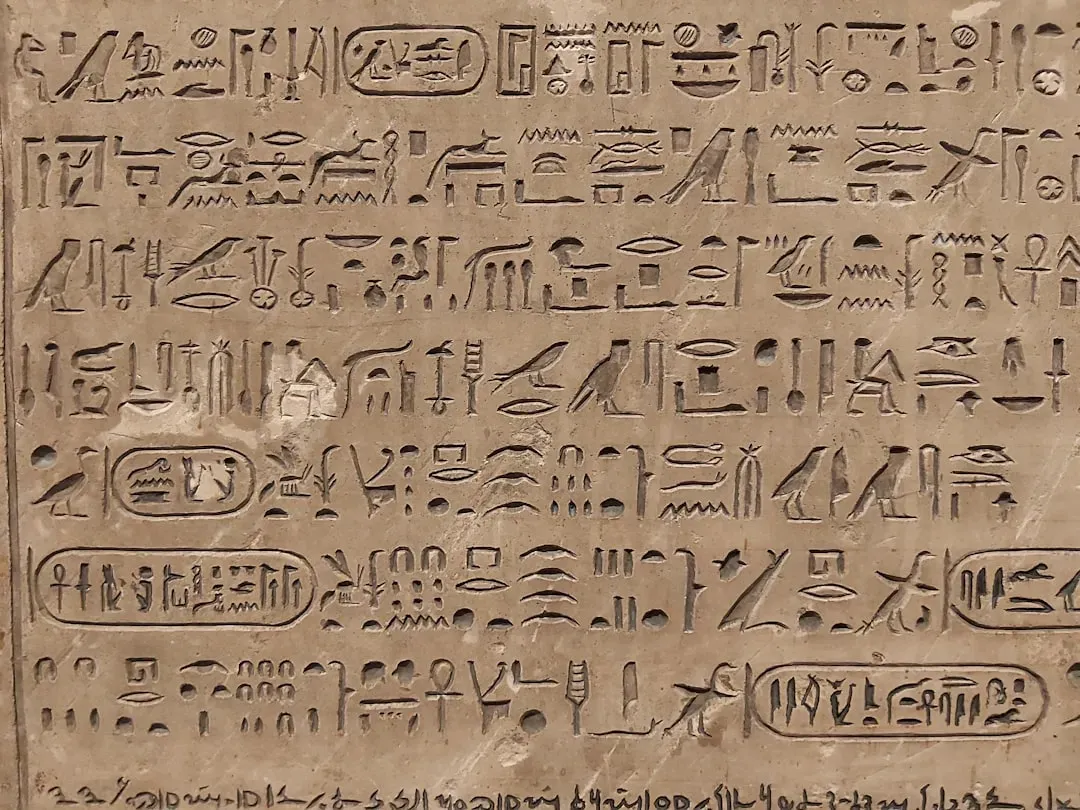
Imagine knowing that a civilization built carefully planned cities with sewage systems, standardized weights, and long-distance trade networks – yet being unable to read even a single sentence they wrote. That is the situation with the Indus Valley, or Harappan, civilization, which flourished in what is now Pakistan and northwest India around 2600–1900 BCE. Thousands of tiny seals and pottery fragments carry short sequences of symbols, often paired with animal motifs like bulls, elephants, and mythical creatures. The inscriptions are so brief that computational linguistics struggles to find patterns strong enough for confident decipherment. Without bilingual texts, like the Rosetta Stone was for Egyptian hieroglyphs, the script remains an enigma.
Some scholars argue that the script may represent a logo-syllabic writing system, perhaps encoding an early Dravidian language, while others even question whether it is full writing at all. Statistical analyses suggest non-random structure resembling linguistic patterns, but every proposed reading runs into dead-ends or requires generous assumptions. Excavations at major sites continue to reveal new sealings and inscriptions, yet none offer the “key” that scholars crave. This silence matters: without reading their records, we are largely guessing about Harappan political organization, religious ideas, and reasons for decline. A single long inscription, or a rare bilingual text discovered in a forgotten storeroom or new dig, could overturn decades of speculation in a moment.
The “Wow!” Signal and the Search for Cosmic Neighbors
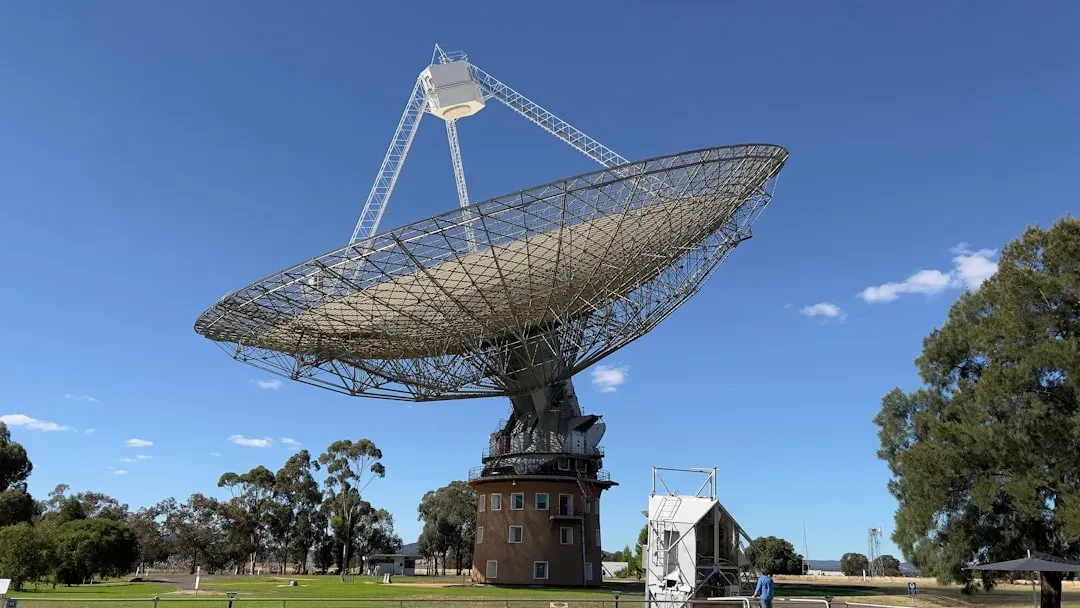
On a quiet August night in 1977, a radio telescope in Ohio picked up a narrowband signal from the direction of the constellation Sagittarius that was so clean and strong a scientist circled it on the printout and scrawled a single word in the margin: wow. The signal lasted about seventy-two seconds and matched the kind of frequency range many astronomers consider plausible for an artificial interstellar transmission. Follow-up observations of the same patch of sky, using more sensitive instruments over the decades, have failed to detect anything similar. The signal never repeated, leaving a single, tantalizing spike in the data and a lingering question about whether we briefly overheard someone – or something – else in the galaxy.
Explanations have ranged from natural astrophysical phenomena, such as comets or hydrogen clouds, to human-made interference, but no consensus has stuck. As radio astronomy has expanded, projects like global search arrays have catalogued countless signals, yet nothing with that particular combination of intensity and narrow bandwidth has clearly reappeared. The “Wow!” signal has become a benchmark against which new candidates are measured, a sort of ghost standard for what an “interesting” signal looks like. It also exposes a methodological dilemma: in a universe this noisy, how many one-off anomalies do we need before we seriously entertain extraordinary explanations? For now, it sits in the uncomfortable category of “unexplained but unconfirmed,” a single data point that keeps the door to cosmic company slightly ajar.
Why These Mysteries Matter More Than Just Curiosity
It is tempting to file these puzzles under entertaining trivia, the historical equivalent of a late-night documentary binge. But each unresolved case tugs directly at the scaffolding of how science reconstructs the past and models complex systems. When a device like the Antikythera mechanism surfaces, it forces historians to revisit assumptions about technological continuity and loss: progress is not always a smooth upward line. Göbekli Tepe undermines the tidy story that economic change simply drives social and religious complexity, suggesting feedback loops that are far messier. The Indus script’s silence reminds us how dependent we are on language to make sense of material remains, and how fragile written memory really is.
These enigmas also act as stress tests for scientific methods themselves. The Voynich manuscript exposes the limits of pattern recognition and artificial intelligence when context is missing. The Nazca Lines and the “Wow!” signal show how easy it is for modern observers to project our own expectations – about art, communication, and intention – onto ambiguous evidence. In a way, the unsolved nature of these mysteries is a feature, not a bug: it keeps disciplines like archaeology, linguistics, and astrophysics honest and humble. They highlight that even in an age of big data and planetary-scale sensing, the universe and our own species can still surprise us in ways that numbers alone cannot fully capture.
The Future Landscape: New Tools, Old Questions
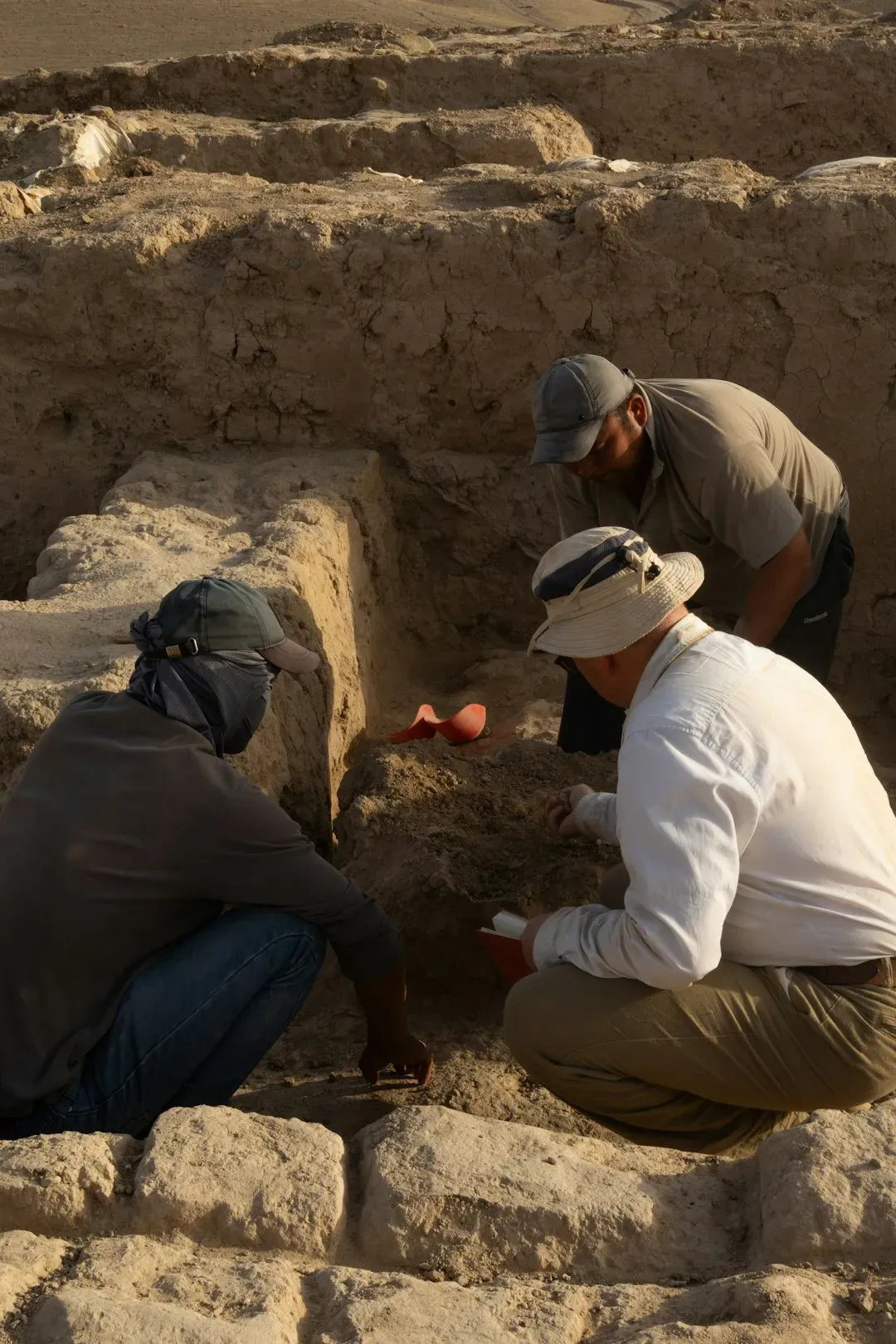
For all the stubbornness of these mysteries, the toolkit probing them is changing fast. High-resolution satellite imaging and drone-based lidar surveys are revealing hidden structures around sites like Nazca and Göbekli Tepe that were invisible from the ground, offering fresh context without turning every stone. Advanced CT scanning and materials analysis keep peeling back new layers of information from corrosion-locked artifacts like the Antikythera mechanism, revealing micro-inscriptions and wear patterns that earlier generations could only guess at. In parallel, machine learning systems trained on massive language datasets are being cautiously deployed to sift patterns in undeciphered scripts and coded texts, from the Voynich manuscript to Indus seals.
Yet these same tools come with real risks and limitations. Algorithms can generate convincing but wrong translations, especially when they are starved of data or context, and visually striking lidar maps can encourage over-interpretation of ambiguous features. In radio astronomy, next-generation arrays will flood researchers with so much data that the real challenge will be spotting rare anomalies like the “Wow!” signal without drowning in false positives. The global nature of modern science – multinational teams, open data, citizen science platforms – means that a crucial clue could come from a specialist halfway across the planet or an amateur scanning public archives. The future of these mysteries is likely not a single dramatic revelation, but a slow tightening of the circle around what is possible and what can finally be ruled out.
How Curious Readers Can Engage With the Unknown
You do not need a telescope array or a PhD in archaeology to have a stake in how these mysteries unfold. One simple step is to follow and support institutions that publish open-access research and make their data publicly available, from space observatories to archaeological surveys. When museums and universities run digitization or transcription projects, volunteers can help tag images, transcribe old documents, or classify artifacts – small tasks that sometimes uncover big anomalies. Even just being a careful reader, skeptical of dramatic claims that promise to “finally solve” a centuries-old puzzle overnight, contributes to a healthier public dialogue.
On a more personal level, staying curious about the edges of knowledge changes how the world feels on an ordinary day. A faint carving on a rock, a forgotten object in a family drawer, or a star map on your phone can all become reminders that history and the cosmos are far from fully mapped. You can seek out reputable long-form science reporting, attend public lectures, or join local astronomy or archaeology clubs where these debates play out in real time. The next big clue in one of these mysteries may emerge from a remote dig or a distant telescope – but the mindset that recognizes its importance starts much closer to home, in the simple decision to keep asking, what are we still missing here?
Suhail Ahmed is a passionate digital professional and nature enthusiast with over 8 years of experience in content strategy, SEO, web development, and digital operations. Alongside his freelance journey, Suhail actively contributes to nature and wildlife platforms like Discover Wildlife, where he channels his curiosity for the planet into engaging, educational storytelling.
With a strong background in managing digital ecosystems — from ecommerce stores and WordPress websites to social media and automation — Suhail merges technical precision with creative insight. His content reflects a rare balance: SEO-friendly yet deeply human, data-informed yet emotionally resonant.
Driven by a love for discovery and storytelling, Suhail believes in using digital platforms to amplify causes that matter — especially those protecting Earth’s biodiversity and inspiring sustainable living. Whether he’s managing online projects or crafting wildlife content, his goal remains the same: to inform, inspire, and leave a positive digital footprint.