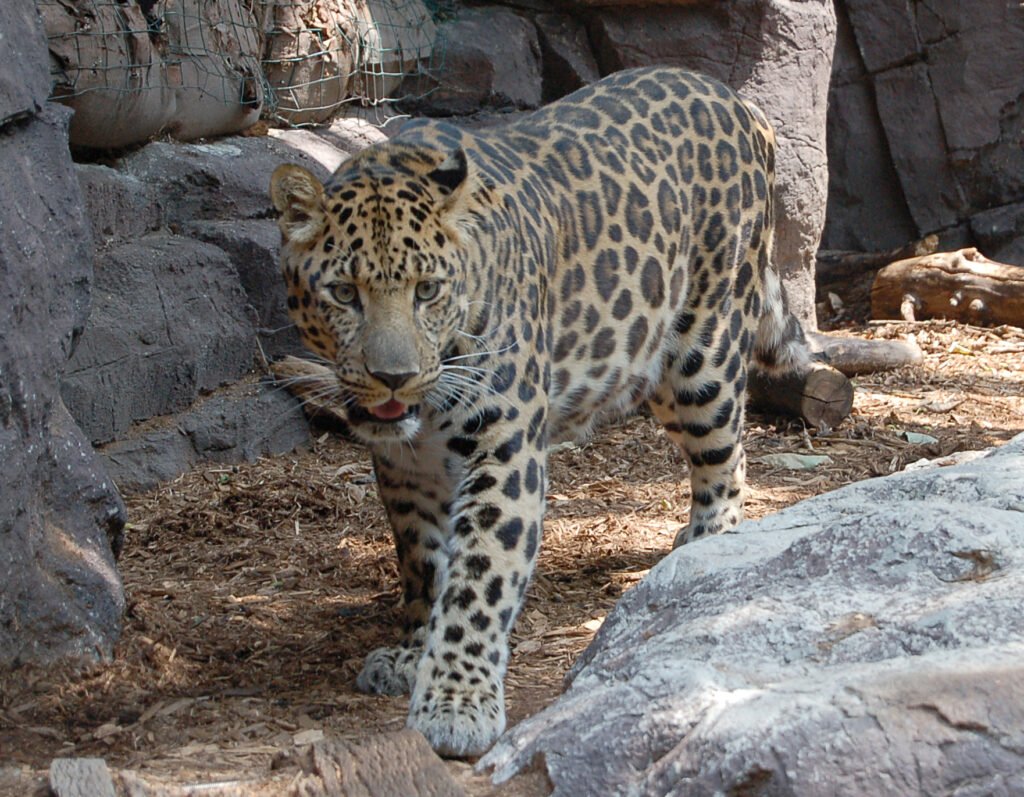

Snow hushes sound, but not urgency. In a corner of the Russian Far East and across the border in northeastern China, a spotted phantom is edging back from oblivion with a steadiness that feels both fragile and defiant. Scientists armed with camera traps, genetics, and cross-border cooperation are learning the rhythms of an animal once thought to be slipping away for good. The mystery is how to secure that progress before fire, snares, and a warming climate unravel it. The solution, emerging in real time, blends old-fashioned patience with modern tools and a rare spirit of international teamwork.
The Hidden Clues: A Ghost Cat Steps Back From the Brink
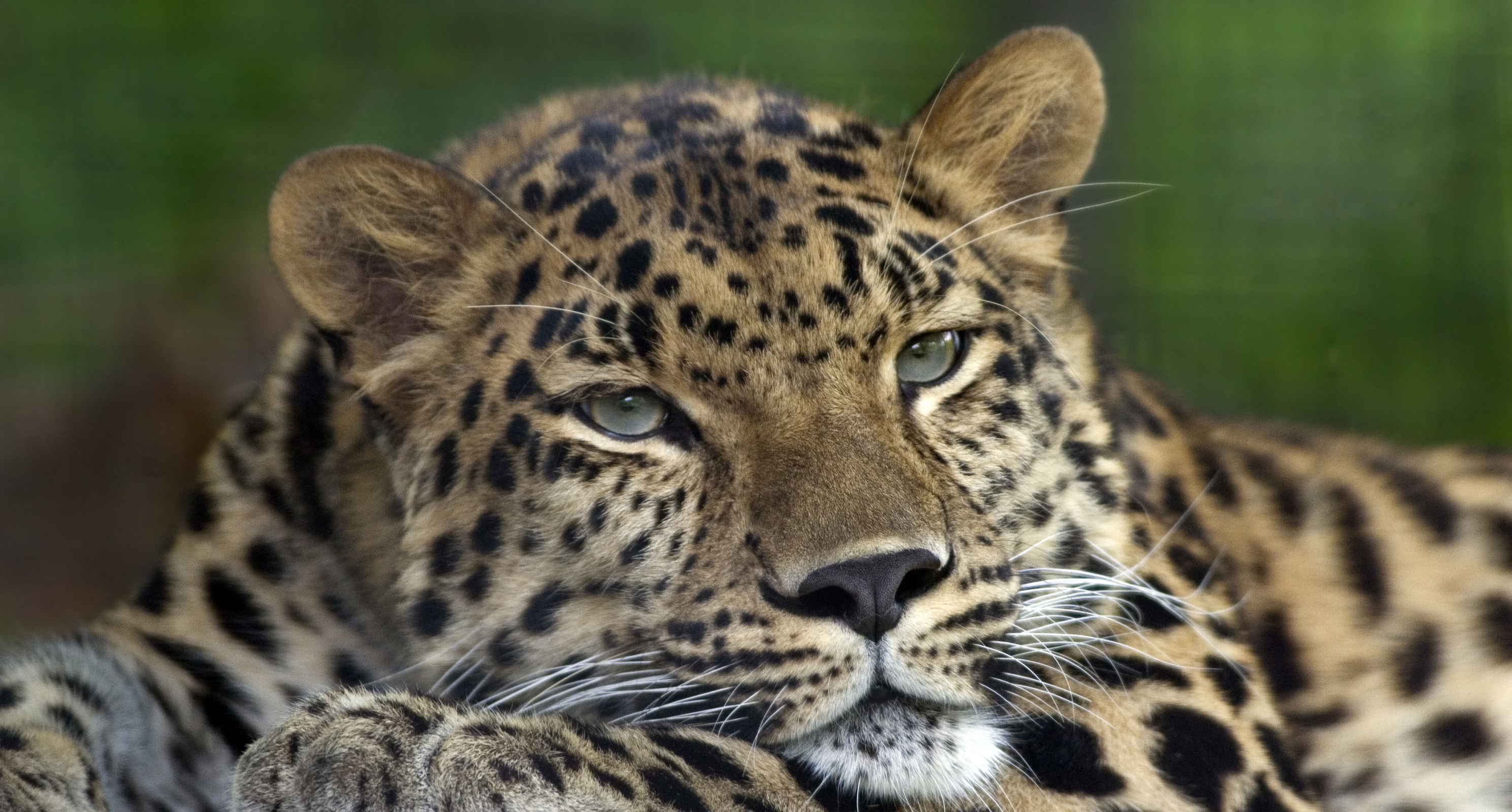
How many leopards does it take to revive a species’ future? For the Amur leopard, the answer begins with patterns – rosettes as unique as fingerprints that camera traps now read like barcodes. Over the past two decades, image catalogs and track surveys have shown a population that has grown from just a sprinkling of survivors to a wild count now comfortably above the low point of the early 2000s. That’s not a victory lap; it’s a heartbeat we can finally hear.
When researchers match new photos to known individuals, they don’t just celebrate another cat – they redraw maps of territories and mating pairs. I remember tracing those rosettes on a printout, lines looping like frost on a window, realizing each curve meant a life we could track and protect.
Built for Winter: Snow-Country Adaptations You Can See
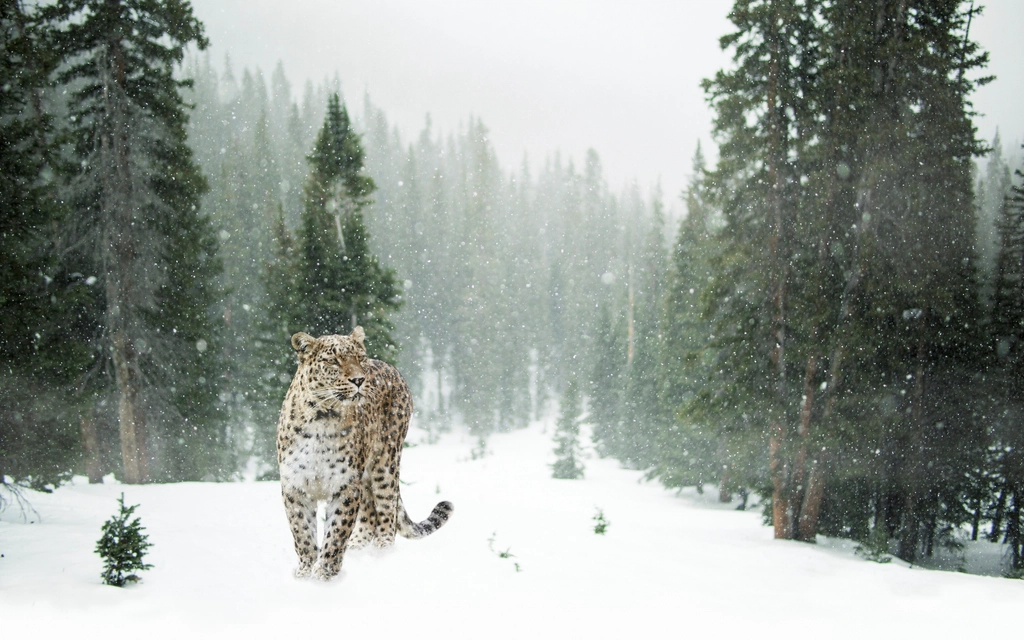
Most people picture leopards draped over warm branches; the Amur leopard writes a different story in white and ice. Its coat grows paler and longer in winter, with big, widely spaced rosettes that stand out against the cold light of the taiga. Long legs and broad paws work like natural snowshoes, helping the cat float over crusted drifts where prey punch through. A long tail acts as a counterweight on steep slopes and doubles as a scarf when temperatures plunge.
These are not cosmetic tweaks; they’re survival gear tailored by evolution to a rugged, temperate forest where winter can rule for months. If elegance had an engineering diagram, it would look like an Amur leopard in January.
Borderlands and Corridors: A Transboundary Home
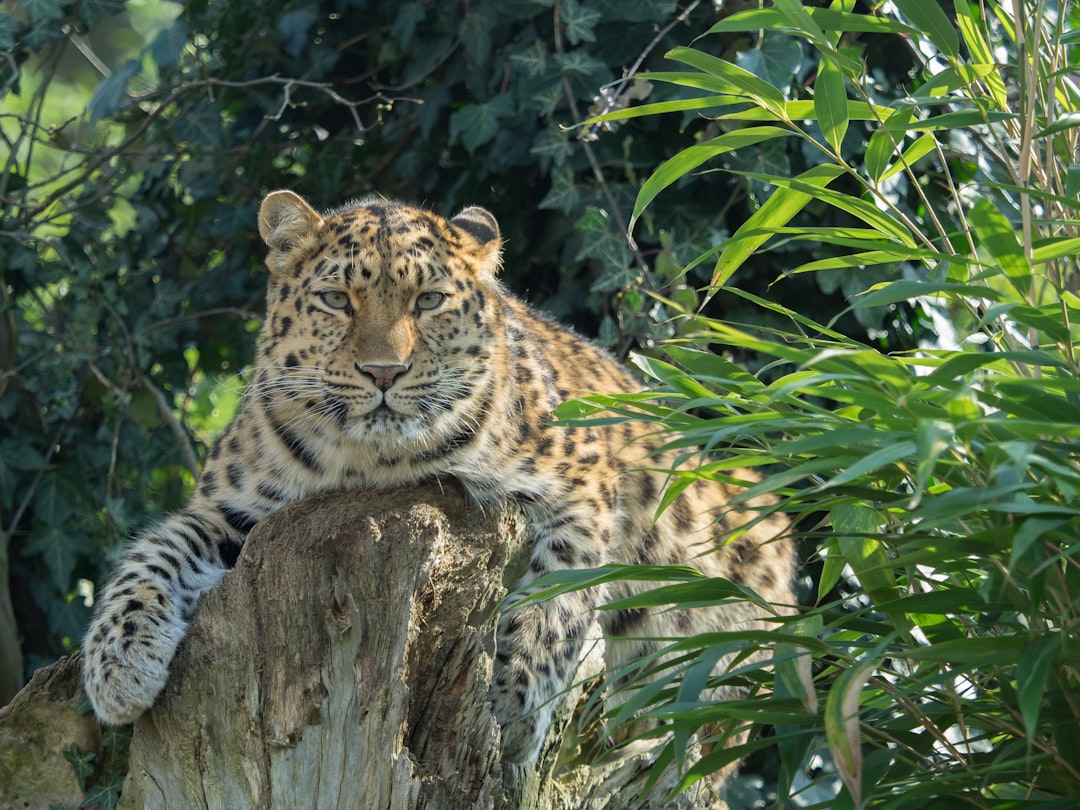
The Amur leopard lives where maps require two languages. Its core range straddles Russia’s Primorye and China’s Jilin, with history stretching toward the Korean Peninsula, and every new camera-trap record reveals how fluid that frontier can be for wildlife. Protected areas like Russia’s Land of the Leopard National Park and China’s Northeast Tiger and Leopard National Park now form a wide, stitched-together refuge. Corridors that weave between villages, logging roads, and rivers allow young leopards to disperse without stepping into disaster.
That cross-border fabric matters because isolated islands of habitat create isolated islands of genes. Keep the seams strong, and the population can breathe – expanding, mixing, and adapting as conditions change.
Hunters of the Edge: Diet, Behavior, and Ecological Role
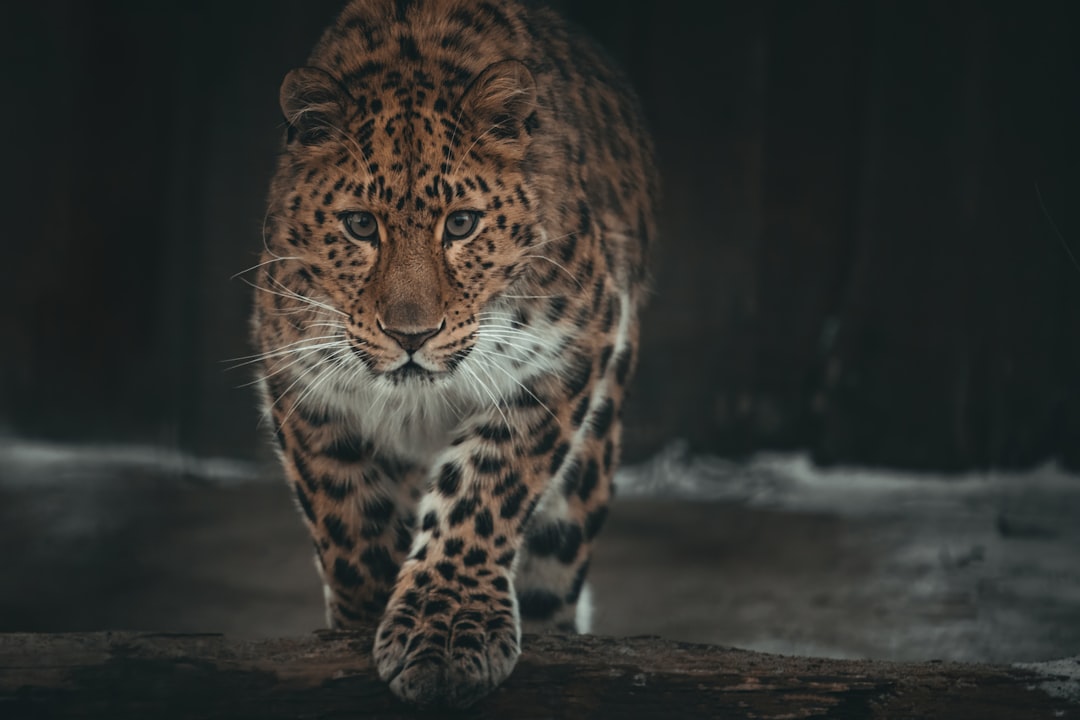
Unlike their savanna cousins, Amur leopards hunt the edges of forests where deer linger between cover and meadow. Roe deer and sika deer anchor the menu, with hares and badgers rounding out a diet that rewards patience and stealth. These cats cache kills in dense thickets or drag them uphill, a strategy that conserves energy in a landscape where winter can make every calorie count. Night after night, they stitch together a territory with scent marks and paths only they seem to remember.
As apex predators, they shape the ecosystem from the top down, keeping deer from over-browsing young trees and restoring a pulse of nutrients that ripples outward. A single leopard’s habits can change the way a hillside grows and the way a forest recovers after snowmelt.
Fragile Genes: What Inbreeding Means for a Comeback
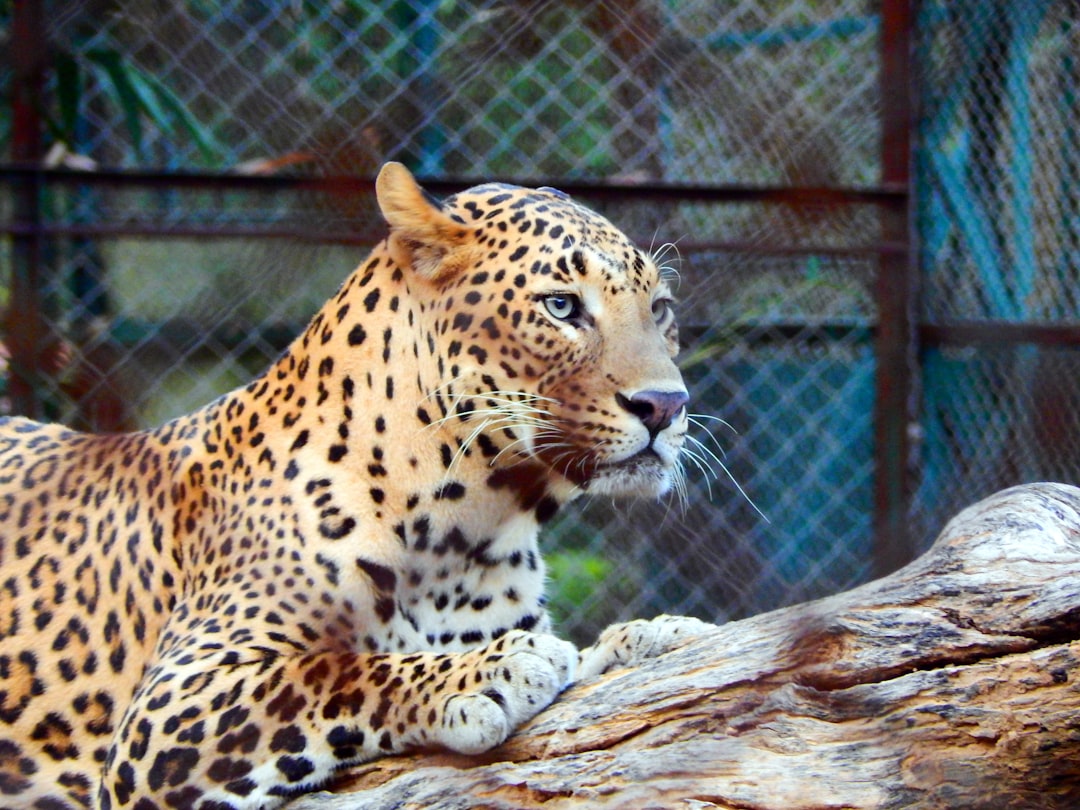
When a species shrinks to a handful of families, the future depends not just on how many animals you have, but how different they are from one another. Genetic studies show the Amur leopard has low diversity, a legacy of its near-extinction trough, which can raise the risk of inherited problems and reduce resilience to disease. Managed breeding in accredited zoos holds a carefully curated safety net, logging lineages like a living archive. The challenge is to keep wild and managed populations complementary rather than competing stories.
Conservationists now talk in terms of gene flow as much as headcounts: corridors that let new males wander in, match-ups that avoid close relatives, and a long game that treats every kitten as a precious reshuffling of the deck. In a sense, genetics is the quiet metronome behind every other success.
Why It Matters: A Small Cat With Oversized Impact
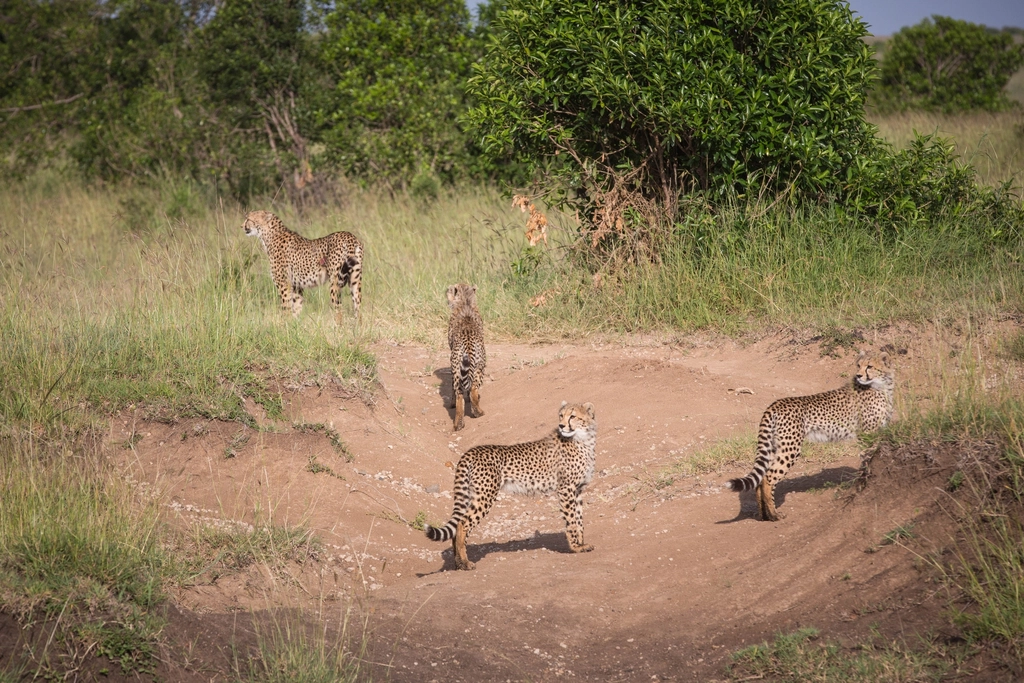
Saving the Amur leopard is not just a feel-good headline; it’s a stress test for how we protect life across borders in a warming world. Compared with high-profile megafauna, this cat occupies modest territory and uses forests people also use, which makes it a realistic flagship for coexistence. Corridors that suit leopards also suit tigers, deer, and migrating birds, turning a single-species plan into a landscape strategy. And when local communities gain safer roads, better fire management, and ecotourism income, conservation starts to pay for itself in daily life.
Think of the Amur leopard as an umbrella in a storm: protect it well, and you shelter a whole swath of nature beneath. Lose it, and you learn too late how much else was getting wet.
From Fieldcraft to Algorithms: How Science Sees the Unseen
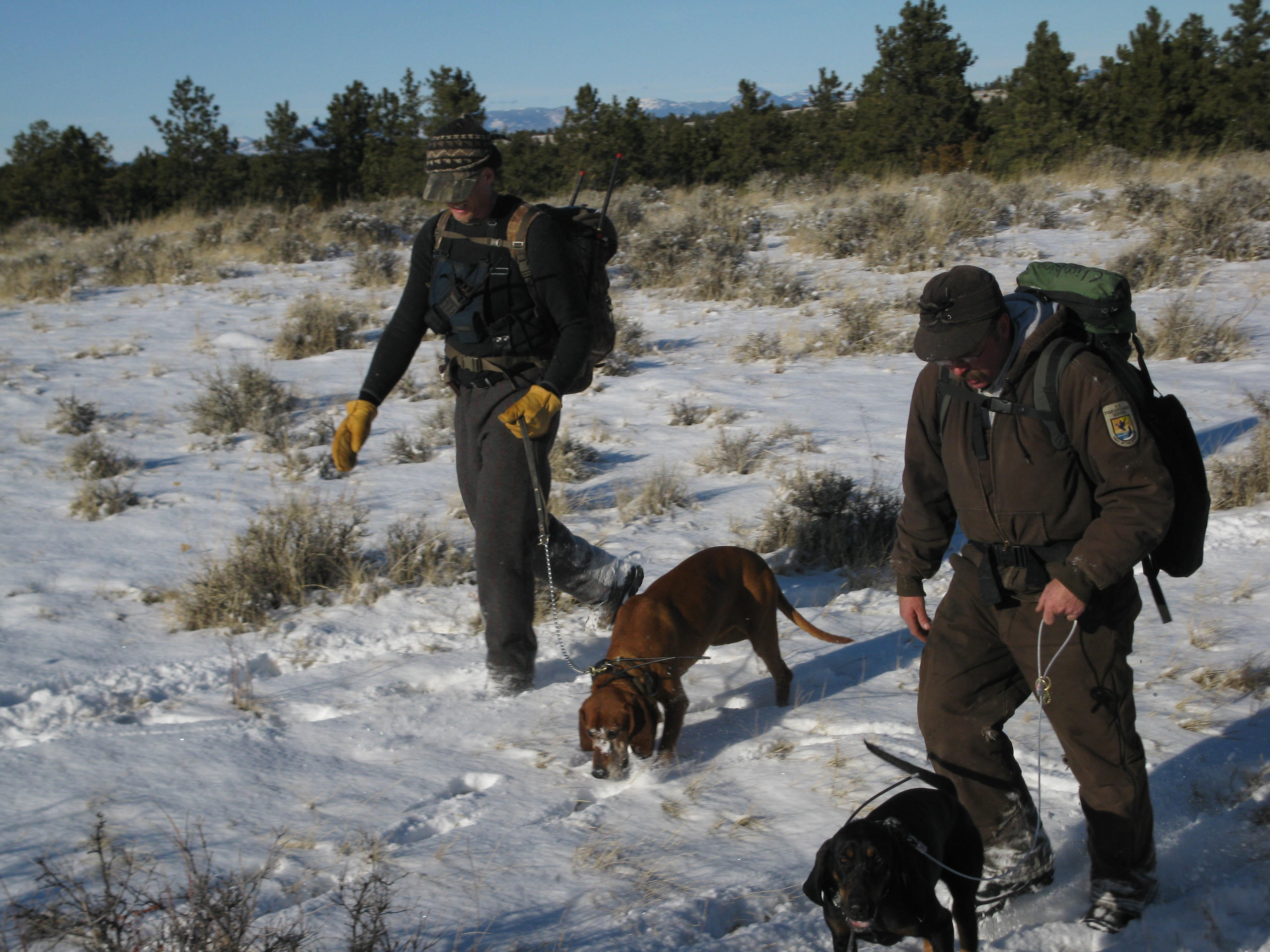
For decades, rangers read snow like a book – pads, claw marks, and stride telling a story page by page. Today, that fieldcraft remains essential, but it’s joined by machine learning that recognizes unique rosette patterns in seconds, by DNA from scat that pinpoints parentage, and by collars that map midnight wanderings without a human ever stepping off the trail. Each tool closes a gap: fewer missed animals, fewer double counts, better insight into how leopards cross roads and rivers. Together, they turn a scattered set of sightings into a population portrait with margins of error that keep shrinking.
I’ve watched a field team huddle over a laptop in a snow-battered hut, a generator humming as new images flicker onto the screen. The room always goes quiet at the first clear flank shot – the moment a ghost gets a name.
The Future Landscape: Tech, Rewilding, and a Warmer Far East

The next decade will be defined by what we build between the forests as much as within them. Smarter road designs, wildlife overpasses, and fence-free boundaries can make dispersal possible without inviting conflict, while fire-resilient forestry reduces the spring burns that erase prey habitat. Reintroduction to suitable former range is on the table, but only if prey is healthy, poaching risk is low, and local communities back the plan with eyes wide open. New satellite and drone systems can spot illegal logging and snares faster, moving rangers from reactive to proactive.
Climate models point to warmer, drier summers that heighten fire risk and shift deer distributions, so flexibility is the watchword. Think adaptive corridors, dynamic protection, and constant feedback loops between data and decisions.
What You Can Do Now: Simple Actions With Real Leverage
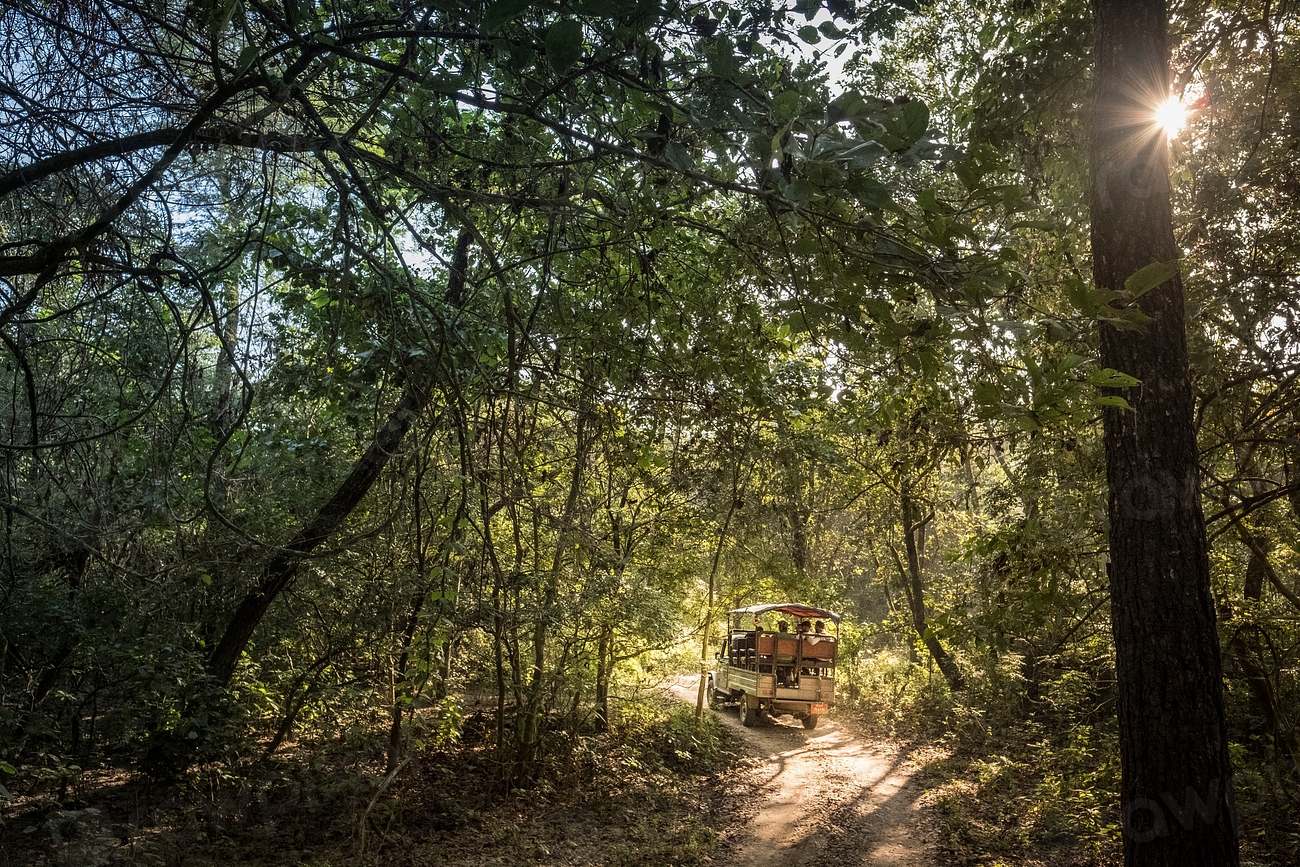
Support organizations that fund ranger patrols, community fire brigades, and corridor purchases; these are the boring, effective gears that keep poachers at bay and forests alive. Choose wood and paper products certified for sustainable forestry, reducing the pressure on the very habitat these cats need. If you travel, seek operators that invest locally and follow wildlife-safe guidelines, so the money you spend strengthens the fabric of coexistence rather than frays it. And when you share stories, skip the sensational myths and amplify the practical wins – accurate awareness is its own form of protection.
The Amur leopard’s comeback isn’t a miracle; it’s a thousand careful choices stacked in the right direction. Which choice will you stack today?
Suhail Ahmed is a passionate digital professional and nature enthusiast with over 8 years of experience in content strategy, SEO, web development, and digital operations. Alongside his freelance journey, Suhail actively contributes to nature and wildlife platforms like Discover Wildlife, where he channels his curiosity for the planet into engaging, educational storytelling.
With a strong background in managing digital ecosystems — from ecommerce stores and WordPress websites to social media and automation — Suhail merges technical precision with creative insight. His content reflects a rare balance: SEO-friendly yet deeply human, data-informed yet emotionally resonant.
Driven by a love for discovery and storytelling, Suhail believes in using digital platforms to amplify causes that matter — especially those protecting Earth’s biodiversity and inspiring sustainable living. Whether he’s managing online projects or crafting wildlife content, his goal remains the same: to inform, inspire, and leave a positive digital footprint.