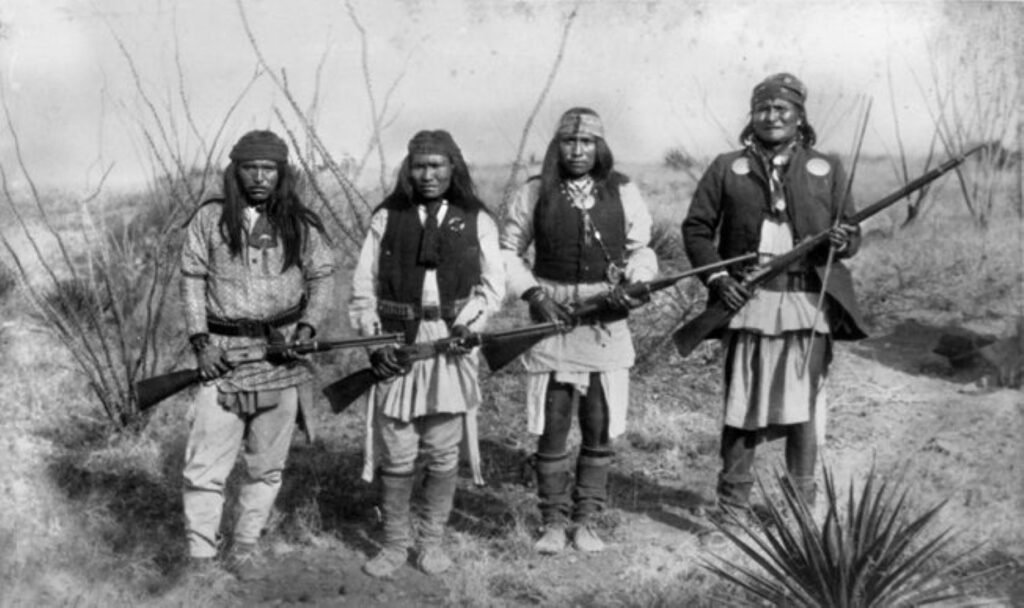

You’ve probably heard the name Geronimo shouted before someone takes a daring leap. Or maybe you’ve caught glimpses of him in old Western films, painted as either a bloodthirsty villain or a noble savage. The truth is, this legendary figure from the American Southwest remains one of the most misunderstood warriors in history.
His story isn’t just about battles and bloodshed. It’s about a man who watched his world crumble, who fought with everything he had to protect what remained, and who ultimately became both a prisoner and an unwilling celebrity. Let’s dive into the real story behind the legend.
His Birth Name Meant One Who Yawns
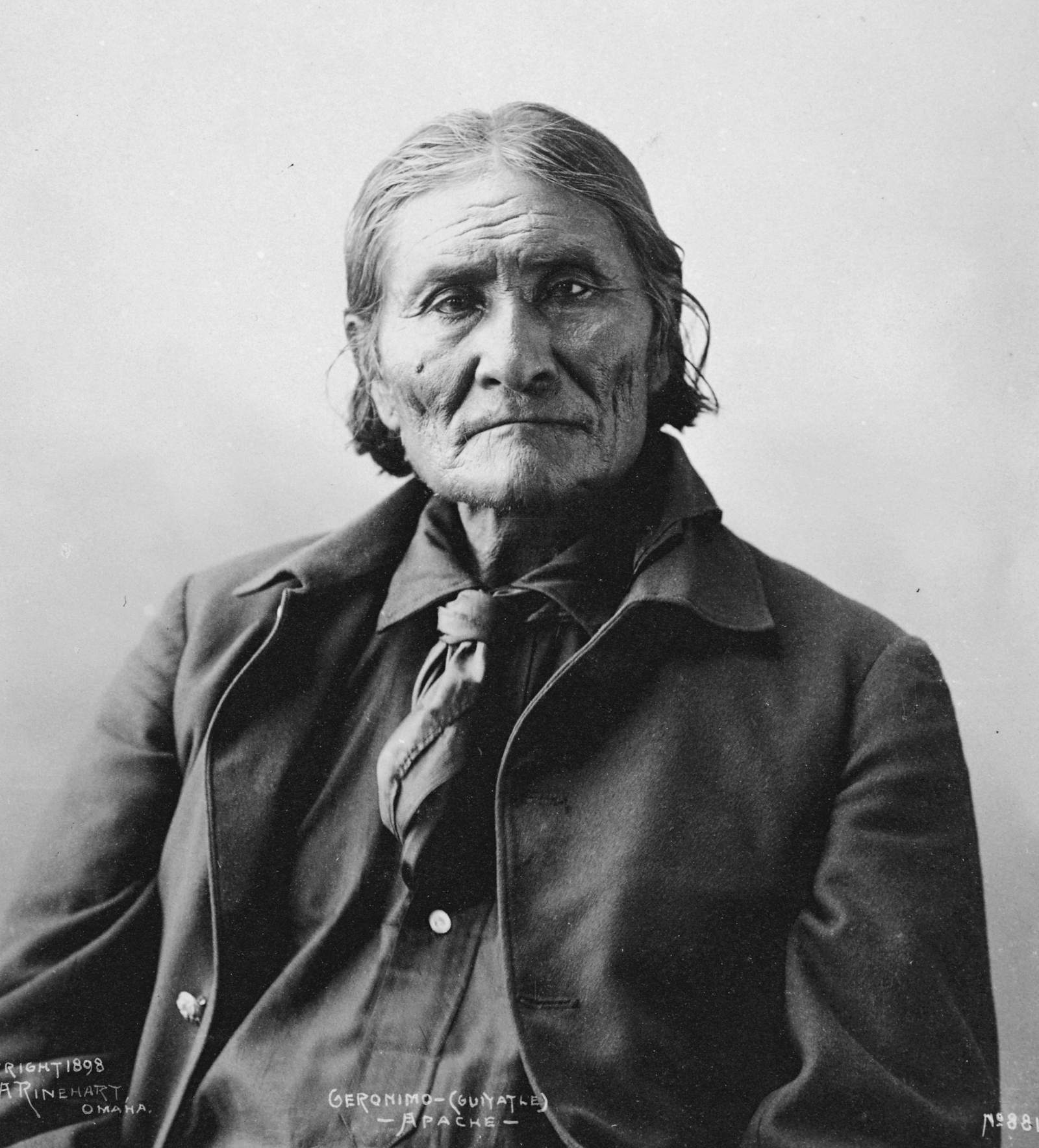
Geronimo’s Apache name was Goyahkla, which means One Who Yawns. Born around June 1829 in what is now the southwestern United States, he came into the world with a name that seems almost comically at odds with his future reputation as a relentless warrior. Some aged Fort Sill Apaches suggest the name had a slightly different pronunciation with the meaning intelligent, shrewd, clever.
He was a military leader and medicine man from the Bedonkohe band of the Ndendahe Apache people. Growing up in the harsh terrain of the American Southwest, young Goyahkla learned hunting, horsemanship, and survival skills that would later make him one of the most elusive figures in American military history. His childhood, filled with complex religious rituals and ceremonies, prepared him for a life that would be anything but boring.
He Wasn’t Actually a Chief
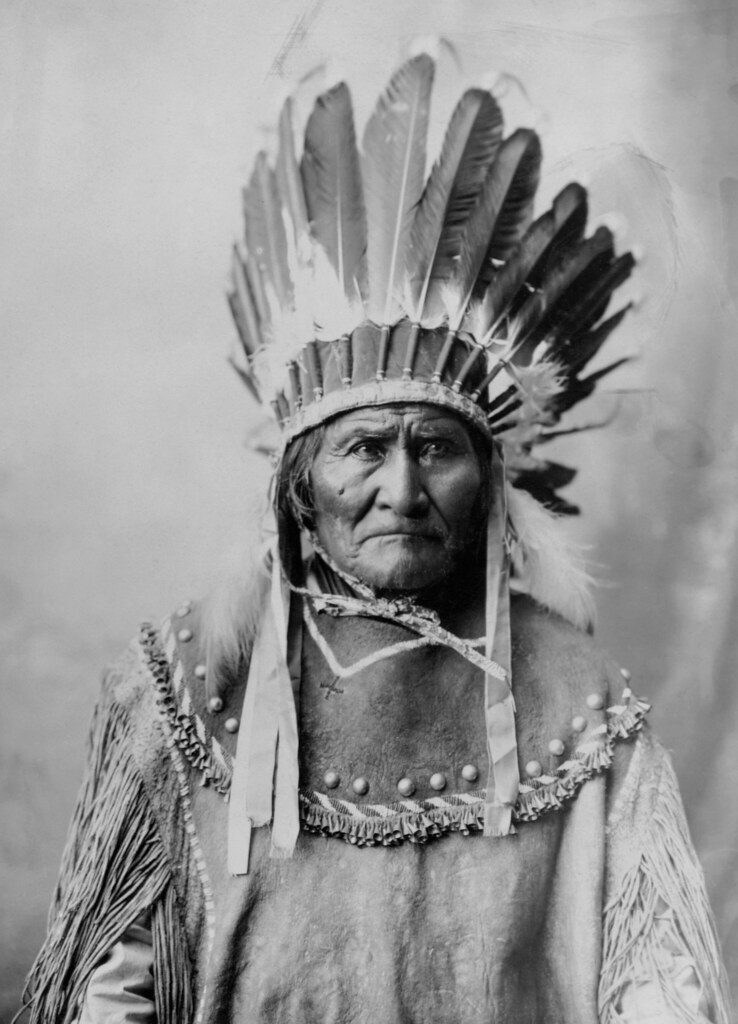
Here’s something that might surprise you. Geronimo was not a chief of the Bedonkohe band of the Central Apache but a shaman. Despite what countless history books and movies might suggest, he never held the formal position of tribal chief. He was not considered a chief among the Apache people, but was known as an infamous leader with a warrior spirit that conducted raids and warfare.
However, since he was a superb leader in raiding and warfare, he frequently led large parties of 30 to 50 Apache warriors. His spiritual authority as a medicine man combined with his tactical brilliance made him a natural leader, even without the official title. It’s hard to say for sure, but perhaps that lack of formal hierarchy actually gave him more freedom to act.
A Devastating Massacre Changed His Life Forever
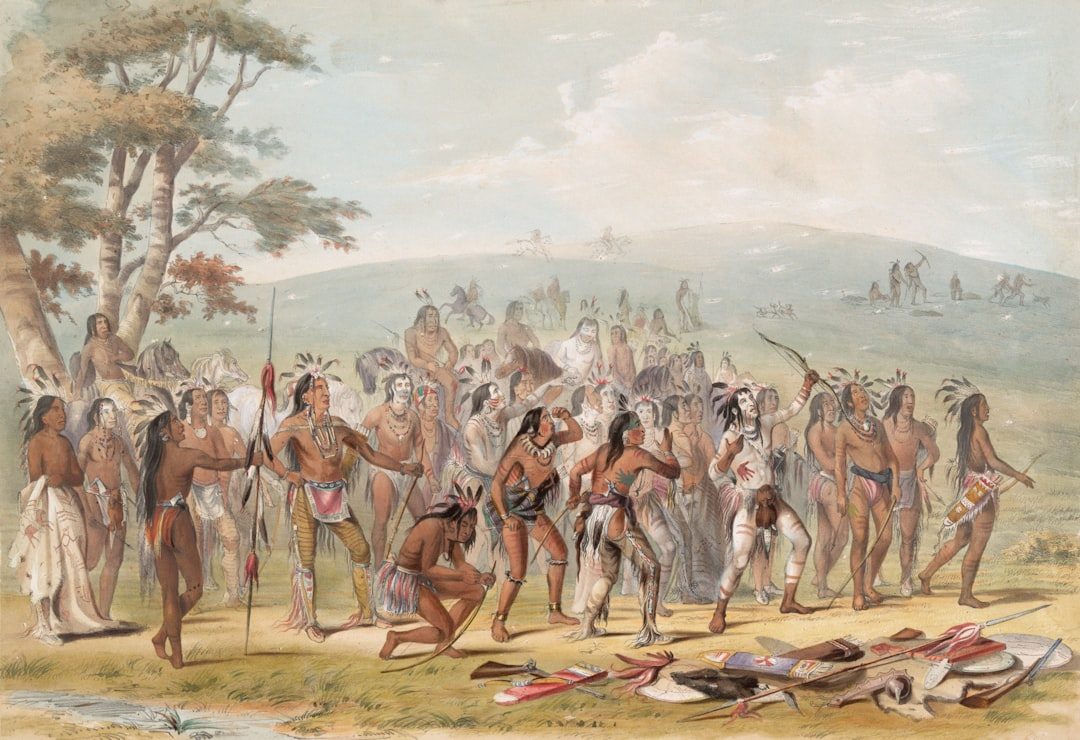
On the morning after Mexican soldiers attacked, Goyahkla returned to the camp and found the corpses of his aged mother, wife, and three children, all scalped and lying in pools of blood. On March 5, 1851, a company of 400 Mexican soldiers from Sonora led by Colonel José María Carrasco attacked Geronimo’s camp outside Janos, Chihuahua while the men were in town trading.
From that moment forward, vengeance against Mexicans, innocent or guilty, became Goyahkla’s driving passion. According to Apache tradition, he burned his family’s belongings and retreated into the wilderness to mourn. During this period, he claimed to hear a voice promising that no gun would ever kill him and that his arrows would be guided. This spiritual experience would fuel his relentless campaign against those he held responsible for his loss.
Mexican Soldiers Gave Him the Name Geronimo
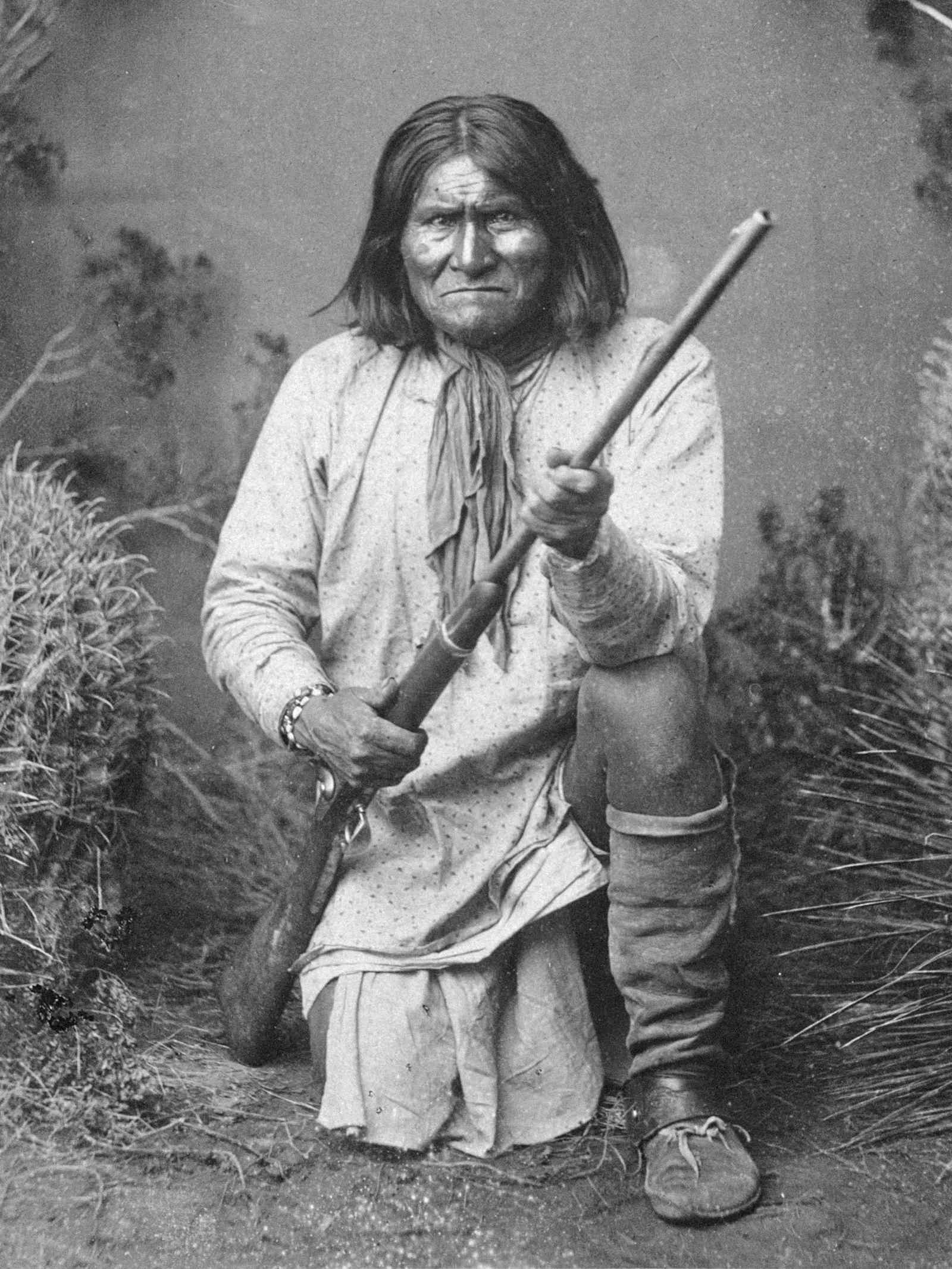
During a battle in which he repeatedly attacked Mexican soldiers with a knife, ignoring a deadly hail of bullets, the name Geronimo came about. The origin of the name is a source of controversy with historians, some writing that it was appeals by the soldiers to Saint Jerome for help.
Some historians believe its origins are the cries of frightened Mexican soldiers calling out the name of the Catholic St. Jerome when they faced Geronimo in battle. Others think it was simply a mispronunciation of his Apache name. Regardless of its true origin, the name stuck, and Goyahkla willingly accepted it. The fierce warrior who had lost everything became known by a name shouted in terror by his enemies.
He Escaped From Reservations Multiple Times
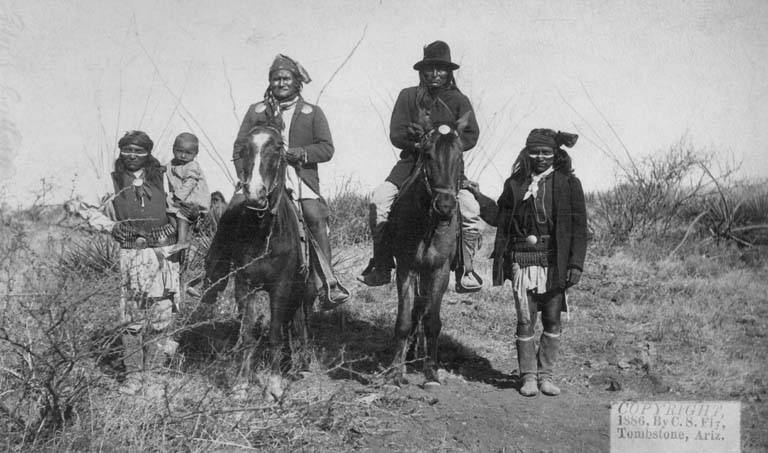
In 1874, the U.S. authorities forcibly removed approximately 4,000 Apaches to a reservation in San Carlos, Arizona, located on barren land. Life there was unbearable. With scarce resources, Apaches were not able to fulfill traditional tribal rights and were short on rations.
A defiant Geronimo broke out of San Carlos Reservation with his followers three separate times in the next decade. In May 1885, Geronimo led a group of 35 men, 8 boys, and 101 women for 10 months around the Arizona-Mexico border. His knowledge of the surrounding mountains and deserts helped him evade thousands of pursuing soldiers. Each escape embarrassed the U.S. military more, and each successful evasion added to his growing legend.
Thousands of Troops Pursued Fewer Than 40 Warriors
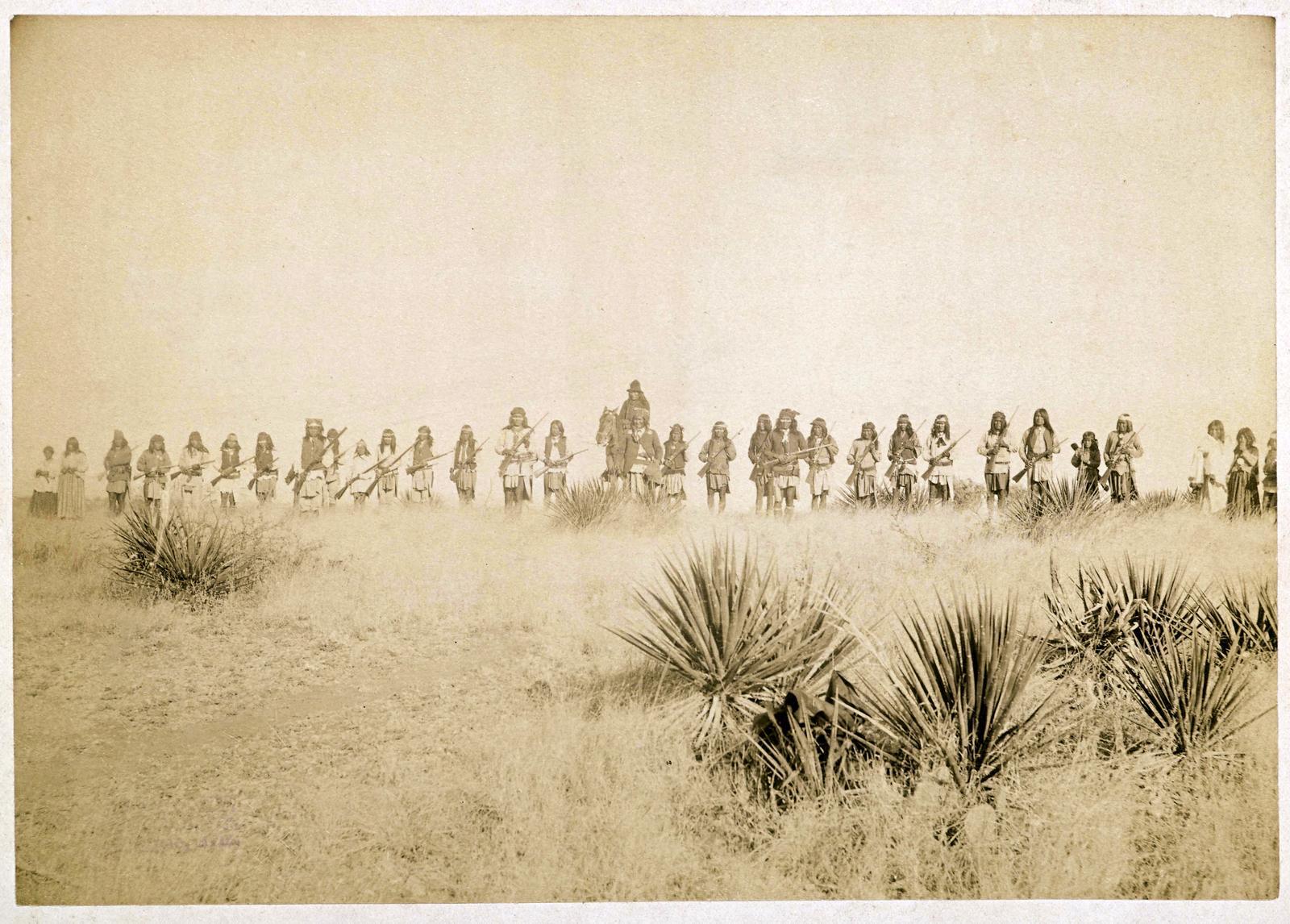
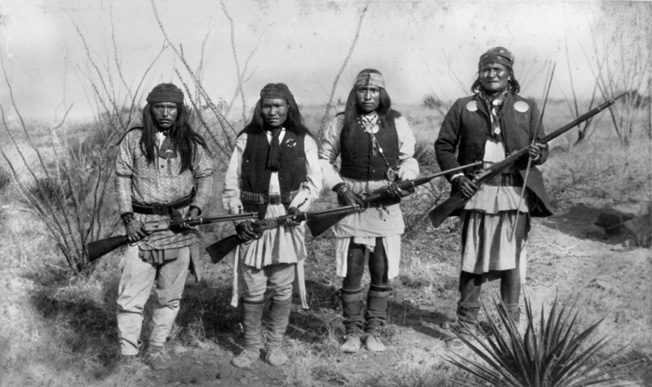
Let’s be real, the numbers here are almost unbelievable. By the end of the struggle there were more than 5,000 American Army troops, hundreds of Indian scouts, and hundreds more civilian volunteers arrayed against Geronimo and his fewer than forty Apache warriors. At the end of his military career, he led a small band of 38 men, women and children who evaded thousands of Mexican and American troops for more than a year.
Five thousand soldiers and 500 Native American auxiliaries were called upon to catch Geronimo and his small band. The U.S. government even established special communication lines just to relay information about his whereabouts. His ability to disappear into the landscape frustrated military commanders and made him a sensation in newspapers across the country. This tiny group’s resistance against overwhelming force became the stuff of legend.
He Became a Celebrity Prisoner After Surrender
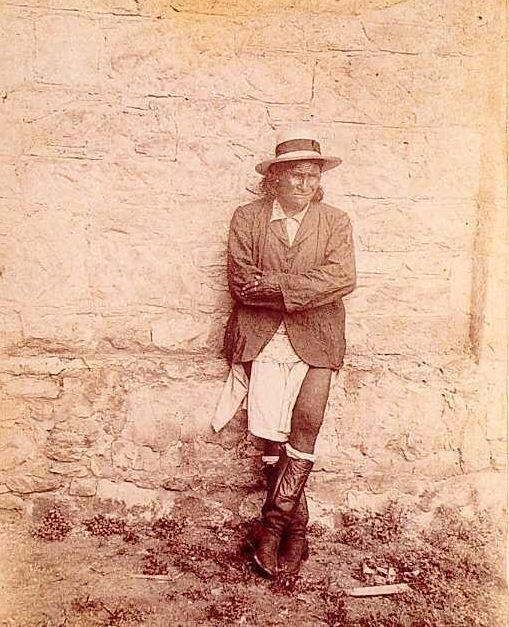
On September 4, 1886, Geronimo surrendered to U.S. government troops, making him the last Native American warrior to formally give in to U.S. forces. As prisoners of war, Geronimo and his followers were exiled, being sent first to Florida, then to Alabama, and finally to Fort Sill, Oklahoma Territory, in 1894.
His fame grew, and he appeared at national events such as the 1898 Trans-Mississippi and International Exposition in Omaha, the 1901 Pan-American Exposition in Buffalo, and the 1904 Louisiana Purchase Exposition in St. Louis. In President Theodore Roosevelt’s 1905 Inaugural Parade, Geronimo rode horseback down Pennsylvania Avenue with five Indian chiefs. The once-feared warrior became a spectacle, selling autographed photos and crafts to curious Americans who wanted a piece of living history.
He Died a Prisoner With Deep Regrets
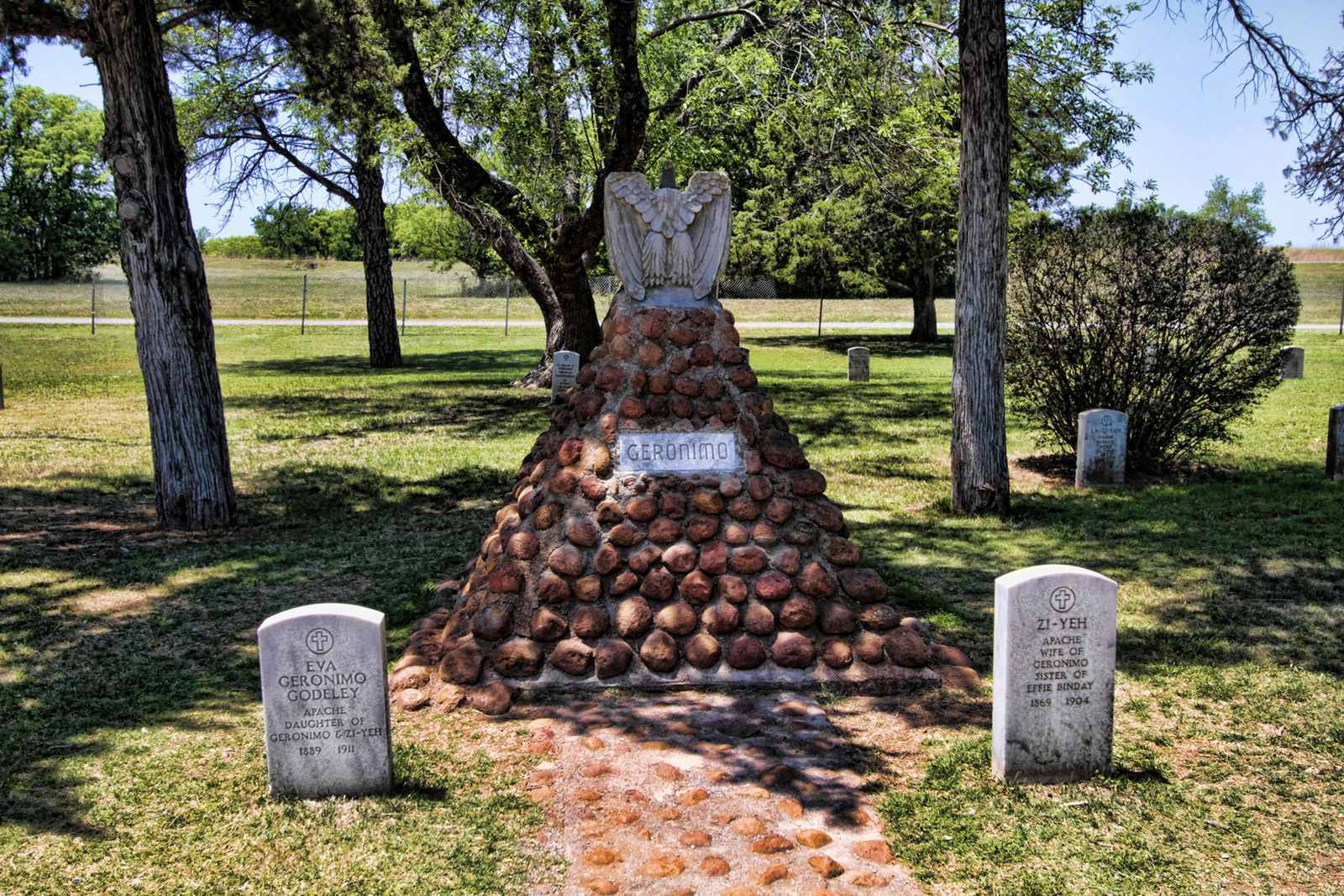
In February 1909, Geronimo was thrown from his horse while riding home and lay in the cold all night until a friend found him extremely ill, and he died of pneumonia on February 17, 1909. On his deathbed, he confessed to his nephew that he regretted his decision to surrender, saying I should have never surrendered. I should have fought until I was the last man alive.
Geronimo failed to convince the federal government to allow his people to return to their Arizona homeland, and he died at Fort Sill on February 17, 1909, and was buried in the fort’s Apache cemetery. Despite all his efforts, all his escapes, and all his negotiations, he never saw his beloved homeland again. His final words speak to the profound loss and bitterness he carried to his grave.
Conclusion
Geronimo’s story stretches far beyond the simple narrative of cowboys versus Indians. He was a spiritual leader, a devoted family man, a brilliant tactician, and ultimately a symbol of resistance against impossible odds. His life spanned a pivotal moment in American history when the last free Native peoples were forced onto reservations and an entire way of life vanished.
Today, his name continues to echo through American culture, shouted by paratroopers and invoked in countless ways. Whether you see him as a hero or a complicated figure shaped by tragedy and violence, one thing remains certain: his impact on history is undeniable. What strikes me most is that beneath all the legends and myths, he was simply a man fighting desperately to protect his people and their way of life. Did his story turn out the way you expected?
Hi, I’m Andrew, and I come from India. Experienced content specialist with a passion for writing. My forte includes health and wellness, Travel, Animals, and Nature. A nature nomad, I am obsessed with mountains and love high-altitude trekking. I have been on several Himalayan treks in India including the Everest Base Camp in Nepal, a profound experience.