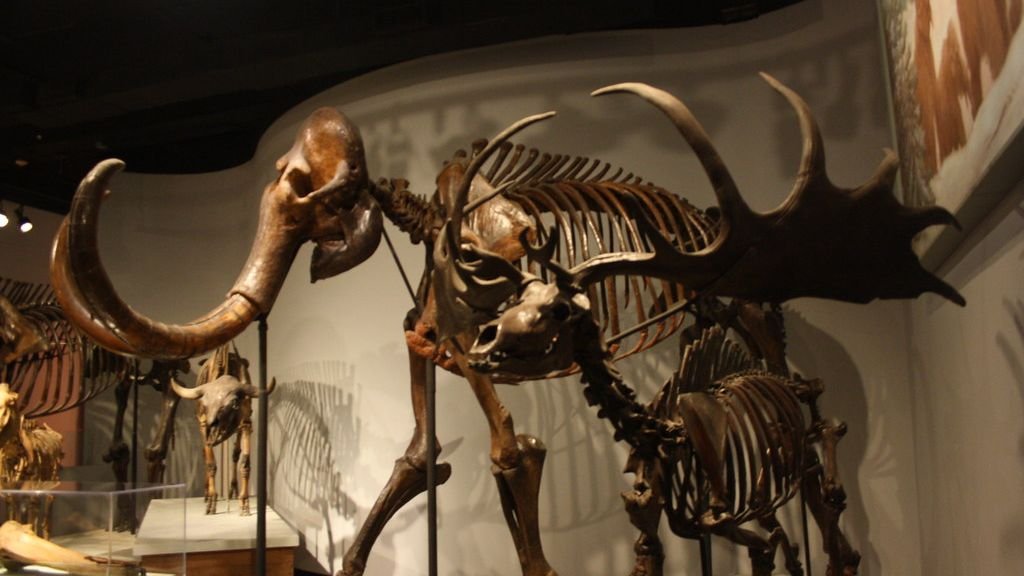

Nature has always been an inventor of wild, improbable ideas. You look at the animals alive today and think, “okay, that’s remarkable.” Then you peek a little further back into Earth’s history and realize that everything we consider strange now is practically boring compared to what evolution was cooking up millions of years ago. The creatures that once ruled forests, seas, skies, and rivers had adaptations so jaw-dropping, so fundamentally bizarre, that even modern scientists are left scrambling for explanations.
Some of these animals were so perfectly suited to their environments that they thrived for millions of years. Others were gone in a geological blink. What all eight of them share is something that goes beyond “unusual.” These were organisms that rewrote the rulebook on what a living creature could actually do. Buckle up, because you’re about to meet eight of the most extraordinarily adapted animals that ever walked, swam, flew, or slithered on this planet.
1. The Gastric-Brooding Frog: The Mother Who Swallowed Her Young
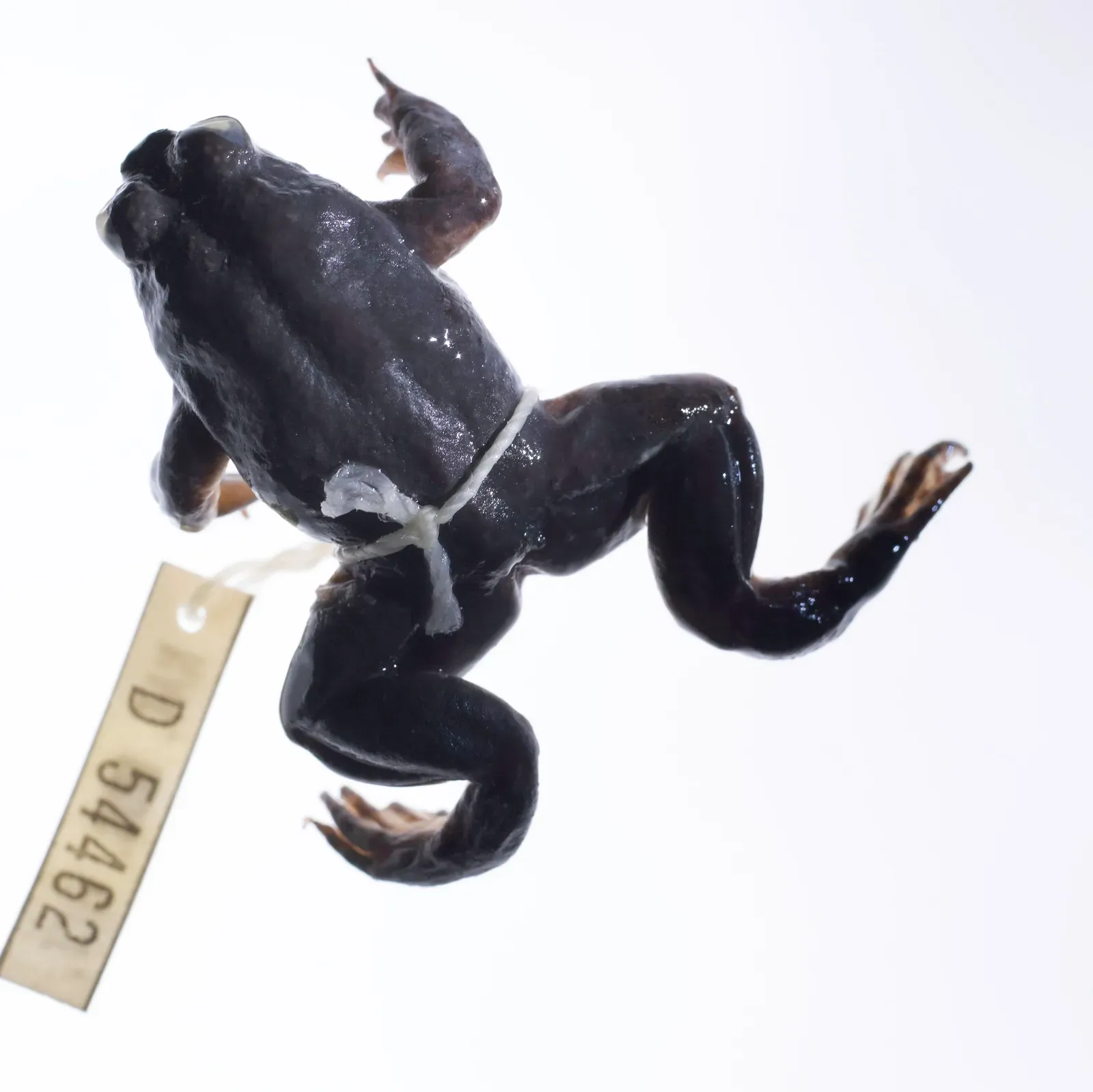
Let’s be real, there is no creature on this list that bends the imagination quite like the gastric-brooding frog. The female of this now-extinct Australian species was a gastric-brooder, meaning her fertilized eggs developed inside her stomach, and weeks after ingestion, the fully formed juvenile frogs escaped through her mouth. Yes, you read that correctly. She literally gave birth through her face.
Each female contributed yolk to her eggs, and after they were fertilized, she swallowed them and carried them in her stomach for six to seven weeks, during which time her entire digestive system shut down and she could not eat. The way she pulled this off involved a chemical trick: in the jelly around each egg was a substance called prostaglandin E2 (PGE2), which could turn off the production of hydrochloric acid in the stomach. Think about that. Her body essentially reprogrammed itself from a digestive organ into a living nursery, on command. There were only ever two known species of frogs to give birth in this way: the southern and northern gastric-brooding frogs, both native to Queensland, Australia. Both are now gone, and so is the miraculous biological secret they carried.
2. The Woolly Mammoth: Nature’s Ultimate Cold-Weather Survivor
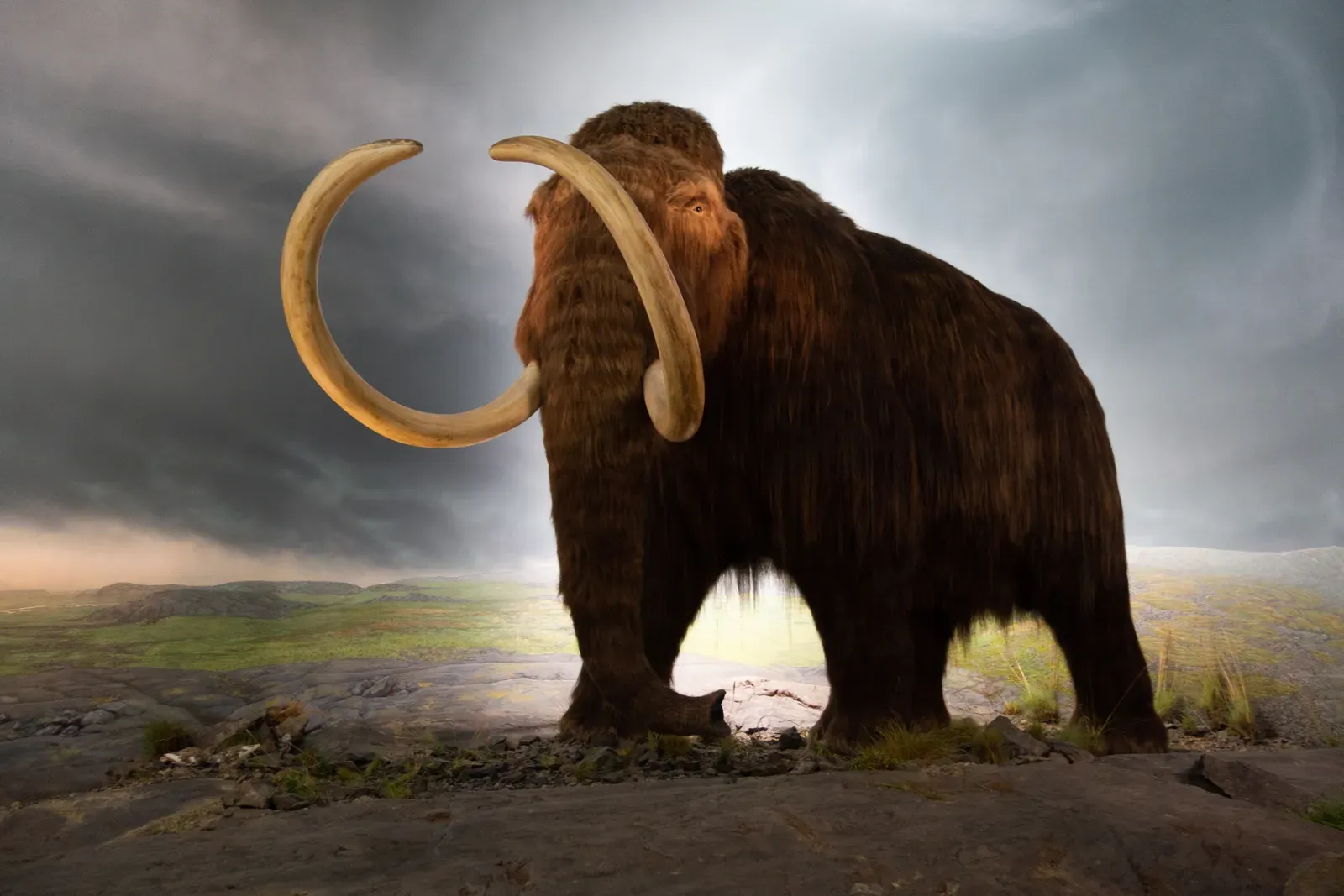
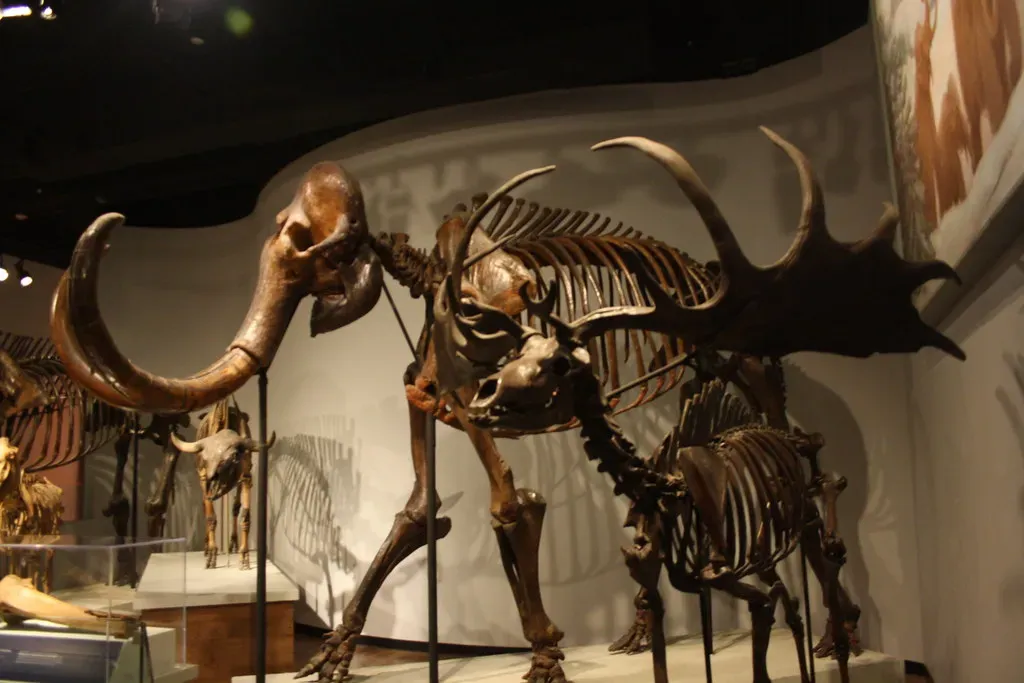
The woolly mammoth was a massive, elephant-like creature that roamed the northern tundra during the last Ice Age, standing up to eleven feet tall and weighing up to six tons, with long curved tusks that could grow to fifteen feet. That alone is extraordinary. Yet the truly remarkable thing about the mammoth was not its size. It was what lived beneath the surface, literally.
With their thick coat of hair, large fat reserves, and specially adapted “antifreeze” blood, they were very well adapted to the cold. Adapted for life in freezing climates, they had smaller ears than modern elephants to minimize heat loss, and they used their massive tusks to dig through snow in search of vegetation, mainly grasses and shrubs. Picture an animal that essentially carried its own central heating system inside its body, complete with a double-layered fur coat and a biochemical antifreeze circulating through its veins. They went extinct around four thousand years ago, likely due to a combination of climate change and human hunting. Even today, scientists are still debating whether we could one day bring them back.
3. Smilodon: The Saber-Toothed Cat and Its Precision-Killing Fangs
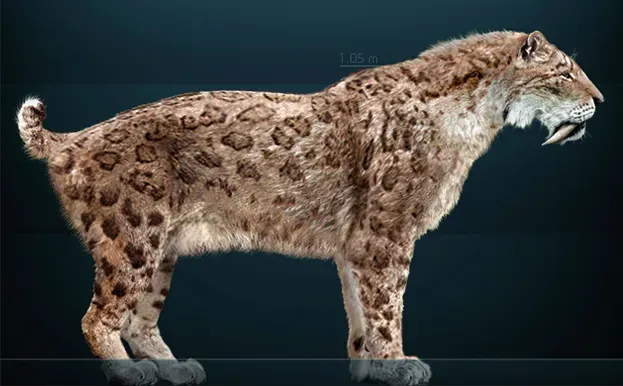
Smilodon lived in the Americas during the Pleistocene, overlapping with the humans who first discovered the “New World.” Although they’re often called saber-tooth tigers, Smilodon were not tigers; instead, they belonged to a large, extinct family of big cats known as Machairodonts. What set them apart wasn’t just the fangs. It was the entire killing machine built around those fangs.
Built more like bears than today’s lions and tigers, they had stout, muscular hindlimbs and long, grasping forelimbs. Their most characteristic features, though, were their canines, which measured nearly a foot from root to tip. These adaptations made Smilodon formidable ambush predators that specialized in pouncing on their prey. Honestly, I think what’s most shocking is not the teeth themselves but the jaw mechanics required to use them. Weighing up to seven hundred and fifty pounds, this creature was a superior hunter, preferring to catch its prey off guard rather than running it down, and while it held the prey with its front legs, it used its sharp teeth to slash the animal’s throat or stomach. Surgical. Terrifying. Extinct, thankfully.
4. Quetzalcoatlus: The Flying Giant the Size of a Giraffe
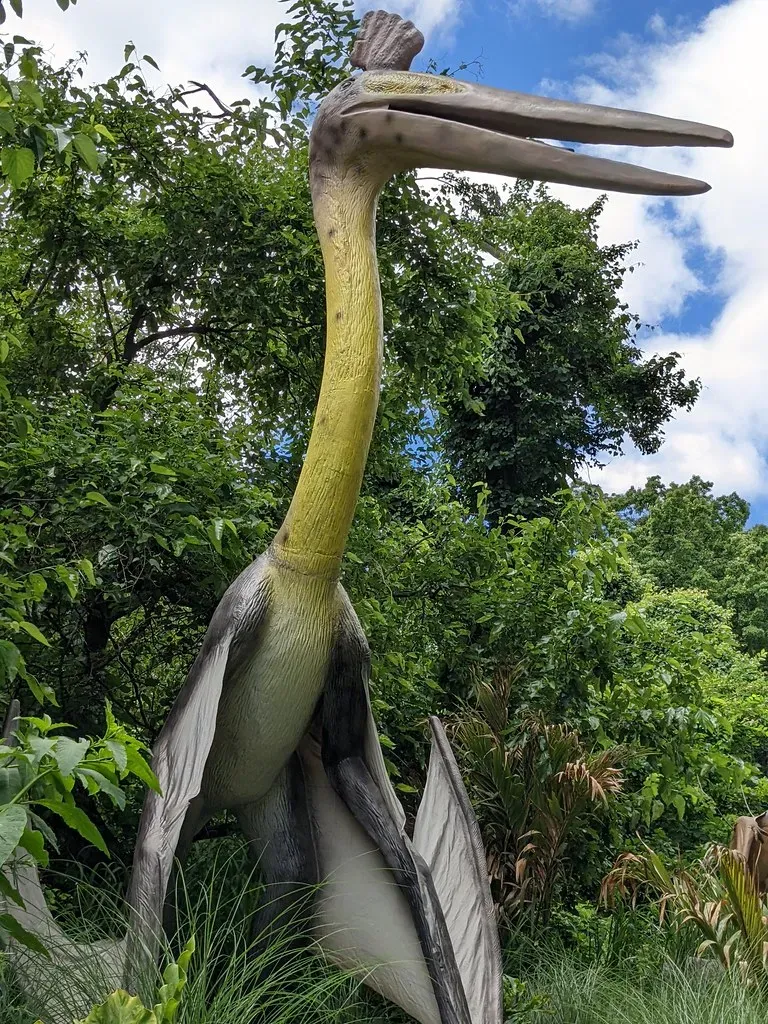
You might think you know large flying animals. You don’t. Not really. Quetzalcoatlus was an impressive flying creature from the past, with a wingspan that could reach thirty-three feet, making it a member of the pterosaur family. This giant not only had an enormous frame but also a uniquely long neck and elongated head, with long, narrow wings perfectly designed for gliding. To put it in perspective, it could look a modern giraffe directly in the eye while standing on the ground.
Imagine a predatory creature the size of a giraffe with a thirty-three-foot wingspan flying through the air: Quetzalcoatlus northropi lived during the Cretaceous period, alongside dinosaurs, and might even have eaten smaller ones. It could travel swiftly, making it efficient as it sought food, and is believed to have fed on small animals or fish, using its beak to snatch them up. Furthermore, it had strong muscles that powered its flight, allowing it to take off and land with ease, making it an extraordinary aerial adventurer. The sheer engineering involved in keeping something that large airborne is staggering, and evolution figured it out long before humans ever dreamed of flight.
5. Thylacine: The Marsupial That Became a Predator Twice Over
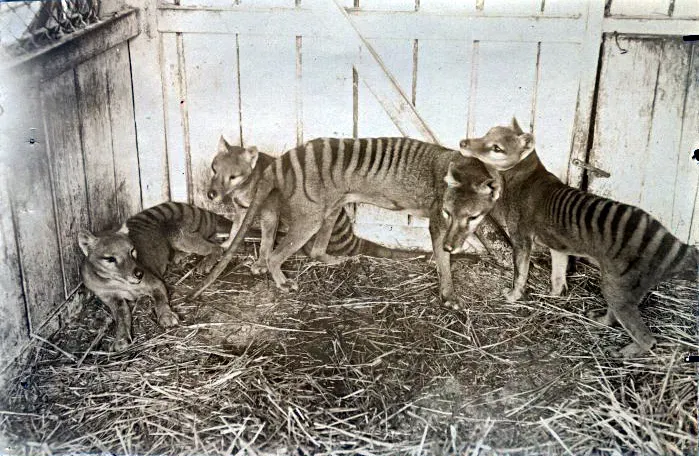
Here’s the thing about the thylacine: it was a trick of evolution so remarkable that it has its own name in science. Also known as the Tasmanian tiger, the thylacine was once the world’s largest meat-eating marsupial. It looked a bit like a wolf but had yellow-brown fur, stripes on its back, and a thick, long tail. Yet despite those wolf-like looks, it was far more closely related to kangaroos and wombats than to any wolf.
This phenomenon is called convergent evolution. The thylacine independently developed jaws, body structure, and hunting habits almost identical to wolves, not because it was related to them, but because the same environmental pressures produce the same solutions. Its scientific name, Thylacinus cynocephalus, is Greek for “dog-headed pouched one,” and although populations suffered from disease and habitat loss, it’s believed humans were ultimately to blame for its extinction. Since the fierce predators liked to feast on sheep and other livestock, European settlers were quick to kill them. The last known thylacine died in 1936, in Hobart Zoo, Australia. A marsupial that evolved to become a wolf. Gone in a century because of us.
6. Argentavis: The Condor That Ruled Ancient Skies With a Twenty-Three-Foot Wingspan
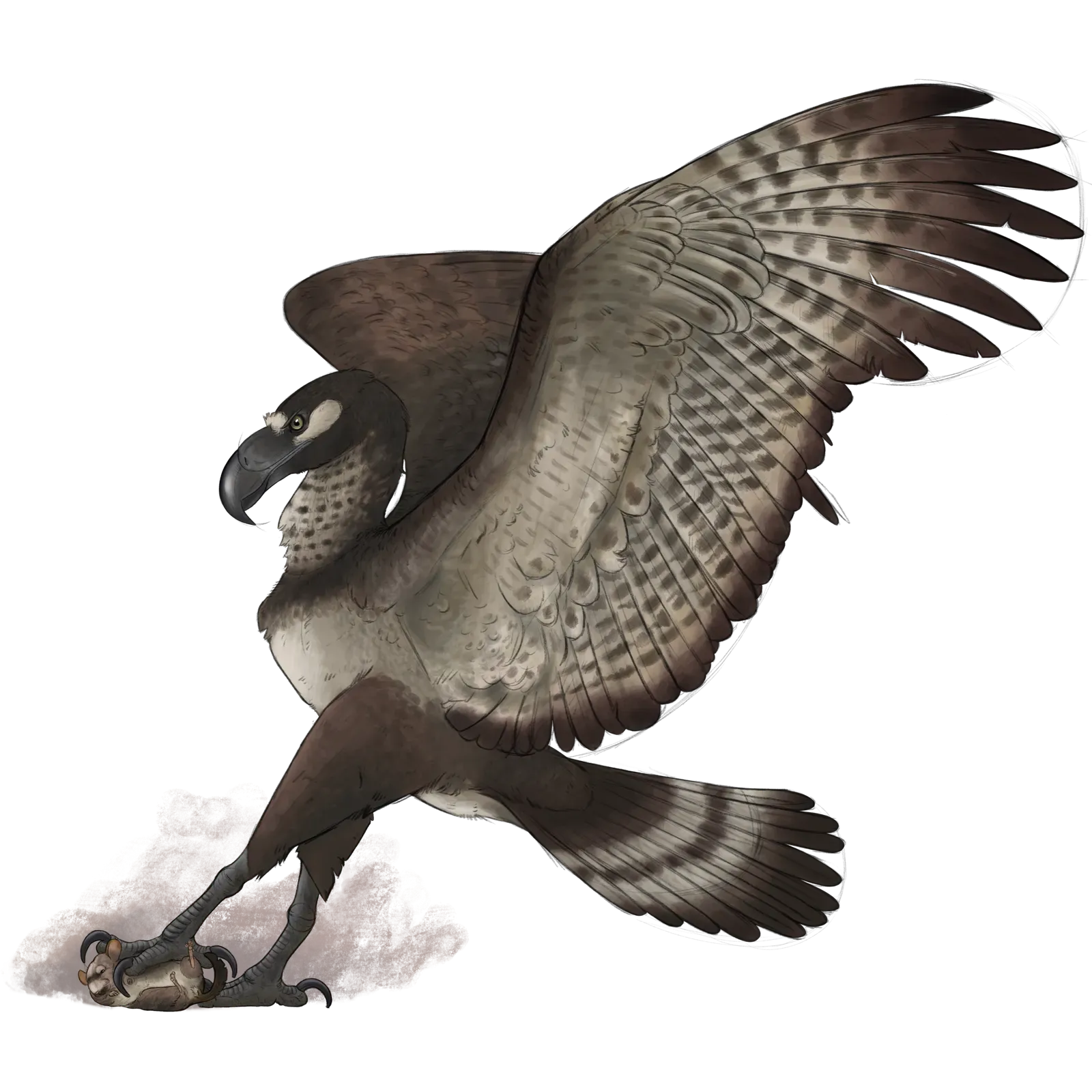
If Quetzalcoatlus was the pterosaur giant, Argentavis was the avian answer to it. Argentavis was one of the largest flying birds ever. With a wingspan of up to twenty-three feet, it could glide effortlessly over vast distances. This huge bird relied on thermal updrafts to stay aloft, saving energy during long flights. Its powerful beak and strong talons helped it hunt large prey, and it had a lightweight skeleton which reduced weight without sacrificing strength. In other words, it was a masterpiece of aeronautical engineering dressed in feathers.
What makes Argentavis so fascinating from an adaptation standpoint is the sheer cleverness of its energy management. Think of it like a solar-powered glider: rather than burning fuel by flapping, it simply read the invisible columns of warm rising air and surfed them across the sky. It likely couldn’t take off easily from flat ground, much the way modern hang gliders need a launching point. Scientists believe it used cliff edges and elevated terrain to launch itself into the air. It lived in what is now South America roughly six million years ago and represents the pinnacle of what bird-sized flight could ever achieve. Nothing with feathers has matched it since.
7. Titanoboa: The Snake That Outgrew Every Nightmare You Have Ever Had
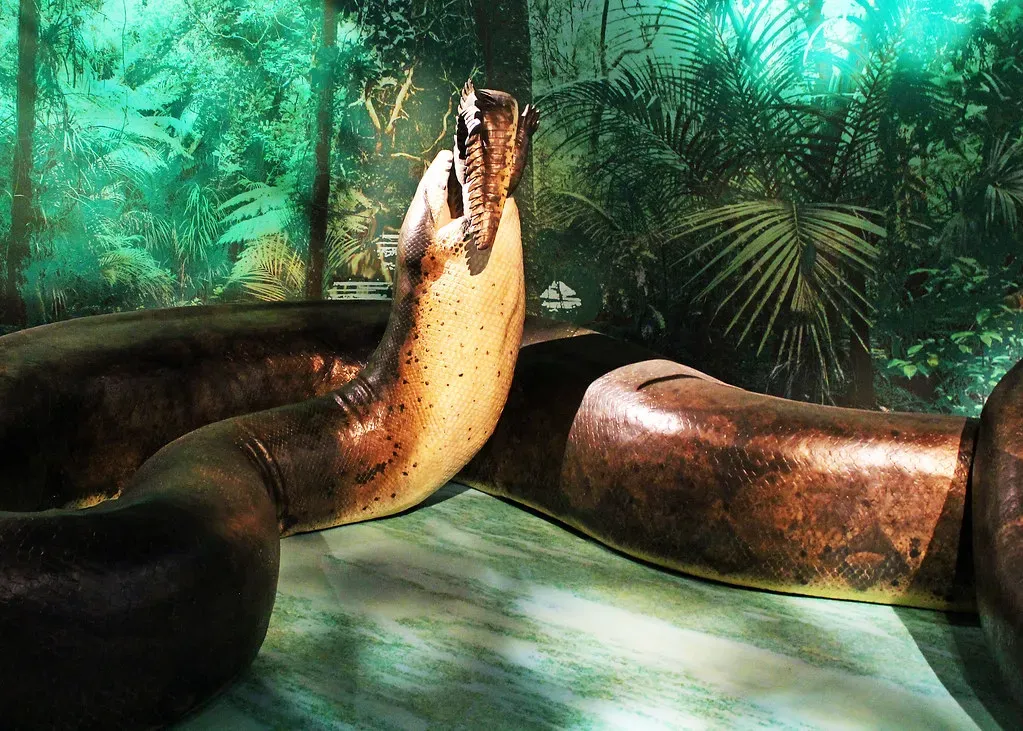
I know it sounds crazy, but a snake that weighed more than a car and could swallow a crocodile whole was absolutely real. Titanoboa cerrejonensis belongs to the Boidae family of animals, which evolved in North and South America during the Cretaceous period. This giant snake could reach lengths of up to forty-two feet and weighed over a ton. Even the longest anacondas ever discovered have never surpassed thirty feet. So if you thought an anaconda was alarming, meet its ancient cousin who would make an anaconda look like a garden hose.
Titanoboa likely lived in or very near the water, where it could ambush and kill other species. Its huge size and powerful constricting ability allowed it to overpower and consume large prey, making it one of the most dangerous extinct animals of the prehistoric world. The reason Titanoboa could grow this large comes down to one key factor: warmth. Cold-blooded animals grow larger in hotter climates because they can sustain a faster metabolism. Researchers estimate that the snake would have weighed about a ton, and they’ve had a hard time figuring out its exact size because they haven’t found all the vertebrae of a single animal in one place. A snake so enormous that it left incomplete fossils, scattered across ancient riverbeds like a legend too big for the ground to hold.
8. Dunkleosteus: The Armored Fish With Self-Sharpening Bone Blades for Teeth
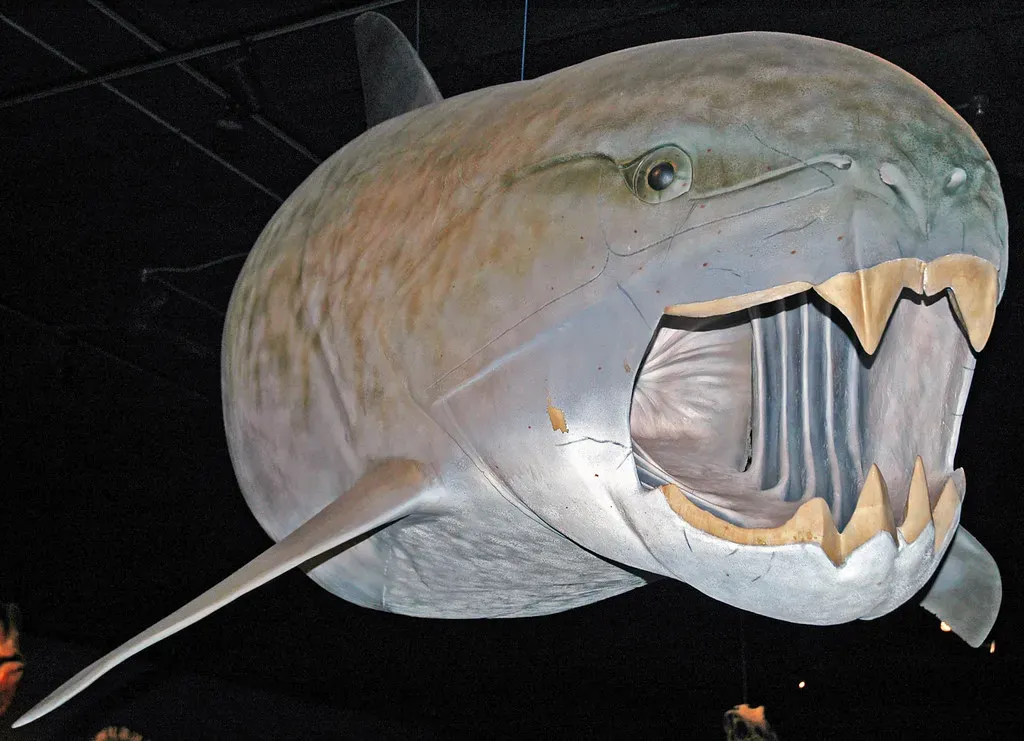
You want a genuinely alien adaptation? Meet Dunkleosteus. This armored fish from the Devonian era lacked teeth, but its jaw contained razor-sharp protrusions of bone that it could use to pierce and cut through its prey. These bones grew continuously and as they did, the edges rubbed together with those of the opposing jaw, acting like self-sharpening shears, ensuring the “fangs” were always ready to chomp into armored prey like arthropods, ammonites, and other fish. A creature that never needed a dentist because its teeth sharpened themselves.
This four-ton monster fish patrolled inshore waters and could snatch prey by opening and closing its jaws within fifty to sixty milliseconds. That’s faster than the blink of a human eye. Dunkleosteus is said to be one of the biggest arthrodire placoderms, an armored and jawed fish, to have ever grazed Earth’s waters. Picture a fish the length of a school bus, covered in interlocking armored plates, equipped with bone blades that never went dull, snapping shut faster than you could react. It ruled the ancient oceans for roughly ten million years, and it remains one of the most bizarrely effective predators ever produced by evolution. Nothing quite like it has existed since.
Conclusion: What These Eight Animals Teach You About Life Itself
Every single one of these creatures had something extraordinary to offer the world, a solution to a problem that no other species had solved in quite the same way. From a frog that turned her stomach into a nursery, to a fish with self-sharpening bone blades, to a snake so massive it defied imagination, evolution clearly plays by rules that are far stranger and more creative than anything we typically allow ourselves to believe.
The loss of these animals isn’t just a historical footnote. It’s a reminder that each extinction erases a biological experiment that took millions of years and countless generations to perfect. Extinction has been a natural part of Earth’s history, and over the planet’s four-and-a-half billion years of existence, an estimated ninety-nine percent of all species that have ever lived on Earth are now extinct. Still, knowing that doesn’t make losing them sting any less.
The real question these eight animals leave you with isn’t just “how did they live?” It’s “what else did we lose that we haven’t even discovered yet?” What do you think? Let us know in the comments below.