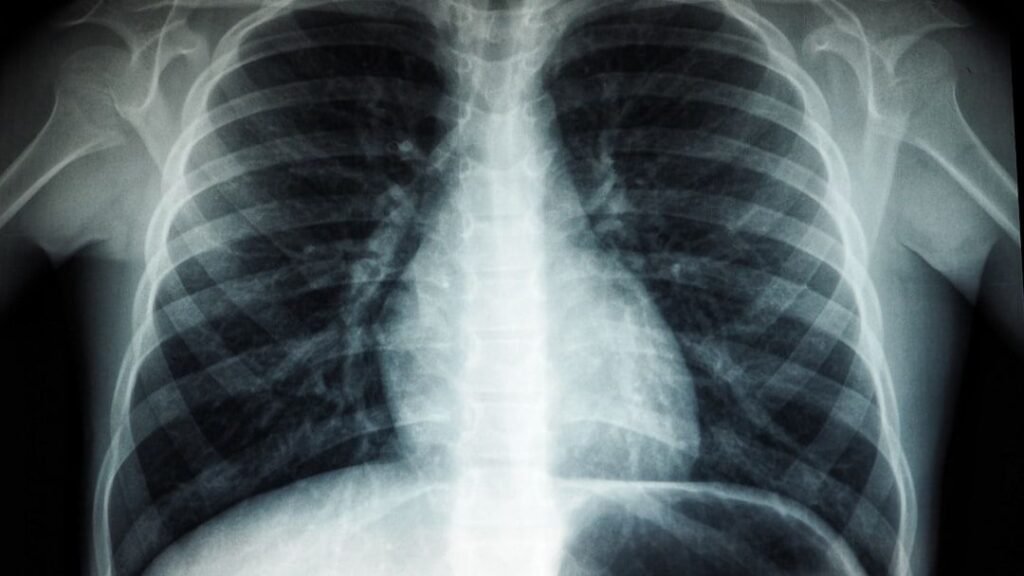

Some of the stuff we take completely for granted today only exists because someone messed up in a lab, forgot to clean their desk, or just got really curious about a weird result. It’s almost unsettling when you realize how much of modern life rests not on perfect planning, but on lucky mistakes and people stubborn enough to ask, “Wait… what just happened?”
Once you start noticing it, you can’t unsee it: your kitchen, your phone, your medicine cabinet – all full of accidental breakthroughs. These weren’t tiny side notes in history; they quietly rewired how we live, work, communicate, and even survive. Let’s walk through eight of the most surprising ones and see how a few “oops” moments ended up changing the entire world.
1. Penicillin: The Messy Petri Dish That Saved Millions
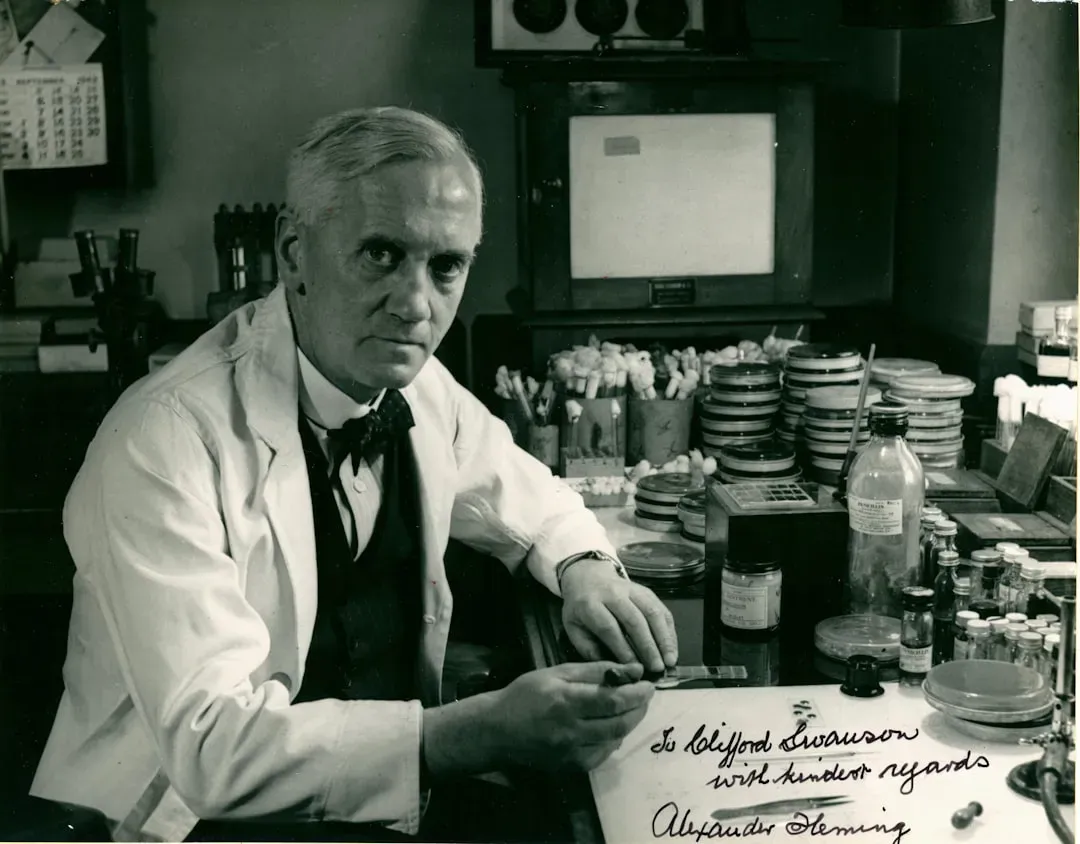
Imagine walking into your lab after a vacation, seeing mold contaminating your carefully prepared petri dishes, and instead of throwing them out, leaning closer out of curiosity. That’s essentially what happened to Alexander Fleming in 1928 when he noticed that a strange mold was killing the surrounding bacteria. Most people would’ve called it a failed experiment and moved on, but he saw something different in that messy plate.
What started as contamination became penicillin, the first widely used antibiotic, and it transformed medicine more dramatically than almost any other discovery. Before antibiotics, even a small cut could turn deadly, and surgeries were incredibly risky; after penicillin, survival rates soared and treatments we now consider routine became possible. It wasn’t developed overnight – it took years of refinement and large-scale production, especially during World War II – but the spark was that accidental mold. It’s a good reminder that sometimes the breakthrough is hiding in what looks like a disaster.
2. Microwave Ovens: A Melted Candy Bar That Rewired Our Kitchens

During the 1940s, engineer Percy Spencer was working around radar equipment that used powerful magnetrons, not thinking about dinner at all. One day, he noticed a candy bar in his pocket had melted while he stood near an active radar set, which is one of those moments most of us would just shrug off. Instead, he got curious enough to test more foods, from popcorn kernels to eggs, and realized that microwave radiation could heat stuff incredibly fast.
That odd melted snack eventually led to the first microwave ovens, which at the beginning were gigantic, expensive, and mostly used in restaurants and ships. Over time, they shrank, got cheaper, and quietly slipped into almost every modern kitchen, reshaping how people cook, reheat, and even think about food. The idea of warming up a meal in under two minutes would’ve sounded like science fiction a century ago, and yet it came from an accidental side effect of wartime radar research. All because someone noticed their chocolate bar had turned into goo.
3. Post-it Notes: Glue That Didn’t Really Stick Properly
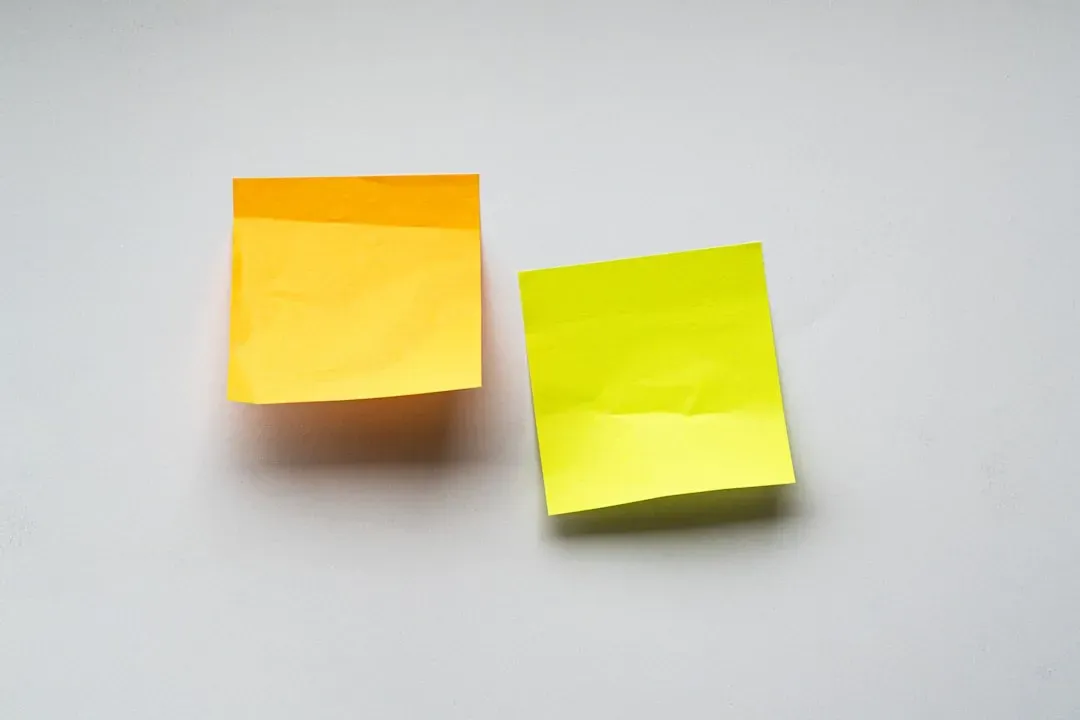
In the late 1960s, a chemist at 3M named Spencer Silver set out to create a super-strong adhesive, the kind you might use for aircraft or industrial materials. What he ended up with was pretty much the opposite: a weird, low-tack glue that stuck lightly but could be peeled off without leaving residue. For years, nobody really knew what to do with it, and it just floated around inside the company as a solution looking for a problem.
The turning point came when a colleague, Art Fry, got frustrated with paper bookmarks falling out of his church hymnal and remembered that strange adhesive. He realized he could use it to create reusable sticky notes that stayed put but didn’t damage the page, and he started using them at work. Those little squares of paper, which almost never existed because the glue was “too weak,” turned into Post-it Notes – now scattered across offices, fridges, and laptops worldwide. What began as a failed attempt at a powerful adhesive ended up becoming one of the most iconic office supplies ever made.
4. X-Rays: A Glowing Screen No One Expected
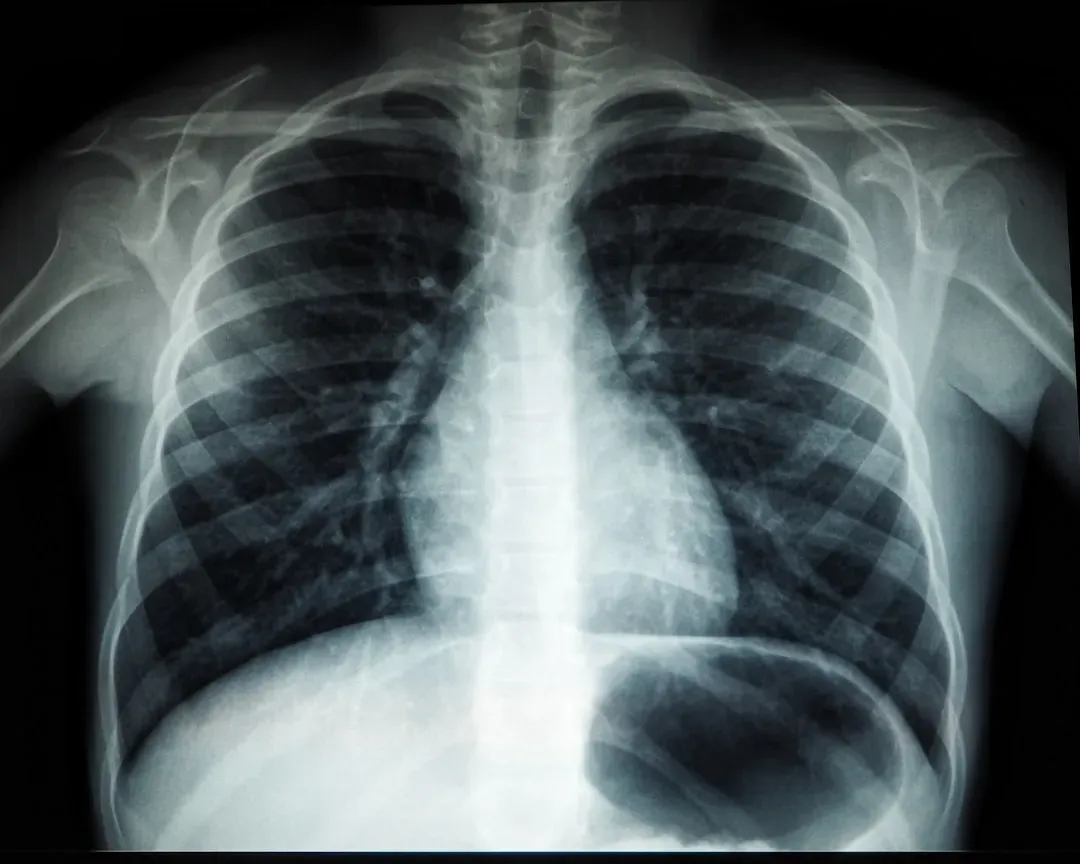
In 1895, physicist Wilhelm Röntgen was experimenting with cathode rays in a darkened lab, playing with vacuum tubes the way some people tinker with old radios today. He noticed that a nearby fluorescent screen, which shouldn’t have reacted at all, started glowing from an invisible kind of radiation. He became obsessed with figuring out what was happening, eventually discovering that this new type of ray could pass through soft tissue but not bone or metal, revealing hidden structures inside the body.
Within months, doctors were using X-rays to look at broken bones and foreign objects inside patients, a radical shift from relying only on touch, guesswork, and surgery. Medical diagnosis changed forever, and imaging technology kept evolving into CT scans, mammograms, and more advanced systems we use today. All of that traces back to a strange glow in a dark room, which could easily have been dismissed as a faulty setup. Instead, Röntgen dug in, and his curiosity opened an entire new way of seeing inside the human body without cutting it open.
5. Super Glue: An Annoying Substance That Stuck to Everything
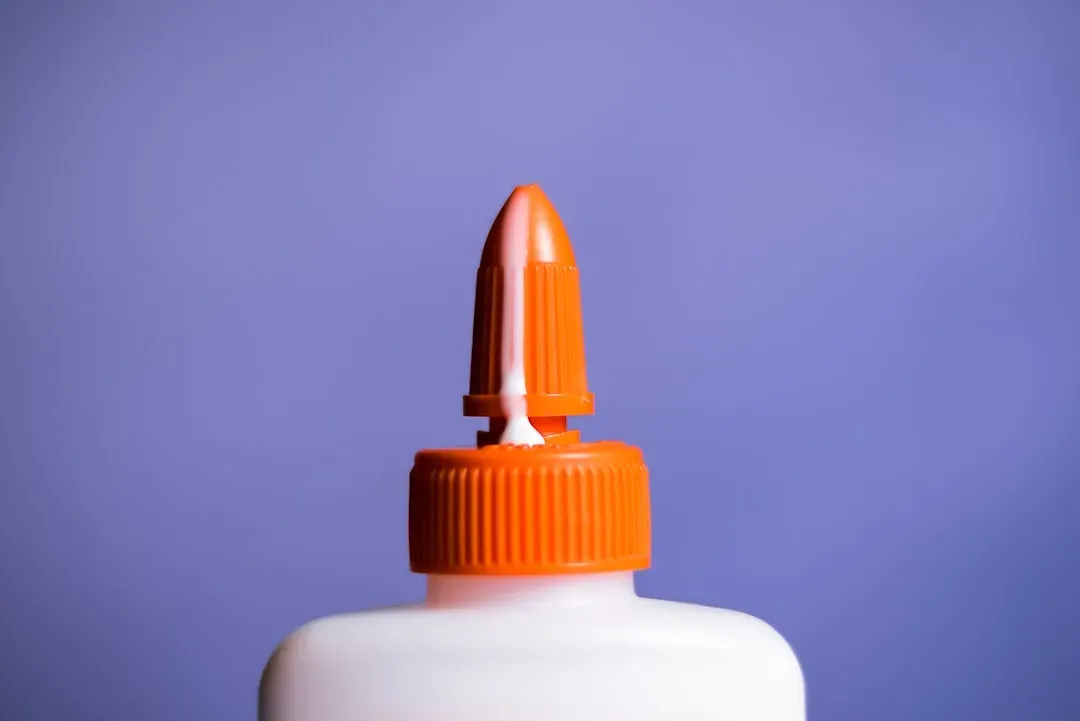
During World War II, chemists were testing new materials for gun sights and other equipment when they came across a substance called cyanoacrylate. It was incredibly sticky, but also a huge nuisance because it kept bonding to everything it touched, including the measuring instruments. At the time, that was seen more as a problem than a feature, so the material was set aside and mostly ignored.
Years later, someone revisited cyanoacrylates and realized that this frustrating tendency to stick permanently and quickly could be incredibly useful. That’s how Super Glue was born – a product that can bond surfaces in seconds, from plastic to metal to skin. It’s been used in homes, factories, and even in emergency situations to close small wounds when stitches weren’t immediately available. A material initially rejected as too sticky and unmanageable became one of the most practical, widely used adhesives in modern life.
6. Safety Glass: A Dropped Flask That Didn’t Shatter

In the early 1900s, a French chemist named Édouard Bénédictus accidentally knocked a glass flask off a shelf and was stunned to see that it cracked but did not explode into dangerous shards. The inside of the flask had previously been coated with a plastic solution that dried into a thin film, which held the pieces together. That one clumsy moment sparked the idea that glass could be made safer by laminating it with clear plastic.
He went on to develop and patent laminated safety glass, which slowly became crucial in car windshields and later in buildings, buses, and various protective barriers. Instead of shattering into razor-sharp fragments during crashes or impacts, safety glass tends to crack in a more controlled way, reducing injuries dramatically. Today, it’s easy to take this for granted when you drive or stand near large windows, but that level of protection grew out of a broken flask and a curious mind. One small accident changed how safe our everyday environments could be.
7. Pacemakers: A “Failed” Circuit That Started Beating
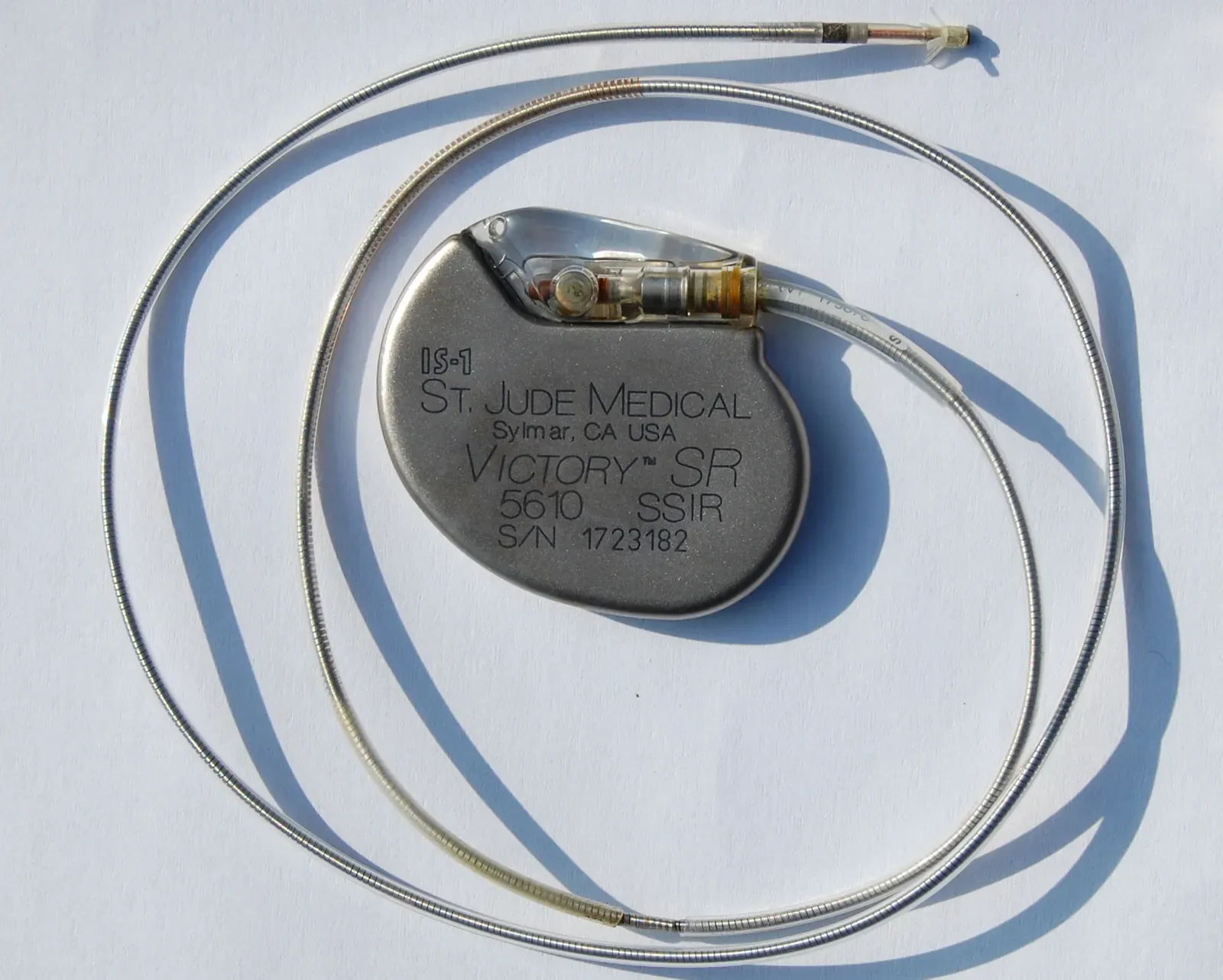
In the 1950s, engineer Wilson Greatbatch was working on building a device to record heart sounds when he accidentally grabbed the wrong resistor while assembling a circuit. Instead of recording, the circuit began to emit rhythmic electrical pulses that eerily resembled a heartbeat. Many people might have tossed the flawed design and tried again, but he recognized that those pulses could actually stimulate a heart rather than just listen to it.
That mistake became the basis of the first implantable cardiac pacemakers, which deliver timed electrical signals to regulate irregular heart rhythms. Before devices like this, many types of heart conditions meant a dramatically shortened life expectancy or constant risk of sudden collapse. Modern pacemakers have improved in size, battery life, and functionality, but their root is in that original miswired circuit. It’s one of those rare moments when the difference between failure and life-saving technology comes down to a single wrong part.
8. Teflon: The Gas That Turned Into a Super-Slick Solid
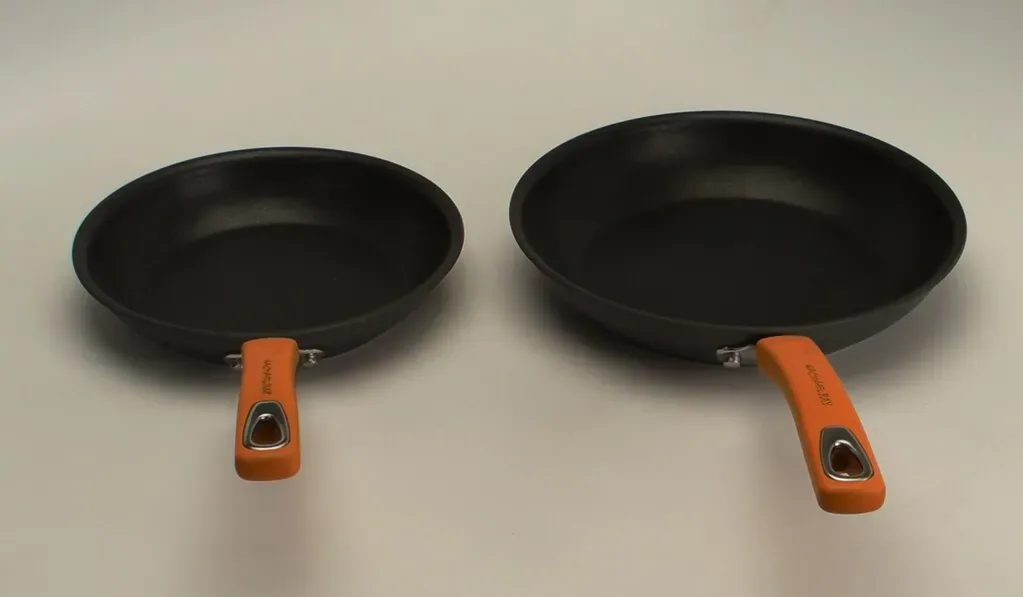
In 1938, a chemist named Roy Plunkett was trying to develop new refrigerant gases when something odd happened: a cylinder that should have contained gas seemed empty, but it still weighed the same. When he cut it open, he found a waxy white solid inside. That material turned out to be polytetrafluoroethylene, later known as Teflon, with extremely low friction and impressive resistance to heat and chemicals.
At first, Teflon was used mainly in industrial and military contexts, such as wiring and components in the Manhattan Project, far from everyday life. Eventually, its non-stick properties made their way into cookware, transforming how people fry eggs, pancakes, or fish without everything welding to the pan. Today, variations of that slick coating show up in everything from fabric protection to aerospace applications. All of it traces back to a “failed” gas experiment that accidentally created one of the slipperiest substances humans have ever made.
Looking at these stories side by side, it’s hard not to feel a strange mix of awe and humility. The world around us isn’t just the result of careful planning and grand visions; it’s also shaped by moldy dishes, wrong parts, clumsy drops, and melted snacks that someone took seriously instead of ignoring. The real magic isn’t only the accidents themselves, but the people who decided that a weird, inconvenient result was worth chasing down.
I think about this whenever something goes “wrong” in my own work or life – maybe it’s not a disaster, maybe it’s raw material. These inventions show that curiosity can turn failure into progress, and that one small detour can ripple out and touch billions of lives. The next time something doesn’t go as planned, it might be worth asking a simple question before you toss it aside: what if this mistake is actually the beginning of something big?