
If you feel like you keep hearing about the same few endangered animals over and over, you’re not wrong. Pandas, tigers, rhinos – they dominate the spotlight. But quietly, in forests, oceans, rivers, and even underground, there are other species on the edge of extinction that almost nobody talks about. And if they vanish, they’ll take entire hidden worlds down with them.
What shocked me most when I first dug into this topic wasn’t just how rare some of these creatures are, but how deeply our lives are woven into theirs. From the food we eat to the air we breathe, these little-known species act like invisible gears in massive natural machines. Once a gear breaks, the whole system grinds and shudders. Let’s pull back the curtain on eight of these overlooked species and why losing them would quietly rewrite the future.
1. Saola – The “Asian Unicorn” of the Annamite Mountains
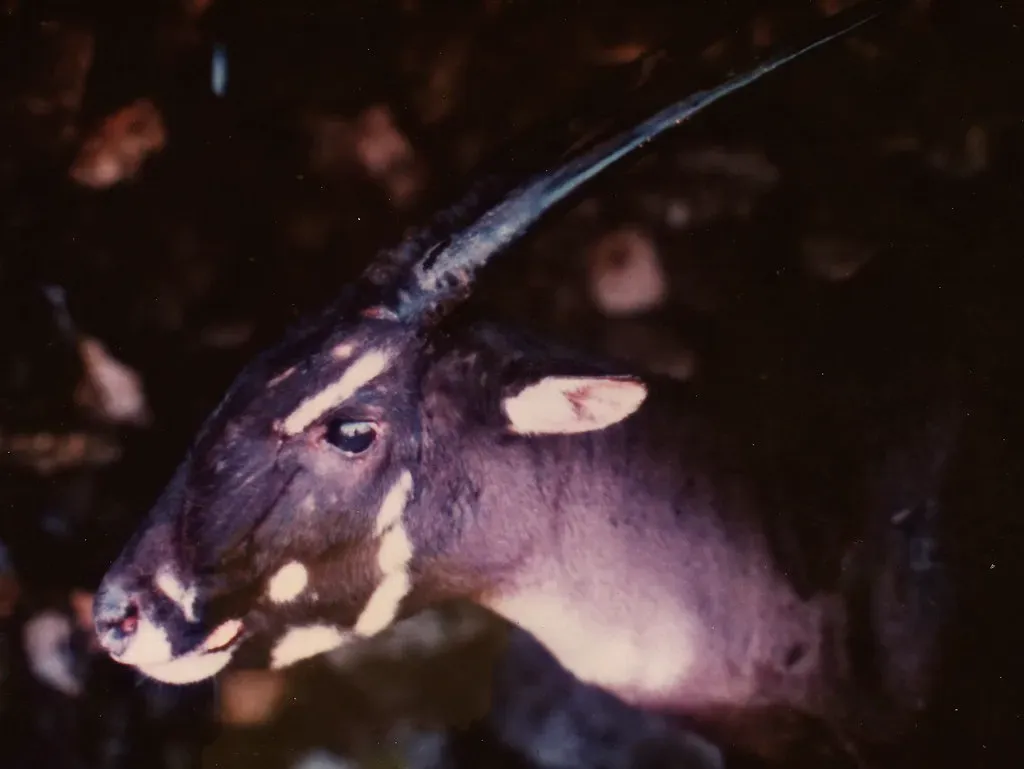
The saola looks like it walked out of a fantasy novel and straight into a disappearing forest. Discovered by science only in the early nineteen nineties in the mountains along the Laos–Vietnam border, this shy, deer-sized animal has long, almost parallel horns and delicate white facial markings that make it look both strange and regal. It’s so elusive that scientists have seen it alive in the wild only a handful of times; most of what we know comes from camera traps and local communities.
The saola is critically endangered, squeezed by habitat loss, snares set for other animals, and fragmented forests that cut off its ability to roam and find mates. But it’s not just about one rare mammal; the saola is a symbol of an entire mountain ecosystem loaded with plants, birds, amphibians, and insects that still haven’t even been named. When the saola’s forests are protected, everything living there gets a safety net, from tiny orchids to clouded leopards. Saving this one “unicorn” is essentially a shortcut to defending one of Southeast Asia’s last wild frontiers.
2. Pangolin – The World’s Most Trafficked Mammal
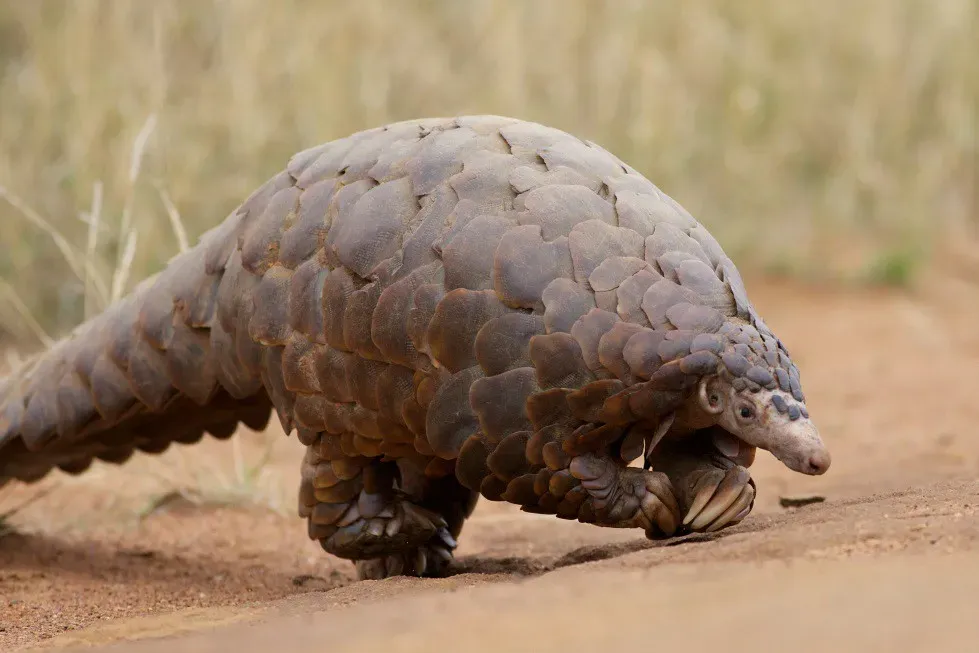
Pangolins look like someone mashed up an anteater and a pinecone, then gave it a personality that’s somewhere between shy and terrified. Covered head to tail in tough keratin scales, they curl into a tight ball when threatened, which works against leopards but not against human traffickers. They’re hunted heavily in parts of Africa and Asia for their meat and their scales, which are used in traditional medicines despite no good evidence they work.
There are eight pangolin species globally, and nearly all are now threatened with extinction as illegal trade and habitat loss carve away their numbers. Yet pangolins are incredible ecosystem cleaners; they eat huge numbers of ants and termites, helping control insects that can damage crops and even buildings. Their burrows also create shelter for other animals, like nature’s real estate developers digging affordable underground housing. Protecting pangolins means protecting entire food webs and cutting into one of the largest illegal wildlife markets on Earth.
3. Vaquita – The Ghost Porpoise of the Gulf of California
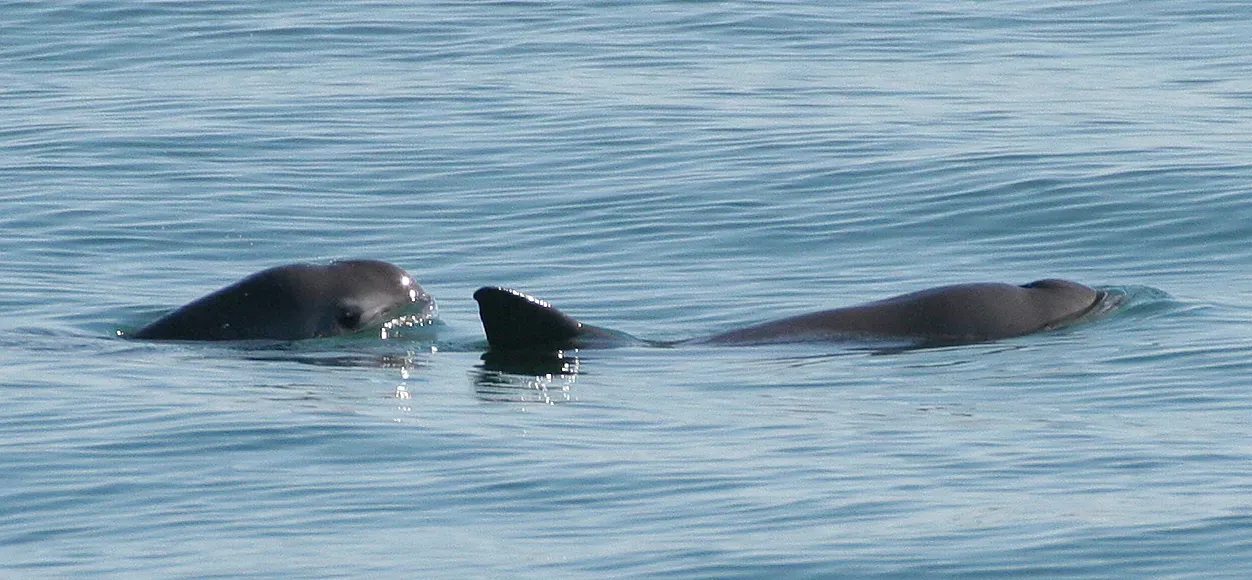
The vaquita is sometimes called the world’s most endangered marine mammal, and with good reason. This tiny porpoise, which lives only in a small pocket of Mexico’s Gulf of California, has been dragged toward extinction by illegal gillnet fishing. Recent surveys suggest that only a small handful may still be alive, a number so low it feels more like a rumor than a population. Seeing one in the wild now is like winning a cosmic lottery.
Vaquitas don’t die because people hunt them directly; they drown in nets meant for another species, the totoaba, whose swim bladder is sold illegally for high prices. That means the vaquita is a tragic bycatch victim of greed and weak enforcement. But here’s the twist: saving the vaquita would also clean up the fishery, support more sustainable livelihoods for local communities, and reduce ghost nets that keep killing long after they’re abandoned. In other words, protecting this small porpoise is really about forcing us to fix how we treat the ocean itself.
4. Kakapo – The Flightless, Night-Loving Parrot of New Zealand
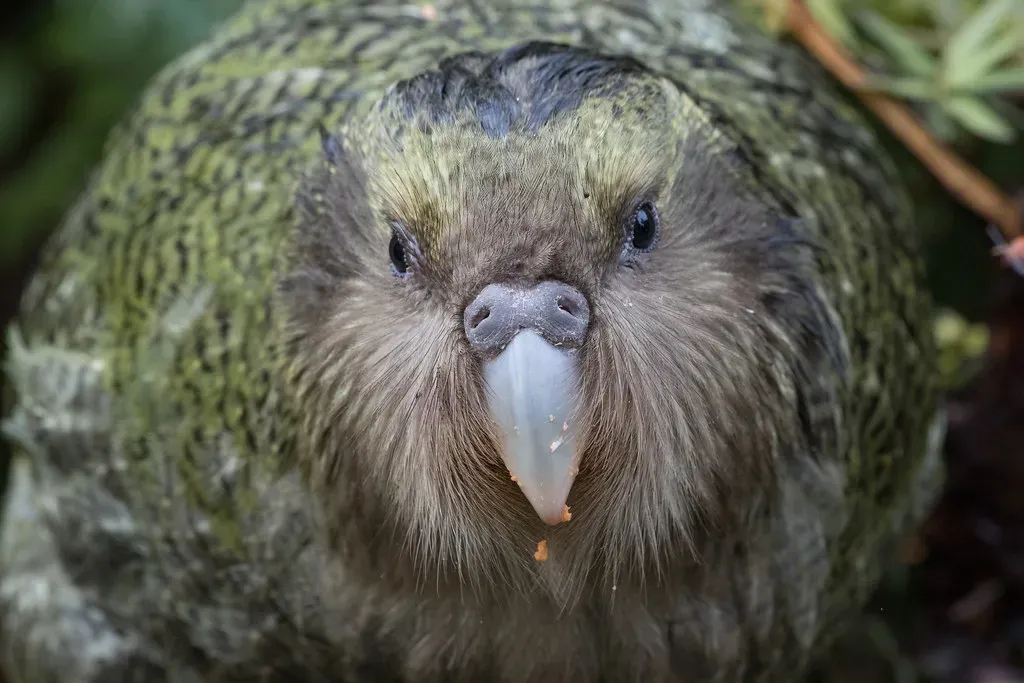
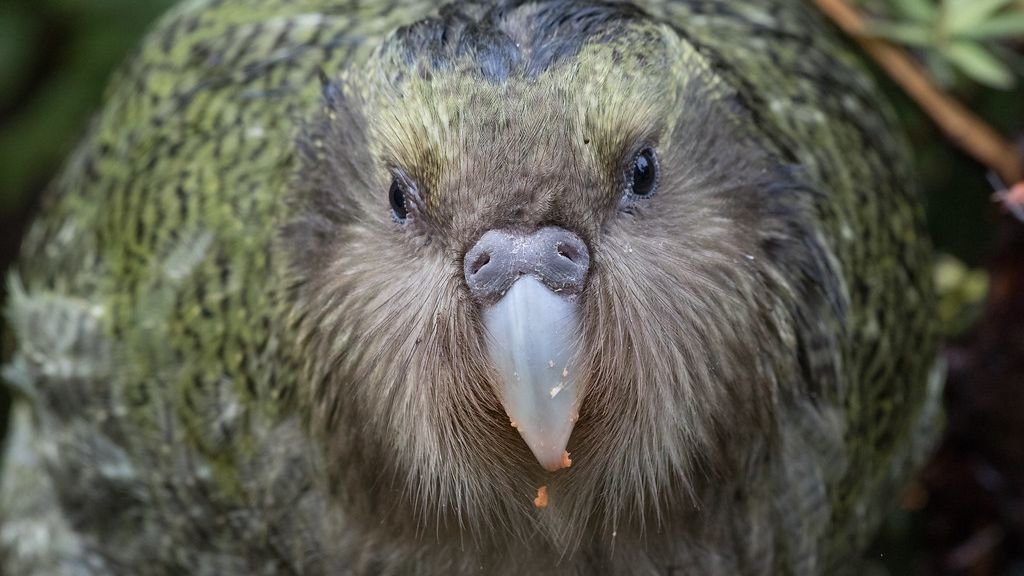
The kakapo might be one of the strangest birds on the planet: a huge, flightless, nocturnal parrot that smells a bit sweet and mossy and booms like a distant drum when the males call for mates. Native to New Zealand, kakapo once wandered forest floors in big numbers, before invasive predators like rats, stoats, and cats turned them into easy prey. By the late twentieth century, they were hanging on by a thread, with only a few dozen left.
Conservation workers have since thrown almost everything at saving them: island sanctuaries, round-the-clock monitoring, supplemental feeding, even carefully managed breeding programs. Every chick has become a kind of national event. Kakapo are crucial not because they pollinate everything or shape rivers, but because they represent what happens when humans deliberately try to reverse the damage we caused. They’re living proof that with enough effort, knowledge, and humility, even the most doomed species can get a second chance – and they keep the story of New Zealand’s unique, predator-free past alive in the present.
5. Lord Howe Island Stick Insect – The “Tree Lobster” That Came Back
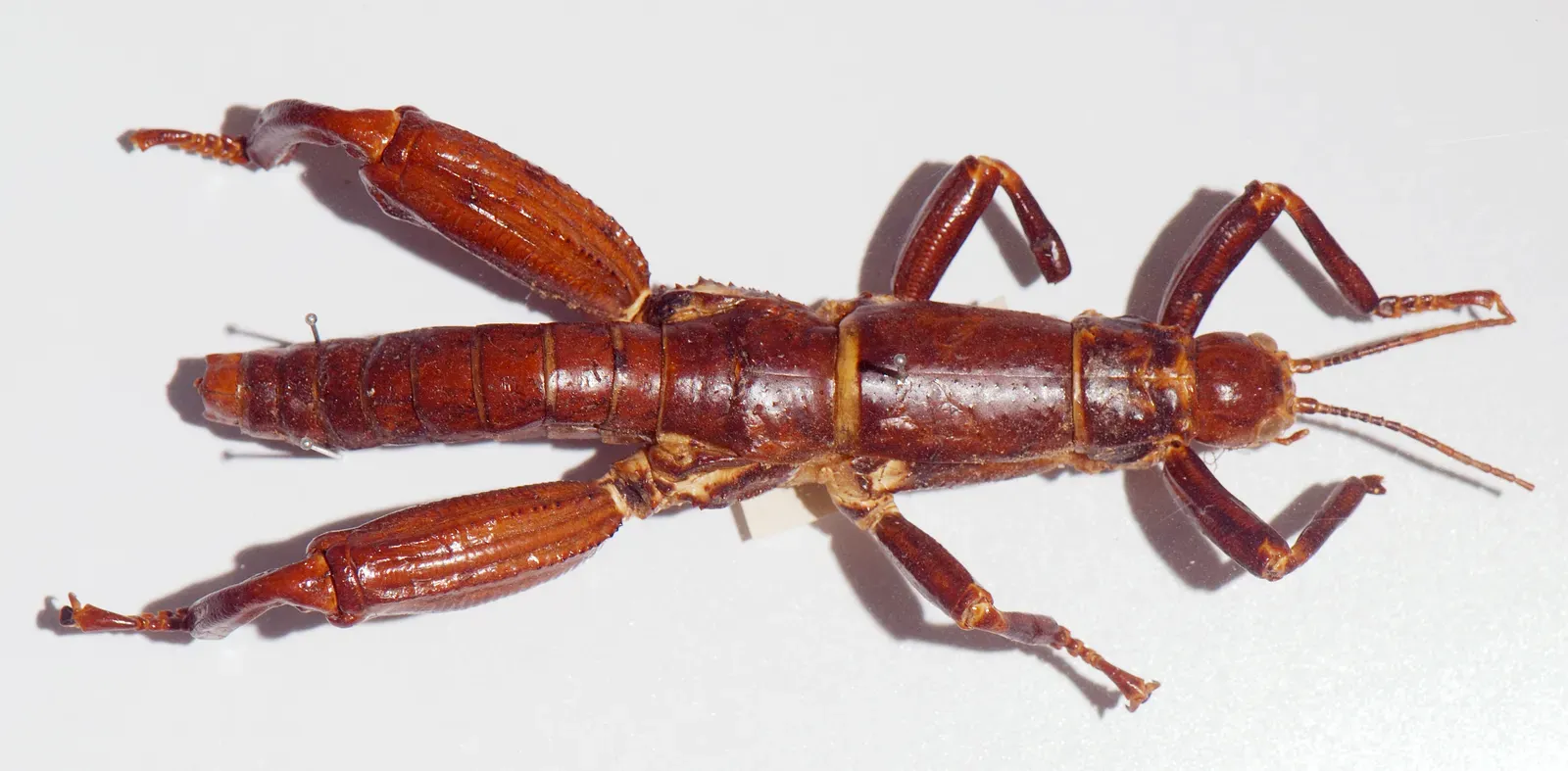
For decades, the Lord Howe Island stick insect was believed to be gone for good. Once common on Lord Howe Island, off Australia, it vanished after rats arrived on a ship in the early twentieth century and devoured them. People wrote it off as extinct, just another casualty of human carelessness. Then, in a plot twist that sounds made up, a tiny remnant population was discovered clinging to life on a sheer volcanic rock outcrop called Ball’s Pyramid.
This large, glossy insect – nicknamed the “tree lobster” – is now at the heart of one of the most ambitious insect recovery efforts in the world. Breeding programs are slowly rebuilding the population, and there are plans to return them to a rat-free Lord Howe Island. Why should anyone care about a big stick insect? Because it played a role in the island’s food web, and its vanishing helped destabilize that system. More importantly, its rediscovery shows that even the species we have given up on may still be out there, waiting for us to clean up our mess and give them space to recover.
6. Axolotl – The Smiling Salamander That Can Regrow Its Body
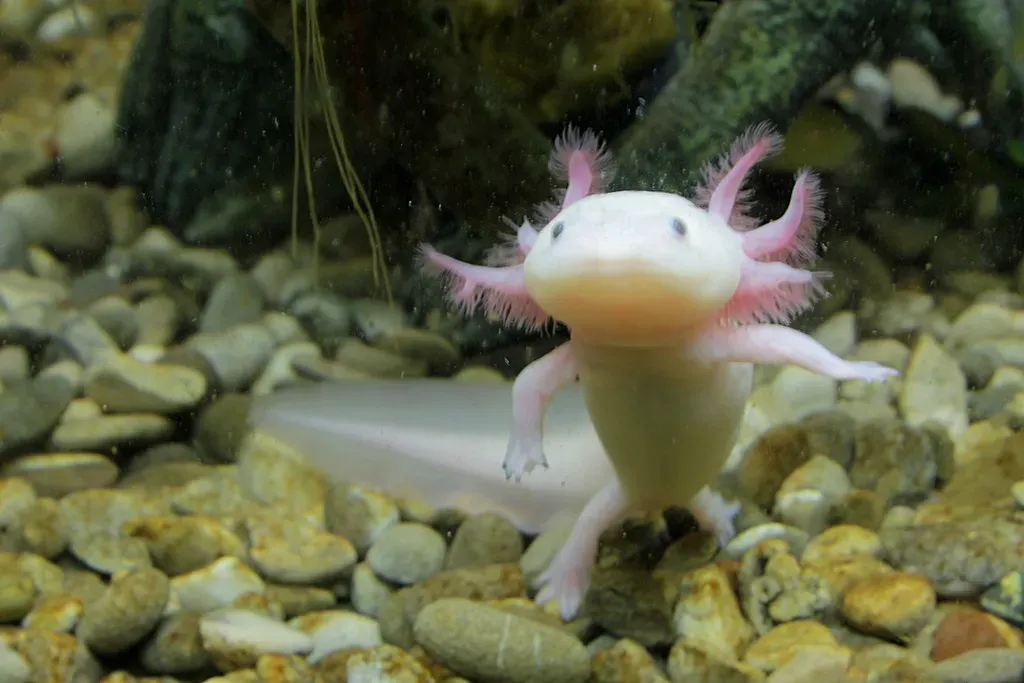
The axolotl might just be the world’s most charismatic lab subject: a permanently juvenile salamander that lives underwater, looks like it’s smiling, and can regenerate limbs, parts of its spinal cord, and even pieces of its heart and brain. In the wild, it’s found naturally only in what used to be a network of lakes and canals around Mexico City, especially Lake Xochimilco. Urban growth, pollution, and invasive fish have turned that habitat into a maze of threats. Wild axolotls have dropped to alarmingly low numbers despite how common they are in captivity.
Axolotls are crucial for two big reasons. First, they’re a symbol of the fragile, vanishing wetlands that once defined central Mexico and still help filter water, cool the city, and support local farming. Second, they’re a biological marvel that scientists study to better understand regeneration, wound healing, and potential future medical treatments. Letting wild axolotls disappear while we keep them in tanks and labs would be like burning the library but saving a few photocopies of our favorite pages – we’d be losing the living context that makes their story meaningful.
7. African Wild Dog – The Vanishing Painter of the Savannah
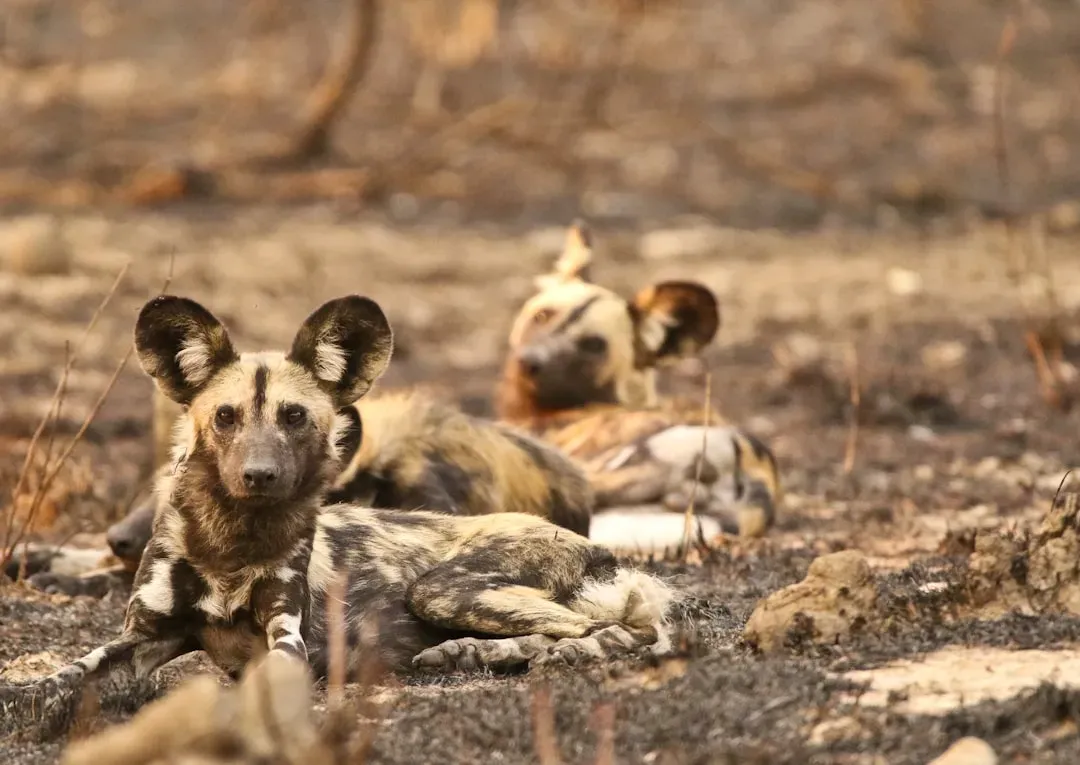
African wild dogs, sometimes called painted wolves, look like they were splashed with patches of black, white, and tan paint by a distracted artist. They’re incredibly social animals, hunting in coordinated packs with a level of teamwork that puts many human groups to shame. But their wide-ranging lifestyle makes them extremely vulnerable to shrinking habitats, roads, conflict with farmers, and diseases from domestic dogs. In some regions, they’ve been pushed into small, isolated pockets scattered across the continent.
These dogs are apex and mesopredators, which means they help shape the populations and behavior of herbivores like antelope, keeping ecosystems balanced. When wild dogs disappear, prey species often grow too numerous or shift where they feed, which can damage vegetation and ripple through entire landscapes. Their presence also indicates relatively intact, connected wilderness since they need room to move. Protecting African wild dogs pushes us to think bigger than single parks or fences and look at whole landscapes, migration routes, and how people and predators can coexist without turning every conflict into a death sentence for wildlife.
8. Hawksbill Sea Turtle – Guardian of Coral Reefs
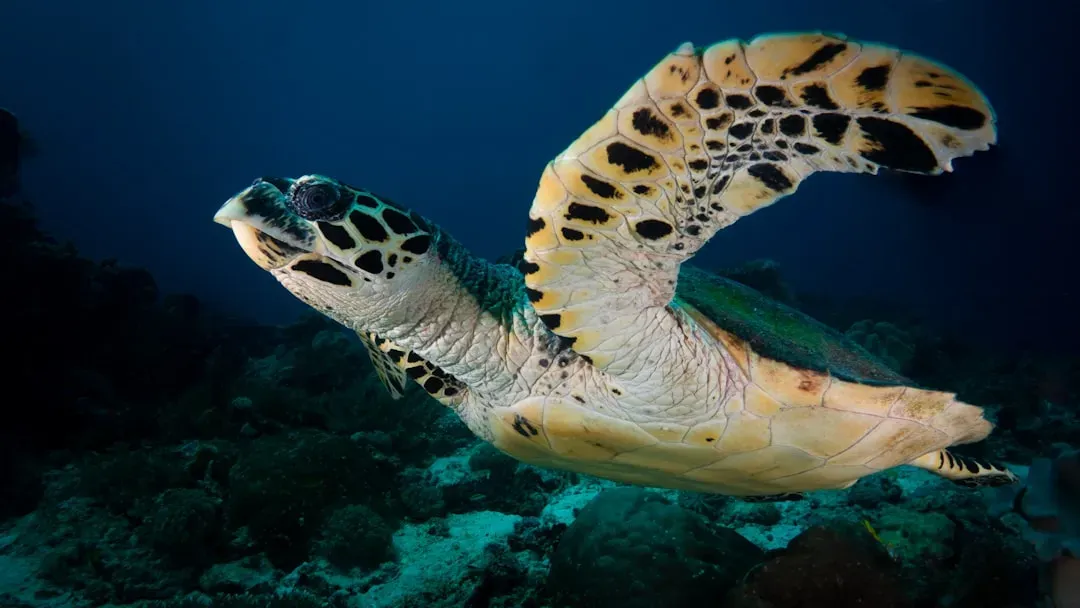
Hawksbill sea turtles are the reef specialists of the turtle world, with a narrow, pointed beak that lets them reach into crevices and munch on sponges and other invertebrates. Their shells were once heavily exploited for decorative items, a trade that has now been largely banned but still pops up illegally in some places. They also suffer from egg poaching, coastal development, plastic pollution, and climate change, which can skew the sex of hatchlings as sand temperatures rise. Many nesting beaches now host only a fraction of the turtles they once did.
Hawksbills do far more than glide around looking ancient and beautiful. By controlling sponge populations on coral reefs, they help prevent those sponges from overgrowing and smothering corals, keeping reefs more diverse and resilient. Healthy reefs, in turn, protect coastlines from storms, support fisheries, and draw tourism money that many communities rely on. When we save hawksbills, we’re not just protecting a single species; we’re shoring up buffer zones against climate impacts and defending some of the most vibrant, life-filled places on the planet.
Why These “Unknowns” Matter More Than You Think
What ties all these species together isn’t just that most people have never heard of them. It’s that each one holds up some part of the natural world that quietly benefits us, whether through healthy reefs, balanced forests, or intact food webs. When they disappear, there’s no neat, single explosion; it’s more like removing bolts from a bridge, one by one, until something finally gives way.
Focusing only on the celebrity animals misses where a lot of the real action is: in forgotten wetlands, remote islands, deep forests, and narrow gulfs where these species are fighting for space to survive. Paying attention to them means noticing the thin threads stitching our planet together and choosing not to snap them for short-term gain. If these were the species that got as much attention as pandas or polar bears, how differently do you think we’d treat the world around us?