
There’s a strange mix of awe and grief that comes with realizing animals you grew up seeing on posters or in schoolbooks might vanish within your lifetime. For a long time, I assumed “endangered” meant scientists somewhere were quietly handling it, and the rest of us could just care from a distance. It took standing in front of an empty-looking wetland, knowing it used to echo with frog calls and bird song, to realize that “endangered” is really just another way of saying “we’re running out of time.”
The hopeful twist is this: in the United States, when we decide to act, species can and do come back from the edge. The bald eagle, the gray whale, the American alligator – all were once in serious trouble and are now conservation success stories. In this article, we’ll look at eight endangered species still fighting for survival, how US conservation efforts are helping them, and very specifically what you, from your couch or your neighborhood, can actually do to help tilt the odds in their favor.
1. Florida Panther: The Ghost Cat of the Swamps
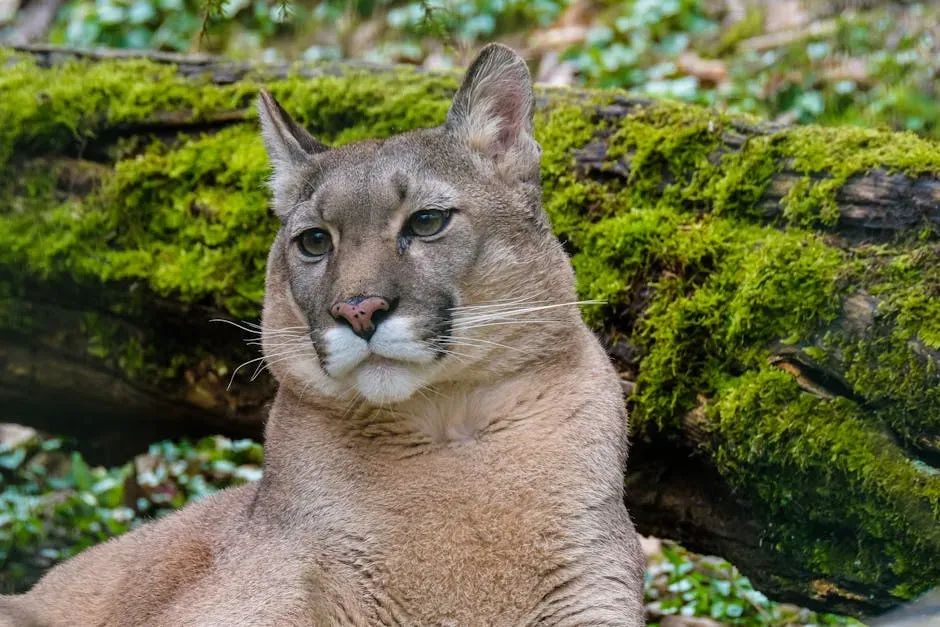
Imagine driving through south Florida at dusk knowing that somewhere in the sawgrass and cypress, one of the rarest cats in North America is silently watching you. The Florida panther, a subspecies of cougar, now survives in just a small portion of its original range, mostly in south Florida. At one point in the early 1990s, the population had dropped to only a few dozen individuals, suffering from inbreeding, heart defects, and collisions with cars.
Conservation agencies have pushed hard on several fronts: protecting and restoring habitat, building wildlife underpasses beneath busy highways, and carefully introducing Texas cougars to boost genetic diversity. These efforts have helped the population grow to more than it was a few decades ago, but it still remains highly vulnerable to habitat loss and traffic. If you live in or visit Florida, you can help by supporting land conservation measures, slowing down in designated panther zones, and backing local plans that keep green corridors intact instead of chopping them into isolated pockets.
2. Red Wolf: America’s Most Endangered Canine
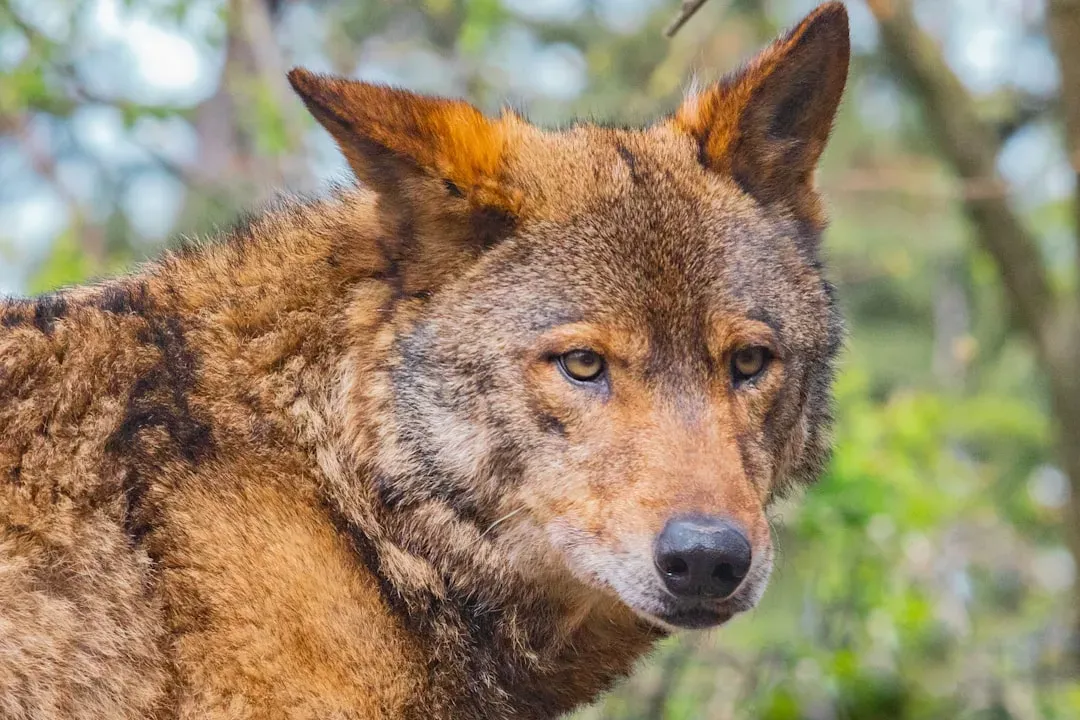
The red wolf’s story feels almost like a tragic folk tale: a native American wolf, smaller than a gray wolf but larger than a coyote, hunted to near extinction by the mid-twentieth century. By the 1970s, the US Fish and Wildlife Service had captured the last remaining wild red wolves to start a captive breeding program. The species was officially declared extinct in the wild before a small population was reintroduced to eastern North Carolina in the 1980s.
Today, the number of wild red wolves is incredibly low, with only a small group roaming the Alligator River and surrounding areas, constantly threatened by habitat fragmentation, gunshots, vehicle strikes, and hybridization with coyotes. Yet there’s a stubborn thread of hope: zoos and conservation centers maintain a captive population, and ongoing releases aim to rebuild a stable wild group. You can support red wolves by backing organizations that manage captive breeding, writing to local officials in states where reintroduction is being discussed, and speaking up for predator-friendly policies instead of fear-based wolf myths.
3. Hawaiian Monk Seal: A Rare Survivor of Island Waters
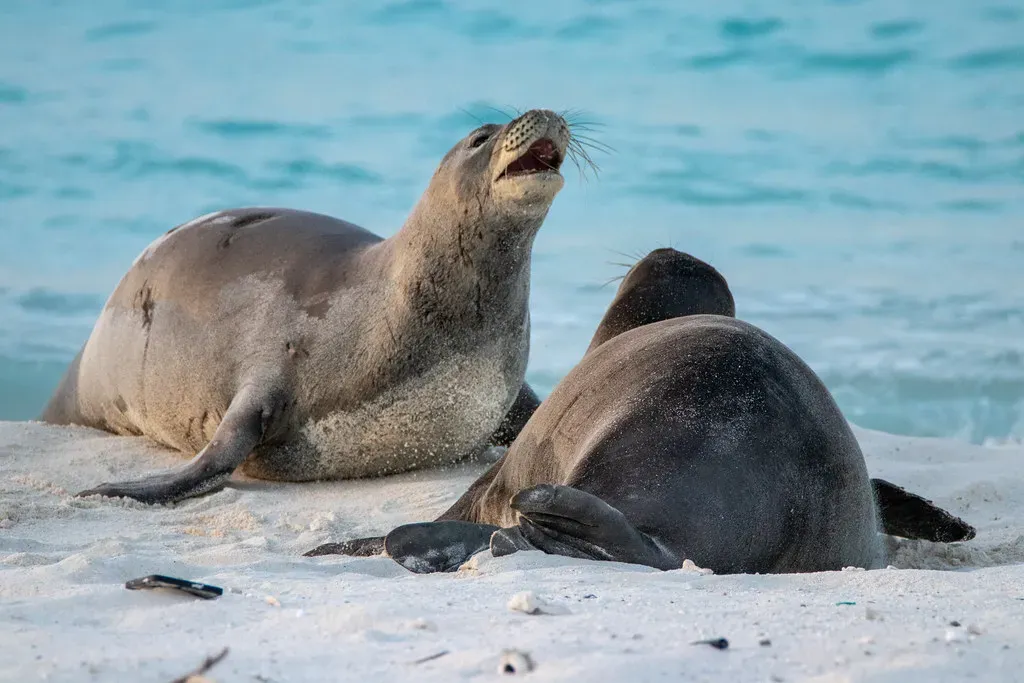
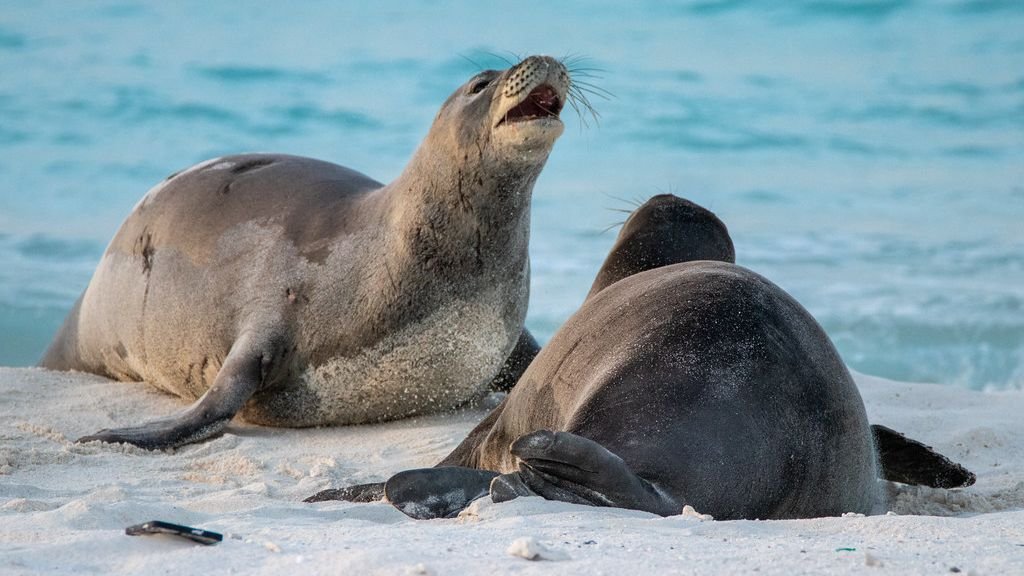
In the clear waters around the Hawaiian Islands, a plump, dark-eyed monk seal looks almost relaxed, stretched on a beach like a vacationer. In reality, it’s one of the most endangered marine mammals in the world. The Hawaiian monk seal has faced centuries of pressure: hunting in the nineteenth and early twentieth centuries, entanglement in fishing gear, loss of prey, and the relentless creep of plastic pollution into every corner of the ocean.
US conservation programs have stepped up with a mix of high-tech and hands-on efforts: rescuing entangled seals, vaccinating them against diseases, removing marine debris from remote beaches, and creating protected marine areas where they can rest and feed. Populations have shown some encouraging signs of slow increase in recent years, but the species is far from safe. Visitors can help by keeping a respectful distance from hauled-out seals, reporting strandings or entanglements, cutting down on single-use plastics, and supporting local Hawaiian organizations dedicated to ocean cleanup and seal recovery.
4. Whooping Crane: The Tall Bird Making a Fragile Comeback
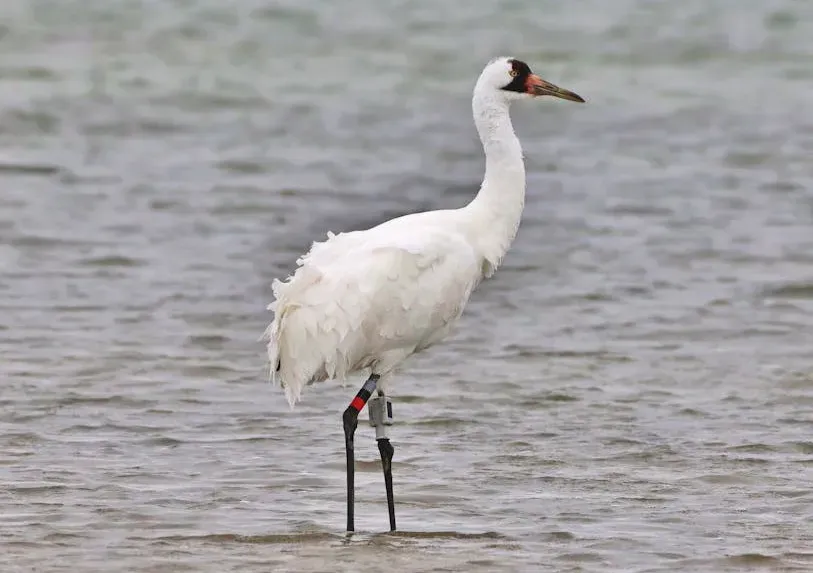
Seeing a whooping crane in the wild feels like stumbling into living history: a towering white bird with jet-black wingtips, once reduced to only a couple dozen individuals in the mid-twentieth century. These cranes, which migrate between Canada and the US Gulf Coast, nearly disappeared because of overhunting and widespread wetland destruction. It is one of the most dramatic examples of how close a species can come to blinking out entirely.
Decades of dedicated conservation work – captive breeding, migration training using ultralight aircraft, and strict wetland protections – have nudged their numbers upward, but they’re still one of North America’s rarest birds. Their survival depends on the health of huge stretches of marsh, prairie, and coastal habitat. You can help whooping cranes by supporting wetland protections, avoiding disturbance where cranes are known to rest or feed, participating in citizen science bird counts, and backing policies that keep key migration stopovers intact instead of turning them into sprawling developments.
5. North Atlantic Right Whale: A Giant on a Razor’s Edge
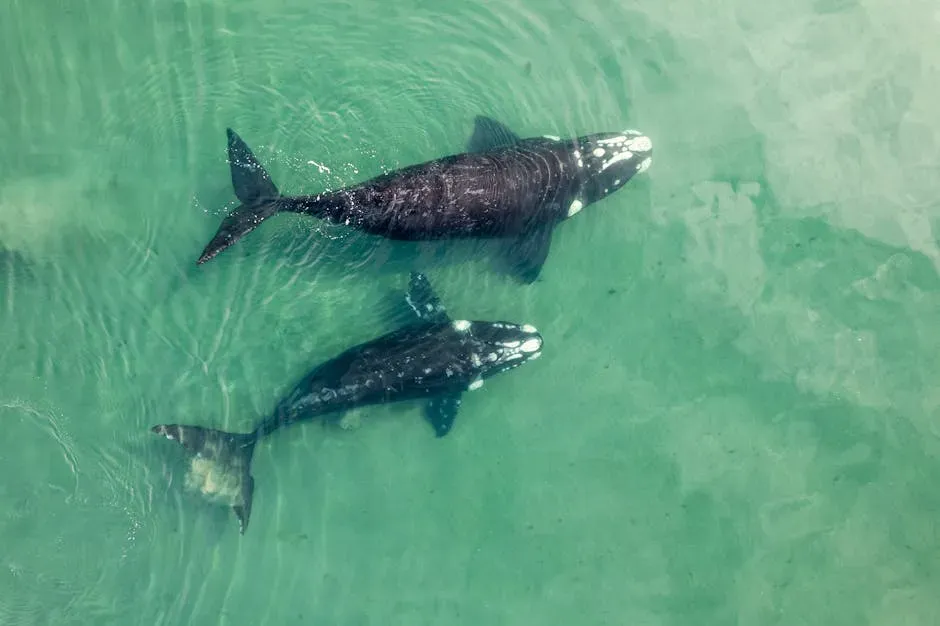
It’s hard to imagine something as massive as a whale being fragile, but the North Atlantic right whale is almost a living symbol of how human industry reshapes the ocean. Once heavily hunted, it earned the tragic name “right whale” because it was the “right” whale to kill – slow, buoyant, and rich in oil. Commercial whaling finally ended, but the species never really recovered, and now it faces new threats: ship strikes, entanglement in fishing gear, and the shifting of its food sources as the climate warms.
US and Canadian agencies have tried to respond with slower shipping zones, gear regulations, and seasonal fishing closures in key areas. Conservation groups are pushing for innovative fishing technologies that avoid entangling whales altogether, along with better monitoring of where whales are moving as ocean conditions change. For most of us, helping this species starts with awareness and advocacy: supporting sustainable seafood practices, speaking up for stronger ship-speed rules, and backing policies that reduce underwater noise and gear risks, even when they feel inconvenient in the short term.
6. Loggerhead Sea Turtle: Ancient Traveler of American Coasts
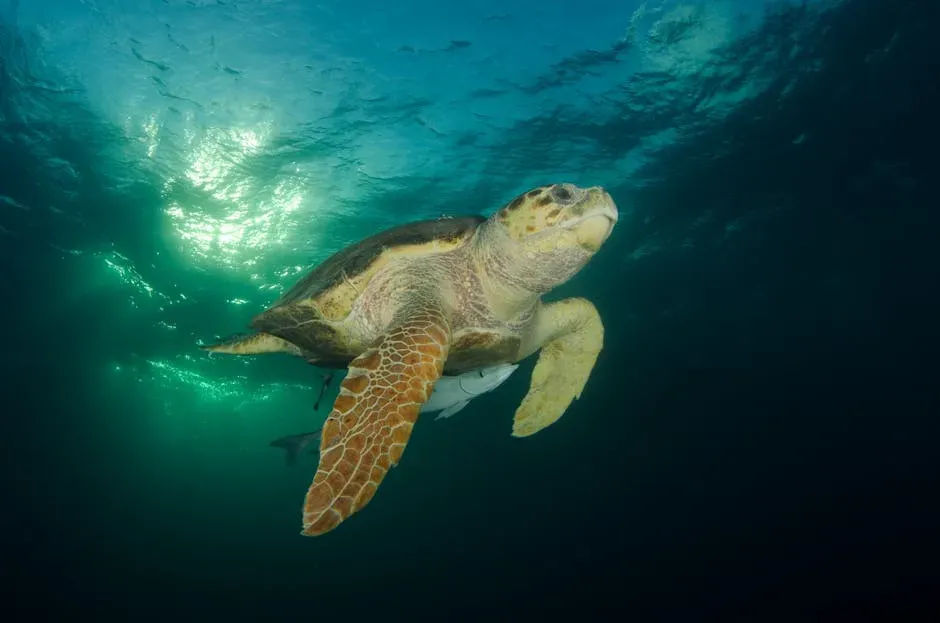
On a quiet summer night, a female loggerhead turtle hauling herself up a sandy beach is one of the most moving sights on Earth. These turtles have been nesting on US beaches for longer than humans have lived here, yet in a few human generations we’ve nearly undone millions of years of persistence. Loggerheads face threats from coastal development, artificial lighting that disorients hatchlings, plastic pollution, and accidental capture in fishing gear.
Under the US Endangered Species Act, loggerheads benefit from protected nesting beaches, fishing gear regulations, and coordinated monitoring programs along the Atlantic and Gulf coasts. Many beaches now have volunteer patrols that mark nests, reduce lighting, and educate tourists not to crowd or disturb nesting females. If you live near the coast or visit on vacation, you can help by turning off beachfront lights during nesting season, keeping beaches clean and free of trash and holes, joining local turtle patrols, and choosing seafood that comes from fisheries committed to turtle-safe practices.
7. Black-Footed Ferret: The Comeback Kid of the Prairie
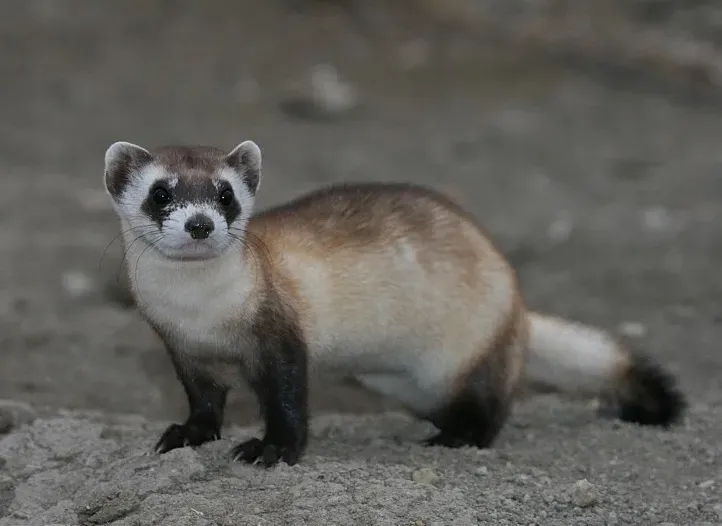
Uploaded by Mariomassone, Public domain)
Not many people have seen a black-footed ferret in the wild, but this slender, masked predator once scurried across the Great Plains, hunting prairie dogs. By the late twentieth century, it was believed to be extinct, until a tiny population was rediscovered in Wyoming. Disease, habitat loss, and the widespread poisoning of prairie dogs had almost wiped the ferret out, since prairie dog colonies are both its food source and its home.
The US has poured an impressive amount of creativity into saving this species: captive breeding programs, vaccine-laced baits dropped by drone to protect prairie dogs from plague, and reintroduction efforts on tribal lands, national grasslands, and private ranches. Today, there are wild populations again, though they are carefully monitored and still depend on ongoing support. You can help by supporting conservation groups that assist prairie landowners, backing grassland protection, and challenging the reflex to see prairie dogs as pests instead of keystone engineers of an entire ecosystem.
8. Monarch Butterfly (Western and Eastern Populations): A Winged Icon in Trouble
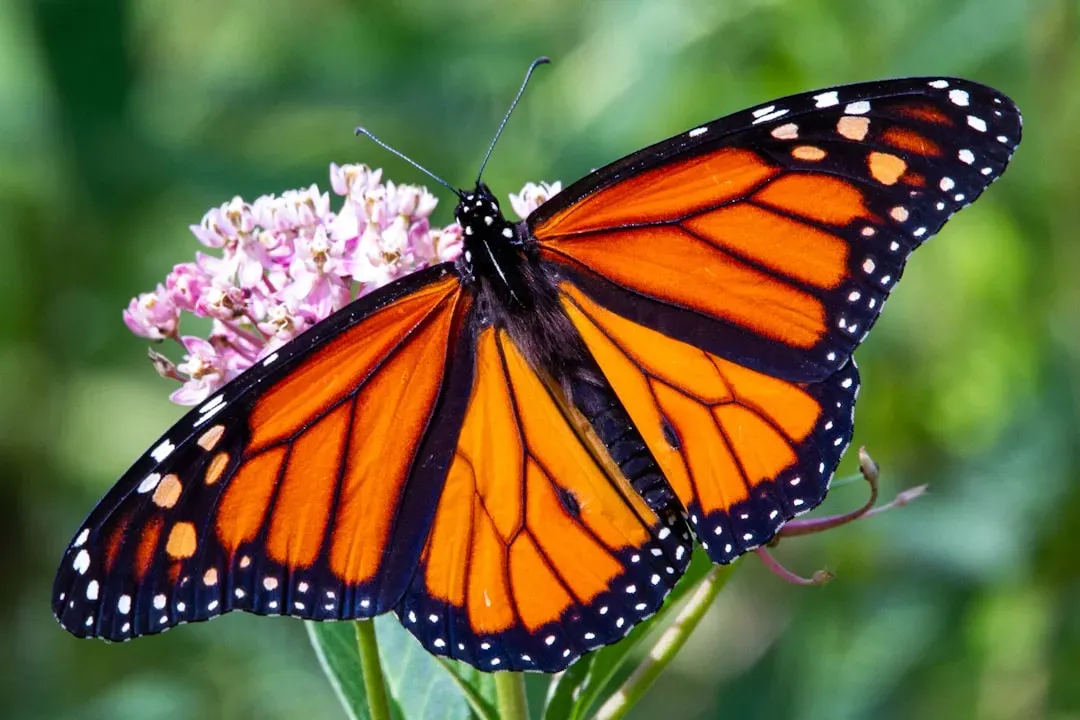
For many of us, the monarch butterfly is one of the first wild creatures we ever learned to recognize: bright orange wings edged in black, drifting over a backyard garden or schoolyard milkweed patch. In the US, monarchs undertake an almost unbelievable migration, with multiple generations carrying the journey from Canada and the northern states down to overwintering sites in Mexico and coastal California. In recent decades, their numbers have dropped sharply in many places, especially in the western population, which winters along the Pacific Coast.
Habitat loss, reduced milkweed availability, pesticide use, and climate disruption have all played a part in their decline. Unlike some of the species on this list, though, monarchs offer one of the most tangible ways for everyday people to help: planting native milkweed, growing pesticide-free flower gardens, and supporting roadside and farmland initiatives that leave space for wildflowers instead of mowing everything flat. Schools, libraries, and neighborhoods across the US have started building monarch waystations that act like tiny rest stops on a cross-continental highway. In a world where so much feels out of our hands, creating one square meter of safe habitat for a migrating insect is a surprisingly powerful act.
Conclusion: Saving Species Is Really About Deciding Who We Want to Be
Looking at these eight species together – cat, wolf, seal, crane, whale, turtle, ferret, and butterfly – it’s hard not to see a pattern: most of them are in trouble for reasons we created, and most of them show glimmers of recovery when we choose to do something different. The US Endangered Species Act, local conservation groups, tribal nations, scientists, and ordinary citizens have all played roles in pulling animals back from the brink, sometimes in ways that felt inconvenient, controversial, or slow. But the alternative – quietly accepting a poorer, emptier world – should feel far more uncomfortable.
In practical terms, helping can be as simple as supporting land and ocean protections, reducing plastic and pesticide use, planting native species, driving more carefully in wildlife zones, or backing policies that protect habitats even when they bump up against short-term profits. On a deeper level, it’s about deciding that sharing our country with panthers, wolves, cranes, and butterflies is part of what makes life here worth living. A hundred years from now, do we want our great-grandchildren to learn about these animals only from old photos and museum displays – or to look up and see them with their own eyes?