
Some animals are clinging to existence by a thread, and it’s tempting to see their stories as purely tragic. But hidden in those last threads are answers to some of the biggest questions in science: how life adapts, how ecosystems hold together, and what it will actually take for us to survive on a rapidly changing planet. These species are not just beautiful or symbolic; they’re like living laboratories we can’t easily replicate in any research facility.
I remember standing in front of an exhibit for an almost-extinct bird at a small museum and feeling a weird mix of awe and panic. It wasn’t just about one bird; it felt like staring at a blinking warning light for our entire planet. That’s the kind of quiet shock these eight endangered species carry with them – each one holding insights into genetics, climate resilience, disease, and even our own health and future.
1. Vaquita: The Tiny Porpoise Teaching Us the Limits of Recovery
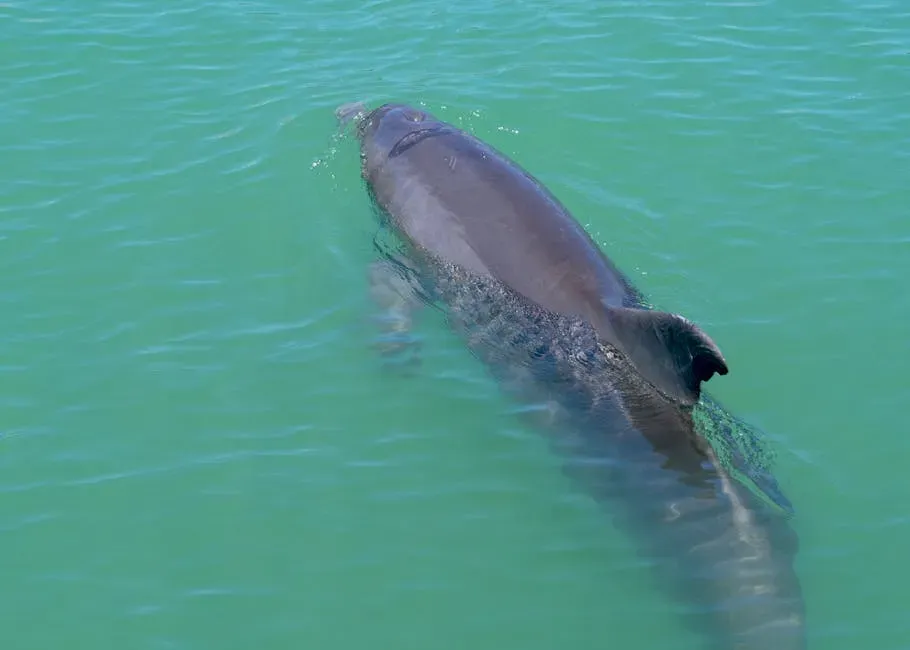
The vaquita, a small porpoise found only in Mexico’s Gulf of California, is on the razor’s edge of extinction, with likely fewer than two dozen left in the wild. That gut-punch number alone makes it a symbol of how fast human activity can push a species over the brink. But scientifically, the vaquita is forcing researchers to confront a hard question: how low can a population go and still be saved? Geneticists have found surprisingly low levels of harmful inbreeding compared with what people expected for such a tiny population.
This matters because it challenges the old idea that once a species drops below a certain headcount, it’s automatically doomed. With the vaquita, the real killer isn’t genetics; it’s gillnets from illegal fishing that drown them. So their story is teaching conservationists that stopping the threat can be just as critical as increasing numbers. In a strange way, the vaquita is a test case for whether intense, targeted human action can pull a species back when it’s almost gone, or whether there truly is a point where it’s simply too late.
2. Sumatran Orangutan: A Living Window Into Human Evolution
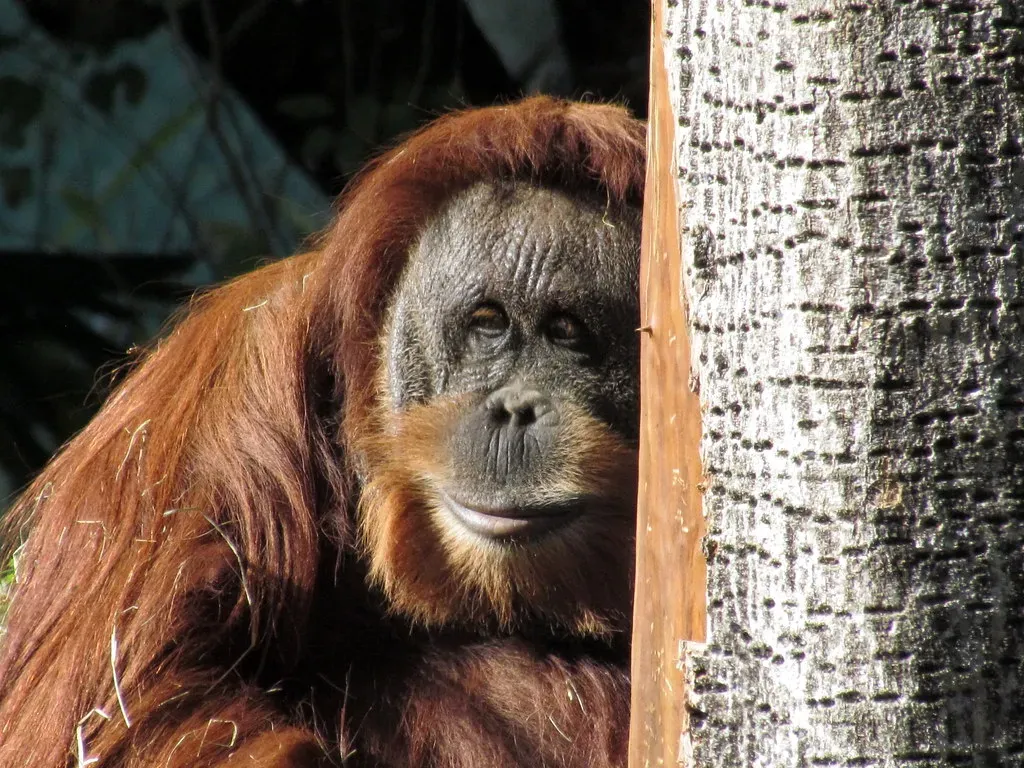
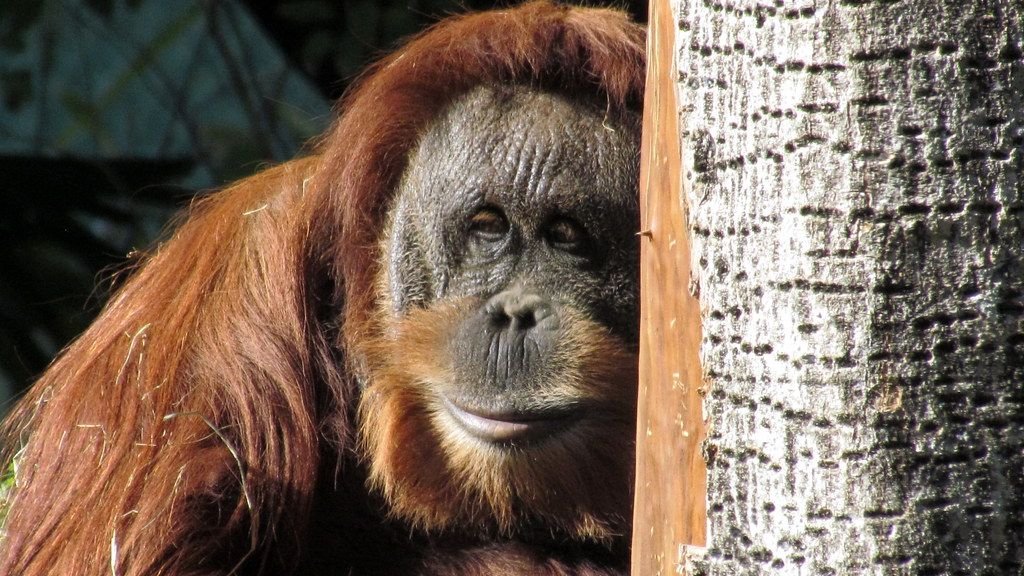
Sumatran orangutans, living in the rainforests of Indonesia, are one of our closest living relatives and are now critically endangered. Watching how they move, solve problems, and raise their young can feel eerily familiar, like seeing a distant cousin in slow motion. For scientists studying human evolution, orangutans are priceless. Their social structures, tool use, and even cultural differences between groups offer glimpses into how early humans might have lived, learned, and adapted to changing forests.
But these insights are being squeezed as their habitat is carved up by palm oil plantations and logging. As their forest home shrinks, orangutans are forced into smaller, more fragmented areas, and researchers can see in real time how a large-brained, slow-reproducing species copes with disruption. It’s a brutal but powerful experiment we didn’t plan: what happens when beings like us are pushed into ecological corners. The way orangutans adapt – or fail to – could inform how we protect both remaining forests and the communities, human and non-human, that depend on them.
3. Hawksbill Sea Turtle: Guardian of Coral Reefs and Climate Clues
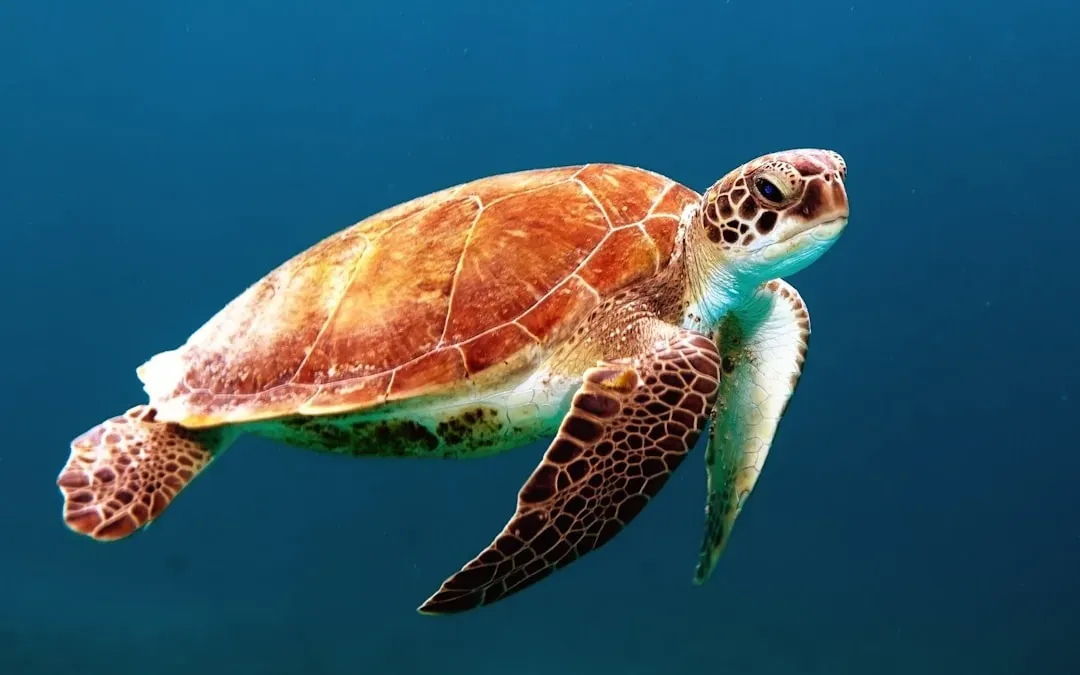
Hawksbill sea turtles, with their beautifully patterned shells, are more than just icons of tropical beaches; they’re quiet engineers of coral reefs. By feeding on sea sponges that compete with corals, hawksbills help keep reef communities balanced and diverse. Biologists have found that where hawksbills are doing well, reefs often have healthier structures, more hiding places for fish, and greater resilience to stress. Lose the turtle, and you don’t just lose a species – you risk loosening one of the bolts holding the entire reef system together.
From a scientific angle, hawksbills are also unusually sensitive indicators of climate and pollution. Because they travel huge distances and live long lives, their bodies store a chemical history of ocean health, from microplastics to changing temperatures. Studying their migration routes, nesting behavior, and hatchling success helps scientists track shifting ocean currents and warming patterns. In a world where reefs are bleaching and coasts are under pressure, hawksbills are messy, living data loggers that help us see what’s coming before it hits us full force.
4. Amur Leopard: A Masterclass in Genetics and Small Populations
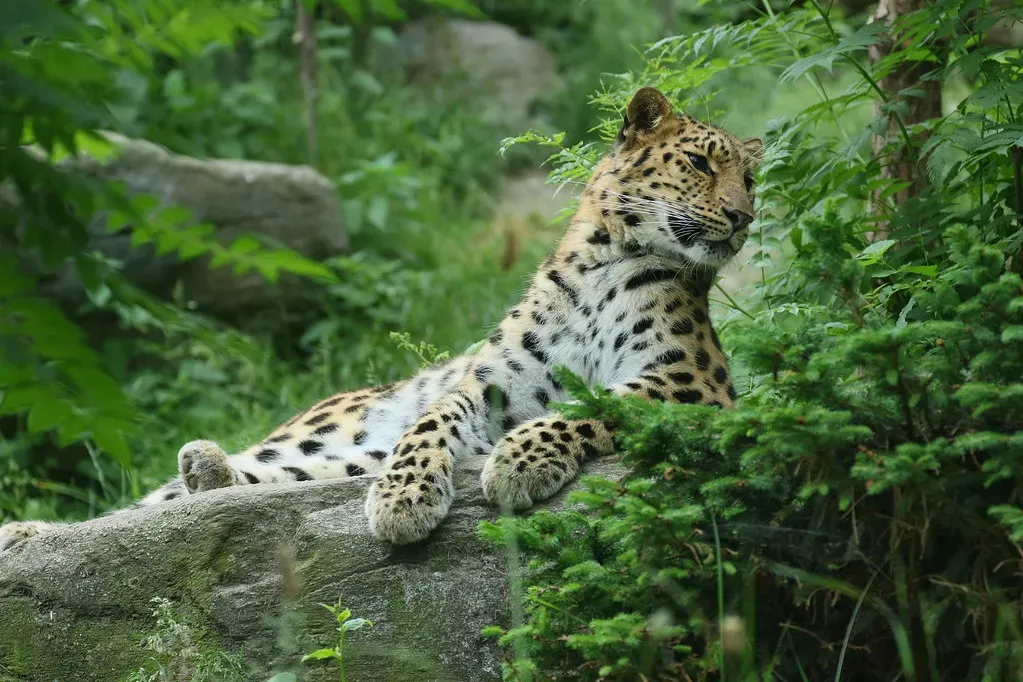
The Amur leopard, roaming the borderlands between Russia and China, is one of the rarest big cats on Earth. For a long time, only a few dozen were believed to survive in the wild. That makes every single individual almost absurdly valuable, not just emotionally but scientifically. Conservation geneticists study Amur leopard DNA to understand how tiny populations can hold on to enough genetic diversity to avoid collapse. It’s like trying to keep a vast library alive when most of the books have already burned.
What’s surprising is that, with careful management, these leopards have shown signs of recovery, slowly increasing in number over the last decade. Researchers are learning how strategically protecting habitat corridors and managing inbreeding risk can give small populations room to breathe. The lessons from the Amur leopard don’t just apply to big cats; they’re informing strategies for any species painted into a corner by habitat loss and hunting. If we can figure out how to stabilize a ghost-like predator in one of the coldest parts of its range, the playbook might work elsewhere too.
5. Axolotl: The Regeneration Superhero on the Brink
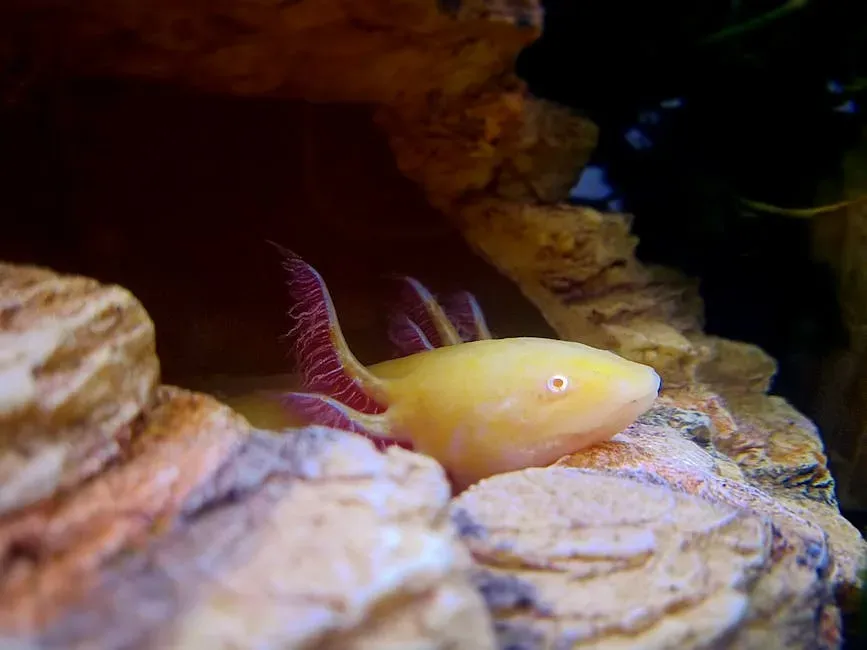
The axolotl, a strange, permanently “teenage” salamander from the lakes around Mexico City, looks like something a child might doodle during a boring class. But inside that smiling face lies one of the wildest abilities in the animal kingdom: it can regrow entire limbs, parts of its spinal cord, even sections of its brain without scarring. For medical researchers, this is pure gold. Understanding how axolotls activate and control regeneration could unlock new treatments for injuries, degenerative diseases, and maybe even organ repair in humans.
The twist is that axolotls are almost gone in the wild, their native lakes drained, polluted, or swallowed by urban sprawl. Many people have seen them in labs or aquariums, which can give a false sense of security, but their natural ecosystems are collapsing. That matters because the environmental pressures they evolved with might influence how their regeneration works. Saving axolotls in the wild is not just an act of kindness; it’s about keeping intact a fully functioning regeneration system that we still barely understand. Losing them would be like throwing away a cure before we’ve even opened the bottle.
6. Javan Rhino: A Last Stand for Megafauna and Disease Ecology
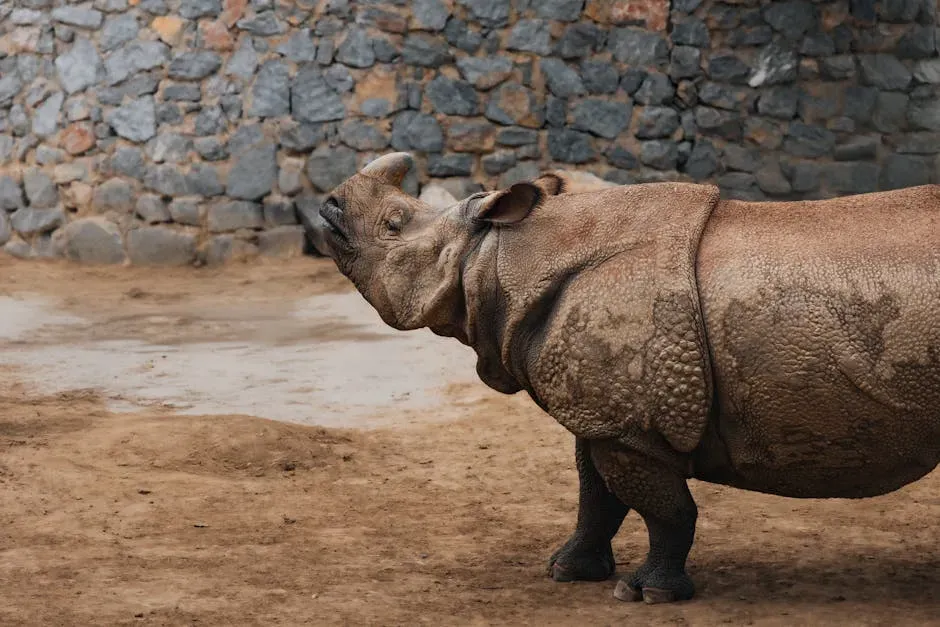
The Javan rhinoceros is one of the most secretive large mammals on Earth, now surviving only in one protected area in Indonesia. Fewer than a hundred individuals are thought to remain, all packed into a single national park. Their situation is a nightmare scenario for conservation biology: one disease outbreak, one major disaster, and an entire species could vanish. Because of this, scientists are using the Javan rhino to study how disease risks play out in tightly clustered, small populations of large animals.
Researchers monitor parasites, pathogens, and genetic markers to understand how robust – or fragile – these rhinos really are. The data helps answer a larger question: how do we keep megafauna alive in a world where there’s hardly any truly wild space left? The Javan rhino is also a case study in how to design protected areas that work for both animals and nearby human communities. Their story blends veterinary science, genetics, and old-fashioned field tracking into one tense experiment in whether we can keep giant animals on a crowded planet.
7. Kakapo: The Flightless Parrot Rewriting the Rulebook on Conservation
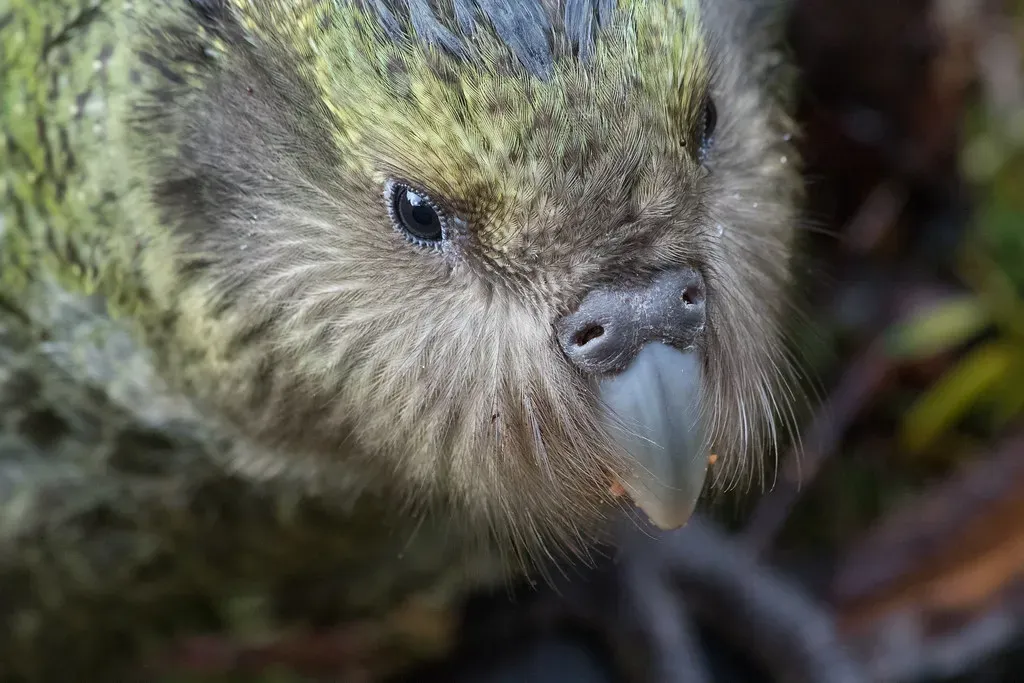
The kakapo, a chunky, moss-colored, flightless parrot from New Zealand, is one of those animals that seems too odd to be real. It moves slowly, lives a very long time, and breeds rarely and unpredictably, sometimes only when certain trees have a bumper crop of fruit. Every one of the few hundred kakapo alive today is named, tracked, and obsessively monitored. This level of individual attention has turned the kakapo into a groundbreaking project in high-tech conservation, using genetics, satellite tracking, and carefully planned breeding to keep a quirky species going.
From a scientific perspective, kakapo teach us how deeply evolution can specialize an animal for a world with no predators – and how brutally that world can collapse when predators arrive. Studying their physiology and behavior helps ecologists understand what happens when evolution takes a slow, relaxed path and then meets lightning-fast human change. The kakapo project is also revealing how much targeted, community-based effort it really takes to save a single species. It’s like a stress test of our willingness to commit, long-term, to protecting biodiversity in a hands-on, almost personal way.
8. Saola: The Mysterious “Asian Unicorn” and the Unknowns of Biodiversity
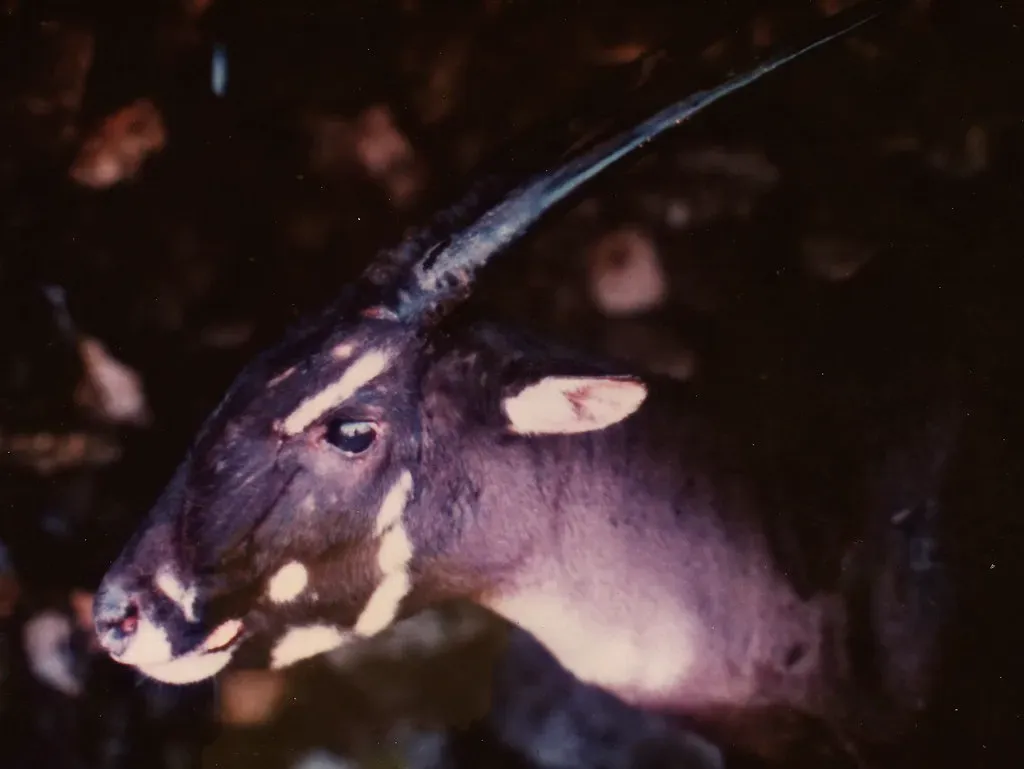
The saola, sometimes nicknamed the Asian unicorn, was only discovered by science in the nineteen-nineties in the forests of Laos and Vietnam. Since then, it has almost never been seen in the wild, and no confirmed saola live in captivity. That kind of mystery is rare in the modern world. For biologists, the saola is a reminder that there are still large animals we barely know, even as they slip away. It challenges the quiet assumption that we’ve already cataloged all the big, important pieces of Earth’s biodiversity.
Conservationists are using the saola as a rallying point to protect entire forest systems in Southeast Asia rather than just one species. Doing so supports countless other plants and animals we may not even have names for yet. In a way, studying and saving the saola is less about the details of one antelope-like creature and more about the possibility that we’re losing unknown solutions to future problems. Its existence pushes scientists to refine camera trap methods, genetic detection from leeches and leech blood, and other creative tools for finding the rarest of the rare.
Conclusion: Why These Species Are More Than Just Symbols
Each of these endangered species is a story about more than loss; it’s a story about knowledge we’re dangerously close to throwing away. The vaquita forces us to face the true limits of rescue, the axolotl holds clues to regeneration, and the orangutan stands as a mirror to our own past. The others add their own lessons – from genetics and disease to ecosystem engineering and the deep unknowns still hiding in remote forests and oceans.
When we decide whether to save or abandon a species, we’re also deciding which experiments in evolution we’re willing to erase. Those decisions shape not just what kind of planet we live on, but what tools we’ll have to handle climate change, health crises, and collapsing ecosystems. The real question isn’t just whether these animals can survive, but whether we can afford the future we create without them.