
You probably never thought about a raven holding a grudge the way a Scorpio would, or an elephant mourning with the emotional depth of a Cancer rising. Yet here we are. The natural world is overflowing with creatures whose behavioral patterns feel strangely, almost eerily, personal. Like they were born under a very specific cosmic sign and nobody bothered to tell them it’s just a metaphor.
The truth is, some animals operate on instinct that science can barely explain. They navigate, grieve, disguise, deceive, and cooperate in ways that blur the line between pure biology and something that feels almost… intentional. So buckle up, because what you’re about to read might permanently change how you look at the animal kingdom. Let’s dive in.
1. The Elephant – The Grieving Empath of the Animal Kingdom
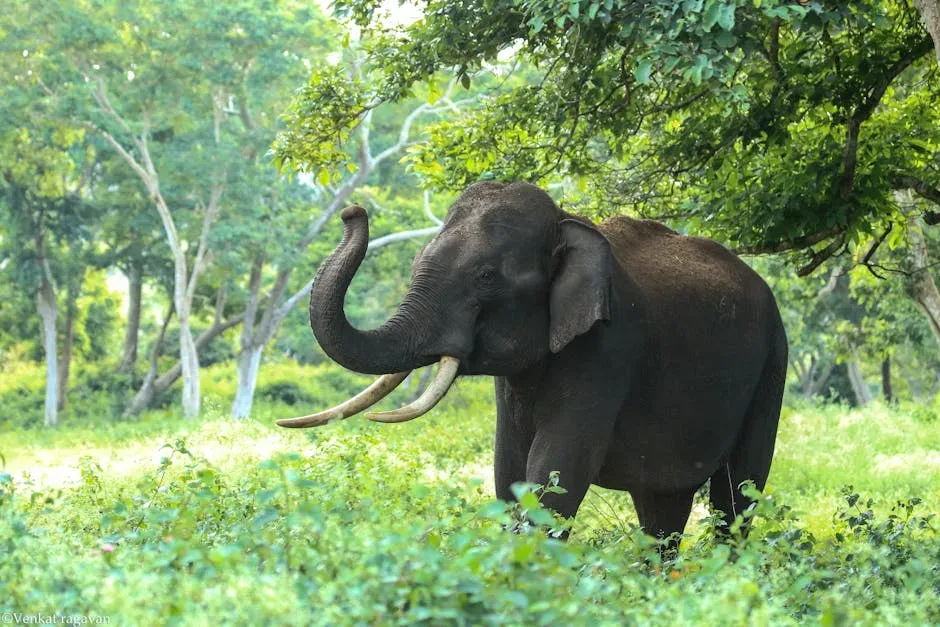
If you’ve ever watched an elephant herd react to death, prepare to have your heart completely shattered. Elephants will often stand over a deceased herd member for days, gently touching the body with their trunks and feet, and they frequently cover the bodies with branches and dirt in behavior that closely resembles burial. That’s not instinct in any neat, tidy biological sense. That’s something far more unsettling to categorize.
Research by neurobiologists has shown that elephants possess von Economo neurons, specialized brain cells previously only found in humans, great apes, and some cetaceans – neurons that are directly linked to social awareness, empathy, and self-recognition. Honestly, I think that tells you everything you need to know. You’re not dealing with “just an animal” here. You’re dealing with a creature that carries grief the same way you do – and the science backs that up completely.
2. The Cuttlefish – The Colorblind Artist Who Paints in Perfect Hues
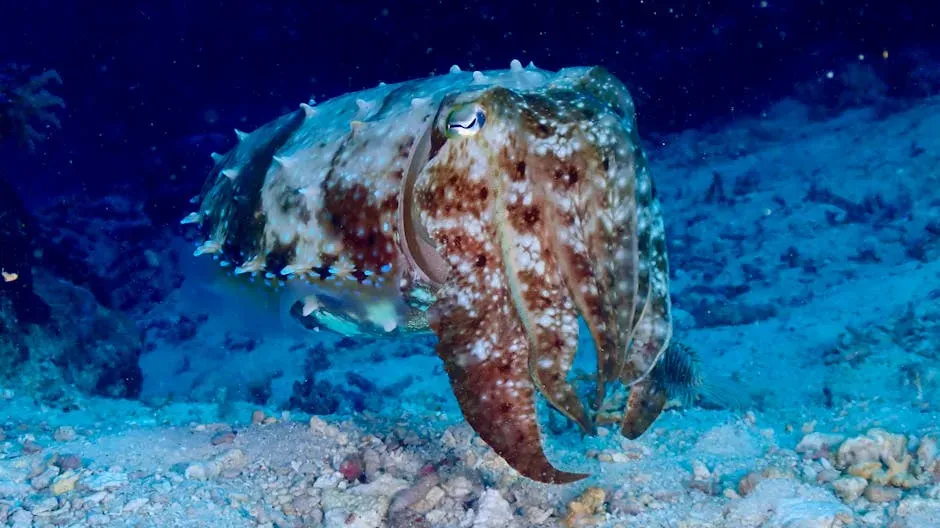
Here’s the thing that will genuinely break your brain: the cuttlefish is a master of color-based camouflage despite being completely colorblind. Known to have a diverse range of body patterns and able to switch between them almost instantaneously, new research confirms that while these masters of disguise change their appearance based on visual cues, they do so while being completely colorblind. Think about that for a second. It’s like a blind painter creating a photorealistic portrait.
Perhaps most impressively, cuttlefish can display different patterns on different sides of their body simultaneously – and the neural control required for this hypnotic display is so complex that cuttlefish devote a significant portion of their large brain to managing their appearance, making them masters of an ability that seems more technological than biological. It seems that cuttlefish camouflage themselves by matching light intensities of objects rather than their colors – but how they match colors so accurately is still a mystery. Scientists are still arguing about this one, and honestly, good luck to them.
3. The Raven – The Justice-Seeker Who Remembers Everything
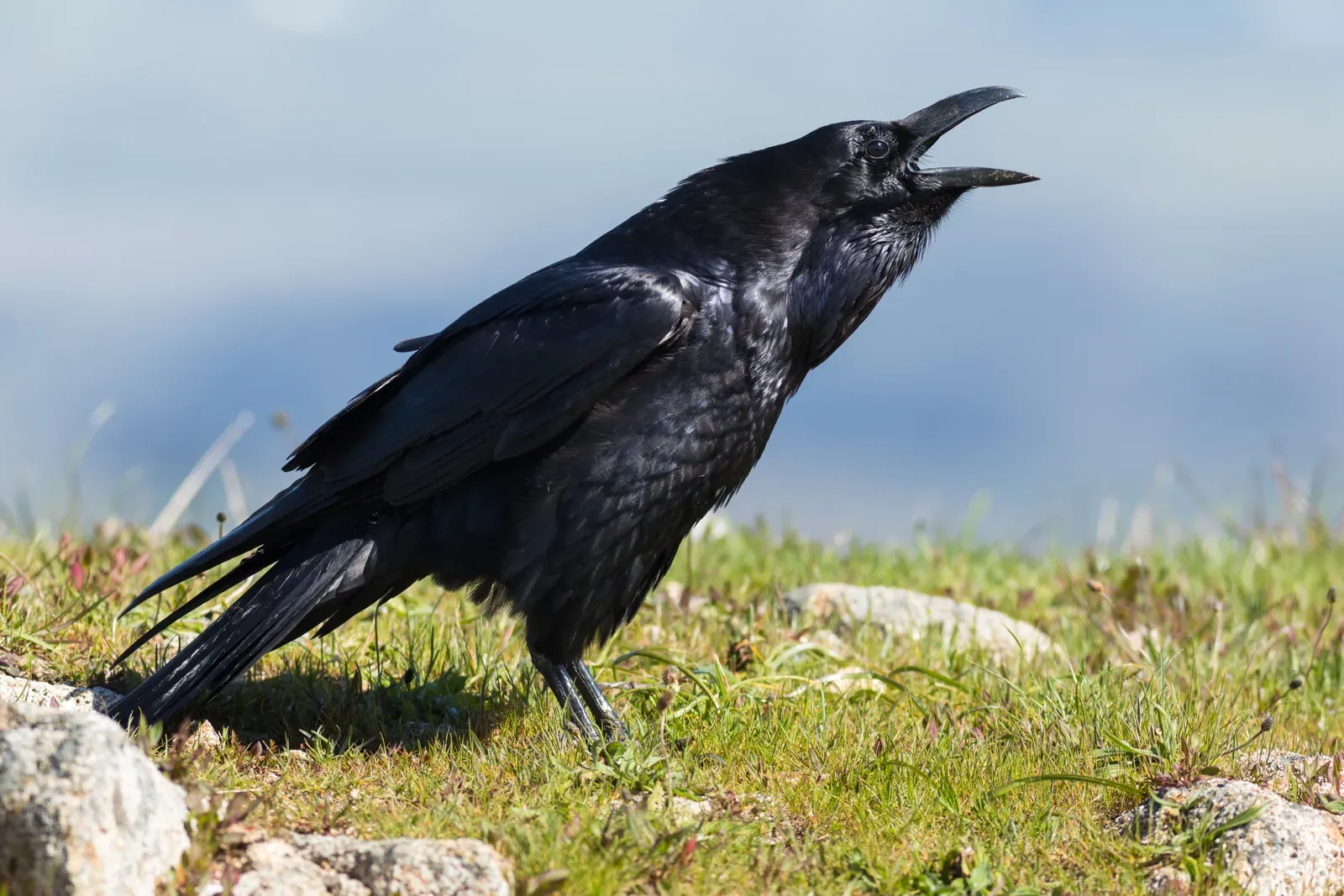
Ravens are the Scorpios of the sky, and I mean that with complete seriousness. In his observations of raven behavior, biologist and raven expert Bernd Heinrich noted that ravens remember an individual who consistently raids their caches if they catch him in the act – and sometimes a raven will join in an attack on an intruder even if it didn’t personally see the cache being raided. You read that right. Group retaliation. Based on secondhand information. That’s not simple instinct – that’s a social code.
Researchers have noted more complex behaviors in ravens that seem to indicate emotional depth – and one of the most fascinating behaviors is the way they treat their dead. Magpies, close relatives in the corvid family, have been known to gather around their deceased flock mates, gently touch the body, and lay twigs and pine needles beside it. The animal kingdom has been quietly practicing rituals that humans tend to claim as exclusively ours. Ravens simply forgot to keep it secret.
4. The Elephant Buffalo – The Democratic Herd That Actually Votes
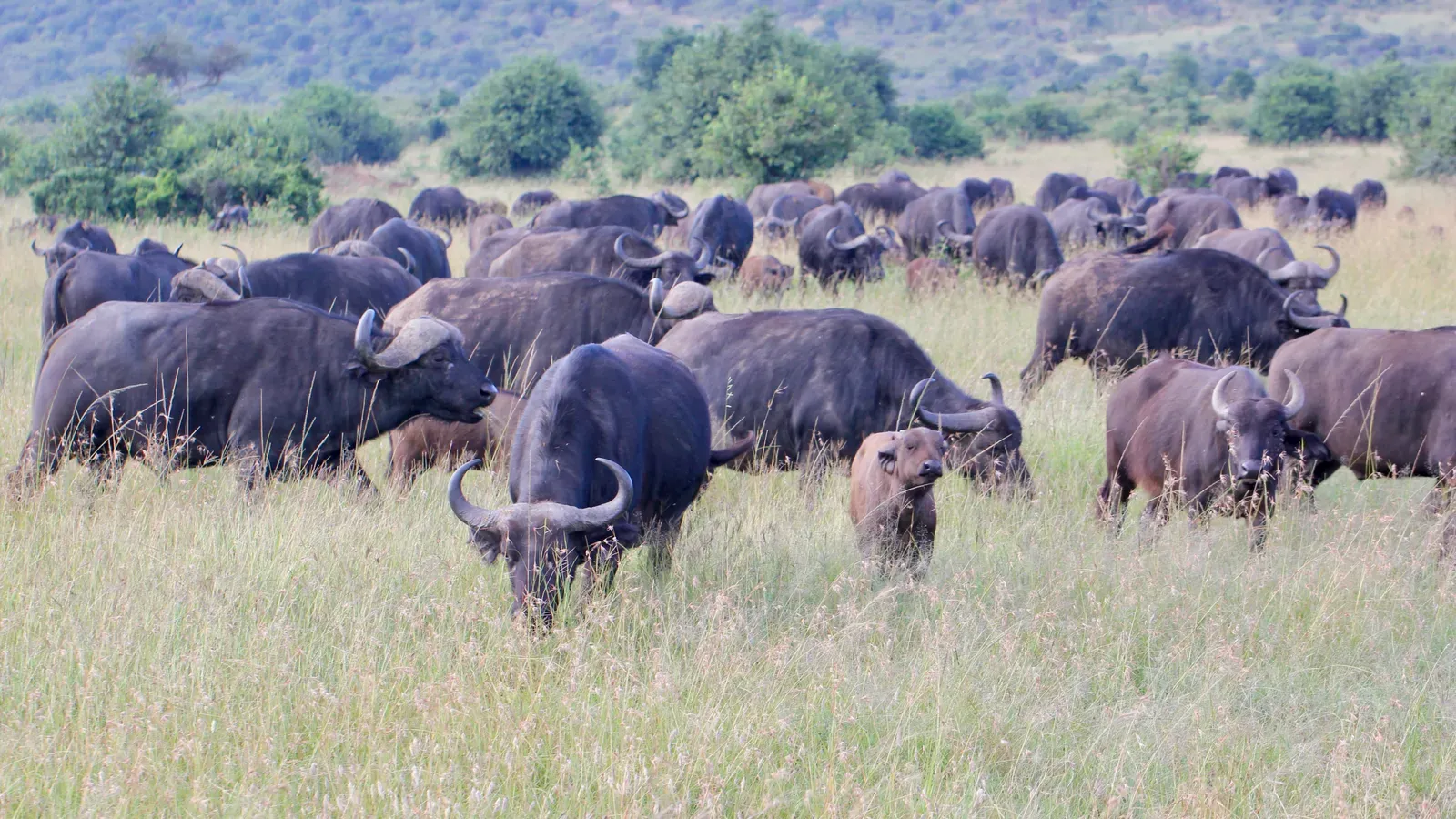
Let’s be real – most humans wish their decision-making systems worked as cleanly as this. African buffalos have been observed practicing a form of voting: when deciding which direction to travel, adult female members of the herd denote their choices by standing, looking in the direction they prefer, and then lying down on the ground. The direction with the most “votes” determines where the herd moves. No debates, no egos. Just a clean, collective process.
Not much is known about many of these more complex animal behaviors, and it’s unclear whether they are instincts or learned from fellow members of the species – but when animals display signs of having human-like emotions, we often relate to them more or think of them as more intelligent. It’s hard to say for sure whether this is instinct or something closer to cultural learning. Either way, the buffalo may have figured out democratic governance before most modern institutions did.
5. The Humpback Whale – The Rescuer Who Thanks Strangers
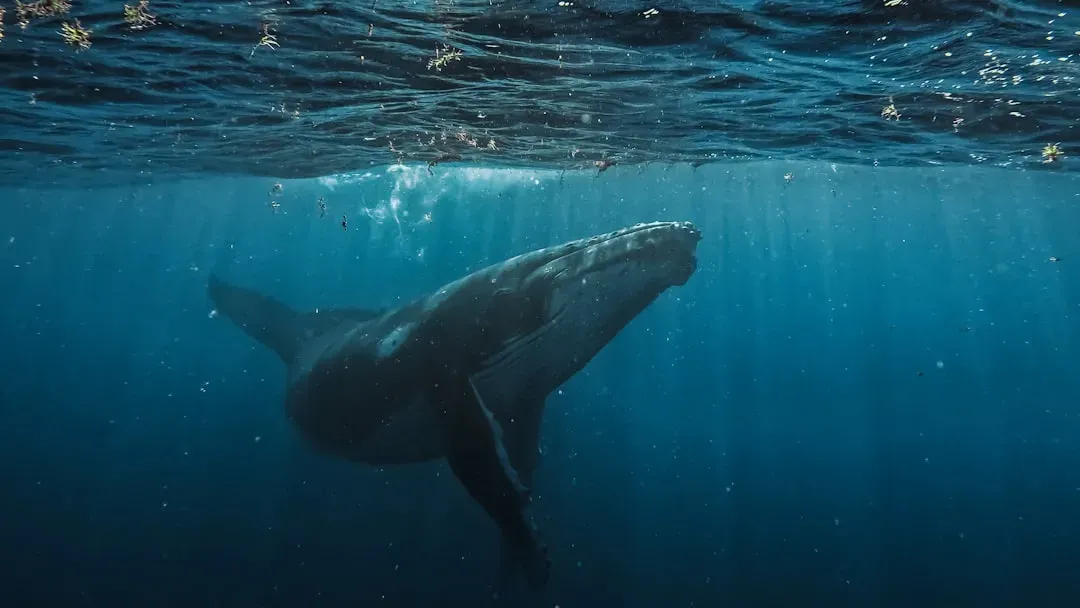
Here’s a story that will sit with you for a while. A female humpback whale who became tangled in fishing gear was freed by a team of divers in 2005, and after she was free, she nuzzled each diver and flapped around in an unusual display – seeming to thank the team for saving her life. Nuzzled each one. Individually. Not once but multiple times. That’s not a reflex. That’s recognition and gratitude.
What’s remarkable here is that the whale had no evolutionary blueprint for this interaction. Across the animal kingdom, different species seem to have instinctual ways of finding their way through life – newly hatched sea turtles know to reach the ocean by moonlight, and birds migrate thousands of miles as the seasons change. Yet what the humpback displayed goes further than survival-wired behavior. It felt deeply, unmistakably personal – and no scientific model has cleanly explained it since.
6. The Firefly – The Synchronized Light Artist with No Conductor
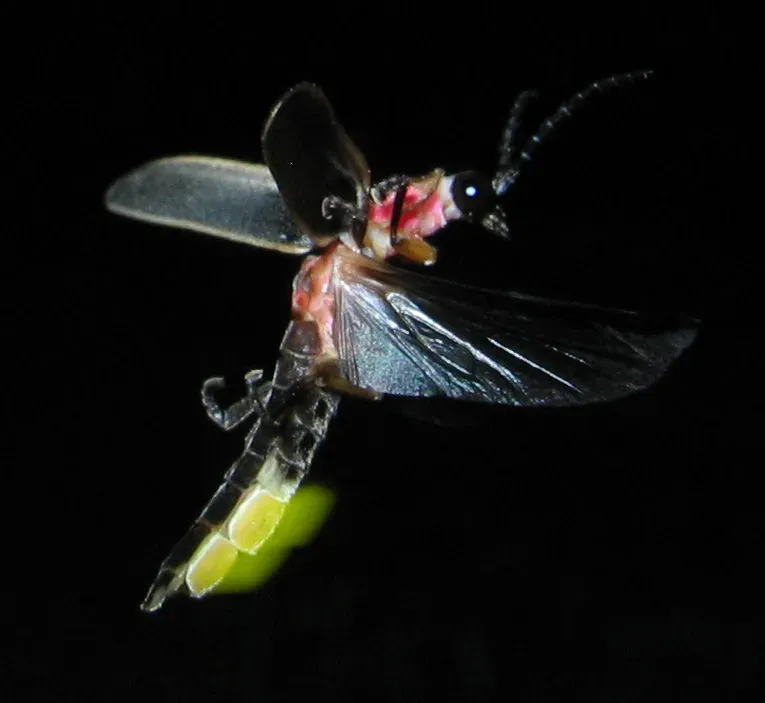
Imagine tens of thousands of tiny lights in a forest, all flashing in perfect unison. No leader. No signal. No central command. In certain parts of Southeast Asia and the Great Smoky Mountains of Tennessee, fireflies gather by the thousands and flash their bioluminescent lights in perfect synchrony – and while scientists understand the biochemical process that creates the light, the mechanism by which thousands of individual insects coordinate their flashing without a conductor remains mysterious.
It gets stranger. Even more mysterious are observations that different firefly congregations can develop slightly different flash rhythms despite being the same species – suggesting cultural or regional variations in a behavior supposedly driven by pure instinct. Cultural variations. In insects. What makes this behavior particularly puzzling is that it emerges spontaneously from decentralized interactions among individuals with limited sensory capabilities, and some researchers have proposed mathematical models suggesting fireflies achieve synchronization through a process similar to coupled oscillators. Even the models don’t fully explain it, though. It’s one of nature’s most beautiful unsolved puzzles.
7. The Assassin Bug – The Armored Deceiver Who Wears Its Victims
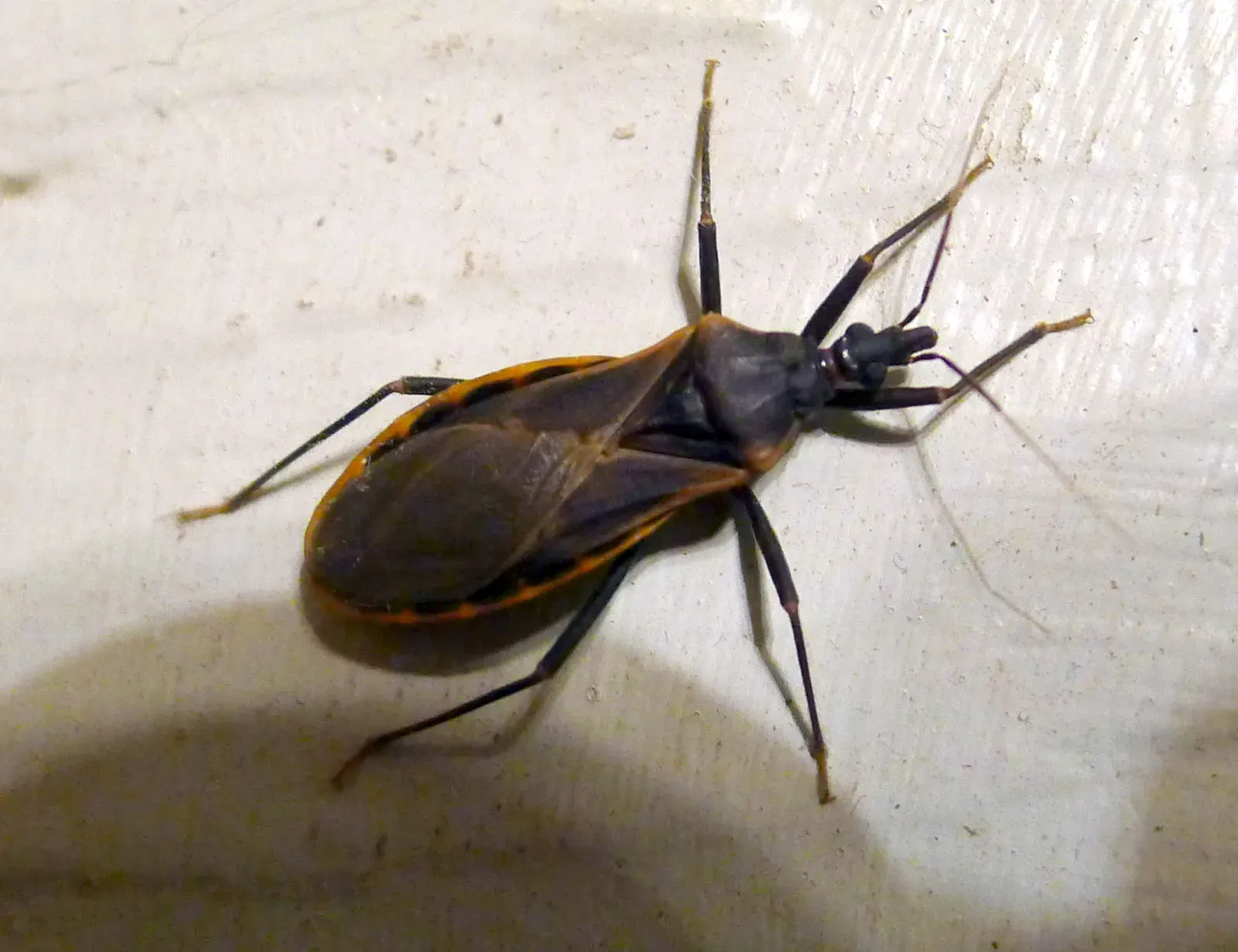
We’re getting into genuinely wild territory now. Assassin bugs, found in Malaysia, have perhaps one of the strangest instinctual behaviors in the animal kingdom – they hunt ants, eat their insides, and then transform their exoskeletons into armour. The sheer audacity of this survival strategy is honestly hard to process on first reading. It’s like something out of a dark fantasy novel, except it’s real, and it happens in Malaysian forests right now.
They wear this new outfit to trick and confuse predators, including birds, rodents, and other bugs – even including other members of their own species. So the disguise works on everyone, including their closest relatives. It’s a strategy that requires a level of behavioral sophistication that feels almost too elaborate for a bug. Yet here they are, doing it without being taught, without any social instruction. Instincts are behaviors animals do automatically, without needing to be taught. This one, in particular, sounds like it took considerable imagination.
8. The Cuckoo – The Solo Migrant Who Knows Where to Go Without Anyone Showing It
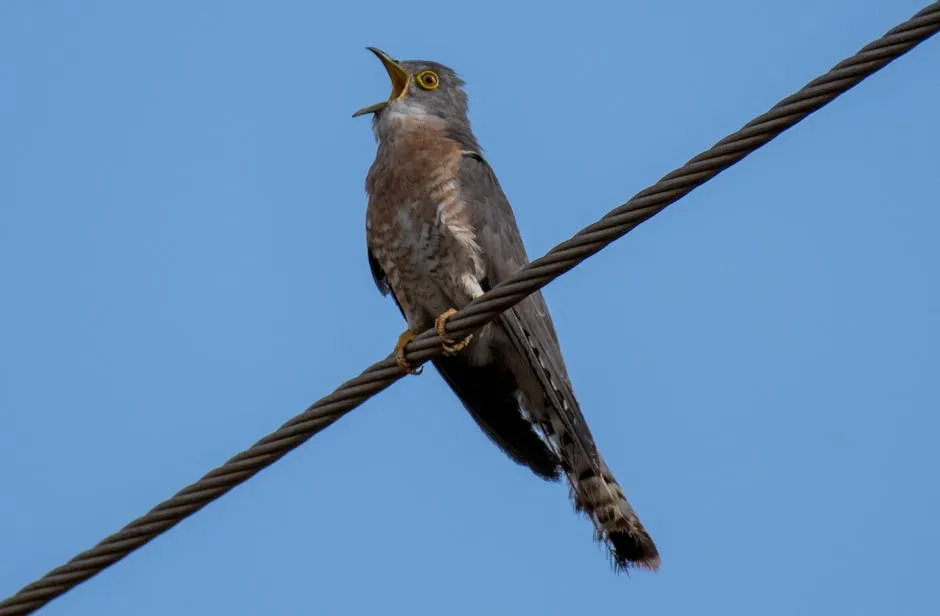
Most birds migrate in flocks, following experienced elders along established routes. The cuckoo does something that should, by any reasonable logic, be completely impossible. Cuckoos who haven’t been raised by any other cuckoos and won’t encounter any other cuckoos along the way – since they tend to fly solo – know instinctively where to migrate and how to get there. Despite no family or flock, they all wind up in Africa for the winter, and nobody knows how they do it.
Parasitic birds like the cuckoo trick other species into raising their chicks by putting their own eggs into the nest of another bird – and it seems mysterious how a bird raised by a different species knows what species it belongs to, and who to mate with. The cuckoo is essentially growing up with foster parents who are entirely different creatures, and yet it emerges as a perfectly functioning cuckoo, finds its own kind, and navigates a solo intercontinental journey. There are many behaviors that scientists previously thought were instincts until science revealed their inner workings – and the cuckoo remains one of the most defiant examples still waiting for a complete explanation.
Conclusion: Nature Doesn’t Play by the Rules We Make for It
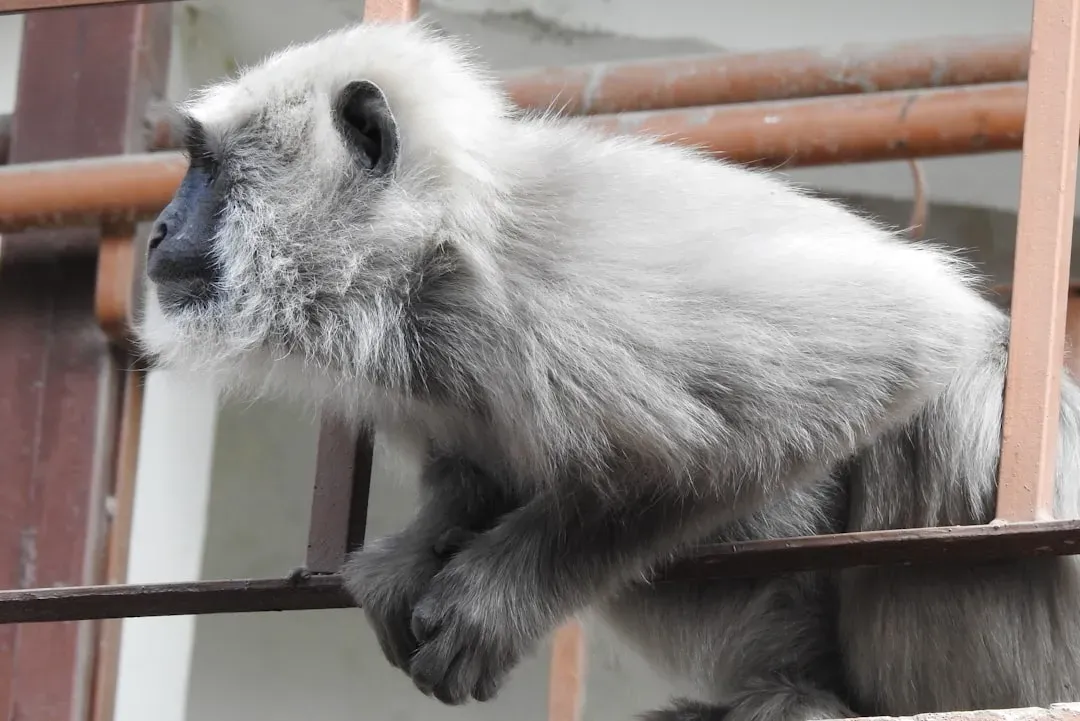
Every creature on this list does something that forces you to quietly question whether your understanding of “instinct” was ever really complete. While humans pride themselves on their intelligence and technological innovations, the animal kingdom quietly harbors abilities that seem to defy our understanding of physics, biology, and even logic itself. That’s a humbling thing to sit with.
The line between instinct, emotion, culture, and intelligence is far blurrier in the natural world than most of us were ever taught. So many different species show signs of social complexity and apparent intelligence, from tiny insects to giant whales, even if we may assume all their behaviors are rooted in basic biological functions like eating, mating, and resting. The behaviors in this list suggest otherwise – and dramatically so.
The next time you watch an elephant linger by a fallen companion, or a firefly forest light up in perfect silence, maybe resist the urge to reach for a simple explanation. Some things are better appreciated as the mystery they are. What creature surprised you the most on this list? Drop your thoughts in the comments – I’d genuinely love to know.