
You probably imagine archaeologists as calm, rational scientists, dusting off bones with steady hands and cool heads. But if you had stood where some of those early excavators stood – staring into pitch-black shafts, poisoned air, and chambers filled with the dead – you might have felt your stomach drop too. Tombs are not just about history; they are about walking straight into places people wanted sealed forever.
What is most unsettling is how often the terror came not from wild legends, but from very real dangers and eerie, unexpected sights. As you step through these eight discoveries, you are going to see how fear shaped early archaeology: curses whispered in newspapers, deadly gases and unstable tunnels, and rooms packed wall-to-wall with the silent dead. By the end, you may still love ancient history – but you will never look at a “tomb discovery” in quite the same way again.
1. Entering Tutankhamun’s Tomb With a “Curse” Hanging Over Your Head
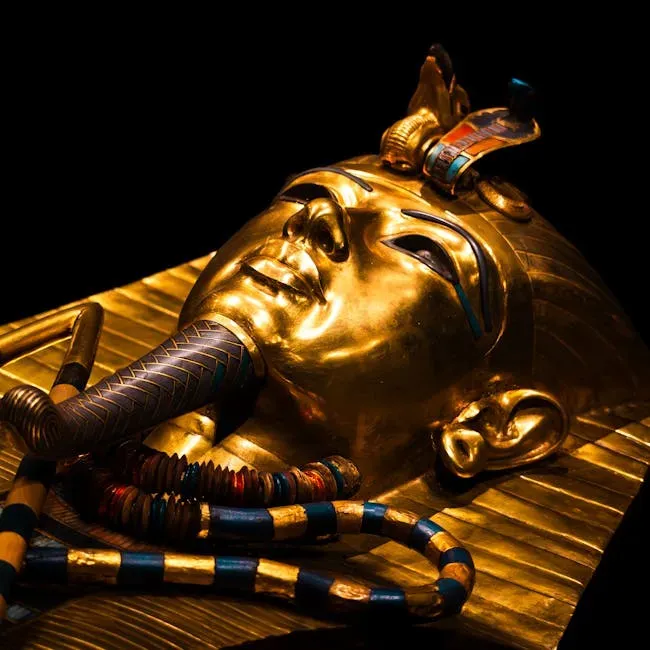
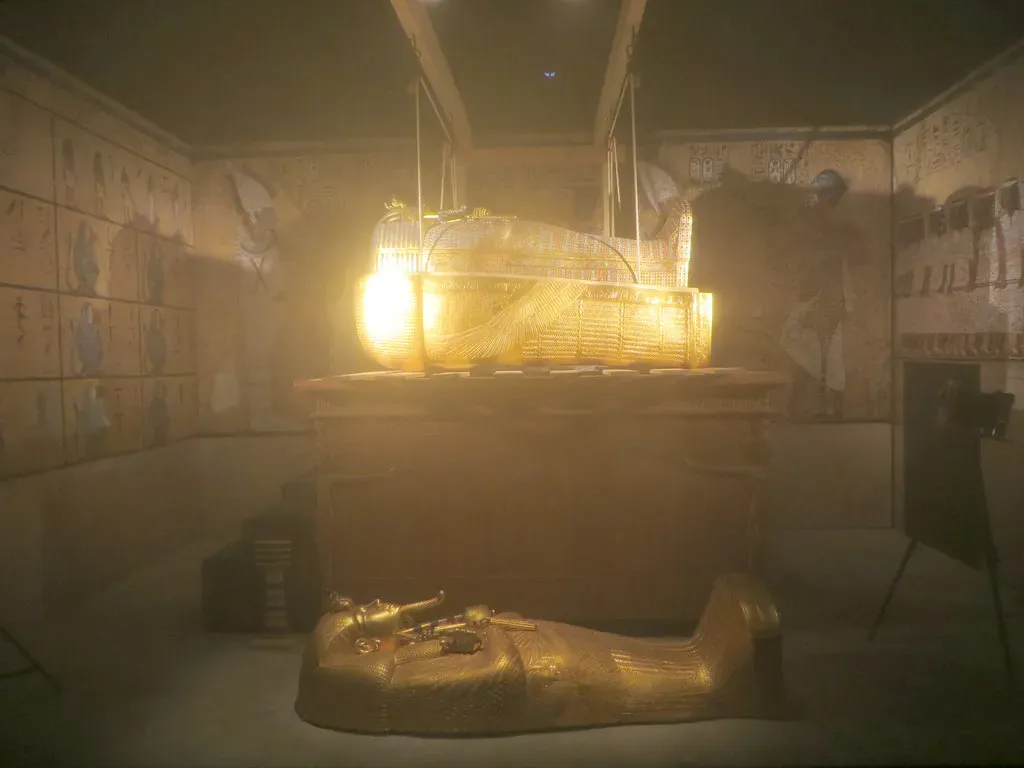
If you had been with Howard Carter’s team in November 1922, standing at the bottom of a hidden staircase in Egypt’s Valley of the Kings, you would have felt the weight of three thousand years pressing down on you. When the sealed doorway to Tutankhamun’s tomb finally emerged from the dust, it carried official necropolis seals that signaled you were about to break into a royal burial that no one had entered since ancient times. The air inside had been trapped since before the time of classical Greece, and as the first small hole was made, everyone held their breath – literally and figuratively – wondering what would escape that darkness. ([en.wikipedia.org](https://en.wikipedia.org/wiki/Tomb_of_Tutankhamun?utm_source=openai))
Once the burial chamber was opened and the treasures were revealed, the world’s excitement flipped into something darker when Tut’s patron, Lord Carnarvon, died in early 1923 after an infected mosquito bite. Newspapers instantly framed it as punishment from beyond the grave, eagerly tying several other early deaths around the excavation to a so‑called “curse of the pharaohs.” Even though later medical studies showed no unusual death rate among those present, you can imagine how it must have felt to walk back into that tomb at night with headlines screaming about supernatural revenge. You would know, rationally, that it was hype – but alone in a silent chamber with a royal mummy, a gold mask, and flickering electric lamps, the back of your neck would still prickle. ([history.com](https://www.history.com/articles/is-the-curse-of-king-tut-real?utm_source=openai))
2. The Royal Death Pits of Ur: Climbing Down Into Mass Sacrifice
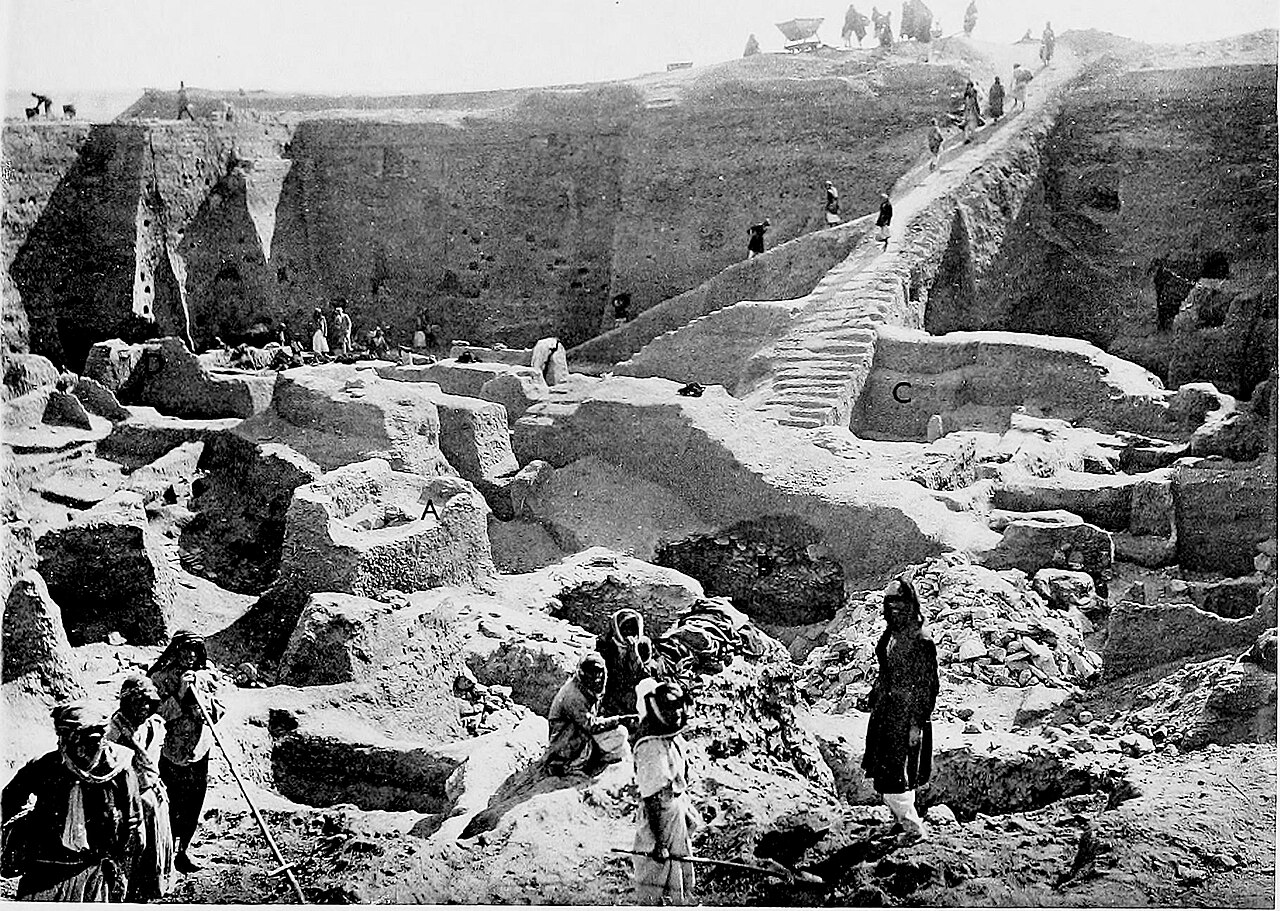
Now picture yourself not in Egypt, but in what is now southern Iraq in the 1920s, working with Leonard Woolley at the ancient city of Ur. As trenches went deeper, your team uncovered something far worse than a single royal burial: vast pits filled with dozens upon dozens of bodies, arranged in careful rows as if a deadly ceremony had frozen in time. Some attendants still wore elaborate headdresses of gold and lapis, while others clutched instruments or carts, suggesting a final ritual procession straight into death. These “Death Pits” forced you to confront the reality that you were not just excavating the dead – you were standing above a carefully orchestrated mass killing from four thousand years ago. ([nationalgeographic.com](https://www.nationalgeographic.com/history/history-magazine/article/mesopotamia-ur-royal-tombs?utm_source=openai))
As you climbed down a ladder into one of these pits, every step would have felt heavier, knowing those people likely went willingly – or were forced – to die with their ruler. Skulls lay at odd angles, and the preserved positions of arms and legs hinted at poisoning, bludgeoning, or slow suffocation under piled earth. Unlike a single sarcophagus in an ornate chamber, this was death on an industrial scale, and you would have to catalog each body like an object while trying not to think about the screams and confusion that once filled that space. Early archaeologists were fascinated, but they were also shaken; you would be, too, when you realized that royal power once meant taking entire human entourages to the grave and leaving them there, stacked like offerings. ([nationalgeographic.com](https://www.nationalgeographic.com/history/history-magazine/article/mesopotamia-ur-royal-tombs?utm_source=openai))
3. The Sealed Tomb of China’s First Emperor You Still Dare Not Open
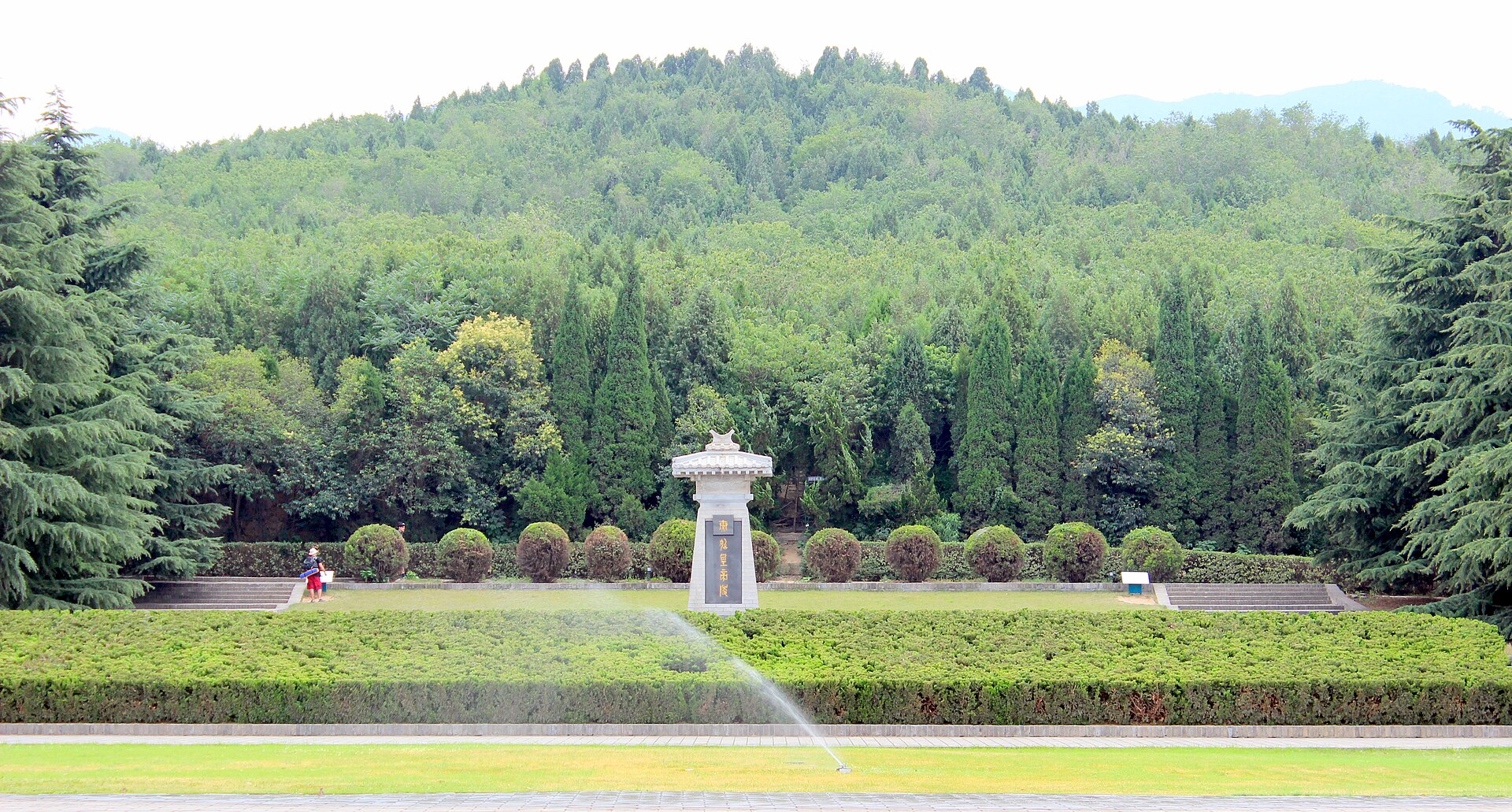
Imagine being told: you know exactly where one of the most powerful men in history is buried, you have evidence that his tomb may contain a miniature version of his empire, and yet you are too afraid – or too responsible – to open it. That is the situation you would face at the mausoleum of Qin Shi Huang, the first emperor of a unified China. Ancient historian Sima Qian described a burial chamber with palaces, treasures, a starry ceiling, and rivers of flowing mercury forming a model of the empire; modern surveys have actually detected abnormally high mercury levels in the mound, suggesting that the wild-sounding description may be rooted in fact. ([en.wikipedia.org](https://en.wikipedia.org/wiki/Qin_Shi_Huang?utm_source=openai))
If you were an early archaeologist here, fear would take a very practical shape. Opening the central tomb could release mercury vapor, collapse fragile underground architecture, or destroy delicate paintings and organic remains the moment fresh air hits them, as happened to the terracotta warriors’ original pigments when they were first exposed. The Chinese authorities still refuse to penetrate the main burial chamber precisely because today’s technology cannot guarantee preservation. So you are left walking above a giant, deadly mystery: you know there is likely a staggering burial down there, but you also know you might ruin it – and possibly harm yourself – by forcing it open too soon. That mix of scientific curiosity and very real dread might be the most honest kind of fear in archaeology. ([en.wikipedia.org](https://en.wikipedia.org/wiki/Mausoleum_of_Qin_Shi_Huang?utm_source=openai))
4. Walking Through the Capuchin Catacombs of Palermo: A Forest of the Dead
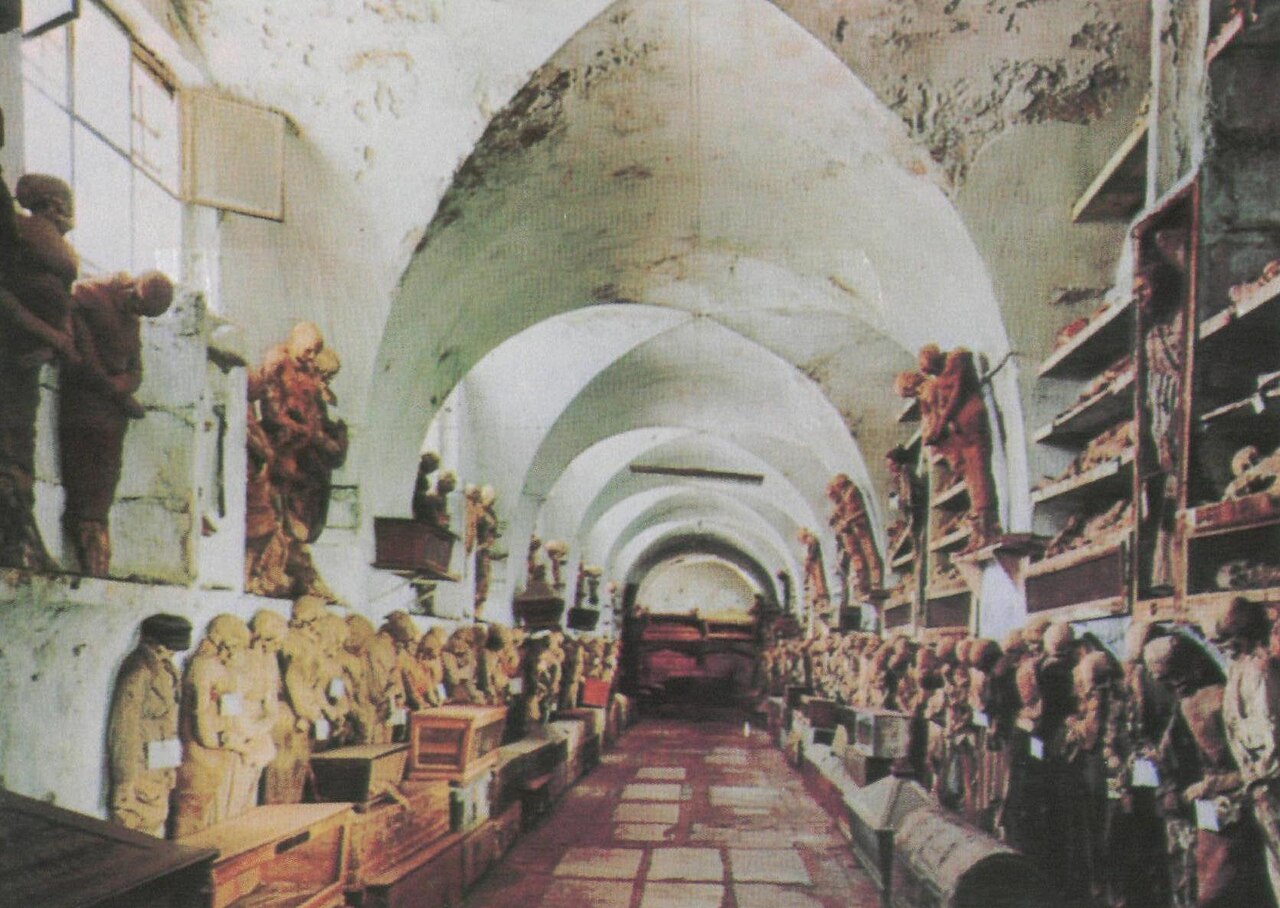
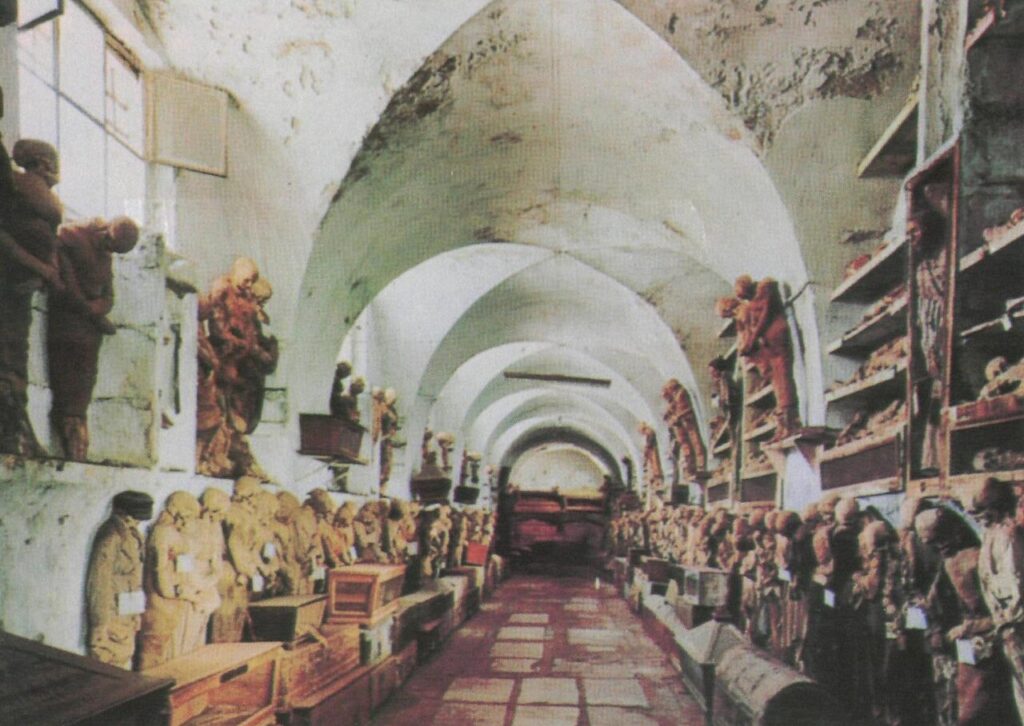
Most tombs hide the dead; the Capuchin Catacombs in Palermo, Sicily, display them. If you were an early visitor or researcher here in the nineteenth century, you would step into low, cool corridors lined from floor to ceiling with thousands of mummified bodies, still dressed in their finest suits, wedding gowns, uniforms, and clerical robes. Instead of sealed coffins, you would see empty eye sockets staring across at you, jaws gaping in expressions that look disturbingly like silent screams. These remains, preserved naturally by the dry environment and refined over centuries by Capuchin monks, were originally friars, then opened to wealthy locals who paid to be eternally on view. ([palermocatacombs.com](https://www.palermocatacombs.com/catacombs/history?utm_source=openai))
As you walk those halls, the fear you feel is not the flash of a sudden curse but a slow, crawling unease at the sheer number of individuals around you. Here, death is not abstract; it is arranged in neat rows, sorted into corridors for men, women, professionals, children, and even virgins, each skeleton still wearing the identity it had in life. Early accounts describe a mix of horror and fascination among travelers, and you would probably feel the same pull: a morbid need to keep looking, even as your instincts tell you to turn away. And then you might come face to face with a child mummy like Rosalia Lombardo, whose unnervingly lifelike features earned her the nickname “the world’s most beautiful mummy,” and realize that the line between sleep and death can be thinner than you ever wanted to know. ([archive.archaeology.org](https://archive.archaeology.org/online/features/screaming_mummy/palermo.html?utm_source=openai))
5. Trapped Air and Invisible Killers: Poisoned Tombs and Deadly Microbes
One of the most unsettling lessons you would learn as an early archaeologist is that the real “curse” of a tomb often has nothing magical about it. Sealed spaces can trap toxic gases, spores, and bacteria for centuries, turning a freshly opened chamber into a natural biohazard. In some excavations, researchers reported feeling dizzy, nauseated, or faint soon after entering confined burial rooms, likely from low oxygen, high carbon dioxide, or other gases released from decomposing organic material. Before you had modern ventilation equipment and protective masks, you might have been stepping into these spaces with nothing but a lantern and a handkerchief over your face, hoping that whatever you were breathing would not kill you. ([history.com](https://www.history.com/articles/mummy-curse-ancient-egytpian-tombs?utm_source=openai))
You can see how quickly unexplained illnesses or sudden deaths around an excavation could morph into stories of supernatural punishment. If a colleague developed a mysterious fever, respiratory infection, or fungal illness after working in an ancient burial environment, people around you would reach for narrative as much as medicine. Journalists in the 1920s did exactly that with King Tut’s tomb, weaving normal health problems into tales of vengeful mummies. Today, you would talk about mold spores, histoplasmosis, or other infections; a century ago, you might have whispered about curses in the dark over your campfire, even if you never admitted it in your official field report. ([history.com](https://www.history.com/articles/mummy-curse-ancient-egytpian-tombs?utm_source=openai))
6. Booby Traps, Collapsing Shafts, and the Fear of Never Climbing Out
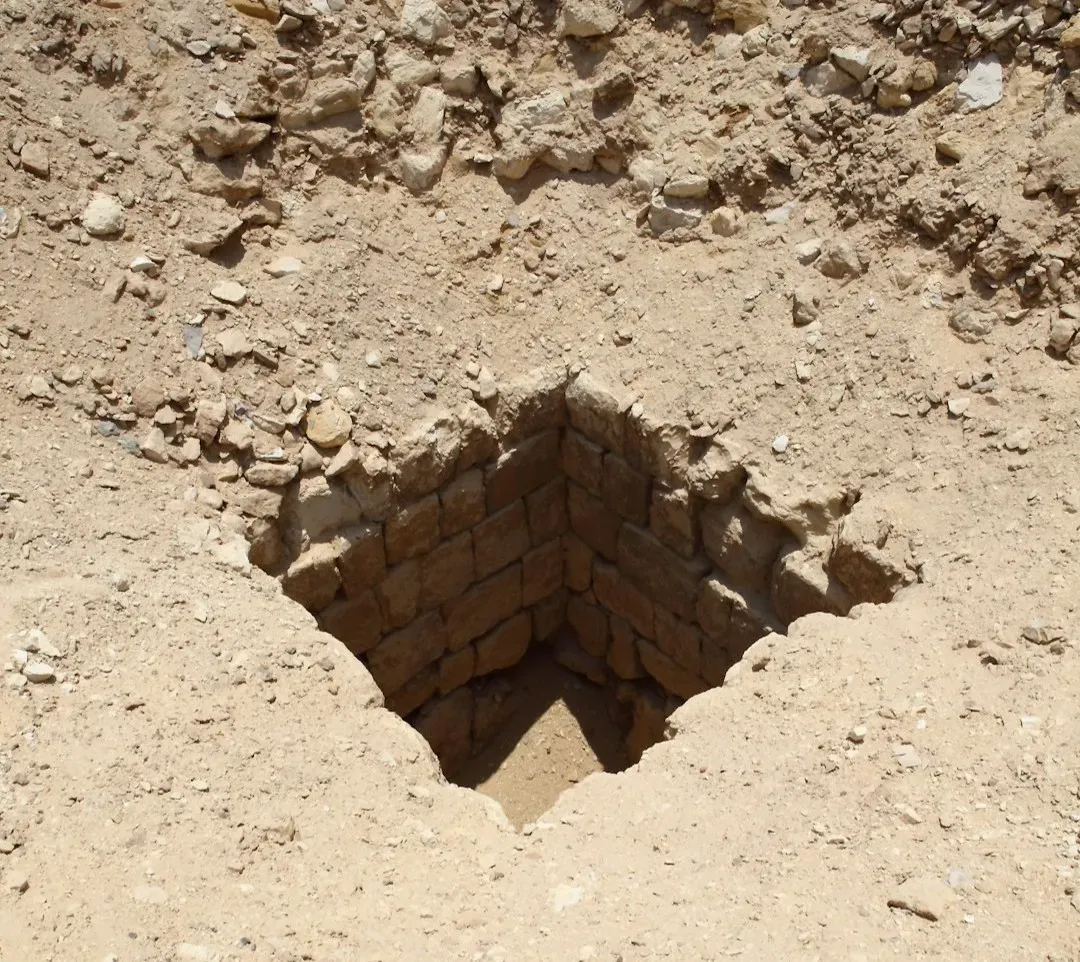
When you think about Indiana Jones, you probably picture rolling boulders and dart-shooting statues, and early archaeologists did sometimes let their imaginations run in that direction. Ancient texts about tomb robbers mention hidden pits and mechanical devices, and some burials were indeed designed with confusing passages and blocked corridors to frustrate intruders. But the fear you would actually feel underground had more to do with gravity, bad timber, and unstable rock than elaborate ancient engineering. Climbing down a narrow shaft, you would hear the crack of shifting stone, smell the dust, and know that if the ceiling decided to give way, no one would ever find you in time. ([en.wikipedia.org](https://en.wikipedia.org/wiki/Tomb_of_Tutankhamun?utm_source=openai))
Early excavators often dug quickly, cutting wide tunnels through loose debris with minimal shoring to reach the burial chamber as fast as possible. That meant you might be walking through a maze of partially supported passages, any of which could collapse if someone misjudged a cut or overloaded a spoil heap above. Add in the glare of oil lamps or early electric lights, flickering in hot, dusty air, and every shadow could look like the hint of some engineered trap waiting to spring. Even if you never found a single ancient “booby trap,” the raw fear of entombment was very real. It turns out you do not need spears popping out of the walls to be terrified; you just need the sound of a stone shifting above your head when you are thirty meters underground.
7. Unwrapping Mummies in Front of Audiences: When Curiosity Turned Grotesque
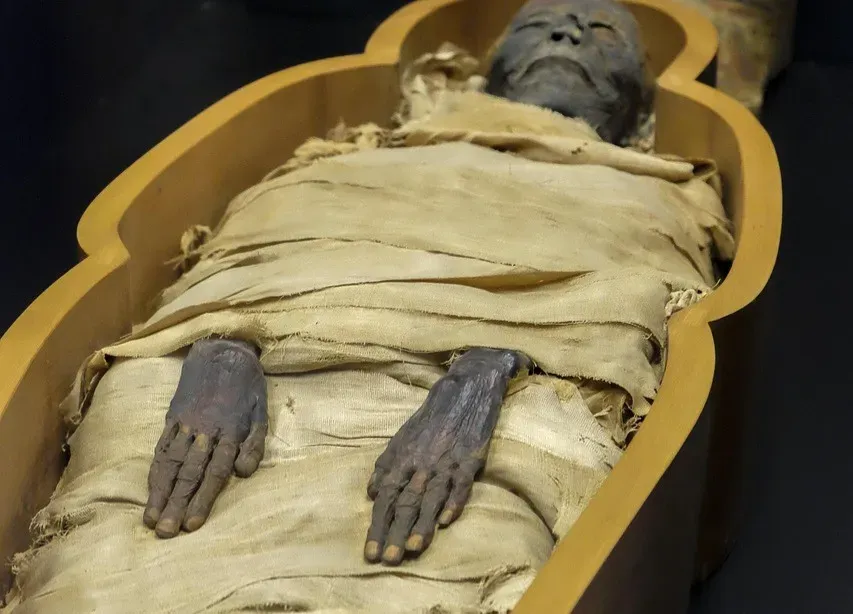
If you had been a scholar or doctor in the nineteenth century, your first encounter with a tomb’s contents might not have been in the field at all, but on a stage in a European city. Public “mummy unwrappings” were fashionable events where a recently excavated Egyptian mummy was slowly stripped of its linen in front of an invited crowd. As a participant, you might have told yourself this was science and education, but as the bandages fell, the spectacle often slid into something closer to a horror show: dried skin, shrunken facial features, and the smell of ancient resins rising through the hall. People gasped, fainted, or laughed nervously, proving that even in a polished theater, death could still rattle an audience. ([archive.archaeology.org](https://archive.archaeology.org/online/features/screaming_mummy/palermo.html?utm_source=openai))
From your modern perspective, this practice feels deeply disrespectful, but it also shows how tomb discoveries once fed a kind of gothic entertainment culture. Instead of quietly analyzing remains in a lab, early archaeologists and collectors sometimes treated human bodies like curiosities to be unwrapped, dissected, or even ground up for so‑called medicinal powders. If you had any empathy at all, there would be a moment – perhaps when a face finally emerged from the last layer of linen – when you would feel an almost physical jolt of wrongness. That gut-level discomfort is its own kind of fear: the recognition that you have crossed a line between learning from the dead and using them.
8. Realizing the Dead Still Have Stories – and Claims on You
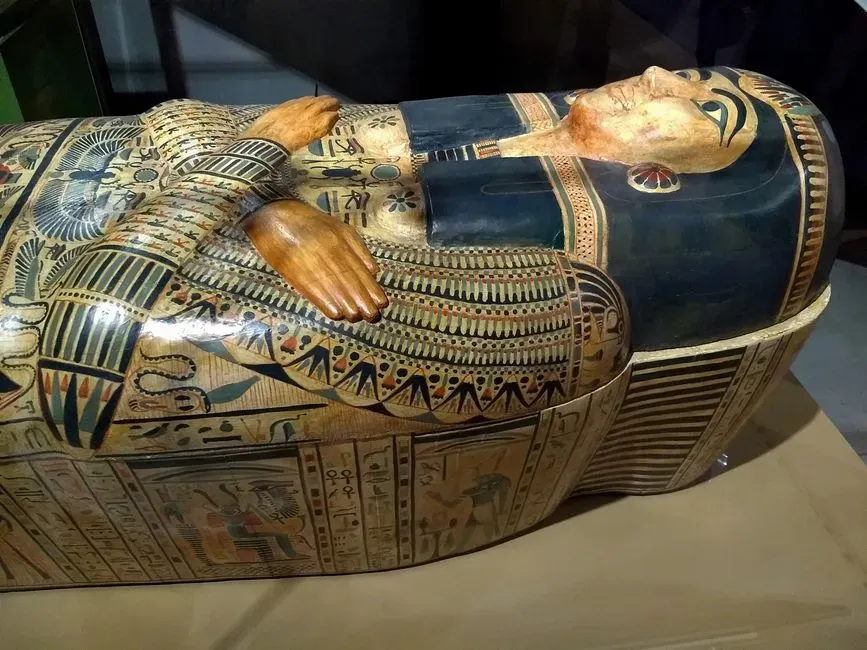
Over time, you would probably find that the most lasting fear does not come from curses or collapsing ceilings, but from something quieter: the sense that the people you are uncovering are not finished with you. Every skull you label, every skeleton you measure, once belonged to a person with loves, grudges, beliefs, and a community that mourned them. Standing alone in a dim tomb or catacomb, you might suddenly feel that those old intentions – to guard the dead, to keep the burial sealed, to protect the sacred – are pressing in on you again. You are there for knowledge, but you are also an intruder, and that tension never fully goes away.
Modern archaeology is far more ethical and careful than the treasure-hunting days of the early twentieth century, yet the emotional weight of disturbing graves is still real. You may follow strict protocols, consult descendant communities, and treat remains with respect, but there are moments when an unexpectedly well-preserved face, a child’s toy, or a hand still resting on a weapon will hit you harder than any ghost story. In that instant, you are not just excavating; you are entering into a relationship with the dead, whether you like it or not. And that realization – that the past is not safely distant, but right here looking back at you – is perhaps the most haunting discovery of all.
Conclusion: When Curiosity Meets the Darkness Below
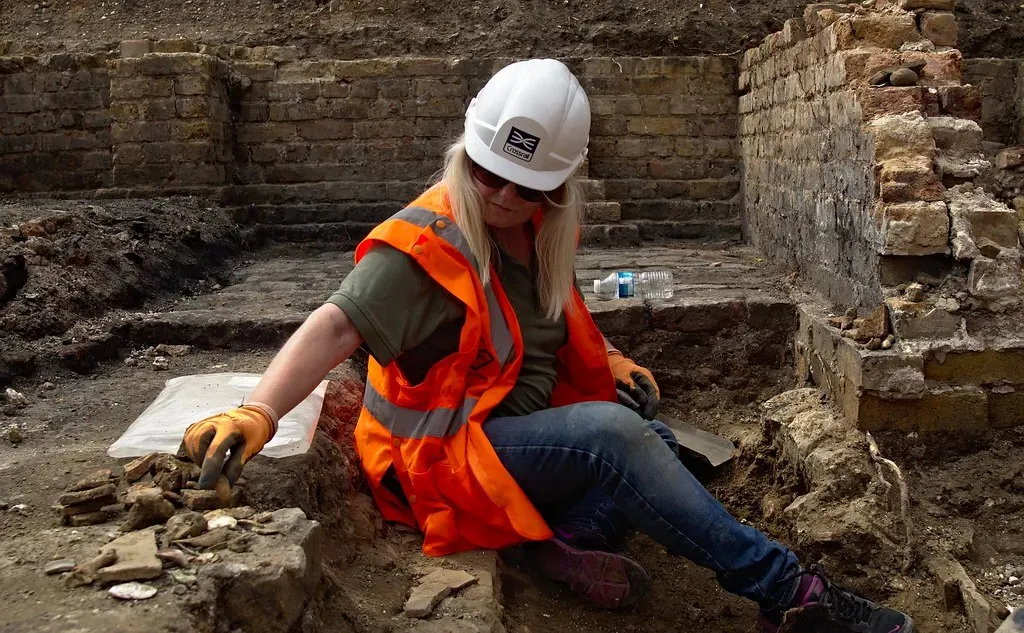
If you step back from these eight stories, a pattern jumps out at you: the fear that gripped early archaeologists was rarely only about the supernatural. It came from walking into spaces designed to be final, where the air itself could sicken you, the ceiling could bury you, and the human reality of death could overwhelm even the toughest scientific mind. The myths about curses and vengeful spirits grew so easily because the work already felt like tempting fate, prying open doors that whole cultures had sworn to keep shut.
Yet you also see that fear has never really stopped people from digging. Instead, it has forced archaeology to grow up – to respect the dead, to slow down, to ask hard questions about what should be excavated and when. If you ever find yourself standing at the edge of a dark shaft knowing there is a tomb at the bottom, you might hesitate too, feeling that mix of dread and wonder that has followed this field from its earliest days. The real question is not whether the dead can harm you, but how much opening their world will change you – are you ready for that moment when the past stares back?