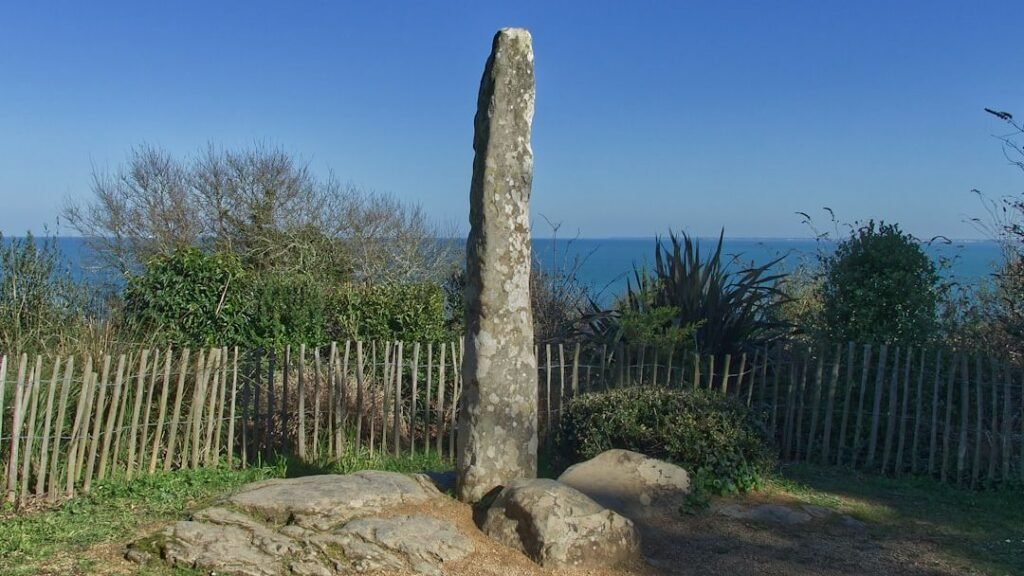

Imagine standing in front of a wall of stone so massive, so perfectly fitted together, that even the most powerful cranes we have today couldn’t replicate the feat. No mortar. No steel. No computers. Just human hands, tools made of rock, and a level of organizational genius that defies everything we thought we knew about “primitive” people. Honestly, it’s enough to make your head spin.
Ancient cultures have left us with a plethora of enigmas that modern science struggles to explain, and despite significant advancements in technology and scientific understanding, many archaeological findings continue to baffle experts. You’d think that in 2026, with satellites mapping every inch of the planet and AI crunching data around the clock, we’d have figured most of this stuff out by now. We haven’t. Not even close. Let’s dive in.
Göbekli Tepe, Turkey: The Temple That Rewrote History
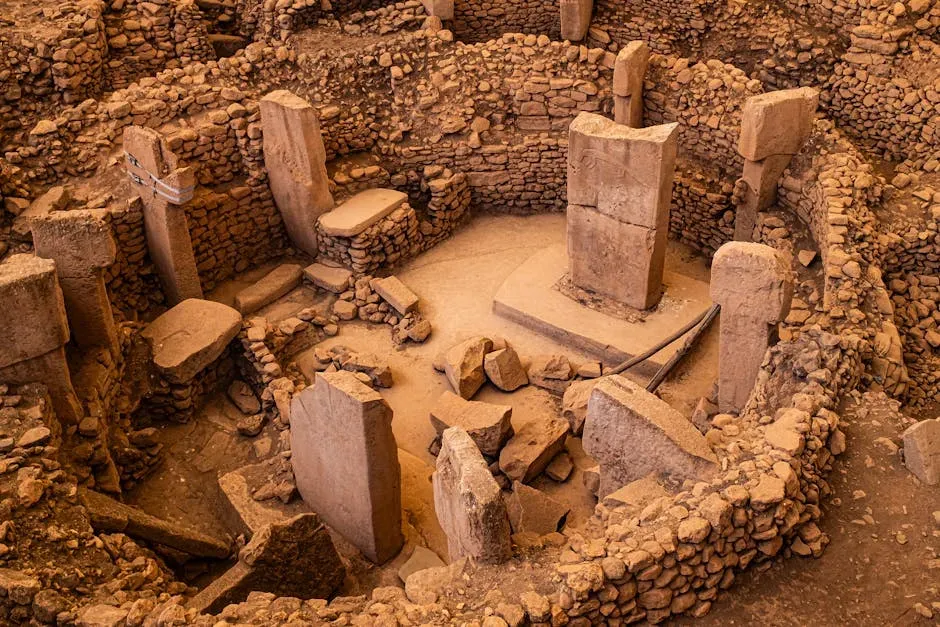
Known as Göbekli Tepe, this megalithic settlement is perched on a mountain ridge in Upper Mesopotamia, in what is now southeastern Turkey. The Neolithic site, which translates to “belly hill” in Turkish, is two times older than Stonehenge and contains a series of elaborate circular enclosures constructed of massive T-shaped limestone columns. Think about that for a moment. It predates the invention of writing, the wheel, and even basic agriculture. Yet here it is, intricately designed and impossibly organized.
Its massive T-shaped limestone pillars, some weighing up to 20 tons, were quarried, carved, transported, and arranged in carefully designed circular enclosures by people we still label as “hunter-gatherers.” Here’s the thing that really messes with your head: Göbekli Tepe wasn’t destroyed by invaders. It wasn’t abandoned and left to decay. It was deliberately buried. The enclosures were carefully filled in with rubble and sediment, sealing the pillars underground for millennia. This act preserved the carvings in astonishing condition, but it also raises a haunting question: why build something monumental only to hide it?
Stonehenge, England: The Circle That Still Refuses to Reveal Its Purpose
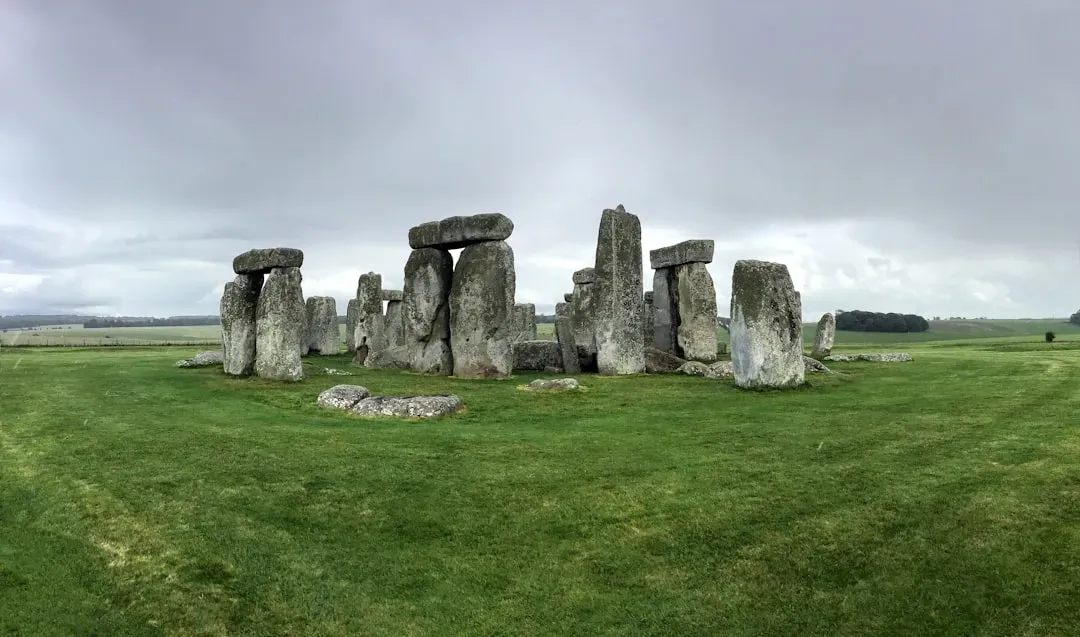
Stonehenge is one of the most famous megalithic monuments in the world. Almost everyone has heard of it, even those who’ve never been to Britain. It’s a giant circle of stones standing in a field, thousands of years old, yet no one knows exactly why it was built. You’d think fame would come with answers. It doesn’t.
Stonehenge wasn’t built overnight. In fact, it took more than 1,500 years and was constructed in several stages. Unbelievably, the stones were moved by hand. Sarsens, each weighing up to 25 tons, were dragged on wooden sleds, possibly over greased paths or rolling logs. I think the sheer scale of that human effort is the part that doesn’t get enough attention. Stonehenge is angled such that on the equinoxes and the solstices, the sun rising over the horizon appears to be perfectly placed between gaps in the megaliths, and Professor of Astronomy Gerald Hawkins concluded that Stonehenge was a sophisticated astronomical observatory designed to predict eclipses.
Baalbek, Lebanon: Stones Too Heavy for the Modern World
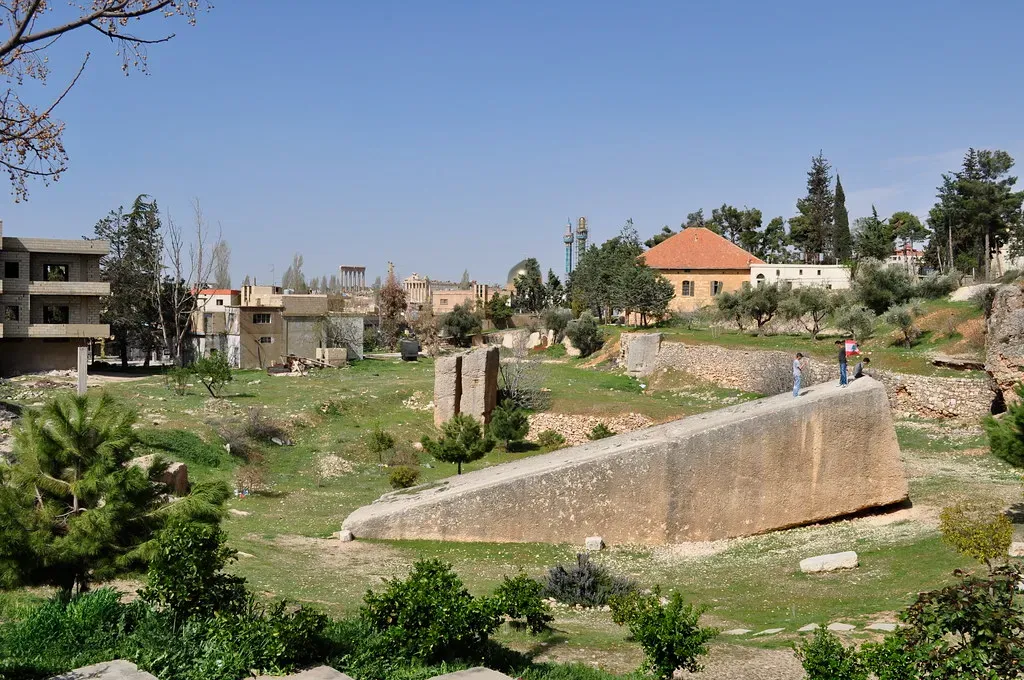
In the Beqaa Valley north of Beirut lie the remains of the ancient Phoenician city of Baalbek, once referred to as Heliopolis or “the City of the Sun.” In the ancient world, as early as 9000 BC, Baalbek became an important pilgrimage site for the worship of the Phoenician sky-god Baal and his consort Astarte, the Queen of Heaven. That alone gives you a sense of the age and scale of this place.
One of the most amazing engineering achievements is the Podium, which was built with some of the largest stone blocks ever hewn. On the west side of the podium is the “Trilithon,” a celebrated group of three enormous stones weighing about 800 tons each. Sticking out of the ground at a slight angle, a limestone monolith named “Hajjar al-Hibla” in Arabic or “the Stone of the Pregnant Woman” was found which weighs approximately 1,200 tons. It remains unexplained how the Romans, or whoever was actually responsible for such an astounding feat of engineering, quarried, cut and transported the megaliths of Baalbek. Another mystery is why they left the largest blocks in place.
Puma Punku, Bolivia: Laser-Like Cuts With Stone Age Tools
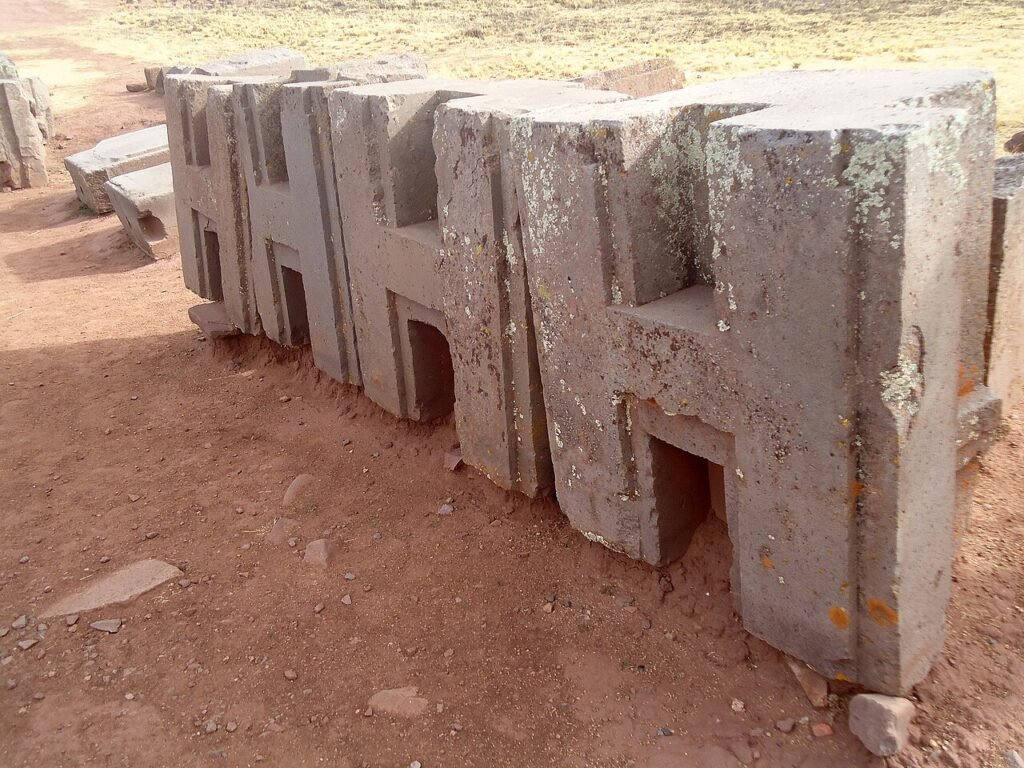
Translated as “Gate of the Puma,” Puma Punku is an archaeological site that captivates both the eye and the imagination. Just under fifty miles west of the Bolivian capital of La Paz, on a high desert plateau close to the southern edge of Lake Titicaca, it was the cradle of one of the most important pre-Columbian cultures in South America.
This site, dating back to approximately 536 CE, has stonework that features perfectly straight cuts, carvings, and interlocking joints, all completed without modern tools or machinery. The stones are cut so finely that some early researchers have even speculated about the involvement of advanced or even extraterrestrial technology. The size and weight of the stone blocks at Puma Punku are extraordinary, contributing significantly to the intrigue surrounding the site’s construction techniques. The largest stone at the Pumapunku and Tiwanaku site is almost eight metres long, over five metres wide and averages just over a metre thick. It’s estimated to weigh 131 tonnes. Even today, the ruins of Pumapunku on the Andean high plains in Bolivia have baffled archaeologists, scientists, and engineers, with no one able to explain how the stones were cut with such staggering accuracy.
The Nazca Lines, Peru: Massive Messages No One Can Read
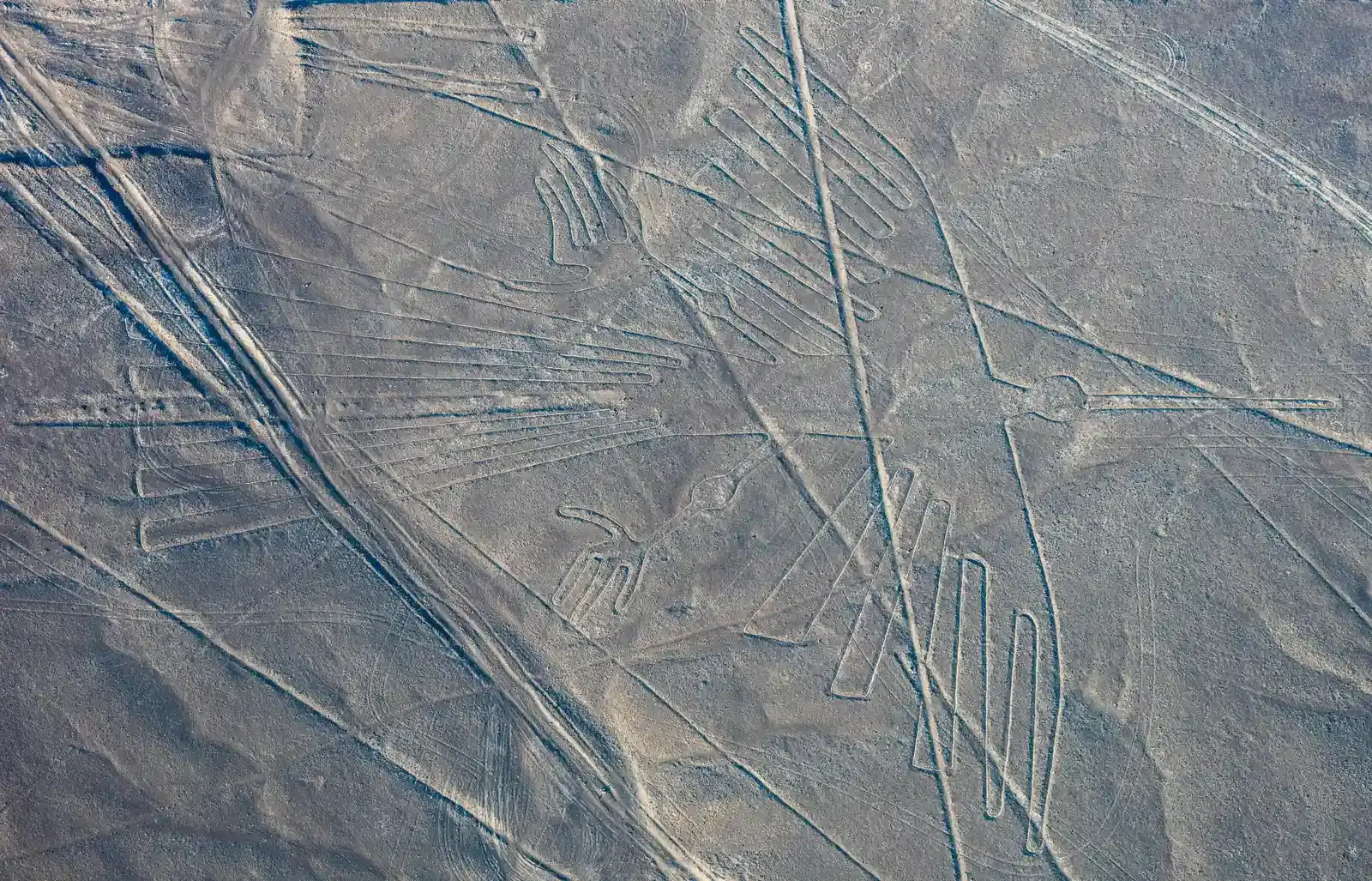
The Nazca Lines are a group of geoglyphs made in the soil of the Nazca Desert in southern Peru. They were created between 500 BC and 500 AD by people making depressions or shallow incisions in the desert floor, removing pebbles and leaving different-colored dirt exposed. Simple enough on paper. Until you realize the sheer scale of what was made.
Most lines run straight across the landscape, but there are also figurative designs of animals and plants. The combined length of all the lines is more than 1,300 km. Between AD 1 and 700, the Nazca people carved 12 to 15 inches out of rust-colored rock, revealing lighter-colored stone in deeper layers. The result was massive in-ground pictures of animals, plants, humans and geometric shapes best seen from an airplane. Some outlandish theories suggest the carvings point to aliens or ancient astronauts, but researchers can’t agree on some of the more realistic theories either. Initial scholars suggested the Nazca Lines were connected to astronomy, while recent theories argue they were used for begging rain from the gods.
The Hypogeum of Hal Saflieni, Malta: A Cathedral Buried in Silence
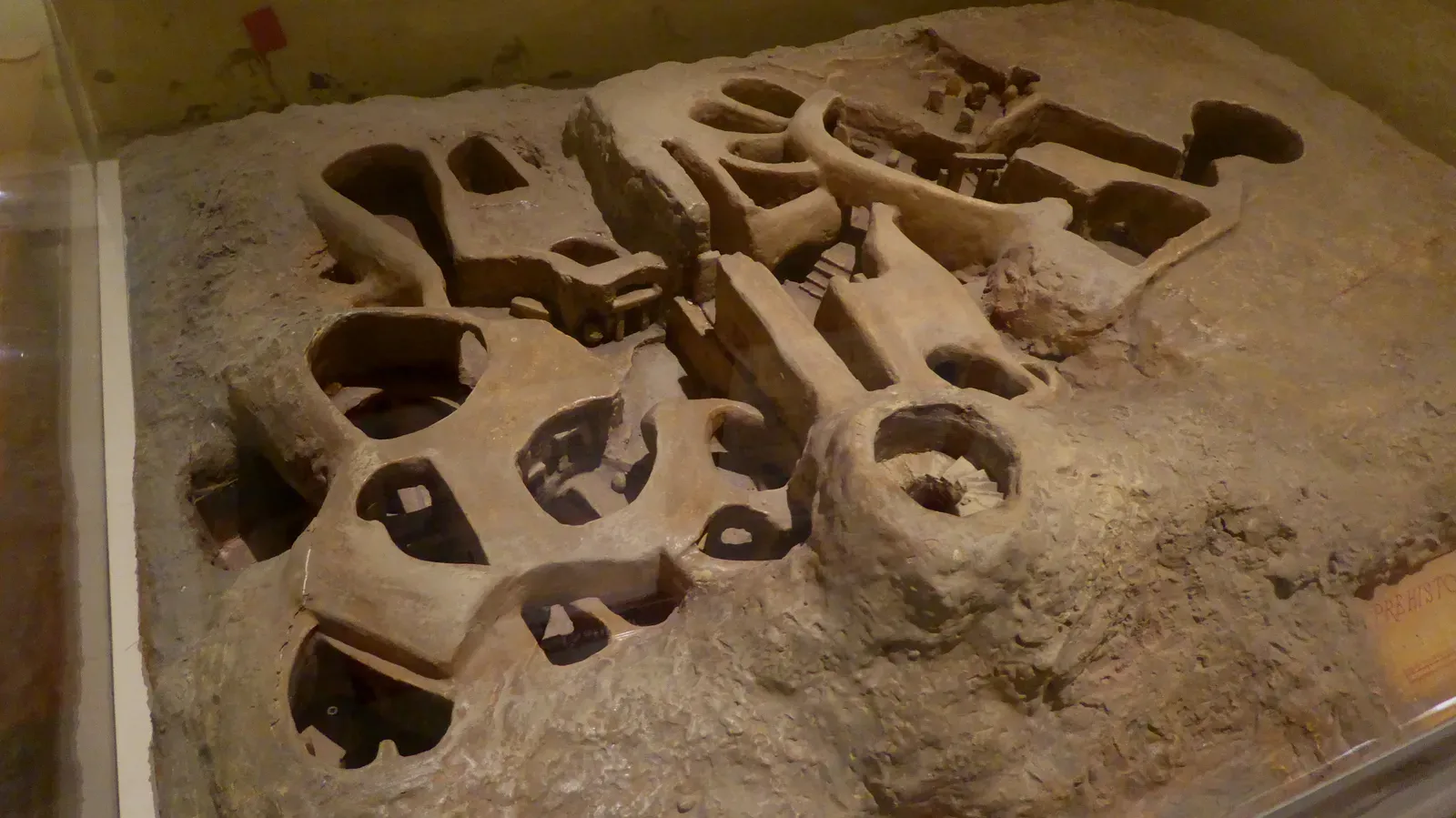
Malta’s Hypogeum is considered one of the world’s best preserved prehistoric sites, featuring a complex of cave chambers including temples, a cemetery and a funeral hall. The underground burial chamber is 6,000 years old and found on the small island of Malta. It is considered one of the first and most famous complexes with the purpose of ritualizing life and death.
What makes this place truly mind-bending isn’t just its age. A unique chamber carved out of solid limestone demonstrating incredible acoustic properties has been called “the Oracle Chamber.” A word spoken in the Oracle room is reportedly magnified dramatically and audible throughout the entire structure. At certain pitches, one feels the sound vibrating in bone and tissue as much as hearing it in the ear. The questions remain: was it intentional? Was the Hypogeum actually designed to enhance amplification? If so, why? Is it possible that the designers of these spaces knew something that modern scientists are just rediscovering?
The Plain of Jars, Laos: Thousands of Stone Vessels and Zero Answers
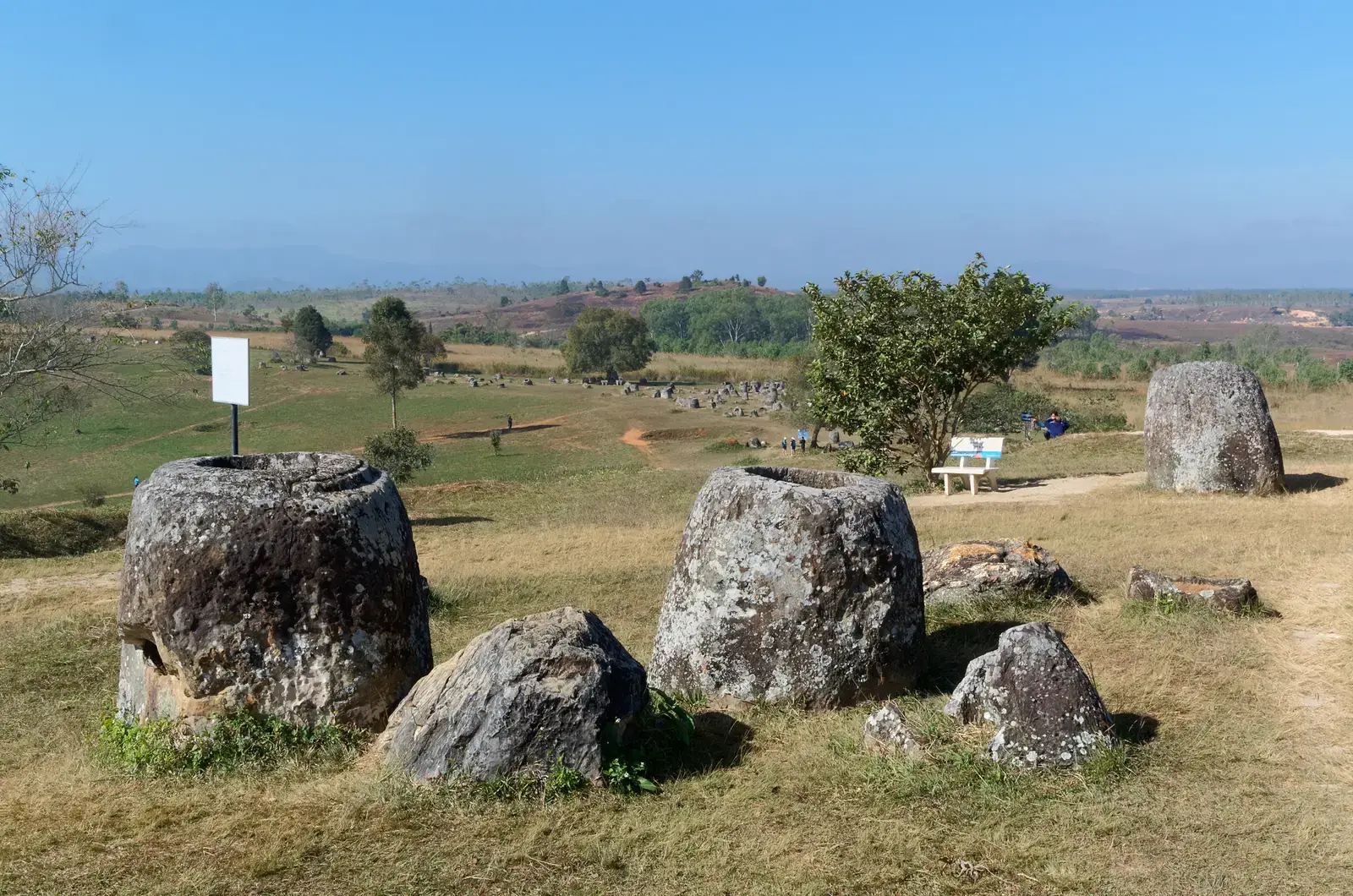
The Plain of Jars in the Xieng Khouang plain of Laos is one of the most enigmatic sights on Earth. The unusual site of thousands of megalithic stone jars scattered across nearly one hundred sites deep in the mountains of northern Laos has fascinated archaeologists and scientists ever since their discovery in the 1930s. You might picture garden pots. Now scale those up to the size of a car.
The site is dated to the Iron Age, spanning 500 BC to 500 AD, and is made up of at least 3,000 giant stone jars up to 3 metres tall and weighing several tonnes. Most are made of sandstone but there are others made of much harder granite and limestone. It is assumed that the Plain of Jars’ people used iron chisels to manufacture them, although no conclusive evidence for this exists. Little is known of the people who carved the huge containers, and the jars themselves give little clue as to their origins or purpose. It’s hard to say for sure, but the leading theories range from funerary urns to distillation vessels for rice wine, and none of them have been confirmed.
Sacsayhuaman, Peru: Walls That Shouldn’t Exist

Sacsayhuaman is the name given to a massive Incan stone structure that was built in the mountains of Peru. Sitting high above the ancient city of Cusco at an altitude of roughly 3,700 metres, it’s the kind of place that looks photoshopped when you see it in pictures. The walls are genuinely shocking in person, or so every archaeologist who has visited them says.
The construction of megalithic structures required an immense amount of planning, organization, and manual labor. The stones used in these constructions are often massive, weighing many tons, and were transported over long distances using techniques that are not fully understood today. This level of engineering sophistication is a testament to the advanced capabilities of prehistoric peoples. Archaeologists are perplexed by the methods used to quarry, lift, and interlock giant stone blocks weighing between 10 and 200 tons at sites like Sacsayhuaman, Puma Punku, and Baalbek. Without advanced technology, how did these ancient cultures achieve such incredible feats? Speculation suggests that ancient people may have possessed advanced technology, now lost to time, which enabled them to construct these remarkable sites.
Conclusion: The More We Know, the More We Don’t
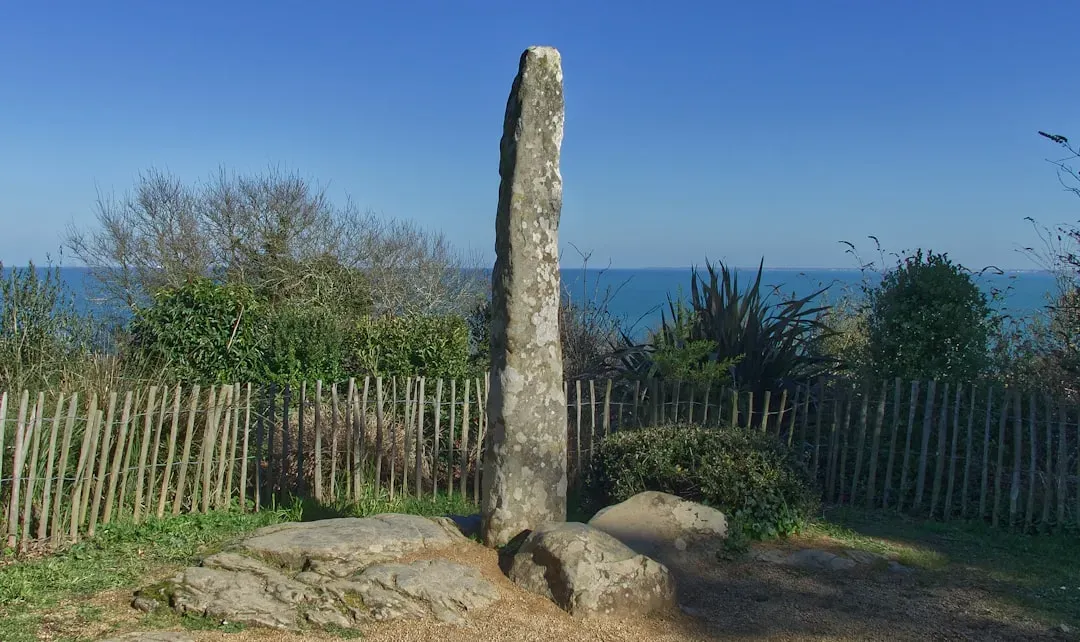
Here’s what’s remarkable. We live in the most technologically advanced era in human history. You carry a supercomputer in your pocket. Scientists can sequence ancient DNA, map underground structures without digging a single shovel, and use drones to discover new geoglyphs in deserts. There has never been a point in modern history where humans know more about ancient civilization than now. Thanks to the tireless work of top-notch scientists, historians, and archaeologists, new discoveries and breakthroughs are being made each day.
Yet these eight sites, from the deliberately buried temples of Turkey to the inexplicably precise stonework in Bolivia, continue to hold their secrets tight. Göbekli Tepe forces us to confront a simple possibility: our ancestors may have been far more socially and intellectually sophisticated than we ever gave them credit for. There may still be entire chapters of early human history waiting beneath the soil. The ancient world wasn’t primitive. It was simply different from what we imagined, and it’s clear we’ve only scratched the surface.
So here’s a question worth sitting with: if these ancient builders were so capable, so organized, so technically brilliant with nothing but stone tools and human will, what else might they have achieved that we simply haven’t found yet? What do you think? Drop your thoughts in the comments.
Jen is a passionate nature lover and ocean conservationist. She has dedicated her life to protecting the environment and preserving the beauty of the natural world. Growing up in a small coastal town, Jen sincerely appreciated the ocean and its inhabitants. She has spent countless hours exploring the shoreline, learning about the creatures that inhabit the waters, and advocating for their protection. Jen is an active member of ocean conservation organizations, and she is committed to educating the public about the importance of conserving wildlife and the natural environment.