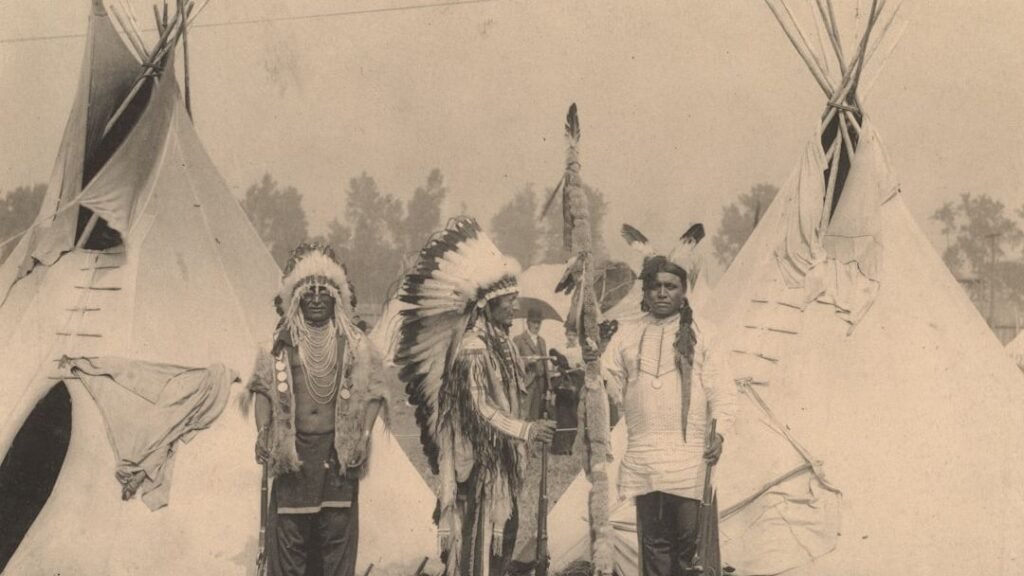

You’ve probably used something today that owes its existence to the brilliance of Indigenous peoples. From the shoes on your feet to the medicine in your cabinet, Native American innovations have quietly shaped modern civilization in ways most people never realize. Long before European contact, the diverse tribal nations across North and South America were solving complex problems with remarkable ingenuity, creating technologies that still resonate in our daily lives centuries later.
What makes these inventions so fascinating isn’t just their practical value. It’s the deep understanding of nature, resources, and sustainability that guided their creation. While mainstream history often overlooks these contributions, the truth is that Indigenous peoples were engineering marvels, developing medicines, and crafting tools that would eventually transform the entire world. Let’s dive into these incredible innovations that prove ancient wisdom often surpasses modern assumptions.
The Kayak: Perfected Arctic Engineering
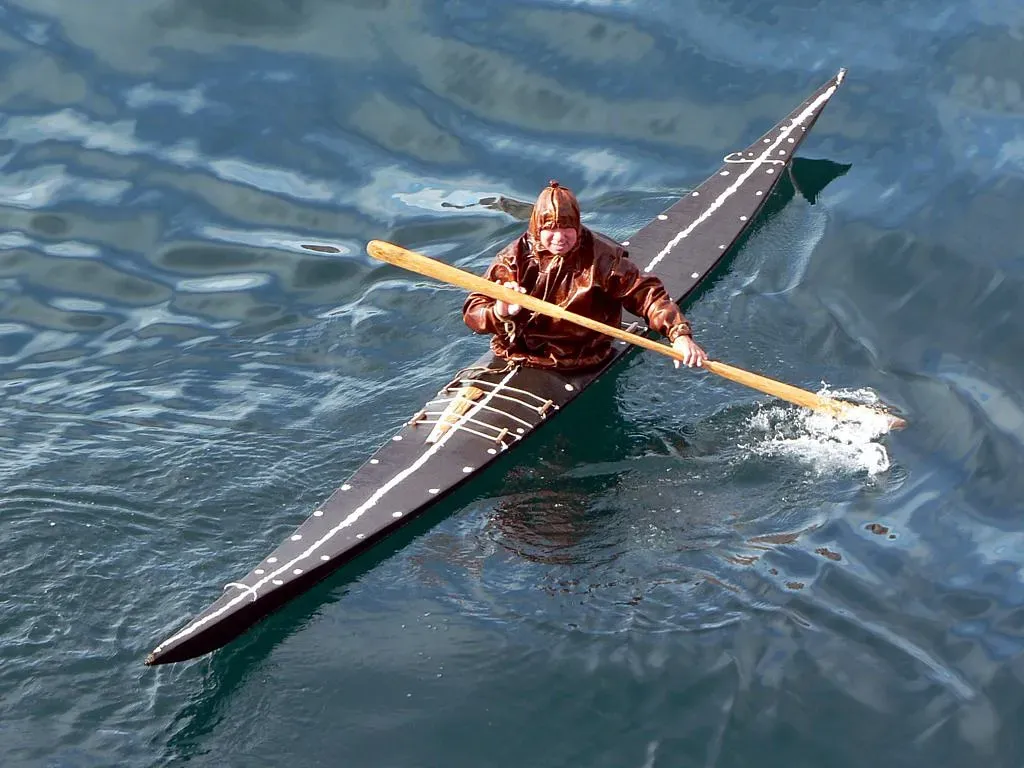
The Inuit in the Arctic developed the concept of a small, narrow boat, with a sealed cockpit to protect the paddler from sinking in the event that the craft capsized, fashioned entirely from natural materials, with wood or whalebone frames covered by stitched sealskin or other animal hides. Think about the level of sophistication required here. These Arctic engineers created a watercraft specifically designed for the most unforgiving waters on Earth, using only what nature provided.
The boats were able to float using walrus or seal skin, with Native Americans wrapping the kayak in the aquatic skins which are naturally water and windproof due to their oil glands, and the person sitting inside the kayak would also wear a waterproof jacket made out of seal or walrus intestines. Kayaks were developed for different types of water and have been used to cross waterways for thousands of years and while the materials have changed, the design of the vessel has essentially remained the same, and today, kayaking is a summer Olympic sport, and a hobby enjoyed by millions across the world.
Snow Goggles: The Original Sunglasses
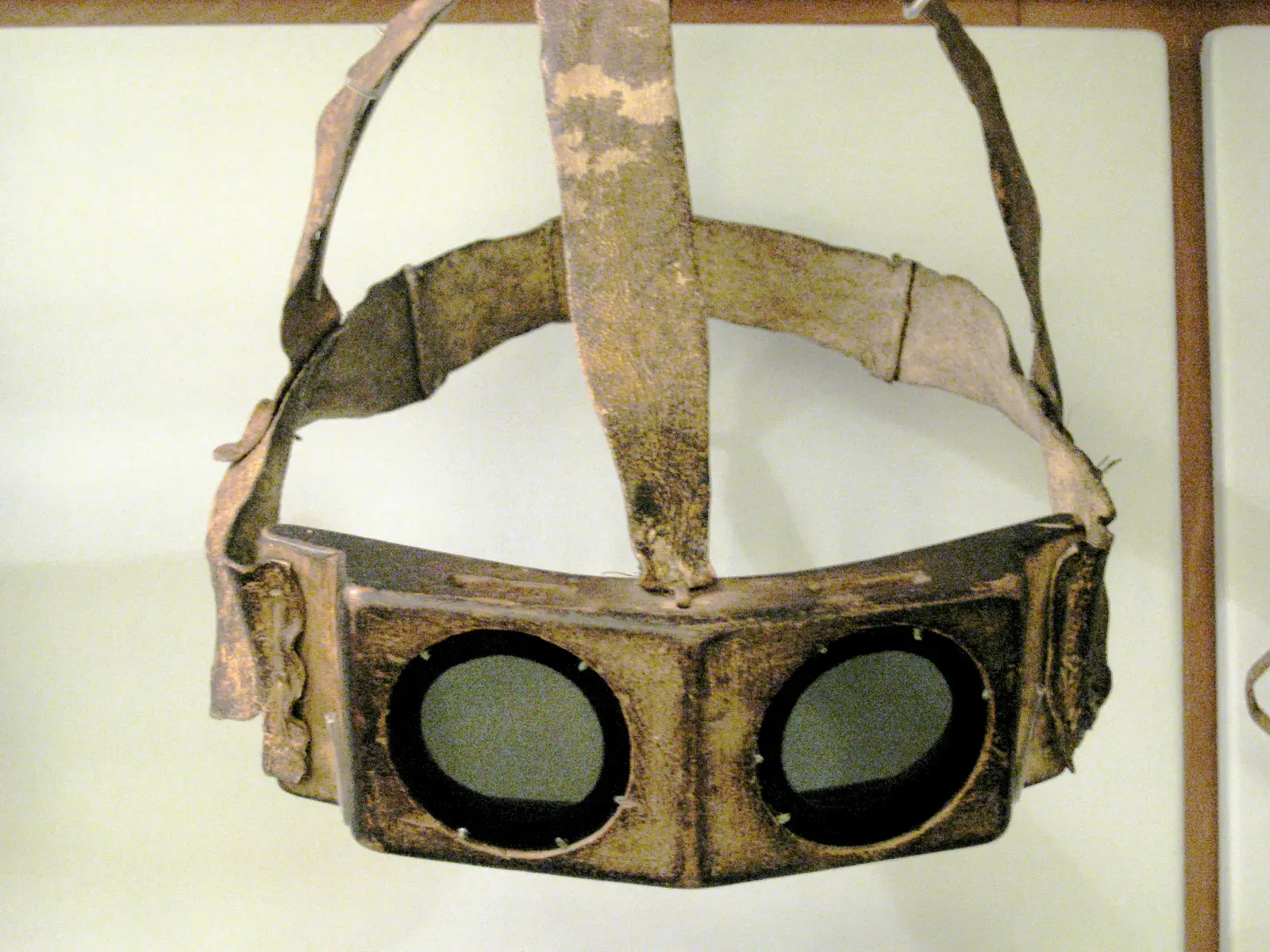
Snow goggles were invented by the Inuit and Yupik Indians, Arctic native people who lived in modern day Alaska, often carved from driftwood, whale bones, and walrus ivory. Here’s the thing: these weren’t just decorative items. They were essential survival equipment that addressed a serious medical problem in one of the harshest environments humans have ever inhabited.
The slits allowed Native Americans to maintain their vision while they were hunting and moving through dangerous weather, and these eye coverings were a vital survival tool for Native Americans living in snow-covered environments, as exposure to these harsh climates could cause snow blindness, which is caused by UV rays reflecting off of ice and snow. The ancient frames were also lined with dark materials on the inside to reduce harmful glare, similar to how today’s football and baseball players put black strips under their eyes for the same reason. Honestly, that’s pretty remarkable foresight for what we’d now call optical engineering.
Syringes: Ancient Medicine Delivery Systems
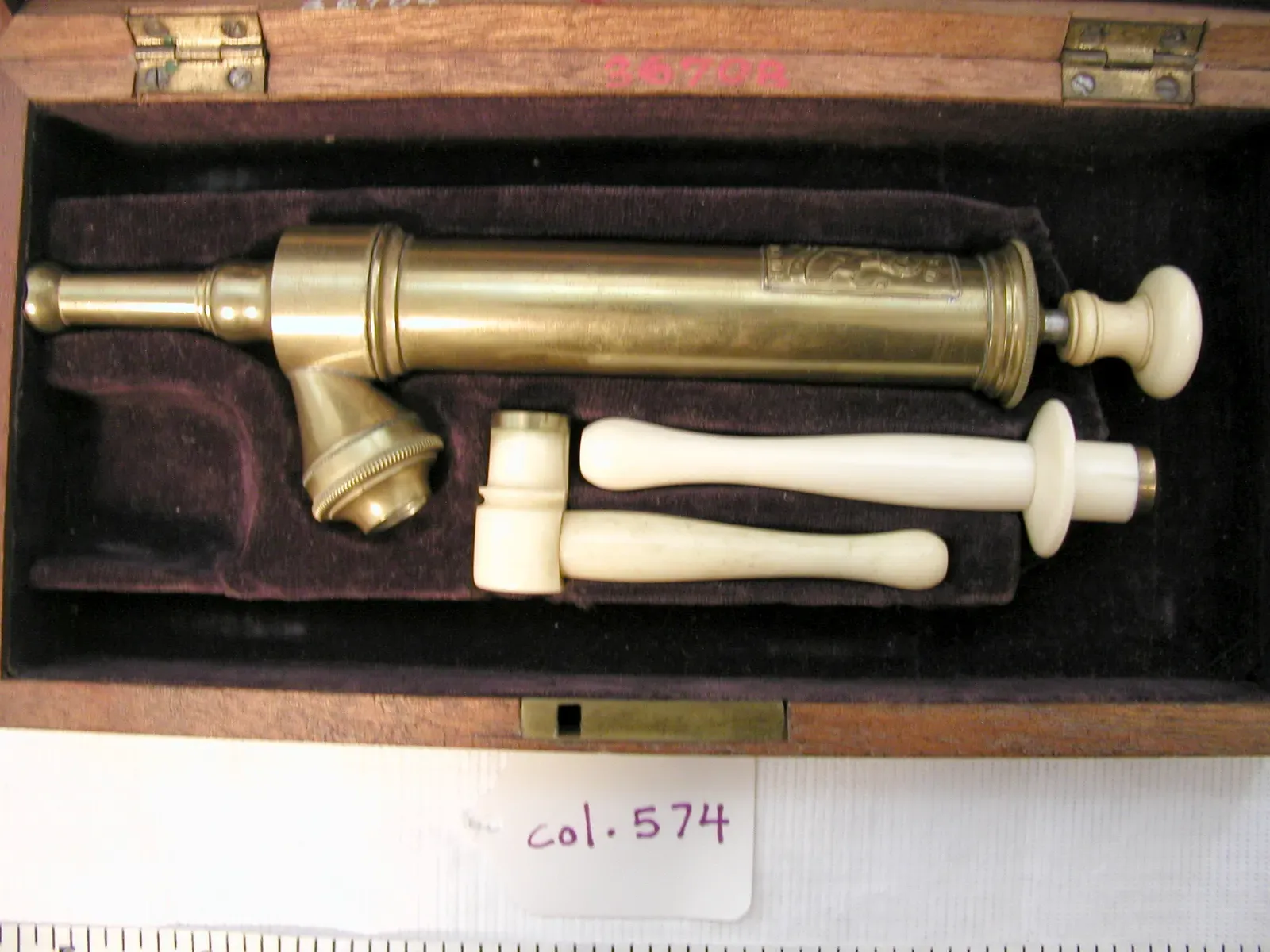
Syringes were an innovation of Native American healers that predated colonization and were already in use before a European doctor introduced the first hypodermic syringe during the 1850s, using a small, sharpened, hollow bird bone to which an animal bladder was fastened, Indigenous peoples developed a tool with which to inject medicines and fluids into their patients or to irrigate wounds. Let’s be real: this invention alone demolishes the myth that Indigenous peoples lacked sophisticated medical knowledge.
These weren’t crude tools, either. Native Americans invented early versions of syringes using hollow bird bones and animal bladders to administer herbal remedies, and this tool demonstrated remarkable foresight into targeted delivery systems, centuries ahead of modern medicine. The precision and medical understanding required to create such devices shows just how advanced tribal healthcare systems truly were.
Aspirin’s Botanical Origins

Another native remedy for pain and inflammation was tea brewed from the bark of the American black willow, which contains the chemical salicin, and once it gets into the body, salicin produces salicylic acid, the active ingredient in modern aspirin tablets. If you’ve ever taken an aspirin for a headache, you’re benefiting directly from centuries of Indigenous botanical knowledge. Native healers didn’t just randomly try plants until something worked.
Long before aspirin became a household name, tribes like the Cherokee used willow bark for pain relief, recognizing its potent properties to reduce fever, inflammation, and pain through centuries of observation and practice. Native Americans also used capsaicin, a chemical found in hot peppers, for topical pain relief. It’s hard to say for sure, but their empirical approach to medicine rivals anything developed in European laboratories until quite recently.
Suspension Bridges: Engineering Across the Andes
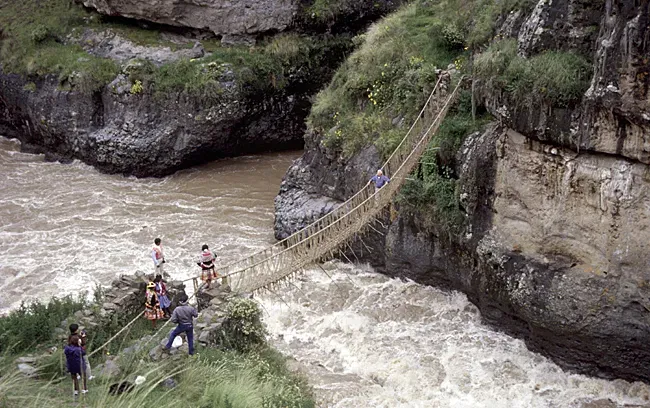
The Inca of South America figured out how to weave mountain grasses and other vegetation into cables, sometimes as thick as a person’s body, and then used them to build super-strong suspension bridges that spanned across gorges, with some of the structures spanning longer distances than anything European engineers of the time could construct with stone. Picture this: massive rope bridges swaying hundreds of feet above river gorges, carrying people, animals, and trade goods across the treacherous Andes.
Suspension bridges were first fashioned by the Indigenous people of South America, and across the Andes region, the Incas built these bridges out of woven grass and animal hair, with these well woven structures providing a form of safe passage across rivers and valleys for its people and animals in this mountainous region, and furthermore, these bridges withstood the weight of heavy loads, providing opportunities for commerce with other Native communities. The last of the ancient Inca-style grass cable suspension bridges still spans a gorge in Peru’s Canas Province.
The Hammock: Suspended Comfort and Safety

The hammock was invented by indigenous peoples of the Caribbean and Central America, with the word deriving from the Taíno word hamaca, and Christopher Columbus observed their use in the Bahamas in 1492. This wasn’t merely about comfort, though. The raised design of the hammock kept Native Americans cool on humid nights and protected them from wild animals like snakes.
The nets were made from different natural materials found in the environment, which were then woven into various knot patterns, and the beds were portable so you can take it from place to place, you can put it up in your home or you can put it outside. What I find fascinating is how a simple idea, born from necessity in tropical climates, became a global phenomenon. Today, hammocks are everywhere from camping trips to backyard relaxation, all thanks to Taíno ingenuity.
Rubber: The Olmec Innovation

From trees, the Olmecs of Southern Mexico invented rubber, and their source of rubber came from the rubber tree, Ficus elastica, which they would extract latex from and mix with morning glory vine juice to produce rubber, and rubber was then used to make a variety of items such as containers, soles for sandals and balls used in ceremonial games. I know it sounds crazy, but this chemical process predated modern rubber manufacturing by thousands of years.
The implications are staggering when you consider how central rubber became to industrialization. Without this foundational knowledge, modern tires, medical equipment, and countless other essential items would look completely different. The Olmec people of Mesoamerica were the first to create rubber by extracting latex from rubber trees and mixing it with vine juice, and they used this material for various items, including sandals and ceremonial balls.
Lacrosse: America’s Oldest Sport
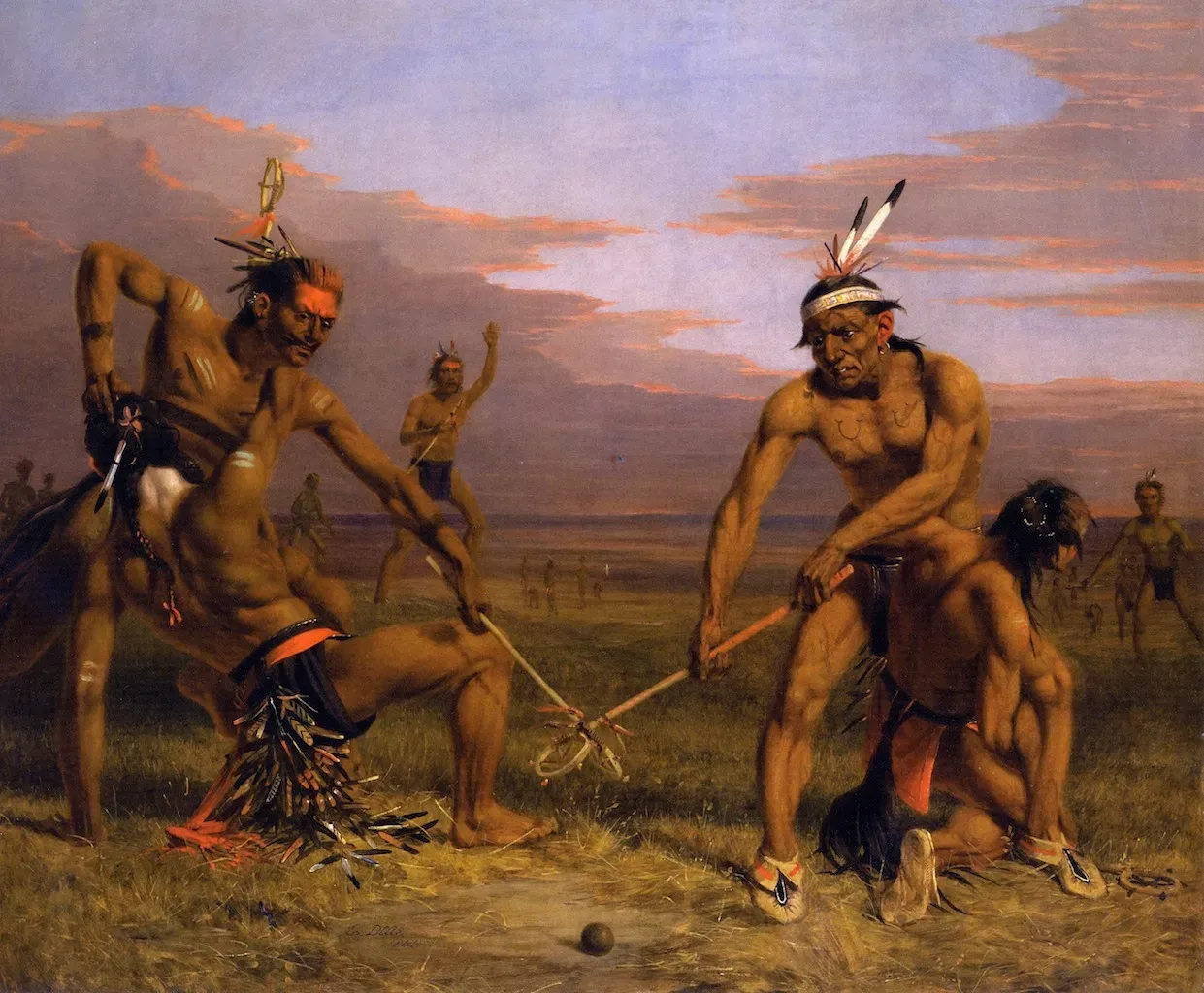
Lacrosse is considered America’s oldest sport, originating with Native Americans located in upstate New York and Canada, played with wooden sticks and deerskin balls filled with fur, and unlike what we know today, historians say the game could be played across miles with over 100 players and could last for days or even weeks. Imagine games that weren’t constrained by modern boundaries or time limits, played as both sport and spiritual practice.
For Native Americans, stickball was not only a recreational sport, but a spiritual practice. What started as a sacred tradition among the Haudenosaunee and other tribes evolved into one of the fastest-growing sports in North America today. The modern version might be refined for contemporary play, but the essence remains unchanged: a game requiring skill, endurance, and teamwork that Indigenous peoples perfected centuries ago.
Conclusion
The innovations explored here represent just a fraction of the technological and scientific achievements Native American peoples contributed to humanity. People don’t realize the ingenuity or the knowledge that native people had, and continue to have about the world around them. From life-saving medical treatments to engineering feats that still inspire modern architects, these inventions weren’t accidents. They were the products of sophisticated observation, experimentation, and deep environmental knowledge passed down through generations.
These contributions deserve far more recognition than they typically receive. The next time you paddle a kayak, take an aspirin, or relax in a hammock, remember that you’re experiencing the legacy of Indigenous innovation. Their ancient wisdom continues to shape our modern world in profound ways. What other forgotten histories might be hiding in plain sight, waiting for us to acknowledge their importance?