
Imagine walking up to a wall built nearly two thousand years ago, pressing your fingers against its stone surface, and realizing that the material beneath your hands is, in some measurable way, stronger today than the day it was made. Or picture standing inside a mountain citadel where massive granite blocks fit together so tightly that you cannot slide a piece of paper between them, all achieved without mortar, wheels, or iron tools. These are not scenes from a fantasy novel. They are real places, built by real people, and they remain profoundly, almost embarrassingly, difficult to explain.
Archaeological discoveries continue to reveal artifacts and structures that showcase an advanced understanding of mathematics, astronomy, metallurgy, and mechanical engineering, challenging conventional narratives about the linear progression of human technological development. You might assume that as modern civilization, you have already figured most of this out. Honestly? You have not. Let’s dive in.
1. Ancient Egypt: The Great Pyramids and the Engineering That Defies Logic

The largest pyramid ever built, the Great Pyramid of Giza, was originally 147 meters tall and made up of about 2.3 million stone blocks, each weighing between 2.5 and 15 tonnes, all of which had to be transported to the building site and lifted into place with techniques available at the time. Think about what that actually means. To put it into context, it is akin to lifting a double-decker London bus to the top of St. Paul’s Cathedral a few million times.
The precision of the Great Pyramid’s construction is remarkable. Its base is level to within just 2 centimeters across its entire 13-acre footprint, and its sides are aligned to the cardinal directions with astonishing accuracy. Even today, with satellite positioning systems and laser-guided machinery, replicating that kind of accuracy over such a massive footprint would be a serious challenge. A 2025 study conducted by German and Egyptian archaeologists employed radar, electrical resistivity, and ultrasound techniques to investigate a mysterious air-filled void detected beneath the Menkaure pyramid, and since the Giza pyramids are heavily protected by Egyptian law, only non-destructive research is now permitted. The secrets of Giza are still very much being uncovered, right now, in your lifetime.
2. Ancient Greece: The Antikythera Mechanism and the World’s First Computer
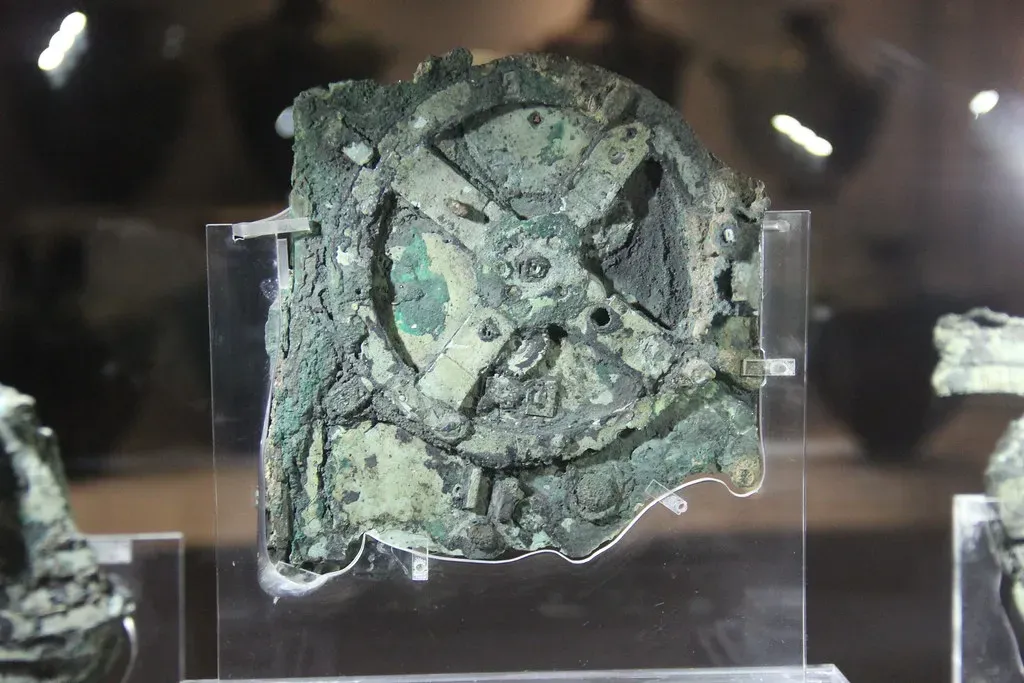
Discovered in a shipwreck off the Greek island of Antikythera in 1901, this corroded bronze device dates back to approximately 100 BCE and represents an astronomical calculator of extraordinary complexity, containing at least 30 meshing bronze gears that could predict eclipses, track the Olympic Games cycle, and model the irregular orbit of the Moon. Let that sink in for a moment. A pocket-sized gear-driven computer, built more than two thousand years ago. Nothing remotely comparable existed again for over a millennium.
Modern researchers using advanced imaging technology have revealed inscriptions and gear work so sophisticated that nothing comparable appears in the historical record for another thousand years. The device’s existence suggests that ancient Greek technology was far more advanced than previously believed, yet no similar mechanisms from that era have been found, leaving scientists baffled about how widespread such knowledge actually was. The device requires precision manufacturing techniques, advanced mathematical understanding of gear ratios, and sophisticated astronomical knowledge, suggesting a tradition of mechanical engineering that has left few other traces in the archaeological record. While researchers can analyze and reconstruct the mechanism’s functions, the broader technological and educational infrastructure that enabled its creation remains largely mysterious. It is hard to say for sure, but the Antikythera Mechanism may represent a lost peak of Greek knowledge that simply never survived the centuries.
3. Ancient Rome: Concrete That Heals Itself and Lasts Millennia
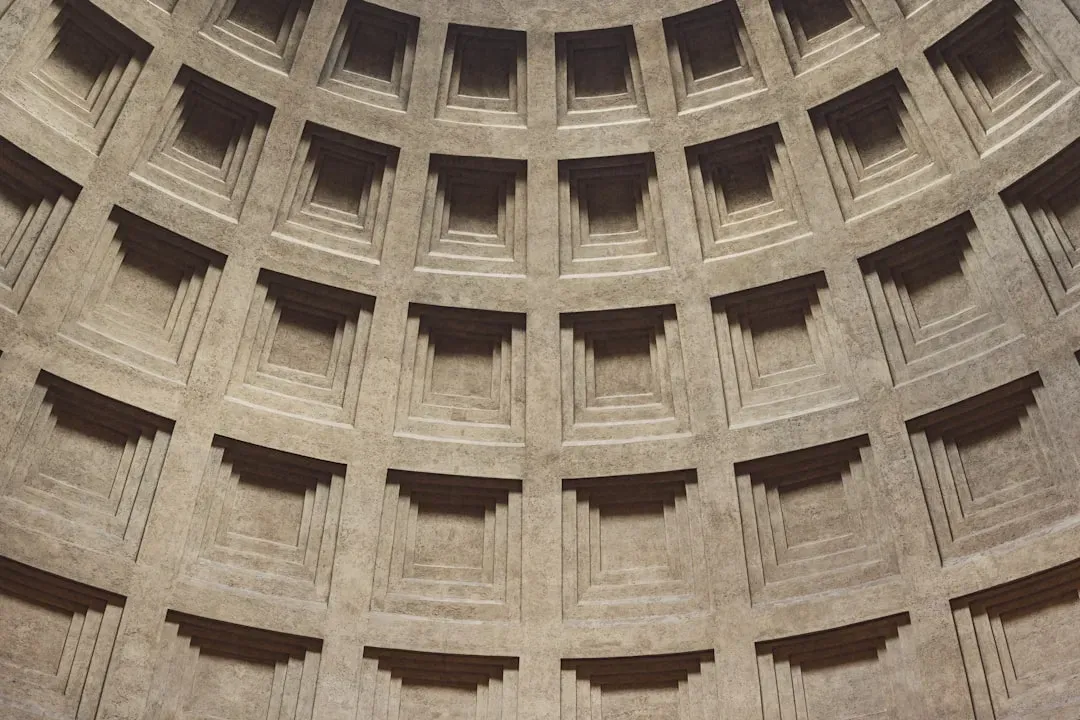
The ancient Romans were masters of engineering, constructing vast networks of roads, aqueducts, ports, and massive buildings whose remains have survived for two millennia. Many of these structures were built with concrete, and Rome’s famed Pantheon, which has the world’s largest unreinforced concrete dome and was dedicated in 128 CE, is still intact, while some ancient Roman aqueducts still deliver water to Rome today. Meanwhile, many modern concrete structures have crumbled after just a few decades.
Researchers found that white chunks in the concrete, referred to as lime clasts, gave the concrete the ability to heal cracks that formed over time. These white chunks had previously been overlooked as evidence of sloppy mixing or poor-quality raw material. They were, in fact, the opposite. Based on the discovery of lime clasts, MIT researchers proposed that ancient builders used a process called hot mixing, where highly reactive quicklime is mixed with volcanic ash and water, setting off a chemical reaction that produces heat and gives the material self-healing properties. The hot mixing method creates fragmented, highly porous lime clasts within the mortar that allow calcium to easily travel through the material and recrystallize to fill cracks. Essentially, you are looking at a concrete that patches its own wounds. The Romans accidentally invented a material that modern engineers are only now beginning to understand how to replicate.
4. Ancient Mesopotamia: The Baghdad Battery and the Mystery of Ancient Electricity
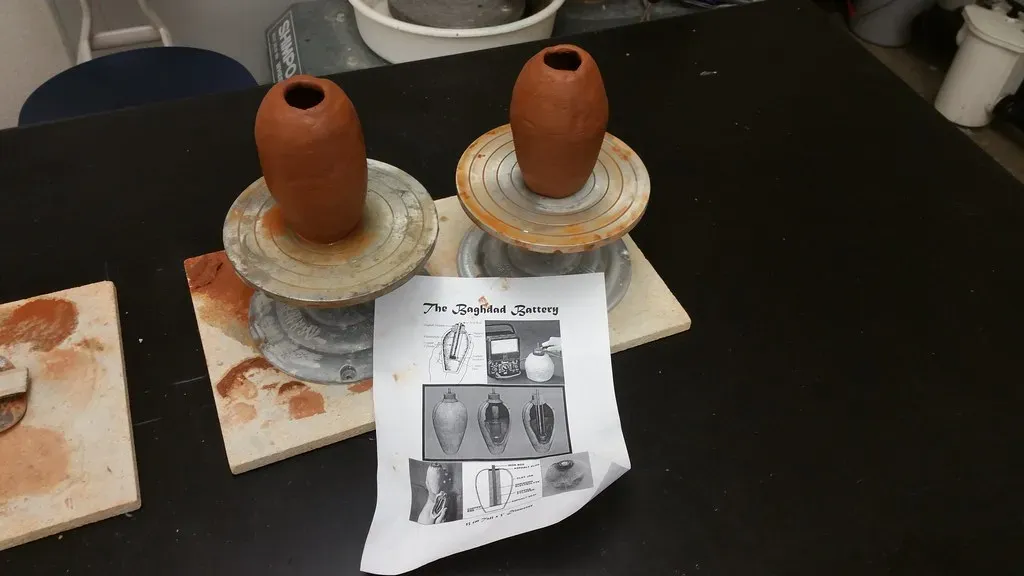
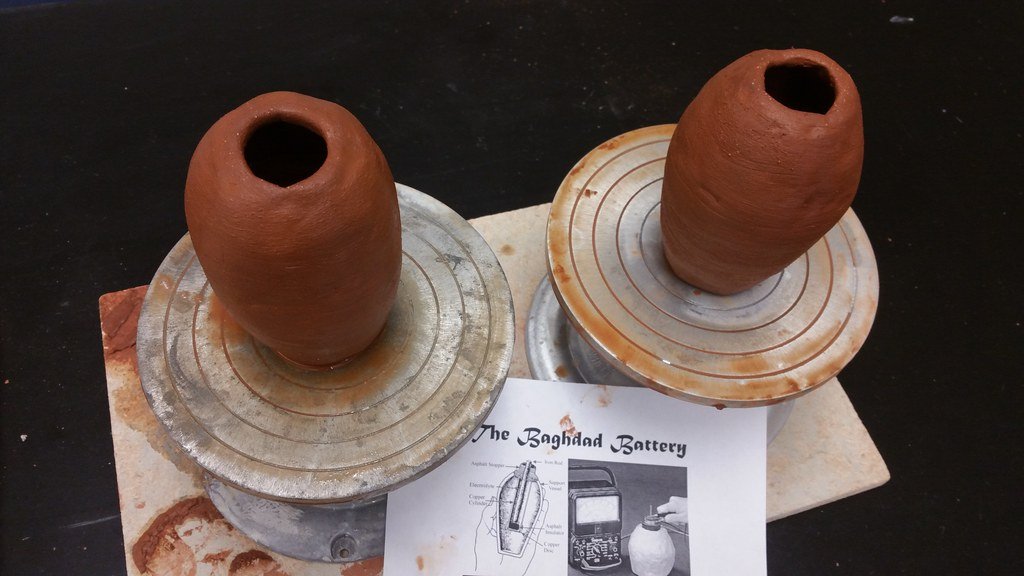
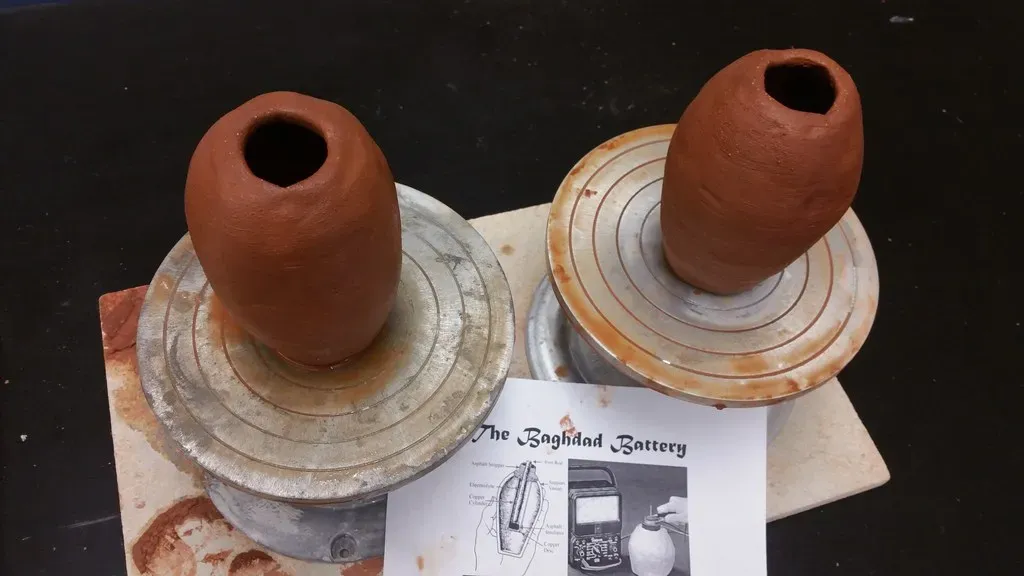
In 1936, archaeologist Wilhelm König discovered a curious clay jar near Baghdad containing a copper cylinder and iron rod. Dating to approximately 250 BCE, this artifact sparked one of archaeology’s most controversial debates about ancient electrical knowledge. The debate, frankly, has never really been resolved. The jar’s construction closely resembles a galvanic cell. When filled with an acidic solution like vinegar or wine, it can generate a small electrical current. This has led some researchers to theorize that ancient Mesopotamians may have used these devices for electroplating jewelry or other electrical applications.
Scholars suggest that the Baghdad Battery was used for electroplating, or coating objects in a thin layer of metal such as gold and silver. Here’s the thing though. If true, that would mean ancient Mesopotamian craftspeople understood and applied electrochemical principles roughly two thousand years before Alessandro Volta is credited with inventing the battery in 1800. There is no concrete evidence to fully support this idea, and the real purpose of this ancient device remains one of history’s great technological mysteries. It remains one of those wonderfully infuriating puzzles that refuses to be neatly solved.
5. Ancient India: The Iron Pillar of Delhi That Refuses to Rust
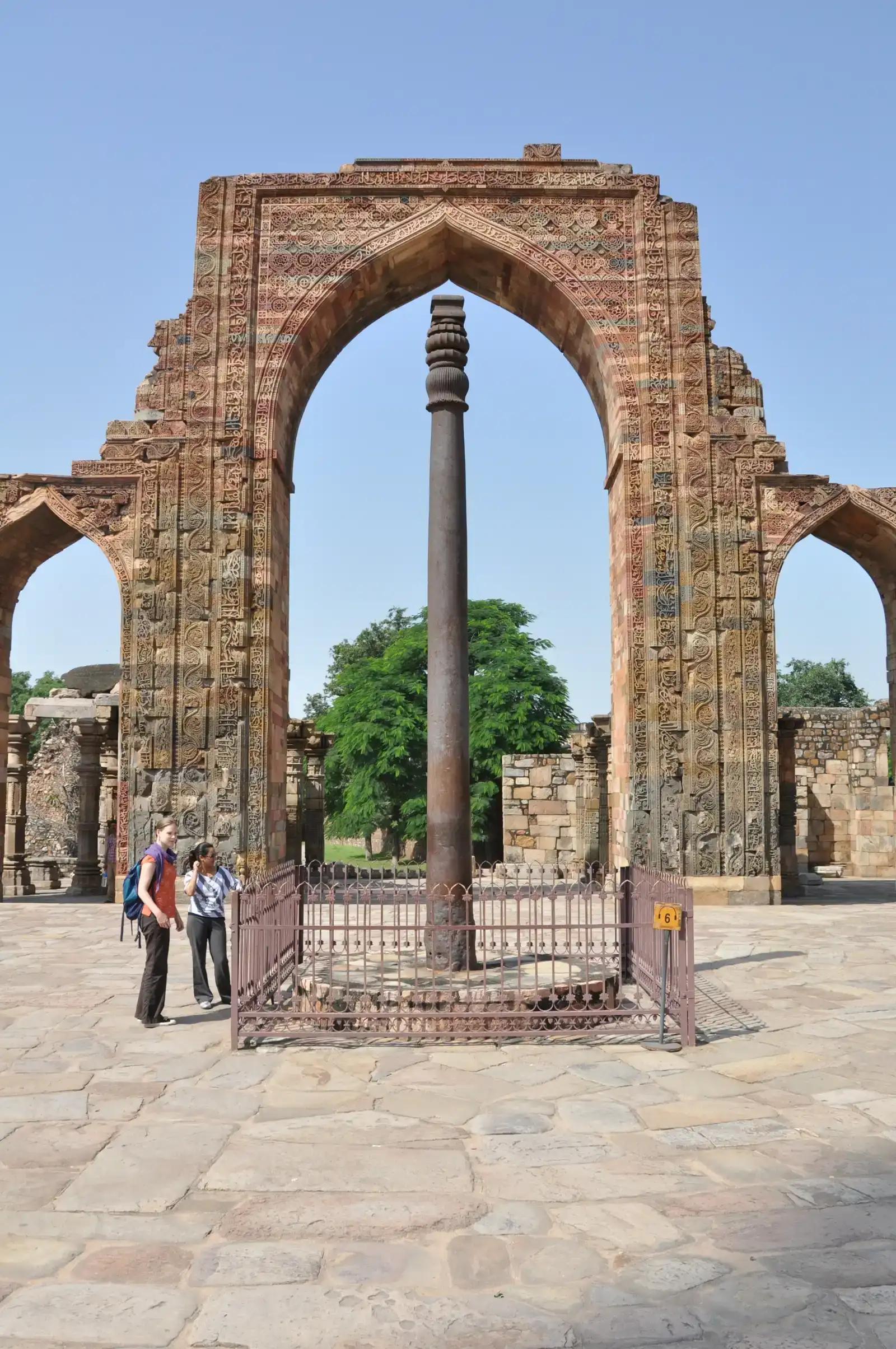
The Iron Pillar of Delhi, standing over 7 meters tall and weighing more than 6 tons, is completely rust-free even though it was constructed around 400 CE. Made during the height of the Gupta Empire of India, the pillar continues to puzzle scientists, since it never rusts even though it has been exposed to the elements for more than 1,600 years. Modern metallurgy experts are baffled by this pillar, as the technology with which it was built and treated remains a mystery.
Standing for over 1,600 years, the Iron Pillar of Delhi remains rust-free despite India’s humid climate. Made of nearly pure iron, the secret behind its corrosion resistance remains debated, with theories suggesting a special protective oxide layer. You can walk up and touch this pillar today, in the Qutb Minar complex in New Delhi, and it will show no sign of the decay that would consume virtually any modern iron structure exposed to the same environment. It is, in the most literal sense, a piece of metallurgical genius that modern science still cannot fully explain or reproduce. The Gupta Empire, it seems, knew something about iron that we have since forgotten entirely.
6. The Inca Civilization: Stonework So Precise It Embarrasses Modern Engineers
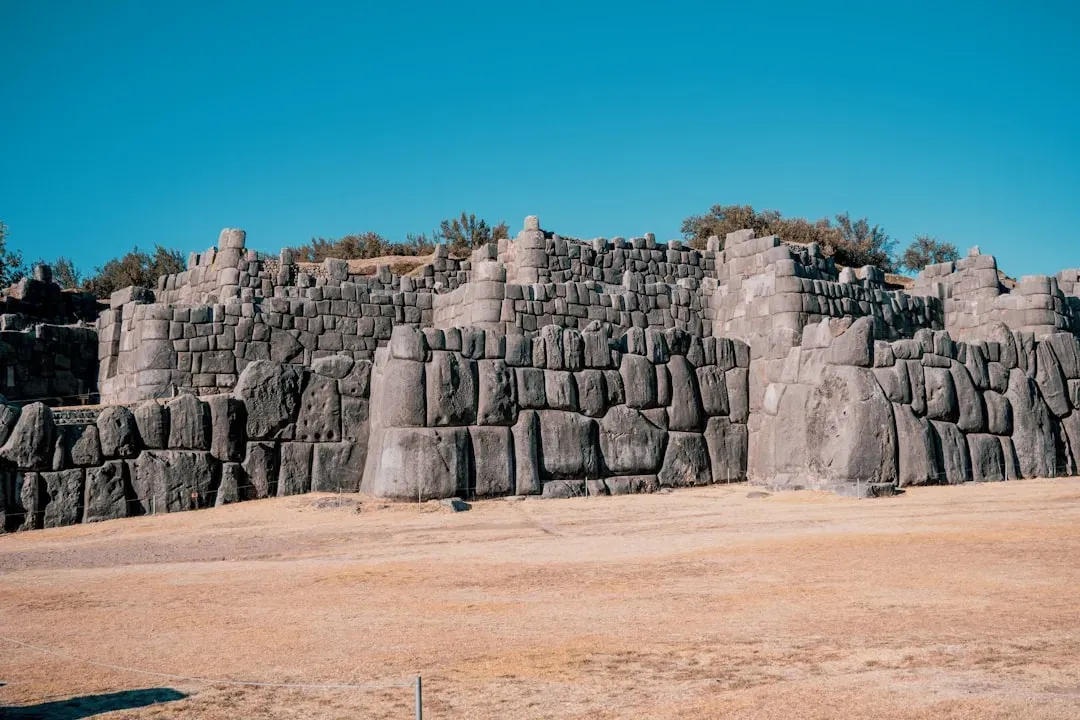
The most striking feature of Machu Picchu’s architecture is the precision of its ashlar masonry, where massive stone blocks fit together so perfectly that not even a knife blade can slide between them. This technique involves cutting stones to exact specifications without mortar, creating walls that have survived centuries of earthquakes and weather. Modern engineers attempting to replicate Inca stonework using contemporary tools struggle to achieve similar precision. Let that settle in. You, with your laser cutters and computer-aided design software, would struggle to match what Inca builders did with bronze chisels and hammerstones.
One of the greatest engineering mysteries of Machu Picchu involves how the Incas transported massive stone blocks up steep mountain terrain without wheeled vehicles, large domesticated animals, or mechanical advantage devices like pulleys. Some blocks weigh over 50 tons and were moved from quarries miles away. Peru lies on the Pacific Ring of Fire, which makes the entire country prone to earthquakes. While many Spanish colonial buildings in Cusco collapsed during a massive earthquake in 1650, the Inca walls there and the walls at Machu Picchu were unharmed by the tremors. That is not luck. That is engineering of a caliber that demands serious respect.
7. The Byzantine Empire: Greek Fire and the Weapon Nobody Can Recreate

Used by the Byzantine Empire in naval battles, Greek Fire was a mysterious incendiary weapon that could burn even on water. Its exact composition remains unknown, as the formula was a closely guarded secret. Some theories suggest petroleum-based substances, but no one has been able to recreate it exactly. Imagine a flamethrower that works in the middle of the ocean. That was the Byzantine navy’s secret weapon, and it was so effective that it turned the tide of multiple major battles.
The terrifying thing about Greek Fire is not just what it did but what happened to the knowledge of how it was made. The Byzantines guarded the formula with extraordinary discipline, restricting it to a select group of families who passed it down in secret. When the Byzantine Empire eventually fell, that knowledge appears to have gone with it. Certain artifacts and weapons appear so advanced for their time periods that they have been labeled as out-of-place achievements by researchers struggling to understand how ancient peoples could have created such sophisticated things without the accumulated knowledge that modern technology requires. Greek Fire is perhaps the most dramatic example of an ancient technology that was lost so completely that not even its core chemistry has been definitively identified in the centuries since.
8. The Medieval Islamic World: Damascus Steel and the Lost Art of the Perfect Blade

Medieval Damascus steel swords were legendary for their strength, flexibility, and distinctive wavy patterns. These blades could allegedly cut through rifle barrels and silk scarves with equal ease, demonstrating both incredible hardness and flexibility, properties that seem contradictory in metallurgy. Despite numerous attempts, modern metallurgists have struggled to replicate the exact process used to create authentic Damascus steel.
Damascus steel originated in India and was later transported to Damascus, Syria, where the swords crafted from it were prized for their beautiful patterns and superior physical characteristics. The material’s secret recipe, lost for centuries, has yet to be fully replicated. Damascus steel, used to forge legendary swords, was known for its extreme sharpness and durability. Modern researchers have gotten close. Very close, actually. Some studies have identified nanoscale carbon tubes within the original blade structures, suggesting the ancient smiths were accidentally producing carbon nanotubes in their forges. That is a material science phenomenon that modern labs only intentionally created in the late twentieth century. The Damascus smiths stumbled onto nanotechnology without ever knowing the word existed.
A Final Thought Worth Sitting With
What all these mysteries point toward is the possibility that the timeline of technological development may be far more complex than previously imagined. Rather than a slow and linear climb from primitive tools to smartphones, history may be a series of waves, periods of innovation, collapse, and rediscovery.
You do not need to believe in lost civilizations or alien engineers to find that idea genuinely humbling. These objects likely reflect the ingenuity of ancient peoples working within their available resources to create lasting solutions to complex challenges. Studying these ancient mysteries not only helps in appreciating the accomplishments of our ancestors but may also provide solutions to contemporary challenges, from creating more sustainable building materials to developing new approaches to metallurgy and engineering. The Romans gave you self-healing concrete. The Incas gave you earthquake-resistant architecture. The Greeks gave you the world’s first analog computer. All of it, built without the technology you take for granted every single day. So here is the question worth carrying with you: what knowledge are you building today that future civilizations might spend centuries desperately trying to rediscover?