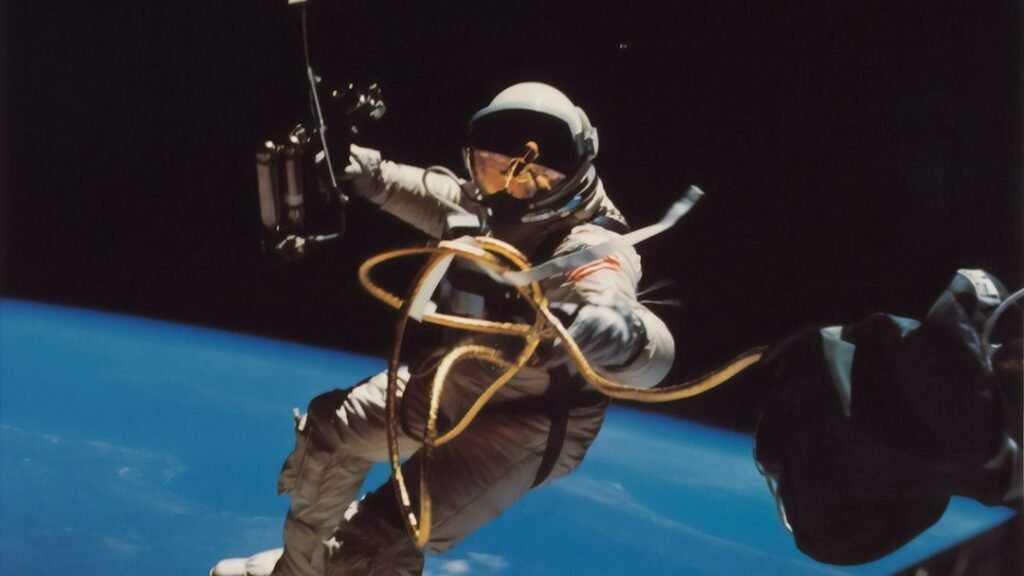
Long before satellites, supercomputers, and space telescopes, humans were already mapping the heavens with a precision that still shocks modern researchers. From desert empires to rainforest cities, ancient astronomers tracked eclipses, timed floods, and even predicted planetary cycles with tools no more advanced than stone, shadow, and sheer perseverance. Their skywatching was not a hobby; it was a matter of survival, power, and meaning. As archaeologists and astronomers reanalyze old sites with new technologies, they keep uncovering alignments and calculations that feel almost uncanny. The mystery now is not whether ancient people were good at astronomy, but how far their ingenuity really went – and what we might still be missing in the stones, glyphs, and myths they left behind.
The Hidden Clues in Stone and Shadow: Ancient Mesopotamia
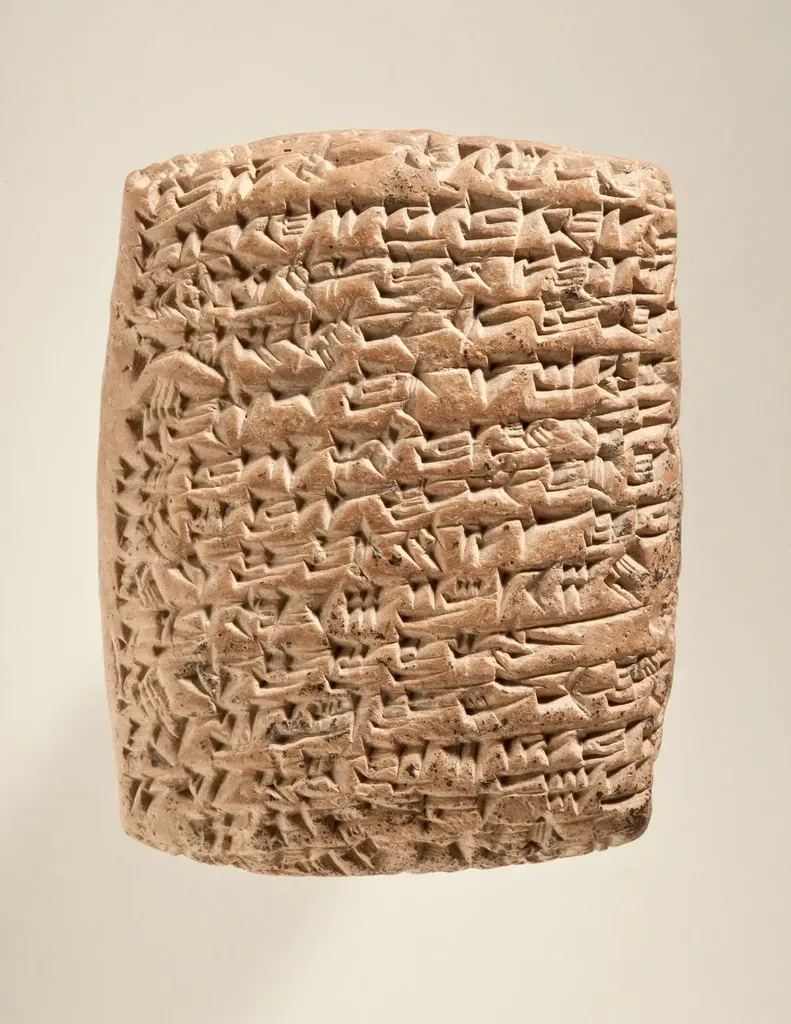
The flat, open skies over ancient Mesopotamia turned Babylonian priests into some of history’s first systematic astronomers. On clay tablets baked hard by accident and time, they recorded the rising and setting of Venus, lunar eclipses, and unusual planetary groupings with a consistency that would put modern lab notebooks to shame. What makes their work feel startlingly modern is not just their careful note-taking but their use of mathematical patterns to anticipate future events. By the first millennium BCE, they were using arithmetic schemes to predict when eclipses would occur and when planets like Jupiter would appear in particular regions of the sky.
Those predictions fed directly into politics and religion, because omens read from the heavens could shape royal decisions on war, agriculture, and diplomacy. Instead of telescopes, they relied on simple sightlines, horizon markers, and a culture trained to watch the sky every night for generations. Their zodiac system and division of the sky into twelve sections later influenced Greek astronomy and, through it, much of Western scientific tradition. In a very real sense, when we open an astronomy app and see constellations and ecliptic paths, we are still looking at the sky partly through Babylonian eyes.
From Royal Tombs to Cosmic Timetables: Ancient Egypt
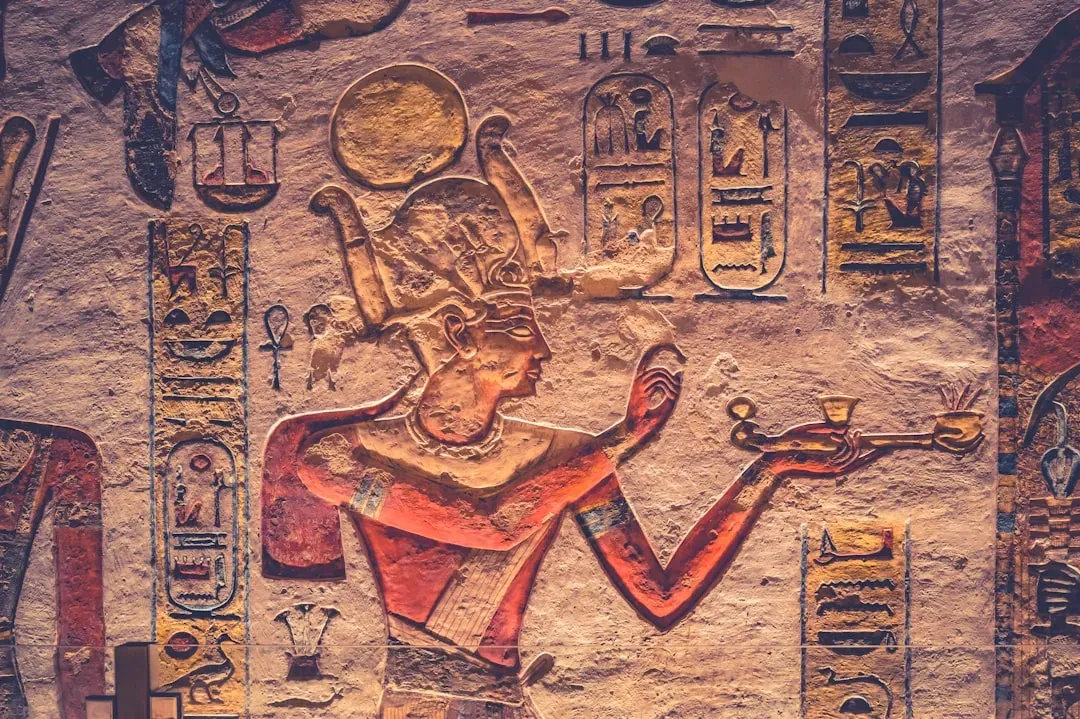
Egypt’s monumental architecture is often framed as a story about pharaohs and afterlives, but it is just as much a story about the stars. The Great Pyramid’s edges align almost perfectly with the cardinal directions, and scholars have argued that builders used circumpolar stars – those that never set – to achieve that accuracy. Inside tombs and temples, star clocks and ceiling diagrams map the night sky into orderly divisions that allowed priests to tell time at night long before mechanical clocks existed. The heliacal rising of Sirius, when the star first became visible at dawn after being hidden by the Sun, served as a celestial alarm clock for the annual Nile flood.
That link between a star’s cycle and the river’s behavior turned astronomy into a practical calendar system that shaped planting, taxation, and ritual. Egyptian astronomers essentially treated the sky as a giant, repeating ledger of time, cross-referencing star positions with seasons over many lifetimes. Some temple complexes, like those at Karnak and Abu Simbel, appear to be aligned so that the Sun penetrates deepest into the sanctuary on specific dates linked to festivals or royal anniversaries. In this way, Egyptian architecture acted as both a cosmic stage and a form of long-term, stone-encoded astronomical memory.
Empire of the Sun and Numbers: The Maya
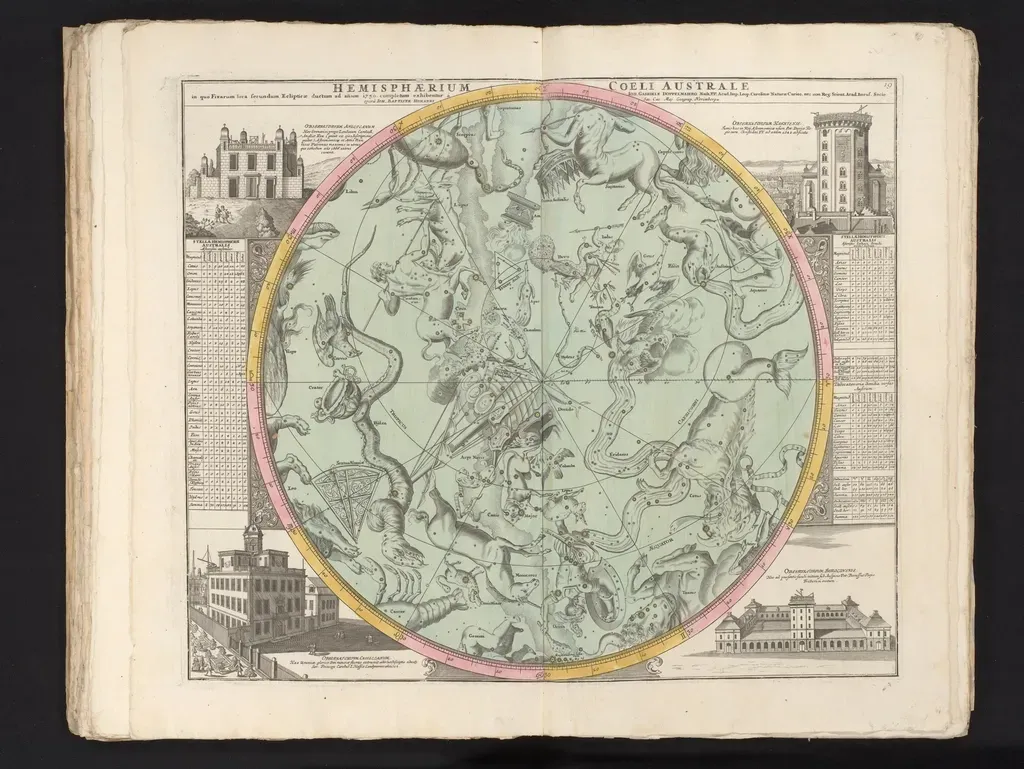
In the tropical forests of Mesoamerica, Maya astronomers built observatories that look more like rounded towers than high-tech labs, yet their calculations of planetary motion rivaled what much later civilizations accomplished with metal instruments. They tracked the synodic cycle of Venus – the time it takes to reappear in the same position relative to the Sun – with a precision that still impresses astronomers studying the surviving codices. Those Venus tables were not abstract math exercises; they were woven into decisions about warfare, coronations, and diplomacy, because certain Venus phases were seen as auspicious or dangerous. Their Long Count calendar, which sparked so much misplaced 2012 panic in popular culture, was actually a sophisticated way of situating events across vast stretches of time.
The alignment of Maya cities adds another layer of astronomical ambition. Structures in places like Chichén Itzá and Uxmal are oriented so solstices, equinoxes, or zenith passages of the Sun produce striking light-and-shadow effects, almost like scheduled cosmic performances. Their base-twenty numerical system and use of zero made it possible to model long cycles involving multiple planets and the Moon. Far from being mystic guesswork, these calculations rested on generations of precise observation and correction. When we talk about predictive astronomy, the Maya belong in the same breath as any pre-telescope culture on Earth.
Geometry of the Heavens: Classical Greece and the Hellenistic World
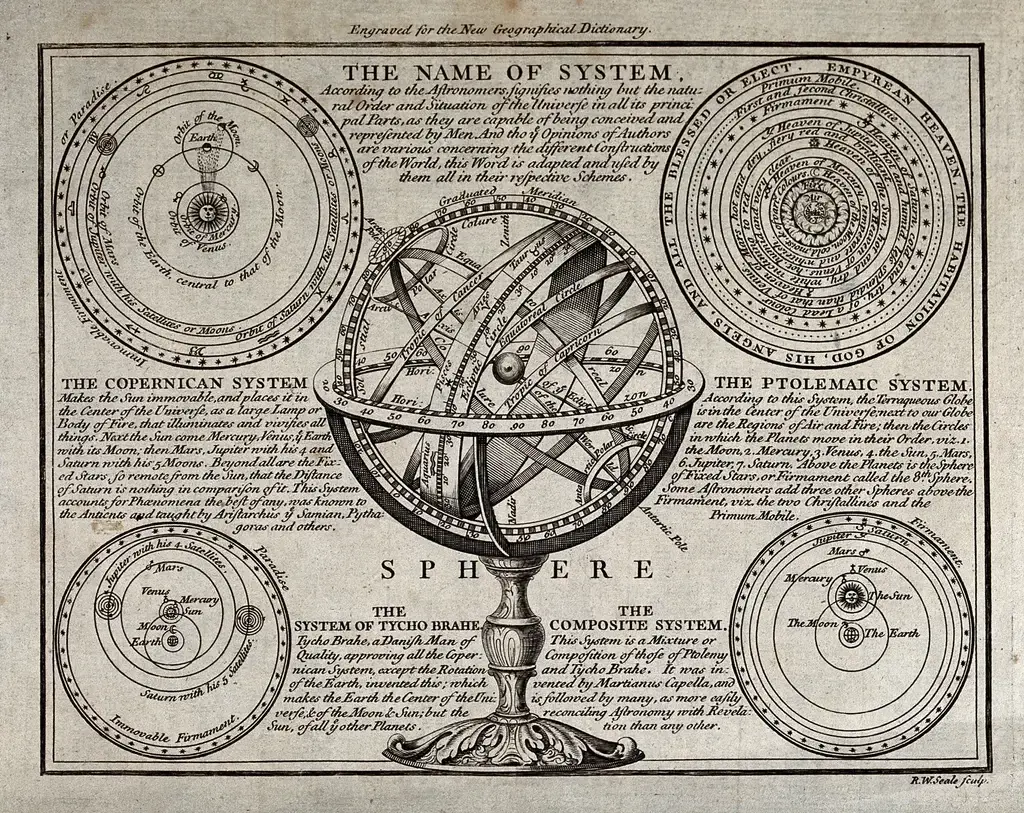
In the Greek-speaking world, astronomy took a turn toward theory in a way that still shapes science today. Observers in places like Athens, Alexandria, and the islands of the Aegean were not satisfied with just recording when things happened in the sky; they wanted to know why. Using simple tools such as sighting tubes, gnomons, and armillary spheres, they measured angles and positions with enough care to support sweeping models of the cosmos. Figures like Aristarchus proposed that Earth orbits the Sun, and others like Hipparchus worked out the length of the year and cataloged hundreds of stars with estimated brightness.
Perhaps the most striking symbol of this ambition is the Antikythera mechanism, a corroded bronze device found in a shipwreck and now widely regarded as an ancient analog computer. Its internal gears modeled the motion of the Sun, Moon, and possibly planets, predicting eclipses and calendar cycles with stunning mechanical elegance. That artifact makes it hard to cling to the idea that precision devices are purely a modern invention. At the same time, Greek astronomers were comfortable mixing empirical measurements with philosophical reasoning, creating a hybrid of observation and theory that would later influence Islamic scholars and, eventually, European science. Their work shows how quickly careful watching of the sky can evolve into sophisticated questions about the nature of reality itself.
Global Perspectives from the Roof of the World: Ancient India and the Islamic Golden Age
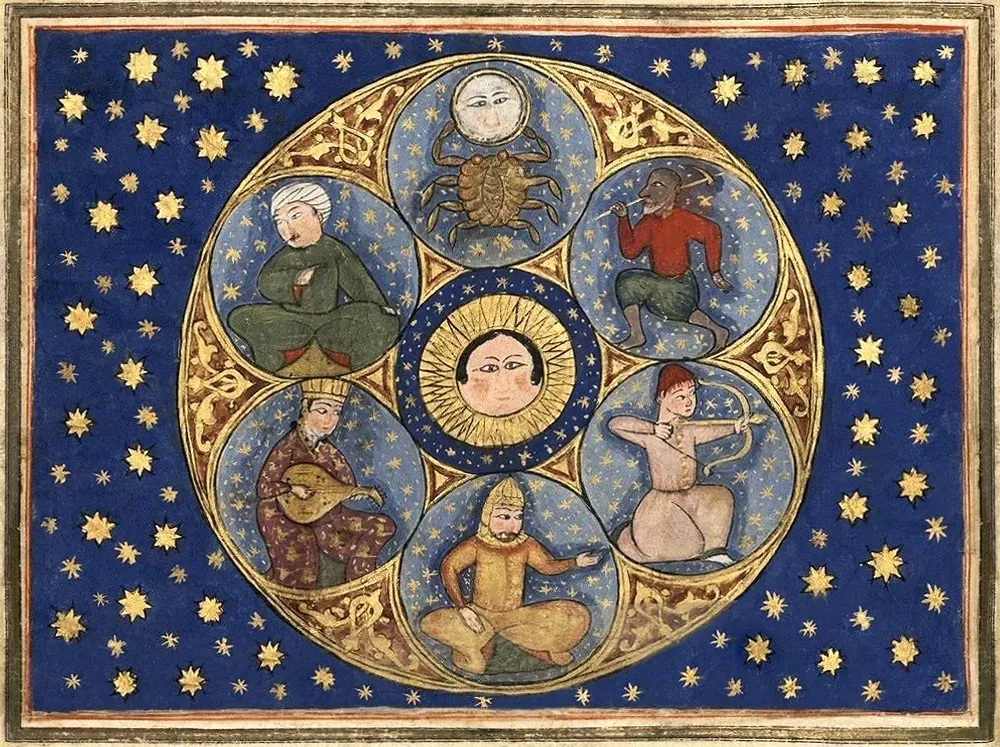
On the Indian subcontinent, astronomers developed detailed mathematical frameworks for understanding planetary motion long before European science fully caught up. Texts from the first millennium CE describe methods for calculating eclipses, planetary positions, and trigonometric functions that are crucial to celestial mechanics. Observatories may not always have been monumental stone buildings, but the calculations recorded in Sanskrit treatises reflect a deep integration of skywatching with mathematics. These ideas traveled and transformed as scholars exchanged knowledge along trade routes that linked South Asia with the Middle East and beyond.
In the Islamic Golden Age, cities like Baghdad, Damascus, and Córdoba became hubs of astronomical research that blended Greek, Persian, and Indian insights into something new. Scholars built large-scale instruments – massive sextants, mural quadrants, and carefully aligned observatories – to measure star positions and refine planetary tables. Their improved models of the Moon and planets later fed into European astronomy, including the work of figures often presented as solitary geniuses. The global flow of ideas, stretching from ancient India through Islamic centers of learning to later European observatories, reveals that advanced astronomy was never the property of one culture alone. Instead, the sky became a shared laboratory, where techniques and theories migrated as readily as trade goods and stories.
Why It Matters: Rethinking What Counts as “Advanced” Science
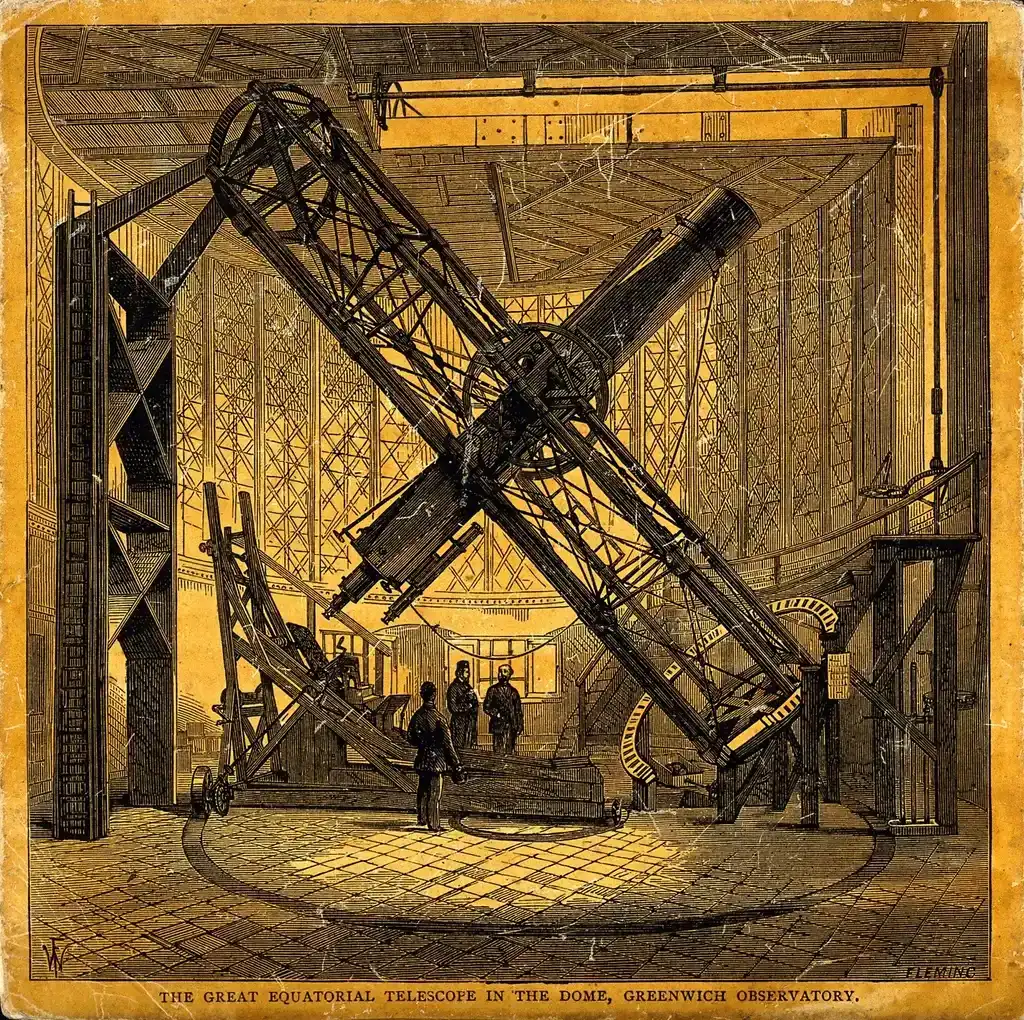
The story of ancient astronomy upends a comfortable narrative in which scientific sophistication rises smoothly from “primitive” to “modern.” When we discover that a temple complex tracks solstices with nearly pinpoint accuracy or that clay tablets encode eclipse cycles across centuries, it forces us to reconsider what we mean by advanced. These civilizations lacked telescopes, electronics, and digital models, yet they extracted high-precision knowledge from the sky with nothing but patience, pattern recognition, and communal memory. That kind of achievement challenges the idea that technological hardware is the only or even the main path to deep scientific insight.
It also matters because many of these societies linked astronomy with ethics, politics, and daily life in ways that feel alien to us but may be worth revisiting. For them, watching the heavens was a way of integrating human activity with perceived cosmic order, not just collecting data for its own sake. While modern science rightly separates measurement from mythology, it can sometimes drift into a detached, purely technical mindset. Learning how earlier cultures embedded astronomical knowledge into stories, rituals, and architecture reminds us that science is always carried by human values and contexts. That awareness can make current debates about climate, space exploration, and technology feel less like isolated technical problems and more like part of a long human struggle to find our place in the universe.
The Future Landscape: New Tech, Old Skies
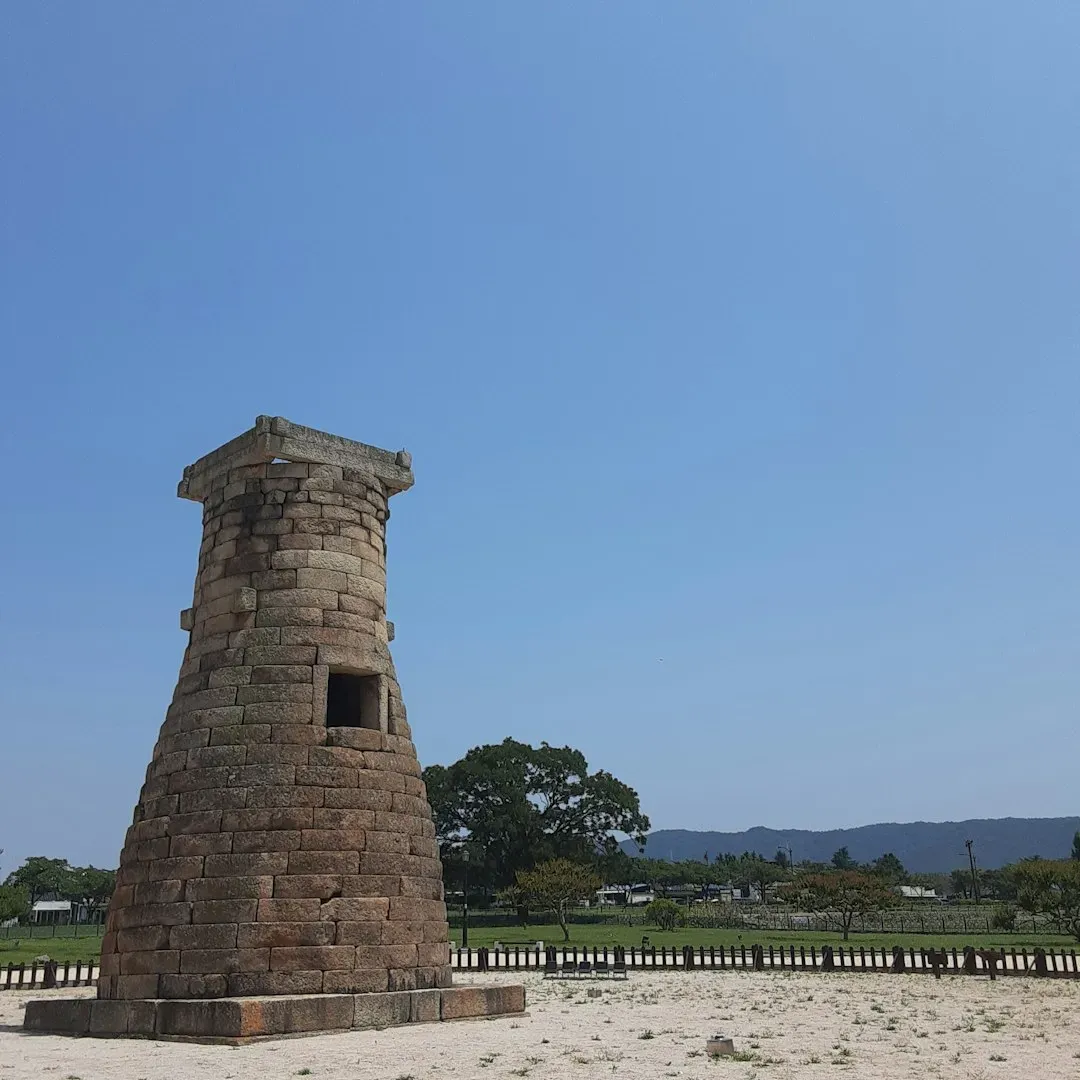
In the last few decades, archaeologists and astronomers have started aiming modern instruments not just at distant galaxies but back at ancient monuments and landscapes. High-resolution satellite imagery, drone surveys, and 3D laser scanning are revealing subtle alignments and patterns that would be almost impossible to notice from the ground alone. Software can now model what the sky looked like thousands of years ago from any point on Earth, letting researchers test whether a temple doorway really framed a solstice sunrise or if a row of stones pointed to a specific star. This merging of cutting-edge tech with ancient sites is turning entire regions into virtual observatories that can be rewound and fast-forwarded in time.
At the same time, indigenous sky traditions are gaining renewed attention as living knowledge systems, not just historical curiosities. Elders and knowledge keepers in different parts of the world are collaborating with scientists to document seasonal star lore, navigation techniques, and environmental cues tied to celestial cycles. These efforts raise sensitive questions about ownership, cultural respect, and how to share data without stripping it of context. As more countries fund large telescopes and space missions, there is a chance to weave ancient perspectives into new projects, whether through design, naming, or research priorities. The future of astronomy could be one where supercomputers and stone circles are seen as points on the same long continuum of human curiosity.
How to Stay Curious: Small Ways to Engage with Ancient Skies
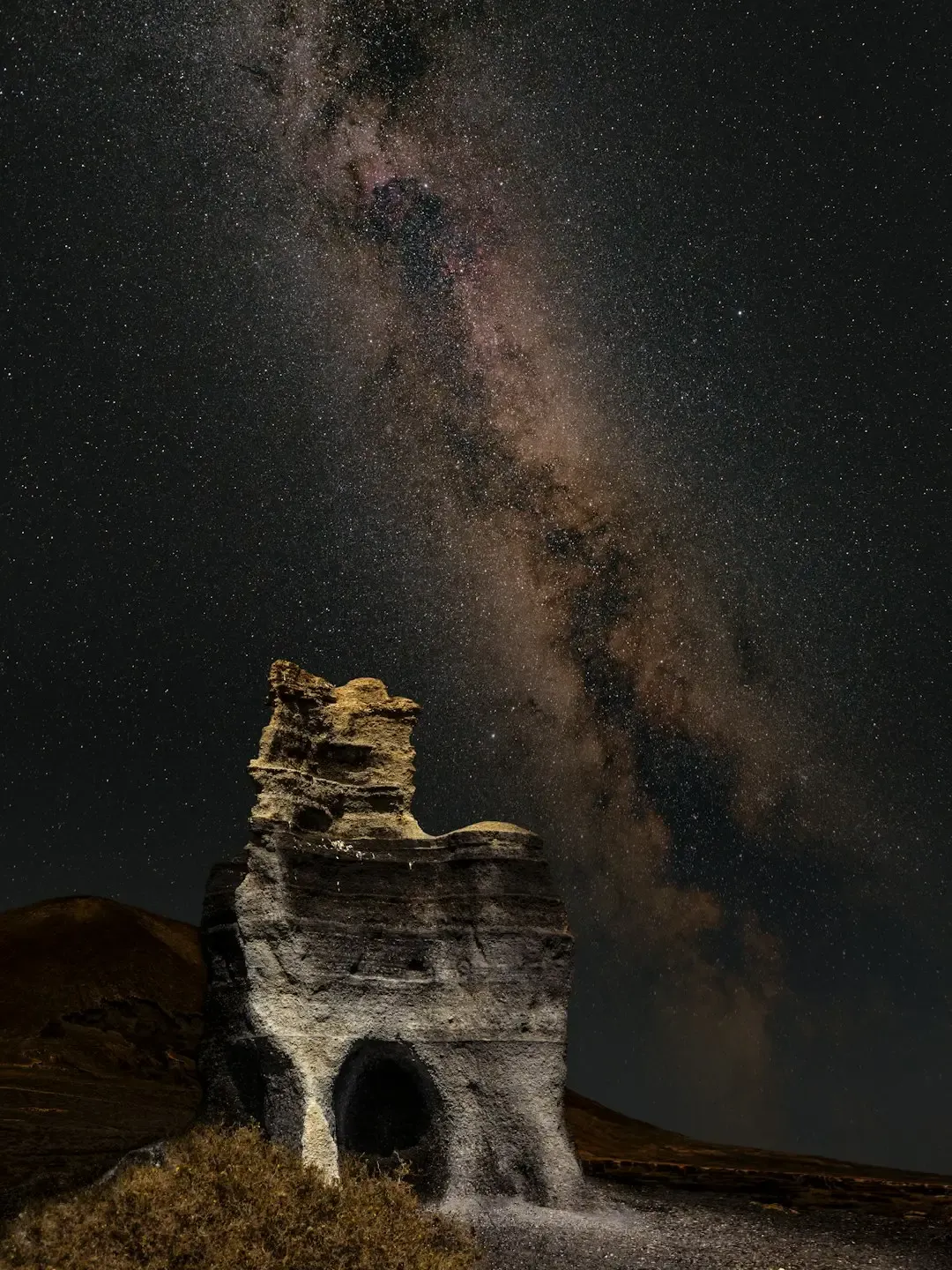
Connecting with this deep history of skywatching does not require traveling to a famous ruin or reading dense academic texts. One simple step is to learn the basic patterns of your own night sky – where the ecliptic runs, how the Moon’s path shifts, when particular bright stars rise and set throughout the year. Even a few evenings of paying attention can make modern city lights feel like a thin layer over a much older, more patient clock. Many local astronomy clubs and science museums host public observing nights that sometimes include talks on historical or cultural astronomy, making it easy to weave the past into a present-day stargazing habit.
Supporting projects that document and preserve ancient sites, especially those with potential astronomical significance, is another tangible way to help. This can mean donating to reputable archaeological organizations, following research groups that share findings in accessible language, or amplifying work by scholars and communities whose sky traditions have been overlooked. You can also nudge conversations about space – whether in classrooms, online forums, or casual chats – toward recognizing the global, multi-millennial roots of astronomy. In doing so, you join a very long line of people who looked up, asked hard questions, and then carved, painted, calculated, or coded their answers into the world around them.
Suhail Ahmed is a passionate digital professional and nature enthusiast with over 8 years of experience in content strategy, SEO, web development, and digital operations. Alongside his freelance journey, Suhail actively contributes to nature and wildlife platforms like Discover Wildlife, where he channels his curiosity for the planet into engaging, educational storytelling.
With a strong background in managing digital ecosystems — from ecommerce stores and WordPress websites to social media and automation — Suhail merges technical precision with creative insight. His content reflects a rare balance: SEO-friendly yet deeply human, data-informed yet emotionally resonant.
Driven by a love for discovery and storytelling, Suhail believes in using digital platforms to amplify causes that matter — especially those protecting Earth’s biodiversity and inspiring sustainable living. Whether he’s managing online projects or crafting wildlife content, his goal remains the same: to inform, inspire, and leave a positive digital footprint.