
We tend to think of progress as a straight line, don’t we? Ancient humans scratching symbols on cave walls, then gradually figuring out tools, then writing, then math, eventually leading to our smartphones and space telescopes. Simple, linear, predictable.
Here’s the thing, though. The more archaeologists dig, the more they realize that our ancestors weren’t quite as primitive as we assumed. Some ancient cultures possessed knowledge so sophisticated that even with all our modern technology, we’re still scratching our heads trying to figure out how they did it. These weren’t just lucky accidents or wild guesses. We’re talking about precision engineering, complex mathematics, astronomical observations that rival modern calculations, and technologies that vanished without a trace.
Let’s dive into eight ancient civilizations that left behind mysteries so compelling, scientists are still working to decode them. What you’ll discover might just shake up everything you thought you knew about the past.
The Indus Valley Civilization and Its Undeciphered Script
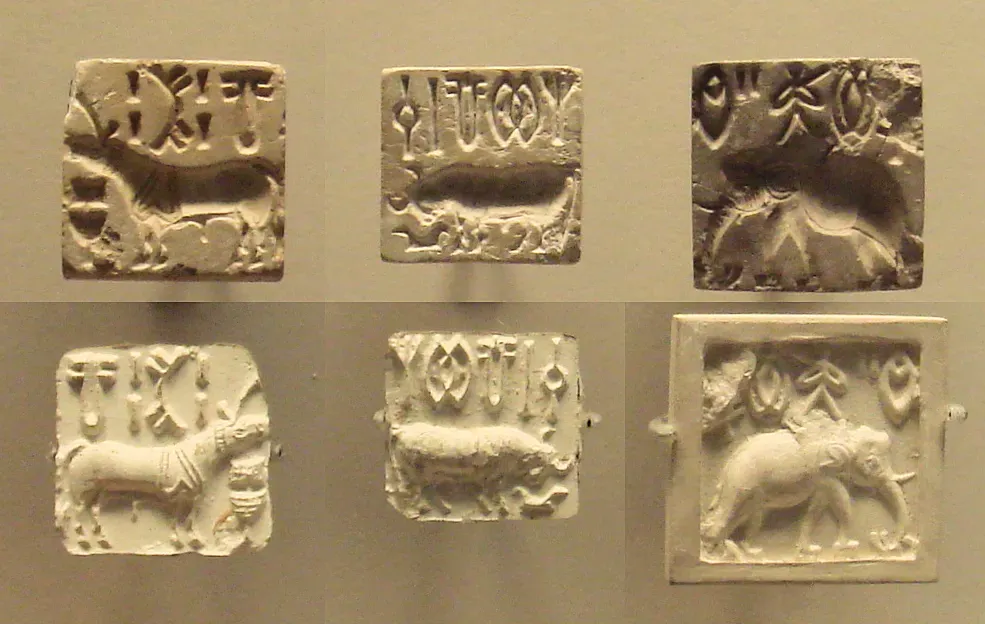
Left behind by the Indus Valley civilization, which emerged more than five millennia ago in present-day India and Pakistan, these pictorial symbols been found on thousands of copper plates, pottery, bronzes, and stamp seals. The catch? Nobody can read them. Despite many attempts, the script has not yet been deciphered. There is no known bilingual inscription to help decipher the script, which shows no significant changes over time.
Think about that for a moment. You’re looking at a writing system that’s over five thousand years old, carved into seals and pottery, seemingly organized and deliberate. Yet we have no idea what these people were saying to each other. The average length of the inscriptions is around five signs, and the longest only 34 characters long. Inscriptions vary between just one and seven lines, with single lines being the most common. The brevity makes decipherment exponentially harder, like trying to learn a language from postcards instead of novels.
In a bid to spur the cracking of the code, the Indian state of Tamil Nadu is offering a $1 million bounty to experts who can successfully interpret the Indus Valley script. A team led by Nisha Yadav has ventured a machine-learning model to analyze the structure of the Indus script, identifying 67 signs which account for 80 percent of the writing. Still, the fundamental question lingers: are these complete words, parts of words, or something else entirely? The Indus Valley keeps its secrets close.
Ancient Greece’s Antikythera Mechanism
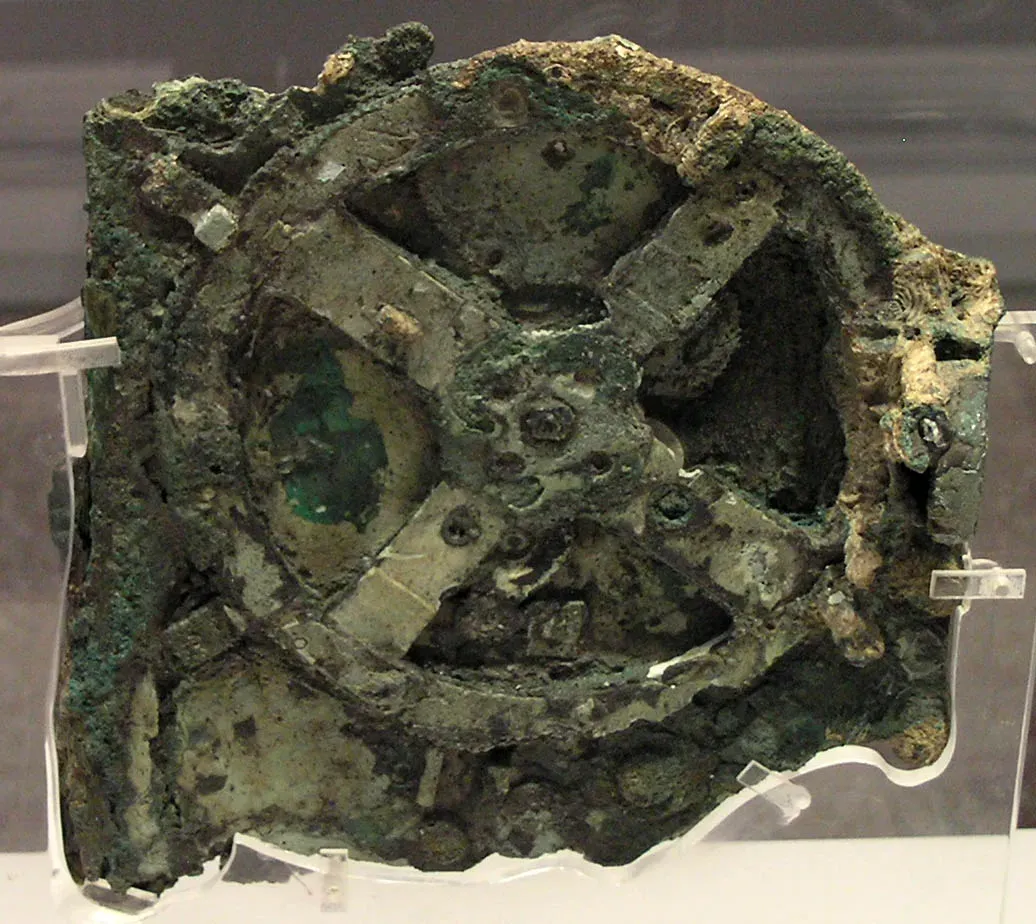
Picture this: sponge divers in 1901, blown off course by a storm near a Greek island, stumble upon a shipwreck. Among the treasures they recover is a corroded lump of bronze gears that would eventually be called the world’s first computer. It was used to predict astronomical positions, eclipses, and even the timing of the ancient Olympic Games. Its complexity, with intricate gears and dials, demonstrates a remarkable level of technological sophistication.
What makes this so mind-blowing? The mechanism was made in the first or second century, and clockwork that sophisticated had never been seen in history until 1200 years later. Let that sink in. The ancient Greeks created precision gear technology more than a millennium before anyone else came close. With its precision gears bearing teeth about a millimeter long, it is completely unlike anything else from the ancient world.
Researchers have spent decades trying to fully understand its capabilities. X-ray CT revealed inscriptions describing the motions of the Sun, Moon and all five planets known in antiquity and how they were displayed at the front as an ancient Greek Cosmos, but no previous reconstruction has come close to matching the data. Honestly, it challenges everything we thought we knew about ancient technological capabilities. If they could build this, what else did they create that we’ve lost to time?
Egyptian Pyramid Construction Techniques
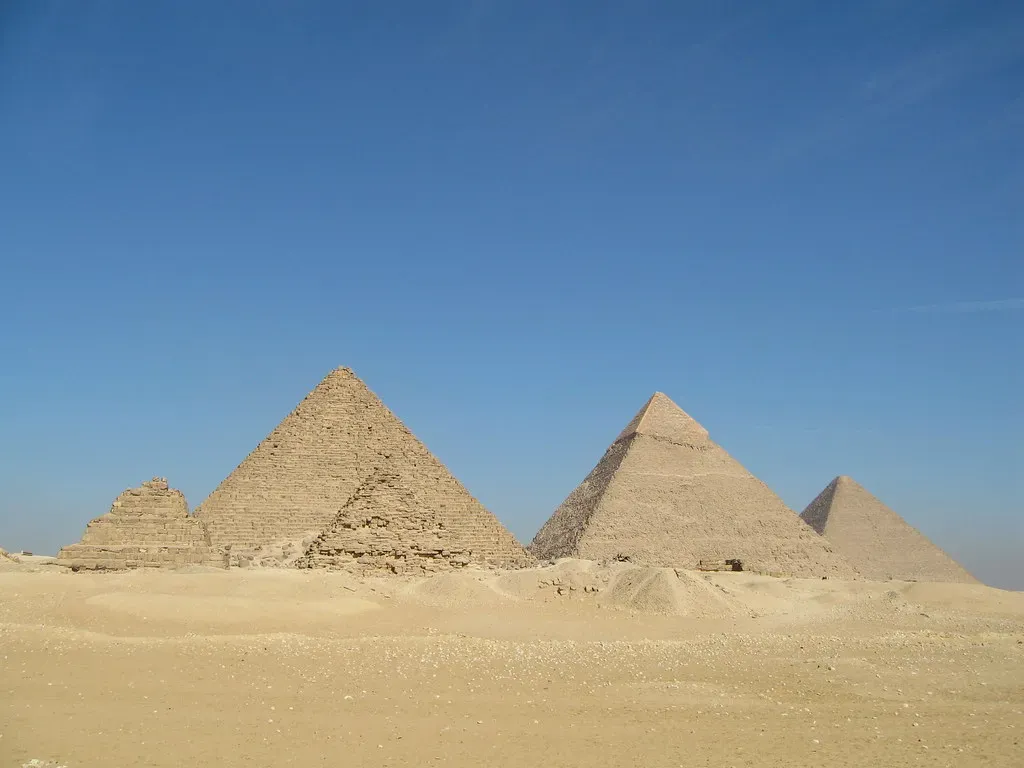
You’ve seen the pyramids. Maybe in pictures, maybe in person. Massive, imposing, eternal. The Great Pyramid of Giza was originally 147m tall. It’s made up of about 2.3 million stone blocks, each weighing between 2.5 and 15 tonnes. The question that has haunted scholars for centuries is deceptively simple: how?
There’s still debate between scientists on the exact method of raising these heavy blocks to such great heights. Theories range from straight ramps to spiral ramps to internal ramps to water-based lifting systems. The dimensions of the pyramid are extremely accurate and the site was leveled within a fraction of an inch over the entire 13.1-acre base, comparable to the accuracy possible with modern construction methods and laser leveling. The ancient Egyptians achieved this precision with copper tools, ropes, and sheer human ingenuity.
Fragments of papyri from logbooks detailing the activities of workers at the Great Pyramid of Giza were found near the shores of the Red Sea, showing it was a very large logistical undertaking, but just a building project nonetheless. Yet the mystery persists. Recent discoveries of ancient ramps help us understand pieces of the puzzle, but we’re nowhere close to replicating their methods with the same efficiency. It’s hard to say for sure, but the Egyptians might have been better builders than we give them credit for.
The Mayan Calendar and Mathematical System
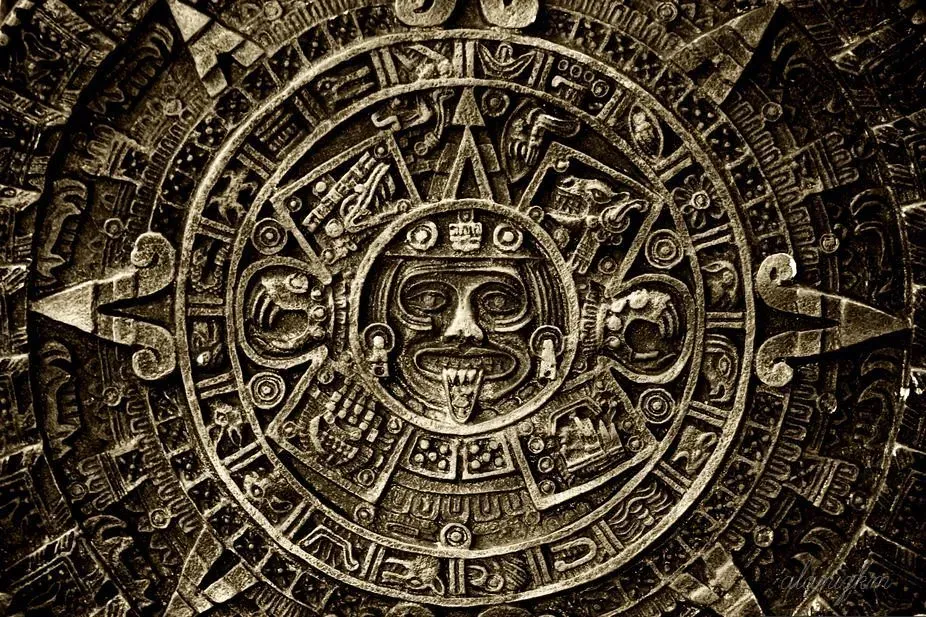
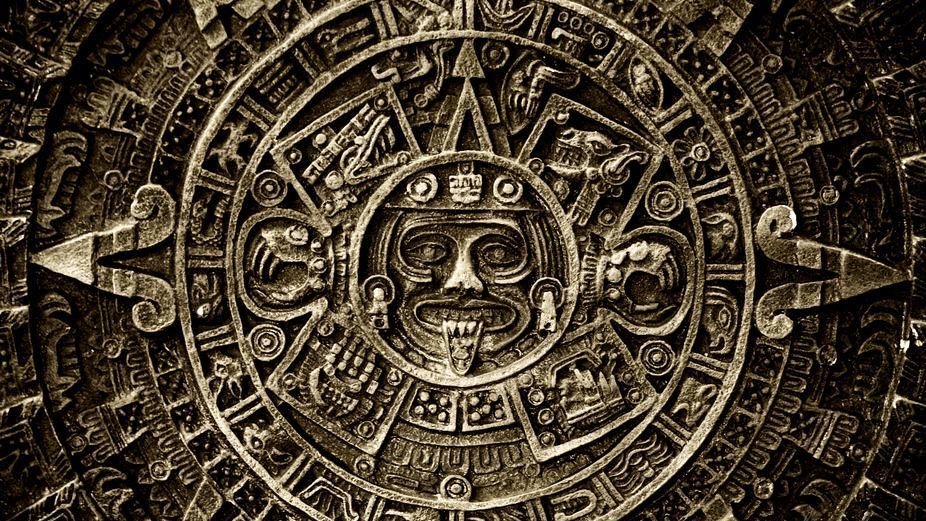
Using their knowledge of astronomy and mathematics, the ancient Maya developed one of the most accurate calendar systems in human history. They weren’t just scratching marks on stones to count days. The Classic Maya understood many astronomical phenomena: their estimate of the length of the synodic month was more accurate than Ptolemy’s, and their calculation of the length of the tropical solar year was more accurate than that of the Spanish when the latter first arrived.
Their mathematical sophistication was equally stunning. The Maya independently developed the concept of zero by at least as early as 36 BCE, and they produced extremely accurate astronomical observations using no instruments other than sticks, measuring the length of the solar year to 365.242 days, compared to the modern value of 365.242198. Think about that. No telescopes, no computers, just observation, patience, and mathematical genius.
The Maya used a base-20 counting system and tracked multiple interlocking calendars simultaneously. The Mayan astronomers calculated Venus’s synodic period as 584 days. Their Long Count calendar could track dates millions of years into the past or future. This wasn’t just timekeeping; it was a sophisticated understanding of cosmic cycles that most modern people couldn’t begin to replicate without calculators.
Mesopotamian Astronomy and Mathematics
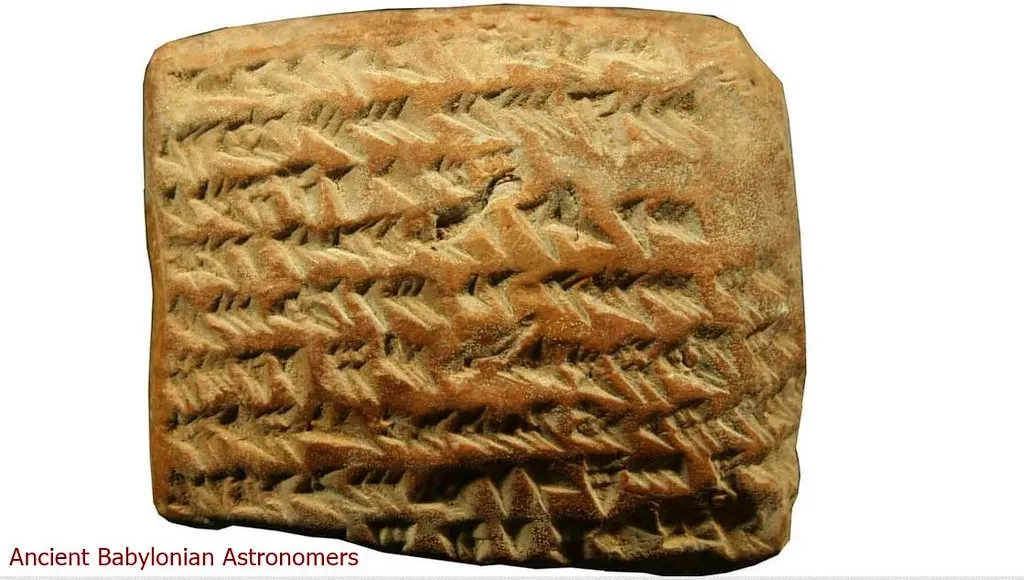
Long before Greece claimed the title of birthplace of Western civilization, Mesopotamia was already doing complex math and tracking the heavens. They divided time up by 60s including a 60-second minute and a 60-minute hour, which we still use today. They also divided up the circle into 360 degrees. They had a wide knowledge of mathematics including addition, subtraction, multiplication, division, quadratic and cubic equations, and fractions.
Here’s what really gets interesting: Some evidence suggests that they even knew the Pythagorean Theorem long before Pythagoras wrote it down. They may have even discovered the number for pi in figuring the circumference of a circle. So much for Western exceptionalism. Babylonian astronomy was able to follow the movements of the stars, planets, and the Moon, with advanced math predicting the movements of several planets.
Their astronomical tablets recorded observations spanning centuries, creating datasets that modern astronomers still reference. The precision required for these calculations, all done without electronic aids, demonstrates a level of intellectual rigor that deserves far more recognition than it typically receives in mainstream historical narratives.
Roman Concrete and Engineering Marvels

Roman concrete sounds boring until you realize that some structures built with it two thousand years ago are still standing, while modern concrete starts crumbling after half a century. The vast Roman structures that have lasted thousands of years are testaments to the advantages Roman concrete has over the concrete used nowadays, which shows signs of degradation after 50 years. Roman concrete was used to construct the magnificent pantheon.
Roman concrete was a hydraulic-setting cement mix consisting of volcanic ash and lime that bound rock fragments into a single stone mass and made them impregnable to the waves and every day stronger. The secret ingredient? Volcanic ash. Specifically, pozzolana from Naples, mixed with lime in precise ratios. But here’s the kicker: we still can’t perfectly replicate it.
The Romans developed many technologies which were apparently lost in the Middle Ages, and were only fully reinvented in the 19th and 20th centuries. They built aqueducts, roads, bridges, and buildings that have survived earthquakes, floods, and wars. Their engineering knowledge didn’t just disappear; it was actively lost, forgotten by successive generations. It makes you wonder what other knowledge we’ve collectively misplaced over the centuries.
Ancient Greek Fire: The Lost Chemical Weapon
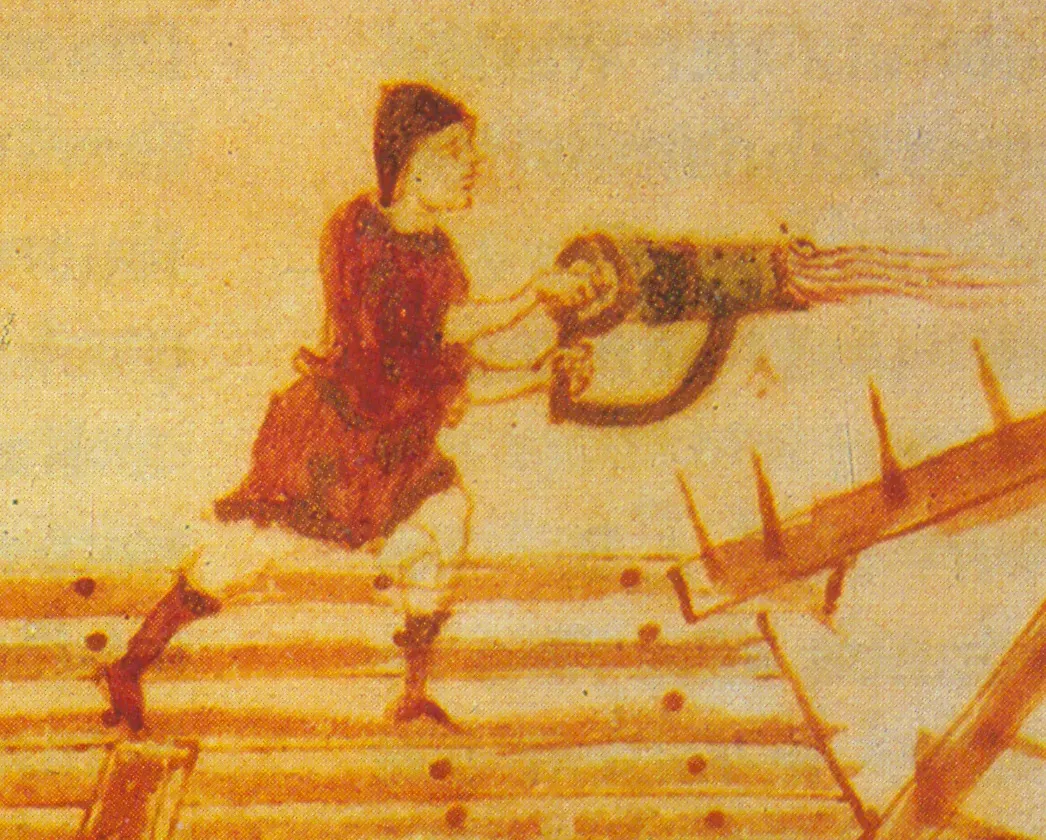
The Byzantines of the 7th to 12th centuries hurled a mysterious substance at their enemies in naval battle. This liquid, shot through tubes or siphons, burned in water and could only be extinguished with vinegar, sand, and urine. We still don’t know what this chemical weapon, known as Greek fire, was made of. The Byzantines guarded the secret jealously, and the knowledge was eventually lost altogether.
Imagine a weapon so effective and so secret that only a handful of people knew its composition. When the Muslim fleet attempted to lay siege to Constantinople in 674, their ships were doused in flames. At first, the Muslims were not alarmed; fire was often used in naval warfare and could be put out easily with cloth, dirt, or water. Except this fire couldn’t be extinguished by water. It kept burning, spreading across the waves, turning the sea itself into an inferno.
The formula died with its keepers. Modern chemists have proposed various theories – combinations of petroleum, quicklime, sulfur, naphtha – but nobody knows for certain. Greek fire represents one of history’s most tantalizing lost technologies, a reminder that some knowledge can vanish completely, leaving nothing but legend and terror in its wake.
Puma Punku and Advanced Stone Cutting
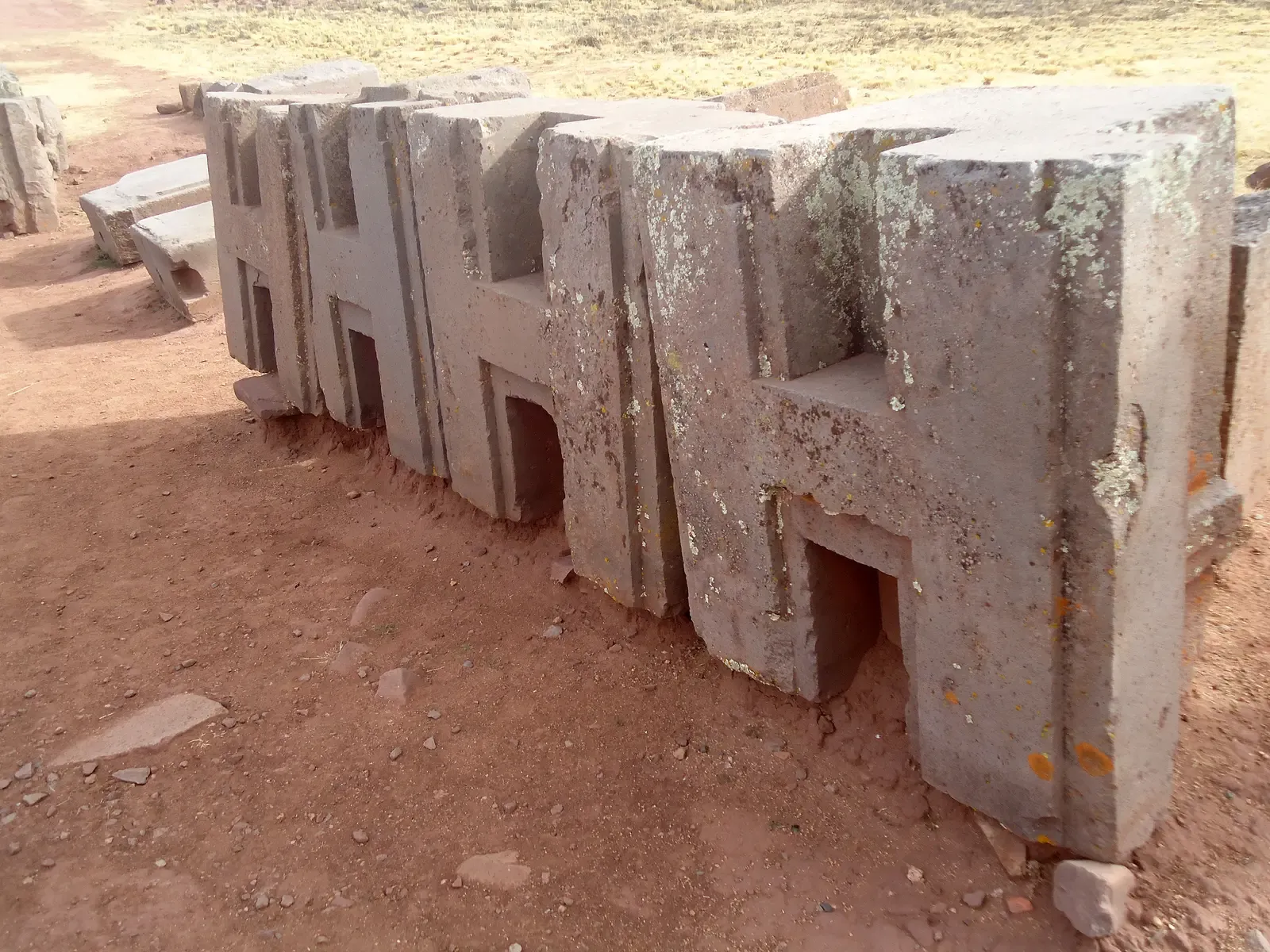
Located in the Bolivian highlands, Puma Punku presents one of archaeology’s most perplexing puzzles. The blocks are cut and connected together with almost alien precision. The precision is so advanced that even modern engineers would struggle to replicate the techniques used. All the cut surfaces are super smooth, and the cuts astronomically straight. The blocks are all interlocked without any use of mortar whatsoever.
Archaeologists were unable to uncover any evidence for tools or methods that were used to shape the stones. Researchers suggest that the ancient inhabitants of Tiwanaku possessed knowledge of technologies that could soften stone or possessed highly advanced tools. The stones fit together so perfectly that you can’t slide a piece of paper between them. No mortar, no cement, just stone on stone with micrometer-level precision.
The truly baffling part? We have no idea how they did it. Were there advanced metallurgical techniques we don’t understand? Sophisticated measuring instruments that left no trace? Or something else entirely? The silence of the stones is maddening. They represent technical mastery that defies our understanding of what should have been possible with Bronze Age technology.
Conclusion
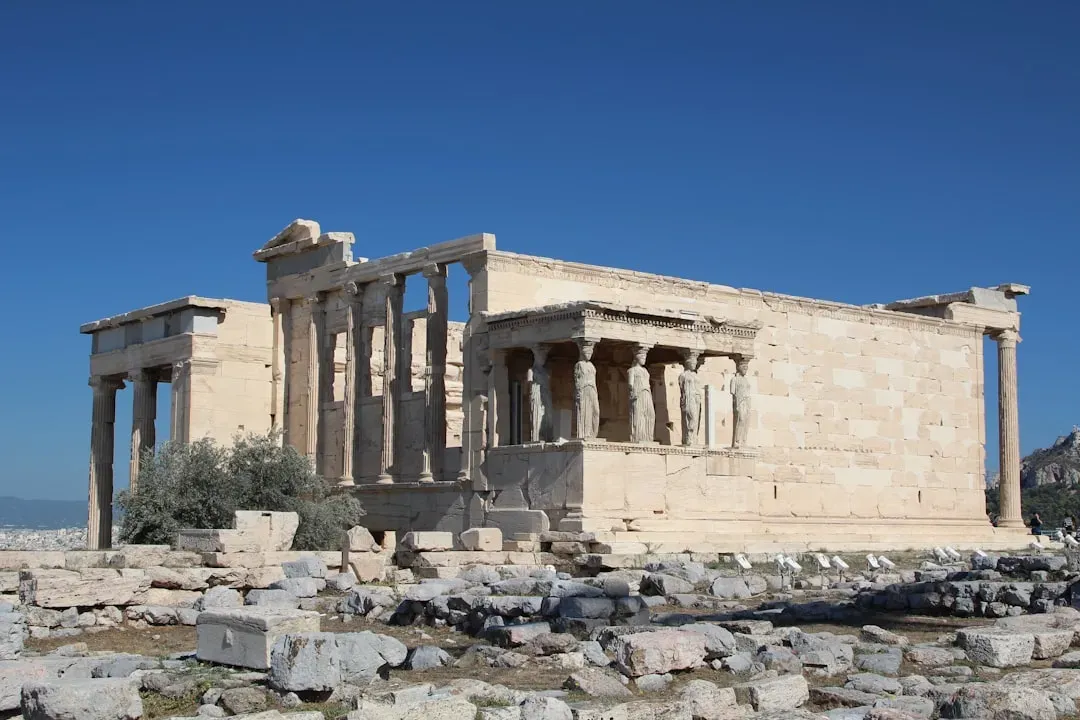
Let’s be real. These civilizations weren’t primitive. They were brilliant, innovative, and capable of achievements that we’re still trying to understand thousands of years later. The Indus Valley crafted a writing system we can’t read. The Greeks built a computer centuries before anyone else came close. The Egyptians moved millions of tons of stone with astounding precision. The Maya tracked the cosmos with accuracy that rivals modern astronomy. Romans created concrete superior to ours. Byzantines wielded fire that burned on water. And someone at Puma Punku cut stones with a precision that baffles modern engineers.
What does this tell us? That innovation isn’t linear. That knowledge can be lost as easily as it’s gained. That our ancestors were far more sophisticated than we typically credit them with being. Every artifact decoded, every inscription translated, every technique reverse-engineered brings us closer to understanding not just how they lived, but how they thought.
So next time you look at an ancient ruin or artifact, ask yourself: what secrets is it still keeping? What did you think about these incredible civilizations and their unsolved mysteries? Which one surprised you the most?