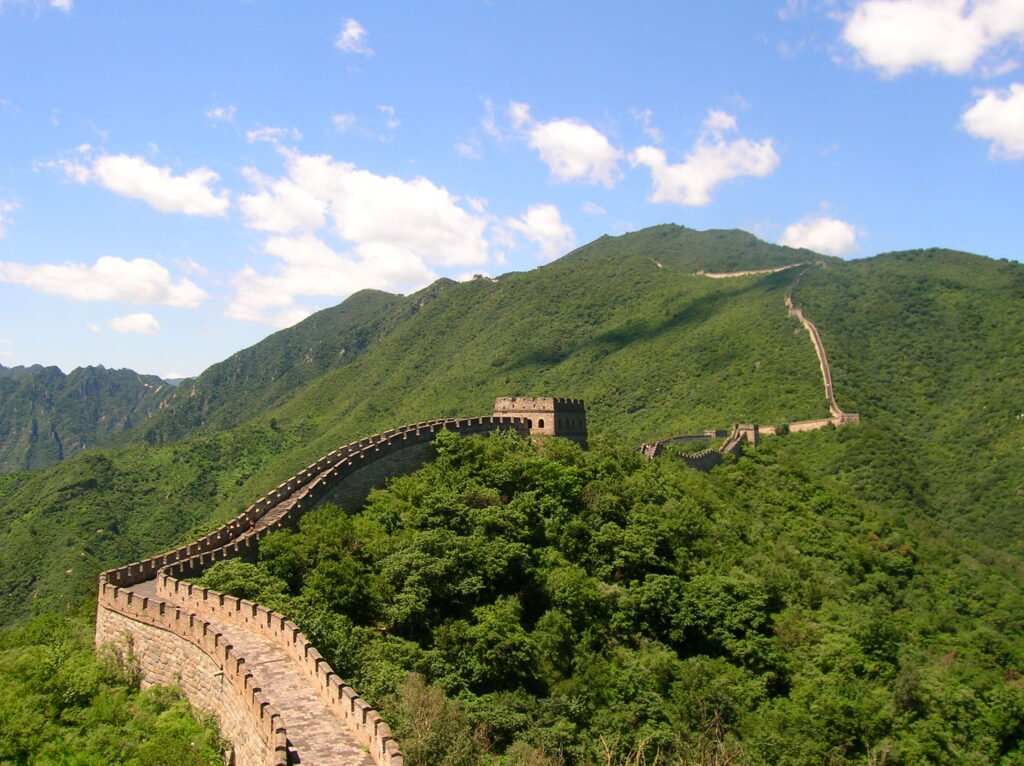

You ever wonder how people thousands of years ago managed to build stuff that modern engineers still scratch their heads over? Without computers, heavy machinery, or even basic power tools, ancient cultures created structures that have outlasted entire empires. Let me be honest with you, when you dig into the specifics, it’s genuinely mind blowing.
These ancient innovators weren’t just stacking rocks and hoping for the best. They understood physics, mathematics, astronomy, and materials science in ways that challenge everything we thought we knew about human progress. Their achievements weren’t accidents or mysteries requiring conspiracy theories. They were the result of brilliant minds solving complex problems with the resources at hand.
The Roman Empire: Concrete That Outlasts Modern Materials
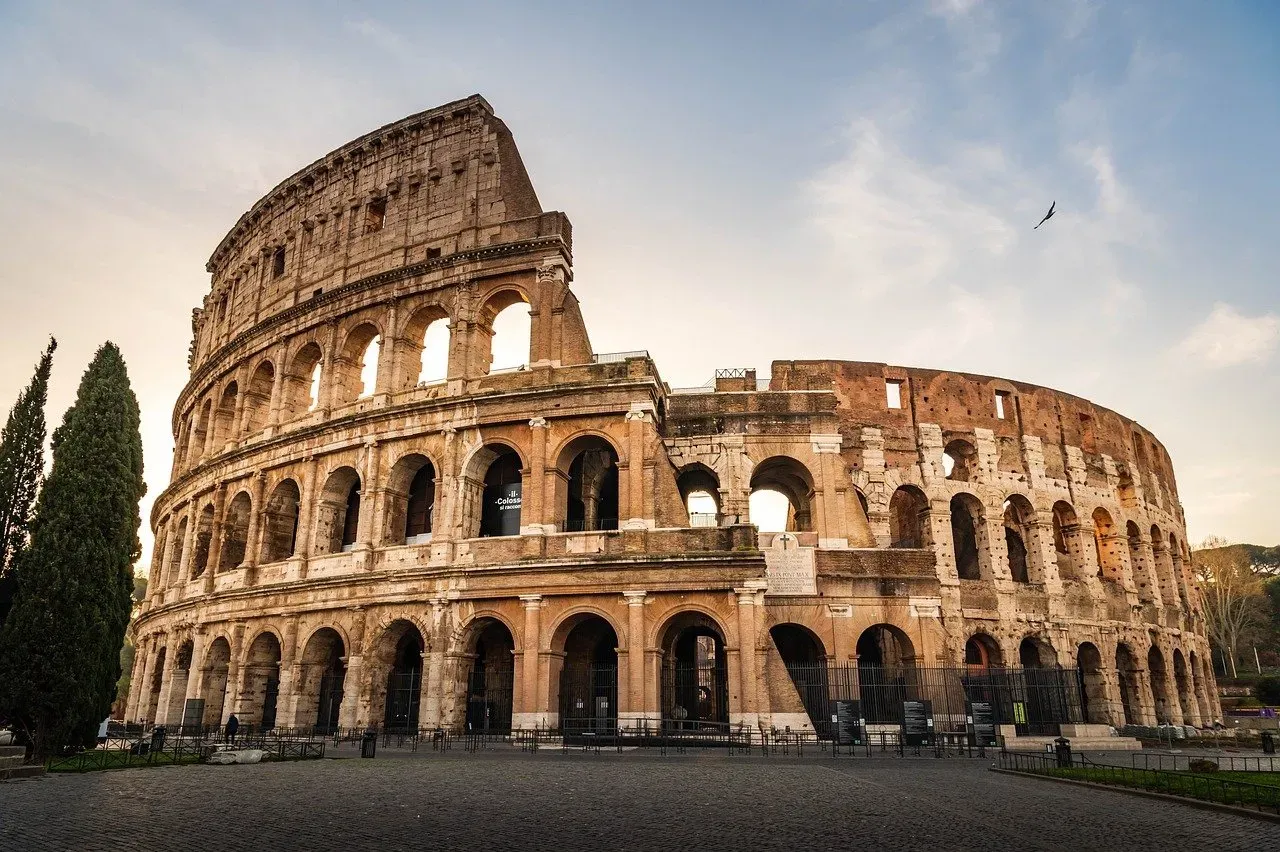
Roman concrete was a hydraulic setting cement mix of volcanic ash and lime that created structures described as becoming stronger with time. This wasn’t your typical building material. Nearly two thousand years after its construction, the Pantheon’s dome remains the world’s largest unreinforced concrete dome, spanning roughly the length of half a football field.
What makes this even more remarkable is that researchers struggled for decades to understand why Roman concrete seemed superior to modern equivalents in certain applications. Recent investigations discovered that ancient concrete manufacturing strategies incorporated several key self healing functionalities. When cracks formed, the material could essentially repair itself, something modern concrete cannot do without reinforcement.
Per capita water usage in ancient Rome matched that of modern day cities like New York City, which gives you a sense of just how advanced their infrastructure really was. Their engineering supported everything from massive public baths to complex mining operations.
The Indus Valley Civilization: Urban Planning That Shames Modern Cities
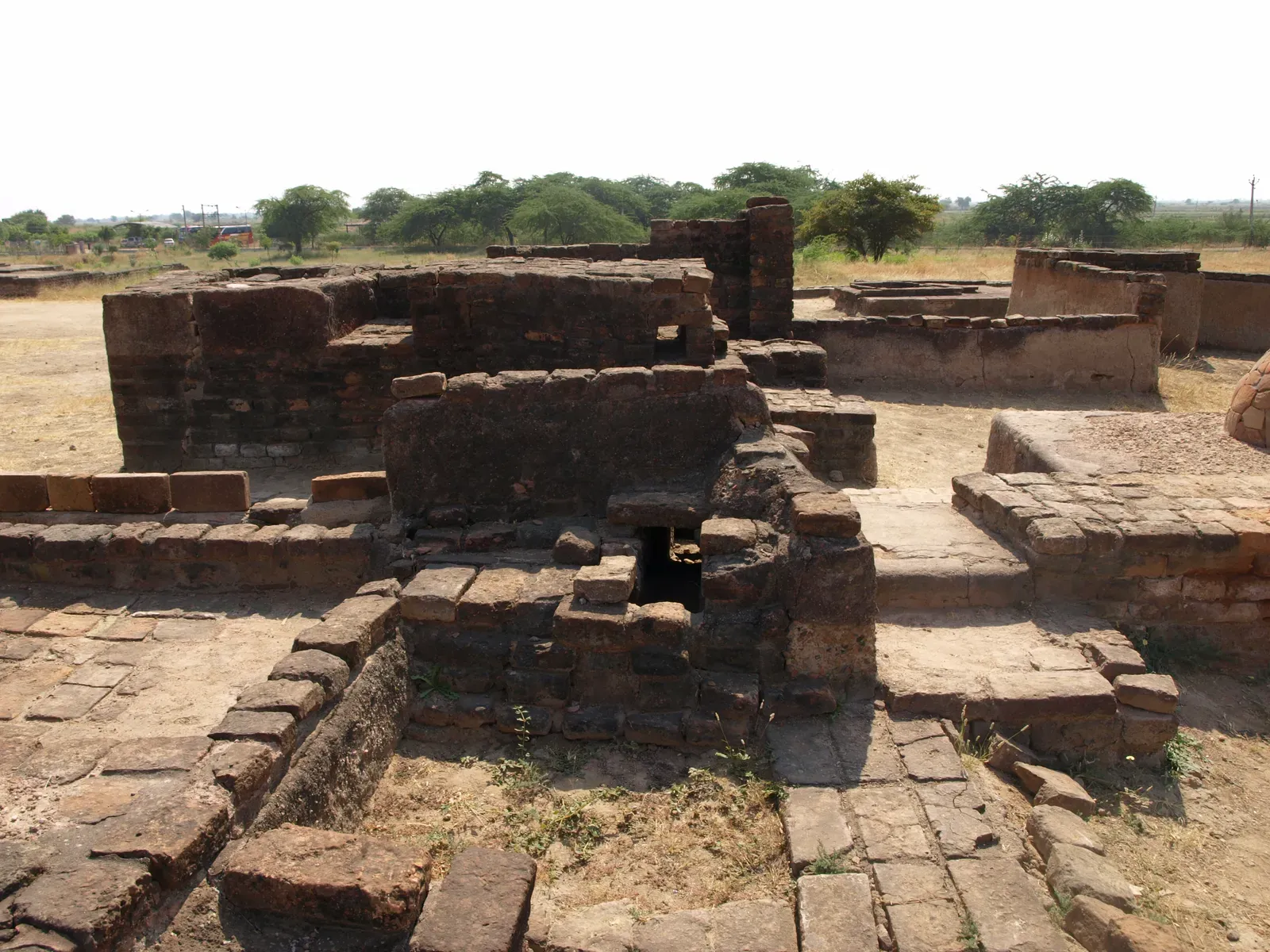
Picture this: over four thousand years ago, cities in what’s now Pakistan and India had better sanitation than many places do today. The ancient Indus systems of sewerage and drainage were far more advanced than any found in contemporary urban sites in the Middle East, and even more efficient than those in many areas of Pakistan and India today. Yeah, you read that right.
Sewage was disposed through underground drains built with precisely laid bricks, and a sophisticated water management system with numerous reservoirs was established. Every single house connected to this network. All houses had access to water and drainage facilities, creating a remarkably egalitarian society where public health wasn’t just for the wealthy.
The level of organization required for this kind of urban planning is staggering. The main sewer reached depths of roughly five feet and was nearly three feet across, connecting to many north south and east west sewers, made from bricks smoothened and joined together seamlessly. They even included regular inspection holes for maintenance. That’s forward thinking on a level most ancient societies never approached.
The Inca Empire: Stone Masonry That Dances Through Earthquakes
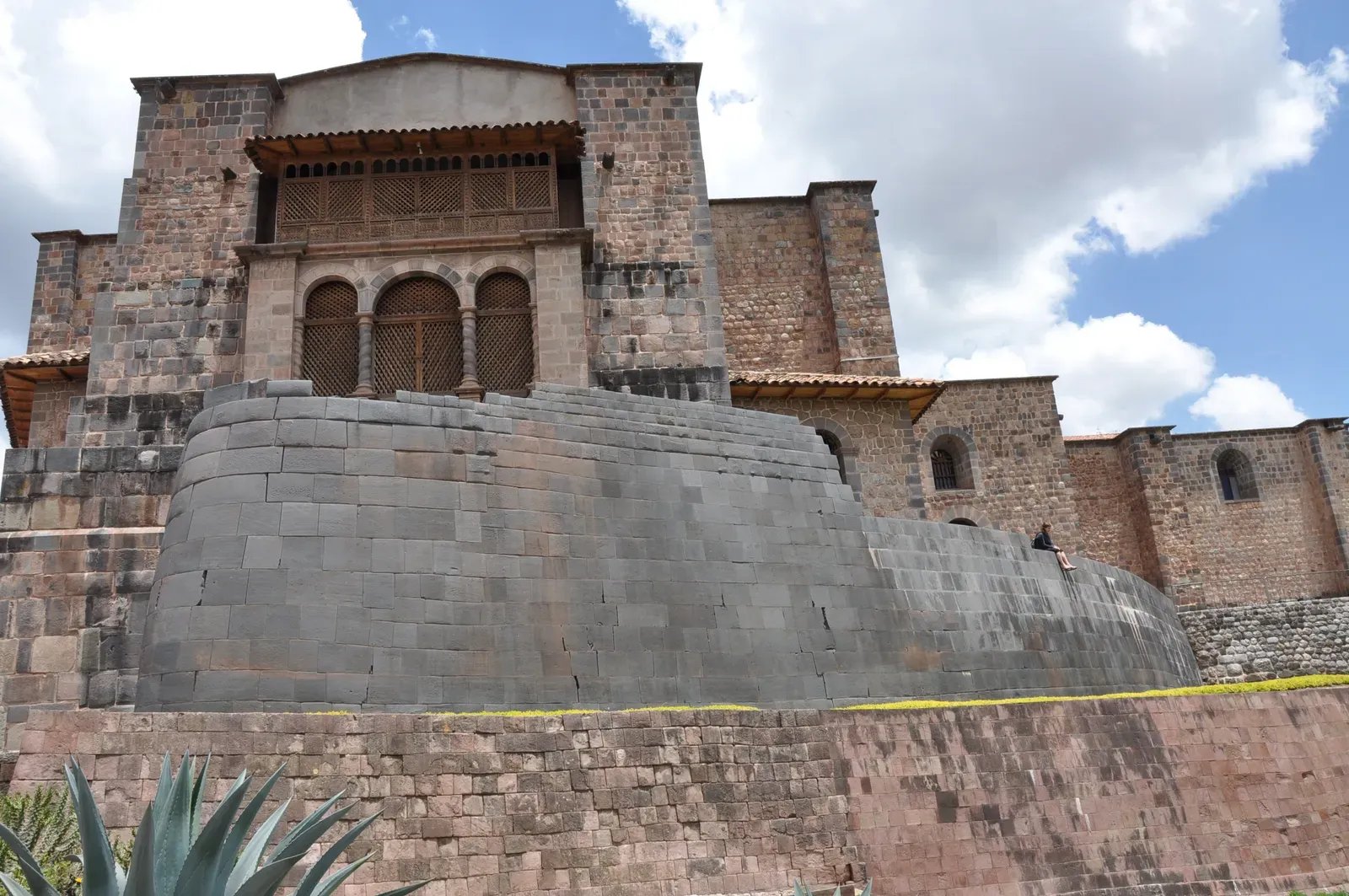
Incan buildings had walls slightly inclined inside with rounded corners, leading to peerless seismic resistance thanks to high static and dynamic steadiness, and during strong earthquakes, stone blocks have been observed dancing and settling into their original positions afterwards. Let’s be real, that’s not just impressive engineering, that’s genius.
The Incas achieved something modern architects are only now beginning to appreciate fully. They used dry stone masonry to join massive blocks almost perfectly, and the walls consist of thousands of interlocking blocks with irregular shapes, making them more resistant to earthquakes because stones can move freely in place. No mortar, no metal reinforcement, just perfectly fitted stone.
Here’s what really gets me: In many Inca sites, the stones fit so perfectly that you can’t even fit a piece of paper between them. Try achieving that level of precision with bronze tools and stone hammers. The technique required moving blocks weighing multiple tons across mountain terrain and shaping them with incredible accuracy.
Think about the implications. The Incas were certainly aware of earthquakes, and their buildings withstand them very well, with only modern restorations falling during seismic events. They built structures more earthquake resistant than many contemporary buildings engineered with computer modeling and steel reinforcement.
Ancient Egypt: Mathematical Precision That Defies Explanation

The dimensions of the pyramid are extremely accurate and the site was leveled within a fraction of an inch over the entire area covering more than thirteen acres, comparable to accuracy possible with modern construction methods and laser leveling. Without lasers. Without computers. Without even iron tools.
Estimates suggest the Great Pyramid used between two and nearly three million blocks, with most sources agreeing on a number somewhere above two point three million. The organizational challenge alone staggers the imagination. How do you coordinate tens of thousands of workers, manage supply chains, maintain quality control, and achieve mathematical precision all at once?
Recent research has overturned many assumptions about pyramid construction. Research indicates the pyramids were constructed by tens of thousands of skilled workers who were paid with bread or beer and worked in a highly organized manner, not slaves as once believed. These were professionals with specialized skills.
It’s generally believed the Egyptians moved massive stone blocks to heights along large ramps greased by water or wet clay using a system of sledges, ropes, rollers, and levers. Simple tools, complex application. The exact methods remain debated, but the results speak for themselves after forty five centuries.
Ancient Greece: The Computer Before Computers Existed
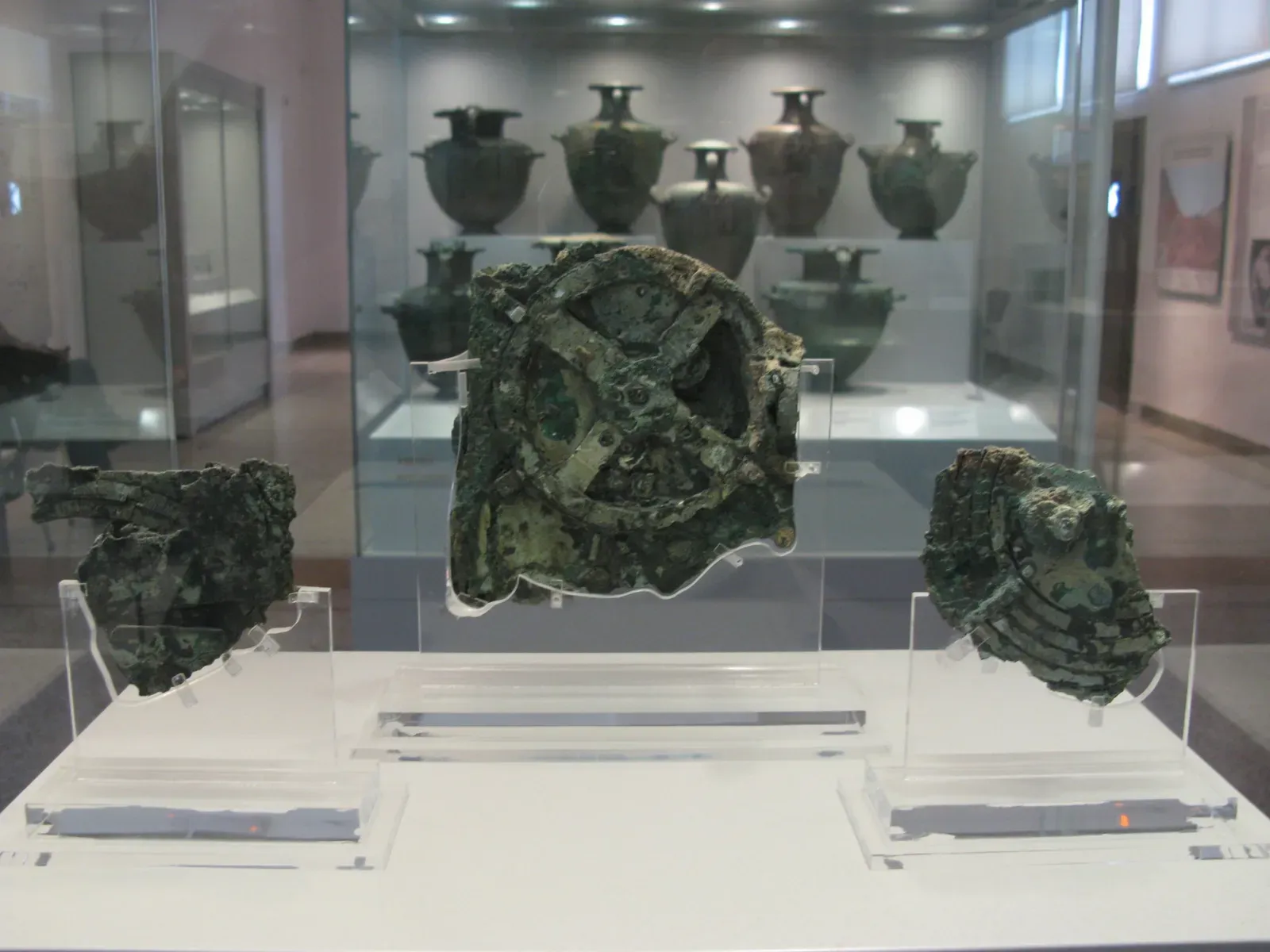
The Antikythera Mechanism, an ancient Greek analog computer dating to around 100 BC discovered in a shipwreck, was used to predict astronomical positions, eclipses, and even timing of ancient Olympic Games, demonstrating remarkable technological sophistication with intricate gears and dials. This thing is absolutely wild when you examine what it could do.
For centuries after its discovery, nobody could figure out how it worked or what it was for. It remains an enigma how ancient Greeks developed such a complex machine and then lost the technology for centuries until the arrival of mechanical clocks in the Middle Ages. That technological regression is almost as fascinating as the original achievement.
Honestly, it’s hard to overstate how far ahead of its time this device was. Evidence suggests Ancient Greeks were far more advanced than commonly considered, with complex understanding of mechanics and astronomy. This wasn’t some one off fluke. It represented a level of scientific and engineering knowledge that wouldn’t be matched for over a thousand years.
Ancient Rome: Aqueducts That Conquered Geography
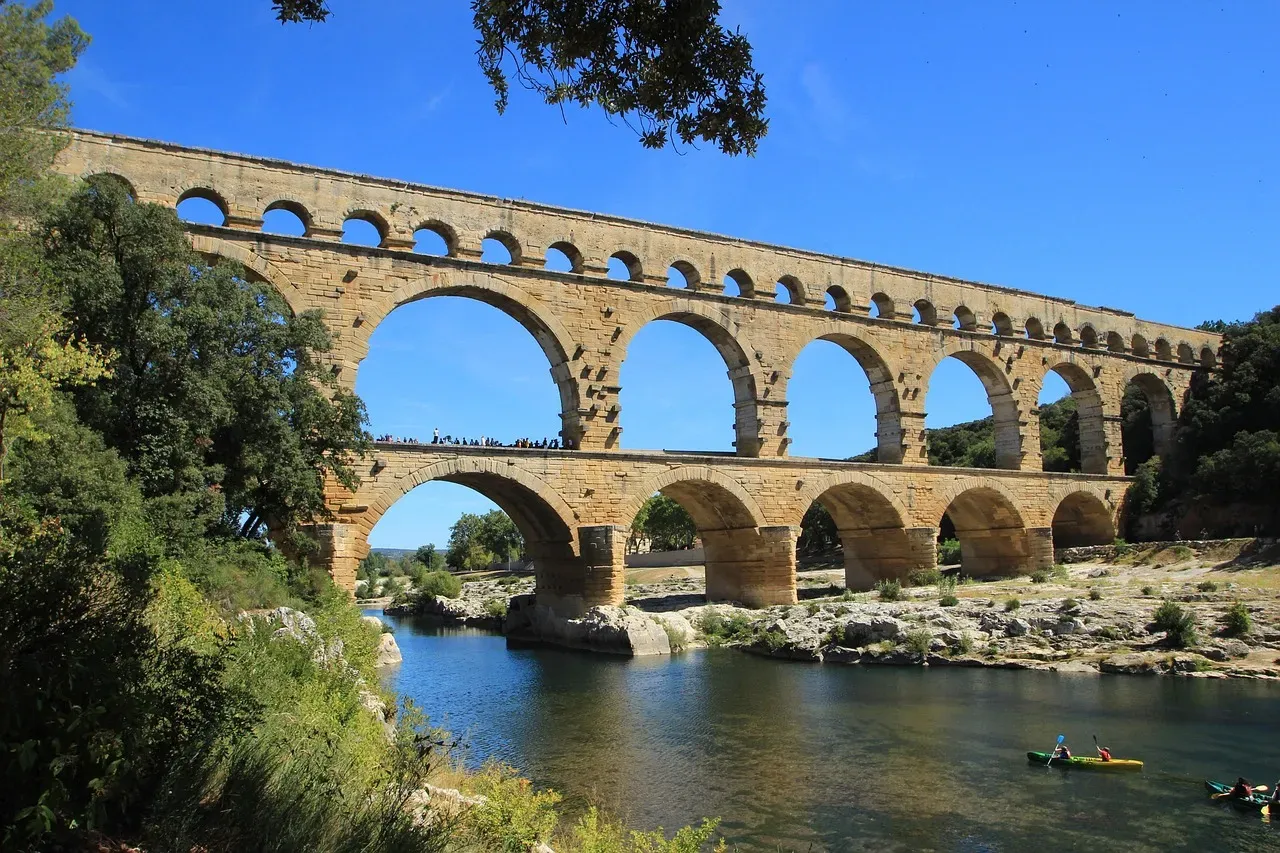
Roman aqueducts could stretch from roughly six to sixty miles long, typically descending from an elevation of nearly one thousand feet above sea level at the source to about three hundred thirty feet when reaching reservoirs around the city. Managing that gradient precisely over such distances required sophisticated surveying and engineering.
Roman engineers used inverted siphons to move water across valleys if they judged it impractical to build a raised aqueduct. This shows they understood hydraulic pressure and could calculate force loads accurately. They weren’t just following formulas, they were adapting solutions to specific geographical challenges.
They developed water power through building aqueducts on a grand scale, using water not just for drinking supplies but also for irrigation, powering water mills, and in mining. The Romans approached water as a multi purpose resource requiring integrated systems thinking. Their infrastructure supported industrial processes most people don’t associate with ancient civilizations.
Some of these aqueducts still function today. That longevity isn’t accidental. It resulted from understanding materials, planning for maintenance, and building to standards that prioritized durability over speed.
Ancient China: The Great Wall and Hydraulic Engineering
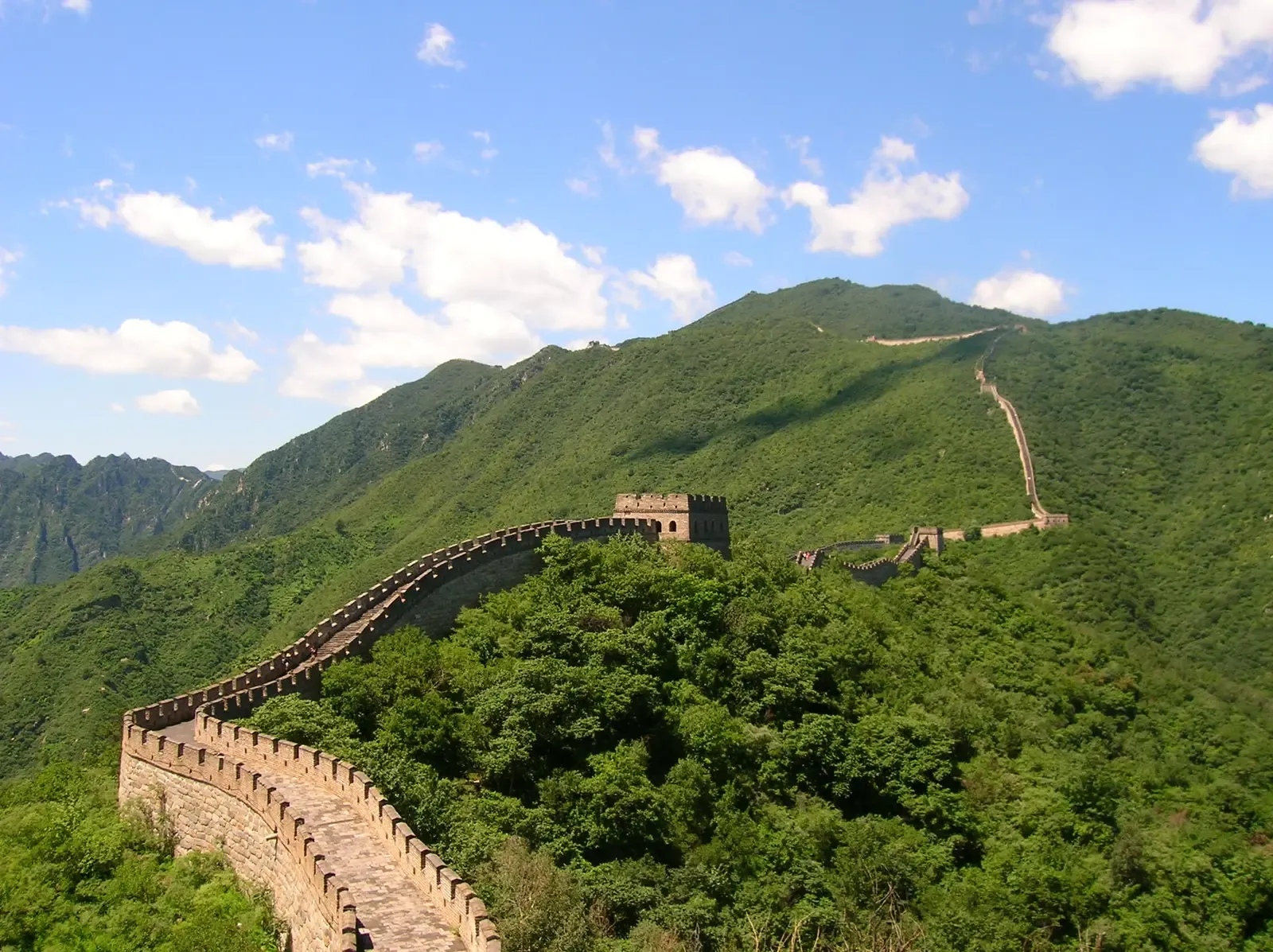
Engineering feats included construction of monumental structures like the Great Wall of China and pyramids of Egypt, showcasing advanced techniques such as the true arch and use of concrete. The scale of the Great Wall project demonstrates organizational capacity on an almost unimaginable level.
A twenty mile barge canal linking two rivers in the Yangzte Valley was completed during this period and remains in use more than two thousand years later. That’s not just impressive durability. It shows the canal was engineered correctly from the start, with gradients and construction methods that could withstand millennia of use.
Ancient Chinese hydraulic engineering matched Roman achievements in different ways. The ability to manage water resources across varied terrain using locks, channels, and canals required understanding fluid dynamics and geological stability. These weren’t simple ditches, they were sophisticated transportation and irrigation networks.
Ancient Americas: Engineering Without the Wheel
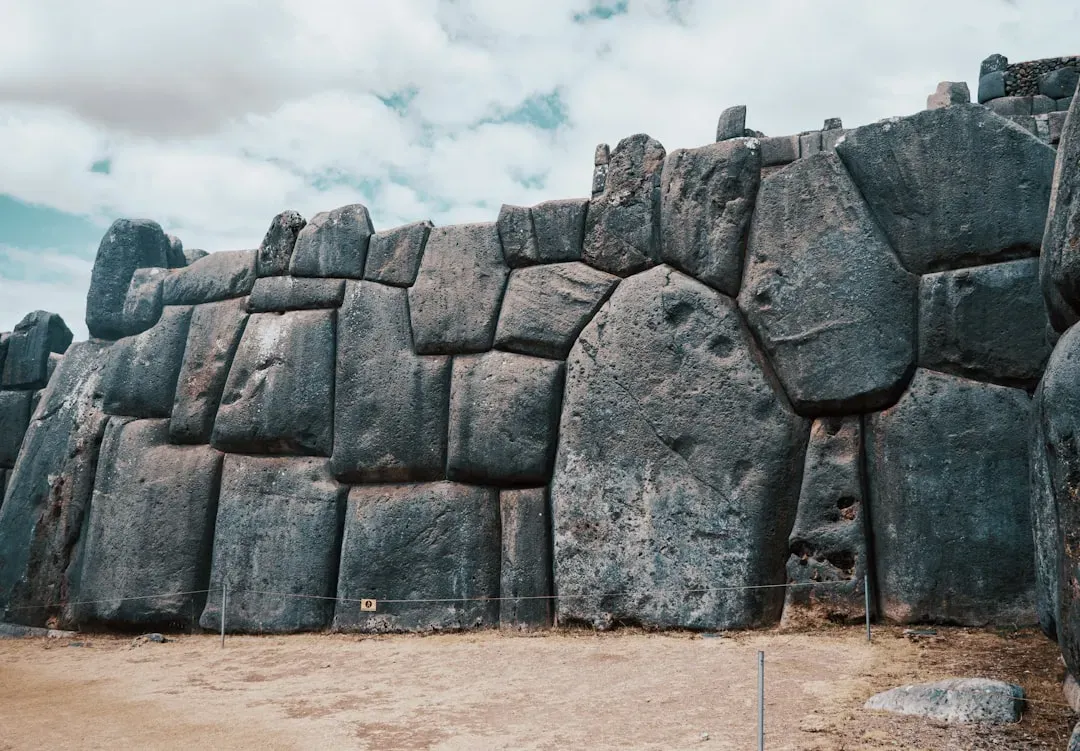
Ancient civilizations of the Americas did not develop wheeled transport or mechanics associated with animal power, yet they produced advanced engineering including above ground and underground aqueducts, quake proof masonry, artificial lakes, dykes, pressurized water, roadways and complex terracing. They achieved what many would consider impossible constraints.
The skill required to build Saksaywaman is impressive even by today’s standards because stone boulders are so precisely interconnected that it’s virtually impossible to push even something as thin as paper between them, with boulders excavated from a quarry three kilometers away using unknown transportation technology. Some weighed over a hundred tons.
The absence of certain technologies didn’t limit these civilizations, it forced them to innovate in different directions. Native Americans developed a complex understanding of chemical properties and utility of natural substances, resulting in a majority of the world’s early medicinal drugs and edible crops. When you can’t rely on metal tools or draft animals, you develop other forms of expertise.
What This Means for Our Understanding of History
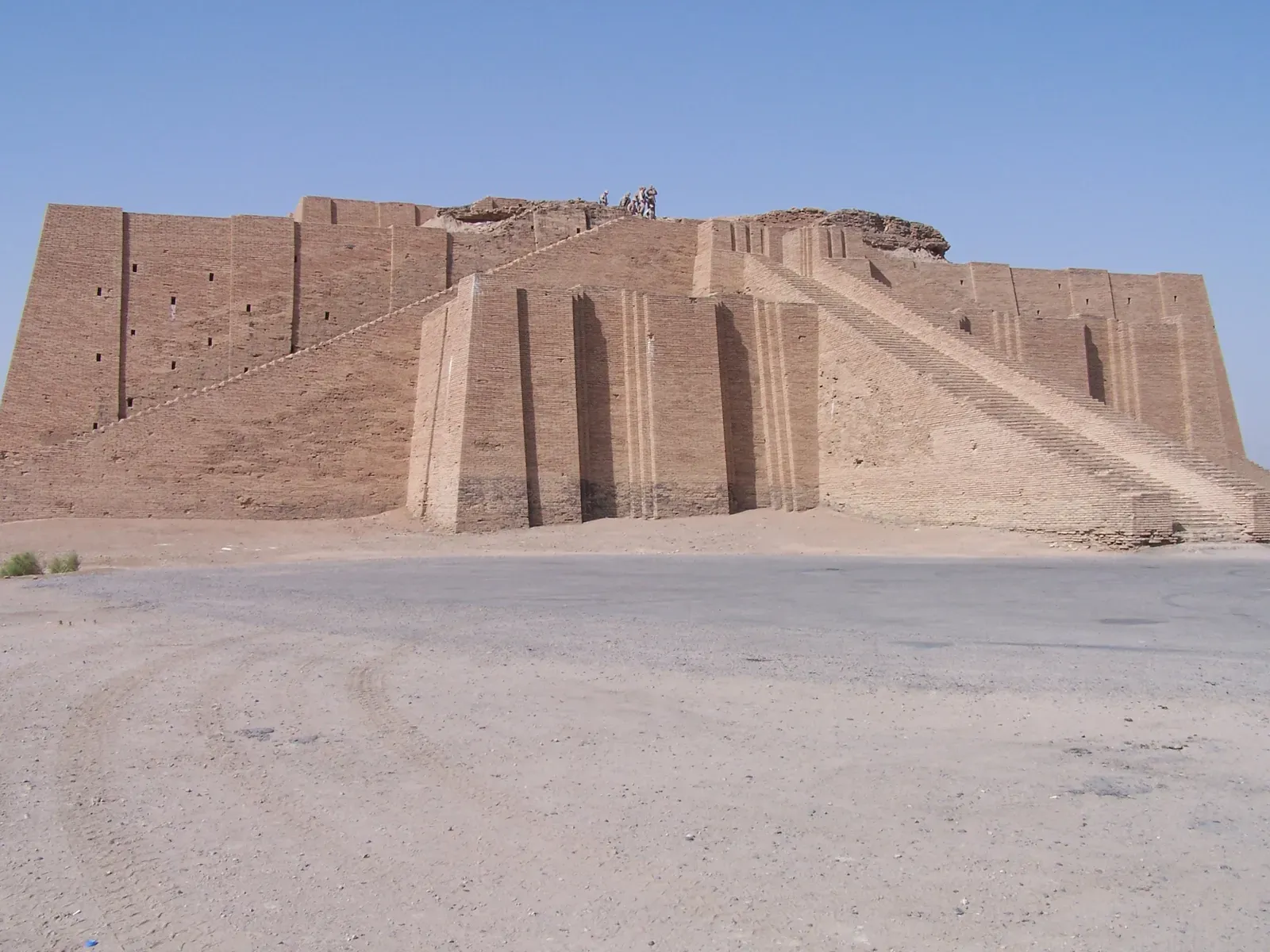
These civilizations achieved engineering marvels because they had something we sometimes forget in our technology dependent age: necessity combined with ingenuity. They couldn’t Google solutions or run computer simulations. Every structure represented accumulated knowledge, trial and error, and brilliant problem solving.
Contrary to popular belief, some ancient civilizations were highly advanced and capable of spectacular engineering accomplishments, with many ancient societies building architectural wonders using construction expertise that stumped civil engineers and historians until recent years. We’re still learning from their methods today.
The lesson here isn’t that ancient people had secret knowledge or alien help. It’s that human intelligence and determination can overcome seemingly impossible obstacles. These cultures because they pushed the boundaries of what was possible with available resources. Maybe that’s the real engineering miracle worth celebrating.
What strikes you most about these achievements? The precision, the scale, or the fact that so much ancient knowledge was lost and had to be rediscovered? Tell us in the comments.
Hi, I’m Andrew, and I come from India. Experienced content specialist with a passion for writing. My forte includes health and wellness, Travel, Animals, and Nature. A nature nomad, I am obsessed with mountains and love high-altitude trekking. I have been on several Himalayan treks in India including the Everest Base Camp in Nepal, a profound experience.