
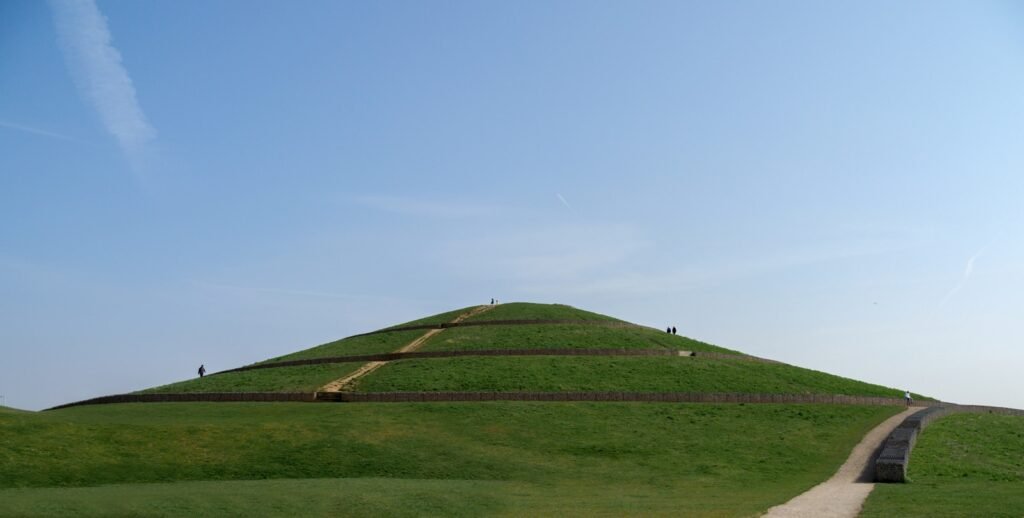

Across the Americas, entire civilizations rose, flourished, and then slipped away so completely that early European observers sometimes assumed the continent had always been sparsely peopled. Today, archaeologists, climatologists, geneticists, and even soil chemists are quietly overturning that myth. They are recovering stories of complex cities, engineered landscapes, and vast trade routes that collapsed for reasons we are only beginning to understand. The mystery is no longer simply why these cultures vanished, but what their disappearance reveals about resilience, vulnerability, and how societies respond to stress. As new technologies peel back the forest canopy and probe ancient DNA, the lost worlds of early American peoples are starting to look less like legends and more like case studies in survival – and failure – on a continental scale.
The Hidden Clues Beneath the Canopy: The Maya Lowlands
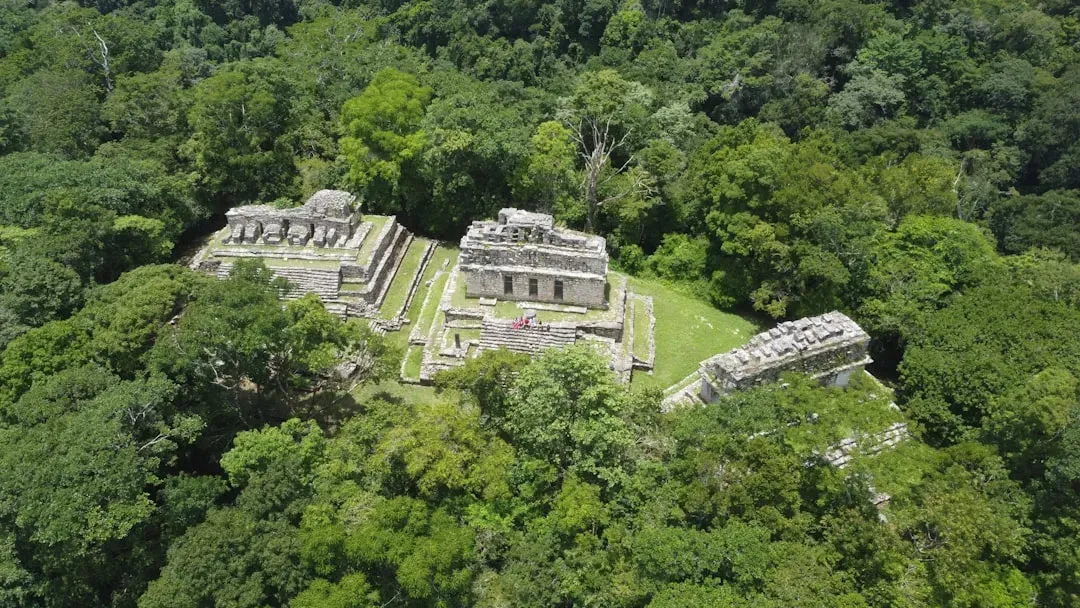
It is hard to talk about vanished American cultures without starting in the Maya lowlands, where dense forests hide the skeletons of long-dead cities. For a long time, the so‑called “collapse” around the ninth century was framed as a single, sudden catastrophe that toppled a united civilization. New research paints a more nuanced, and frankly more human, picture: some cities declined while others shifted power, and the reasons ranged from political conflict to environmental stress. Using airborne laser mapping, known as LiDAR, scientists have revealed sprawling urban networks – road systems, terraces, reservoirs – that show just how intensely the landscape was engineered. The surprise is that the Maya did not simply vanish; they adapted, migrated, and, in many regions, continued as smaller, less centralized communities.
Still, the abandonment of major centers in the southern lowlands is striking, and here climate records have become crucial. By analyzing tiny layers in stalagmites from nearby caves and chemical signatures in lake sediments, researchers have reconstructed past rainfall patterns and found evidence of repeated, severe droughts overlapping with periods of political upheaval. It is not that drought alone destroyed the Maya, but it seems to have amplified existing tensions over food, power, and faith. You can almost imagine a city-state at its breaking point: reservoirs running low, crops failing, rival kings pressing for tribute, priests striving to explain why sacred rituals no longer brought rain. In that moment, “collapse” looks less like a mysterious disappearance and more like a series of very hard decisions made by ordinary people with limited options.
From Mounds to Empty Plazas: Cahokia and the Mississippi Metropolis
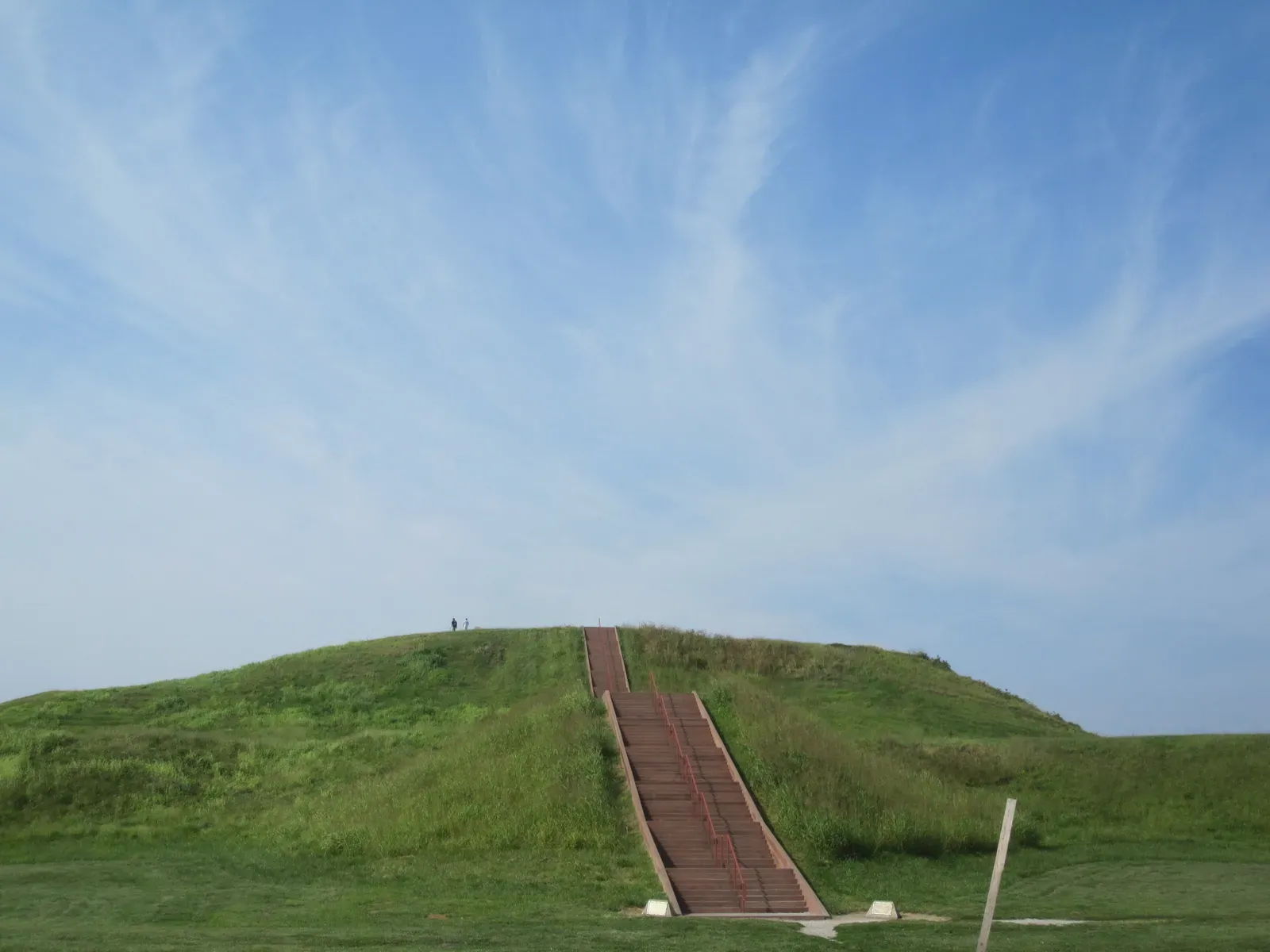
Just outside modern St. Louis, in a landscape often associated with interstate highways and river barges, stood the largest pre-Columbian city north of Mexico: Cahokia. At its medieval peak, this mound city supported a population that may have rivaled contemporary European towns, with a central plaza, astronomical markers, and layers of earthen pyramids reshaping the floodplain. For a long time, Cahokia existed in a kind of scholarly blind spot, barely present in public imagination despite being right in the middle of the continental United States. Excavations have now revealed evidence of urban planning, long-distance trade in materials like copper and marine shells, and complex religious practices centered around the mounds. Then, by around the fourteenth century, the population thinned and the great plazas emptied.
What changed is still debated, but science has been narrowing the field of suspects. Sediment cores from nearby lakes show shifts in erosion and charcoal that suggest cycles of land clearance, intensive maize farming, and perhaps overuse of local resources. Climate records point to a period of cooling and increased flooding that would have made crop yields unpredictable in a city deeply dependent on its river valley. Bioarchaeologists examining human remains have found signs of nutritional stress and disease, hinting that everyday life in late Cahokia may have been far less stable than its monumental mounds suggest. When the political and spiritual glue holding such a place together weakens, out-migration can become the rational choice, not a mystery. In the end, Cahokia’s story reads like a warning about building a dense metropolis on an ecological knife edge.
Engineers of the Desert: The Hohokam and Vanished Canals
In what is now the Phoenix basin, where modern suburbs spread in tidy grids, lies the imprint of another vanished society: the Hohokam. Centuries before concrete dams, they carved hundreds of miles of irrigation canals out of desert soils, channeling river water into fields that supported sizable villages and regional centers. Archaeologists have mapped canal systems so extensive that later American engineers studied them when designing modern infrastructure in the area. For generations, these waterways turned an unforgiving landscape into a productive agricultural zone, allowing the Hohokam to grow surplus crops and host large ritual gatherings. Their disappearance as a distinct cultural pattern in the fifteenth century raises sharp questions about how such a sophisticated water management system could fail.
Scientific evidence points to a mix of environmental and social stresses rather than a single dramatic event. Geological studies of river sediments indicate episodes of massive flooding that may have destroyed key canal segments and filled channels with silt faster than they could be cleared. Pollen and plant remains suggest changing crop strategies over time, perhaps a sign that farmers were pushing the limits of soil fertility or trying to adapt to shifting rainfall. Meanwhile, traces of conflict – burned structures, defensive features – hint at rising tensions that could have disrupted labor needed to maintain the canals. In a desert, water is not just a resource, it is a fragile social contract: once that contract breaks, even the most ingenious hydraulic system can quickly become a ghost map under a modern city.
Earthworks and Vanishing Lines: The Hopewell and Eastern Woodlands
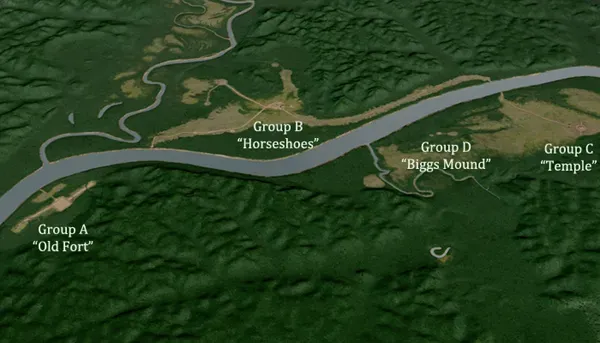
The Hopewell tradition, centered in the Ohio River Valley roughly two thousand years ago, left behind some of the most enigmatic earthworks in the Americas. Massive geometric embankments, precise alignments with lunar and solar events, and elaborate burial mounds all point to a society deeply invested in ritual, astronomy, and long-distance exchange. Artifacts from as far away as the Rocky Mountains and the Gulf Coast show that Hopewell communities tapped into an impressively wide trade network. Yet by around the middle of the first millennium, those monuments were no longer being built, and the distinctive ceremonial style faded from the archaeological record. What looks like a sharp cultural break has long invited theories of invasion or sweeping catastrophe.
Recent science offers a different, more subtle explanation: transformation rather than simple disappearance. Radiocarbon dating and careful mapping indicate that mound construction and ceremonial activity shifted over time, becoming less centralized and more locally varied. Isotope analysis of human remains suggests that while trade remained important, patterns of mobility may have changed, with fewer long-distance travelers and more tightly knit local communities. Climate data hints at gradual shifts that could have altered hunting and farming regimes, encouraging people to reorganize how and where they lived. To an outside observer snapping a single snapshot, it might look like a culture vanished. But viewed as a long film composed of many frames, the Hopewell story resembles a change in rhythm and direction, not a sudden cut to black.
Lines in the Desert and Silent Highways: Nazca and Andean Coastal Cultures
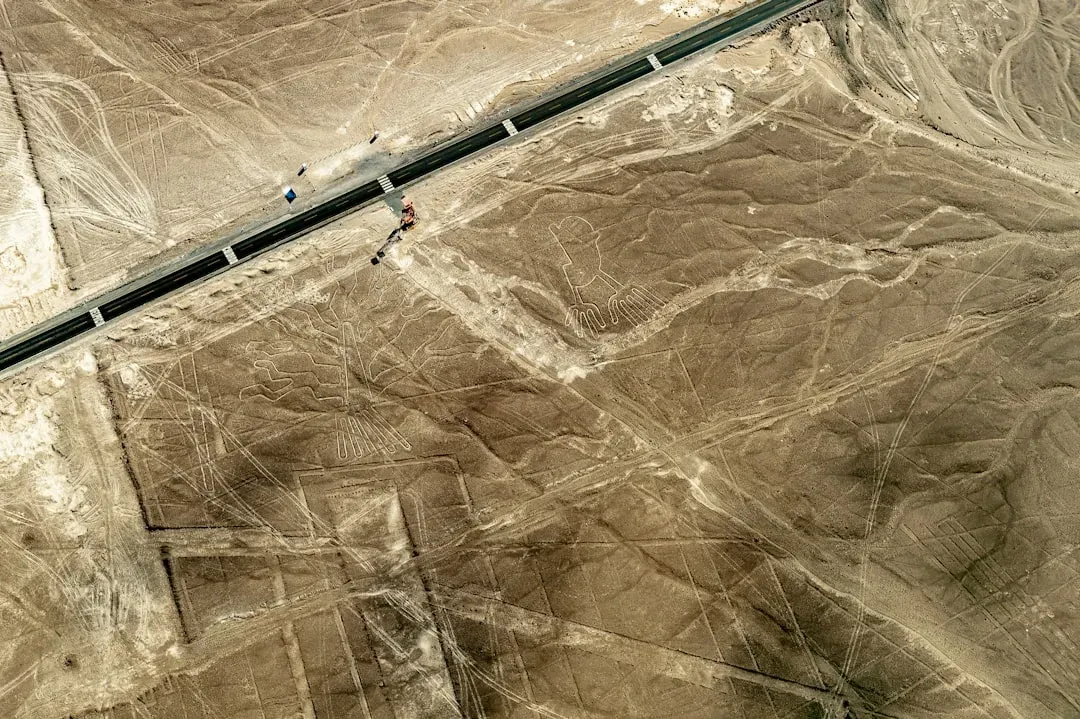
Far to the south along the Pacific coast of present-day Peru, the Nazca culture carved gigantic geoglyphs – those famous lines and animal figures – into the desert pavement. At the same time, they built sophisticated underground aqueducts called puquios and cultivated crops in one of the driest regions on Earth. For a long time, the Nazca lines dominated public fascination, overshadowing the question of how an entire society survived here for centuries before fading out. Archaeological surveys over the last few decades have pushed the story beyond the artistry in the sand to the realities of water, soil, and climate. The Nazca did not vanish in some puzzling vacuum; they inhabited a marginal environment whose risks eventually caught up with them.
Geoarchaeologists studying ancient flood deposits and dune movements have linked phases of Nazca decline to episodes of intense rainfall associated with El Niño events. Those bursts of water could tear apart irrigation systems and bury fields in sediment, essentially resetting the agricultural landscape in devastating ways. At the same time, pollen records show changes in vegetation that may reflect deforestation on hillsides, increasing erosion when storms hit. This combination – a fragile environment, human land use, and climate volatility – created a kind of slow-motion crisis that eroded the foundations of Nazca life. When you walk those dry valleys today, the geoglyphs can feel like the visible signatures on a document whose crucial text, the story of everyday survival, has only recently been recovered by science.
Why These Vanished Cultures Still Matter
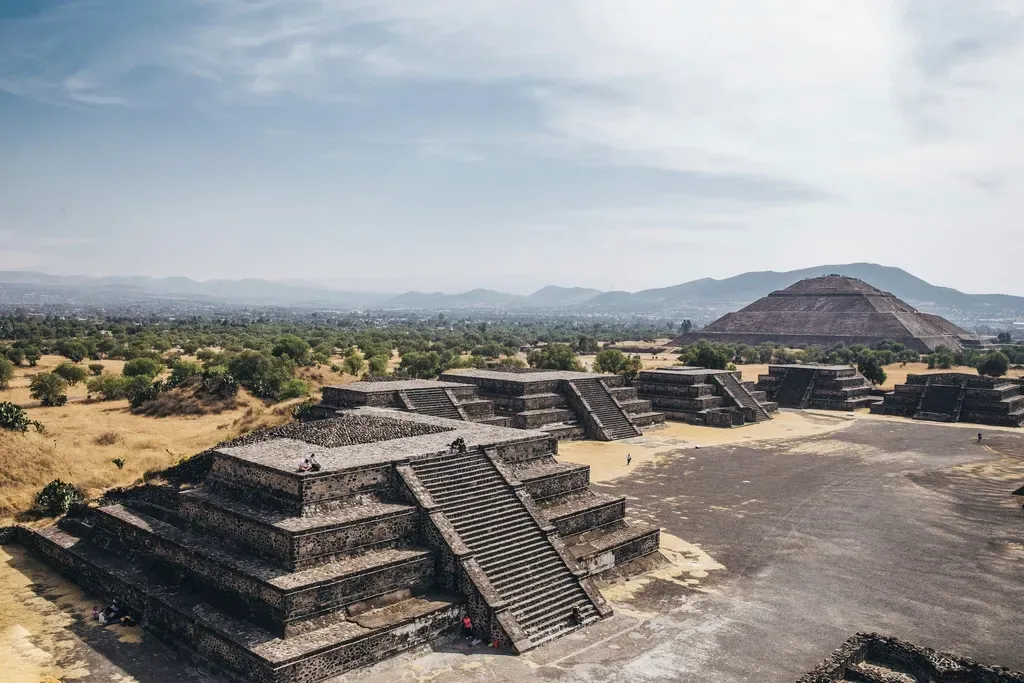
It can be tempting to treat vanished cultures as distant curiosities, as if they were chapters in a book that has already closed. But the more scientists uncover about early American societies, the clearer it becomes that their stories echo loudly in the present. Many of these cultures grappled with problems we now recognize all too well: climate instability, resource overuse, political inequality, and the strain of rapid urban growth. Their successes and failures provide long-term experiments in how societies react when warning signs pile up. Ignoring those experiments would be like having centuries of clinical trial data on a new medicine and choosing not to read it.
There is another, more personal reason this history matters: it challenges old narratives that downplayed the sophistication of Indigenous peoples in the Americas. When LiDAR reveals urban networks beneath the jungle, or isotopes in ancient bones map out trade and migration, they force us to rethink assumptions about who counted as “advanced” or “civilized.” That shift has real consequences for how modern descendants of these cultures are treated, how their land claims are perceived, and how their knowledge systems are valued. In a way, every new finding about a vanished culture is also a test of our willingness to update long-held stories. The mystery of disappearance, it turns out, opens directly onto the question of whose past we see as worthy of careful science in the first place.
From Shovel to Satellite: How Science Rewrites the Past
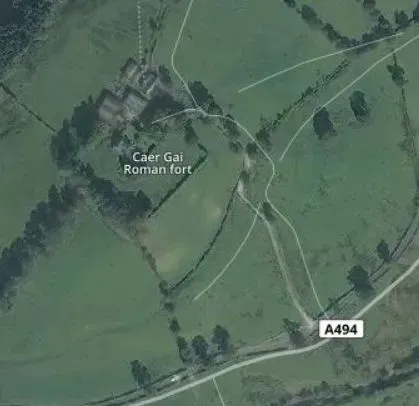
For most of the twentieth century, archaeologists relied heavily on what they could see and touch: walls, pottery fragments, bones, and ash layers. Those methods built the foundation of what we know, but they also left huge gaps, especially in dense forests, eroded deserts, or places later built over by modern cities. The last few decades have brought a toolkit that would have sounded like science fiction to early excavators. Airborne LiDAR can strip away vegetation in digital space, revealing buried roads and plazas; ground-penetrating radar can scan under parking lots or farm fields without lifting a shovel. Ancient DNA, extracted carefully from bones or teeth, can trace population movements that written records never recorded.
These technologies have often turned the story of “vanishing” on its head. In some cases, they show that what looked like sudden abandonment was actually a slow shift in settlement patterns, invisible to cruder methods. In others, they reveal that a supposedly isolated culture was deeply connected through trade or shared rituals to neighbors hundreds of miles away. Even microscopic traces – phytoliths from plants, chemical signatures of ancient fertilizers, soot particles in lake sediments – now help reconstruct how people farmed, burned, and managed their landscapes. The result is less a tidy textbook account and more a layered, evolving picture, like repainting a faded mural with colors we did not know were there.
The Future Landscape: New Technologies, Old Mysteries
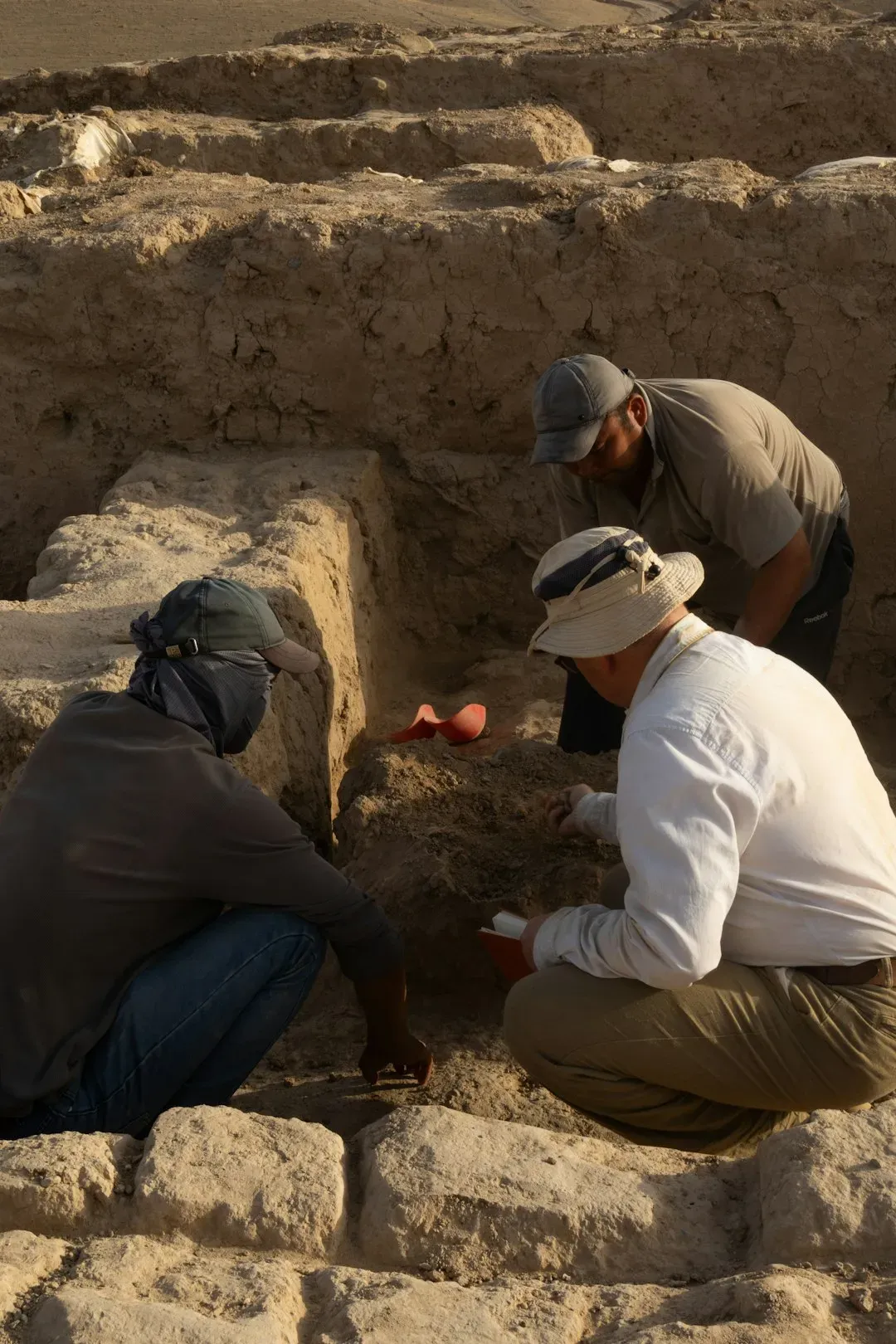
Looking ahead, the science of vanished cultures is poised to change again as new tools move from experimental to everyday. Ultra-high-resolution satellite imagery, combined with machine learning, is already helping researchers scan vast areas of forest or grassland for subtle patterns that might indicate buried structures. As computing power grows, models that combine climate data, river dynamics, and land-use reconstructions could simulate how different societies might have responded to droughts, floods, or disease. In the lab, advances in ancient DNA extraction and contamination control promise to refine timelines of migration and mixture, especially in regions where preservation is poor. Even techniques like proteomics – the study of ancient proteins – are starting to reveal diets and diseases that bones alone cannot show.
With these possibilities come ethical and practical challenges. Many of the landscapes under investigation are home to Indigenous communities whose ancestors built the sites now under study, and whose perspectives have too often been sidelined. There is growing pressure, and rightly so, for research to be collaborative, transparent, and guided by local priorities rather than purely academic curiosity. At the same time, political instability, looting, and development threaten sites before they can be documented. The next few decades will likely determine whether we catch a last glimpse of some fading archaeological records – or watch them disappear for good, taking their lessons with them.
How Readers Can Engage With the Past Today
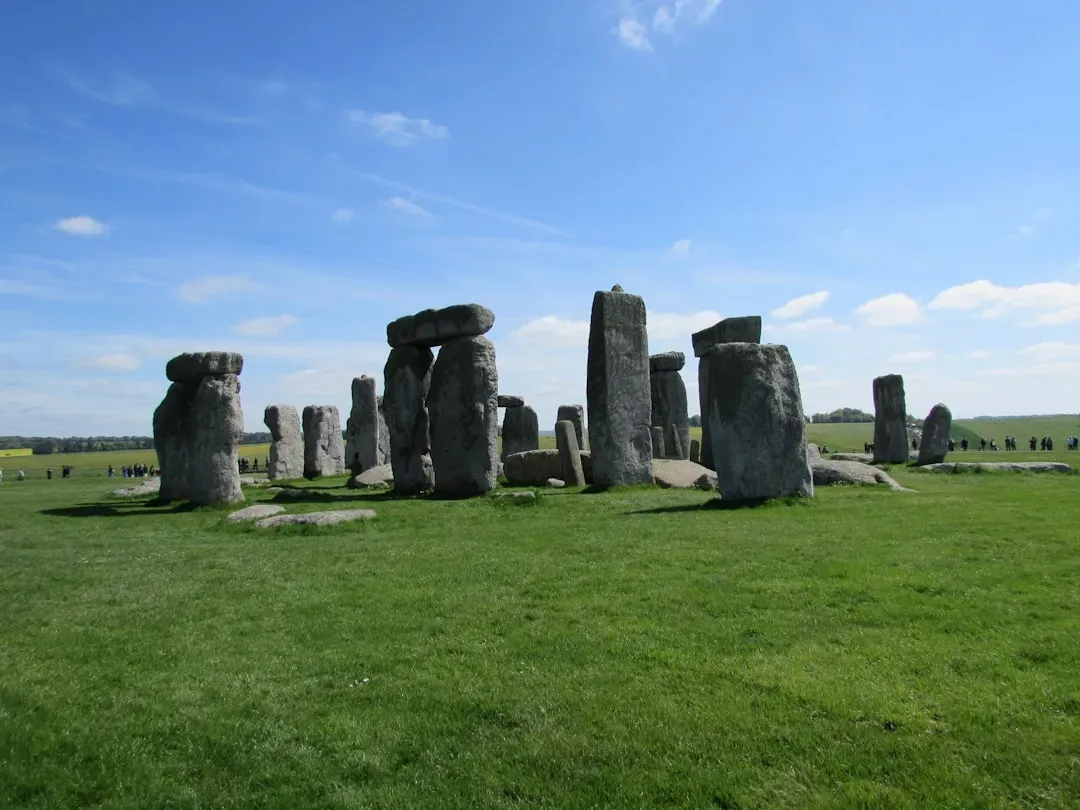
The stories of vanished American cultures are not just for scientists with specialized equipment; they are also for anyone who has ever looked at a landscape and wondered who walked there before. One of the simplest ways to engage is to seek out reputable museums, cultural centers, and archaeological parks that partner with Indigenous communities and prioritize responsible storytelling. Supporting these institutions – through visits, memberships, or donations – helps sustain the research, conservation, and education that keep fragile histories alive. Paying attention to how exhibits describe ancient societies, and whose voices are included, can also sharpen your own sense of which narratives are changing and which are stuck in the past. Even small acts, like choosing books and documentaries created with input from descendant communities, can shift the demand toward better, more accurate narratives.
There is also a civic dimension to this engagement. Many archaeological sites sit on public land, and policies about development, mining, or infrastructure directly affect whether those places are protected or destroyed. Staying informed about local land-use debates, lending support to preservation efforts, and listening to Indigenous organizations that advocate for sacred and ancestral sites are all concrete steps. On a more personal level, simply recognizing that the ground beneath modern cities, farms, and highways once held thriving, complex societies can change how you see your own place in time. The vanished cultures of the Americas may never speak to us directly, but the traces they left still shape the choices we make. The question now is whether we choose to listen closely enough to hear them.
Suhail Ahmed is a passionate digital professional and nature enthusiast with over 8 years of experience in content strategy, SEO, web development, and digital operations. Alongside his freelance journey, Suhail actively contributes to nature and wildlife platforms like Discover Wildlife, where he channels his curiosity for the planet into engaging, educational storytelling.
With a strong background in managing digital ecosystems — from ecommerce stores and WordPress websites to social media and automation — Suhail merges technical precision with creative insight. His content reflects a rare balance: SEO-friendly yet deeply human, data-informed yet emotionally resonant.
Driven by a love for discovery and storytelling, Suhail believes in using digital platforms to amplify causes that matter — especially those protecting Earth’s biodiversity and inspiring sustainable living. Whether he’s managing online projects or crafting wildlife content, his goal remains the same: to inform, inspire, and leave a positive digital footprint.


