
You carry the most complex object in the known universe right between your ears. Not a supercomputer, not a quantum processor, but roughly three pounds of soft, fatty tissue that somehow produces every thought you have ever had, every dream you have ever dreamed, and every emotion you have ever felt.
What makes the brain truly jaw-dropping is how much science is still uncovering about it. Every year, neuroscientists reveal findings that shatter what we thought we knew, replacing old myths with discoveries so astonishing they sound like science fiction. Let’s dive in.
Your Brain Can Actually Grow New Neurons Well Into Old Age
For decades, you were told a pretty bleak story: you are born with all the brain cells you will ever get, and from there it is a long, slow decline. Turns out, that story was wrong. Neuroscientists long believed that you are born with all of the neurons you will ever have, but evidence has slowly accumulated to suggest that adults can form new neurons, a process called neurogenesis.
Here’s the thing that genuinely stunned researchers. This year, scientists discovered newly formed neurons and the precursor cells that birthed them in the brains of adults, some as old as age 78. Think about that for a second. A 78-year-old brain, still building new cells. It changes the entire conversation around aging and cognitive health.
Neuroplasticity, the brain’s ability to rewire itself, continues to redefine how we approach brain health. While aging has long been associated with cognitive decline, advances in neuroplasticity-focused strategies are showing that staying young in mind may be more achievable than ever before. Honestly, that is one of the most hopeful findings in modern science.
Your Brain Literally Glows in the Dark
If someone told you your brain emits light, you would probably laugh them out of the room. But this is not a metaphor, it is actual physics. Did you know that your brain glows? Living tissues emit light called biophotons as a by-product of consuming energy, and the brain consumes a whole lot of energy. In a recent experiment, scientists detected biophotons emitted by the human brain from outside the skull for the first time.
The emission changed as people did different mental tasks, but whether these photons play a role in cognition at all remains to be seen. It’s hard to say for sure what the full implications are just yet, but detecting light from a living human brain without opening the skull is extraordinary on its own. It opens a window, quite literally, into how we might one day monitor brain activity in entirely new ways.
Your Brain Has a Built-In “Reality Signal” That Tells Real from Imagined
When you imagine an apple, your brain activity is not that different from when you actually see an apple. So how does your brain know the difference? It is a question that sounds almost philosophical, but science now has a concrete answer.
Scientists discovered a “reality signal” generated by a region of the brain called the fusiform gyrus, which is then evaluated by another region to determine whether something is real or imagined. Think of it like a built-in fact-checker running in the background of your mind at all times. The researchers think that dysfunction of this system could lead to hallucinations, in which people mistake something generated by the brain for something real. That finding alone could transform how we understand and treat conditions like schizophrenia.
The Brain Does Not Peak in Your Mid-20s After All
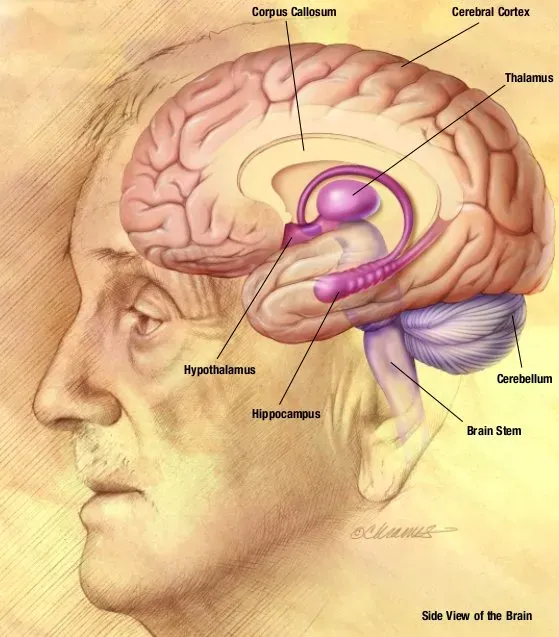
You have probably heard the claim that your brain peaks around age 25 and deteriorates from there. Science just tossed that notion out the window, and I think we should all breathe a collective sigh of relief. A massive lifespan study rewrote one of the most persistent myths in neuroscience, finding that researchers identified five major stages of brain-network organization, with transitions around ages 9, 32, 66, and 83.
The analogy researchers used is genuinely perfect. The brain continuously installs new “operating system versions” across life. This moves the conversation from “decline” to adaptive re-architecting. Your brain at 66 is not a failing version of your brain at 25. It is a different, updated version, tuned for different priorities. That reframing is powerful, and it has real consequences for how we think about education, career, and mental health at every life stage.
A Tiny Piece of Your Brain Contains Staggering Complexity
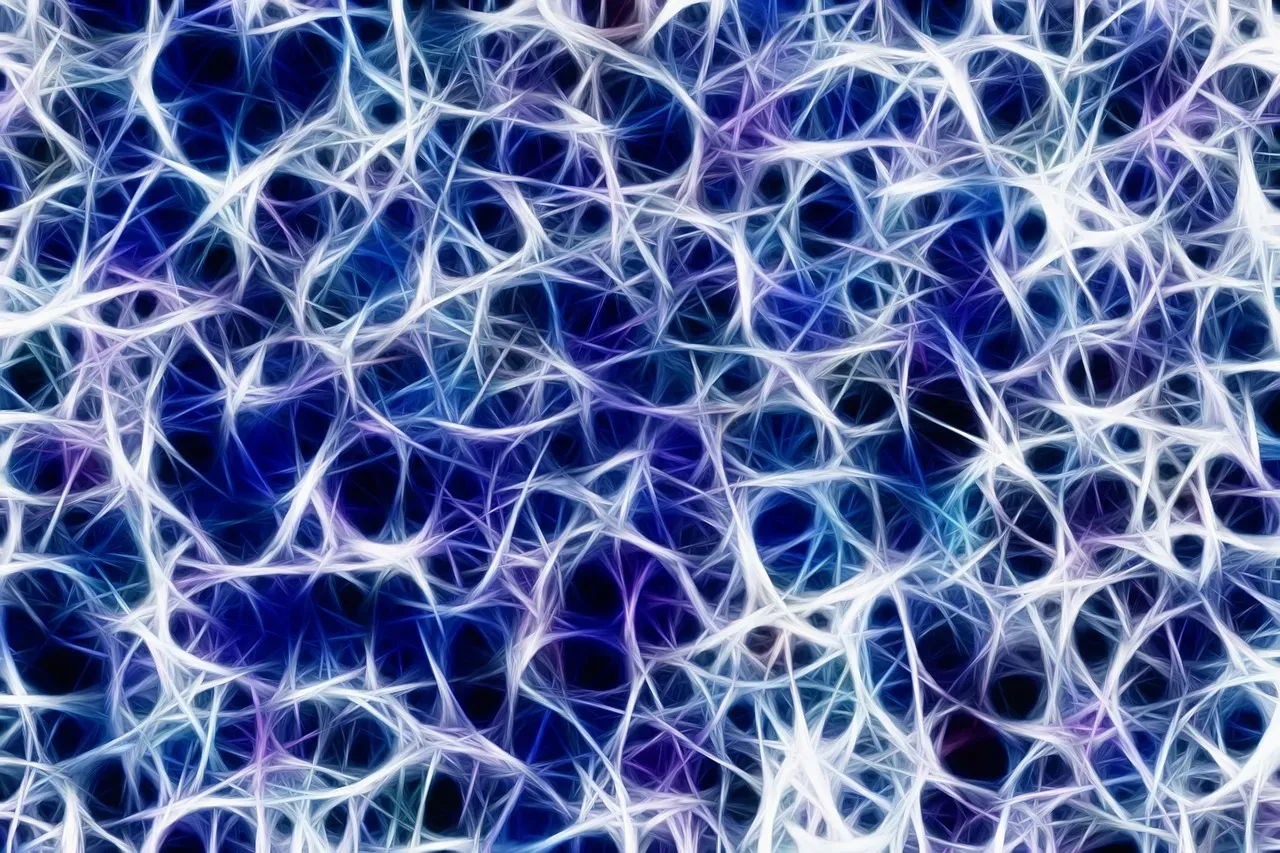
Let’s be real: most people picture the brain as a somewhat uniform blob of gray matter doing vaguely complicated things. The actual scale of what is happening inside your skull is something no analogy fully captures. The human brain has 86 billion neurons connected by roughly 100 trillion synapses, making it one of the most complex objects in the known universe.
A piece of brain tissue the size of a grain of sand contains 100,000 neurons and 1 billion synapses. One grain of sand. Compare that to how a grain of sand looks on a beach, and you start to grasp the truly mind-bending density of what sits inside your head. The galaxy is home to more than 100 billion stars, but those inconceivable numbers pale in comparison to the roughly 100 trillion synaptic connections between brain cells, or neurons.
Your Brain’s Memory Could Store the Entire Internet
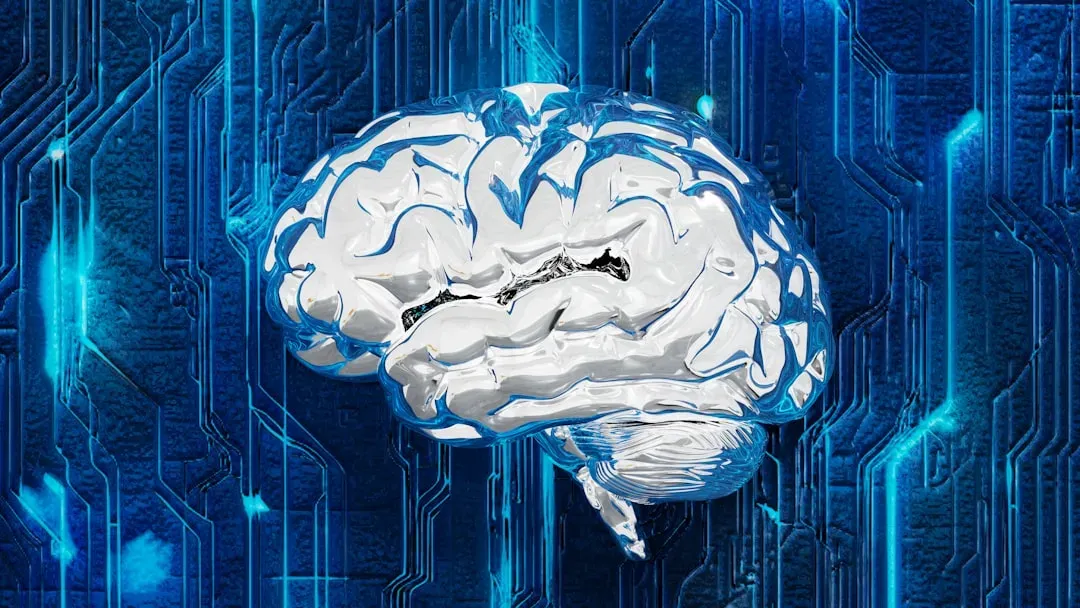
Your laptop slows down, fills up, and eventually needs an upgrade. Your brain does none of those things. Your neural networks may be capable of storing up to 2.5 petabytes of information, equivalent to about 20,000 iPhones with 128 gigabytes of storage. Researchers note that brains are more flexible than computers when it comes to storing memories and other information.
Some estimates push that figure even further. The latest research shows that the brain’s memory capacity is in the petabyte range. A petabyte is a quadrillion bytes. Astoundingly, this is about the same amount needed to store the entire internet. The fact that this storage system fits inside a structure that weighs no more than a bag of sugar is, frankly, a little embarrassing for every hard drive ever manufactured.
Your Brain Has a Unique Fingerprint Like No Other
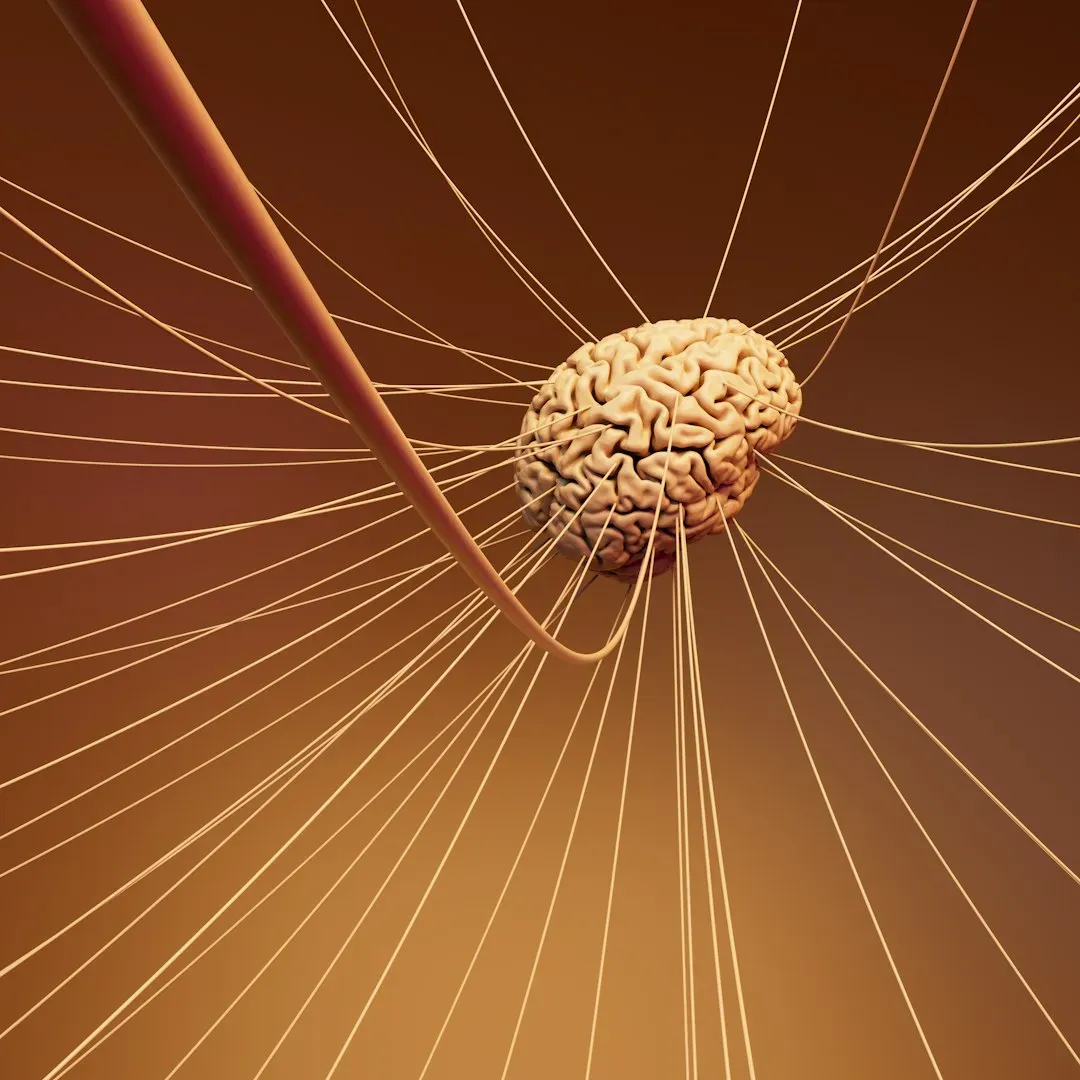
You already know that your fingerprints are unique. What you might not know is that your brain’s internal wiring pattern is just as distinctive. Every brain has a unique functional connectivity profile, or pattern of how different areas of the brain connect. These profiles are distinct enough to identify an individual from a group solely using fMRI technology, imaging that measures blood flow to show activity in the brain.
This discovery has enormous implications. It means that no two brains, not even those of identical twins, process the world in quite the same way. Recent human brain studies reveal a structure that is not fixed but constantly changing, rewiring itself in response to learning, injury, and age. Advances in imaging, genetics, and artificial intelligence have pushed brain science forward at a pace unseen before. These discoveries offer a deeper look into how the brain develops, adapts, and sometimes fails. Your brain’s wiring is essentially a biological autobiography, shaped by every experience you have ever had.
Scientists Are Now Building Lab-Grown Models That Mimic Your Brain
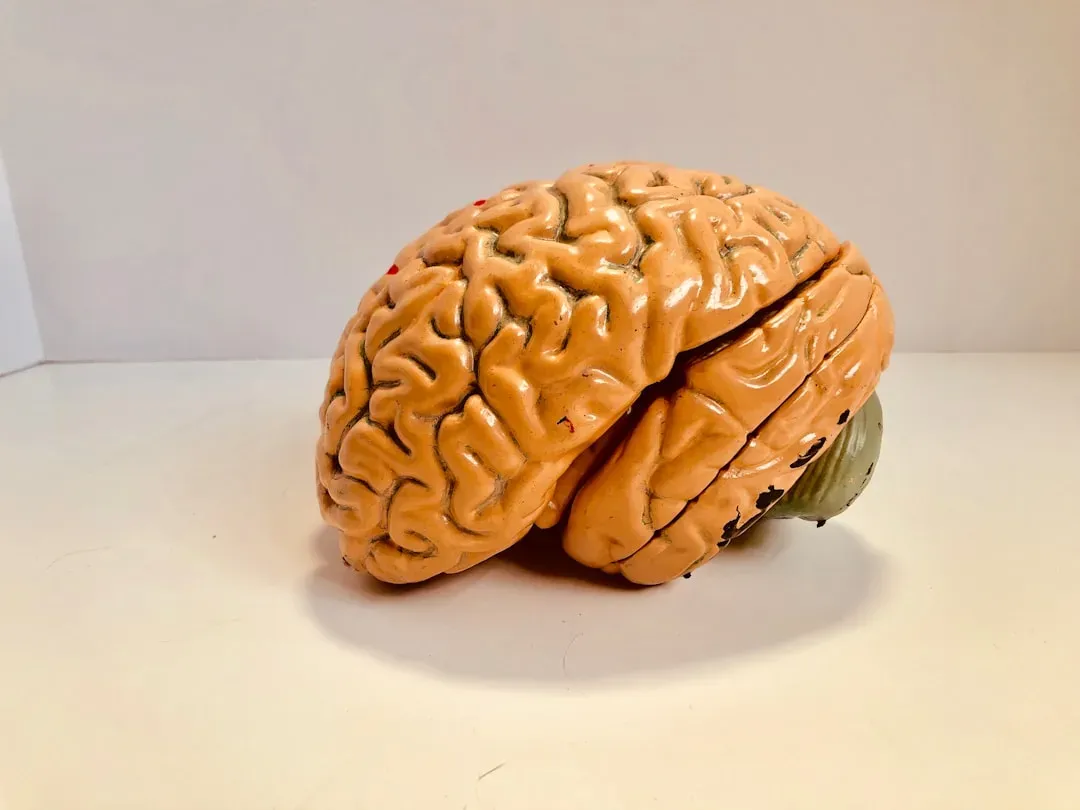
This one sounds like a plot from a science fiction film, but it is happening right now in research labs. Organoids, tiny clumps of lab-grown brain tissue, have been around for years. In 2024 and 2025, researchers connected a cortical organoid to a simple learning environment where it had to keep a virtual pole balanced. A lab-grown cluster of brain cells, learning to play a game. Let that sink in.
Meanwhile, MIT researchers have gone even further by engineering a miniature brain model from scratch. The miBrain’s hydrogel-based “neuromatrix” mimics the brain’s extracellular matrix with a custom blend of materials that provide a scaffold for all the brain’s major cell types while promoting the development of functional neurons. Researchers expect that miBrains could advance research discoveries and treatment modalities for Alzheimer’s disease and beyond. These models could change the way scientists test new drugs, study disease, and ultimately develop treatments for neurological conditions that affect hundreds of millions of people worldwide.
Conclusion: The Most Fascinating Machine Has Been With You All Along
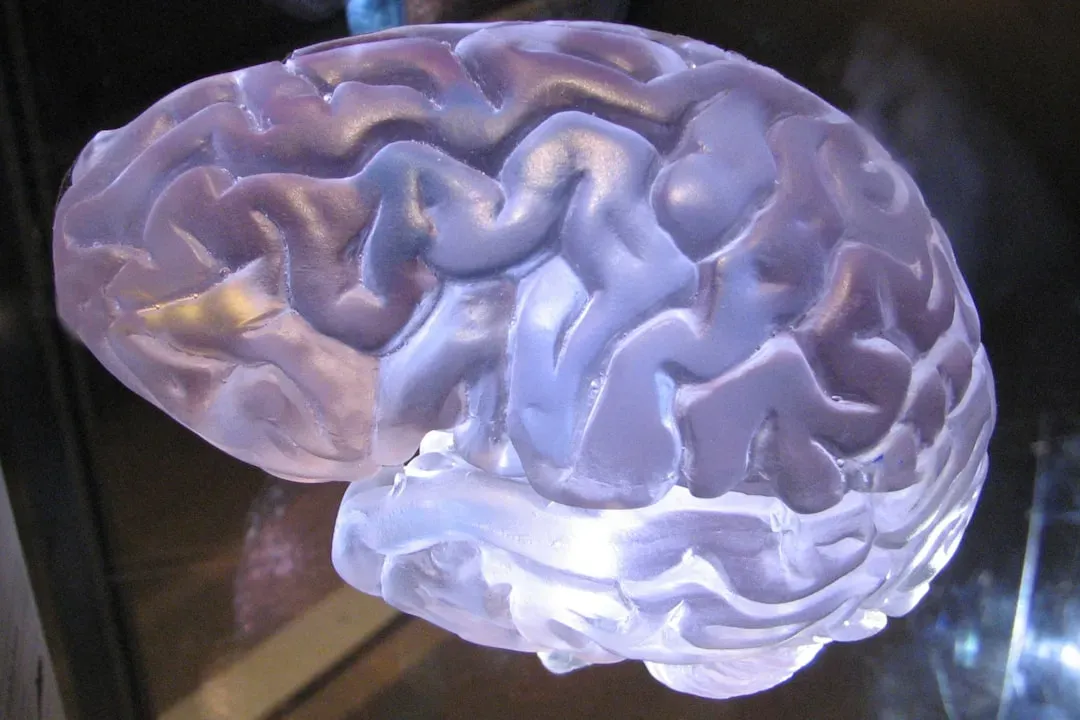
Here is what strikes me most after absorbing all of this: the brain is not just an organ. It is a living, glowing, self-rewiring, uniquely fingerprinted universe that spends every moment of your life quietly performing miracles you are barely aware of. It builds new cells into your late seventies. It tells real from imagined. It stores more than the entire internet. It never truly peaks.
Neuroscience research now shows that intelligence, memory, and emotional regulation are not fixed traits but dynamic processes influenced by sleep, nutrition, learning, and environment. This perspective changes how people approach education, mental health, and aging. That is not just a scientific finding. That is an invitation to treat the brain as the extraordinary, adaptable, and deeply personal system it truly is.
Every discovery listed here was considered impossible or unverifiable just years ago. Imagine what science will uncover in the decade ahead. What do you think is the most mind-blowing discovery on this list? Drop your thoughts in the comments, we would love to know what surprised you most.