
Some animals seem to live with a kind of built-in GPS, weather radar, and survival manual all rolled into one. They make impossible journeys, predict storms, sense disasters, and navigate oceans without maps or training – and they do it from birth. Even in 2026, with satellites in space and supercomputers crunching data, there are instincts in the animal world that still leave scientists quietly stunned.
What makes these instincts so gripping is that animals just “know” what to do, with no YouTube tutorials, no parents walking them through a checklist. I remember watching a video of tiny sea turtles sprinting toward the waves the very second they hatched, and feeling this weird mix of awe and discomfort – like they knew something about the world that we don’t. Let’s dive into eight of the most jaw-dropping animal instincts that, even today, no one has fully cracked.
Monarch Butterflies’ Multi‑Generation Migration
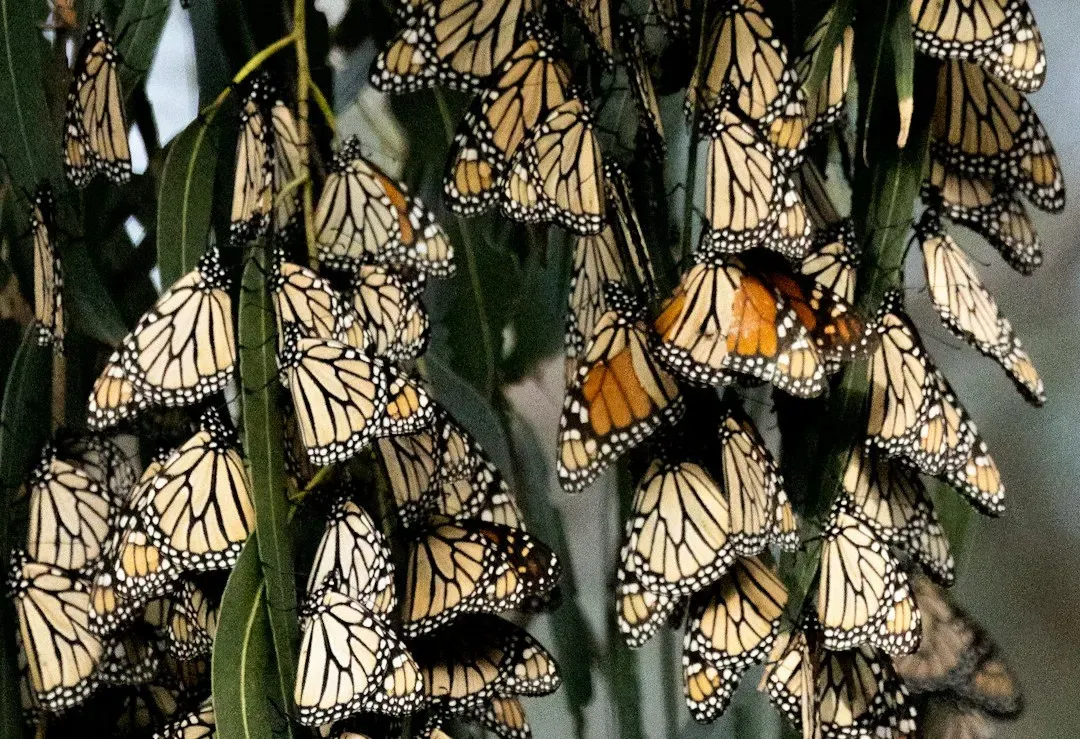
Imagine trying to finish a road trip your great-grandparents started, using a map they never wrote down. That’s basically what monarch butterflies do. Every year, these delicate insects travel thousands of kilometers between Canada and the United States down to specific mountain forests in central Mexico – yet no single butterfly makes the round trip. The butterflies that return north are several generations removed from the ones that left.
Scientists know monarchs use a kind of internal sun compass, taking cues from the position of the sun and a clock in their brains that adjusts for time of day. But that still doesn’t explain the eerie precision with which they return to the same tiny patches of forest, sometimes even the same trees. How does the instinct for such a detailed route get encoded and passed through generations that never meet? The basic outline is known, but the fine print of this inherited GPS remains a mystery.
Salmon Finding Their Birth River Years Later
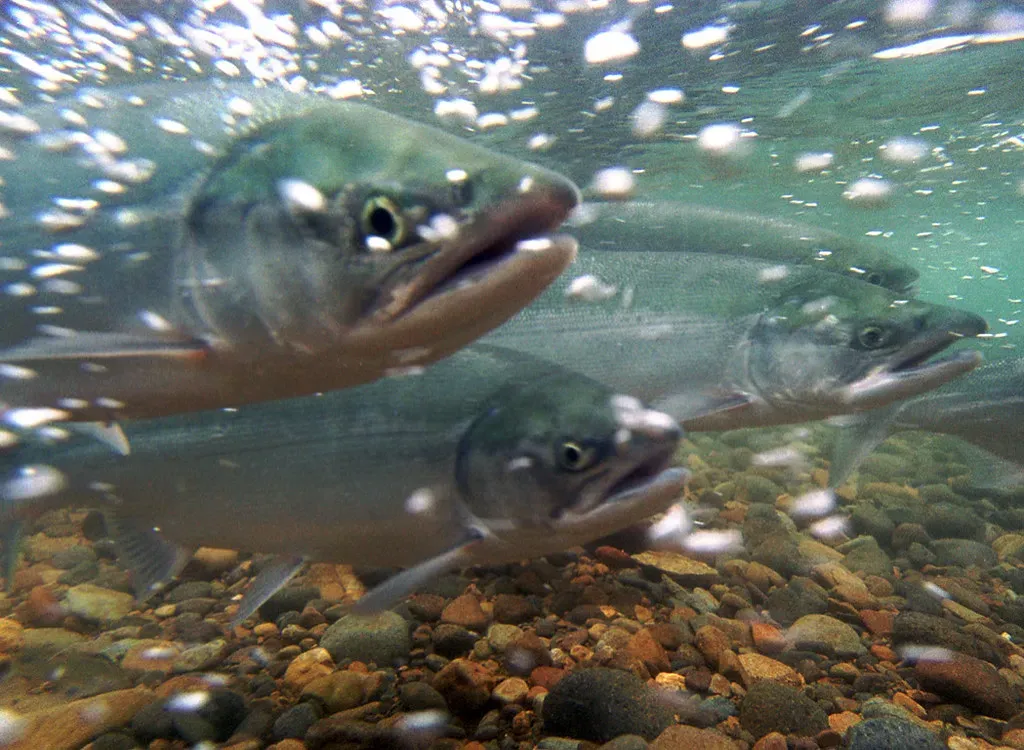
Salmon are born in freshwater streams, drift out to the vastness of the ocean, and spend years roaming open waters. Then, as adults, they turn around and somehow fight their way back to the exact river – often the exact stretch of river – where they hatched. It’s like moving away as a baby, and in your thirties, blindly finding your way back to the same side street you were born on without ever having seen it again.
Researchers think salmon rely heavily on smell, building a kind of chemical memory of their home river as juveniles. They also seem to use Earth’s magnetic field as a broad navigational guide across the ocean. But knowing they use smell and magnetism isn’t the same as fully explaining how. How does a fish’s brain store a river’s chemical signature for years? And how do these two systems – magnetic navigation and scent memory – mesh together so precisely that salmon can home in on one waterway out of countless options?
Birds Navigating Using Earth’s Magnetic Field
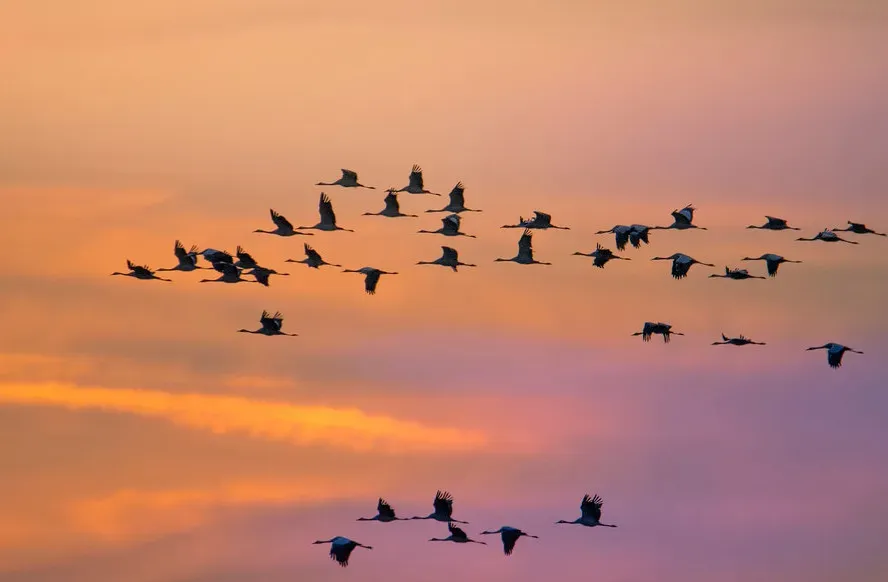
Many migratory birds fly thousands of kilometers across continents and oceans, traveling at night, through clouds, with no visible landmarks or GPS devices. Yet they still arrive in roughly the right place, in the right season, often with stunning accuracy. People have long suspected they somehow “feel” Earth’s magnetic field, using it like an invisible map, and modern experiments strongly support that idea.
Here’s the baffling part: we still don’t fully understand what that magnetic sense actually is. Some studies suggest birds have special light-sensitive molecules in their eyes that change states in response to magnetism, letting them literally see magnetic fields as patterns or colors. Others point to tiny particles of magnetic material in their beaks or brains. It’s possible they’re using more than one system at once. Whatever the mechanism, birds are quietly pulling off a trick that, for us, would require sophisticated technology.
Sea Turtles Returning to the Same Beach After Decades
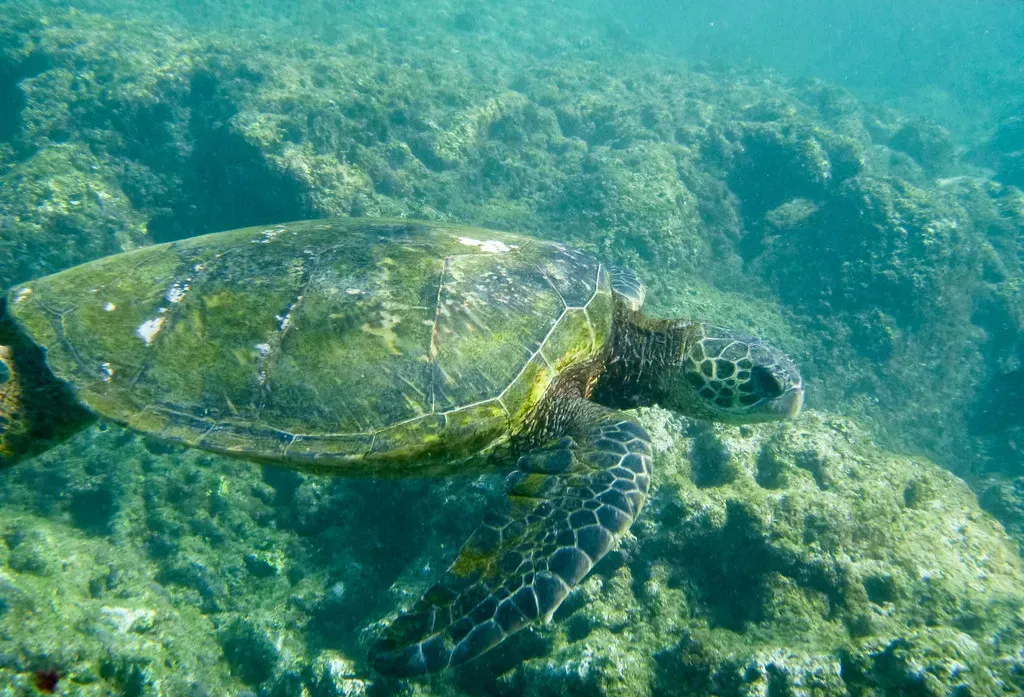
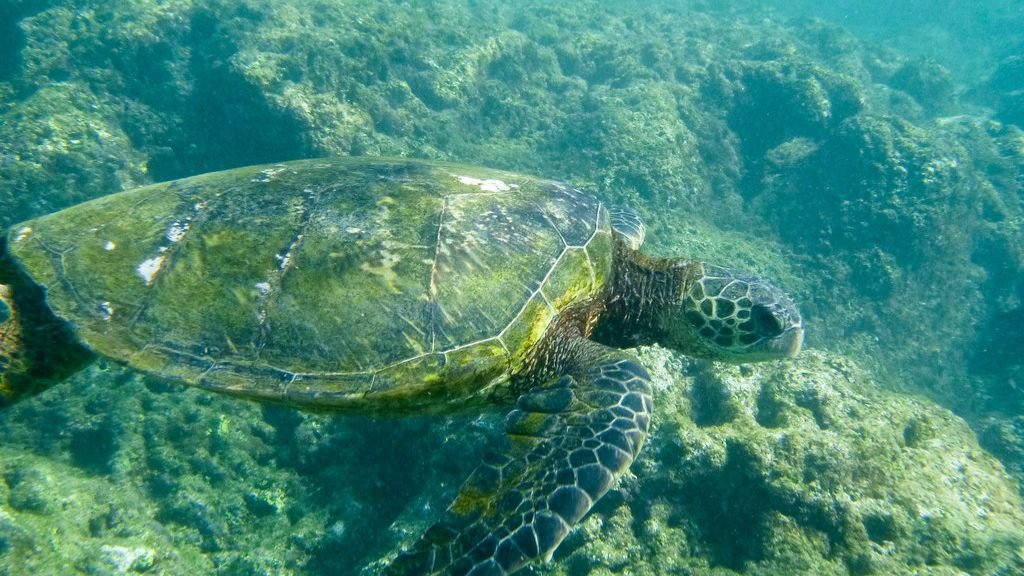
Female sea turtles can spend decades wandering the oceans, crossing currents and basins humans need satellites to track. Then, as if following a note pinned inside their skulls, they haul themselves out of the water to lay eggs on the very same stretch of beach where they hatched. Some of them haven’t seen that shoreline since they were the size of a child’s hand, yet somehow, they just know.
Evidence suggests turtles imprint on the magnetic fingerprint of their natal beach when they’re young, storing a kind of magnetic postcard that they can read years later. That might explain why some nesting spots shift slightly when Earth’s magnetic field changes. Still, the level of precision is shocking. The ocean is a chaotic place, full of shifting currents and noisy signals. The fact that a reptile’s nervous system can preserve and then act on a tiny magnetic memory decades later feels almost uncanny.
Honeybees’ Perfectly Efficient Hive Behavior
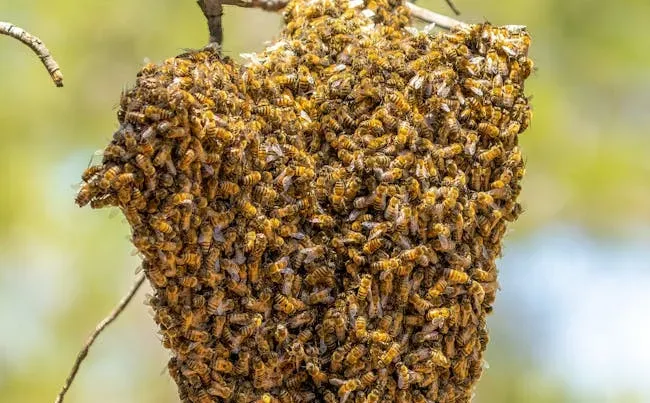
Honeybees are tiny, but their hive behavior is like something out of a finely tuned factory or a well-run city. Without any central leader giving orders, thousands of bees coordinate complex tasks: building hexagonal combs with stunning efficiency, regulating the hive’s temperature, communicating food sources, deciding when to swarm, and even choosing a new home. Individual bees are not strategic masterminds, yet the colony as a whole behaves with almost eerie intelligence.
Scientists have uncovered many pieces of the puzzle: chemical signals, waggle dances, vibration patterns, and simple behavioral rules that guide each bee. What’s still deeply puzzling is how such simple individual instincts combine into such sophisticated group decisions. How does a cloud of insects reach a near-optimal choice of nesting site as if they weighed pros and cons? The instinctive rules are only partly mapped; the full leap from simple neuron to collective wisdom still feels like a black box.
Termites Building Climate‑Controlled Skyscrapers
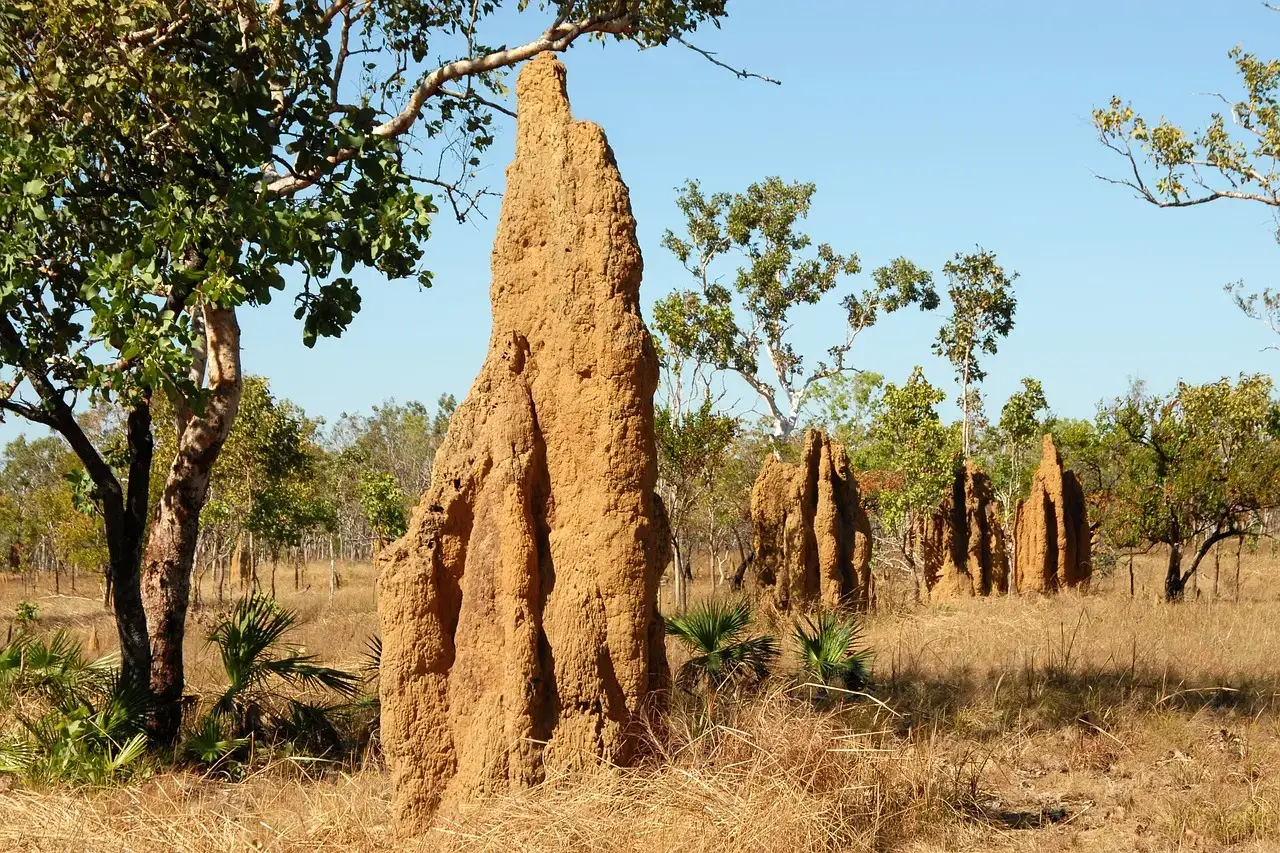
In parts of Africa, South America, and Asia, termites build towering mounds that can reach several meters high – the closest thing nature has to self-building skyscrapers. Inside, these mounds maintain surprisingly stable temperatures and gas levels, even when outside conditions swing wildly. Termites have no architects, no blueprints, no math, and yet they collectively sculpt and constantly remodel intricate tunnel networks that manage air flow like a natural air-conditioning system.
Researchers have started to understand some of the physics and simple behavioral rules behind these structures. Termites respond to tiny changes in temperature, humidity, and gas concentration by adding or removing bits of soil. Over time, those millions of tiny decisions create large-scale ventilation systems. But we still don’t have a complete picture of how local instincts produce designs so tuned to their environment that engineers are now studying them for building inspiration. The termites just… keep building, as if they’re following a plan no one can see.
Ant Colonies Acting Like a Single Super‑Organism
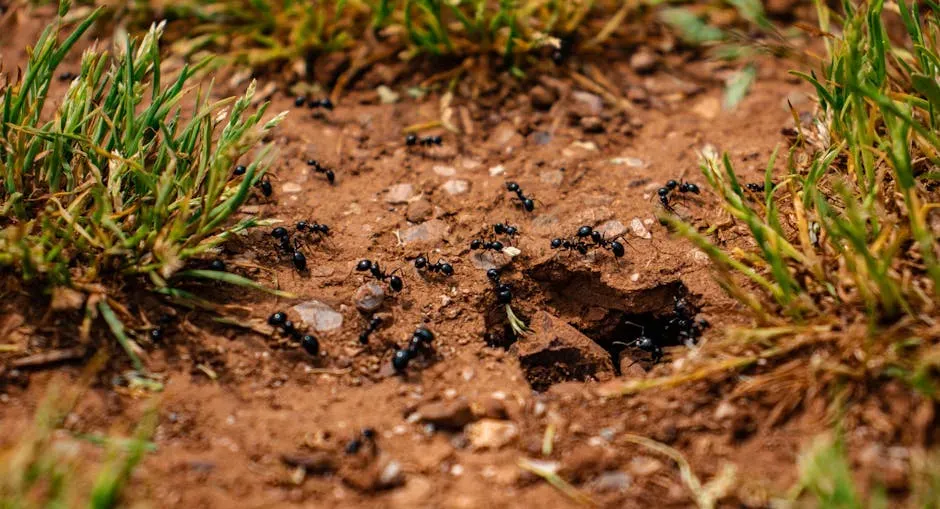
Watch an ant colony for a while and it stops feeling like you’re looking at lots of individuals. Instead, it feels like you’re watching one big creature made up of thousands of moving pieces. Without any obvious manager, ants collectively find shortest paths to food, organize traffic, allocate workers to different jobs, defend their nest, and relocate when they outgrow their home. Each ant is relatively simple; the colony’s behavior is anything but.
Researchers have mapped some of the rules: how ants leave chemical trails, how they follow and reinforce those trails, how they bump into each other and change tasks based on encounter rates. Still, there’s a gap between basic rules and the emergent intelligence we actually see, like colonies rapidly adjusting to obstacles or new food sources. The instinctive programming that lets a tiny brain plug into a huge, flexible network is powerful and not fully decoded. Even with simulations and models, the real thing continues to surprise.
Earthquake and Storm Sensing in Animals

From ancient times to social media clips today, people keep noticing the same pattern: animals acting strangely right before earthquakes, tsunamis, or big storms. Dogs whine or refuse to go outside, birds suddenly take flight, farm animals crowd into odd corners, and sometimes wild animals flee low-lying areas shortly before disaster hits. Scientists are cautious about these stories, but there are enough consistent observations that the topic refuses to go away.
One idea is that animals pick up on ultra-low-frequency vibrations, changes in groundwater, or shifts in air pressure and infrasound long before humans do. Some might sense tiny electrical changes in rocks before a quake, or subtle weather cues before a major storm. A few controlled studies hint there may be something real here, but the data is messy and hard to standardize. For now, the instinct that tells some creatures to bolt for safety before we see anything wrong is more mystery than method, hovering on the edge of science and lived experience.
Conclusion: Instincts That Outrun Our Explanations
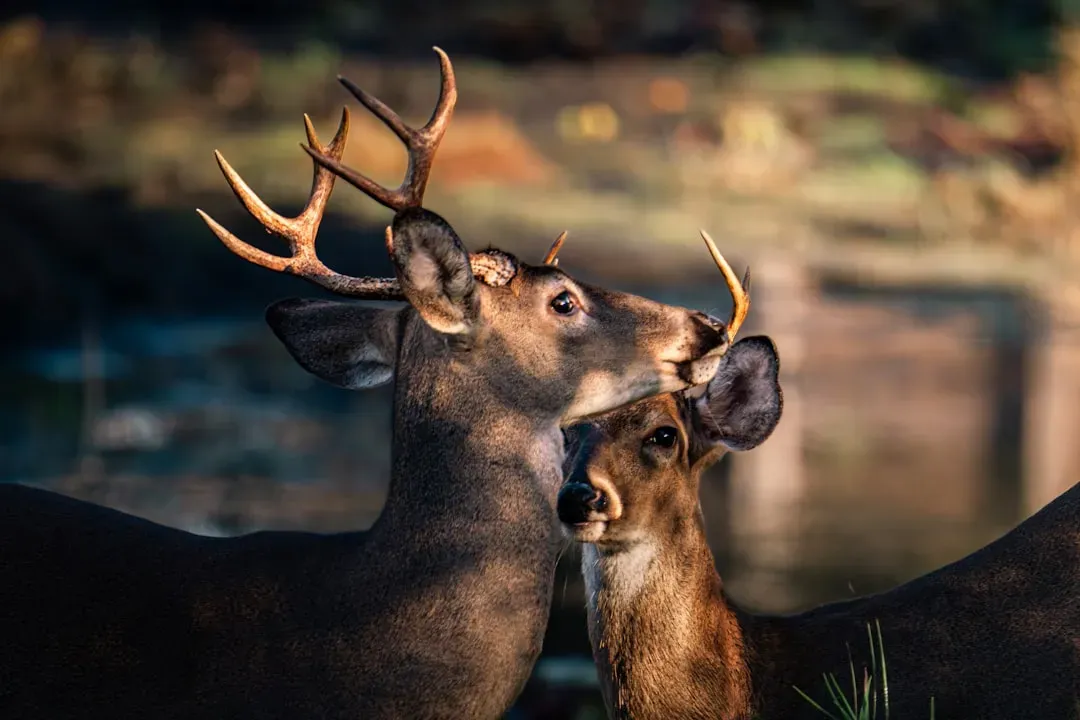
Across butterflies, fish, birds, insects, turtles, and mammals, one theme keeps showing up: instincts are not just simple reflexes. They’re complex, deeply wired survival strategies that let animals solve problems we often need technology to handle. We’ve identified some building blocks – magnetic sensing, chemical cues, simple group rules – but stitching those pieces into a full, satisfying explanation is still a work in progress.
For me, the most humbling part is this: these animals aren’t “trying” in the way we think about effort; they’re just being themselves, and that’s enough to accomplish something close to miraculous. In a world where we lean heavily on apps, devices, and algorithms, it’s oddly grounding to remember that a bee, a salmon, or a turtle can navigate, decide, and survive with nothing but instincts written in their nerves. Which of these hidden abilities surprised you the most?