
If you think superpowers are only for comic books and blockbuster movies, the animal world is about to prove you wrong. Hidden inside forests, oceans, deserts, and even your own backyard are creatures doing things that break the rules we thought biology had to follow.
Some animals can regrow body parts, others sense the Earth’s magnetic field like a built‑in GPS, and a few survive levels of radiation and cold that would wipe out almost anything else. Once you start digging into these abilities, ordinary life suddenly looks very, very basic in comparison. Let’s dive into eight real‑life “superpowers” that feel more like science fiction than nature.
1. Axolotls: The Salamanders That Regrow Limbs (And More)
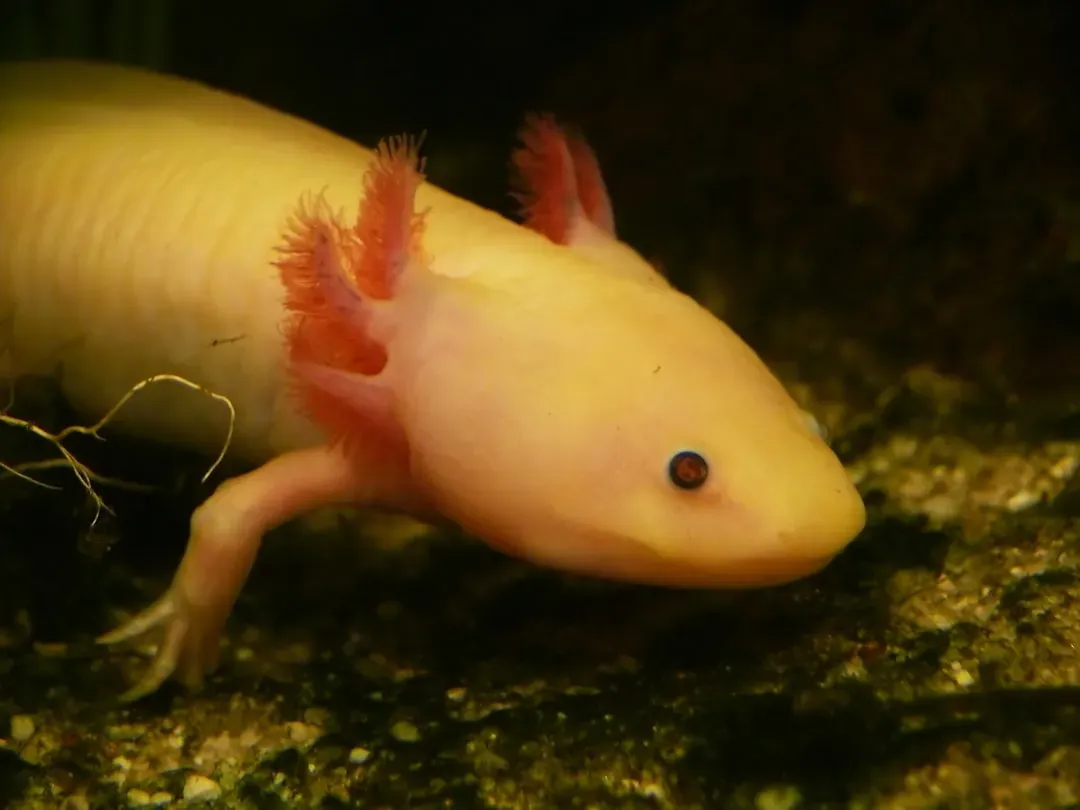
Imagine losing an arm and simply… growing it back, bone, muscle, nerves, and skin included. That’s everyday life for the axolotl, a strange, permanently “teenage” salamander from lakes in and around Mexico City. When an axolotl loses a limb, it forms a special structure called a blastema, basically a bundle of cells that can turn into almost any tissue the body needs.
It doesn’t stop at arms and legs either. Axolotls can regrow parts of their spinal cord, heart, jaw, and even parts of their brain without leaving scars. Scientists are obsessed with them because understanding how they do this could someday help humans heal from spinal injuries or lost limbs far better than we can now. It’s like nature already solved a medical problem we’re barely beginning to understand, and the answer is swimming around in a muddy lake.
2. Tardigrades: Almost Unkillable Microscopic “Bears”
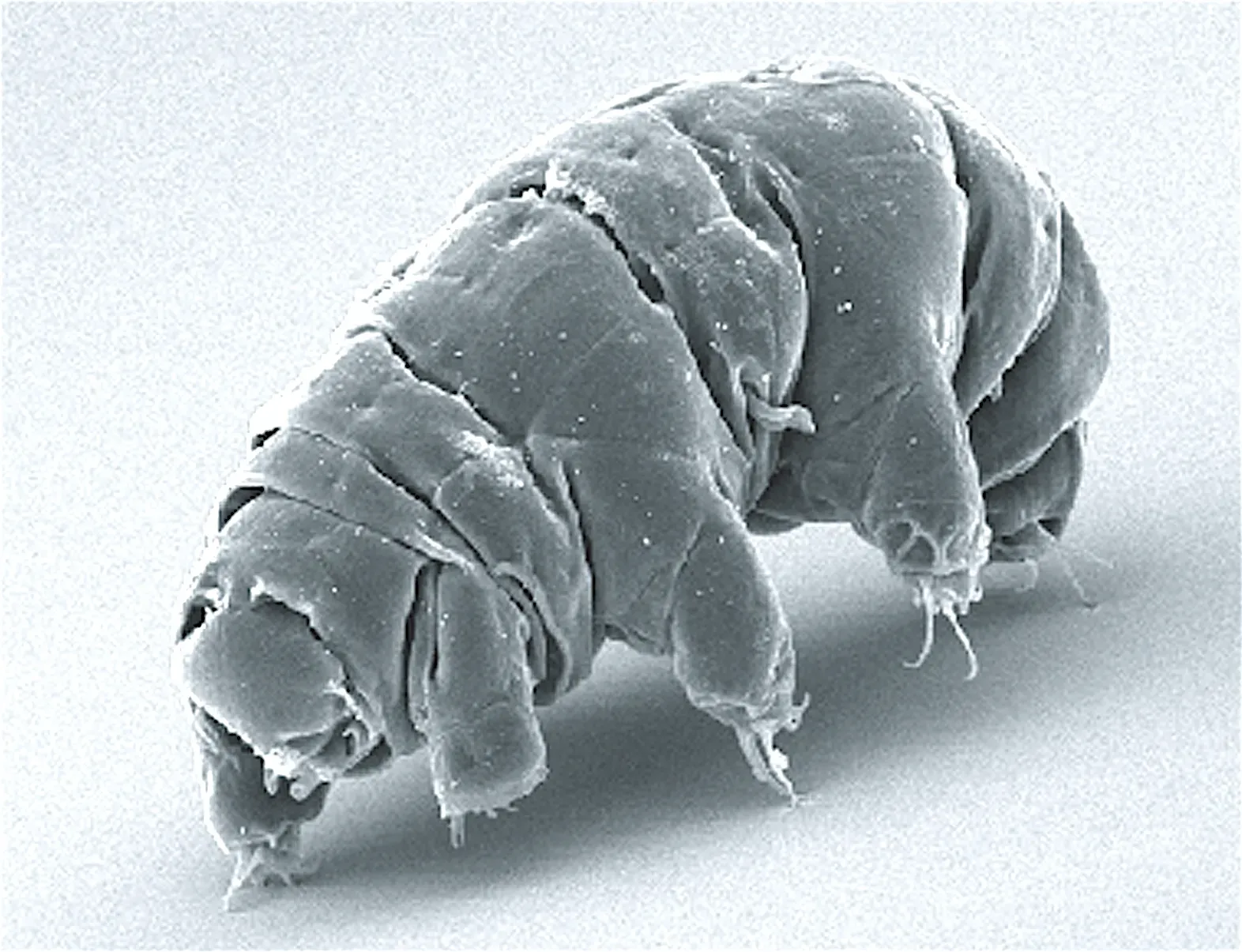
Tardigrades, also called water bears, look like tiny eight‑legged gummy bears under a microscope, but they’re tougher than almost anything on Earth. These microscopic animals can survive extreme heat, intense cold close to absolute zero, huge doses of radiation, and crushing pressure that would flatten most life forms. They do this using a trick called cryptobiosis, where they dry out, curl into a tiny ball, and basically put their lives on pause.
In this state, their metabolism nearly stops and their DNA is shielded and stabilized, allowing them to ride out disasters that would destroy other creatures. Tardigrades have even survived exposure to the vacuum of space during experiments on the outside of spacecraft. When conditions improve, they simply rehydrate and shuffle back to life, as if nothing happened. It’s like having a built‑in “save game” button for your body.
3. Mantis Shrimp: Punches So Fast They Boil Water
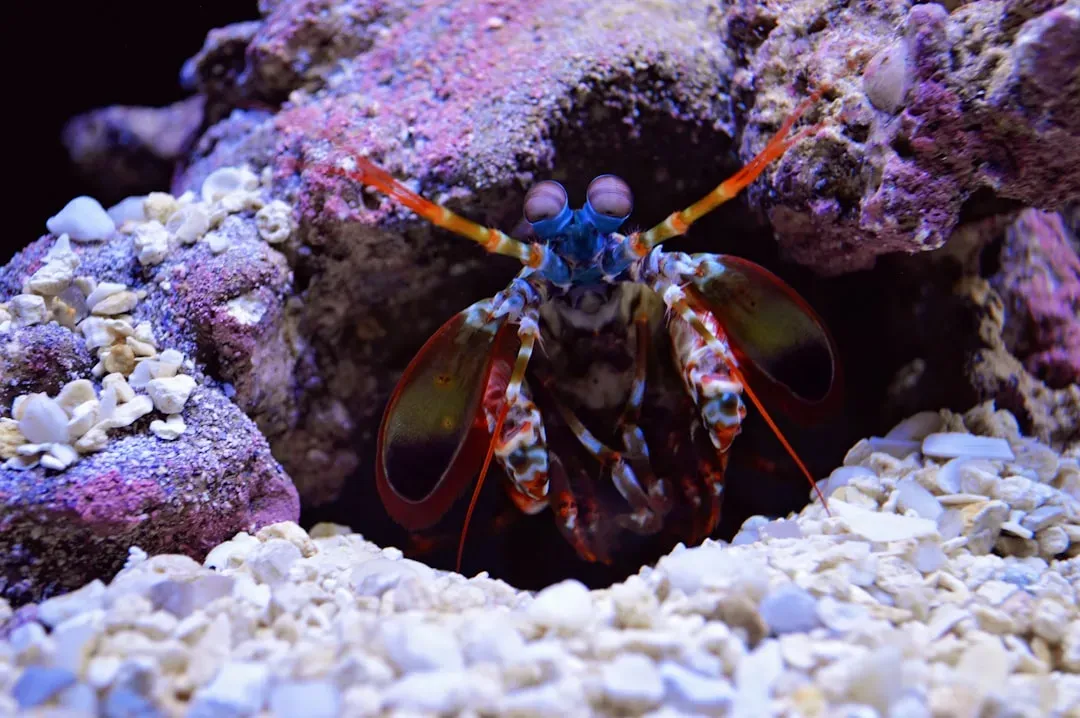
Mantis shrimp are small, colorful sea creatures with the equivalent of concealed spring‑loaded hammers built into their front limbs. When they strike, those limbs shoot forward with such speed that they create tiny bubbles in the water that collapse in a flash of heat and light. This shockwave can stun or kill prey even if the physical strike somehow misses by a hair.
The speed of their punch has been compared to a bullet leaving a gun, and their club‑like limbs can crack aquarium glass if they hit it just right. Engineers study mantis shrimp shells because they absorb and spread out impact incredibly well, inspiring better armor and materials. It’s wild to think that something a few inches long is carrying around a weapon system more advanced than a lot of human tech.
4. Electric Eels: Animals With Built‑In Power Plants
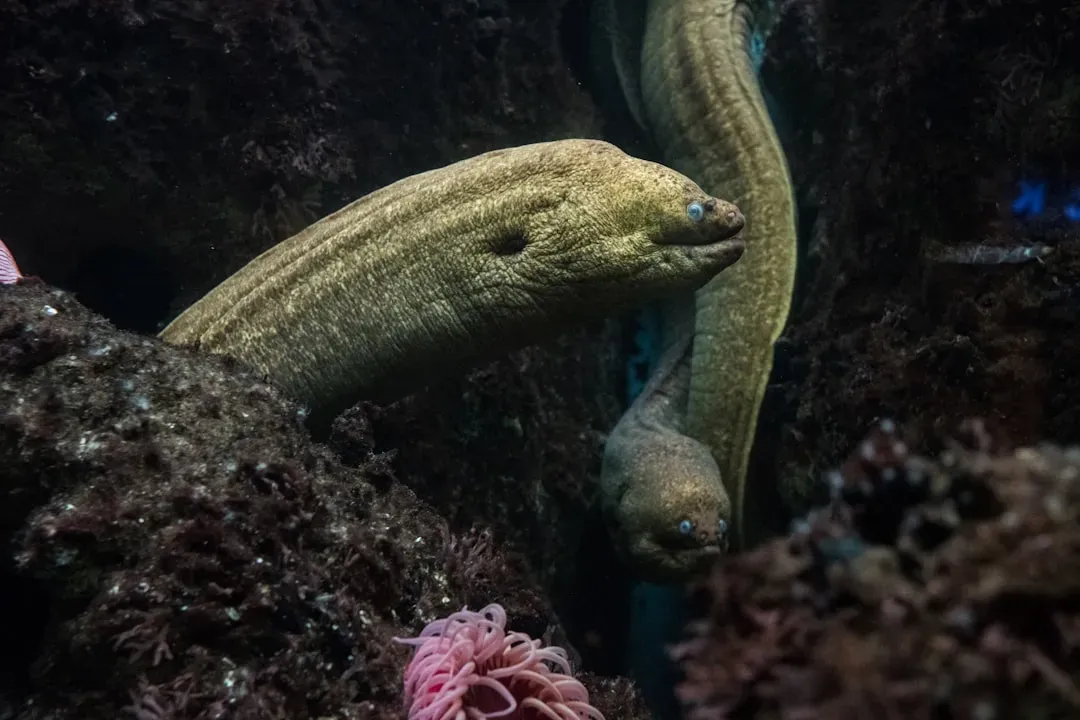
Electric eels don’t just give off a little static shock; they generate powerful electric discharges strong enough to stun prey and deter predators. Their bodies are basically stacked batteries made of modified muscle cells called electrocytes. When they fire, these cells discharge all at once, creating a strong electric pulse that can be felt from a distance in the surrounding water.
They can control low‑voltage and high‑voltage shocks like different modes, using softer pulses to sense their surroundings and stronger blasts to attack or defend. Researchers have even used electric eels to power small electronic devices in controlled experiments. It feels like something straight from a sci‑fi gadget manual: an animal that comes with its own renewable power system built in from birth.
Pistol Shrimp: Blasting With a Sonic “Bubble Gun”
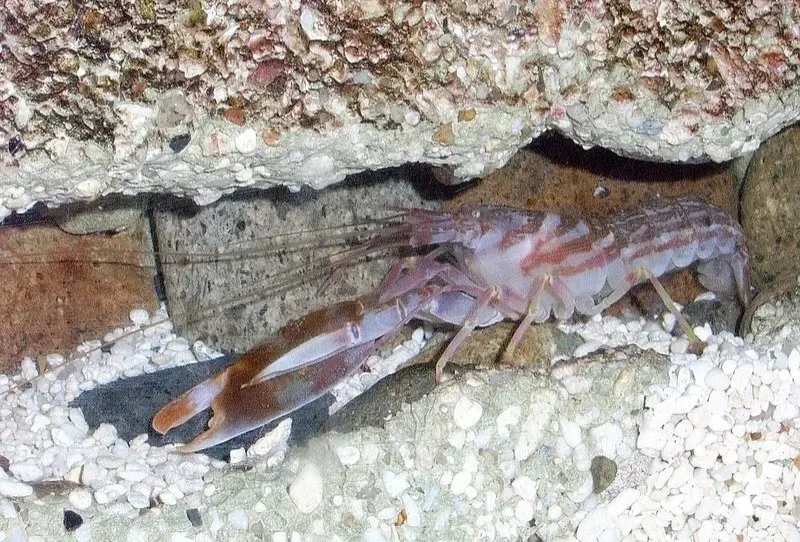
The pistol shrimp, also known as the snapping shrimp, fights with sound and physics instead of brute force. It has one oversized claw that it snaps shut so fast it shoots out a bubble traveling at incredible speed. When that bubble collapses, it releases a burst of energy that creates a shockwave strong enough to knock out or kill small prey nearby.
For a split second, the temperature inside that collapsing bubble spikes to levels comparable to the surface of the sun, and a tiny flash of light is produced. We’re talking about a creature only a few centimeters long casually weaponizing pressure and temperature underwater. It’s as if nature gave this little shrimp a microscopic energy cannon and told it to go wild on the ocean floor.
6. Homing Pigeons: Built‑In Magnetic GPS
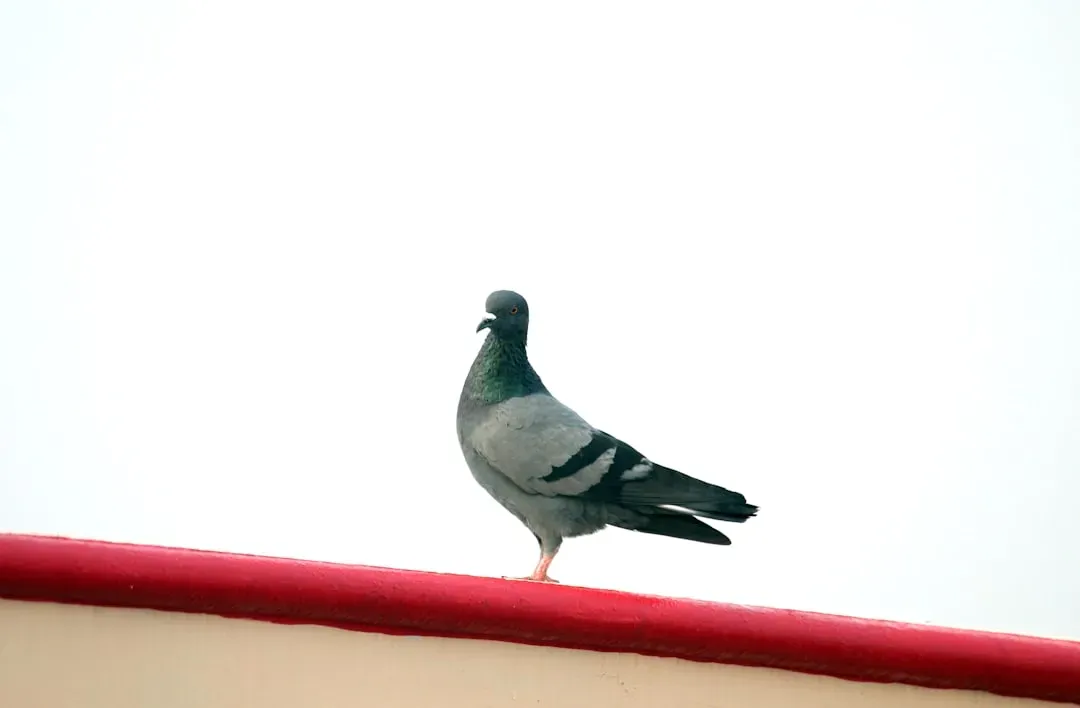
Long before smartphones told us where to go, humans used homing pigeons to carry messages across huge distances. These birds can return to their home loft from faraway locations they’ve never seen before, even when released hundreds of kilometers away. Evidence suggests they’re sensing the Earth’s magnetic field with special receptors in their bodies, giving them a kind of internal compass.
On top of that magnetic sense, they seem to use the position of the sun, smells carried on the wind, and landmarks to fine‑tune their routes. When you put all those tools together, it’s like they’re running a multi‑layer navigation app in their brains. Watching a pigeon circle once or twice and then confidently head off in exactly the right direction feels almost supernatural when you know how far it’s going.
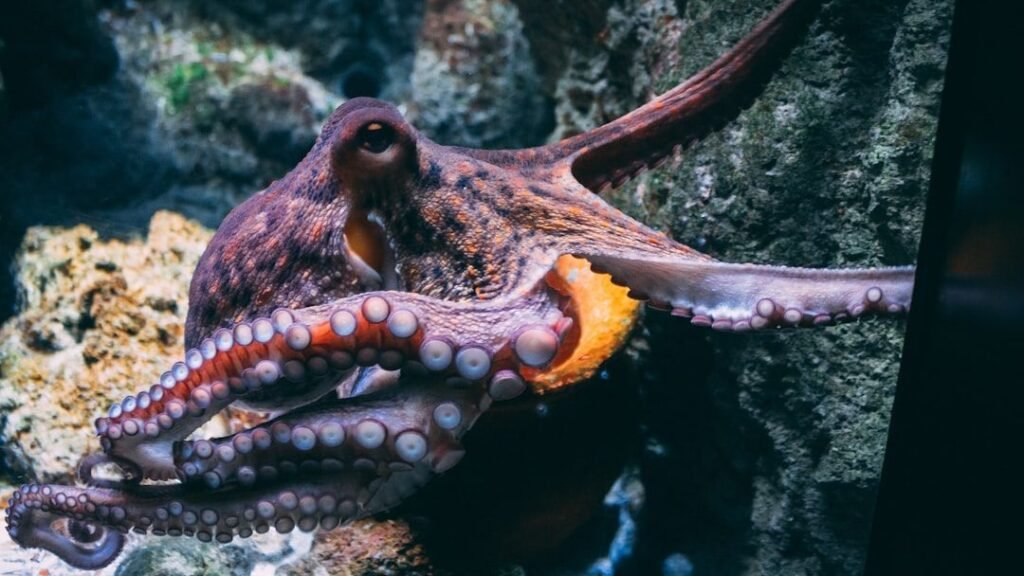
7. Octopuses: Masters of Camouflage and Escape
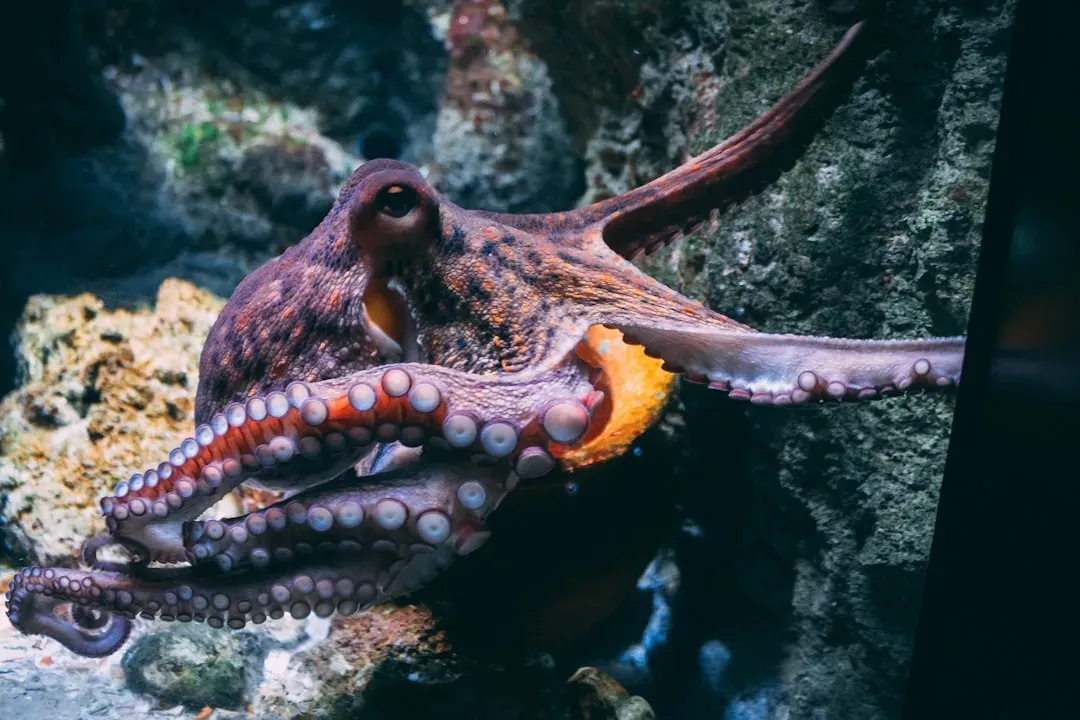
Octopuses are like living, thinking shapeshifters. Their skin is packed with special cells that change color and texture almost instantly, letting them match coral, rocks, sand, or even fake aquarium decorations with shocking accuracy. Some species can mimic other animals entirely, copying the shape and movement of lionfish, sea snakes, and flatfish to blend in or scare predators away.
But their camouflage is only half the story. Octopuses can unscrew jars, solve puzzles, squeeze through gaps the size of a coin, and remember solutions to problems they’ve seen before. They’ve been known to escape from tanks at aquariums, wander around, grab food, and slip back in like nothing happened. They feel less like “sea creatures” and more like intelligent aliens temporarily renting space in our oceans.
8. Bombardier Beetles: Insects With Chemical Cannons
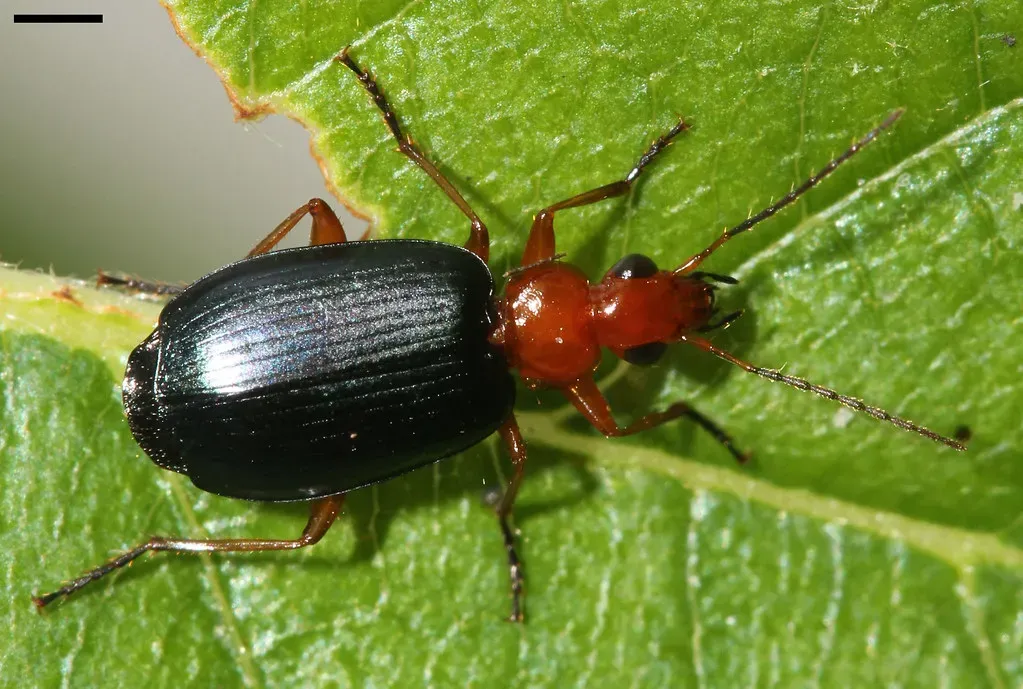
Bombardier beetles look pretty ordinary until you see what they do when threatened. They have a built‑in chemical mixing chamber in their abdomen where they store two different liquids. When danger appears, they pump these into a reaction chamber, where enzymes trigger an explosive chemical reaction that heats the mixture and pushes it out in a rapid burst.
The result is a hot, irritating spray that blasts from the beetle’s rear with a popping sound, aimed with surprising accuracy at predators. The spray is so intense that it can scare off frogs, birds, and other would‑be attackers much larger than the beetle itself. It’s like carrying a tiny, reloadable chemical defense system that no one expects from such a small, harmless‑looking insect.
When you line up all these animals side by side, it starts to feel like nature has been running a secret sci‑fi lab for millions of years. Regenerating limbs, surviving space, weaponized bubbles, chemical cannons, living GPS, and real‑time invisibility would sound ridiculous if they weren’t already happening all around us.
The more closely we look, the more obvious it becomes that our idea of what is “normal” biology is way too limited. Somewhere underwater, in the soil, or flying overhead, there are creatures quietly rewriting the rules we take for granted. Which of these abilities surprised you the most?