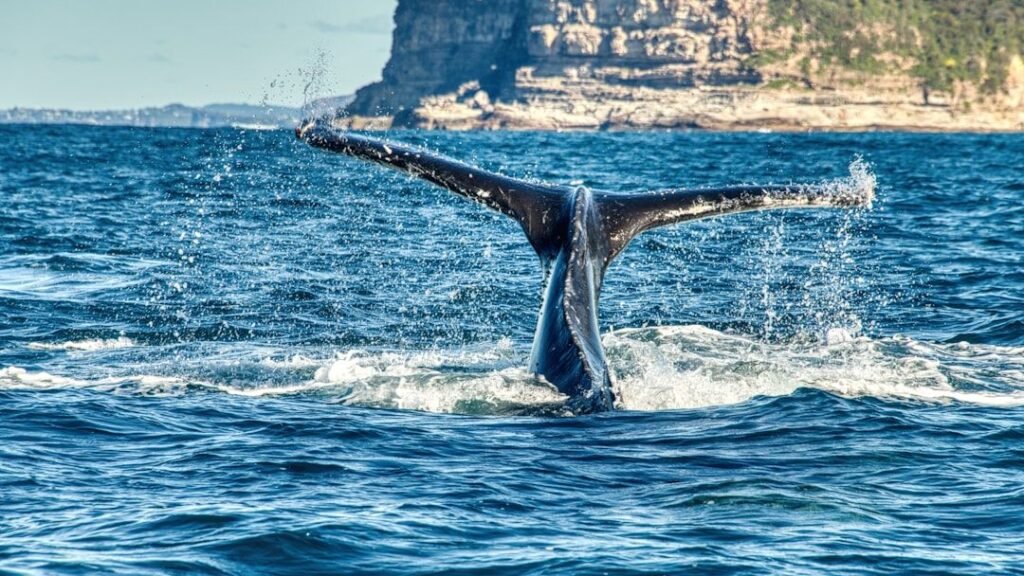

If you think endangered species work is just people in khaki vests bottle-feeding orphaned animals, you’re missing the truly wild part of the story. Behind the scenes, teams of scientists across the United States are quietly rewriting how we protect life on this continent, from gene labs and satellites to tribal partnerships and massive river restoration projects.
Some of the strategies sound almost like science fiction at first glance: gene rescue, climate-ready forests, AI listening posts that “hear” poachers and gunshots before rangers even arrive. Others are more down to earth but just as powerful, like giving rivers room to breathe again or working with ranchers so wolves and livestock can actually coexist. Let’s dive into seven of the most important ways scientists are fighting to keep US wildlife from disappearing forever.
1. Gene Banks and Assisted Reproduction for At-Risk Species
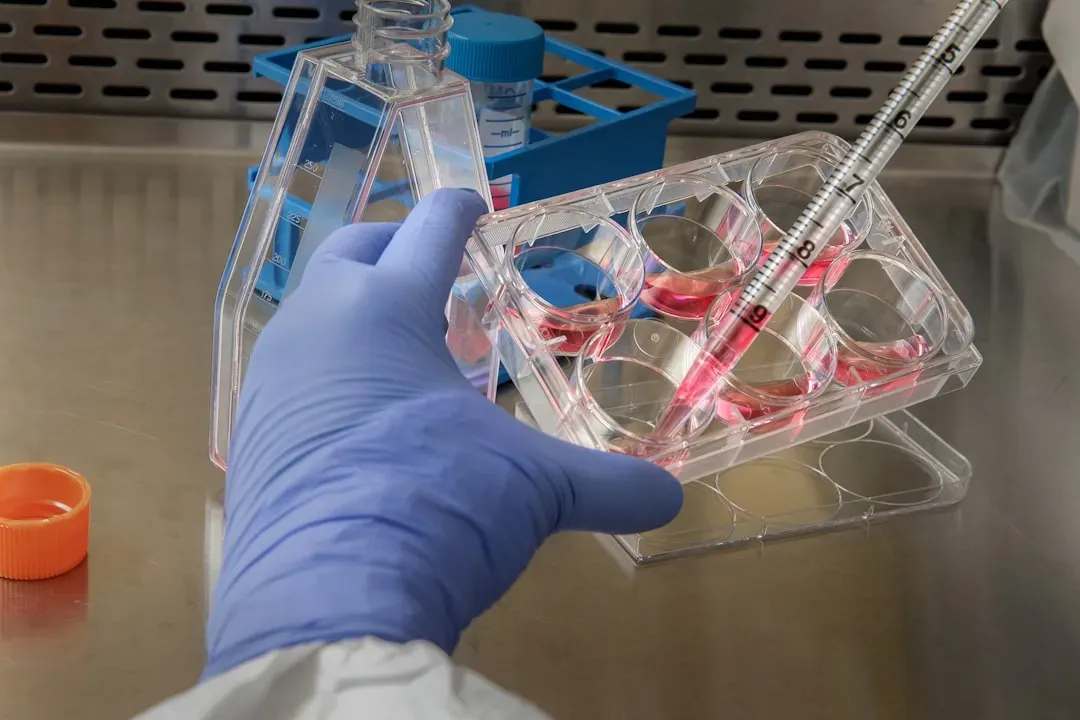
Imagine a deep-freeze vault that holds the genetic future of a species that might vanish in the wild tomorrow. That’s essentially what gene banks do, preserving sperm, eggs, embryos, and tissue samples from endangered animals such as black-footed ferrets, Florida panthers, ocelots, and certain rare birds. By storing this material in cryogenic conditions, scientists give themselves a biological time machine, a way to bring lost genetic lines back into breeding programs decades later.
Alongside gene banking, researchers are using assisted reproduction tools like artificial insemination, in vitro fertilization, and embryo transfer to boost tiny, fragile populations. For black-footed ferrets, for example, scientists have successfully used frozen sperm collected years earlier to diversify the gene pool of current litters. This kind of work is not glamorous; it involves long hours in lab coats and precise timing. But it can mean the difference between a species with inbreeding problems and one with a fighting chance to adapt and survive.
2. Genetic Rescue and Careful Use of Genomics
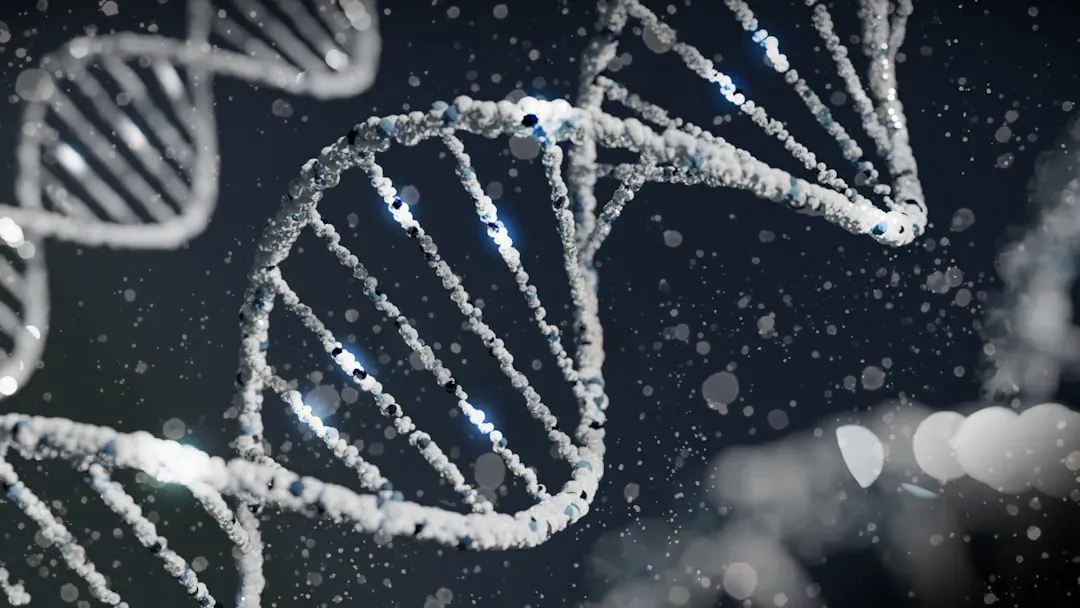
When a population becomes very small, its genetic diversity shrinks, and harmful traits can build up like rust on an old car. Genetic rescue is the strategy of carefully mixing in individuals from other populations to restore that lost diversity. Scientists use modern genomics to map out which populations of a species are most compatible and which pairings will strengthen, rather than weaken, the overall health of the group. For Florida panthers, introducing a small number of related cougars from Texas helped reduce severe genetic problems like heart defects and kinked tails.
The new twist is that genomic tools are now far more detailed than they were even ten years ago, so scientists can track thousands of genetic markers at once. That allows them to avoid the blunt, trial-and-error approach of the past and instead make very specific decisions about which animals to move or breed. There’s still debate about how far to go with high-tech interventions, especially as talk of gene editing hovers in the background. But in cases where extinction is staring a species in the face, many biologists see thoughtful genetic rescue as a moral obligation, not an overreach.
3. Rewilding and Reintroduction of Keystone Animals
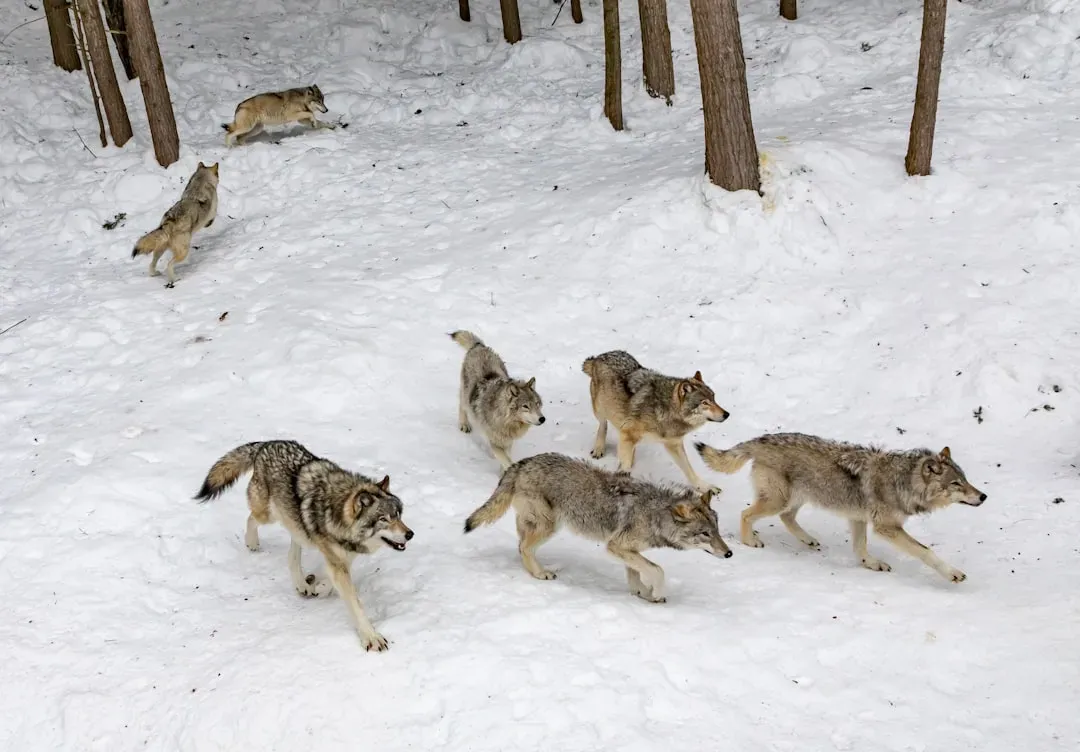
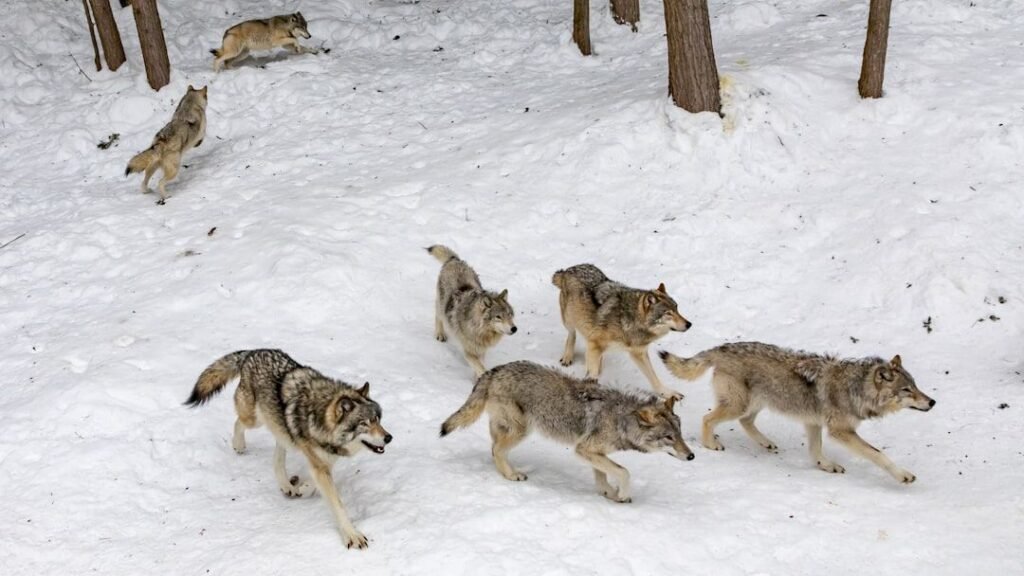
Sometimes the boldest move is simply putting animals back where humans wiped them out. Reintroduction programs do exactly that, returning locally extinct or nearly vanished species like wolves, condors, and river otters to parts of their former range. The idea isn’t just sentimental; many of these animals are “keystone” species that shape entire ecosystems. When gray wolves were reintroduced to parts of the northern Rocky Mountains and later expanded into states like Washington and Oregon, scientists documented changes all the way down the food web.
Rewilding goes a step further and focuses on restoring natural processes, not just individual species. That can mean allowing predators to control herbivore numbers, so vegetation recovers and songbirds return, or reintroducing beavers whose dams create wetlands that shelter amphibians, fish, and waterfowl. These projects are complex and often controversial, especially when they involve predators near ranches or small towns. Yet the ecological payoff can be astonishing: healthier rivers, more diverse plant life, and landscapes that can better cope with floods, drought, and the shifting climate.
4. Landscape Corridors and Climate-Ready Habitat Design
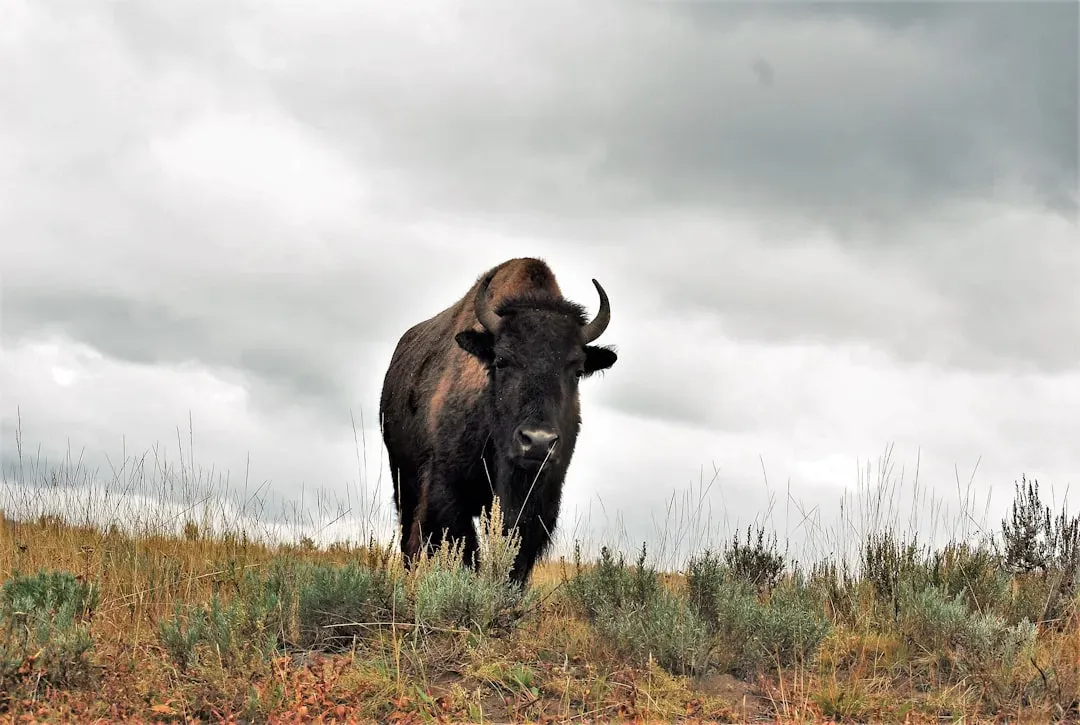
Protecting a single, isolated patch of habitat is no longer enough in a warming world. Animals and plants need to move, sometimes hundreds of miles, to track the climates they’re adapted to. That’s why scientists and land managers are creating wildlife corridors: continuous or stepping-stone routes that connect national parks, tribal lands, private ranches, and state forests into larger, functional landscapes. Examples range from wildlife overpasses across busy highways in the West to connected grassland projects in the Great Plains, helping species like pronghorn, sage grouse, and migratory songbirds.
On top of connectivity, researchers are now designing “climate-smart” reserves that consider how temperature and rainfall patterns are shifting over the coming decades. Rather than only protecting where species live now, they also identify where those species are likely to find suitable conditions in the future. This can mean focusing on high-elevation refuges, north-facing slopes, or cool river corridors that will stay livable longer. It’s like packing a go-bag for wildlife before the climate crisis fully knocks at the door, giving species escape routes instead of trapping them in shrinking islands of habitat.
5. High-Tech Monitoring: Satellites, Drones, and Acoustic Sensors
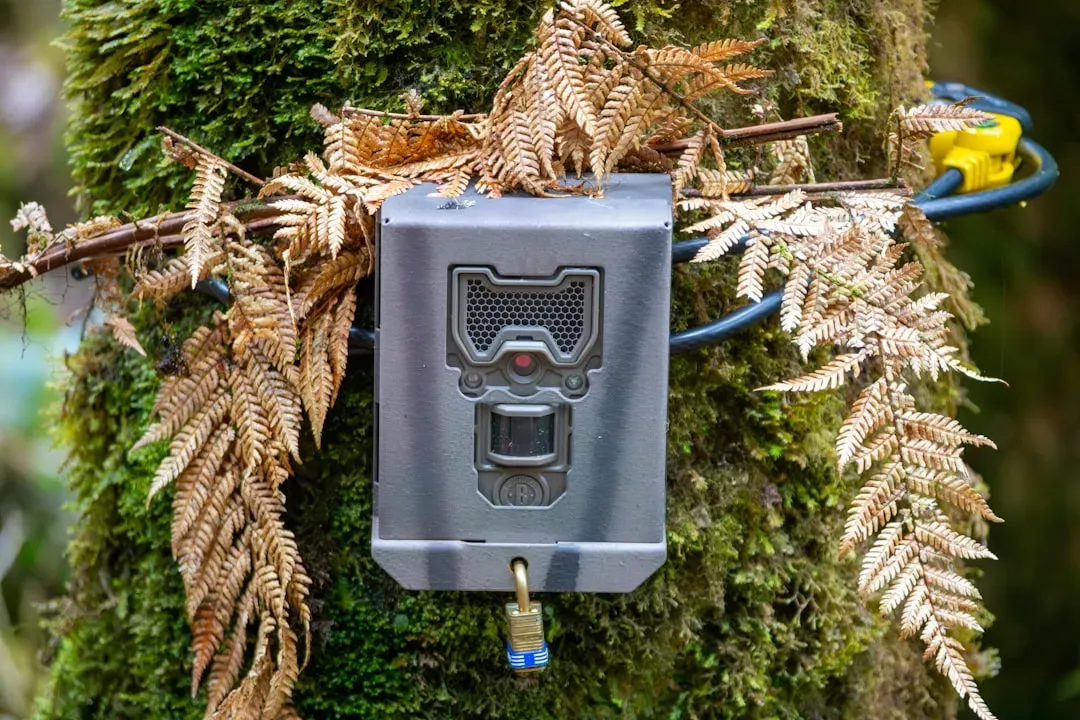
One of the hardest parts of conservation used to be simply not knowing where animals were or how they were doing. Today, technology is blowing that problem wide open. Satellite imagery and drones let scientists detect illegal logging, wetland loss, and even small changes in vegetation that signal a stressed ecosystem. Lightweight GPS collars on animals like wolves, elk, sea turtles, and manatees reveal migration paths and hotspots where they’re most at risk from roads, boats, or development.
At the same time, new acoustic monitoring systems listen continuously to forests, wetlands, and oceans. Arrays of microphones and underwater hydrophones can pick up frog calls, bird songs, whale vocalizations, and even gunshots or chainsaws. With machine learning tools, researchers can scan thousands of hours of audio quickly, spotting patterns and red flags that a human would never catch. It’s a bit like giving the landscape its own 24-hour security camera and alarm system, one that never sleeps and can help park rangers respond faster to threats like poaching or habitat destruction.
6. Restoring Rivers, Coasts, and Fire-Adapted Landscapes
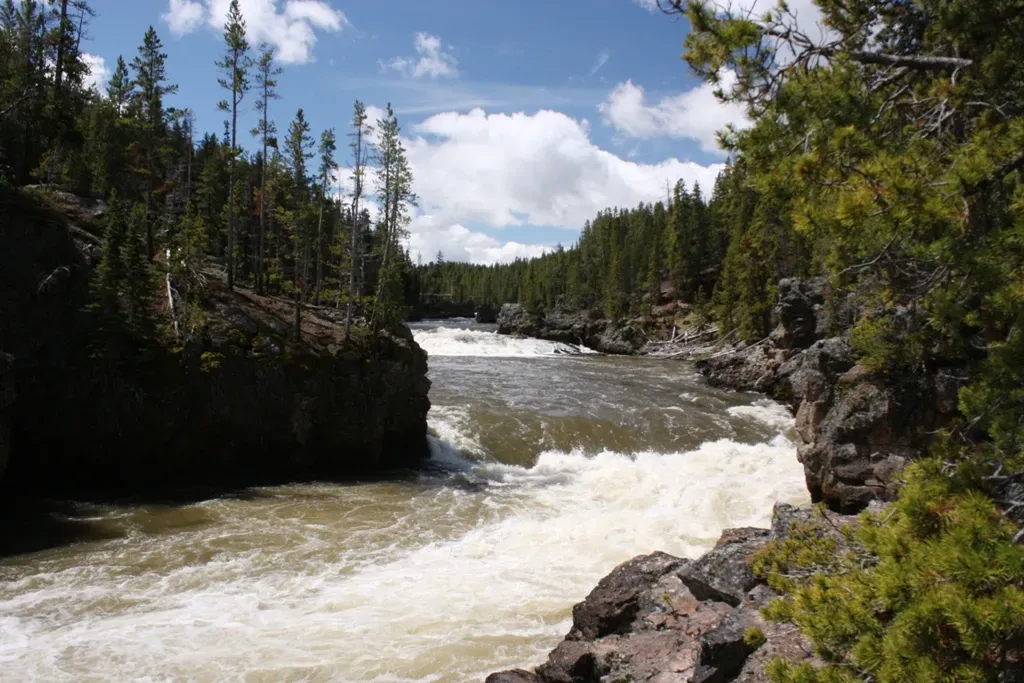
Some of the most powerful conservation work in the US looks less like saving animals and more like fixing the land and water they depend on. On major rivers, dams are being removed or modified so salmon, steelhead, and other migratory fish can reach historical spawning grounds again. Wetlands that were drained for farms or housing in previous generations are being reflooded, giving endangered frogs, turtles, and shorebirds places to feed and breed. Along fragile coastlines, scientists are restoring oyster reefs, seagrass beds, and dunes that buffer storms and create nurseries for fish and invertebrates.
In fire-prone forests and shrublands, researchers are working with Indigenous nations and local agencies to bring back controlled burning and other traditional practices. Many endangered species, from some woodpeckers in the Southeast to rare plants in the West, actually depend on regular, low-intensity fire to maintain open, diverse habitats. By thinning overgrown forests and setting carefully planned burns, scientists are trying to break the cycle of catastrophic megafires that destroy everything in their path. The goal is a landscape that burns more like it did in the past: frequently, gently, and in ways that many native species have evolved to survive.
7. Community Partnerships, Tribal Knowledge, and Working Lands
One lesson keeps showing up across the country: wildlife does better when the people who live alongside it are part of the solution, not treated as a problem. Scientists are increasingly partnering with tribal nations, ranchers, farmers, and coastal communities to design conservation strategies that work in real life, not just on paper. Tribal stewardship is especially important, because many Indigenous nations have managed these lands and waters for countless generations and hold detailed ecological knowledge that Western science is only just beginning to appreciate.
On private working lands, projects like voluntary conservation easements, wildlife-friendly fencing, and incentive payments for habitat restoration are keeping grasslands, deserts, and forests intact rather than chopped into subdivisions. Programs that help ranchers coexist with predators by funding better fencing, guard animals, or rapid carcass removal can dramatically reduce conflicts while allowing wolves, grizzlies, or big cats to survive. I’ve watched attitudes shift when people see that protecting wildlife can come with practical benefits like healthier soils, better water quality, or even eco-tourism income. At the end of the day, saving endangered species in the US isn’t just about lab breakthroughs; it’s about rebuilding a relationship between people and the living world that feels possible, fair, and worth fighting for.
From frozen gene banks to river restoration, from satellite tracking to tribal fire knowledge, conservation science in the United States is far more creative and wide-ranging than most of us ever see on a nature documentary. None of these approaches is a silver bullet, and some experiments will fail or need to be reworked, but together they stack the odds a little more in favor of species that have been pushed to the edge. The real story here is that extinction is not just a slow, tragic slide; it’s also a frontier where people are constantly testing new ways to pull life back from the brink. Knowing all that, how many of these strategies did you already guess were happening right now?