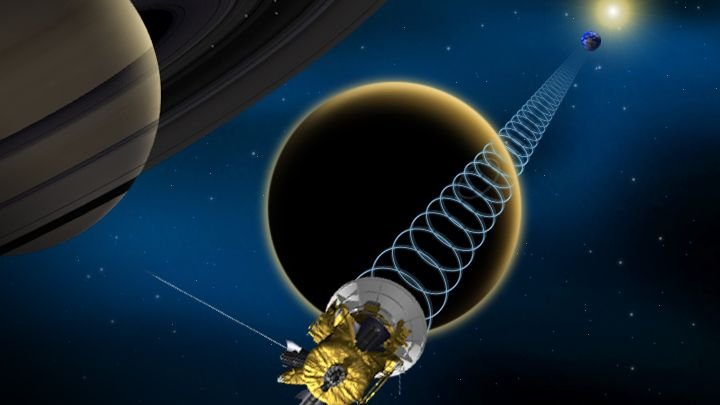

Have you ever looked up at the night sky and wondered if we’re truly alone? That question has haunted humanity for generations. Today, you’re living in an exciting era where finding life beyond Earth isn’t just a wild fantasy anymore. Scientists are using groundbreaking technologies and creative methods to search for biosignatures on distant worlds, from analyzing atmospheric gases light years away to drilling beneath ice shells in our own cosmic backyard.
Although we have yet to find signs of extraterrestrial life, NASA is amplifying exploring the solar system and beyond to finally answer this profound question. Let’s explore the fascinating ways researchers are hunting for alien organisms right now.
Analyzing Atmospheric Chemistry on Distant Exoplanets
You might be surprised to learn that scientists can study the air of planets orbiting other stars without ever going there. Webb, or a similar spacecraft in the future, could pick up signs of an atmosphere like our own – oxygen, carbon dioxide, methane, which would be strong indicators that life might exist on those worlds. The James Webb Space Telescope is revolutionizing this search by examining the chemical fingerprints of exoplanet atmospheres as starlight filters through them.
Here’s the thing: the James Webb Space Telescope has since found carbon-bearing molecules including methane and carbon dioxide in K2-18 b’s atmosphere, and revealed the possible detection of a molecule called dimethyl sulfide. On Earth, this particular gas is almost exclusively produced by marine life. Finding such biosignature gases in alien atmospheres could be your first glimpse of extraterrestrial biology, though scientists remain cautious about jumping to conclusions too quickly.
Directly Imaging Rocky Planets with Advanced Coronagraphs
Imagine trying to see a firefly next to a stadium floodlight from miles away. That’s essentially what scientists face when attempting to photograph planets next to their blazing parent stars. The headlines this month are dominated by the successful test of the next-generation coronagraph, technology that is the “sunglasses” of the telescope, capable of blocking out the blinding light of a star so faint planets become visible.
Roman also carries a coronagraph, a pathfinder instrument that can block out a star’s blinding light to directly photograph planets orbiting around it, and the technology could pave the way for future missions, like NASA’s planned Habitable Worlds Observatory. This upcoming observatory is specifically designed to hunt for Earth-like worlds and could detect the actual light reflecting off distant oceans and continents. Honestly, it’s hard to overstate how revolutionary this approach could be for detecting signs of life through surface features and seasonal changes.
Exploring Subsurface Oceans on Icy Moons
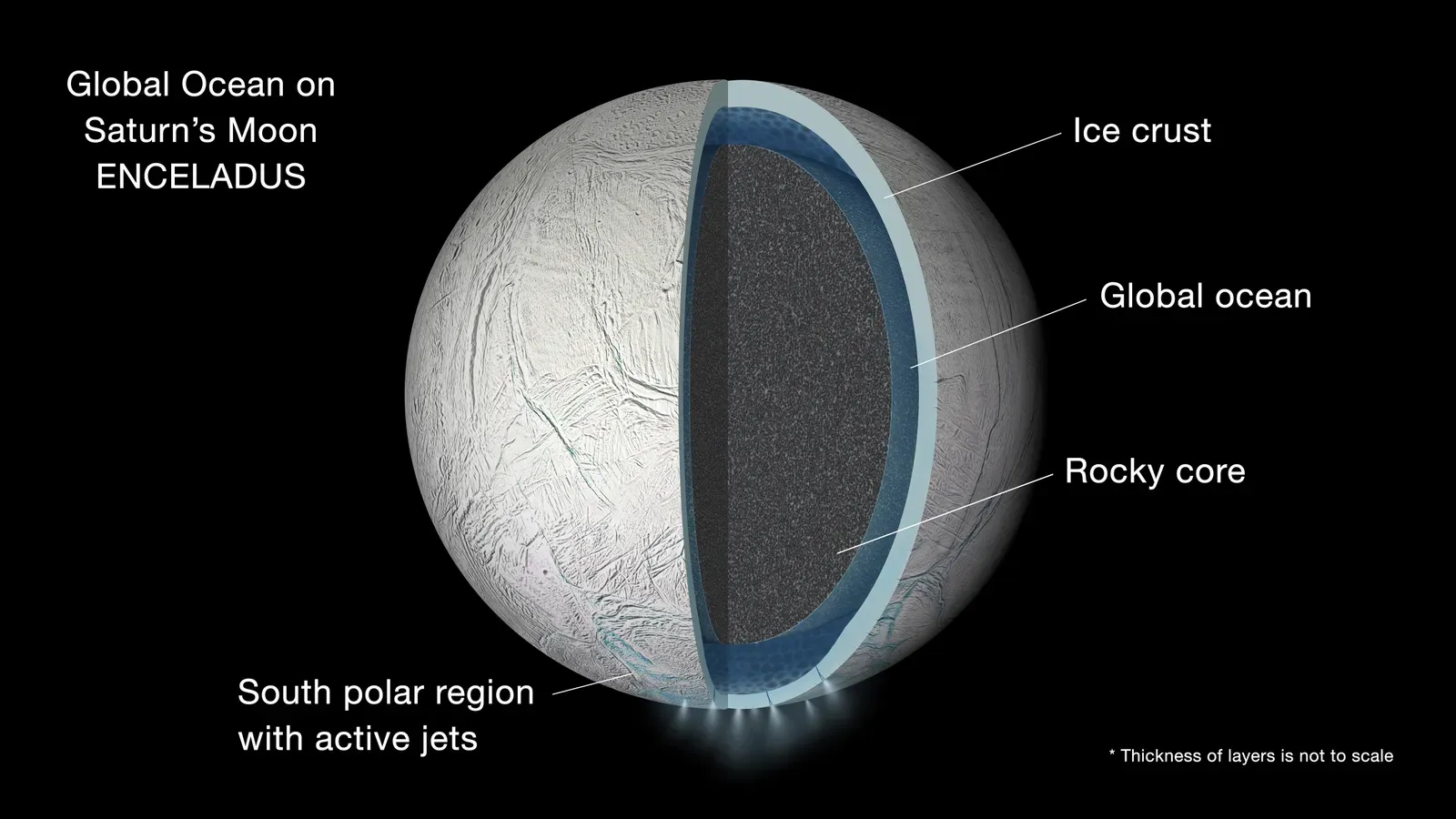
Europa has been identified as one of the locations in the Solar System that could possibly harbor microbial extraterrestrial life. Jupiter’s moon Europa and Saturn’s Enceladus both hide vast oceans beneath thick ice crusts, and these hidden seas might be some of the best places to find alien microbes in our solar system. NASA’s Cassini spacecraft detected plumes of salty water and organic molecules spewing from fractures on Enceladus, suggesting chemistry that could support life.
The Europa Clipper mission, which launched in October 2024, will make multiple flybys to study this mysterious moon. The instrument is capable of identifying traces of organic and inorganic compounds in the ice of ejecta, and is sensitive enough to detect signatures of life even if the sample contains less than a single bacterial cell in collected ice grains. Let’s be real: if life exists in Europa’s dark ocean, these missions might finally prove we’re not alone.
Searching for Biosignatures in Mars’ Ancient Rocks
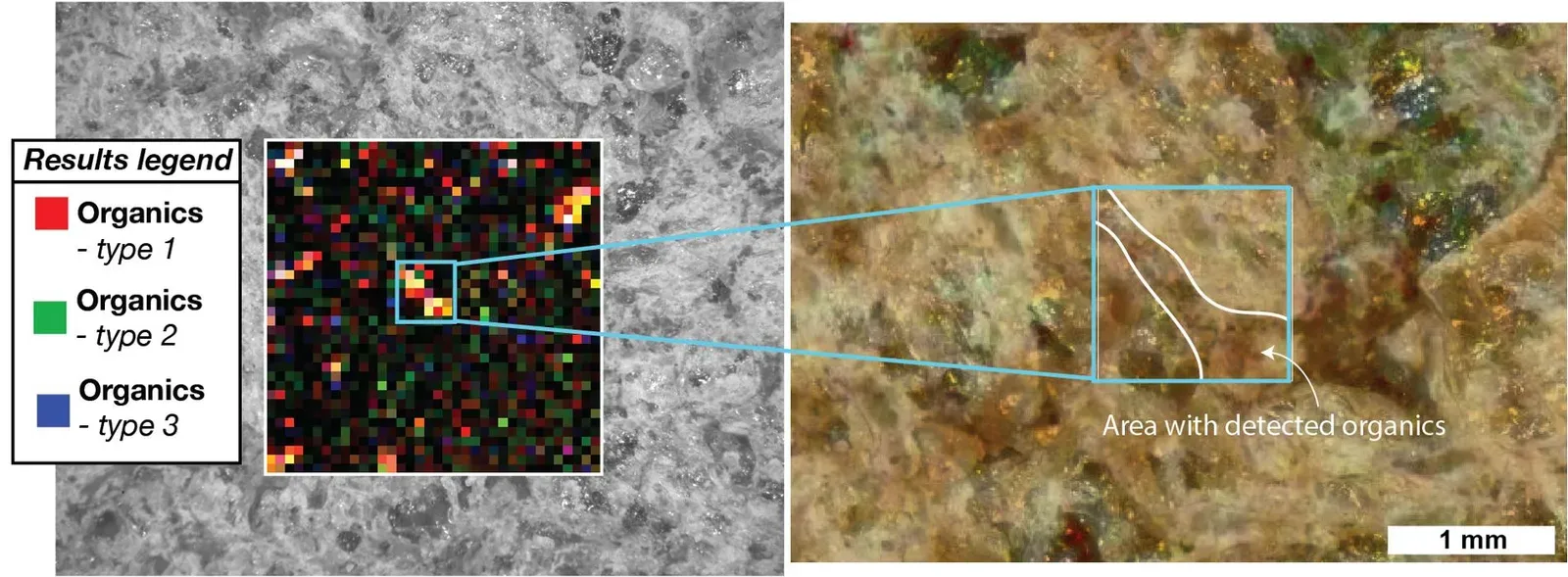
Mars has captivated scientists for decades as a potential home for ancient microbial life. New data from a rock core drilled by NASA’s Perseverance rover has advanced that search in a way few previous missions have, with evidence that is not conclusive, but unusual, precisely structured, and consistent with how life operates on Earth in comparable environments. The rover has been exploring Jezero Crater, an ancient river delta where water once flowed.
NASA’s onboard instruments, including PIXL and SHERLOC, detected organic carbon in the same regions, alongside phosphate, oxidised iron and sulphur. These chemical combinations could have supported microbial metabolism billions of years ago. I think what makes this so compelling is that we’re not just looking for life itself but for the telltale chemical signatures it leaves behind. The challenge is distinguishing biological processes from geological ones that can mimic life’s handiwork.
Studying Extremophiles as Models for Alien Life
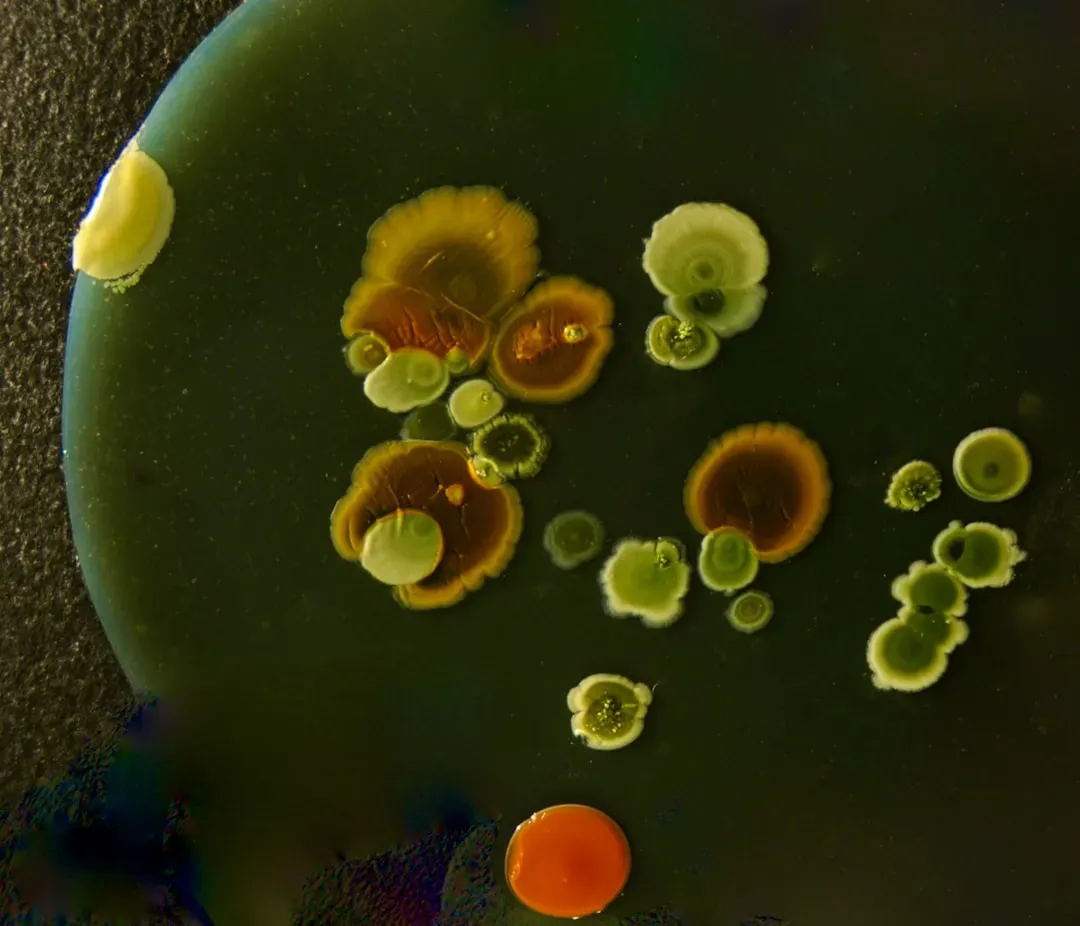
Life on Earth thrives in the most unexpected places, giving you clues about where to look elsewhere. They dwell in caustic chemical pools of Yellowstone National Park, in dry valleys of Antarctica, in superheated vents on the ocean floor, and “extremophiles” are life forms that love extreme environments, thriving where nothing else can survive. These hardy organisms serve as blueprints for what alien life might resemble.
Exploring modern living extremophiles on Earth is critical in understanding their adaptation mechanisms and helps identify novel biosignatures applicable in habitable zones beyond Earth. Scientists study microbes from Earth’s most hostile environments to understand survival strategies that could work on Mars, Europa, or even Venus’s clouds. Chroococcidiopsidales members like Chroococcidiopsis are potential candidates for Mars and icy moons, being resilient to desiccation, radiation, microgravity, perchlorates, and low temperatures. These tiny survivors expand our understanding of life’s possibilities throughout the cosmos.
Detecting Technosignatures from Advanced Civilizations
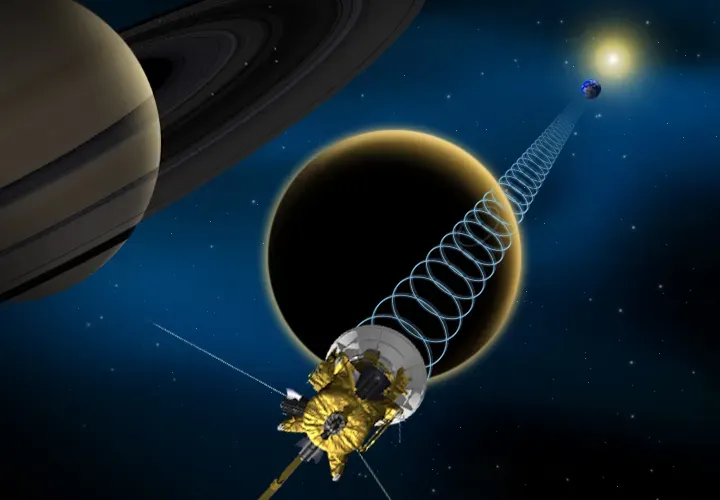
Beyond hunting for microbes, some scientists search for evidence of intelligent life through technosignatures. Technosignatures are signs or signals which if observed would allow us to infer the existence of technological life elsewhere in the universe, and the best known technosignature are radio signals, though many others haven’t been fully explored yet. You’re probably familiar with SETI’s efforts to listen for alien broadcasts.
Technosignatures like radio or laser emissions, signs of massive structures or an atmosphere full of pollutants could imply intelligence. While this search remains speculative, it represents a parallel approach to finding life. The discovery of artificial signals or atmospheric pollution on a distant world would be unambiguous proof of extraterrestrial civilization. What would you think about it if tomorrow we detected a signal that couldn’t possibly be natural?
Using Artificial Intelligence to Identify Hidden Patterns

You might not realize that one of the newest tools in astrobiology is machine learning. In astrobiology, the vast amount of data collected from space probes, meteorite spectroscopy, and radio observations presents significant analytical challenges, and machine learning algorithms and deep neural networks can process these massive datasets to find patterns humans might miss entirely. This technology is revolutionizing how scientists sift through information from telescopes and planetary missions.
In the future, autonomous AI-powered probes could explore extreme environments such as the subsurface of Mars or the oceans of icy moons like Europa and Enceladus, analyzing biosignatures in real time, and AI could play a pivotal role in analyzing suspicious radio and laser signals that might indicate extraterrestrial civilizations. The combination of human intuition and artificial intelligence might be exactly what’s needed to crack the code of finding life beyond Earth. It’s a partnership between biology and technology that seems straight out of science fiction.
Conclusion
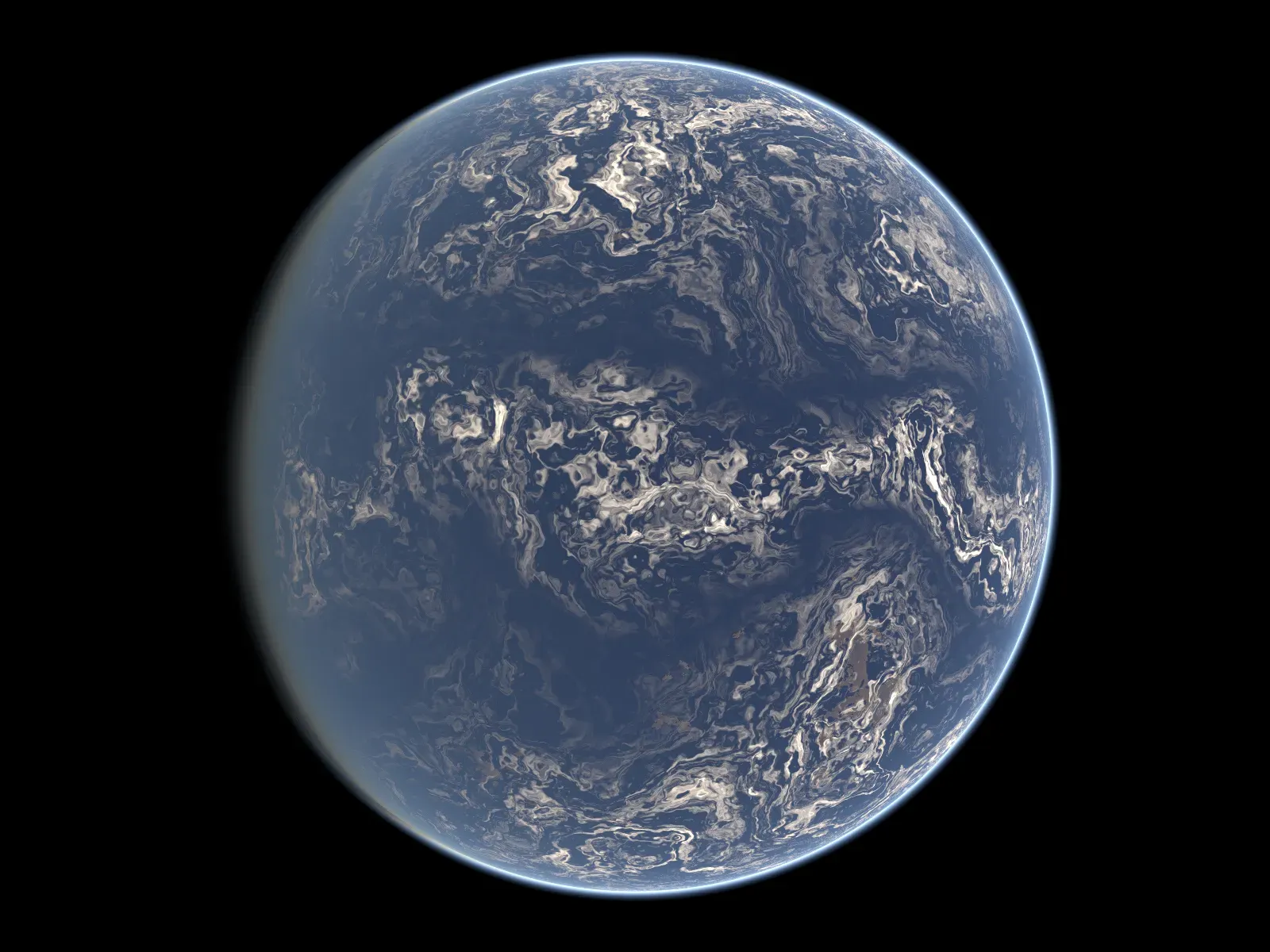
The search for life beyond Earth has evolved from philosophical speculation into rigorous scientific investigation. You’ve seen how researchers combine atmospheric analysis, direct imaging, ocean exploration, geological studies, extremophile research, signal detection, and artificial intelligence to tackle this ancient question from every possible angle. Each method offers unique insights, and together they create a comprehensive strategy for detecting biosignatures across our solar system and beyond.
We’re living in a remarkable moment where technology has finally caught up with our curiosity. Whether life is discovered in the plumes of Enceladus, the ancient rocks of Mars, or in the atmosphere of a distant exoplanet, the discovery will fundamentally reshape how you understand your place in the universe. So what do you think – are we on the verge of the greatest discovery in human history, or will the cosmos keep its secrets a little longer?