
You’re probably used to sunshine, rain clouds, and the occasional snowstorm. Weather follows predictable patterns most of the time, giving us confidence that meteorologists can tell us what tomorrow will bring. Yet our planet harbors atmospheric secrets that continue to perplex the world’s brightest scientific minds.
These remarkable phenomena remind us that Earth’s atmosphere operates on principles we’re still discovering. From glowing spheres of lightning to perfectly circular ice formations, nature showcases its mysterious side in ways that seem almost too strange to be real. Let’s explore seven challenge our understanding and leave researchers scratching their heads.
Ball Lightning’s Mysterious Spheres
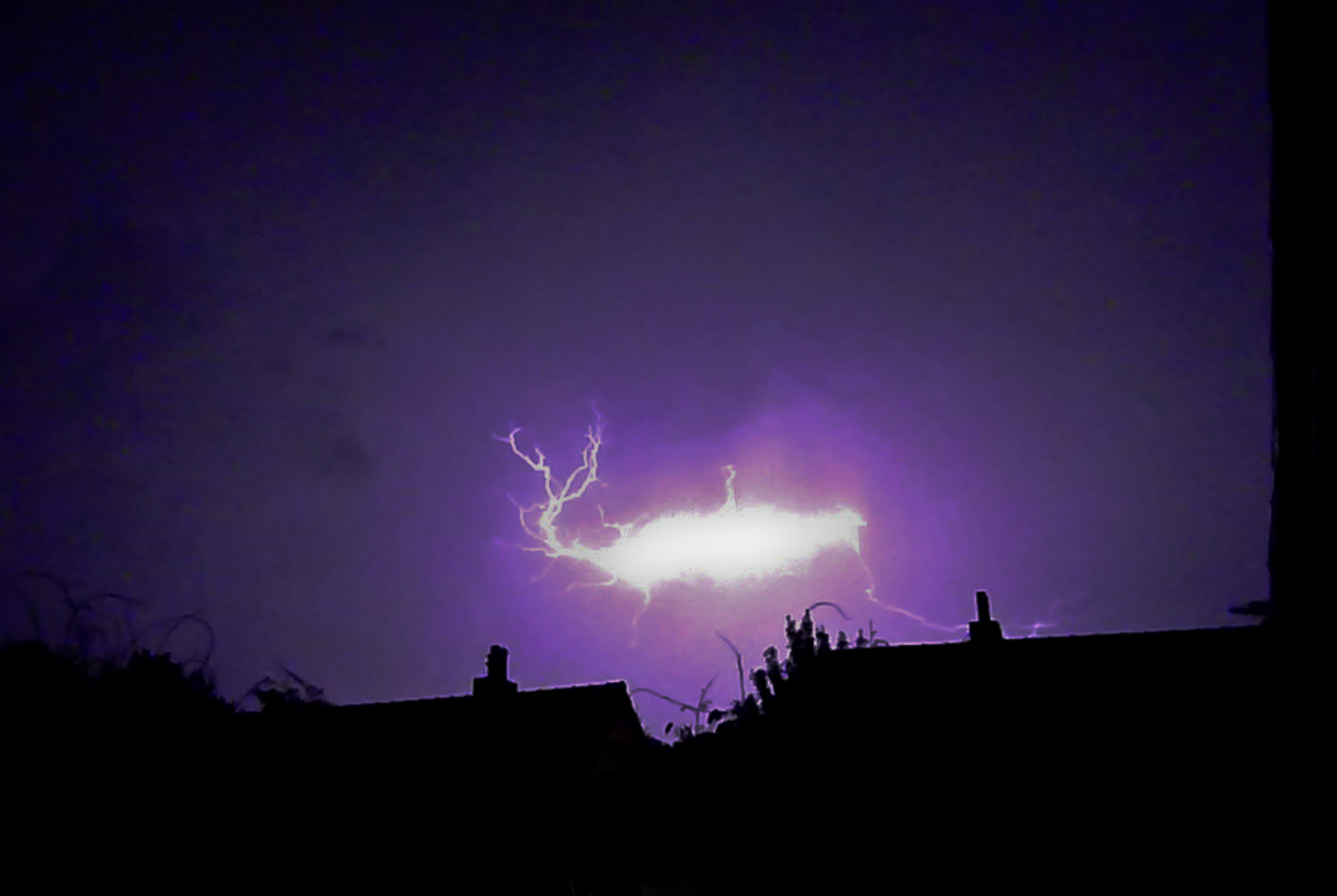
Picture a glowing orb floating through your living room during a thunderstorm, crackling with electrical energy as it hovers near the ceiling. Ball lightning appears as a crackling sphere of light floating through the air like a magical orb and is one of nature’s greatest mysteries, appearing during thunderstorms, often indoors, and may even explode. Balls of light, ranging from the size of a golfball to a football, occasionally float through the air during storms, known as ball lightning, they have no smell and emit no heat and little sound, generally disappearing with a pop when they encounter something electrical, like a television, though they occasionally explode more violently.
What makes this phenomenon truly baffling is how little scientists understand about its formation. In 2012, scientists in China caught ball lightning on video, proving it exists, and in WWII, pilots called them “foo fighters.” Despite decades of research and numerous eyewitness accounts, these glowing spheres not only mystify those who happen to encounter them, but scientists as well – as yet, there is no prevailing explanation for how ball lightning forms. The fact that such an extraordinary phenomenon can occur in our homes yet remain scientifically unexplained speaks to how much mystery still surrounds our atmosphere.
Thundersnow’s Electrifying Winter Surprise

Lightning flashing and thunder roaring in the middle of a snowstorm sounds like a weather anomaly dreamed up by a rock band, thundersnow is rare, dramatic, and incredibly loud, like a blizzard mixed with a thunderstorm. Thunder and lightning during a snowstorm is different from a run-of-the-mill snowstorm; it is extremely rare – approximately 6.4 percent of observed snowstorms unleash thundersnow, but recorded observations of the phenomenon date back to 250 B.C.
Scientists believe that thundersnow is caused by the same conditions as a summer thunderstorm: Turbulence in the atmosphere causes moist and relatively warm air near Earth’s surface to rise, where it condenses to form clouds filled with supercooled liquid water, tiny ice crystals, and a form of soft hail called graupel, and the more that mixture crashes around inside the cloud, it can create an electrical charge and result in lightning and thunder. However, normally, cumulonimbus clouds only form in warm summer weather because clouds tend to be flatter in winter since there’s not as much heat to make moist air rise, and the tops of flatter clouds don’t reach the colder air where ice crystals form, and without the ice crystals, there’s no lightning – that’s why thundersnow is so rare.
Even stranger, if you witness thunder and lightning during snowfall, somebody nearby you is getting at least a half a foot of snow, with many thundersnow events associated with heavy snowfall. Seeing thundersnow come down is “like watching a time-lapse movie of the snow building up, because it falls so quickly.”
Ice Circles: Nature’s Perfect Geometry
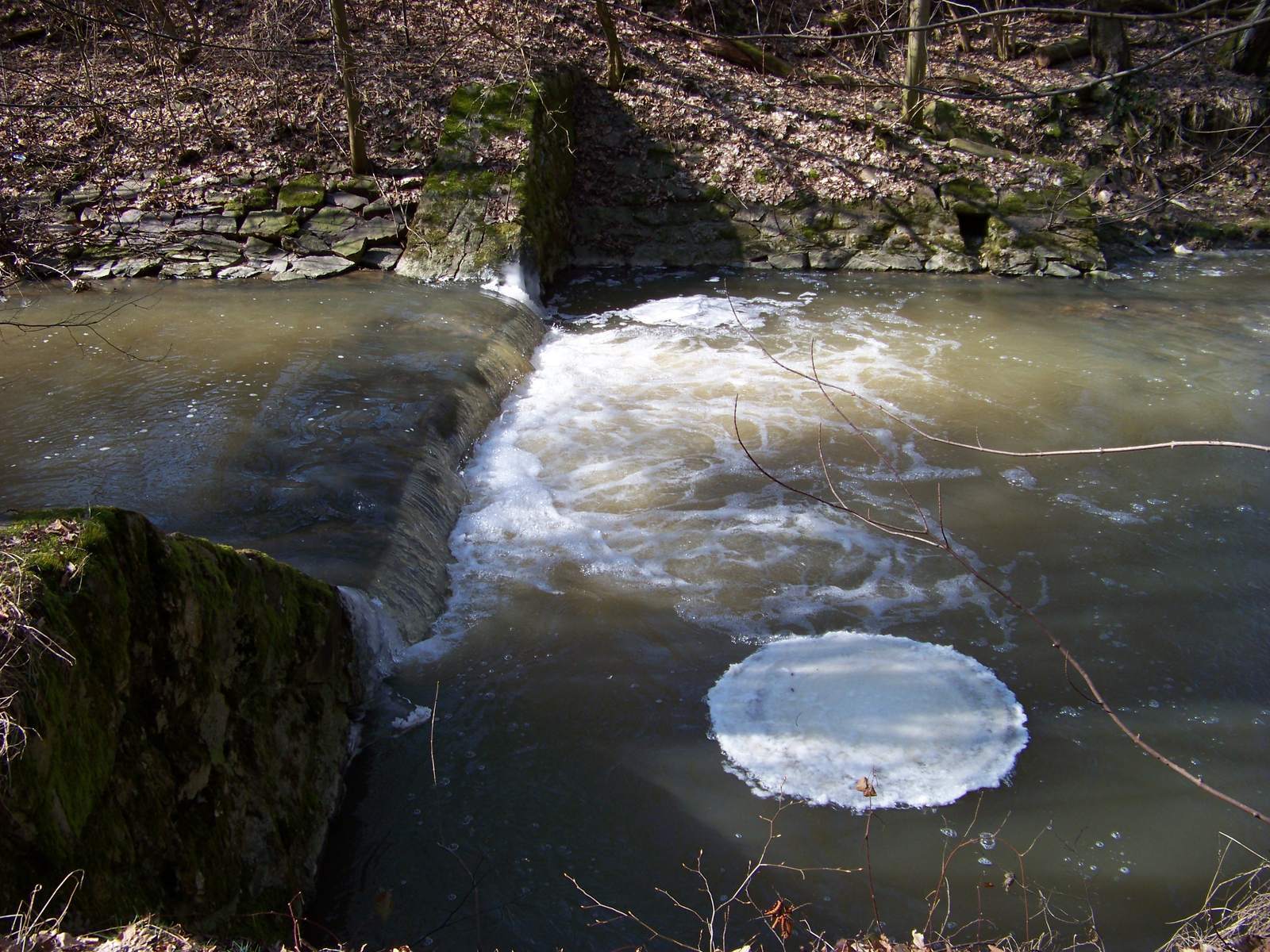
Ice circles are perfectly round formations that appear on the surface of lakes or rivers during cold weather, these disks of ice can rotate slowly, giving them an eerie, otherworldly appearance, while scientists have proposed that they form due to a combination of cold air, water flow, and the Coriolis effect, the exact mechanics are still not fully understood. Ice discs form on the outer bends in a river where the accelerating water creates a force called ‘rotational shear’, which breaks off a chunk of ice and twists it around, and as the disc rotates, it grinds against surrounding ice – smoothing into a circle.
They have been observed in various parts of the world, from Scandinavia to North America, often in remote or quiet areas, their size can vary from a few feet to over 50 feet in diameter, and their near-perfect symmetry adds to the mystery, despite attempts to replicate them in controlled environments, their formation in nature remains unpredictable. Scientists find it nearly impossible to predict the existence or formation of ice circles as they naturally occur. The precision of these natural formations rivals anything you might create with a compass, yet they appear spontaneously in the wilderness.
Frost Flowers: Delicate Arctic Sculptures
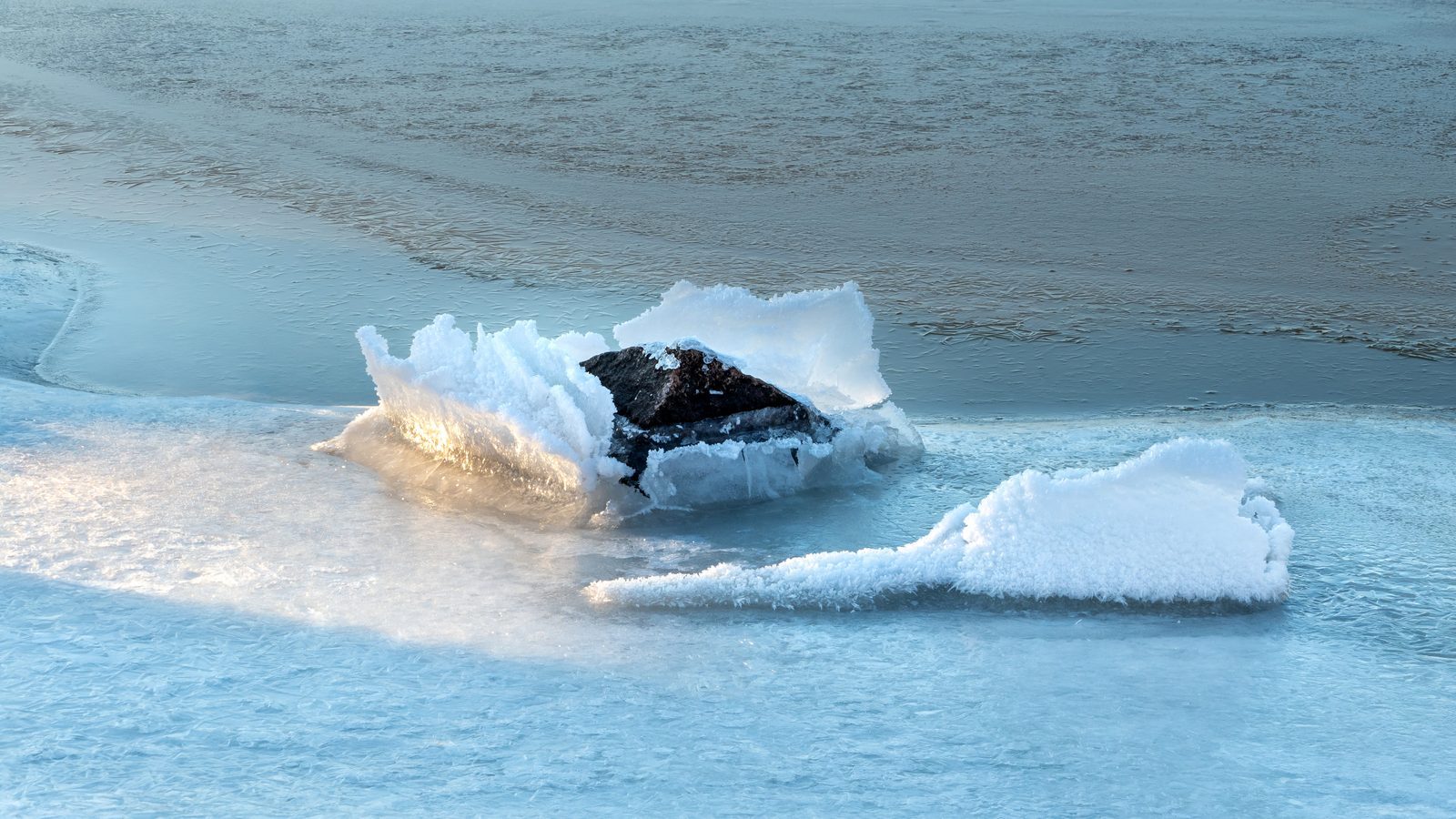
Blooming across the arctic ocean, these ice flowers are truly majestic with hundreds at a time appearing if the conditions are just right, dubbed Arctic Ocean Frost Flowers, this unusual weather phenomenon forms from imperfections on the ice’s surface in sub-zero temperatures, usually around -20 celsius, and what is even more fascinating is that these ice spikes have been found to contain microorganisms that form their own little miniature ecosystem, similar to what you mind see on a coral reef.
Frost flowers are delicate, ice-like structures that form on thin ice or exposed plant stems during cold weather, they resemble intricate, blooming flowers, yet they are made entirely of ice crystals, the conditions needed to create frost flowers are so specific that they only occur under rare circumstances, typically in polar regions or very cold environments, while we know they form when moisture is drawn from the ground or water, the exact processes that create such fragile, intricate shapes are still debated, and some scientists believe it’s a combination of temperature, moisture, and atmospheric pressure, but no one has successfully replicated the phenomenon consistently.
These ethereal formations appear as if someone scattered delicate glass sculptures across the frozen landscape. These incredible weather phenomena are not only a wonder to behold, but they also have ecological significance, frost flowers can be a source of moisture for animals and plants during the winter months when other water sources may be scarce, and they can also help to insulate the plants and protect them from the cold.
Blood Rain: When the Sky Bleeds Red

The rain was blood red, with some reports saying there was also black, green, and even yellow rain, some people who witnessed the odd weather phenomena stated that the trees in the region started to shed their leaves and turn grey, looking as if they were burned, though some events during that day may have been exaggerated, the incident sparked a lot of scientific curiosity. Showers of blood falling from the sky may sound like something out of a Hollywood horror film, but such scarlet-tinted rains have been reported since ancient Roman times, though they often horrified the people they fell upon, these rains were not actually blood – they were caused by dust or sand blown into the atmosphere.
Researchers have found that this unusual form of rain is stained either by dust from deserts or by microscopic algae that are suspended in the raindrops, however, it is also important to mention that scientists are not entirely sure how algae get into the clouds. In 2001, red showers in Kerala, India, were linked to algal spores, but here’s the kicker: historical reports of “raining blood” stretch back to the 8th century in Europe, where it was seen as a divine omen of war, so either we’re dealing with biology… or the sky just likes trolling us with biblical vibes.
Fire Tornadoes: When Flames Dance in Spirals
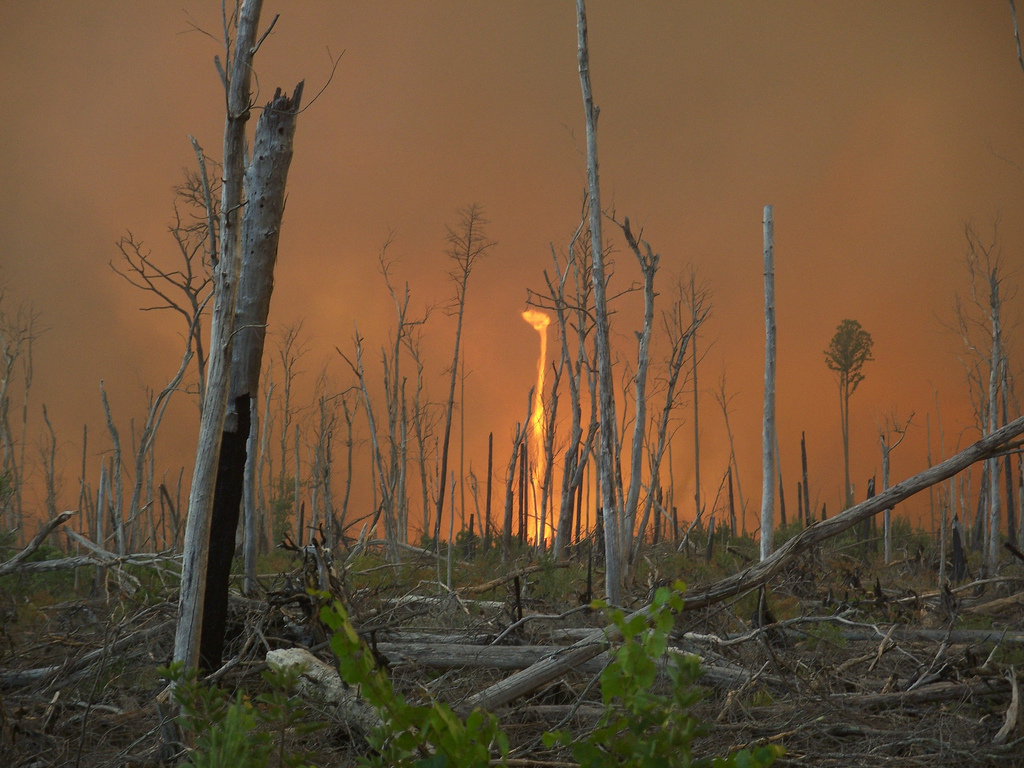
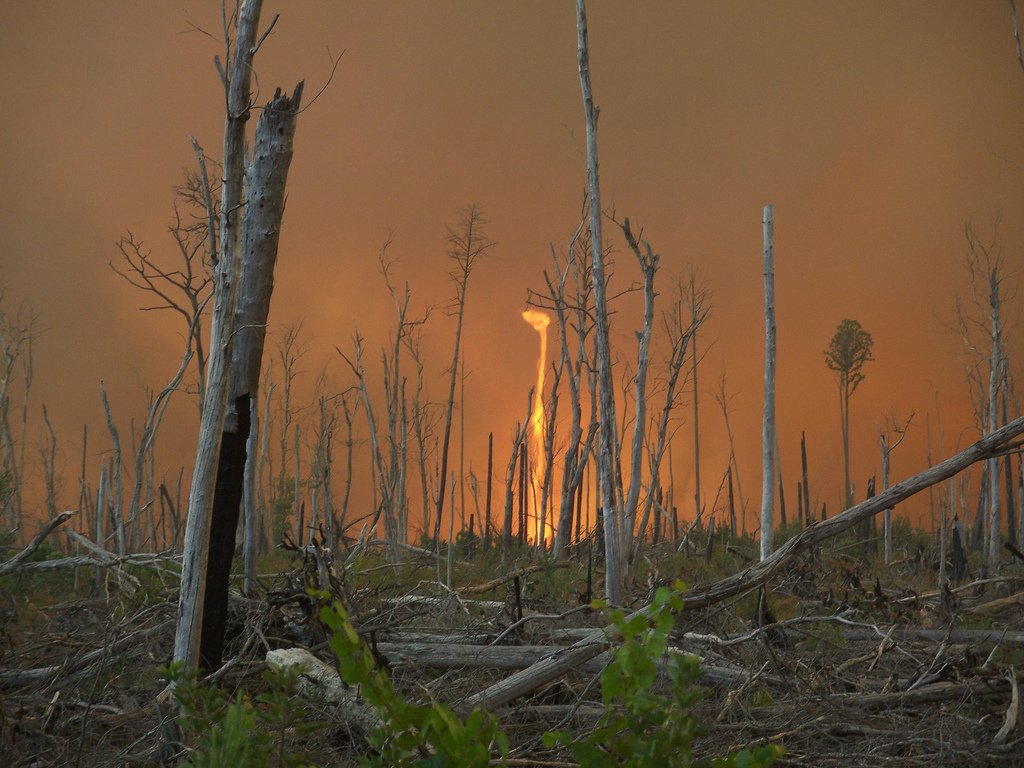
Fire tornadoes are most common in large-scale wildfires, and are not actual tornadoes but vortices that suck in gases and combustable materials, they can last an hour or more, and the temperature inside them can reach over 1,000 degrees inside, sometimes you might even see a much smaller fire whirl form on small bonfires. They are fire whirls – tornadoes made of flames that form when wildfires meet freak wind conditions, one in California in 2018 reached the strength of an EF-3 tornado.
Intense wildfires almost always produce fire devils and/or fire whirls, and very occasionally stronger vortexes that resemble the tornadoes produced by severe thunderstorms, although these are not typically classified as tornadoes by the NOAA/NWS Storm Prediction Center, the center will be examining the Redding event to see if it qualifies, as it was associated with a pyrocumulus cloud. The fire tornado near Redding on July 26 during what was called the Carr Fire Event was unprecedented in terms of its size and ferocity. These flaming vortexes represent nature’s ability to combine two devastating forces into something even more terrifying than either element alone.
Sprites and Elves: Lightning’s High Altitude Cousins
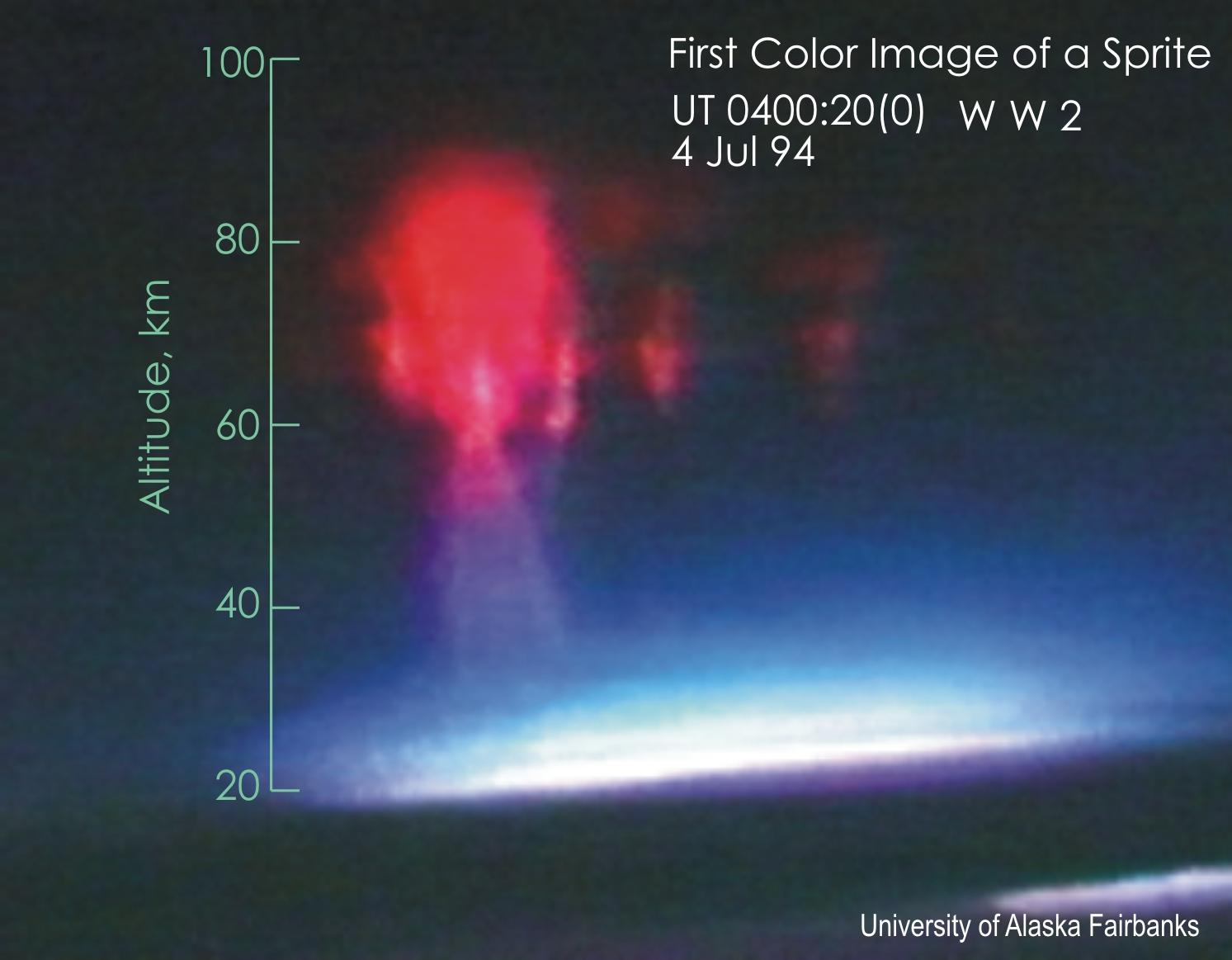
For years, pilots have reported seeing strange colored flashes of light shooting out of the tops of storm clouds, red sprites are blasts of red light that soar up to 50 miles above the Earth, usually in clusters of two or more, their cousins, blue jets, are cones of bluish light that occur lower in the atmosphere than red sprites, occurring at about the same time as red sprites are elves, a pancake-shaped red glow created by the heat of conventional lightning below, these flashes last only thousandths of a second.
Unlike what we would regard as ‘normal’ lighting, Sprites occur way up in the Earth’s atmosphere at about 50 to 90 miles above us, so images of them are rarely captured, sprites are a kind of cold plasma discharge that occurs above a thundercloud as nature’s way of balancing out the positive lightning charges are released between the thundercloud and the ground below. Scientists struggle to study these phenomena because they occur so high in the atmosphere and last such brief moments. Pilots report plasma sprites and elves above thunderstorms – like cosmic fireworks. The fact that our skies host these spectacular light shows far above our heads, invisible to most earthbound observers, reveals how much atmospheric activity remains hidden from our everyday experience.
Conclusion
These seven weather phenomena prove that our planet’s atmosphere still guards secrets that challenge our scientific understanding. From mysterious glowing spheres to perfectly geometric ice formations, nature continues to surprise us with displays that seem to defy explanation. Each of these events reminds us that despite all our technological advances and scientific knowledge, the forces shaping our world remain far more complex and mysterious than we might imagine.
The next time you look up at the sky during a storm, remember that you might be witnessing something that even the world’s best meteorologists can’t fully explain. What other atmospheric mysteries might be waiting for us to discover? Tell us in the comments what weather phenomenon you’d most want to witness.
Hi, I’m Andrew, and I come from India. Experienced content specialist with a passion for writing. My forte includes health and wellness, Travel, Animals, and Nature. A nature nomad, I am obsessed with mountains and love high-altitude trekking. I have been on several Himalayan treks in India including the Everest Base Camp in Nepal, a profound experience.