
Standing on a quiet shoreline, it’s easy to imagine the ocean as a known quantity: mapped by satellites, traversed by ships, probed by submarines. But beneath that relatively familiar surface lies a world where basic questions still don’t have clear answers, and where some of the strangest observations stubbornly refuse to fit existing theories. From colossal waves that seem to appear out of nowhere to eerie sounds that echo across entire ocean basins, scientists keep stumbling on signals they can measure but not fully explain. Each new instrument we drop into the deep adds another piece to the puzzle, yet often it also raises brand‑new questions. These mysteries are not just curiosities; they are hints that our understanding of Earth’s largest ecosystem is still dangerously incomplete.
The Bloop: The Deep Sea Sound That Shouldn’t Exist
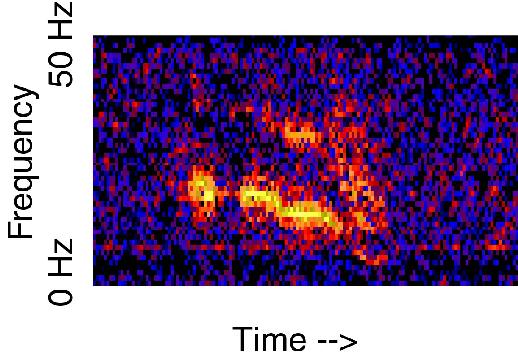
In the late 1990s, U.S. ocean monitoring hydrophones picked up a low, powerful noise in the South Pacific that was so loud it was detected by sensors thousands of miles apart. Nicknamed the “Bloop,” the sound rose in frequency somewhat like a biological call, but its acoustic footprint was far larger than anything produced by a known animal. For years, one unsettling possibility hung in the air: if this was a living creature, it would have to be larger than any whale ever recorded. Oceanographers replayed and analyzed the signal over and over, trying to match it against known sources such as ship engines, submarines, volcanoes, and ice quakes.
As more hydrophones were deployed around Antarctica, researchers noticed similar signatures associated with the cracking and fracturing of enormous icebergs, leading many to argue that the Bloop was probably glacial noise. Yet not every aspect lines up cleanly, and the story highlights a deeper problem: we still have only patchy acoustic coverage of the deep ocean. The Bloop also sparked a public fascination with the idea that there might be giant, unknown animals hiding where light never reaches, a notion fueled by the fact that new deep‑sea species are still being discovered every year. Even if the original Bloop turns out to be ice, the episode exposed how much unclassified sound still hums, rumbles, and pulses through the deep, waiting for explanations we may not yet have the tools to give.
Rogue Waves: Monster Walls of Water That Break the Rules
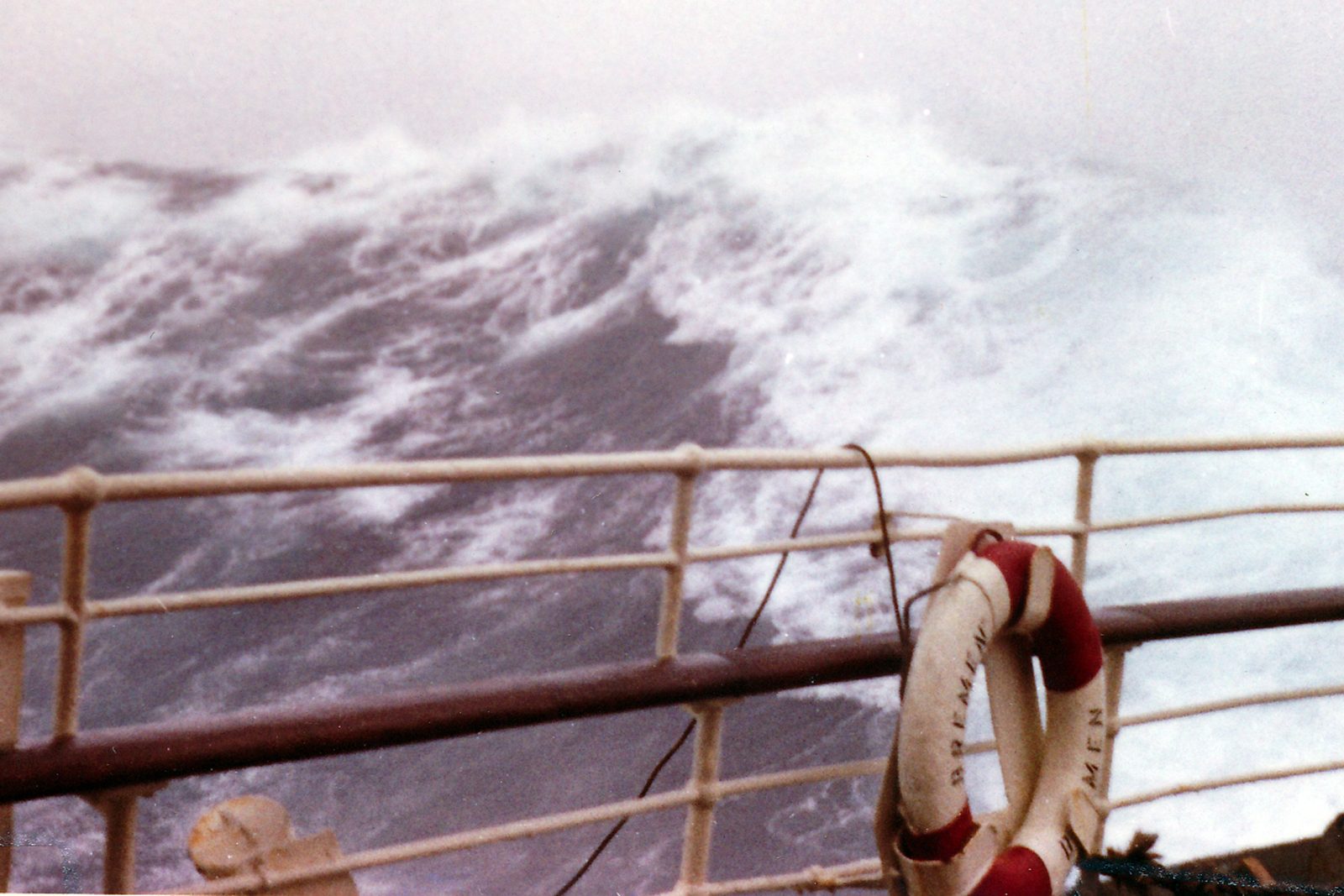
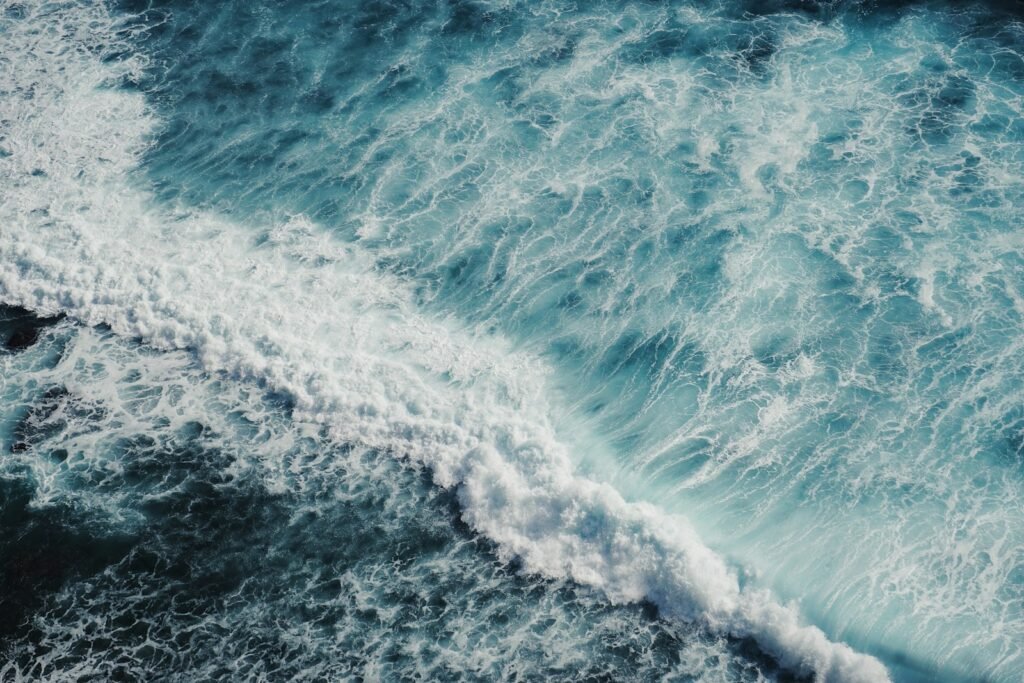
For centuries, sailors told stories of freak waves that rose like vertical walls of water, smashing into ships without warning and then vanishing as quickly as they appeared. These accounts were long dismissed as exaggerations, because the physics of ocean waves suggested such giants should be vanishingly rare. That changed in the 1990s when offshore platforms and research buoys began recording isolated waves more than twice the height of the surrounding sea state. One oil rig in the North Sea, for example, documented a single wave towering above its neighbors in conditions that were not especially extreme.
Scientists now know that certain combinations of wind, current, and overlapping wave trains can focus energy into a single, monstrous crest, but predicting exactly when and where this will occur remains extremely difficult. Standard wave models used for ship design and coastal engineering were built around averages and probabilities, not once‑in‑a‑day or once‑in‑a‑week outliers that can knock out windows on a vessel’s bridge. That leaves navies, shipping companies, and offshore industries operating in an environment where they can describe the risk but not pinpoint the threat. The weirdest part is that rogue waves are now thought to be less rare than originally assumed, which means our historical underestimation of their frequency may have shaped decades of safety calculations.
Milky Seas: Vast Ghostly Glows in the Night Ocean
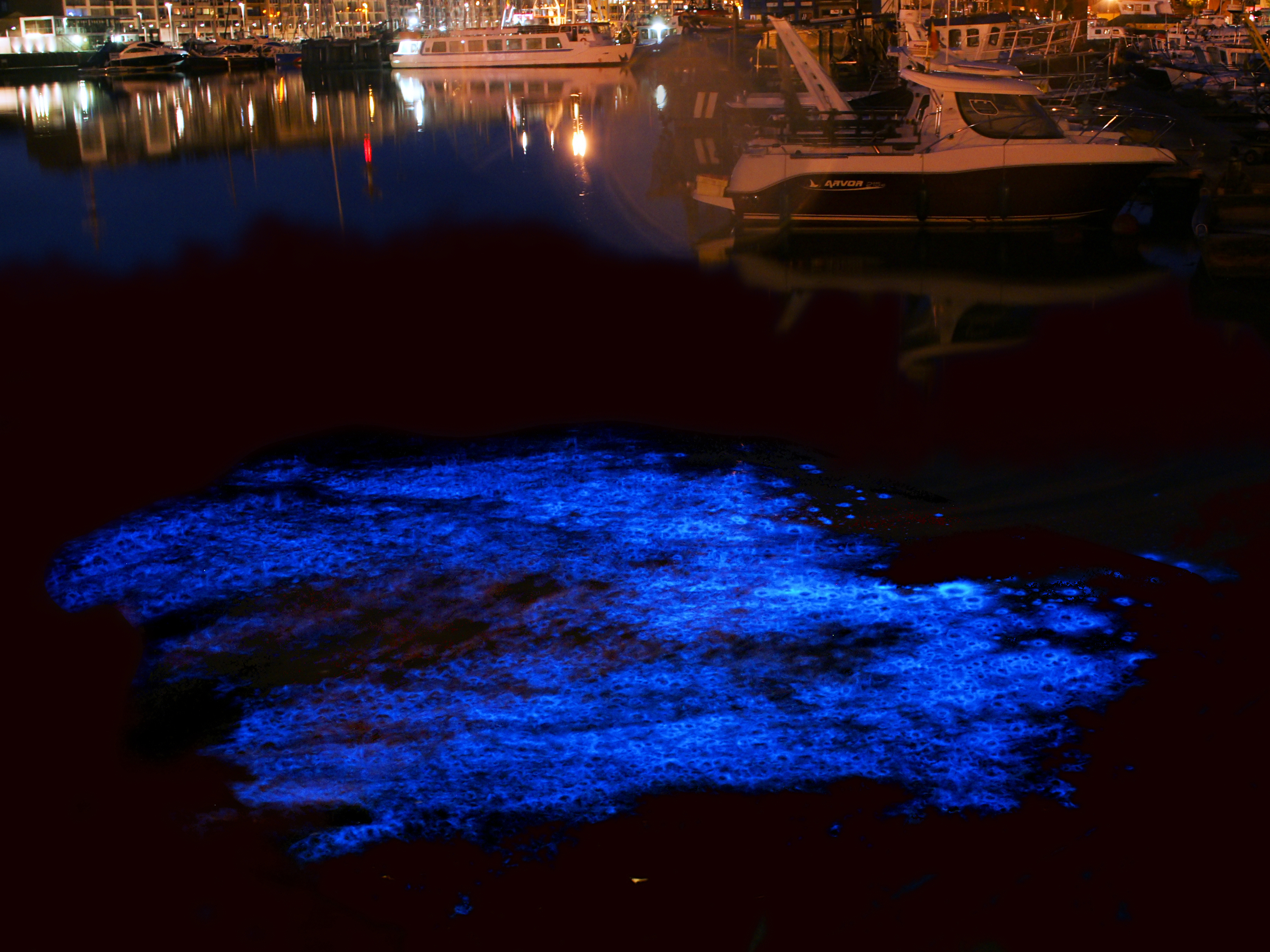
On some rare nights, sailors crossing remote waters report an almost supernatural sight: the entire ocean surface glowing with a soft, uniform light that can stretch for tens or even hundreds of miles. These “milky seas” are distinct from small patches of sparkling bioluminescence; instead of brief flashes, the water appears steadily illuminated, like a snowfield lit from within. Historical accounts described ships seemingly sailing through a sea of glowing milk, sometimes for hours. For a long time, these stories were nearly impossible to verify because they often occurred far from coastlines, well outside the reach of most research vessels.
Only in the last two decades have satellites captured large, diffuse patches of faint oceanic light that seem to confirm such events on a planetary scale. A leading hypothesis links milky seas to massive blooms of bioluminescent bacteria living on organic particles at the surface, potentially stimulated by calm conditions and specific nutrient profiles. Yet no expedition has managed to intercept a milky sea in real time with full instrumentation, so key measurements of bacterial communities, chemical triggers, and light intensity are still missing. This leaves researchers in a frustrating limbo, using secondhand reports and space‑based images to chase a phenomenon that remains elusive at sea level. Until someone can park a research ship under an active milky sea, this otherworldly glow will continue to be more legend than laboratory data.
The Missing Heat: Where Is the Ocean Hiding Our Warming?
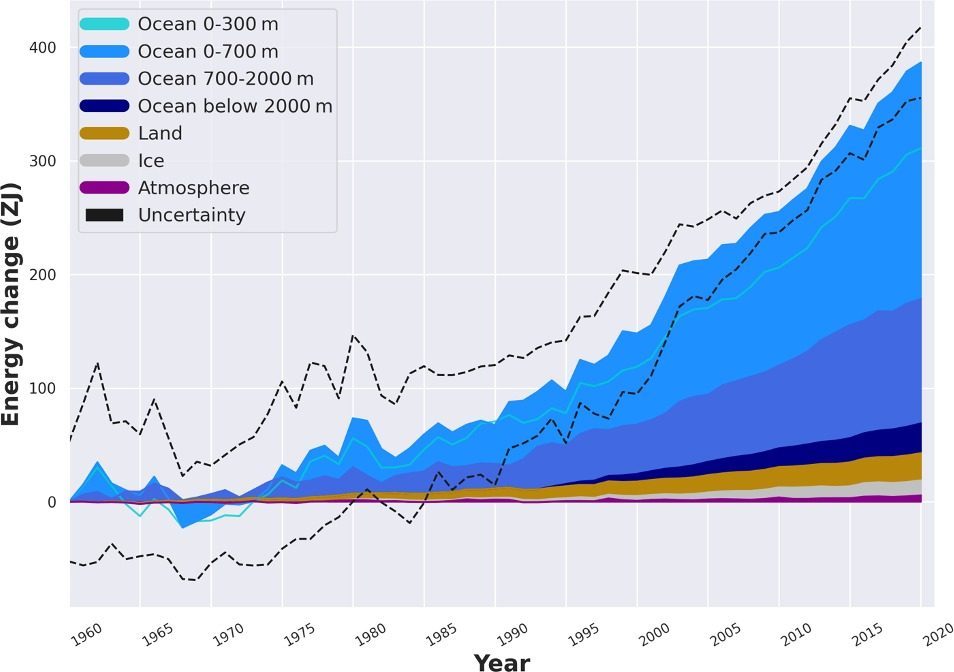
Climate scientists widely agree that the oceans have absorbed the vast majority of the excess heat trapped by greenhouse gases, but exactly where that heat goes inside the water column is still surprisingly murky. In some decades, measurements show rapid warming of the upper layers, while in others more heat seems to vanish into the deeper ocean, only to reemerge later in altered circulation patterns. Long‑term datasets from ships, floats, and satellites suggest that warming is not smooth or uniform but punctuated by puzzling pauses and bursts. These irregularities can influence how quickly sea level rises, how intense storms become, and how marine ecosystems respond.
Part of the problem is simply coverage: even with thousands of autonomous Argo floats drifting around the globe, there are still large gaps in the abyssal zones and polar regions. Researchers use complex models to estimate where the “missing” heat is hiding, often implicating shifting currents in the Southern Ocean or changes in deepwater formation in the North Atlantic. But the uncertainties remain large enough to affect projections for everything from storm surge planning in coastal cities to long‑term questions about climate sensitivity. It is unsettling that in the year 2025, with sophisticated satellites overhead, we still cannot map the three‑dimensional distribution of heat in our own oceans with complete confidence.
Deep Scattering Layers: The Ocean’s Moving “False Seafloor”

When early sonar operators during the mid‑twentieth century pinged the deep ocean, they were baffled to find what looked like a second seafloor hovering a few hundred meters below the surface. This mysterious echo layer sometimes rose at night and sank during the day, as if the bottom of the ocean were breathing. It took years of cross‑checking with nets, cameras, and acoustic studies to realize that this “false bottom” was not geology at all, but an immense, shifting cloud of living organisms. Tiny fish, squids, and zooplankton were congregating in numbers so vast that they reflected sound like solid rock.
Scientists now call this the deep scattering layer, and it may be the largest daily migration of animals on Earth as the layer ascends toward the surface each night to feed and descends again by daylight. Yet even with modern tools, basic questions persist: How much biomass does it actually contain? How does this vertical migration affect global carbon cycles, by shuttling organic material into deeper water where it can be locked away for long periods? Efforts to answer these questions are hampered by the fact that many of the creatures involved are fragile, light‑sensitive, and easily destroyed by nets, making them hard to study without altering their behavior. The deep scattering layer remains a living, moving frontier that challenges our assumptions about where most of the planet’s life actually resides.
Brinicles and Under‑Ice Waterfalls: Alien Landscapes Beneath the Poles
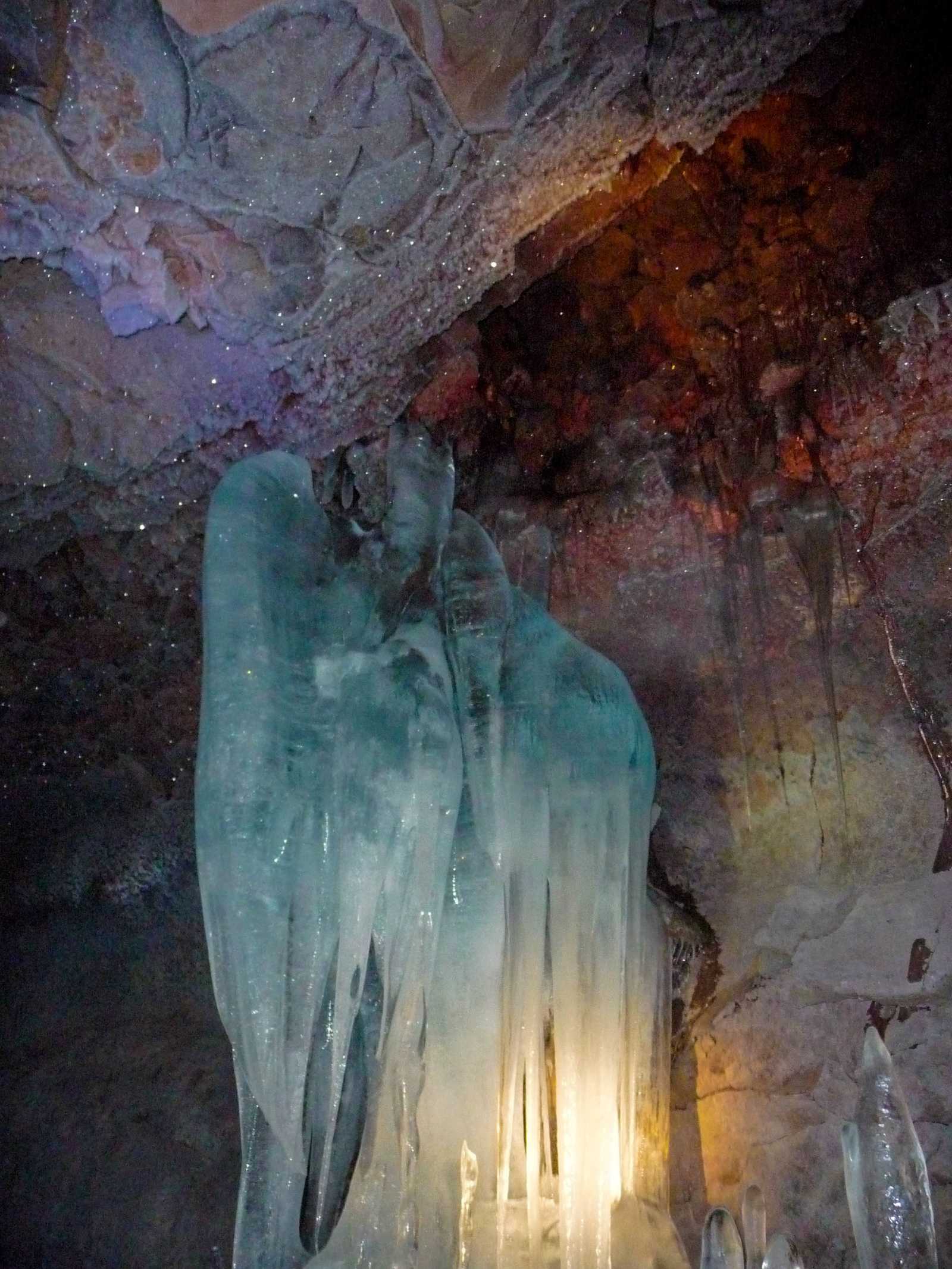
Under sea ice in the polar regions, cold, salty brine can drain downward from forming ice like an invisible, freezing waterfall. When this dense, super‑chilled brine pours into the water below, it can create icy “fingers” known as brinicles that reach toward the seafloor, freezing everything they touch along the way. Time‑lapse footage taken by polar research teams shows these eerie structures growing and crawling across the bottom like something out of a science fiction film. Around them, bizarre communities of sponges, worms, and other hardy organisms cling to life in conditions that would kill most familiar species.
Scientists understand the basic physics of why supercooled, salty water sinks, but the intricate details of how brinicles form, persist, and influence local ecosystems are far from fully mapped. The environment is brutally hard to access, with thick ice cover, extreme cold, and limited daylight monopolizing logistics. That means the world beneath sea ice is still one of the least observed habitats on Earth, even as climate change is rapidly reshaping it. With polar regions warming faster than the global average, these alien ice structures might change or disappear before we fully grasp their role in shaping under‑ice habitats and nutrient flows.
Why These Mysteries Matter Far Beyond the Open Sea
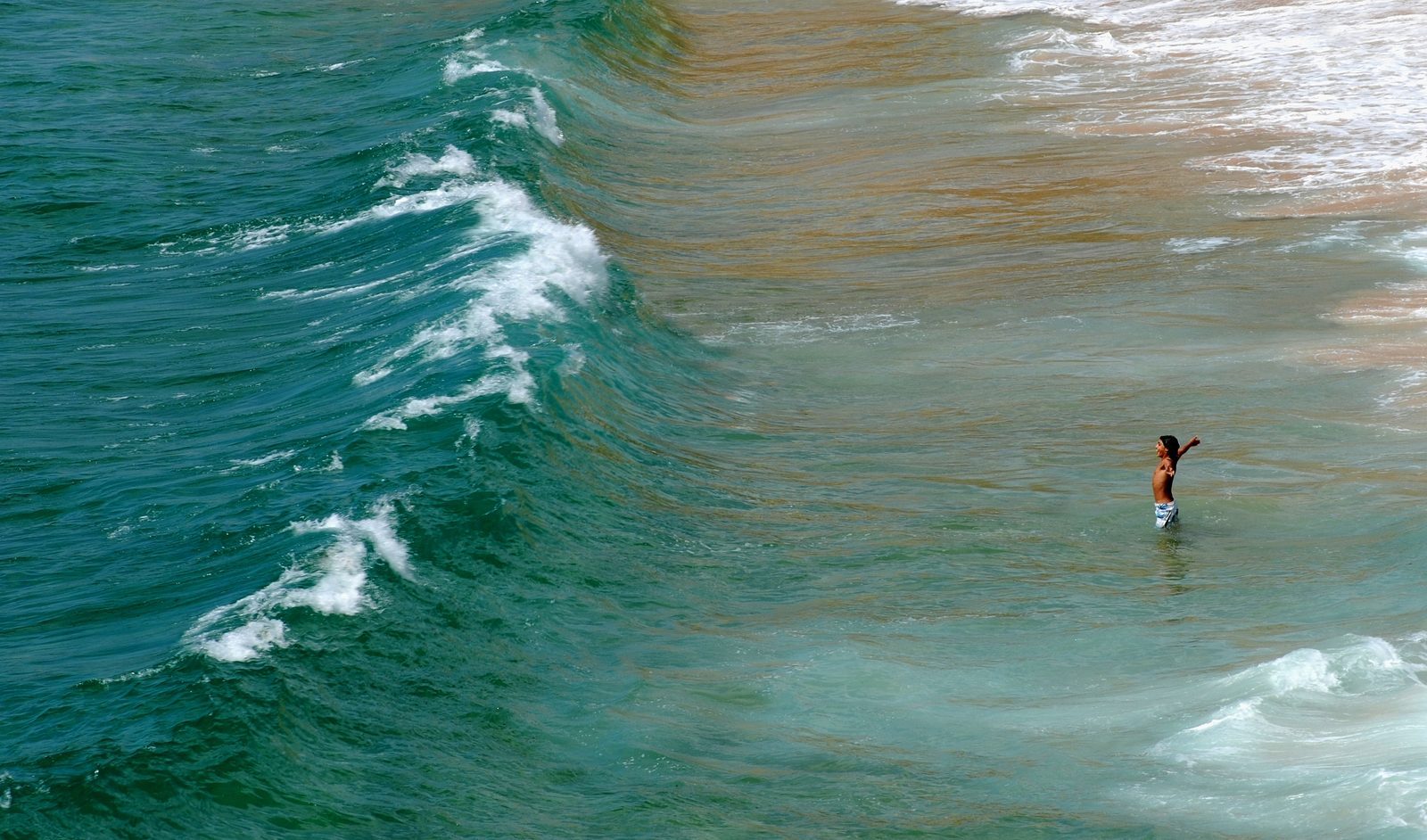
It’s tempting to file stories about glowing seas and mysterious sounds under the “fun facts” category, but they point to gaps in knowledge that can have very real consequences. Rogue waves and poorly understood storm‑related phenomena translate directly into risks for shipping, fisheries, and coastal communities that depend on accurate hazard forecasts. Uncertain patterns in deep‑ocean heat storage complicate climate projections that guide infrastructure spending and disaster planning on land. Even arcane‑sounding topics like deep scattering layers feed into global carbon models that help determine international policy targets.
Compared with traditional oceanography, which often focused on mapping coastlines and currents, these modern mysteries live at the edges of what our instruments can detect. They highlight how much of twentieth‑century confidence about a “well‑known” ocean was built on sparse and uneven data. Now, as sensor networks become denser, we are seeing the ocean as more dynamic, more patchy, and in many ways more surprising than older textbooks suggested. The fact that trained experts are still genuinely baffled by phenomena recorded with today’s technology is not a sign of weakness in science; it is a reminder that the planet is more intricate than any model we have yet built.
The Future Landscape: New Tools for an Unfinished Map
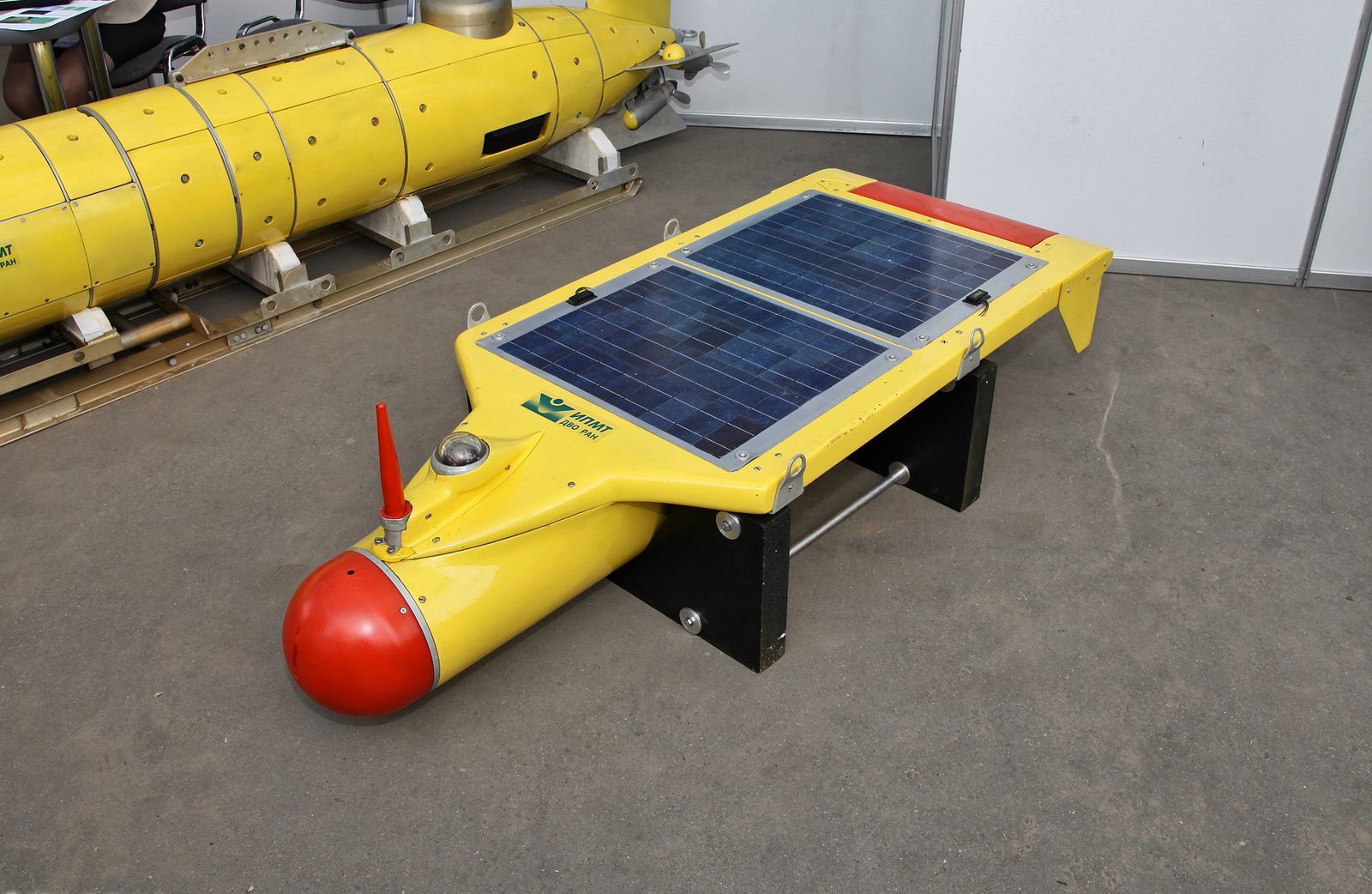
The good news is that a new generation of tools is finally starting to nibble away at these unanswered questions. Autonomous underwater vehicles can now roam for months, carrying acoustic recorders, chemical sensors, and even small laboratories to analyze life in situ. Swarms of low‑cost floats and gliders are filling in blind spots in remote basins, and machine‑learning systems are combing through massive acoustic datasets to pick out patterns our ears would never notice. In some cases, satellites can even detect phenomena like milky seas or subtle changes in sea surface height that hint at deep processes below.
But these technologies also create challenges: more data means more anomalies, and more anomalies mean more mysteries to explain. Funding for long‑term observations is often unstable, even though many of these questions can only be answered with decade‑scale records. There is also a geopolitical layer, as nations debate how much ocean data to share in a world where undersea infrastructure and submarine operations are strategically sensitive. The likely outcome is that the next few decades will reveal entirely new categories of unexplained ocean phenomena even as we finally crack some of today’s puzzles.
How You Can Stay Engaged With the Ocean’s Unsolved Stories
Most of us will never hear the Bloop on a hydrophone or sail through a glowing milky sea, but there are still meaningful ways to connect with these mysteries from dry land. Supporting organizations that fund ocean research, whether through donations, memberships, or simply paying attention to their findings, helps keep long‑term projects alive. Reading and sharing reputable science reporting about the oceans can nudge public opinion and policymakers toward recognizing how important these puzzles really are. On a more personal level, making everyday choices that reduce pollution and carbon emissions contributes to healthier seas, which in turn makes it easier for scientists to disentangle natural mysteries from human‑driven chaos.
If you live near the coast, participating in community science projects, beach cleanups, or local lectures can turn the abstract idea of ocean research into something you feel in your bones. Even something as simple as checking live data from buoys and research programs online can make the ocean’s hidden rhythms feel less distant. The next time you stand at the water’s edge, it might be worth remembering that somewhere beyond the horizon, instruments are listening to sounds we still cannot name and tracking lights we still cannot fully explain. In a world that often feels over‑explained, the ocean quietly insists that mystery is not gone; it has just gone deeper.
Suhail Ahmed is a passionate digital professional and nature enthusiast with over 8 years of experience in content strategy, SEO, web development, and digital operations. Alongside his freelance journey, Suhail actively contributes to nature and wildlife platforms like Discover Wildlife, where he channels his curiosity for the planet into engaging, educational storytelling.
With a strong background in managing digital ecosystems — from ecommerce stores and WordPress websites to social media and automation — Suhail merges technical precision with creative insight. His content reflects a rare balance: SEO-friendly yet deeply human, data-informed yet emotionally resonant.
Driven by a love for discovery and storytelling, Suhail believes in using digital platforms to amplify causes that matter — especially those protecting Earth’s biodiversity and inspiring sustainable living. Whether he’s managing online projects or crafting wildlife content, his goal remains the same: to inform, inspire, and leave a positive digital footprint.