

You might think you know what happens when you step outside for fresh air, but science reveals nature’s impact goes far deeper than most people realize. Recent research uncovers fascinating ways your body and mind respond to natural environments, from cellular changes to brain rewiring that lasts weeks after a single forest visit.
The evidence keeps mounting from laboratories worldwide. Studies now show that something as simple as looking at trees can alter your physiology in measurable ways. These aren’t just feel-good theories anymore. They’re documented changes happening at the molecular level, backed by rigorous scientific investigation. So let’s dive into the surprising ways nature transforms your health.
Your Immune System Gets a Dramatic Boost
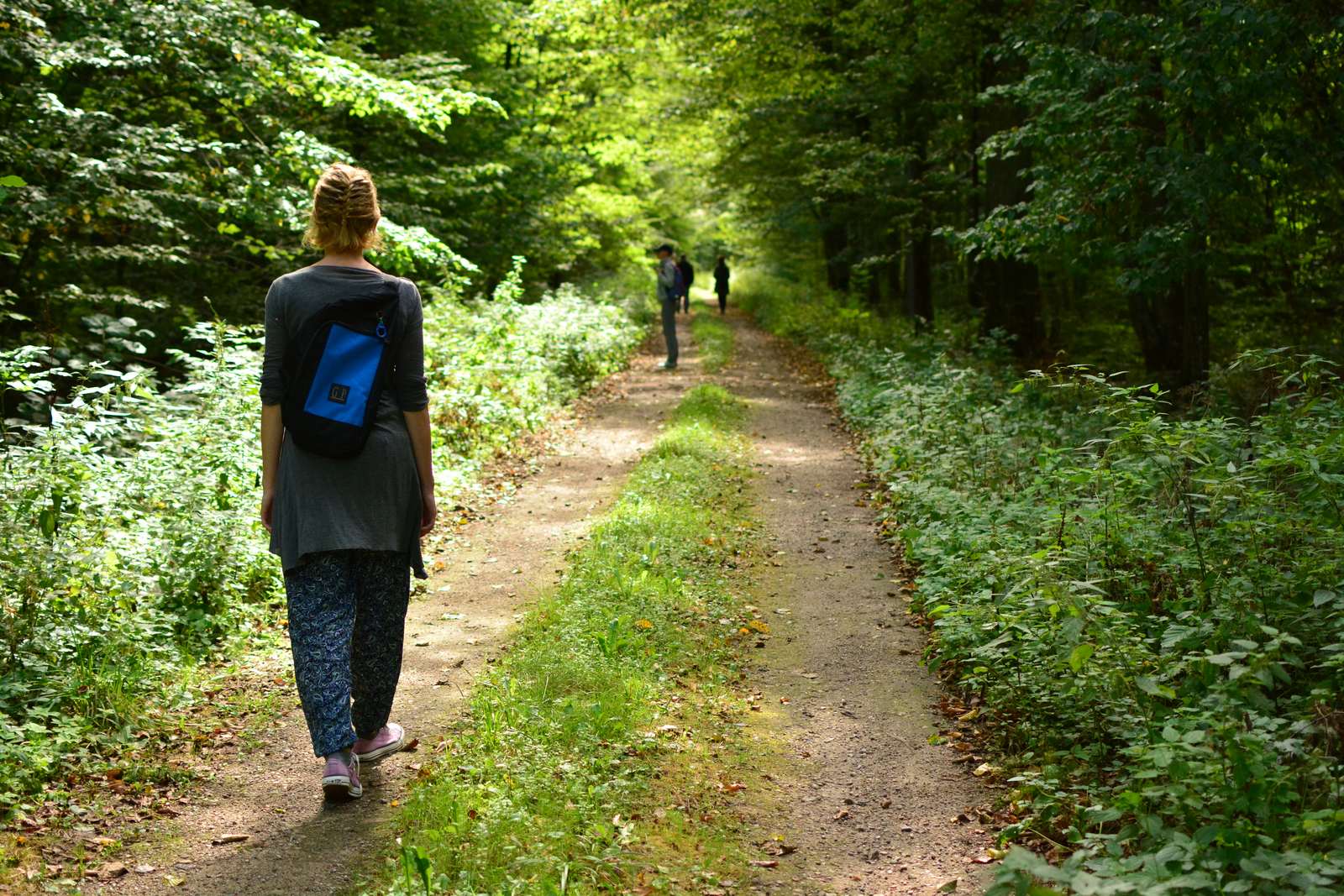
Your immune cells literally become more active when you spend time in forests. Essential oils from trees, called phytoncides, trigger a significant spike in natural killer cells – the specialized immune fighters that hunt down cancer cells and viruses in your body.
This isn’t a temporary effect either. Recent scientific findings suggest beneficial effects from nature exposure on human immune responses, with improved cardiovascular, metabolic, oncogenic, respiratory and endocrine function. The phytoncide benefits of one forest walk can last for weeks, meaning your immune system stays supercharged long after you return to the city.
Decreased expression of pro-inflammatory molecules, infiltration of leukocytes and release of cytotoxic mediators all happen when you breathe forest air. Your body essentially switches into a more balanced, protective state that helps fight off disease before it takes hold.
Stress Hormones Plummet in Measurable Ways

Precisely 120 minutes. In a study of nearly 20,000 people, those who spent two hours a week in green spaces were substantially more likely to report good health and psychological well-being than those who didn’t meet this threshold. That’s roughly seventeen minutes per day of nature exposure.
Both a 15-min viewing of the forest landscape and a 15-min walk in the forest setting were found to lower the BP, pulse rate, and salivary cortisol concentration in healthy male university students. Even brief glimpses of nature kickstart your body’s relaxation response.
Forest bathing helps decrease stress hormones such as adrenaline, noradrenaline and cortisol that your body produces during stressful situations. The effect is so reliable that researchers now consider nature exposure a legitimate intervention for stress management.
Your Brain Literally Rewires for Better Decision Making

Nature doesn’t just calm your mind – it changes how you think and make choices. A greater degree of nature accessibility is associated with less impulsivity in decision-making, and less impulsivity in decision-making in turn is linked to improved health. This connection between green spaces and better judgment happens through actual changes in brain function.
Compared to urban experience, nature experience led to affective benefits (decreased anxiety, rumination, and negative affect, and preservation of positive affect) as well as cognitive benefits (increased working memory performance). Your brain literally operates more efficiently after time outdoors.
The mechanism involves spatial perception changes that affect how you process information. Humans’ superior perceptual abilities for spatial over temporal matters combined with the psychological relatedness of these constructs makes space perception an important variable in understanding and predicting impulsive decision-making.
Heart Rate Variability Improves Dramatically

Phytoncides have been shown to influence heart rate variability (HRV), an important indicator of autonomic nervous system function and overall stress levels. Higher HRV is associated with better stress resilience and overall health. This metric reflects your heart’s ability to adapt to different situations.
A study published in the International Journal of Environmental Research and Public Health in 2015 found that exposure to phytoncides during forest bathing led to increased HRV, suggesting improved autonomic nervous system balance. Your cardiovascular system essentially becomes more flexible and responsive.
One study published in the International Journal of Environmental Research and Public Health found that forest bathing resulted in significant reductions in heart rate and improvements in heart rate variability, suggesting enhanced parasympathetic nervous activity, which promotes relaxation. This shift toward the “rest and digest” state has profound health implications.
It’s not just any nature that helps – diversity matters enormously. Researchers found that environments with a larger number of natural features, such as trees, birds, plants and waterways, were associated with greater mental wellbeing than environments with fewer features. Nearly a quarter of the positive impact of nature on mental health could be explained by the diversity of features present.
These findings highlight that policies and practices that support richness of nature and species are beneficial both for environment and for public mental health. A single tree in a concrete plaza won’t deliver the same benefits as a complex ecosystem with multiple sensory inputs.
The smartphone application studies tracking real-time responses show that variety in natural settings creates lasting improvements. These benefits can last for up to eight hours after exposure to biodiverse environments, suggesting something profound happens when your senses encounter nature’s complexity.
Sleep Quality and Cognitive Function Both Improve

Phytoncides may play a role in enhancing sleep quality and cognitive function. A study published in the International Journal of Environmental Research and Public Health in 2018 found that participants who were exposed to phytoncides through essential oils experienced improved sleep quality and reduced fatigue.
The connection runs deeper than simple relaxation. Some research suggests that phytoncides may have neuroprotective properties, potentially benefiting cognitive function and reducing the risk of neurodegenerative diseases. Your brain literally gets protective compounds just from breathing forest air.
We found evidence for associations between nature exposure and improved cognitive function, brain activity, blood pressure, mental health, physical activity, and sleep. These effects work together, creating a positive feedback loop where better sleep leads to sharper thinking, which improves decision-making about health behaviors.
Blood Pressure Drops with Remarkable Consistency
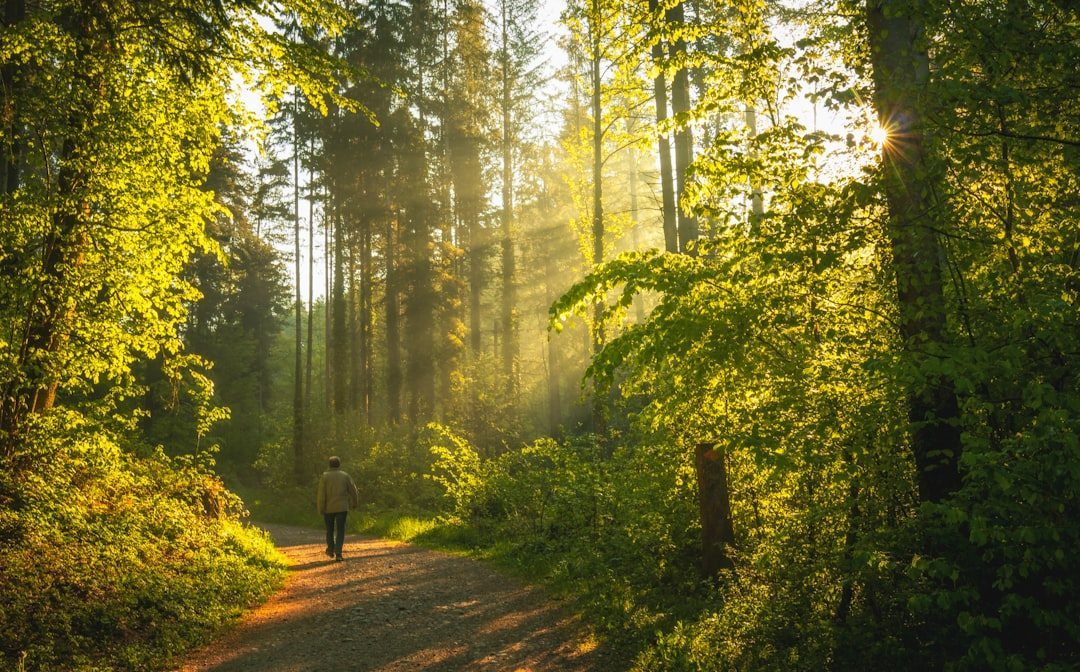
People who made long visits to green spaces had lower rates of depression and high blood pressure, and those who visited more frequently had greater social cohesion. Higher levels of physical activity were linked to both duration and frequency of green space visits. The cardiovascular benefits appear both immediate and cumulative.
An approximately 15-min forest walk decreased the heart rate (HR) in young men, as well as in young women. In a study conducted in Helsinki, Finland, a 15-min period of viewing a large urban forest in a sitting position was associated with a lower systolic BP and lower HR. Even passive nature viewing creates measurable physiological changes.
The synthesis of the findings in the included studies revealed that forest bathing interventions were effective at reducing blood pressure, lowering pulse rate, increasing the power of heart rate variability. Healthcare professionals should consider the practice of forest bathing as a “preventive medicine” to reduce stress and lower blood pressure in those suffering from hypertension.
Conclusion

Nature’s healing power operates through pathways science is just beginning to understand. From immune cells that stay active for weeks to brain changes that improve decision-making, your body responds to natural environments in ways that seem almost too good to be true. Yet the research keeps confirming what many have intuitively known – we need nature not just for recreation, but for optimal health.
The magic threshold appears to be around two hours weekly, though even fifteen-minute doses create measurable changes. Whether you’re breathing phytoncides in a forest or simply viewing diverse natural scenes, your physiology shifts toward better health. What surprises you most about these nature-based transformations? Tell us in the comments.
Hi, I’m Andrew, and I come from India. Experienced content specialist with a passion for writing. My forte includes health and wellness, Travel, Animals, and Nature. A nature nomad, I am obsessed with mountains and love high-altitude trekking. I have been on several Himalayan treks in India including the Everest Base Camp in Nepal, a profound experience.