
Across the American landscape, scars from ancient skyfalls are hiding in plain sight – on ranchland, beside highways, and even beneath entire towns. Each crater tells a chapter of Earth’s risky romance with space, from fireball impacts to the slow work of erosion that softened their edges. Visiting them isn’t just sightseeing; it’s a chance to read the rock record like a detective novel, page by page. The problem is that most of us picture a single big hole in the ground and miss the deeper lessons. The solution is stepping onto these sites with fresh eyes – looking for shock features, deciphering ages, and connecting them to how we watch the sky today.
Meteor Crater, Arizona – The Hidden Clues
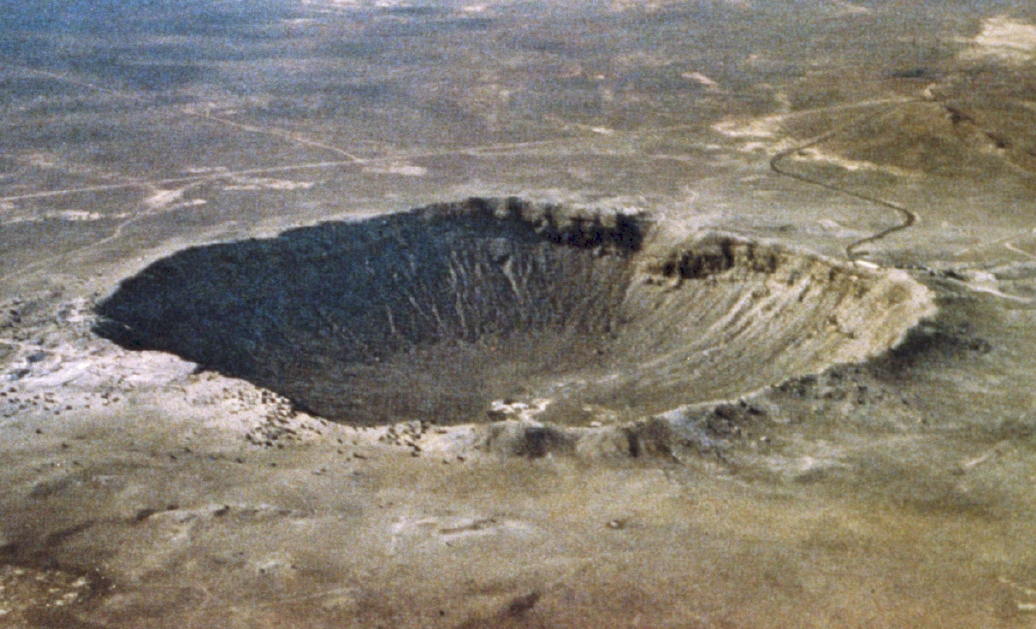
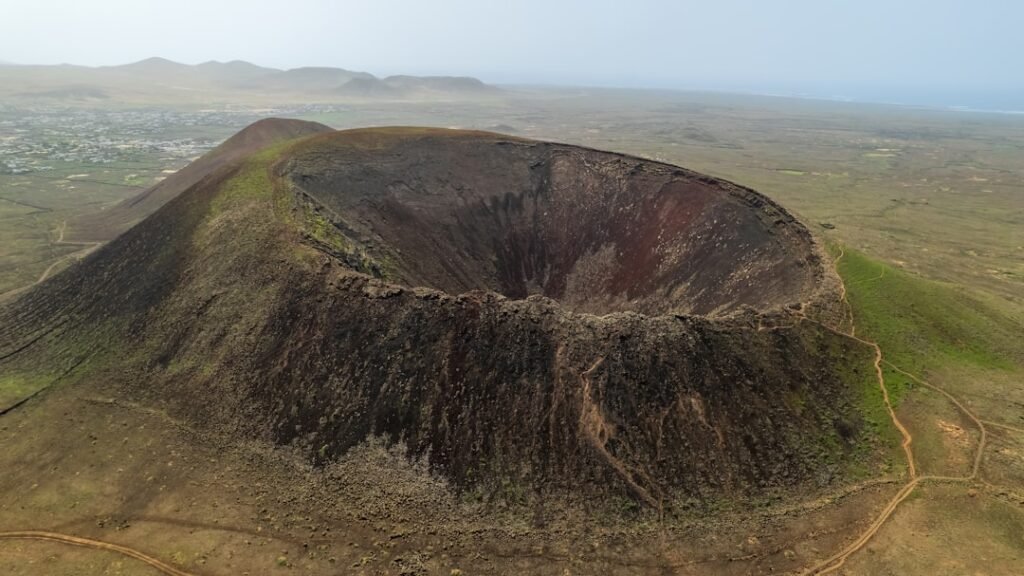
A space rock the size of a building struck the Colorado Plateau about fifty thousand years ago, carving a bowl roughly three quarters of a mile across in what is now northern Arizona. Standing on the rim, the symmetry is startling, like nature drew a perfect circle with a compass and then filled it with wind and silence.
The crater formed when an iron asteroid slammed in at tremendous speed, vaporizing rock and throwing out debris called ejecta that still blankets the prairie. On display at the visitor center, melt-splashed fragments and iron-rich shards hint at the violence that unfolded in seconds.
For scientists, Meteor Crater is a laboratory under open sky: a benchmark for impact physics, blast-wave models, and crater scaling used on the Moon and Mars. For travelers, it’s a masterclass in reading subtle features – terraced walls, overturned strata, and a raised rim that tells you which way the shock wave moved.
Odessa Meteor Crater, Texas – Lessons in Small Impacts
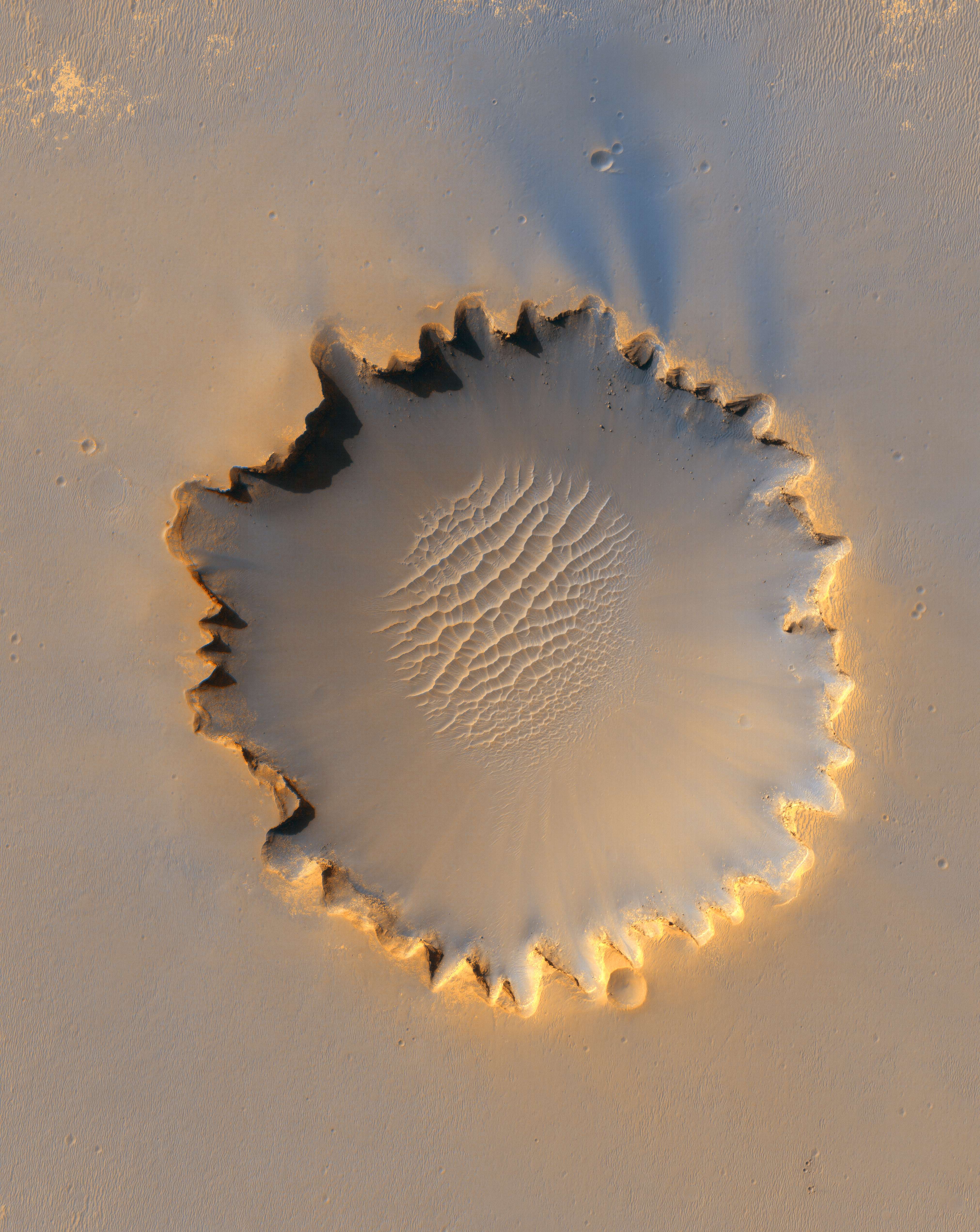
On the flat oil country west of Midland, a cluster of modest craters shows how even “small” impacts can bruise a planet. Odessa’s main depression is far tinier than its Arizona cousin, but its story is just as compelling once you slow down and look closely.
Late Ice Age meteorites peppered this ground, leaving pits and scattering iron across the surface where early collectors found glinting metal in the dust. Today, a simple trail and a low-key museum foreground the basics: impact fragments, geologic context, and how to tell a meteorite from a terrestrial imposter.
Odessa teaches a practical lesson about risk: most cosmic intruders are small, and they hit more often than headline-grabbers. The site’s scale helps you imagine airbursts, ground bursts, and why detection programs track even modest objects that can shatter windows or damage infrastructure.
Wetumpka Impact Crater, Alabama – A City Built on an Explosion
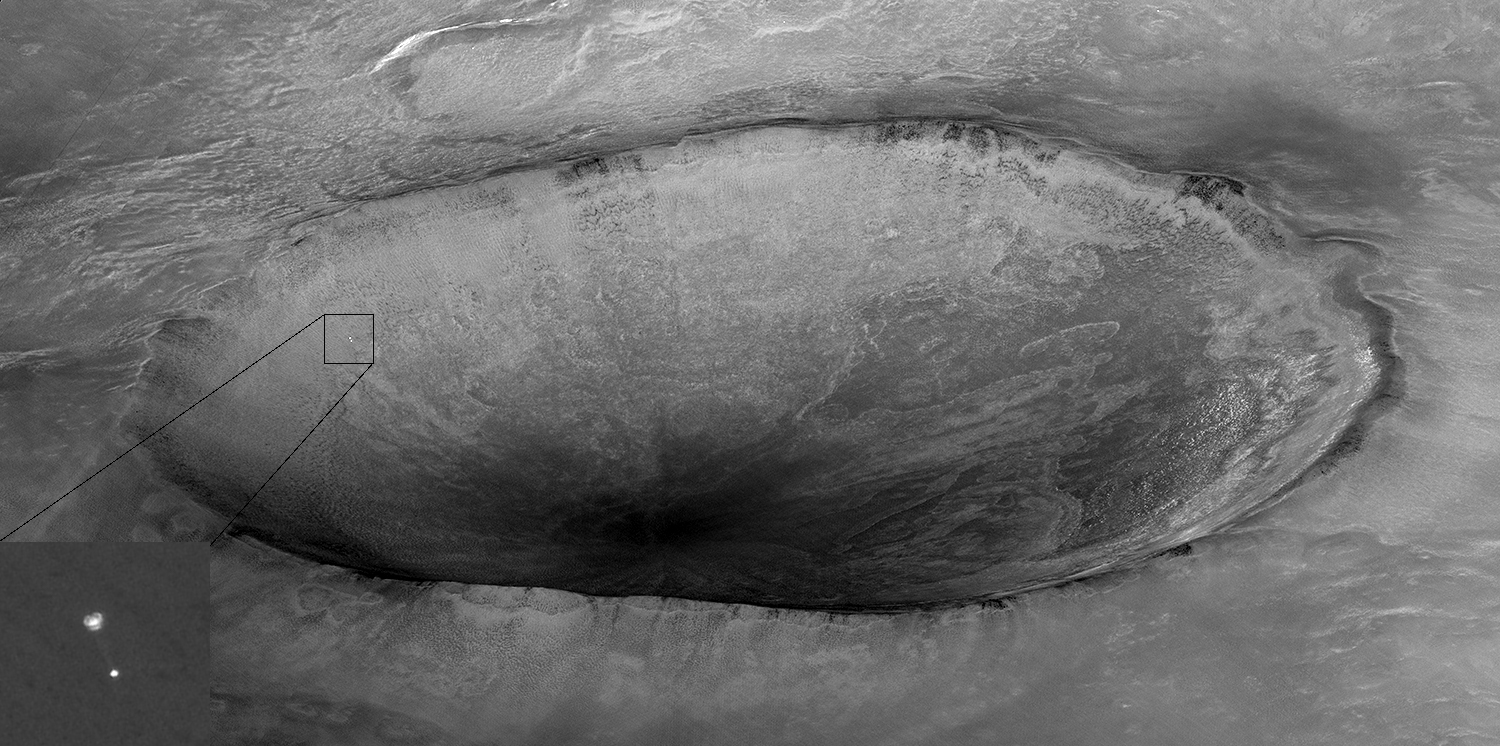
Drive into Wetumpka and you’re crossing a crater without realizing it – an ancient blast zone now stitched into neighborhoods, churches, and sidewalks. The impact struck in the Late Cretaceous, long before the first streets were surveyed, and its broken bedrock still ripples beneath the town’s gentle hills.
Unlike a pristine bowl, Wetumpka is deeply eroded; what remains is a raised ring of shocked and tilted rock formed by the rebound of the crust after impact. Guides and local signage point out the rim’s arc, the breccia-laced outcrops, and the way streams follow weakened zones.
For educators, Wetumpka is a gift because it links geologic catastrophe to everyday life – kids can learn about shock metamorphism where they buy snacks or wait for the bus. It also underscores how impacts do not vanish from the record when the hole fills in; the Earth remembers in fractures, minerals, and topography.
Upheaval Dome, Utah – From Controversy to Consensus
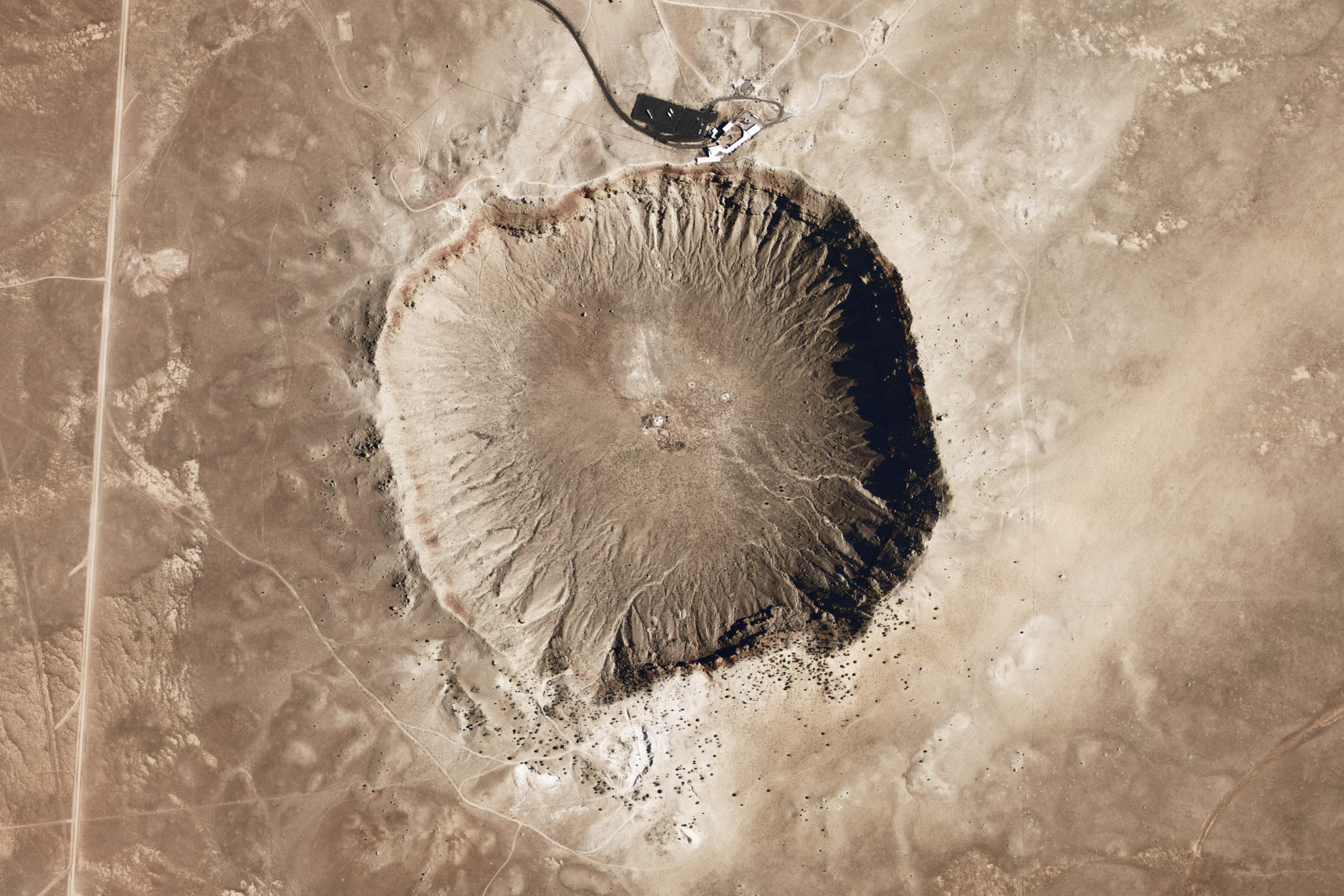
In Canyonlands National Park, Upheaval Dome looks like a rock rose unfurling from sandstone – a strange, circular uplift at the end of a dusty trail. For decades, geologists debated whether a salt dome or an impact created the structure, arguing over maps and thin sections like a courtroom drama.
The tide turned with the discovery of shocked quartz and other impact fingerprints, the mineralogical equivalent of a confession. Two overlooks give sweeping views of concentric rings and a central peak, the signature splash pattern of a complex crater.
Upheaval Dome’s journey from puzzle to consensus is a reminder that science advances by testing ideas against hard evidence. It also shows how modern tools – microscopy, geochronology, and high-resolution imaging – can settle old questions and refine our playbook for reading landscapes on Earth and beyond.
Serpent Mound Disturbance, Ohio – Where Culture Meets Catastrophe
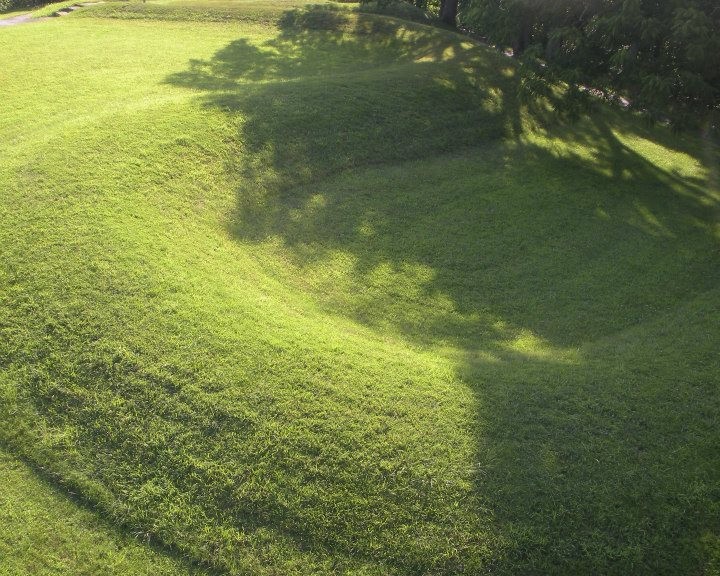
Deep in the rolling hills of southern Ohio lies an eroded impact structure overlain by one of North America’s most remarkable earthworks. The famous serpent effigy was built by Indigenous peoples long after the impact, yet the underlying fractured crater helped sculpt the ridge that frames the site.
Here, the geology reveals concentric disruption and peculiar rock fabric – classic signs of a battered crust that later weathered into soft curves and hollows. Trails and overlooks invite visitors to compare the elegant human-made serpent with the rough circle geology left behind.
Serpent Mound crystallizes two truths at once: cosmic events can shape the stage, and people write their own stories on top of it. The dual heritage makes this a powerful classroom for discussing time scales, stewardship, and respecting cultural history while exploring geologic origins.
Middlesboro Crater, Kentucky – Everyday Life Inside a Crater
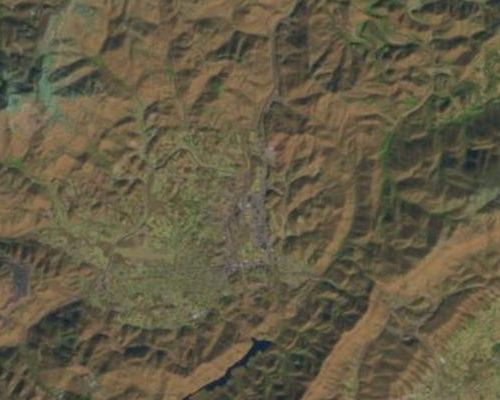
The town of Middlesboro sits inside a long-eroded impact basin tucked against the Cumberland Gap, where a low rim hides in tree-lined ridges. It’s easy to miss, but roadcuts reveal the telltale shatter cones – conical fractures formed by shock waves that once ripped through solid rock.
Living inside a crater reframes the idea that impacts are distant or abstract; people here drive across the rim to buy groceries and hike through shocked bedrock on weekend trails. Park waysides and regional museums stitch the geology into local identity.
Middlesboro demonstrates resilience as well as science: the same structural disruptions that recorded a violent past now direct drainage, ecosystems, and commerce. It’s an everyday laboratory that turns highway shoulders and trail switchbacks into field lessons for families and students.
Santa Fe Impact Structure, New Mexico – Why It Matters for Planetary Defense
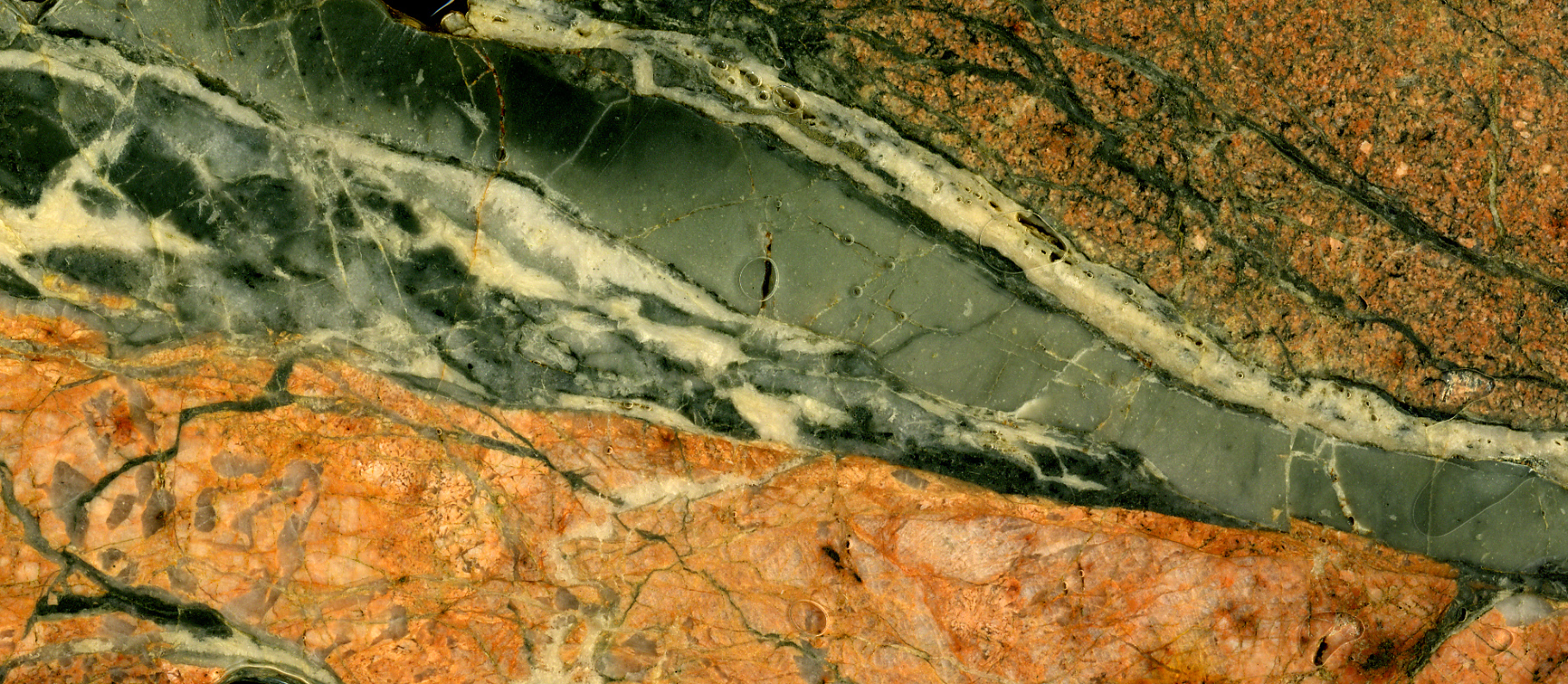
North of Santa Fe, along arroyos and roadcuts, the rocks carry a ghostly signature of an ancient impact: graceful shatter cones fanning through hard stone. There’s no obvious bowl here – the crater has been chewed away by time – yet the shock features are unmistakable once you learn the pattern.
Santa Fe is a masterclass in detecting vanished craters, which matters because many impacts erode beyond recognition. By studying the microscopic and structural clues, researchers calibrate how long scars persist and how to spot them on satellite images of other worlds.
The educational punchline reaches into the future: lessons from these sites feed models that guide telescope surveys and mission planning. As new sky-scanning observatories expand our catalog of near‑Earth objects and impact simulations improve, field evidence from places like Santa Fe keeps the equations honest and the risk estimates grounded.
Suhail Ahmed is a passionate digital professional and nature enthusiast with over 8 years of experience in content strategy, SEO, web development, and digital operations. Alongside his freelance journey, Suhail actively contributes to nature and wildlife platforms like Discover Wildlife, where he channels his curiosity for the planet into engaging, educational storytelling.
With a strong background in managing digital ecosystems — from ecommerce stores and WordPress websites to social media and automation — Suhail merges technical precision with creative insight. His content reflects a rare balance: SEO-friendly yet deeply human, data-informed yet emotionally resonant.
Driven by a love for discovery and storytelling, Suhail believes in using digital platforms to amplify causes that matter — especially those protecting Earth’s biodiversity and inspiring sustainable living. Whether he’s managing online projects or crafting wildlife content, his goal remains the same: to inform, inspire, and leave a positive digital footprint.