Life has this incredible knack for showing up where we least expect it. Just when scientists think they’ve figured out the rules of where organisms can survive, nature throws them a curveball that completely changes everything. From the deepest ocean trenches to the most radioactive environments on Earth, life keeps proving that it’s far more resilient and creative than we ever imagined.
The Moment Everything Changed About Deep Sea Life
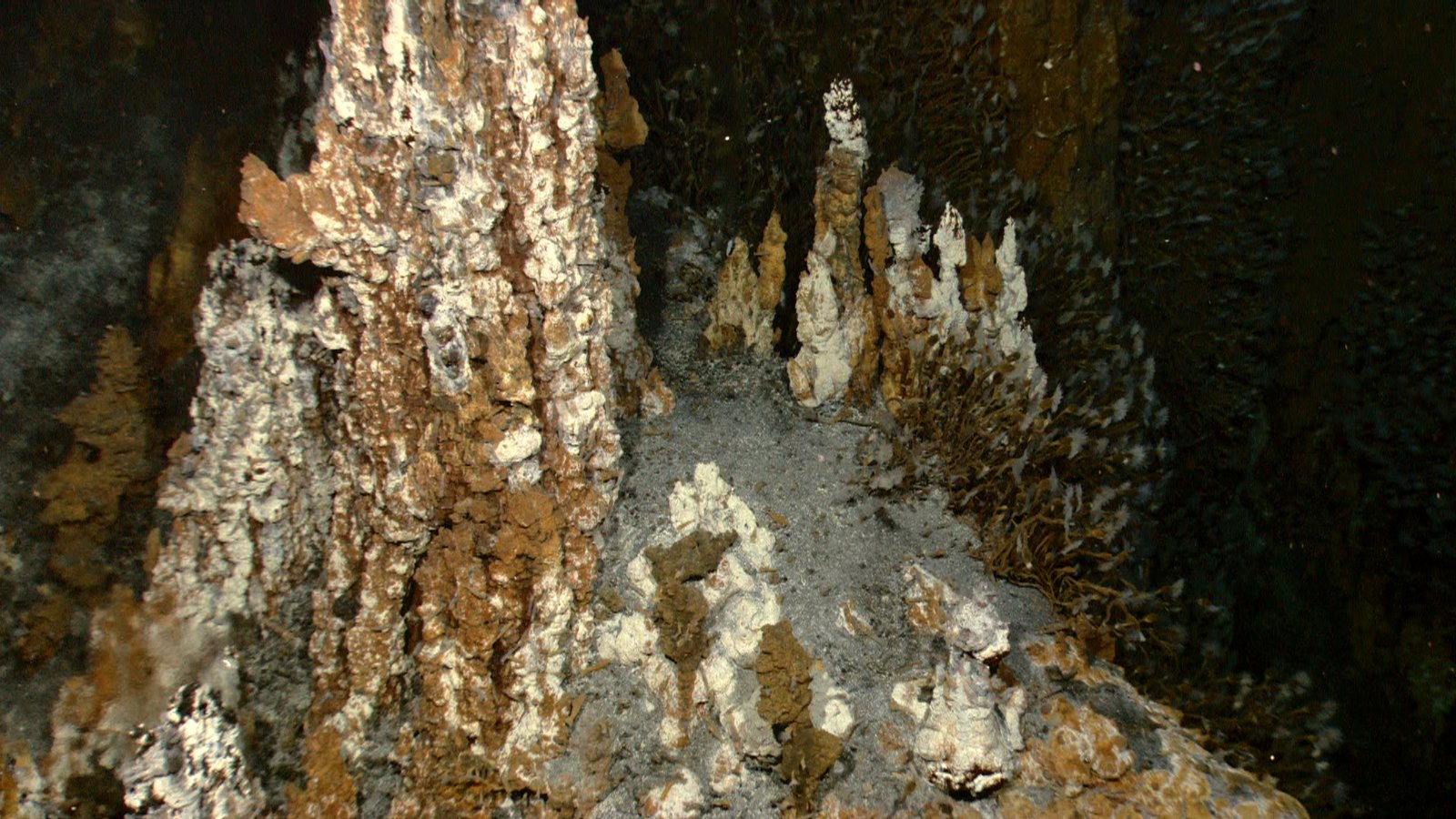
Back in 1977, scientists exploring the Galápagos Rift made a discovery that literally rewrote biology textbooks. They found entire ecosystems thriving around hydrothermal vents on the ocean floor, places where water reaches temperatures of over 400°C and toxic chemicals spew out constantly. Before this moment, everyone believed that all life on Earth ultimately depended on sunlight through photosynthesis. These deep-sea communities completely shattered that assumption by surviving on chemosynthesis instead. Giant tube worms, ghostly white crabs, and bizarre clams were living in what should have been a lifeless hellscape. The discovery was so shocking that it took years for the scientific community to fully accept what they were seeing.
Why Antarctica’s Dry Valleys Aren’t Actually Lifeless
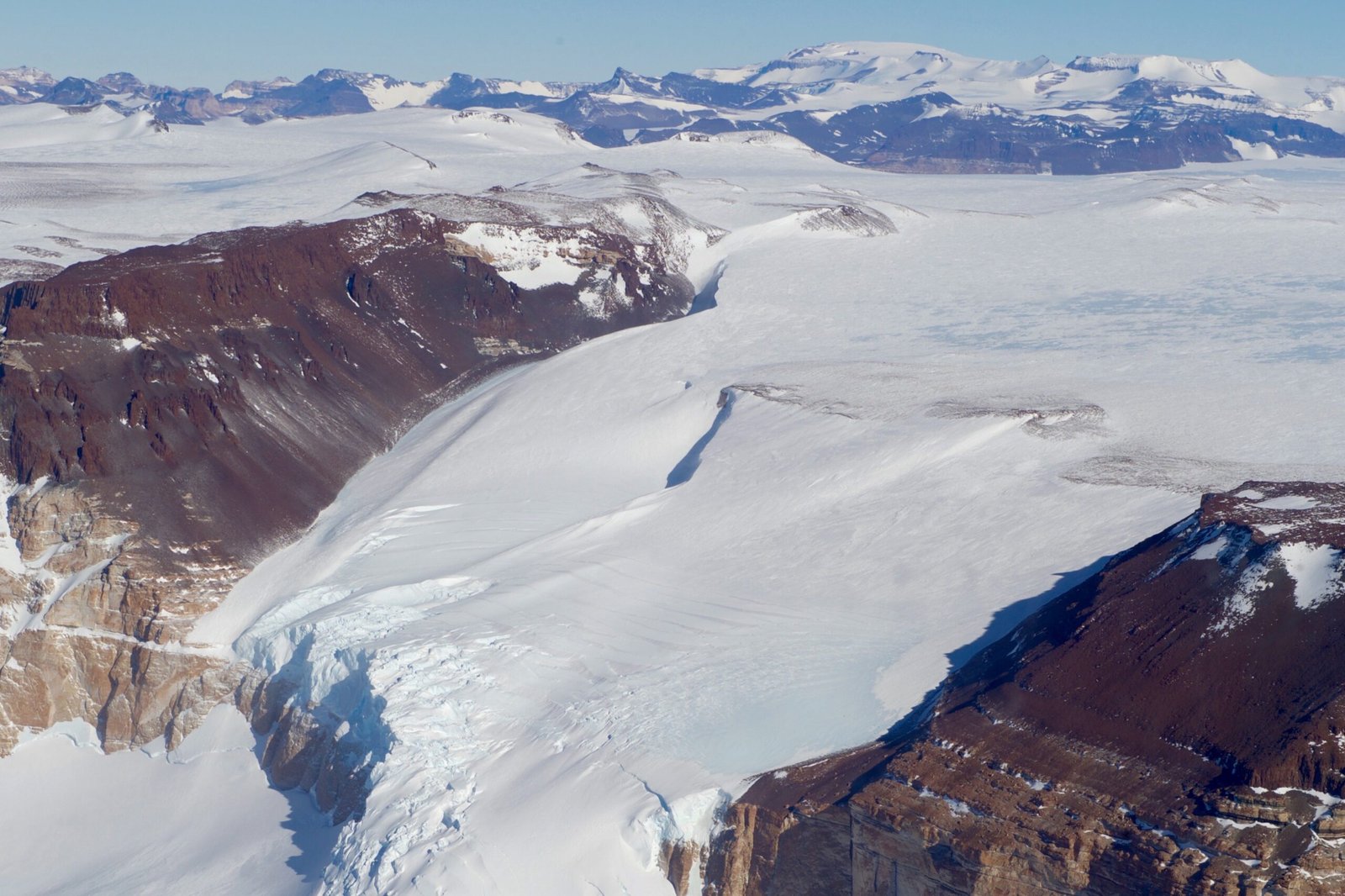
Antarctica’s McMurdo Dry Valleys look like something straight out of Mars, and for decades, scientists assumed they were completely sterile. These valleys are so harsh that they receive no snowfall, have hurricane-force winds, and temperatures that can drop to -50°C. The landscape is so barren that NASA actually uses it to test Mars rovers. But in the late 1990s, researchers started finding microbial life hiding in the most unlikely spots within these valleys. Bacteria were discovered living inside rocks, protected from the brutal conditions by just a few millimeters of stone. Some microbes were even found in the hypersaline lakes that occasionally form in these valleys, surviving in water so salty it would kill most other organisms instantly.
The Incredible Survivors of Chernobyl’s Radioactive Zone

When the Chernobyl nuclear reactor exploded in 1986, it created what many thought would be a dead zone for centuries. The radiation levels were so high that they could kill a human in minutes, and the area was evacuated permanently. But nature had other plans entirely. Within just a few years, scientists began documenting an explosion of wildlife returning to the area. Wolves, bears, lynx, and hundreds of bird species now thrive in the exclusion zone. Even more surprising, some fungi have been found that actually feed on radiation, using it as an energy source like plants use sunlight. These remarkable organisms have developed melanin-rich cell walls that can harness gamma radiation and convert it into chemical energy.
Life Found Thriving in Earth’s Most Acidic Waters
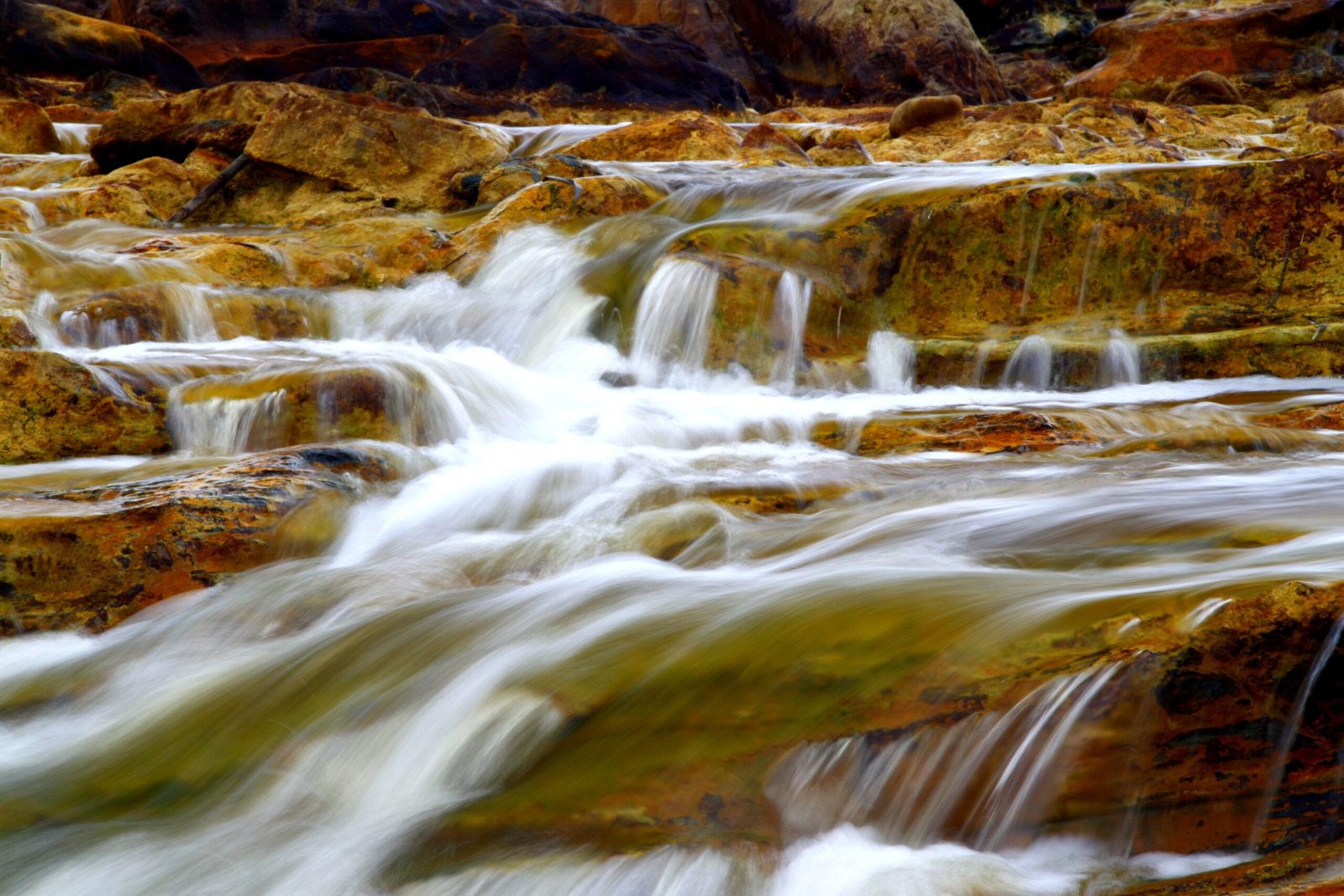
The Rio Tinto river in Spain is so acidic that it literally dissolves metal, with a pH level similar to battery acid. The water runs blood-red due to iron oxide, and for years, scientists thought nothing could possibly survive in such extreme conditions. This river is so hostile to life that researchers study it as an analog for what ancient Mars might have been like. However, in the 1990s, scientists discovered that the river was actually teeming with life. Extremophile bacteria and archaea were not just surviving but thriving in these acidic waters. These microorganisms had evolved incredible adaptations to deal with the extreme acidity, including specialized proteins that function normally in conditions that would destroy most biological molecules. The discovery has completely changed how we think about the limits of life on Earth and potentially other planets.
The Shocking Discovery Miles Beneath Our Feet

Scientists always assumed that life couldn’t exist more than a few hundred meters below the Earth’s surface due to heat, pressure, and lack of nutrients. That assumption was completely wrong. In the 1980s, researchers began finding microbial life at depths that seemed impossible, and they kept digging deeper. Today, we know that there’s an entire “deep biosphere” extending kilometers into the Earth’s crust. These subsurface microbes survive by eating minerals and rocks, processing sulfur and iron compounds in ways that seem almost magical. Some of these organisms reproduce so slowly that individual cells might live for thousands of years. The biomass of this underground life is estimated to be enormous, possibly rivaling all surface life combined.
When Space Became a Livable Environment
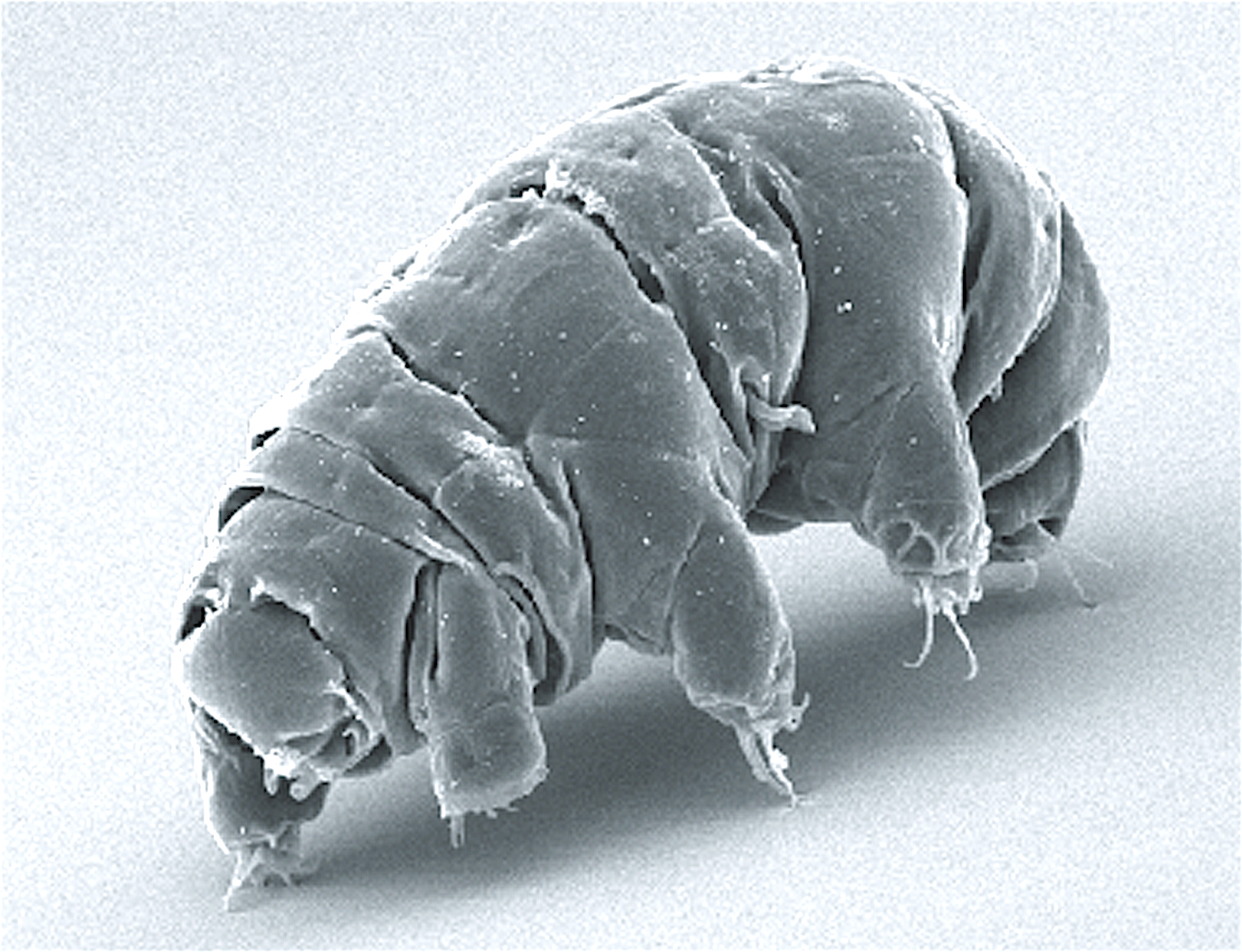
The vacuum of space has always been considered the ultimate hostile environment where nothing could survive. No air, no water, extreme temperatures, and deadly radiation make it seem like the perfect definition of lifelessness. But in 2007, scientists conducted an experiment that changed everything. They exposed tardigrades, tiny microscopic animals also known as water bears, to the vacuum of space for 10 days. These remarkable creatures not only survived but actually reproduced after returning to Earth. The experiment proved that some Earth life could potentially survive in space for extended periods. This discovery has massive implications for how life might spread between planets and whether Earth organisms could survive on other worlds.
The Microbes That Laugh at Boiling Water
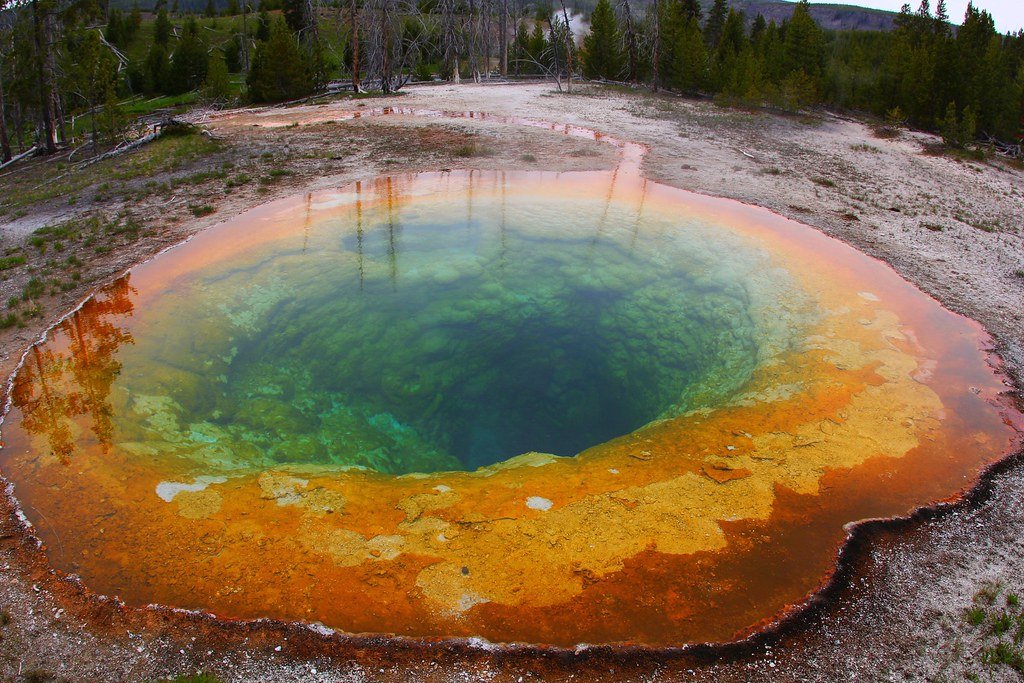
Yellowstone’s hot springs were long thought to be sterile due to their extreme temperatures, with some reaching over 90°C. The water is often so hot that it would cook most organisms instantly, and many of these springs are also highly alkaline or acidic. But in the 1960s, scientists started finding colorful bacterial mats thriving in these seemingly impossible conditions. These thermophile bacteria had evolved to not just tolerate but require these extreme temperatures to survive. The discovery led to breakthroughs in biotechnology, as enzymes from these heat-loving organisms are now used in DNA analysis and industrial processes. Without these tough microbes, many modern scientific techniques simply wouldn’t exist.
How Life Conquered the Saltiest Places on Earth

The Dead Sea and other hypersaline environments were named “dead” for good reason – the salt concentration is so high that it preserves organic matter by preventing decay. These waters are nearly 10 times saltier than the ocean, creating conditions that should be lethal to any living thing. For decades, scientists believed these environments were truly lifeless. However, researchers eventually discovered that specialized bacteria and archaea called halophiles were actually thriving in these salty extremes. These organisms have evolved incredible adaptations, including the ability to accumulate salt inside their cells to balance the external environment. Some halophiles even use a unique form of photosynthesis that gives them a distinctive purple color, creating stunning pink and red salt flats around the world.
The Surprising Ecosystem Inside Nuclear Reactors

Nuclear reactor cooling pools contain some of the most radioactive water on Earth, with radiation levels that would be instantly fatal to humans. These pools were designed to be sterile environments where nothing could possibly survive. But maintenance workers started noticing something odd – a slimy buildup on the walls and equipment that kept growing back no matter how often it was cleaned. Scientists investigated and found thriving communities of bacteria that had adapted to live in these incredibly radioactive conditions. These organisms had developed enhanced DNA repair mechanisms and other protective systems that allowed them to survive radiation doses thousands of times higher than what would kill most life. The discovery has opened up new possibilities for bioremediation of nuclear waste and understanding how life might survive in space.
Life’s Incredible Journey to the Stratosphere

The stratosphere, located 10-50 kilometers above Earth’s surface, was always considered a lifeless zone due to extreme cold, low pressure, and intense UV radiation. The air is so thin that it’s essentially like being in space, and temperatures can drop to -80°C. But in recent years, scientists have been finding microorganisms at these incredible altitudes. These aerial microbes have somehow adapted to survive the journey from Earth’s surface to the edge of space. Some appear to be dormant spores waiting for better conditions, while others might actually be active and reproducing in the stratosphere. This discovery suggests that life might be much more mobile than we thought, potentially traveling between continents or even planets through the upper atmosphere.
The Frozen Time Capsules That Came Back to Life

Scientists studying ancient ice cores from Antarctica and Greenland made an astonishing discovery – bacteria that had been frozen solid for hundreds of thousands of years were still alive. These microorganisms had been trapped in ice when mammoths still walked the Earth, essentially frozen in time. When researchers carefully thawed samples of this ancient ice, they found that many bacteria could still be revived and would start growing again. Some of these organisms had been dormant for over 750,000 years, making them the oldest living things ever discovered. The implications are staggering – it suggests that life could potentially survive in frozen conditions on other planets for geological timescales.
Why Volcanic Craters Aren’t as Dead as They Look

Active volcanic craters seem like the definition of a hostile environment, with temperatures hot enough to melt rock, toxic gases, and frequent eruptions. The sulfur dioxide and hydrogen sulfide gases alone should be enough to kill any living thing. But scientists have found thriving microbial communities living right at the edges of active volcanic craters. These extremophile bacteria feed on sulfur compounds and thrive in the acidic, hot conditions that would destroy most life. Some of these organisms have been found living in volcanic hot springs with temperatures exceeding 100°C and pH levels more acidic than lemon juice. The discovery has helped scientists understand how life might have first evolved on early Earth when volcanic activity was much more common.
The Unexpected Tenants of Toxic Waste Sites

Industrial waste sites contaminated with heavy metals, solvents, and other toxins were thought to be ecological dead zones where nothing could survive. These locations often contain concentrations of chemicals that are hundreds of times higher than what would be considered safe for life. But scientists have repeatedly found that nature finds a way to adapt even to these human-made disasters. Bacteria have been discovered that can actually eat toxic chemicals, breaking them down into harmless compounds. Some microorganisms have evolved to use heavy metals like chromium and uranium as part of their metabolism. These discoveries have led to revolutionary new approaches to cleaning up contaminated sites using biological methods rather than expensive chemical treatments.
The Microscopic Survivors of Outer Space Impacts

When asteroids and comets slam into Earth, they create some of the most extreme conditions imaginable – pressures millions of times greater than atmospheric pressure, temperatures of thousands of degrees, and shock waves that can vaporize rock. Scientists always assumed that nothing could survive such catastrophic impacts. But recent research has found that some microorganisms can actually survive being launched into space by asteroid impacts. These hardy bacteria have been found embedded in impact glass and shocked minerals, suggesting they could potentially travel from planet to planet on debris ejected by cosmic collisions. This discovery supports the theory of panspermia – the idea that life might spread throughout the universe by hitchhiking on asteroids and comets.
Life’s Remarkable Adaptation to Pharmaceutical Factories

Pharmaceutical manufacturing facilities use some of the most potent antimicrobial compounds known to science, specifically designed to kill bacteria and other microorganisms. These facilities are regularly sterilized with chemicals that should make them completely sterile environments. But scientists have discovered that certain bacteria have evolved resistance not just to one or two antibiotics, but to entire cocktails of antimicrobial agents used in these factories. These super-resistant organisms have developed incredible biochemical machinery that can neutralize or pump out toxic compounds faster than they can cause damage. The discovery has important implications for understanding how antibiotic resistance develops and spreads in the real world.
The Astonishing Comeback After Mass Extinction Events

Throughout Earth’s history, mass extinction events have wiped out most life on the planet, creating what seem like global sterilization events. The most famous example is the asteroid impact that killed the dinosaurs, but there have been several even more devastating extinctions. Scientists studying rock layers from these ancient catastrophes have found something remarkable – life always bounces back, often in completely unexpected ways. Microorganisms that survived in the most unlikely refuges eventually repopulated the entire planet. Some organisms survived by hiding in deep ocean sediments, others in underground caves, and some even in the shocked minerals created by the impacts themselves. These discoveries show that life is far more resilient than we ever imagined, capable of surviving and recovering from planetary-scale disasters.
Life continues to amaze us with its incredible ability to survive and thrive in places we never thought possible. From the depths of our planet to the edge of space, from the most toxic environments to the most extreme temperatures, living organisms keep proving that the boundaries of life are far wider than we ever imagined. Each new discovery not only expands our understanding of life on Earth but also gives us hope that we might find life in equally unexpected places throughout the universe. What other impossible places might be harboring life right now, waiting for us to discover them?