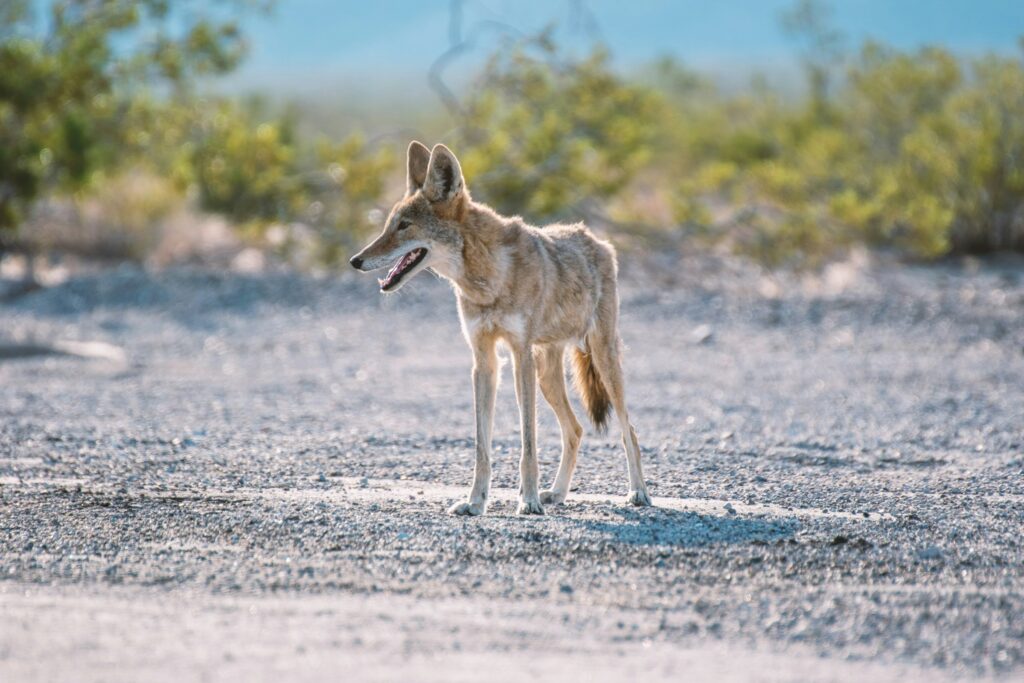

Picture a coyote trotting along the edge of your town just after sunset. To us, it looks like a casual stroll. To the coyote, it is a slow, methodical scan: sights, smells, sounds, escape routes, food sources. Nothing about stepping into a neighborhood is random for this animal.
Understanding what coyotes look for does more than satisfy curiosity. It gives you real leverage: if you can see your street the way a coyote sees it, you can predict where they will show up, and more importantly, you can quietly make your property less inviting without turning your life into a fortress.
1. The Invisible Buffet: Food Smells and Easy Calories
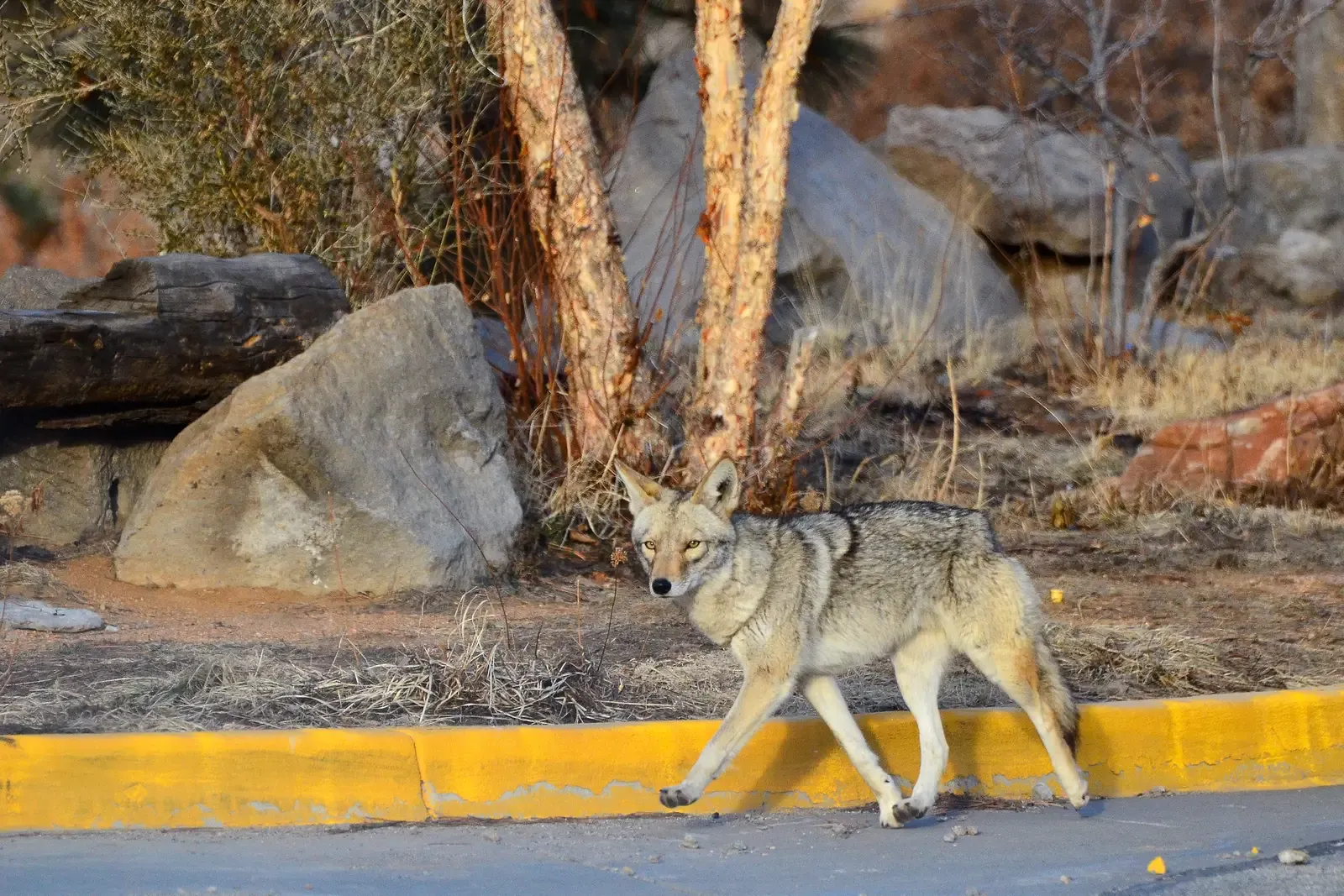
The first thing a coyote notices is not your dog, your kids, or your lawn. It is smell. To a coyote’s nose, a neighborhood can glow with the scent of trash, leftover chicken bones, pet food on porches, fallen fruit, compost piles, and even grease-stained fast‑food bags tossed in a bin. Those scents drift far beyond your fence line, carried on small changes in wind that we barely feel.
Wild coyotes evolved to survive on rodents, rabbits, and carrion, but neighborhoods often offer easier calories with far less effort and danger. A tipped-over garbage can is the equivalent of a fully stocked convenience store with the door propped open. Bird feeders that spill seed attract rodents, and those rodents are another beacon. When people say coyotes “came out of nowhere,” what usually happened is that the buffet was laid out for weeks; the animals just waited until they felt safe enough to cash in.
2. How Busy You Really Are: Human Activity and Timing
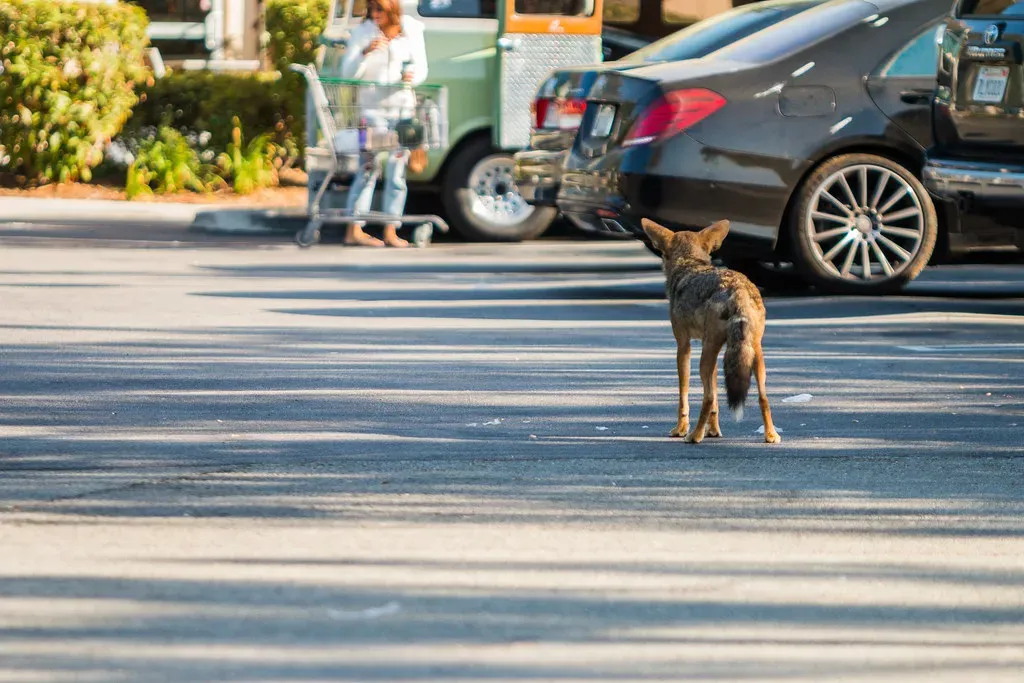
Coyotes are not scared of humans in the abstract. They are wary of specific types of human activity: loud voices, fast movement, vehicles, dogs lunging at fences, and lights flipping on suddenly. Before crossing into a neighborhood, a coyote will watch the pattern: when do the joggers stop, when do kids go inside, when does the last dog walker head home? Over time, they build a mental schedule of your street without you ever noticing they are there.
This is why you are far more likely to see coyotes around dawn, late evening, and deep at night in most places. They are adjusting their movement to sneak between spikes in human traffic, like a commuter avoiding rush hour. If a neighborhood quiets down early and stays calm, coyotes learn that it is safe to wander farther. If people are noisy at all hours, or there is frequent foot and car traffic, coyotes may only skirt the edges or pass through quickly, treating the place like a dangerous shortcut instead of a feeding ground.
3. Your Pets and Their Scent: Potential Prey or Competition
Before a coyote even sees your dog or cat, it often smells them. Scent marks from dogs on mailboxes, lampposts, and lawns act like a bulletin board advertising where other canids live and how often they patrol. Coyotes pick up on this instantly. A neighborhood saturated with fresh, overlapping dog scents might read as risky territory that belongs to larger, unpredictable animals that bite back.
Cats and small dogs, on the other hand, can be noticed as both potential prey and competitors. A coyote that regularly hears small dogs barking behind flimsy barriers, or spots off-leash pets during its quiet hours, may test the edges more boldly. At the same time, an area with many larger dogs that are frequently outside and strongly defended yards can feel more like a defended stronghold. Whether that pushes a particular coyote away or tempts a bolder, more habituated one to test boundaries depends heavily on past experience in similar places.
4. Cover and Escape Routes: Can They Vanish in Two Seconds?
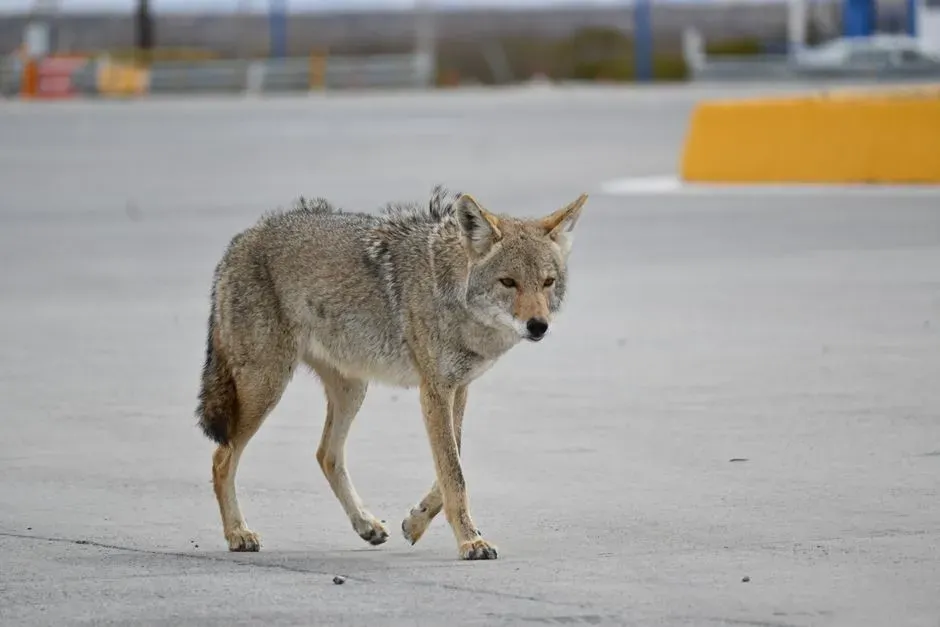
A coyote’s confidence in a neighborhood often comes down to one question: if something goes wrong, can I disappear instantly? They are constantly scanning for cover – hedges, tall grass, drainage ditches, brushy alleys, gaps between fences, and dark corners between buildings. Long, open stretches of bare lawn or brightly lit driveways with no nearby hiding spots are much less appealing for slow exploration.
Think of it like a nervous person choosing a seat near the exit in a crowded theater. Coyotes want routes that let them dart away from vehicles, people, or dogs and quickly break line of sight. Overgrown utility corridors, wooded creeks behind houses, and thick landscaping along fences can become mini coyote highways leading straight into backyards. Many homeowners do not realize that the “wild-looking” corner behind their property is functioning as a stealth entry ramp for wildlife.
5. Noise, Light, and Vibes: How Safe Does It Feel?
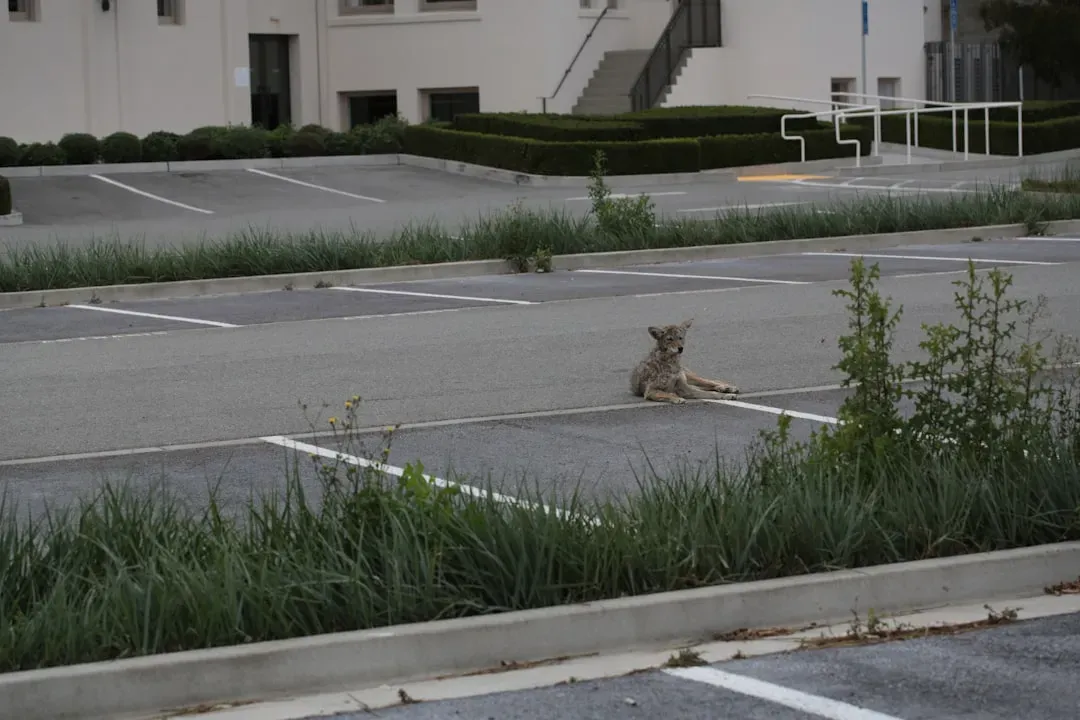
We tend to underestimate how much sound shapes an animal’s decision-making. Coyotes listen for constant patterns: humming air conditioners, distant traffic, dogs that bark at any movement, late-night parties, slamming car doors. A place that is rowdy and unpredictable can feel risky. But a place that is loud in a stable, regular way can actually start to feel like background noise that signals normal life, not danger.
Artificial light adds another layer. Bright, motion-triggered floodlights that snap on near ground level can startle a coyote into backing off. But soft, steady lighting from streetlamps or porch lights does not necessarily repel them and sometimes helps them spot food more easily. Over time, coyotes that live near cities learn which sounds and lights are just human static and which predict real threats, like someone stepping outside or a dog charging. When the signals say “boring, predictable, and safe,” they are far more willing to cross that invisible line into the neighborhood core.
6. Water, Green Space, and Natural Edges
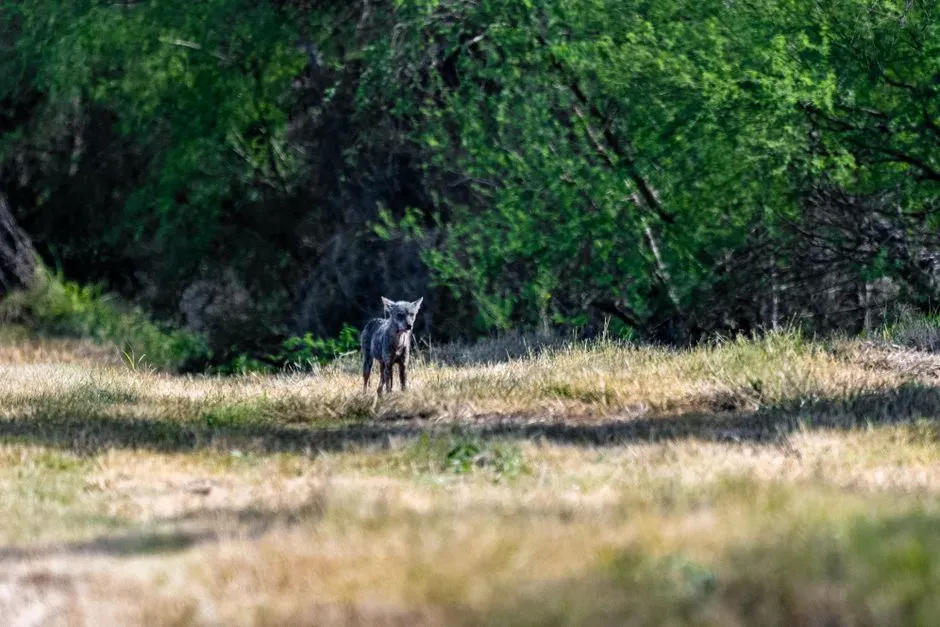
Coyotes are drawn to edges where wild and human spaces meet: creeks behind subdivisions, greenbelts, golf courses, utility easements, cemetery grounds, and even unmanaged stormwater basins. Before committing to wander through streets and backyards, they will often travel these quieter corridors, checking for water, prey, and signs of people. A neighborhood bordered by a lush creek or large park might get coyote visitors much more often than a dense urban grid with little greenery.
Water is not just for drinking; it is also where prey concentrates. Frogs, rodents, rabbits, and birds cluster near damp soil and dense vegetation, turning those spaces into reliable hunting grounds. If a coyote can hunt along the water’s edge, then slip a few houses deep for trash, fallen fruit, or pet food, your entire block becomes part of an extended feeding circuit. From the coyote’s point of view, the neighborhood is simply an extension of the habitat strip it already trusts.
When I first learned this, it changed how I looked at city maps. That skinny blue line you ignore on a map app can be the spine of an entire coyote territory. Houses that feel solidly “in town” to us may be only a short, sheltered trot from prime wild habitat. Once you see that, a random coyote sighting stops feeling so mysterious and starts feeling almost inevitable.
7. Past Encounters: What They Have “Learned” About Your Area
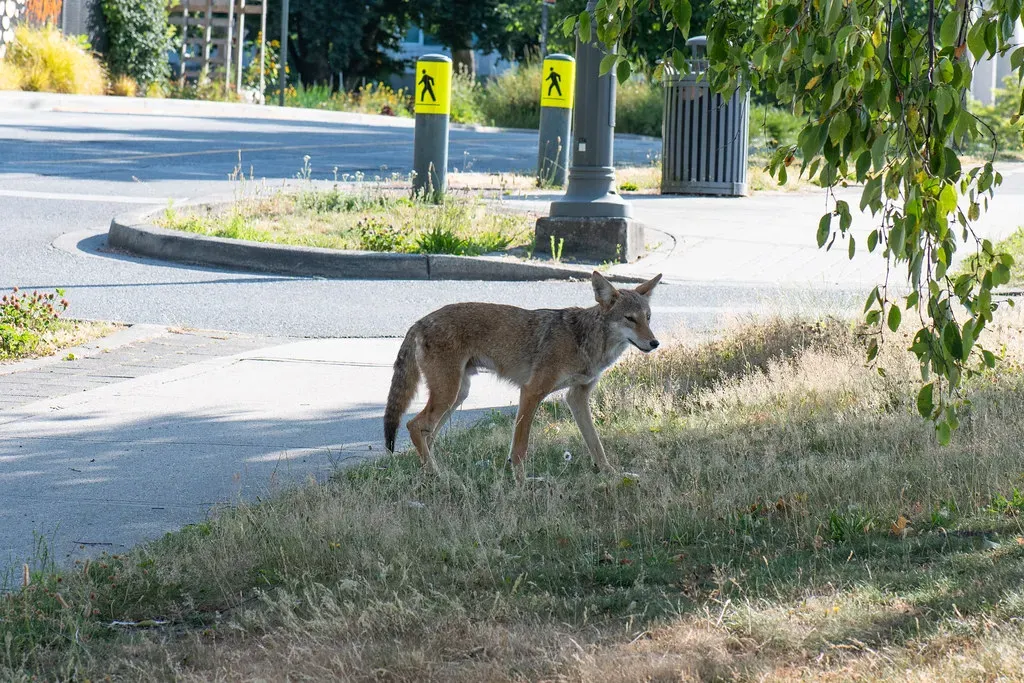
The last thing is not something outside them; it is their own memory. Coyotes are quick learners. If a particular cul-de-sac has given them easy meals with no real pushback, they will file that away as a safe, profitable spot and come back. If they have been chased, hazed, or surprised by people and large dogs in a certain area, they may still pass by, but they are more likely to hurry, stay hidden, or avoid the center of that neighborhood altogether.
This is why experts keep emphasizing that human behavior matters. A neighborhood that tolerates coyotes wandering freely, leaving food sources out and rarely confronting bold individuals, effectively teaches them that humans are no big deal. In contrast, a community that removes attractants and consistently startles or chases coyotes out of close spaces sends the opposite signal. Over months and years, those subtle lessons become one of the most powerful forces shaping whether coyotes just skirt the edges of a neighborhood or start treating it like a second home.
Conclusion: Seeing Your Street Through Coyote Eyes
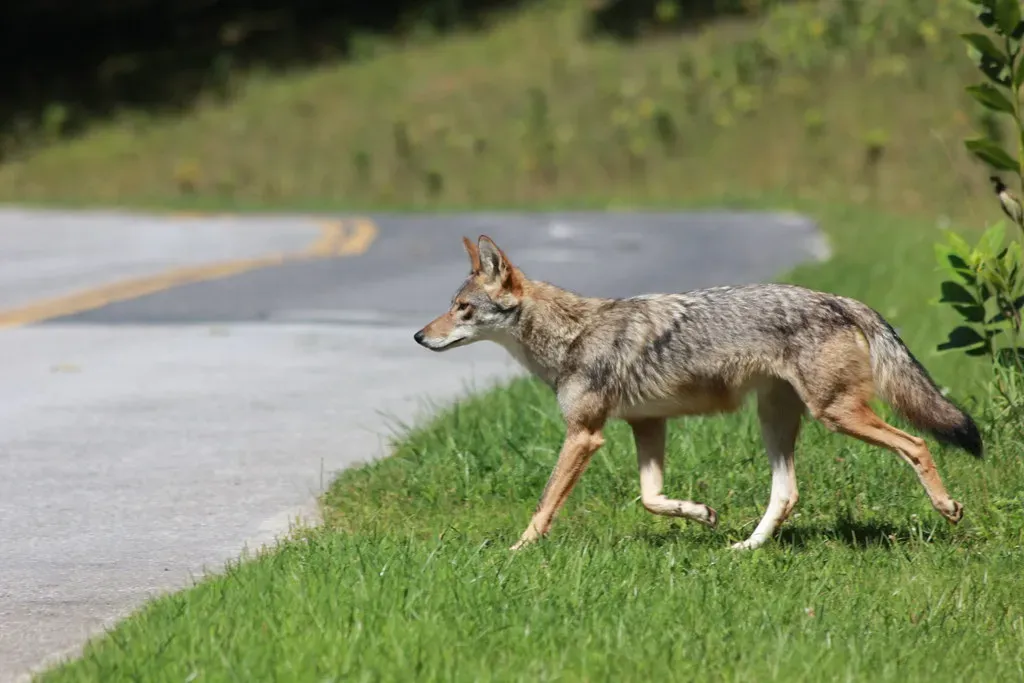
In my view, coyotes are not villains invading “our” space, and they are not mystical spirit guides either. They are sharp, adaptable survivors reading the landscape with far more nuance than we give them credit for. Food scents, daily rhythms of human activity, pet signals, cover, noise, light, green corridors, and past experiences all layer together into one simple question for them: is this neighborhood worth the risk tonight?
The uncomfortable truth is that many modern neighborhoods answer that question with a loud yes. Overflowing trash, unsecured compost, outdoor pet food, and calm, predictable nights combine into an open invitation. If we want fewer unnerving backyard encounters and safer conditions for pets, the path is not panic or demonizing wildlife; it is quietly changing what coyotes notice when they approach. Look at your own street with their priorities in mind – does it look like a gauntlet, or like a buffet with plenty of escape routes – and which one would you rather it be?