
If there’s one question that quietly haunts almost everyone, it’s this: how did life actually start? Not life as in people and pets and trees, but the very first living thing, from a world that was just rock, water, and energy. The more scientists dig into this mystery, the stranger and more mind-bending the answers become. It turns out, there’s no single agreed-upon explanation – only a handful of competing ideas that all sound a bit wild in their own way.
I remember the first time I realized that the textbook version of “a warm little pond and some lightning” was only one of many possibilities. It felt like discovering there were multiple alternate origin stories for the same movie universe. Each theory doesn’t just explain chemistry; it reshapes how we see ourselves, our place in the universe, and even what we mean by “life.” Let’s walk through seven of the most fascinating ideas – and you can decide which one messes with your worldview the most.
The Primordial Soup: Life from a Cosmic Chemical Stew
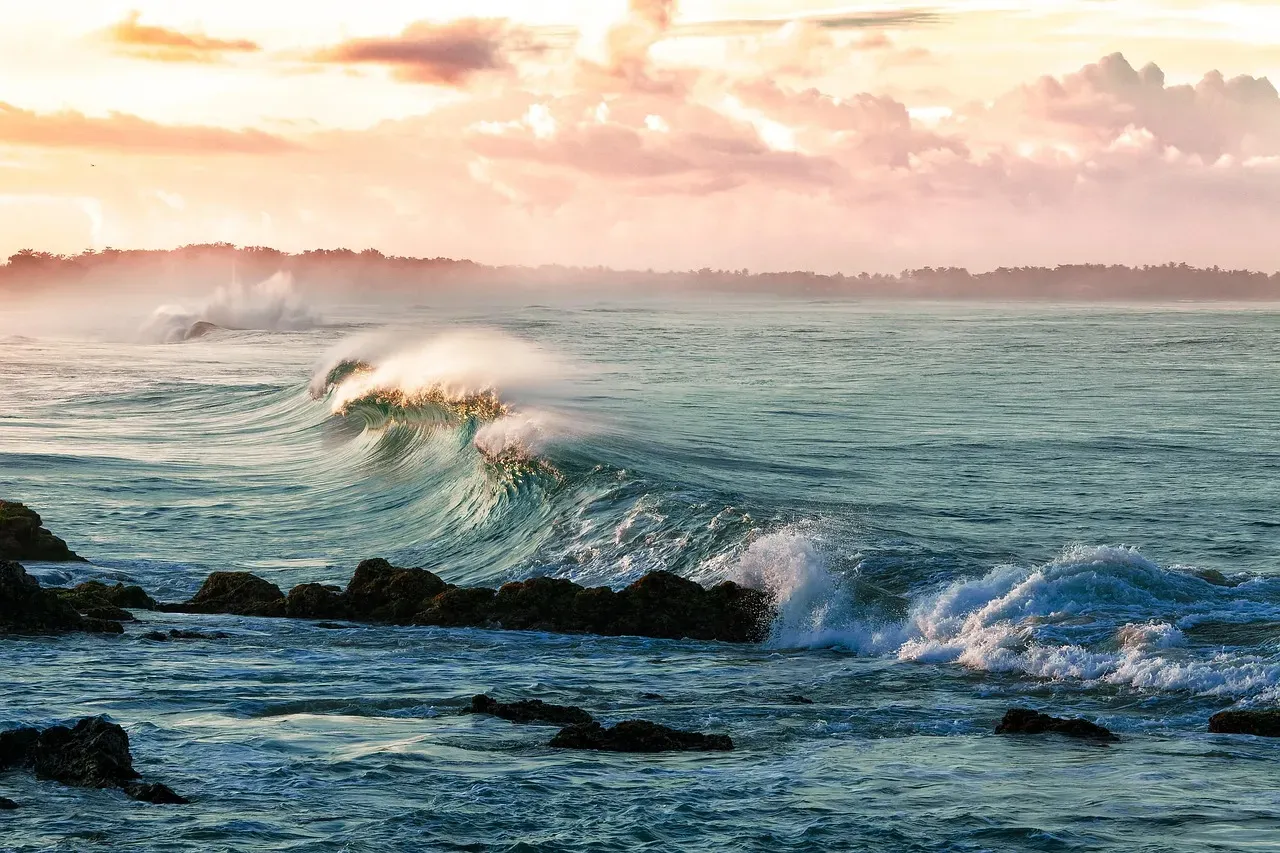
The classic “primordial soup” theory imagines early Earth as a kind of wild, unstable chemistry lab. The idea is that the planet was covered in oceans rich with simple molecules like water, methane, ammonia, and hydrogen, while volcanoes, ultraviolet light, and lightning poured energy into the mix. Over time, those ingredients supposedly reacted to form more complex organic molecules like amino acids, sugars, and nucleotides – the raw materials of life.
Experiments in the mid twentieth century showed that when you zap a mixture of early-Earth-like gases with electricity, you can get amino acids and other building blocks. That was a stunning result at the time, because it made the idea of life emerging from nonlife feel less like science fiction. Still, critics point out that the experiment used an atmosphere that we now think doesn’t perfectly match early Earth. The core idea, though – that complex molecules can spontaneously form under the right conditions – remains deeply influential and still shapes how scientists think about life’s first steps.
Hydrothermal Vents: Life Born in the Dark, at the Bottom of the Ocean
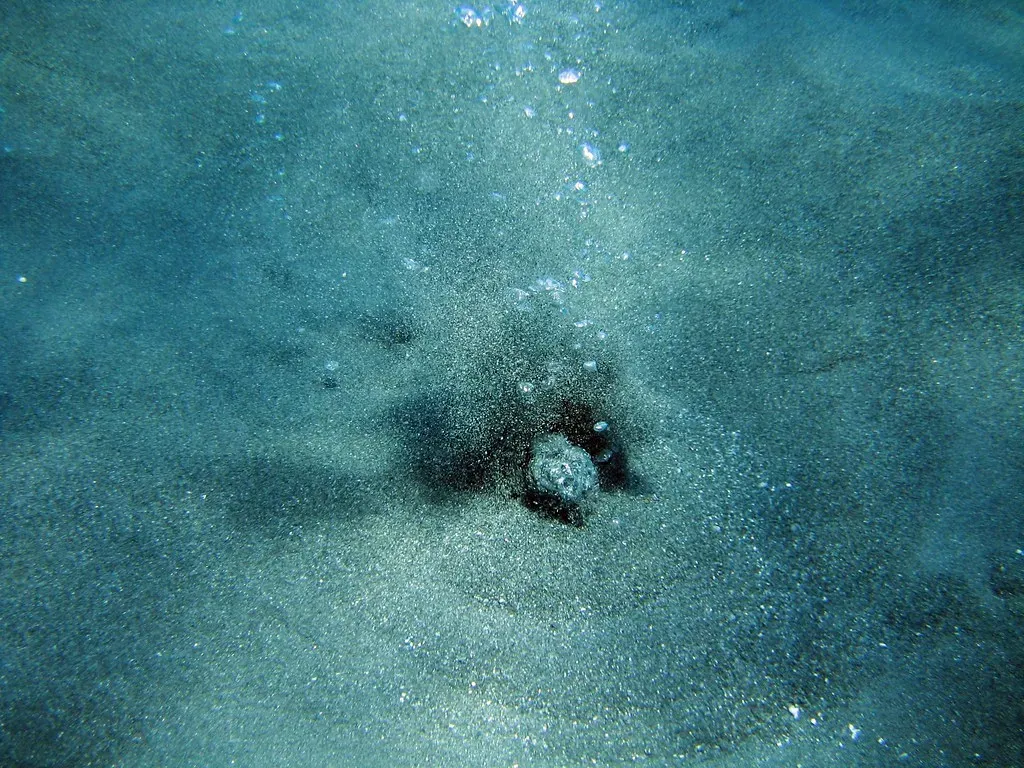
Another powerful theory moves the origin of life from shallow ponds to the crushing darkness of the deep sea. On the ocean floor, there are hydrothermal vents that pour out superheated, mineral-rich water from inside the Earth. Around these vents today, we see entire ecosystems thriving without sunlight, fueled instead by chemical energy. This has led many researchers to suspect that something similar could have been the cradle of life billions of years ago.
These vents create steep chemical gradients and natural compartments in mineral structures, almost like microscopic test tubes built into the rocks. Those tiny spaces may have helped concentrate molecules and drive complex reactions that are hard to achieve in open water. Some scientists argue that the energy sources and structures at vents could have supported early metabolic reactions before anything like DNA or cells existed. If this idea is right, life didn’t begin in a sunny pool, but in a hostile, high-pressure world where light never reaches – which is both eerie and strangely beautiful.
The RNA World: When Genetics and Chemistry Were the Same Thing
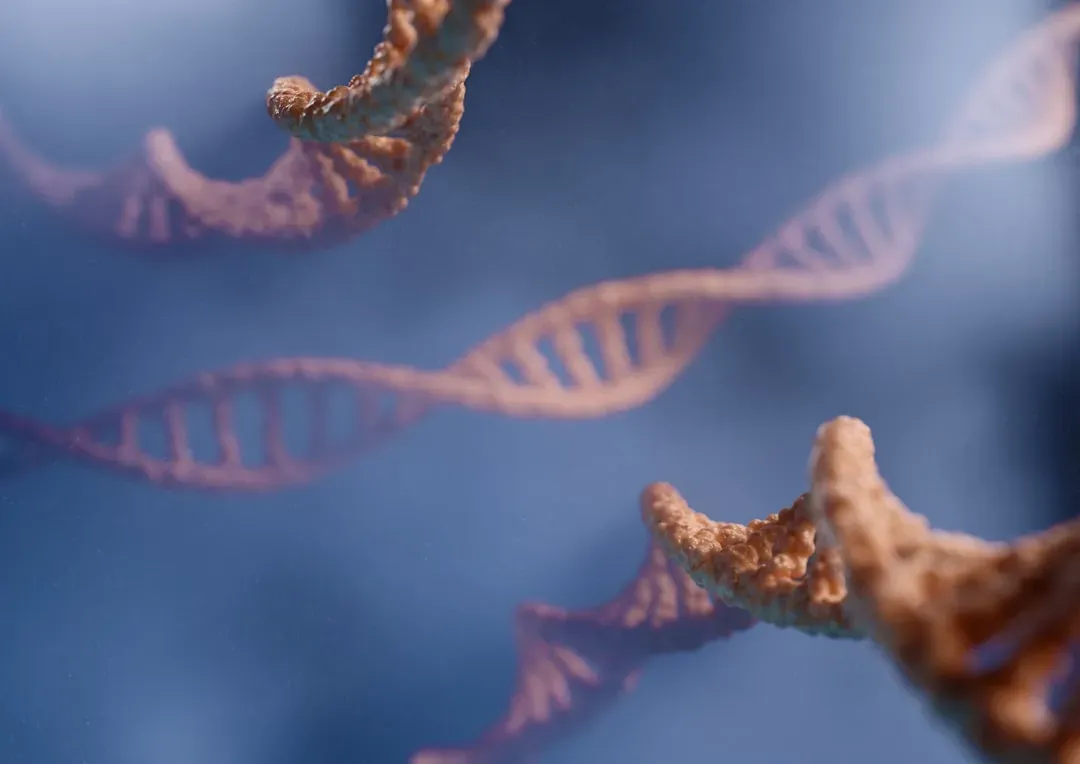
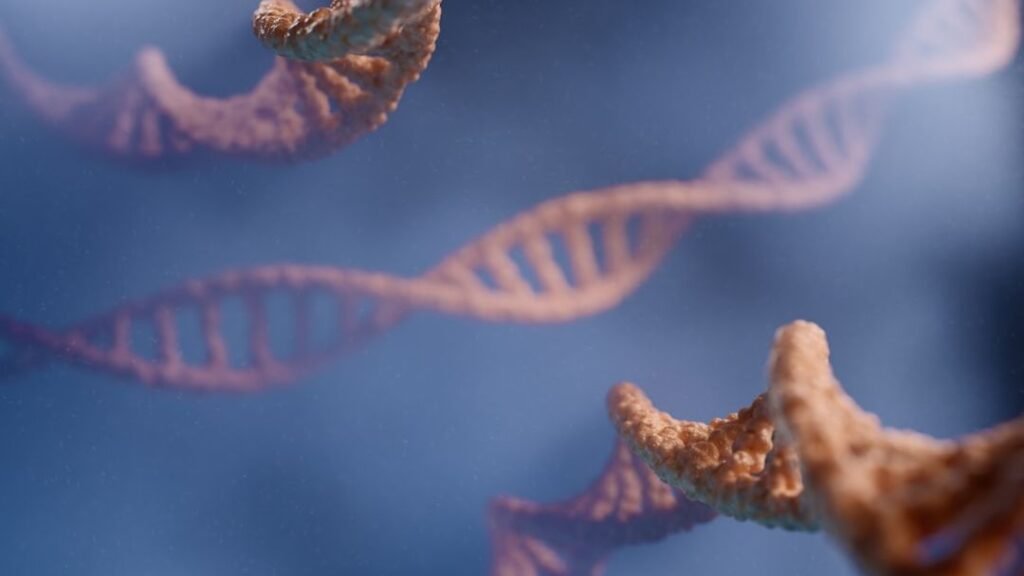
The “RNA world” hypothesis flips the usual chicken-and-egg question of life on its head. Modern life uses DNA to store information, proteins to do most of the work, and RNA as a kind of helper. But RNA is special: it can both store genetic information and, in some forms, act as a chemical catalyst. That dual role makes it a strong candidate for the earliest molecule of life, before DNA and proteins took over.
In this view, early Earth might have hosted simple self-replicating RNA molecules that copied themselves, made mistakes, and evolved. Over time, more efficient systems would have emerged, eventually leading to the DNA-and-protein-based life we know today. The catch is that making RNA from scratch under realistic early-Earth conditions turns out to be surprisingly difficult in the lab. Still, scientists have shown pieces of the puzzle – for example, how some RNA-like components can form spontaneously – so this theory remains one of the central pillars in origin-of-life research.
Metabolism-First: Life as Chemistry Before Genes
Not everyone is convinced that self-replicating genetic molecules came first. The “metabolism-first” camp argues that life might have started as networks of chemical reactions cycling energy and matter, long before anything stored information in the way DNA or RNA do. Think of it like a primitive, self-sustaining chemical engine that gradually grew more complex and structured over time.
Supporters of this idea often point to simple metabolic pathways in modern cells that look ancient and deeply conserved, as if they were leftovers from a pre-genetic era. Some models suggest that minerals and surfaces on early Earth could have acted like scaffolds, channeling energy and organizing molecules into repeating reaction cycles. The big question for this theory is how you get from these blind, repeating reactions to something capable of evolution and heredity. Even so, it offers a radically different vision: life as a process first, and only later as a set of instructions written in molecules.
Panspermia: Maybe Life Didn’t Start Here at All
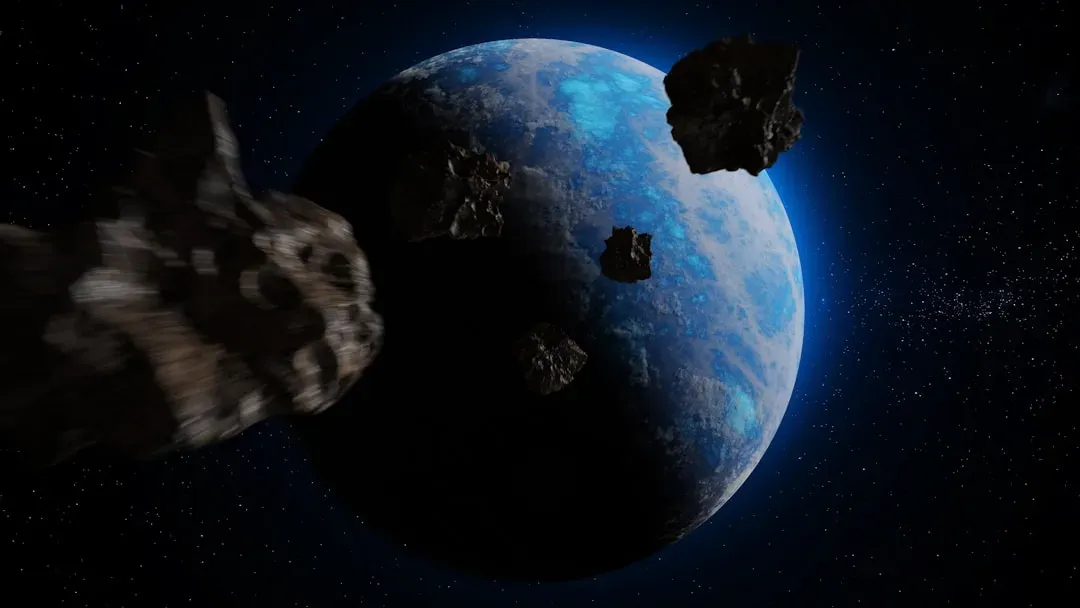
Panspermia is the idea that life, or at least its basic ingredients, might have come from space rather than forming entirely on Earth. We know that organic molecules, including amino acids and complex carbon compounds, are found on meteorites and in interstellar clouds. Some hardy microbes on Earth can even survive extreme cold, radiation, and vacuum for surprising lengths of time, which makes the idea less far-fetched than it sounds at first.
There are versions of panspermia that suggest simple life or pre-life chemistry hitched a ride on asteroids or comets and seeded young Earth. This doesn’t completely solve the origin problem; it just moves it to another time and place. But it does force us to think bigger: if life can travel between worlds, then it might not be rare at all. The real emotional jolt in this theory is the idea that we might be part of a much older, wandering lineage of life that started long before our planet was even ready for it.
Lipid Worlds and Protocells: When Bubbles Became Something More
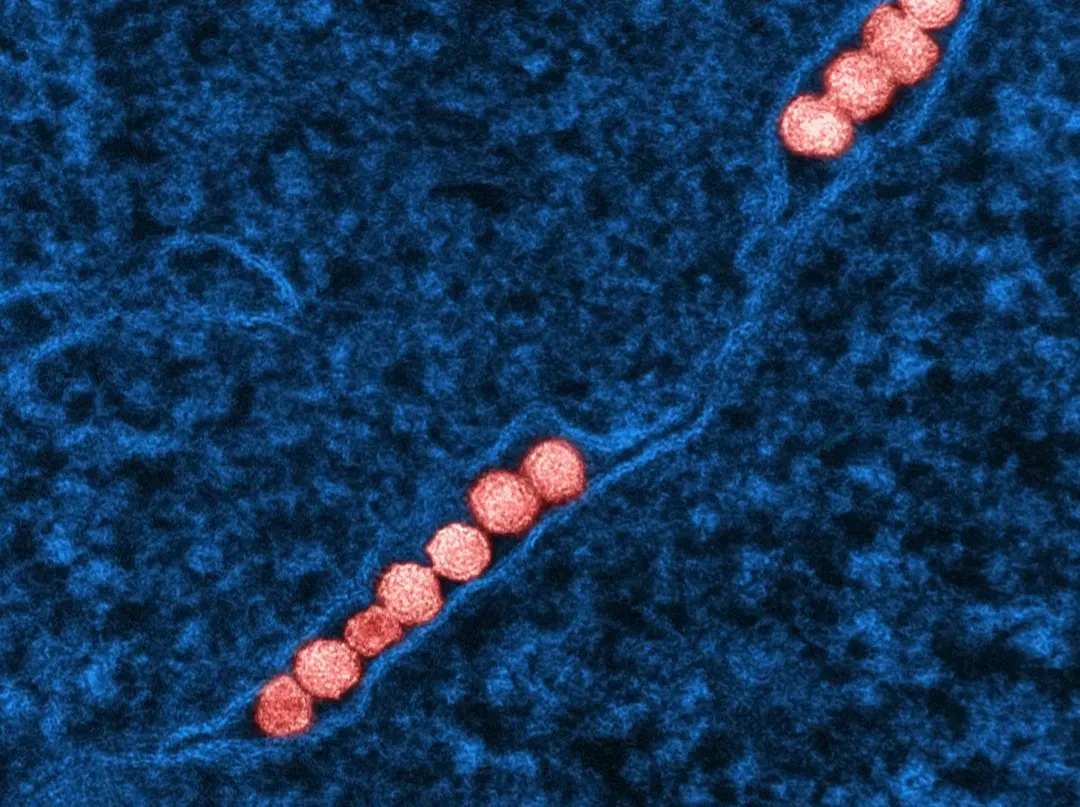
Another powerful idea focuses on the need for boundaries. Life, as we know it, depends on cells – tiny compartments that keep the inside organized and different from the outside world. It turns out that simple fatty molecules can spontaneously form bubbles, called vesicles, in water. These vesicles look a lot like primitive cell membranes and can sometimes trap other molecules inside them without any guidance.
The “lipid world” perspective suggests that such bubbles may have formed constantly on the early Earth, capturing RNA, small molecules, and reaction networks. Once you have a compartment that can grow, divide, and sometimes inherit useful contents, evolution suddenly becomes possible in a new way. Scientists have even made lab protocells that can grow and divide under the right conditions, which feels oddly like watching the earliest hints of life in fast-forward. This theory doesn’t necessarily compete with RNA or metabolism-first ideas; instead, it weaves them together by arguing that nothing could really take off until it had a protective home.
The Deep Time Wildcard: Multiple Paths, Failed Experiments, and Alien Possibilities
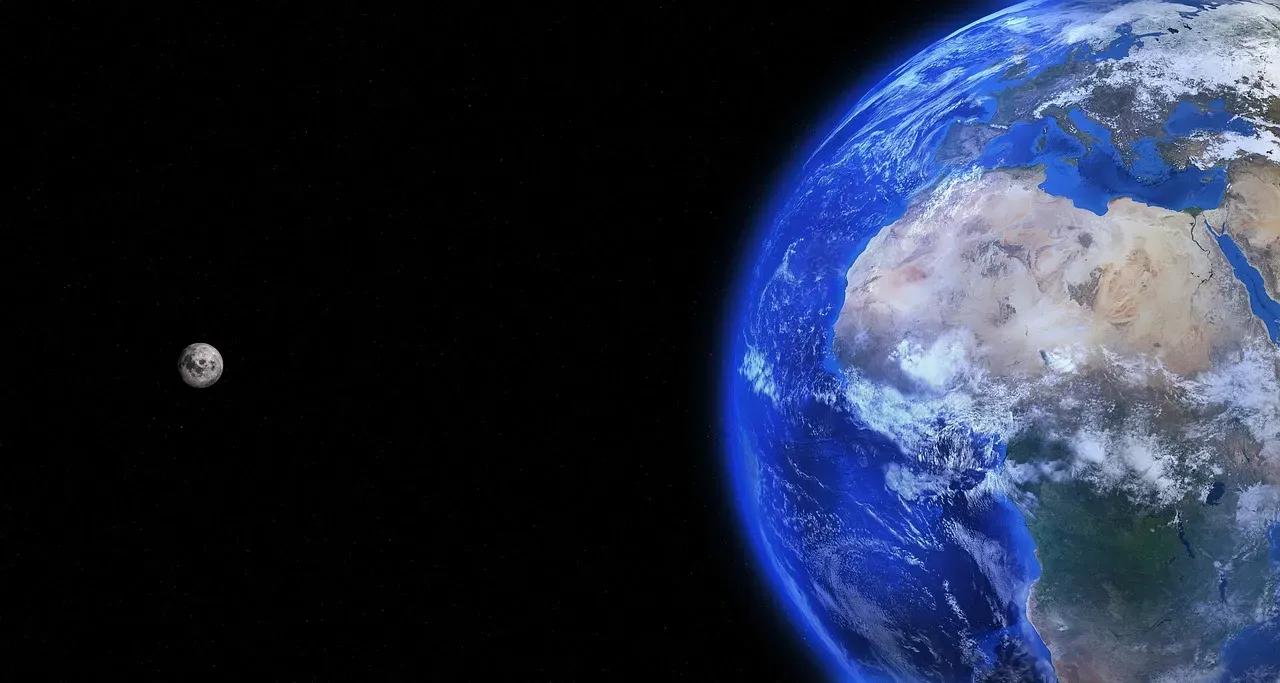
The more we learn, the more it seems possible that no single theory tells the whole story. Early Earth had oceans, volcanoes, lightning, deep-sea vents, icy regions, mineral surfaces, and constant bombardment from space. It might not be that one magic pathway produced life, but that many different pre-life chemistries were happening at once, interacting, competing, and failing over millions of years. Some lines of chemistry may have flourished briefly, then vanished without a trace.
In that sense, our form of life could be just one lucky winner among countless failed experiments. That possibility becomes even more striking when we look at other worlds with oceans or subsurface water, like some moons in our solar system. If the conditions that gave rise to life are not unique to Earth, then there may be many different “solutions” to the problem of life scattered through the universe. We might not just have to rethink how life began here; we may have to accept that our version of life is only one chapter in a much bigger, stranger story.
A Mystery That Refuses to Sit Still
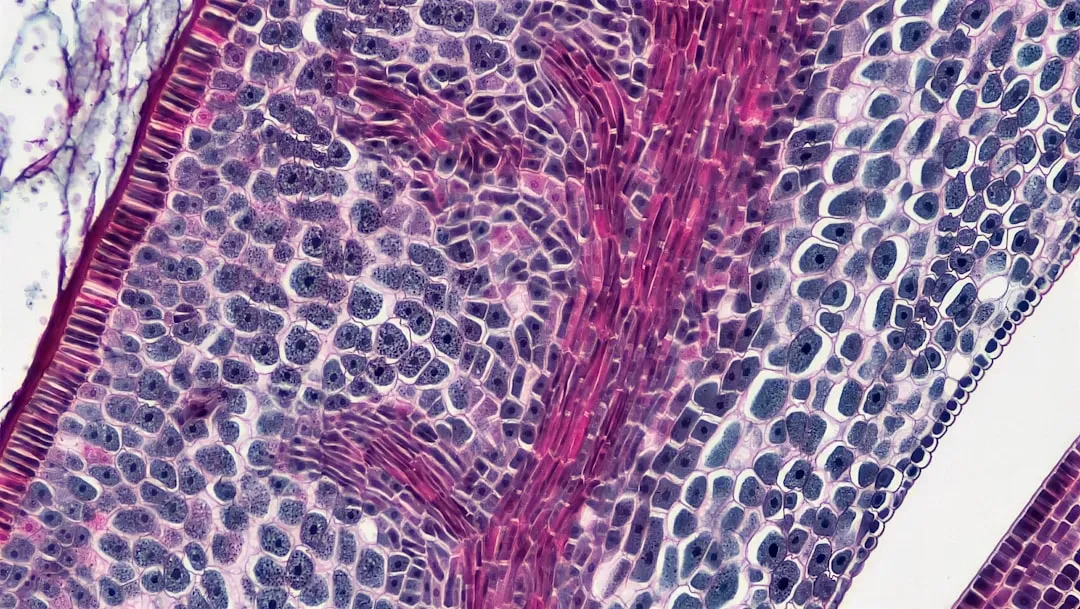
When you line up these seven theories, what jumps out is not just how different they are, but how they overlap and blur together. Maybe life started in a deep-sea vent, with metabolism-like reactions, then found structure in lipid bubbles, and eventually evolved RNA-based genetics. Maybe space delivered extra ingredients that pushed everything over the edge. As new experiments and space missions roll in, the story keeps shifting, and simple answers keep slipping away.
In a way, that uncertainty is the most honest part of the whole topic: we are still at the beginning of understanding our own beginning. The origin of life is not a solved puzzle with one missing piece; it’s more like a landscape we’re slowly mapping, one strange valley at a time. Knowing that we stand on a planet where nonliving matter somehow woke up is unsettling, humbling, and strangely hopeful. Which of these origin stories feels most convincing to you right now?